
ROOMS · MATERIALS · MOISTURE
WINDSOR · MELBOURNE
Mould Removal Windsor
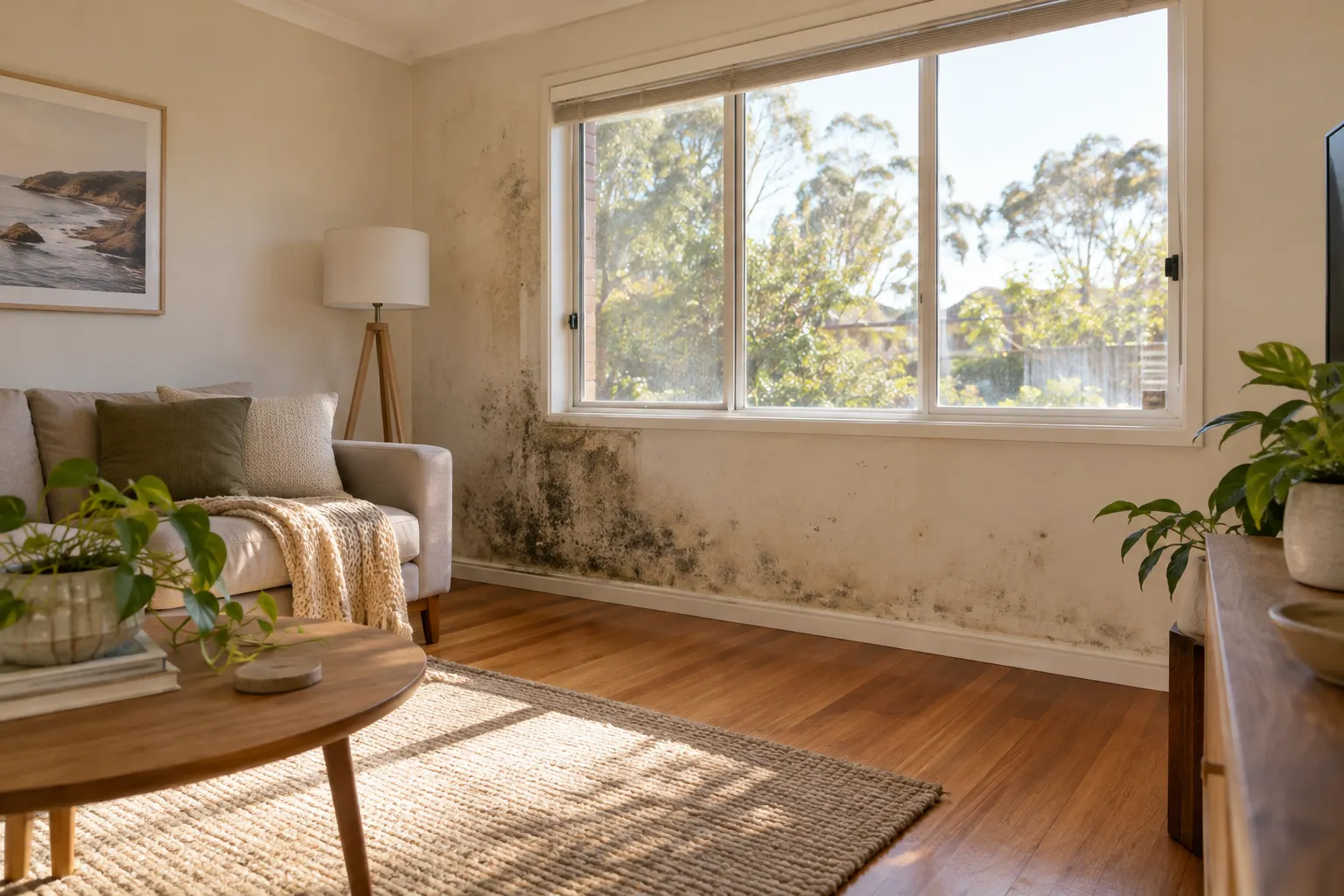
In a compact room, a wardrobe and a closed door can make an affected corner difficult to see. A Windsor enquiry should explain the layout and furniture clearance. That helps plan access and assess the visible finish without blaming the room size for a moisture problem that may have another cause.
Material condition considered
Accessible work agreed first
Moisture observations kept in view
THE ROOM TELLS A STORY
A tight layout needs a practical plan.
Windsor and Prahran are the subject of a Stonnington heritage review.
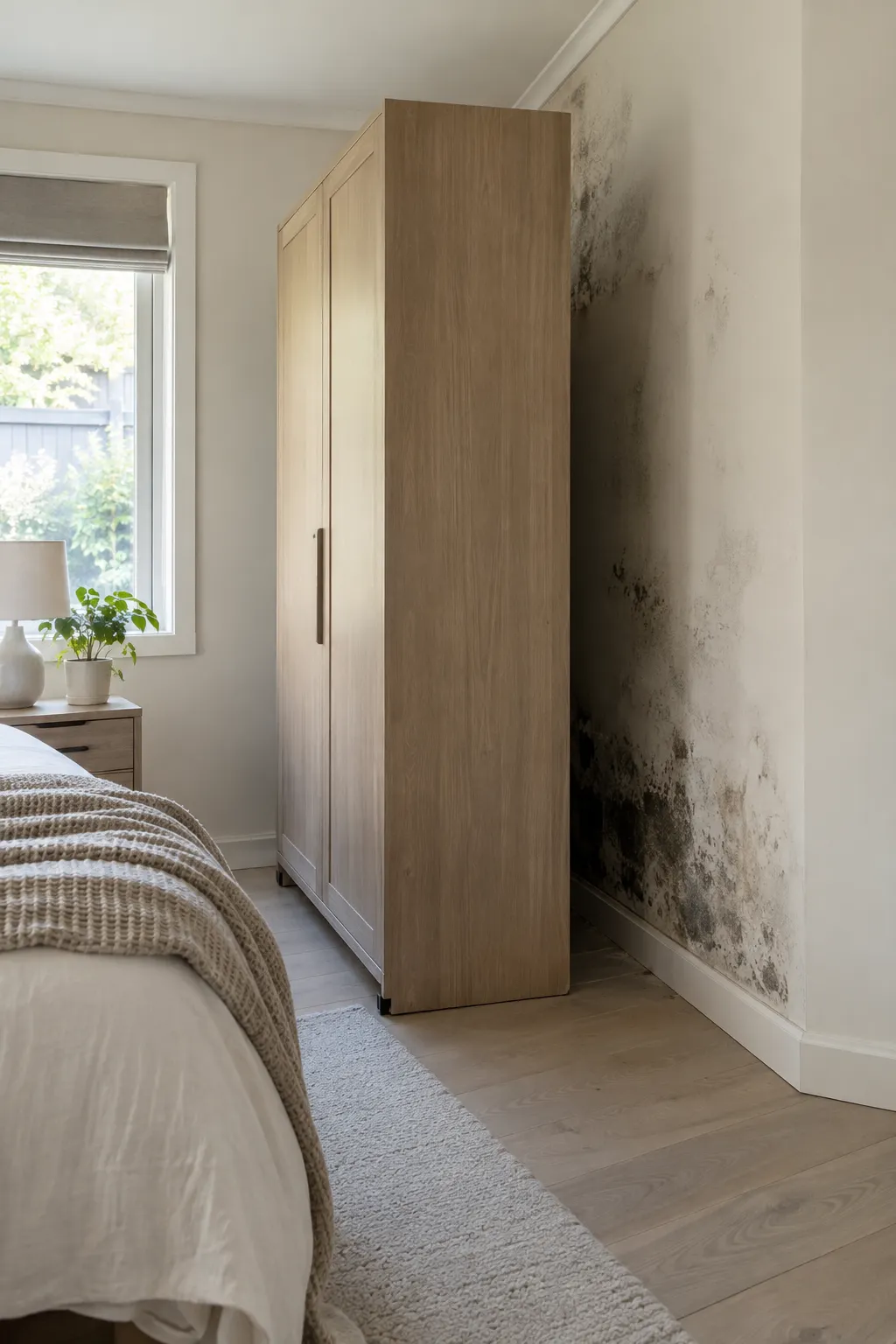
If a bedroom has a tight furniture arrangement, show the wardrobe edge and adjoining window in a wider photo. Do not dismantle built-in storage merely to obtain a close-up. The relevant questions are what can be accessed, how the room dries and whether other signs suggest a leak.
UNDERSTANDING MOISTURE
Look at the corner and the whole room.
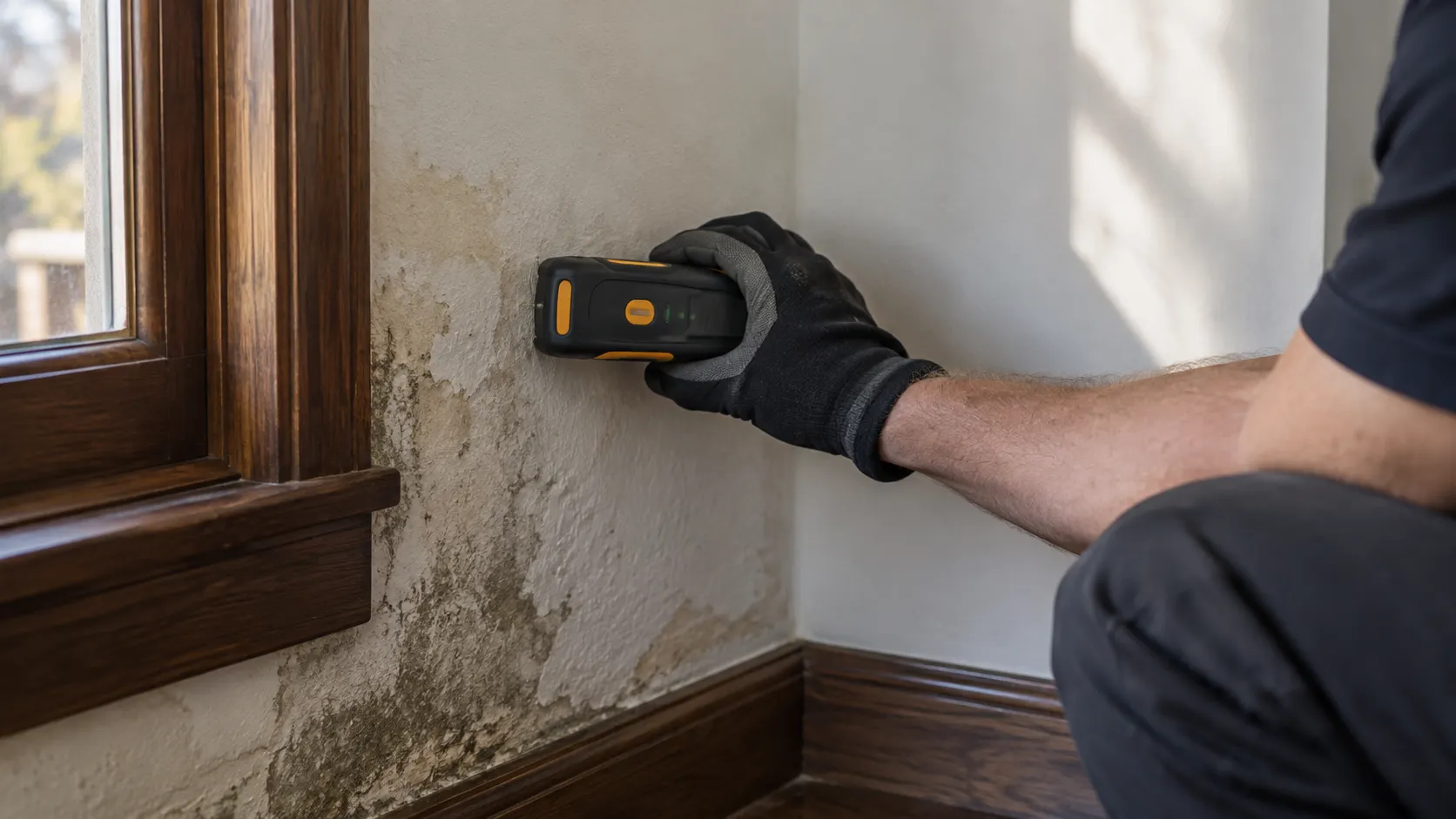
The concealed part
Explain what the wardrobe hides and which edges can be seen. Restricted access can limit the visible extent. A small exposed patch does not establish that the entire surface behind fixed storage is in the same condition.
Room drying
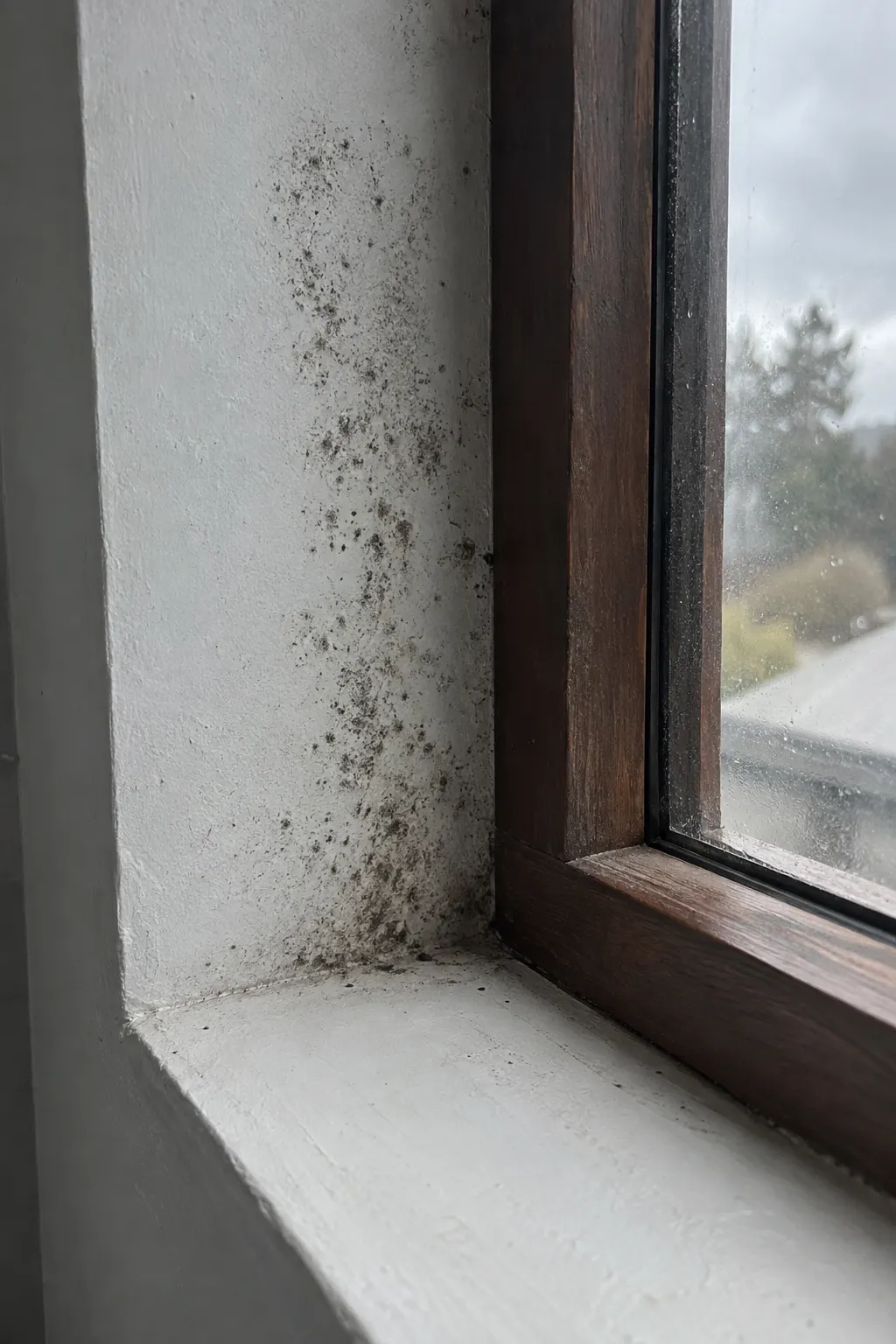
Note window moisture, usual door position and whether the corner stays cool or damp during ordinary use. These observations describe conditions without proving furniture placement is the only cause or dismissing possible water entry.
Access for assessment
Send a layout view before moving anything heavy. A mould inspection can consider accessible evidence and identify limits, while dismantling built-in storage or opening a wall needs separate planning, permission and suitable assistance.
OUR REMOVAL PROCESS
Make space in the plan before the room.
Show the existing arrangement
A wider photo explains why a surface is difficult to reach. Keep that context available before furniture movement changes the room, and include a close view only where it can be taken safely.
Distinguish fixed storage
Built-in cabinets have different movement and permission questions from a freestanding wardrobe. Identify them during the call so access work is not mistaken for a normal included preparation task.
Name affected contents
Clothing and storage boxes need separate consideration from wall paint. Mention visible growth on belongings rather than assuming a room-removal appointment includes cleaning or restoring everything in the cupboard.
01
Describe the layout first
Identify the affected corner, furniture type and material condition. State whether storage is fixed or movable. An agreed surface-removal scope should be based on real access rather than presume a cramped room can readily be cleared.
02
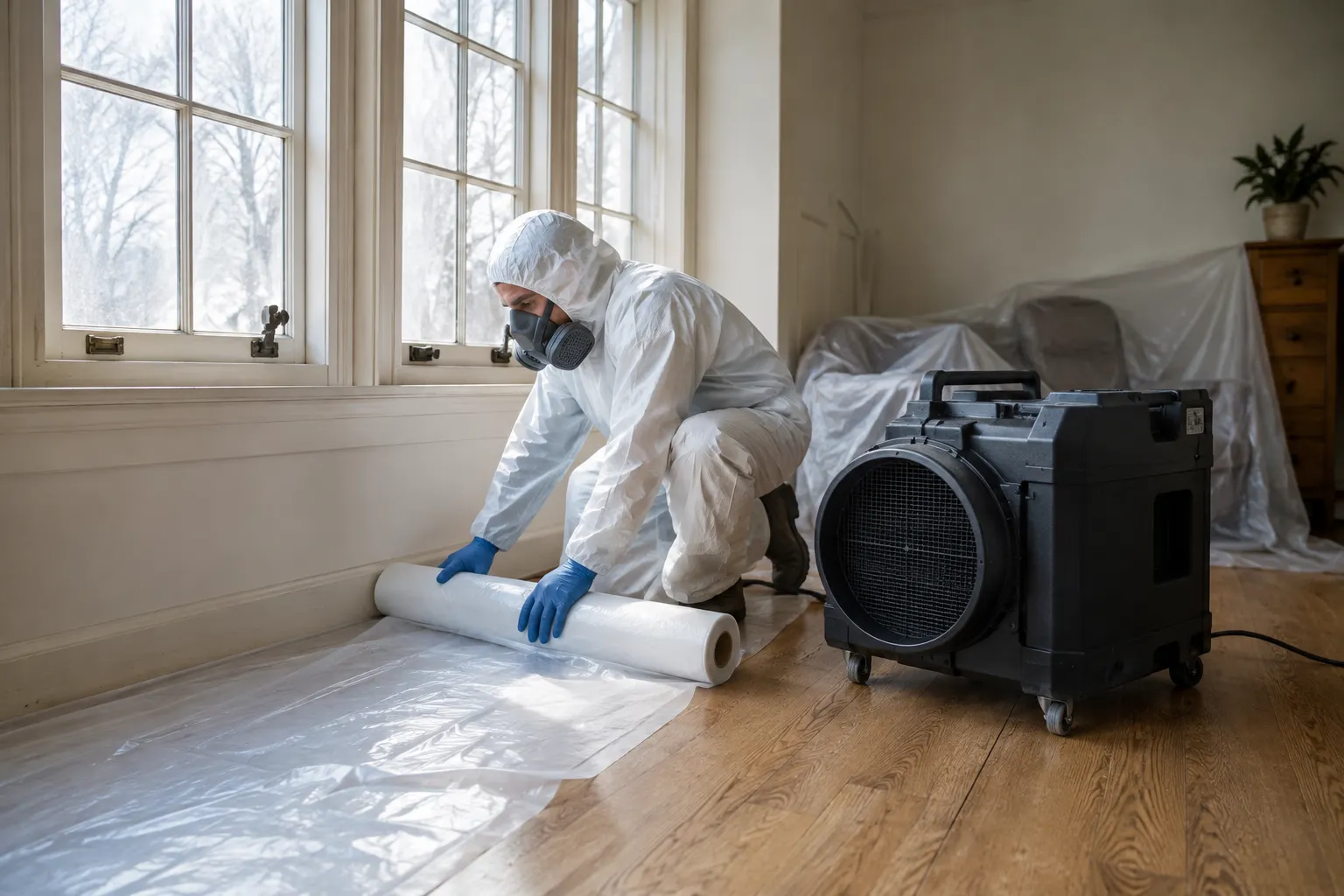
Agree safe preparation
Discuss who can move belongings and what needs protecting. Keep exits and necessary access practical rather than relocating heavy furniture into another unsafe position. Equipment and protection should suit the room, with occupants’ concerns and delicate finishes raised before work.

03
Review the accessible wall
Consider remaining staining, damaged finishes and future observation after removal. Remediation planning links those decisions to moisture without promising that a revised furniture layout will fix a building defect or guarantee the corner remains unaffected.
COMMON AREAS AFFECTED
Small spaces contain different surfaces.
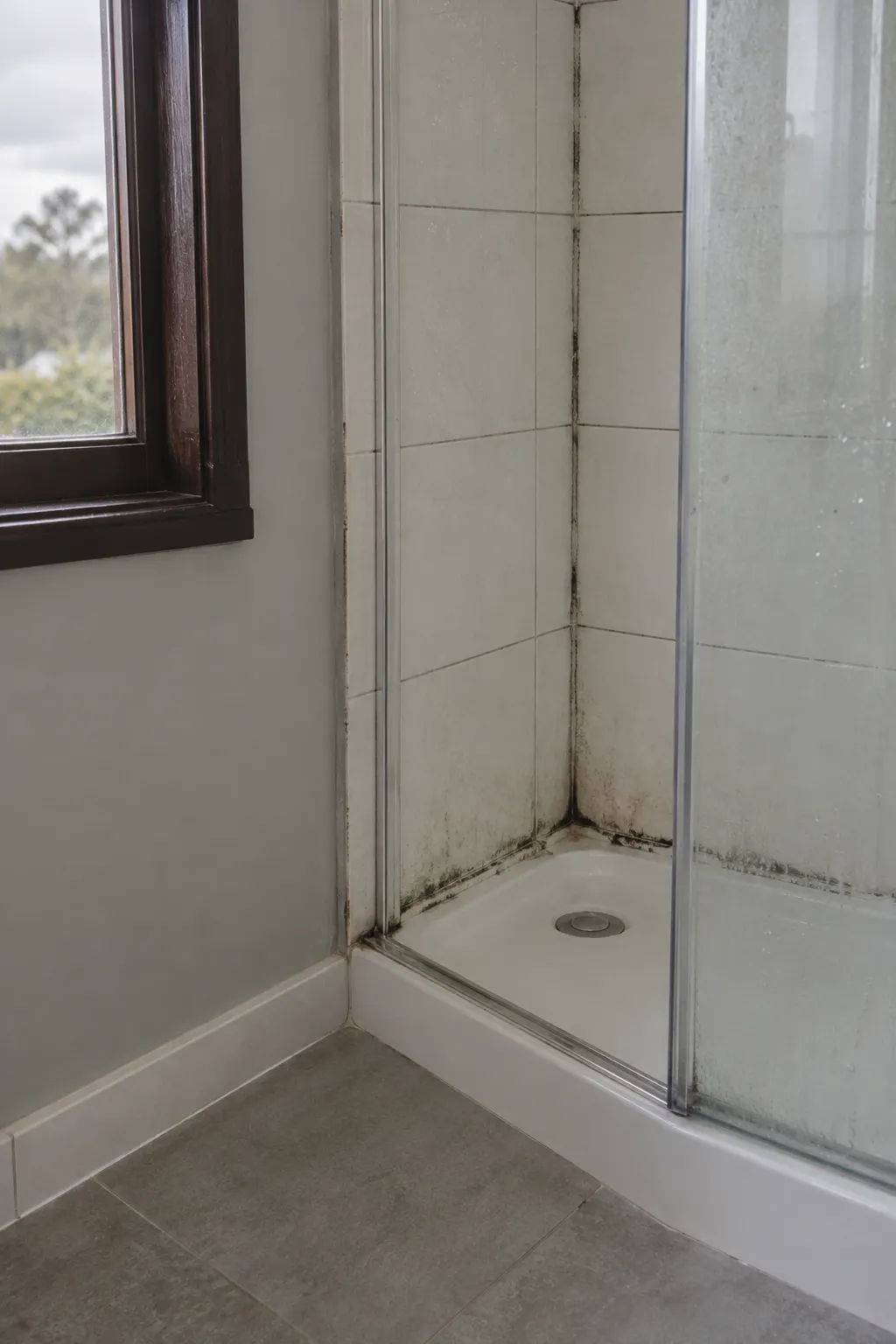
Bathroom surfaces
A compact bathroom may contain paint, grout and silicone close together. Describe each affected finish and its drying pattern rather than using room size as an explanation for the whole task.
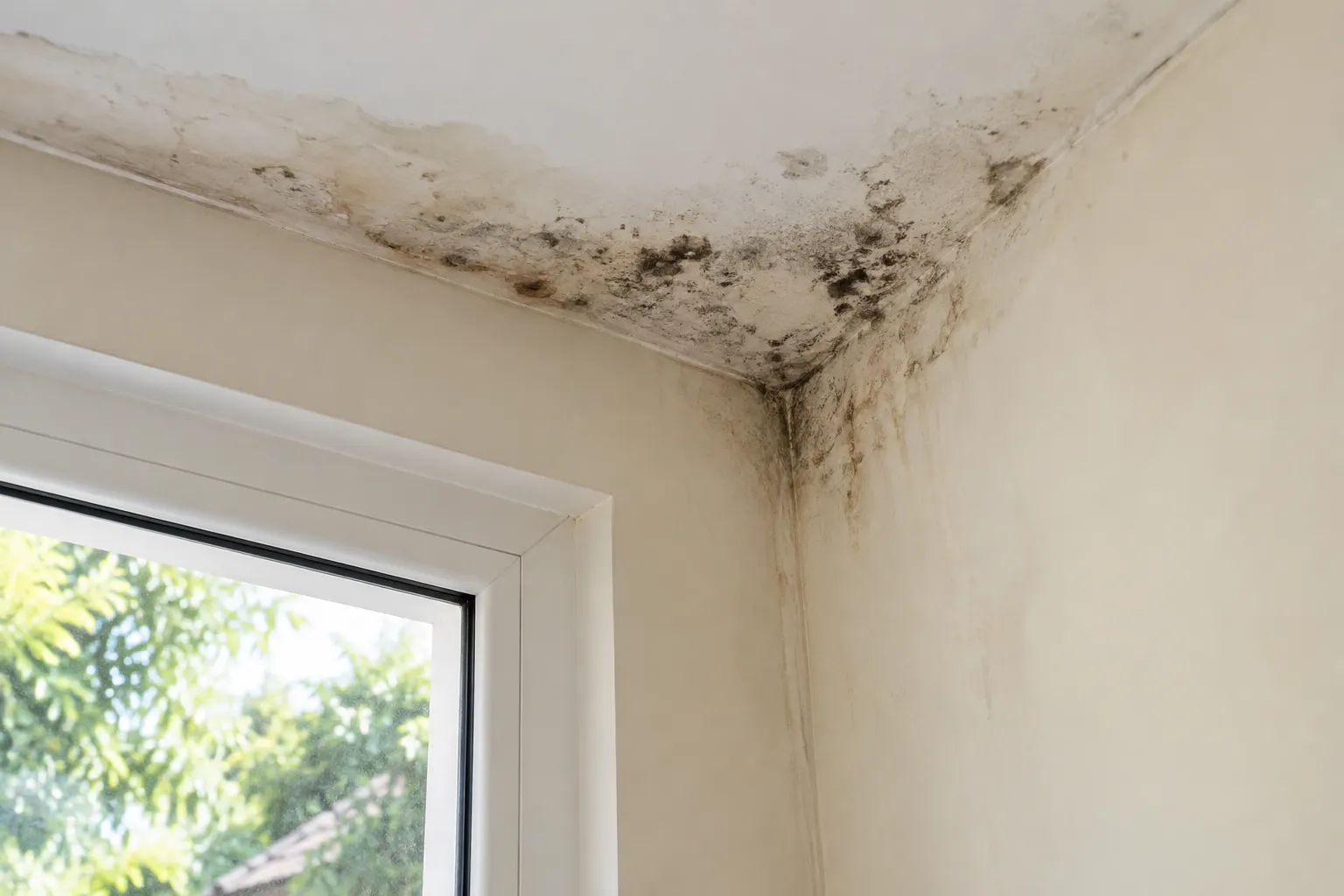
Ceiling condition
Ceiling marks above storage should still have their own leak history recorded.
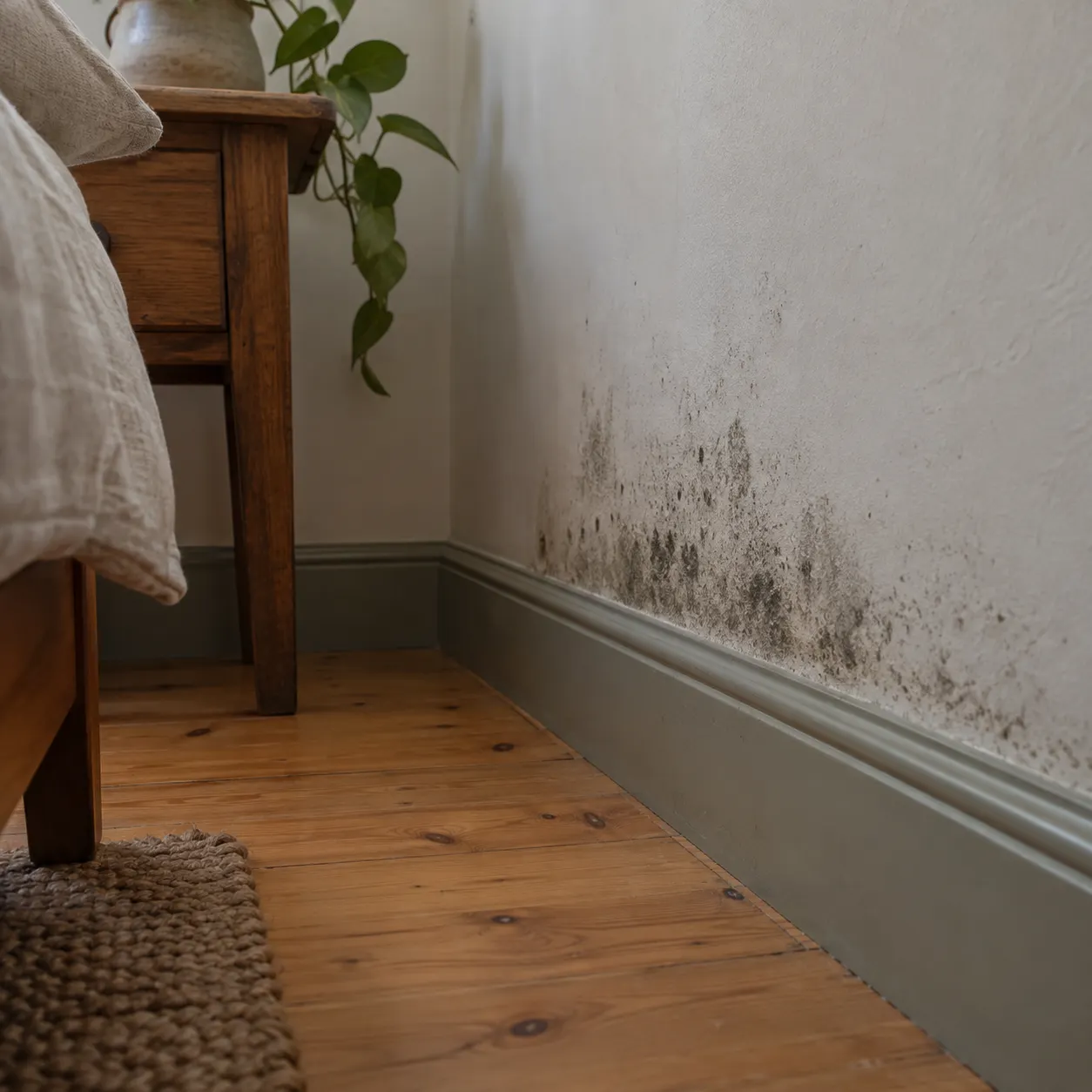
Walls and finishes
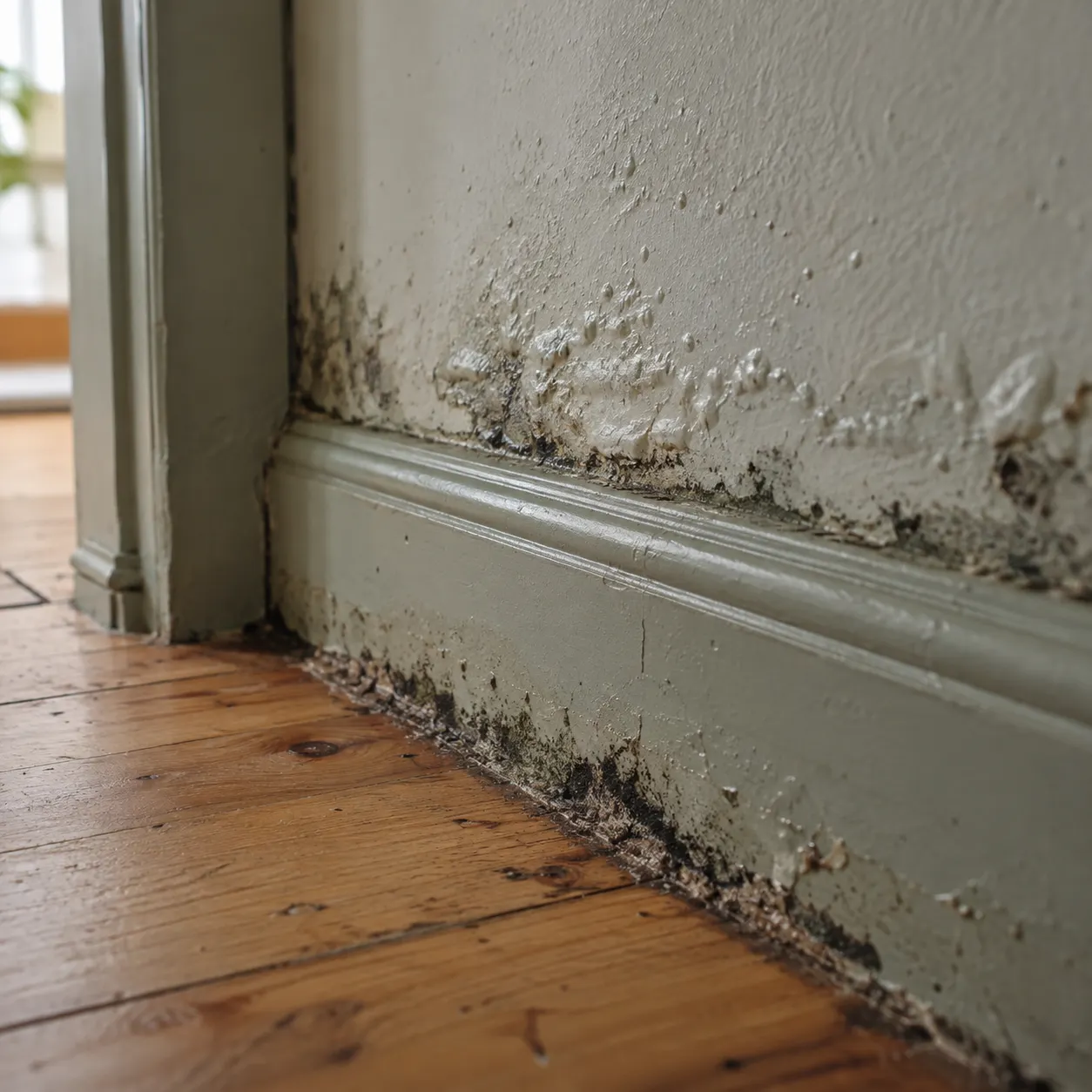
The wall beside a wardrobe may be partly concealed. State what is visible and reachable, with peeling paint or softness identified before assuming the exposed finish represents the hidden area.
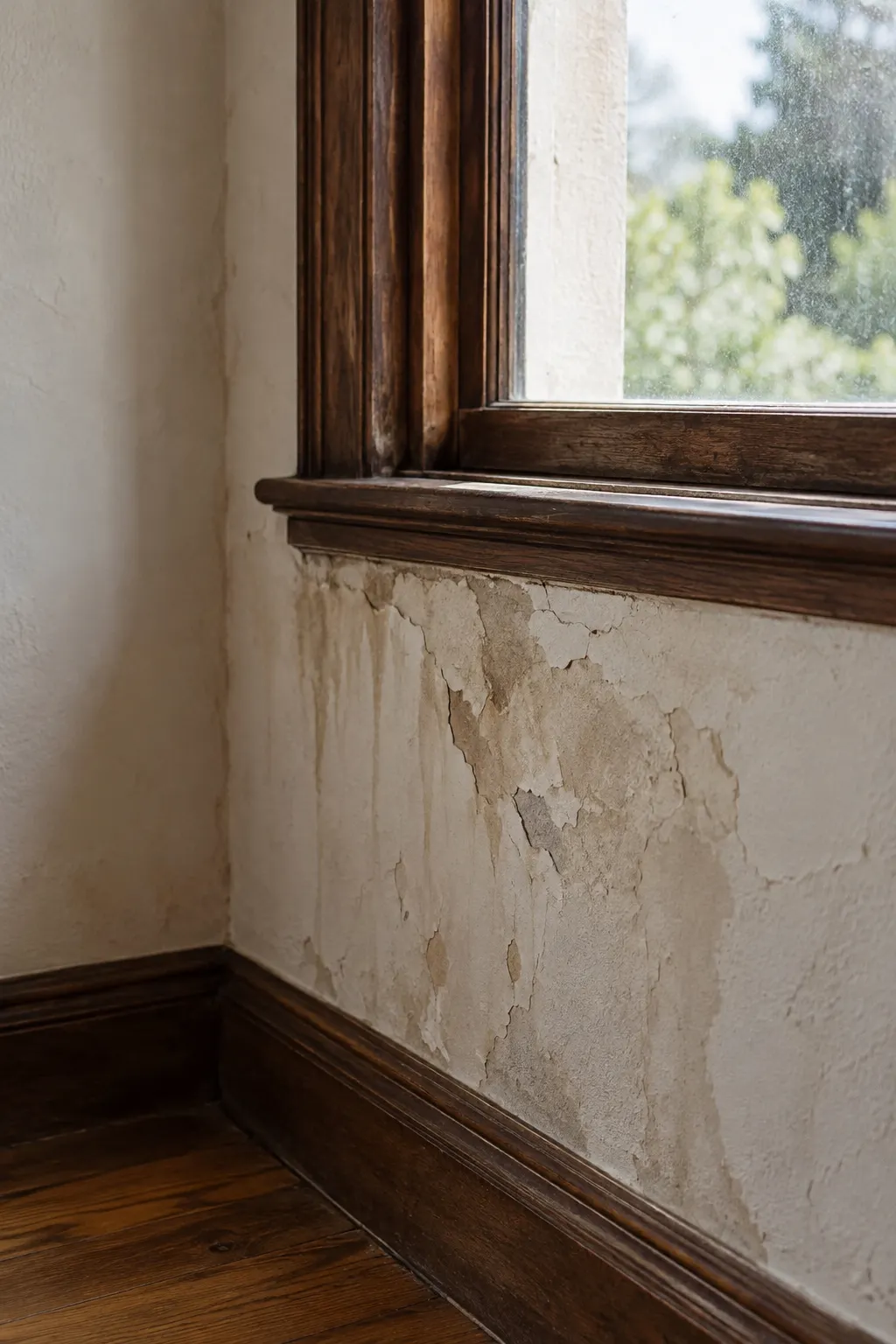
After water damage
A past water incident in a compact interior can affect stored items and closed surfaces.
PREVENTION STARTS WITH
Practical airflow.
Practical access.
A practical household check
Keep the accessible edges of tightly arranged rooms under observation. Use ventilation that suits the layout rather than moving furniture into an unsafe position. If the same corner remains damp, discuss investigation of the surface temperature and moisture pathway.
Keep a usable observation point
After agreed work, choose accessible edges that can be checked without repeatedly moving heavy storage. Record new damp or changes in the finish. A practical furniture arrangement can help room drying, but persistent wetting still needs its source considered before another cosmetic treatment is arranged.
WINDSOR & NEARBY
Around Windsor
For a different nearby room, the Prahran, St Kilda and Balaclava guides provide useful starting points. Explain its fixed storage and movement restrictions before preparation is agreed.
BEFORE YOU CALL
The useful
questions.
What if there is not enough space to move the wardrobe away from the wall?
Explain the layout before the appointment. A practical access plan may be needed, especially for fixed or heavy furniture. We can discuss visible surfaces and limitations; changing storage or dismantling joinery is not automatically included in removal work.
Does the size of the room explain the cause?
No. Layout can affect airflow and access, but does not diagnose a moisture pathway. Describe windows, furniture and wetting history so the enquiry considers actual evidence rather than room size alone.
Should I dismantle built-in storage to expose the wall?
Discuss access first. Permission and suitable trade assistance may be needed. Do not dismantle fixed joinery simply for an enquiry photograph or assume that work is included in surface removal.
What if furniture movement blocks the doorway?
Do not create an unsafe or impractical arrangement. Explain the room before movement so access and preparation can be planned around the actual layout and the help available.
Will cleaning the wall include stored clothing?
No. Textiles and boxed belongings are outside the wall-removal scope. Textiles, boxes and painted plaster are different materials. Mention affected contents during the call so the scope separates wall work from decisions about belongings.
How do I begin a Windsor enquiry?
Call 03 8652 1296 with the address, layout photos and furniture details.

TELL US WHAT YOU CAN SEE
Describe the layout before moving it.
A room view can make the first call much more useful. Discuss availability and access so preparation is practical, with fixed storage, belongings and concealed surfaces clearly separated from the accessible removal scope.
Local context: Stonnington — Prahran and Windsor heritage review