
BELLBIRD · MELBOURNE
Mould Removal Bellbird
BELLBIRD / OBSERVE BEFORE ASSUMING
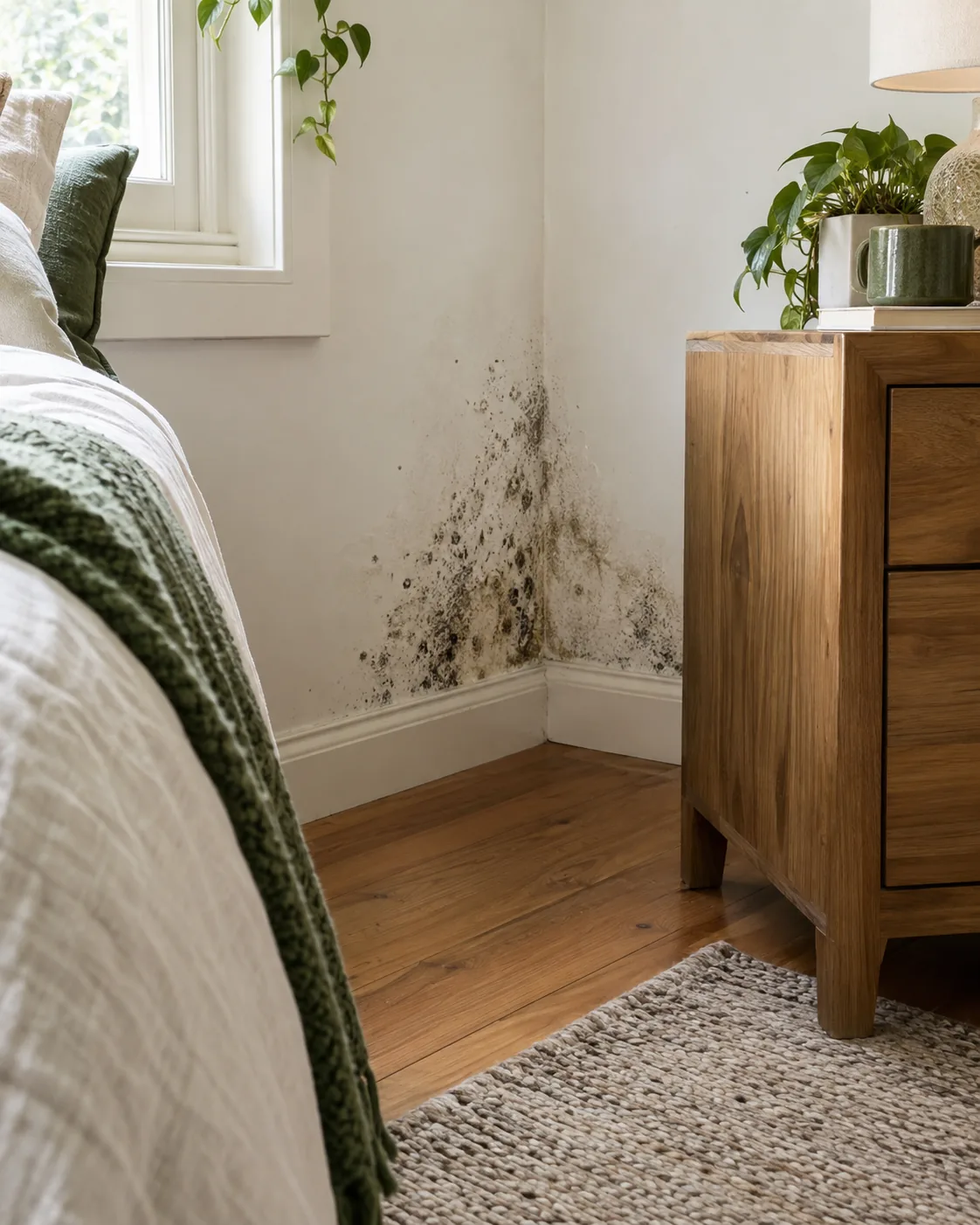
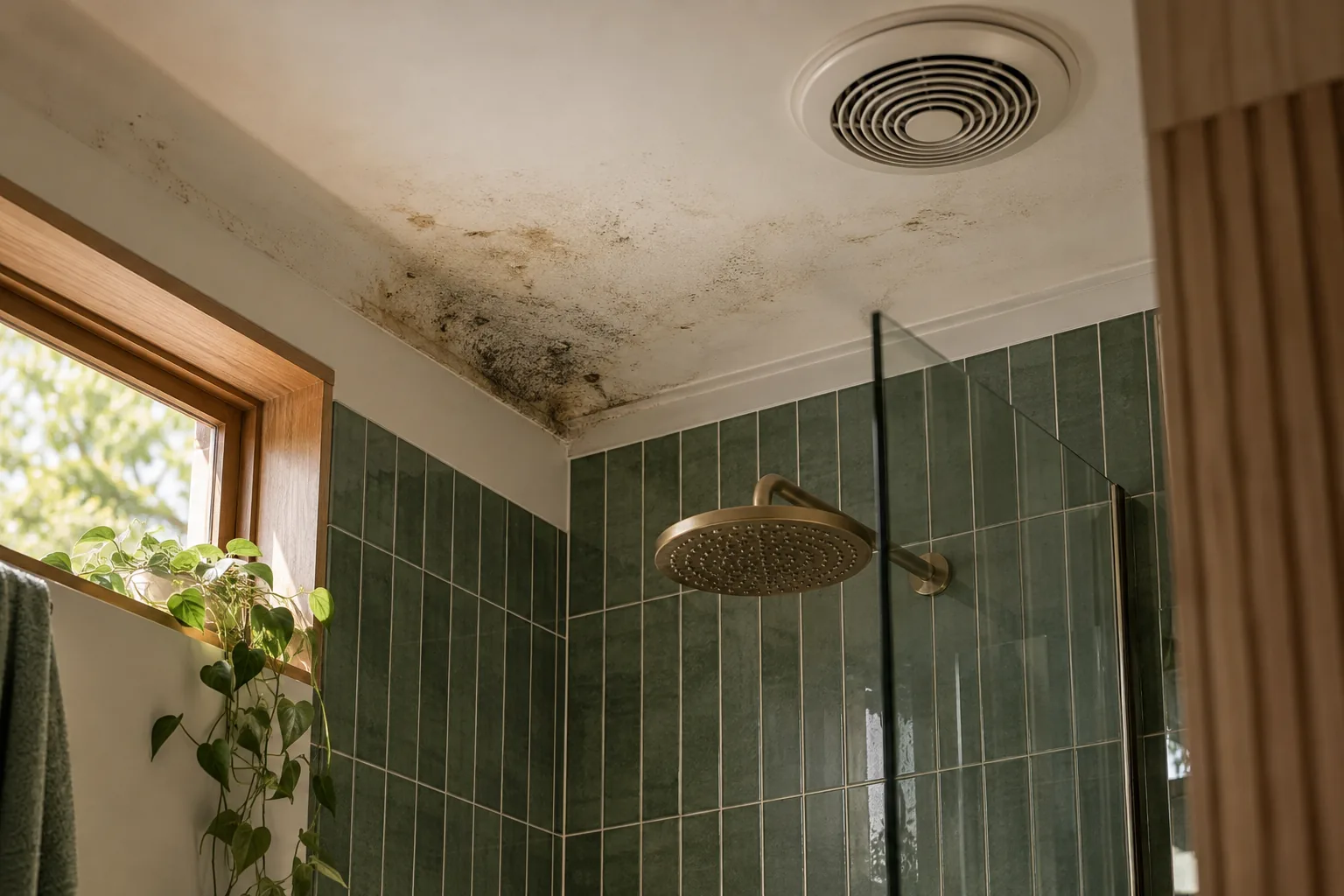
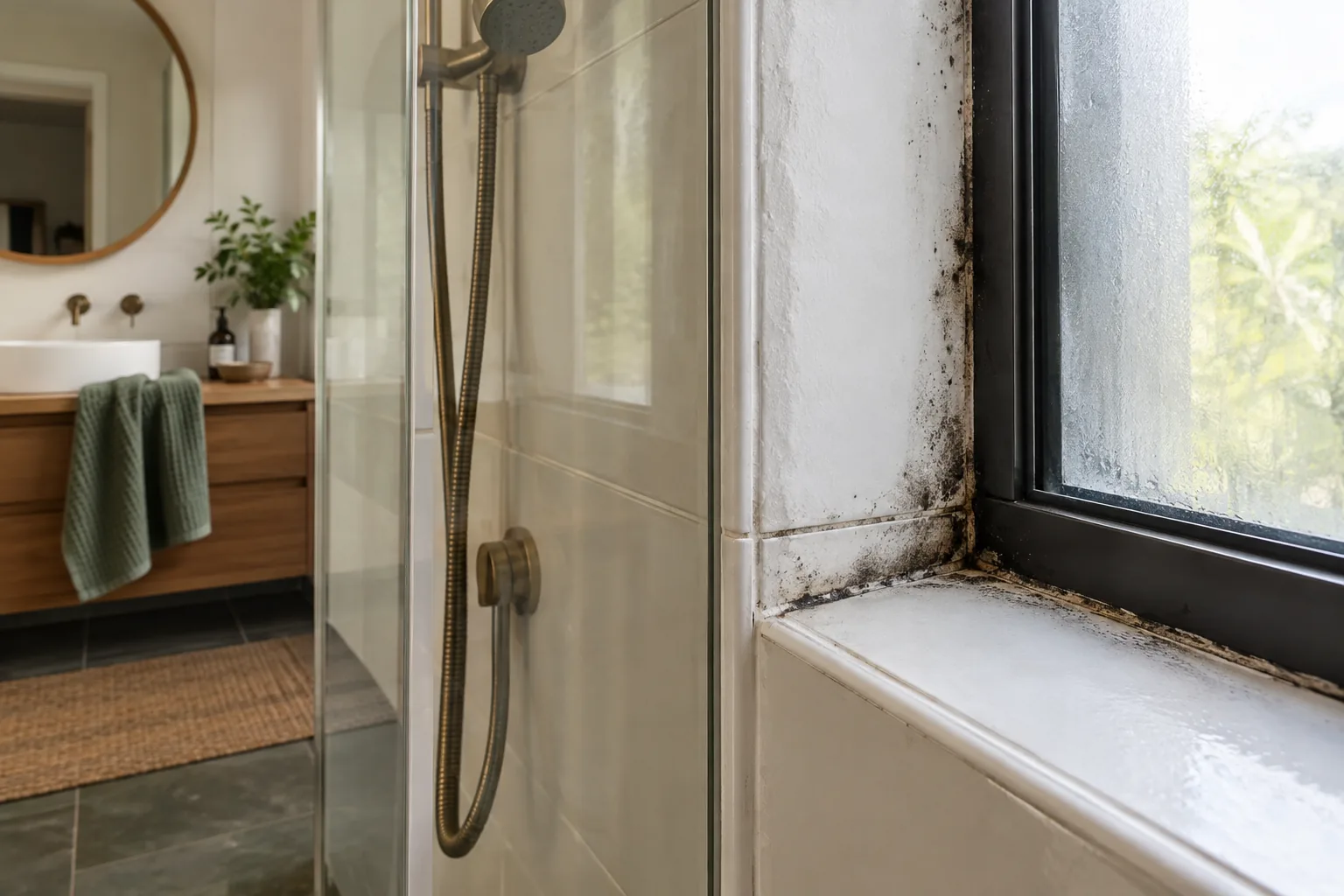
If a Bellbird-area room develops recurring window moisture and wall growth, a short record of what happens can improve the enquiry. Describe the surface, wetness and room activities. We can discuss accessible treatment without turning one humidity reading into a diagnosis of the entire building.
Room observations considered
Neighbourhood address clarified
Treatment limits explained
SURFACES & THEIR SETTING
A neighbourhood reference around Blackburn
Whitehorse Council recognises the Bellbird Residents Advocacy Group in its discussion of Blackburn. Give the actual property address and postal suburb; this page uses a neighbourhood reference rather than claiming a separate bounded suburb or local office.
Record an ordinary day
Note when droplets form, where the wall is affected and whether the room dries between activities. A mould inspection can consider visible condition and relevant humidity or moisture information. A short log helps questions without proving a hidden defect.
Make the room accessible appropriately
Describe furniture, curtains or storage beside the patch before clearing it. The booking authority and entry arrangements should be clear. Furniture and curtains are excluded from treatment, even when they are moved to provide access to the wall.
Readings support observations, not certainty
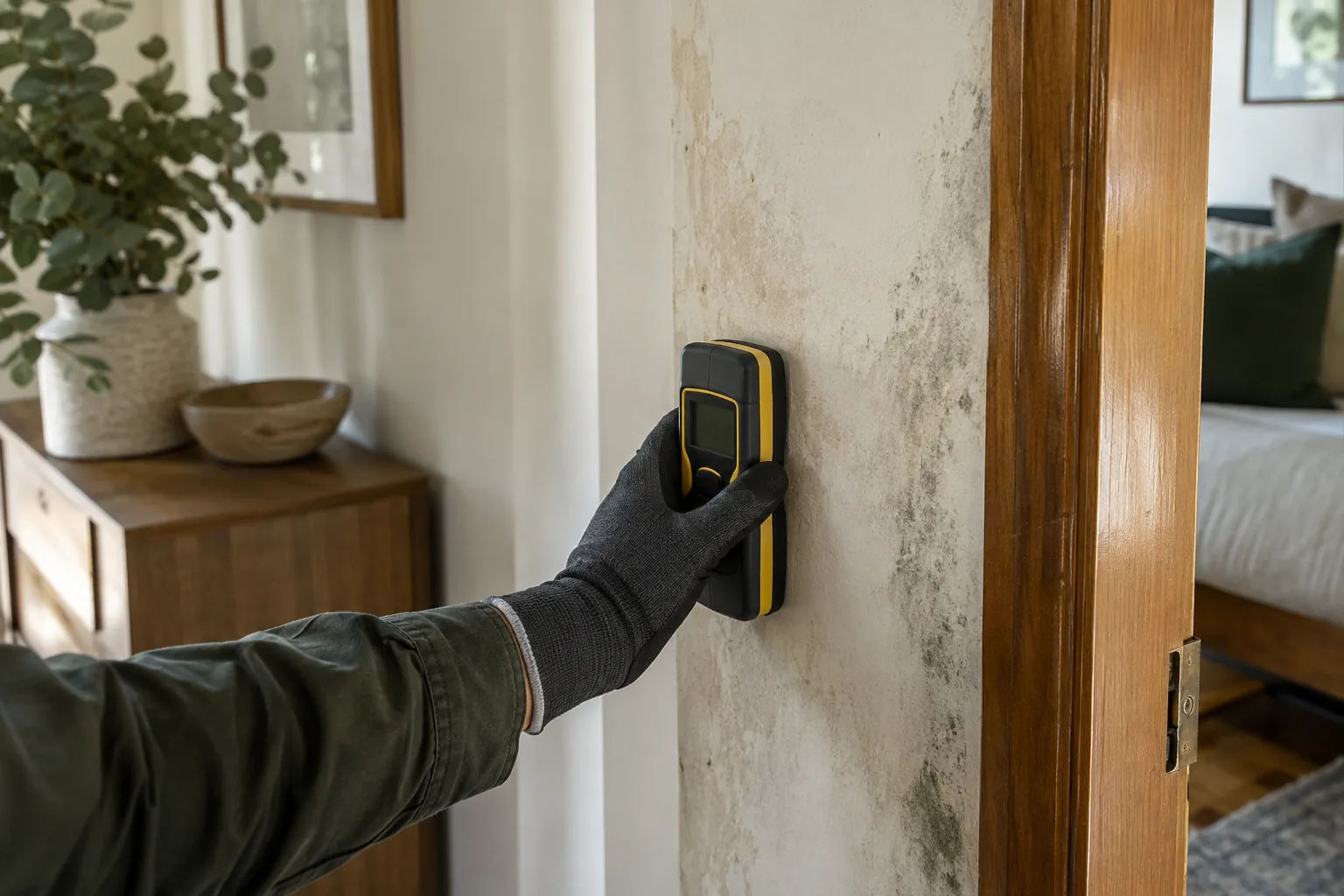
Explain any active leak, maintenance history and finish damage alongside room moisture. Colour and a single reading cannot establish every cause or hidden condition.
Structural surface scope
The removal service concerns visible, accessible walls, ceilings and hard floors. Furniture, carpet, mattresses, curtains and clothing are excluded. Fragile coatings, blocked sections and concealed construction need limitations or separately defined investigation.
Resolve defects separately
Roof, plumbing and building faults require appropriate repair. Treatment cannot stop water entry or rebuild damaged material. Humidity information provides room context without certifying that hidden layers are dry or every source is corrected.
THE SURFACE REMOVAL PROCESS
An evidence-led room sequence
01
Assess the visible extent
The technician reviews growth, finish and access, considering history and useful hygrometer information. Concealed cavities or blocked and deteriorated areas remain limitations unless additional investigation or work is explicitly agreed.
02
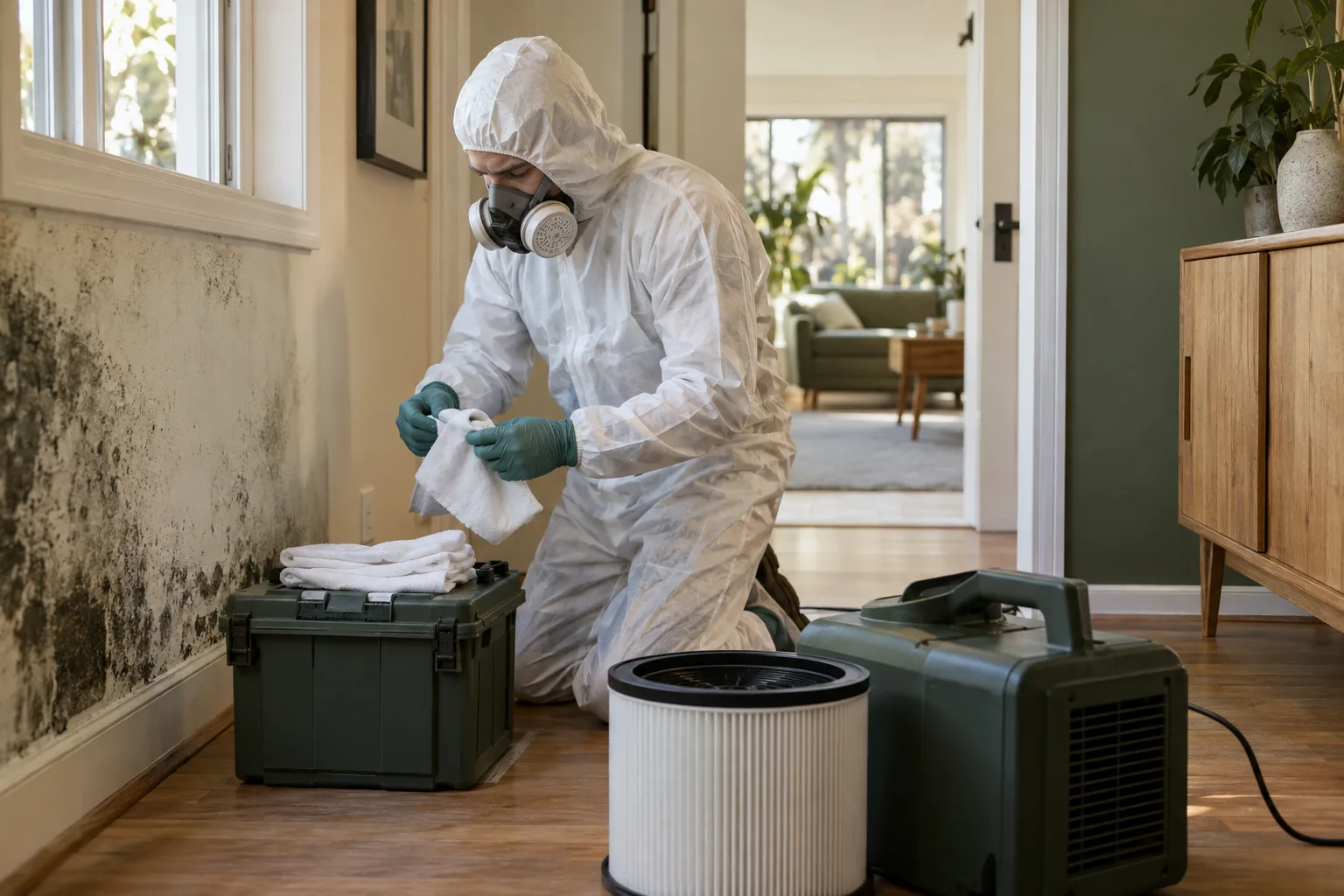
Prepare with filtration
Agree clearance and people or pet arrangements. HEPA filtration supports the planned work as appropriate. Potentially affected belongings should not be dispersed simply to make a surface accessible without first discussing handling.
03
Choose suitable HOCl use
The application is considered for the actual material. Mention previous cleaners or delicate coatings. Treatment addresses growth without promising complete cosmetic restoration of paint already stained or damaged by moisture.
04
Apply ULV appropriately
Fog application may form part of the method where suitable. Follow preparation and return arrangements. Any alarm procedure needs approval from the responsible person rather than independent switching off before the visit.
05
Physically remove residue
Professional H-class filtered equipment is used as suitable on agreed structural surfaces. Furniture, textiles, hidden layers and material replacement require different handling, investigation or separately arranged work rather than automatic inclusion.
06
Finish filtration and discuss the record
Final filtration continues as required. Review treated extent, remaining marks and outstanding moisture work. The handover should distinguish growth treatment from repairs or decorating without promising permanent prevention in continuing damp conditions.
VISIBLE & ACCESSIBLE
Four room observations to include
Window-side walls
Show the frame, finish and growth together.
Bedroom corners
Describe belongings clearance and room use.
Bathroom ceilings
Explain extraction and drying patterns.
Hard-floor edges
Identify the finish and water tracking.
PREPARATION & LIMITS
A realistic conversation about time and finish
Average room-treatment time is around three hours per room, with size, access and contamination affecting duration. The service is not hourly-based. Agree the actual room scope and preparation before planning a fixed absence or decorating schedule.
Remediation can leave cosmetic staining, with decorating separately quoted. Source repairs remain separate too. Growth can recur when dampness persists, so removal is not presented as a permanent cure for a moisture defect.
AFTER THE SURFACE WORK
Make the record easy to maintain
After agreed return arrangements, use effective extraction where moisture is produced and keep vents clear. Allow airflow beside belongings. A humidity log should describe ordinary conditions rather than become a substitute for repair of an active leak.
Keep dated photographs if the surface changes again and note relevant room activities or rainfall. Share recurring wetness with the appropriate property contact. Do not cover the area with storage or another paint coat while the source remains unexplained.
BELLBIRD · SURROUNDING ADDRESS ENQUIRIES
Bellbird and nearby Blackburn-area guides
Nearby location pages help orient the enquiry. Give the full address and postal suburb when using Bellbird as a neighbourhood description, so one interior is not treated as several bookings under different local names.
BEFORE YOU ARRANGE WORK
Questions for your enquiry.
Is Bellbird a standalone suburb here?
This page uses the neighbourhood reference recognised in Whitehorse Council’s Blackburn discussion. Provide the street address and postal suburb.
Can one humidity reading explain the growth?
No. A reading provides room context, while changes over time and visible condition also matter. It cannot locate every leak or establish dryness inside construction.
How long should I keep a room log?
A practical dated record of noticeable changes is useful for discussion; no fixed monitoring period is required here. Note wetness, room activity and new marks without treating the log as a diagnosis of hidden defects.
Are curtains beside the window treated?
Curtains and other textiles are excluded. Agree their clearance and separate handling if they may be affected.
What if the window wall stays wet?
Tell us before booking and discuss the appropriate source repair separately. Treatment cannot make a leaking building detail watertight or prove concealed material is dry. Continued dampness can permit recurrence.
Can cosmetic marks remain after treatment?
Yes, stain removal is not guaranteed. Decorating requires a separate quotation after moisture concerns and surface condition are considered. The handover should distinguish remaining discolouration from fresh changes worth reporting.
Bring the observations into a useful enquiry
Call 03 8652 1296 with the Bellbird-area address, visible surface and moisture history. Discuss assessment, access and preparation before treatment.
Useful references: Whitehorse Bellbird neighbourhood reference