
NAR NAR GOON · MELBOURNE
Mould Removal Nar Nar Goon
TENANCY · CONDITION · ACCESS
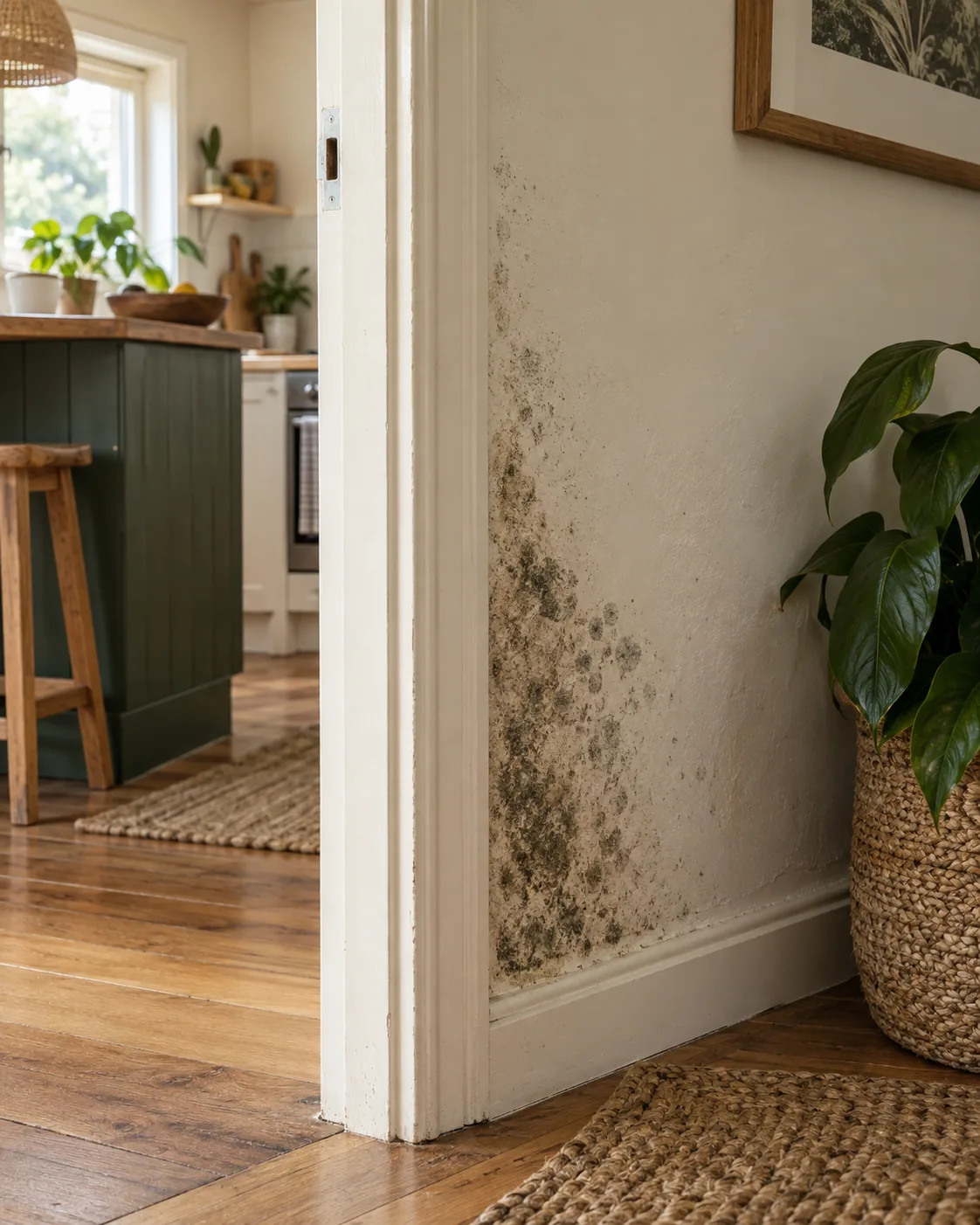
A mould concern raised during a tenancy change needs a clear room scope and approval contact. For Nar Nar Goon, describe the property address, visible surfaces and known dampness history. We discuss availability and structural-surface removal without treating cleaning as a tenancy or whole-building certification.
Authorised contact clarified
Room boundaries agreed
Appearance limits explained
SURFACES & THEIR SETTING
Use the actual township address
Nar Nar Goon is a recognised Cardinia township. Give the street address and who can authorise work. The local name does not establish the age, construction or maintenance history of an individual property.
A concern between occupants
Explain whether the room is empty, partially furnished or still in use. Our inspection service considers visible growth and moisture conditions. A handover deadline should not replace assessment of the finish or source.
Keys and preparation
Nominate the contact arranging entry and clearance. Heavy furniture movement and dismantling are not automatically included. The room’s availability, occupant provisions and equipment route should be confirmed before treatment is booked.
Distinguish cleaning from condition reporting
A cleaner-looking wall does not establish that a tenancy or building meets every requirement. Describe known leaks and damaged materials. Removal addresses agreed growth, while repairs, hidden concerns and any wider condition report remain separately arranged.
Record existing marks
Photographs can document the visible extent and finish before work. Include dates and room context. Cosmetic staining may persist after growth removal and should not be confused with a guaranteed new finish.
Moisture assessment
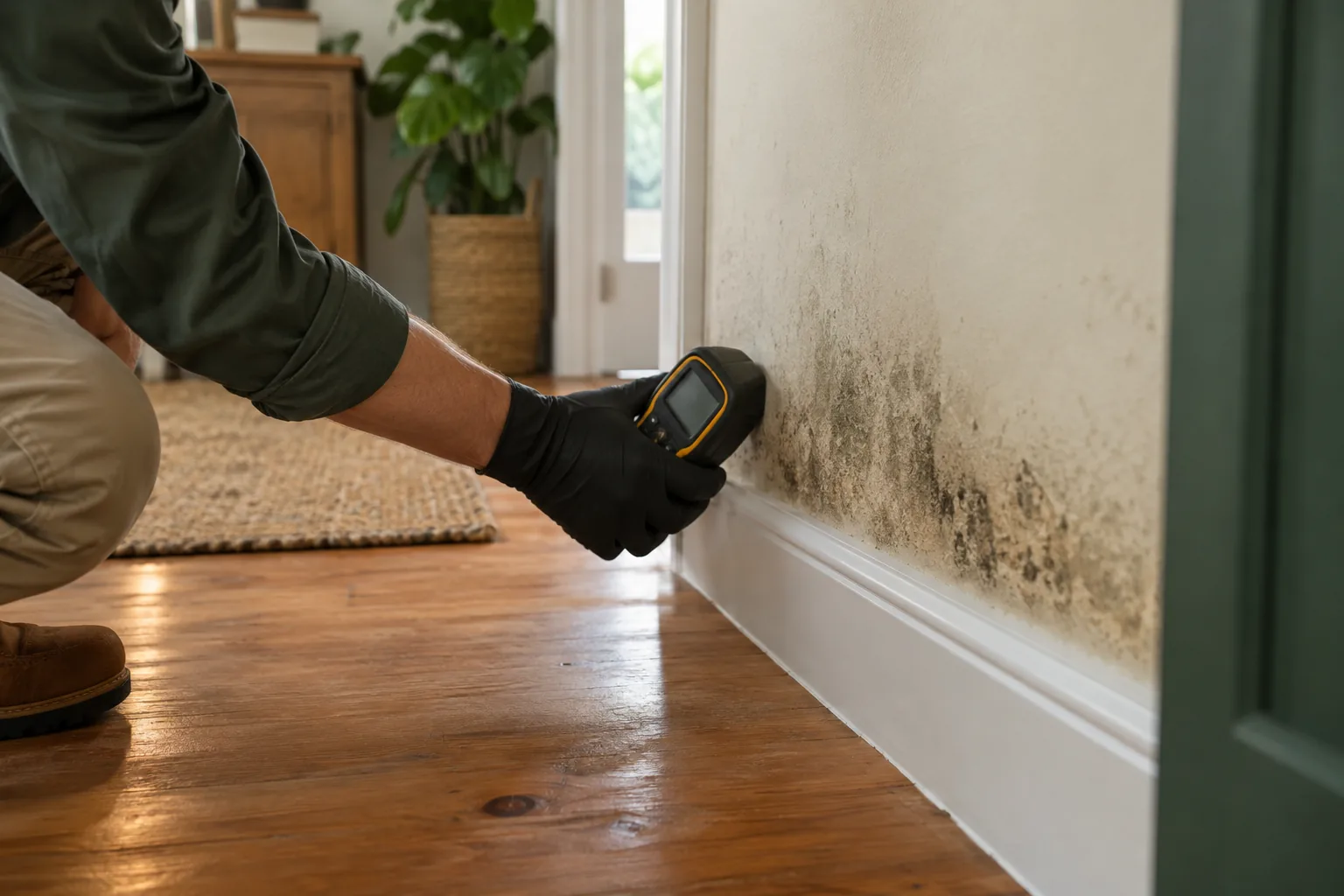
A hygrometer supports evaluation of conditions. It does not certify concealed wall layers, roofs or plumbing. Persistent dampness may need specialist investigation beyond the standard visible-accessible-surface scope.
THE SURFACE REMOVAL PROCESS
A defined room treatment sequence
01
Inspect included finishes
Check accessible walls, ceiling and hard floor. Discuss damage, obstructions and room boundaries with the authorised contact. Additional rooms or concealed surfaces are not silently added to a tenancy-change enquiry.
02
Prepare air filtration
Set up HEPA filtration and the working area. Confirm clearance and arrangements for people and pets. Key access and room restrictions should cover the planned work rather than an assumed short inspection window.
03
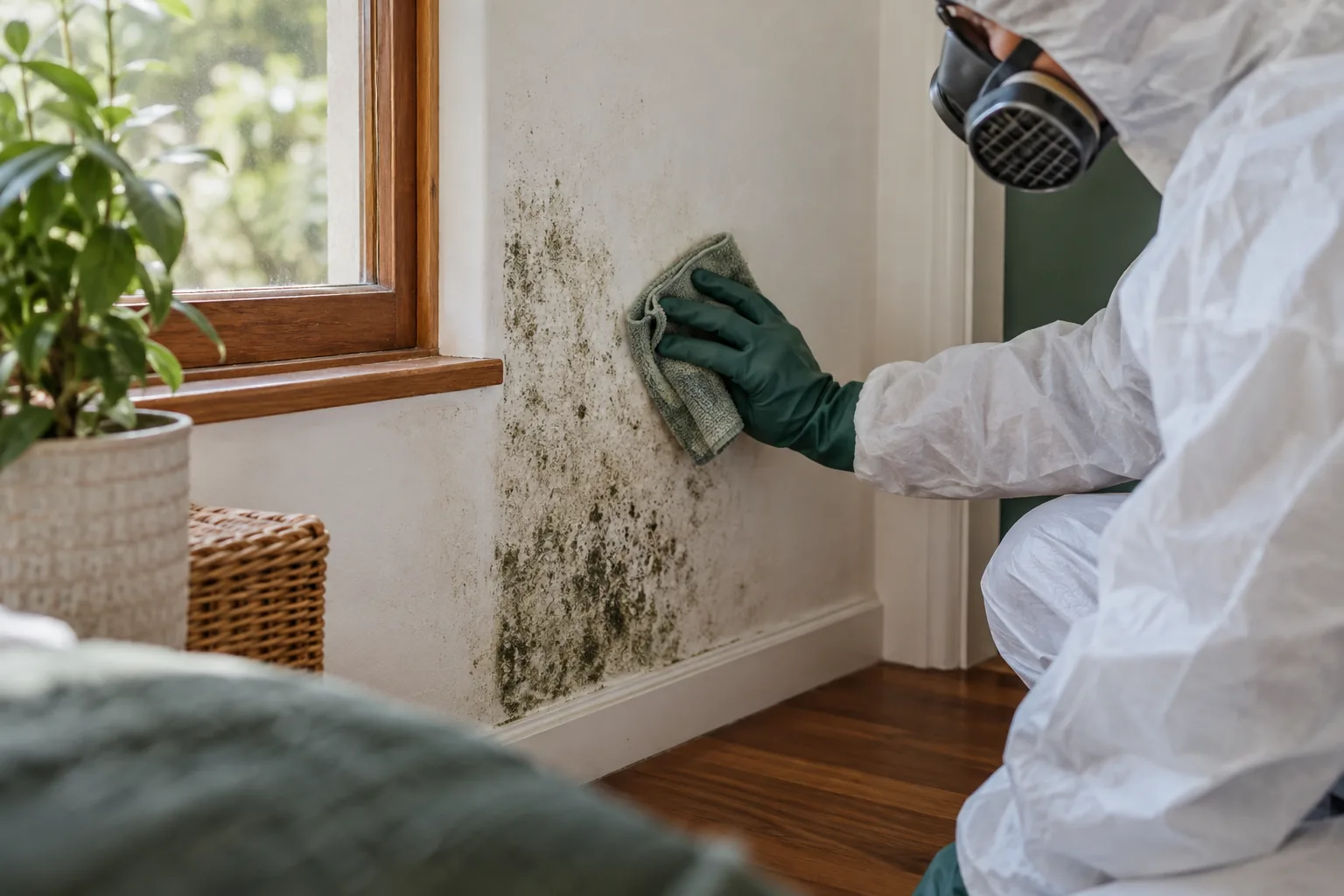
Choose suitable treatment
Appropriate HOCl treatment may form part of the method. Material compatibility and condition guide selection. Growth treatment does not restore damaged plaster or guarantee complete cosmetic stain removal.
04
Explain ULV application
Where ULV application is appropriate, discuss preparation and restrictions. It supports the agreed room work without certifying hidden materials or extending the scope to every space in the property.
05
Remove accessible residues
Use suitable H-class filtration equipment for physical removal. The remediation process combines treatment and removal. Furniture, carpets and textiles remain excluded regardless of ownership or tenancy status.
06
Finish filtration and review
Continue filtration and explain treated surfaces, remaining staining and follow-up. The authorised contact should distinguish completed removal from repairs, decorating or wider property decisions still required.
VISIBLE & ACCESSIBLE
Surfaces to list clearly
Bedroom walls
Give furniture access and finish condition. A room handover does not make hidden sections accessible.
Ceiling patches
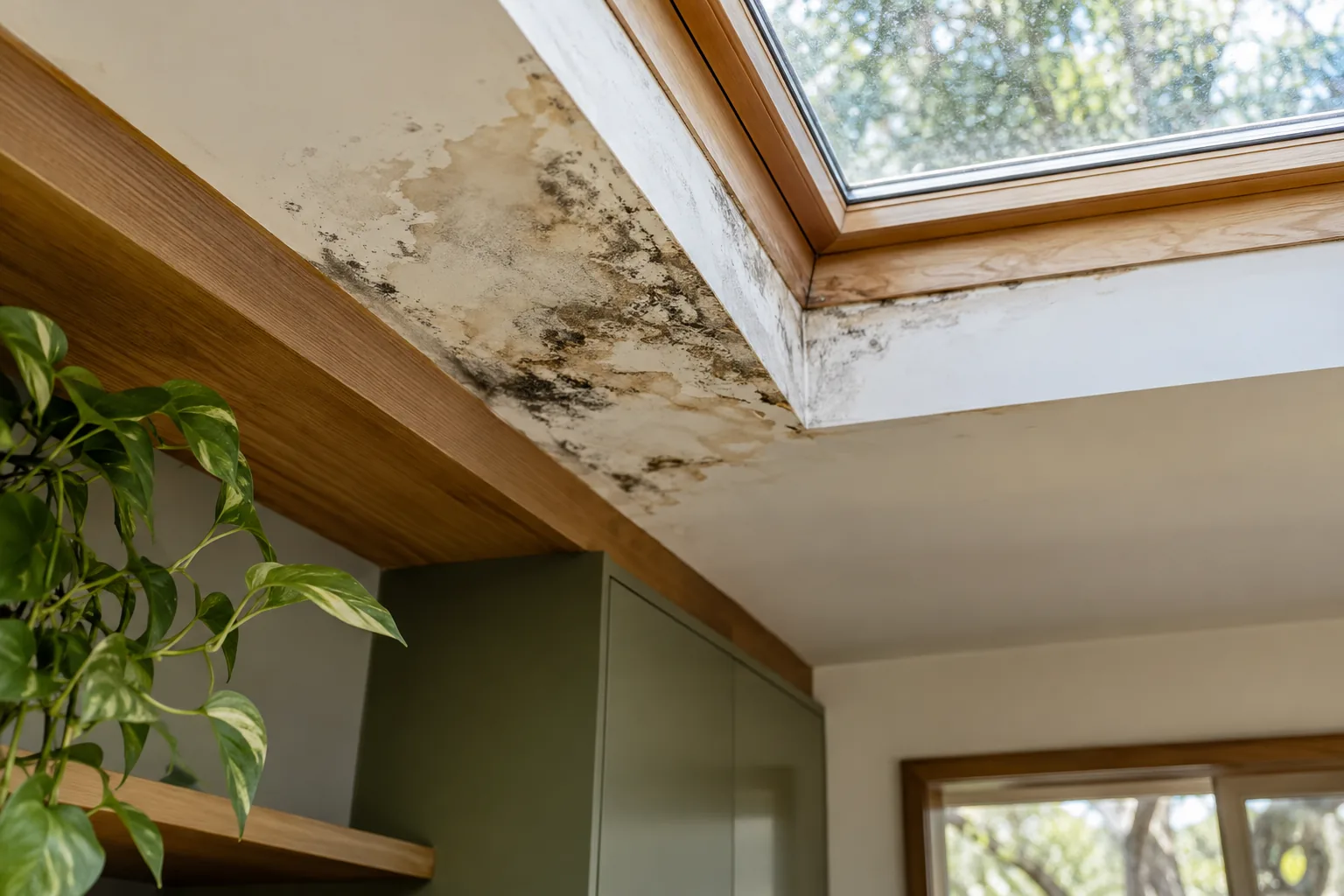
State height and known leak reports. Source repair is a separate task.
Wet-room walls
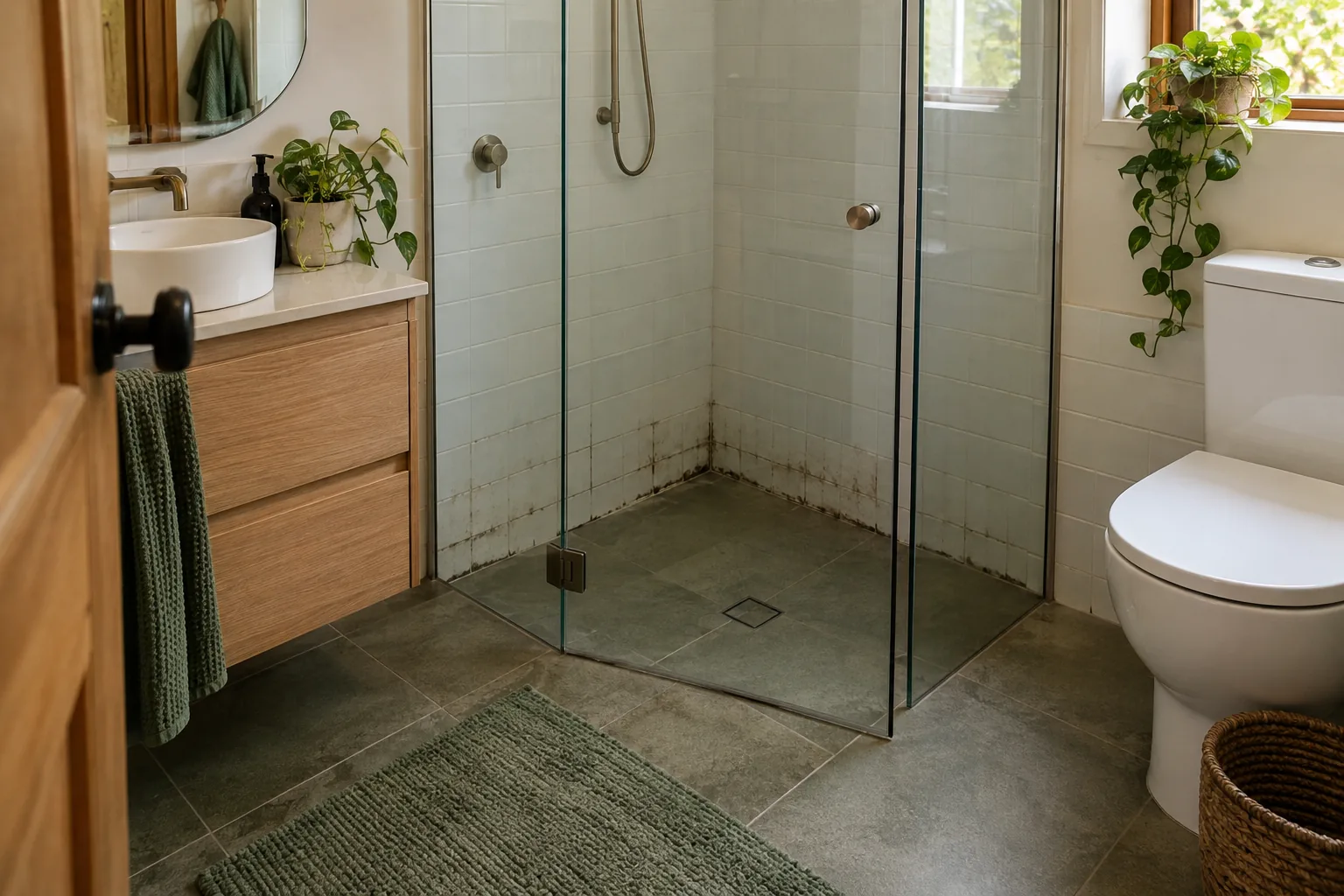
Describe plumbing concerns and recurring wetness. Fittings are not automatically included.
Hard floors
Name the finish and any distortion. Carpet and soft coverings remain excluded.
PREPARATION & LIMITS
Scope, timing and appearance
Visible accessible walls, ceilings and hard floors are covered as agreed. Furniture, sofas, mattresses, carpets, curtains, clothing and textiles are excluded. List affected belongings separately so a tenancy deadline does not turn the job into an undefined contents service.
Working time averages roughly three hours per room, varying with access and extent; pricing is not hourly. Staining may remain after treatment. Repainting or decorating is separately quoted and should follow resolution of dampness and damaged materials.
AFTER THE SURFACE WORK
Make maintenance follow-up clear
Record recurring wetness and report it to the appropriate owner or manager. Review everyday extraction and airflow where relevant, but arrange repair of known defects. A change of occupant does not fix the conditions supporting growth.
The general service scope explains structural-surface work. If marks return, revisit their moisture source rather than relying on repeated cosmetic cleaning. Keep responsibility for repairs separate from the completion of removal.
NAR NAR GOON · NEARBY LOCATION PAGES
Nearby township pages
Tynong, Maryknoll and Pakenham provide nearby navigation. Confirm the actual Nar Nar Goon address and approval contact. The pages do not imply local branch offices or identical booking availability.
BEFORE YOU ARRANGE WORK
Questions for your enquiry.
Can removal certify a tenancy handover?
No such certification follows this room service. We discuss surfaces treated and unresolved concerns. Broader condition reporting, repairs or tenancy requirements remain separate from structural-surface removal.
Who should approve the work?
Identify the person authorised under the property arrangement. An occupant or keyholder may not control repairs or shared systems. Scope and preparation should be confirmed with the appropriate contact before booking.
Can you meet a fixed handover deadline?
Discuss availability and room condition first. Access, extent and preparation influence the plan. A deadline cannot establish that a damaged finish is suitable for cleaning or that source repairs are unnecessary.
Are previous occupants’ belongings included?
No. Furniture and textiles are excluded regardless of ownership. Identify them separately so handling or disposal decisions are not confused with the walls, ceilings and hard-floor quotation.
Will old stains count as removed?
Cosmetic staining can remain after treatment of growth. The completion discussion distinguishes treated surfaces from appearance. Decorative restoration requires separate consideration rather than a guaranteed stain-free result.
Does a new occupant prevent recurrence?
No. Growth can return if dampness continues. Source repairs and suitable moisture management matter; a tenancy change or freshly cleaned finish does not establish that the underlying conditions are resolved.
Discuss the Nar Nar Goon room
Call 03 8652 1296 with the address, approval contact and visible finishes. We can discuss availability and preparation for a defined structural-surface job.
Useful references: Official local context