
MAIN RIDGE · MELBOURNE
Mould Removal Main Ridge
STORAGE · CLEARANCE · FINISHES
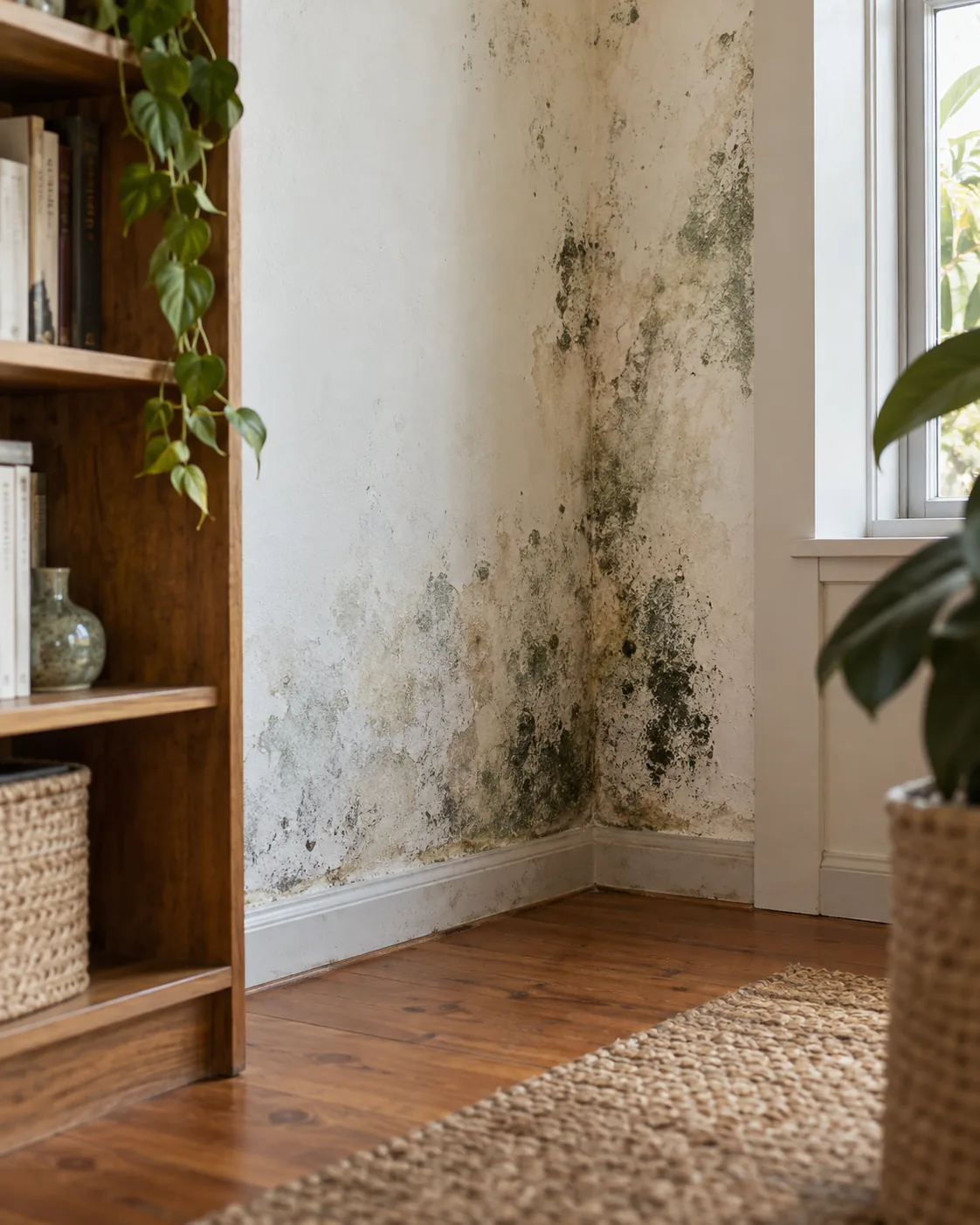
Books and boxes can hide a wall until a room is reorganised. If you uncover mould in a Main Ridge study, tell us what is visible and whether the wall can be reached. Exact-address availability and the structural surface scope are confirmed before any appointment.
Storage clearance planned
Wall finish assessed
Source repairs separated
SURFACES & THEIR SETTING
A study wall revealed by rearranging
The Shire lists Main Ridge as a distinct Peninsula locality. Include the full address and the building entrance, particularly where the room is separate from the main house. Mould removal begins with the actual accessible surface, not an assumption about every property in the area.
Paper beside a damp wall
Explain whether books or boxes were touching the surface. Those belongings are not covered by this treatment. Do not shake or sort affected paper in another room simply to expose the wall; discuss sensible clearance first.
Shelving that cannot move easily
Tell us whether shelving is freestanding or fixed. Access behind it may need separate arrangements.
Understand the surface before choosing work
An inspection enquiry should include the finish, pattern of marks and known damp events. Give the date the wall was uncovered. That discovery date is useful even when it cannot establish how long growth has existed behind storage.
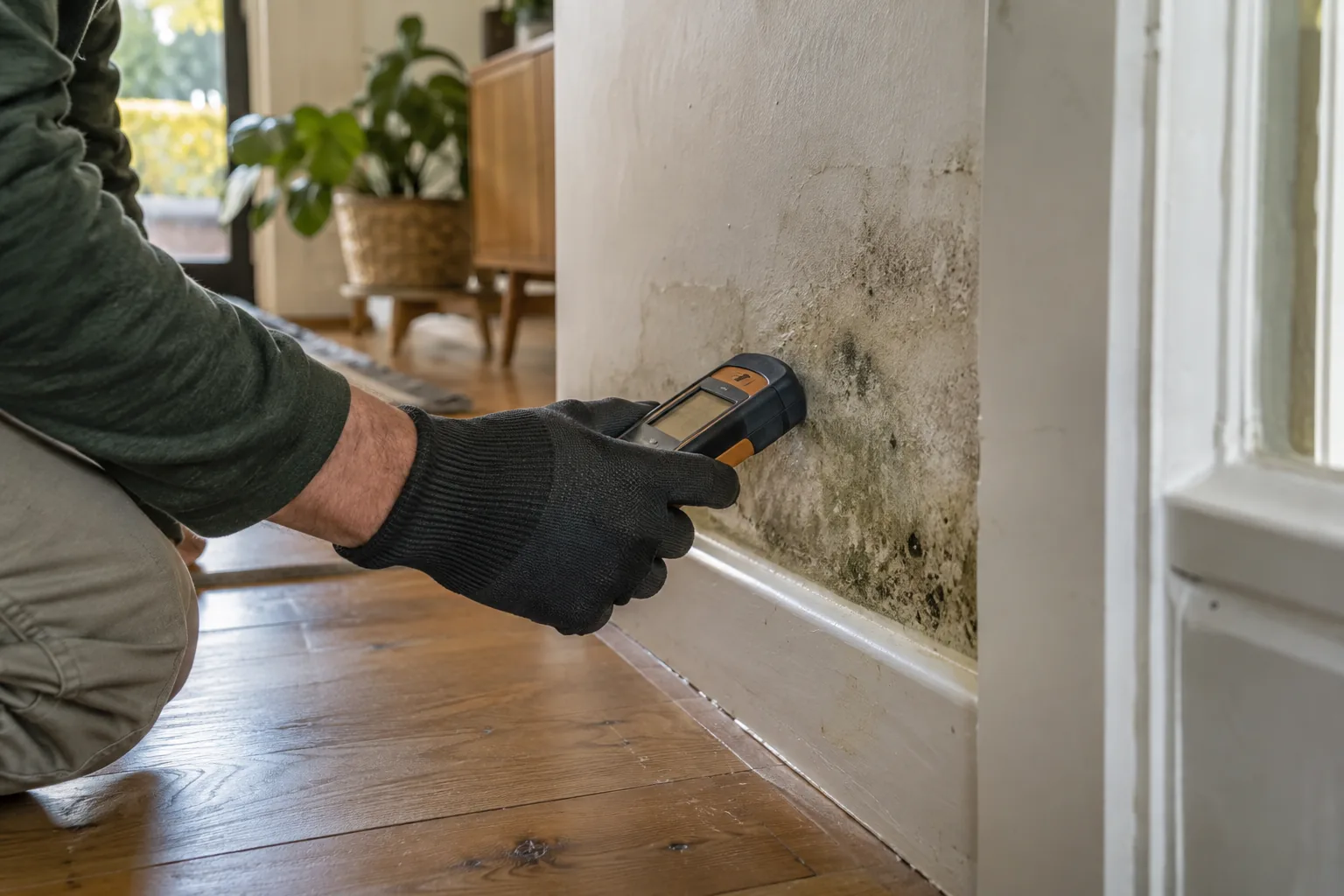
Where the marks stop
Show the whole affected wall and an adjoining clear area. Boundaries can help discussion of the visible extent, but they do not prove that concealed material elsewhere is unaffected.
What the finish can support
Peeling paint, loose lining and softened plaster affect achievable work. The technician considers these alongside humidity and moisture observations.
THE SURFACE REMOVAL PROCESS
Work through the agreed room plan
01
Inspect accessible growth
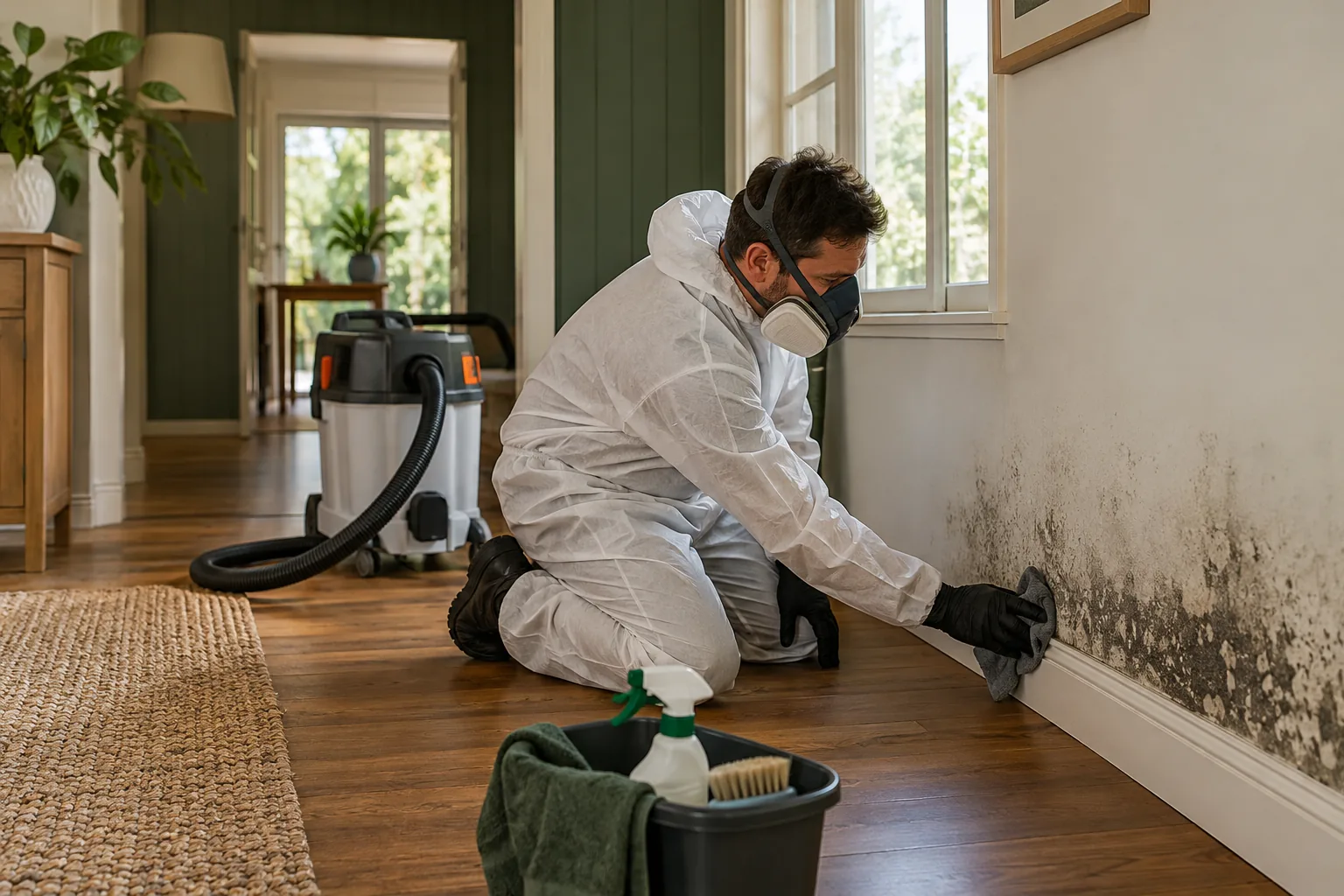
Review the wall, ceiling or hard floor identified in the enquiry and take relevant moisture readings. Agree reachable surfaces, material limits and any unresolved repair issue.
02
Prepare air protection
Arrange HEPA air filtration and a workable path to the study. Discuss where remaining belongings stay and how other occupants avoid the work. Filtration does not convert books, boxes or upholstery into included items.
03
Choose surface treatment
Appropriate HOCl application is considered for the assessed finish. Mention earlier cleaning or coatings so the technician understands the surface history.
04
Apply as planned
Where suitable, ULV application forms part of the procedure. Confirm people, pets and building arrangements.
05
Remove visible residues
Professional physical removal uses equipment with H-class filtration where required. Work concerns the surfaces already agreed.
06
Complete and hand over
After final air filtration, review treated areas and next actions. Note remaining stains and separate repair requirements. Confirm return arrangements and monitoring advice with the person who manages the study’s ongoing use.
VISIBLE & ACCESSIBLE
Useful study and storage photographs
Wall behind shelving
Photograph the visible area without unsafe lifting. Include a room overview so the obstacle and working clearance are easy to understand.
Ceiling above the desk
Show whether the mark follows a join or lies below a suspected roof issue. Roofing work remains separate.
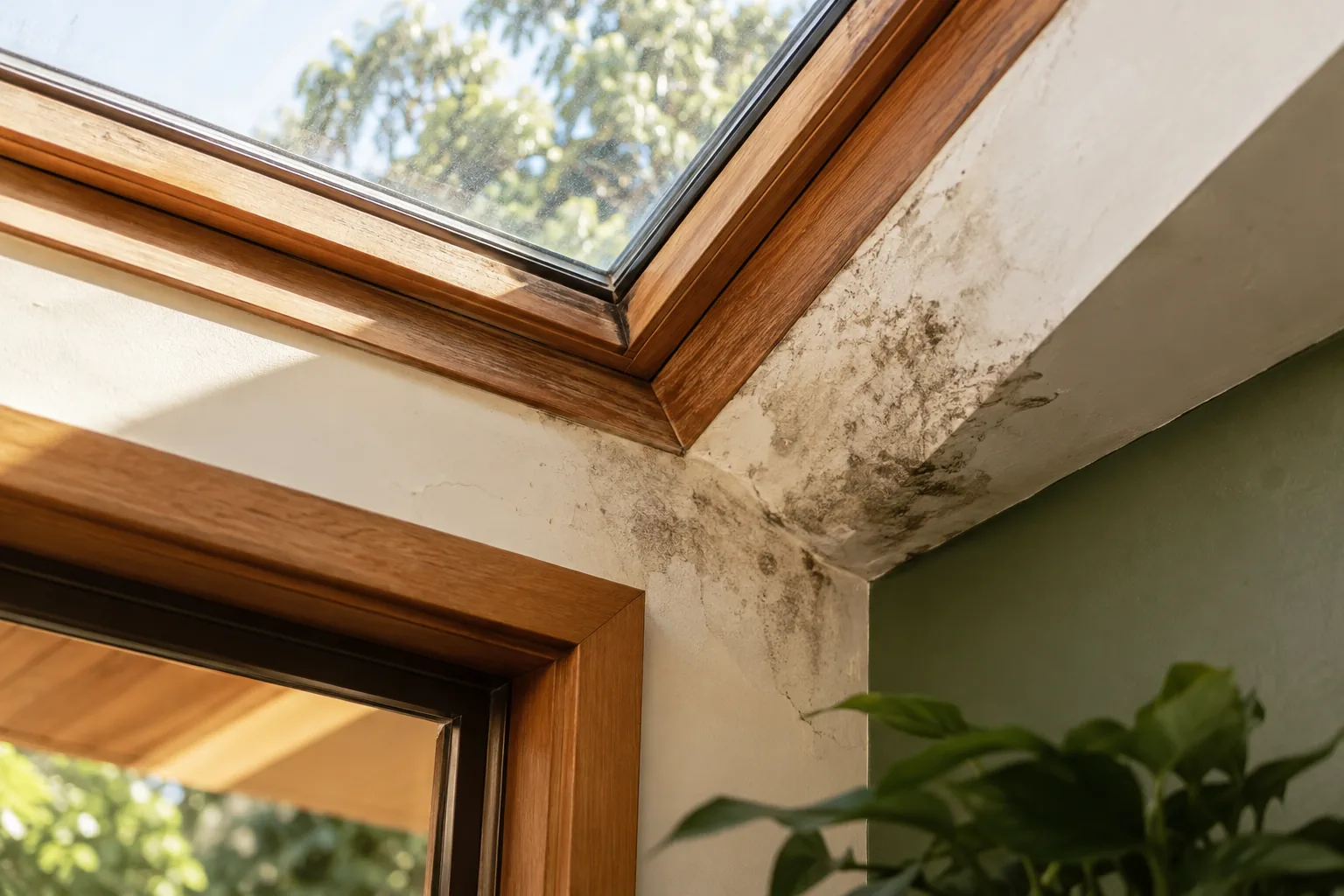
Window-side corner
Describe repeated droplets or dampness near the opening. Window repairs are not included in cleaning the adjoining structural wall.
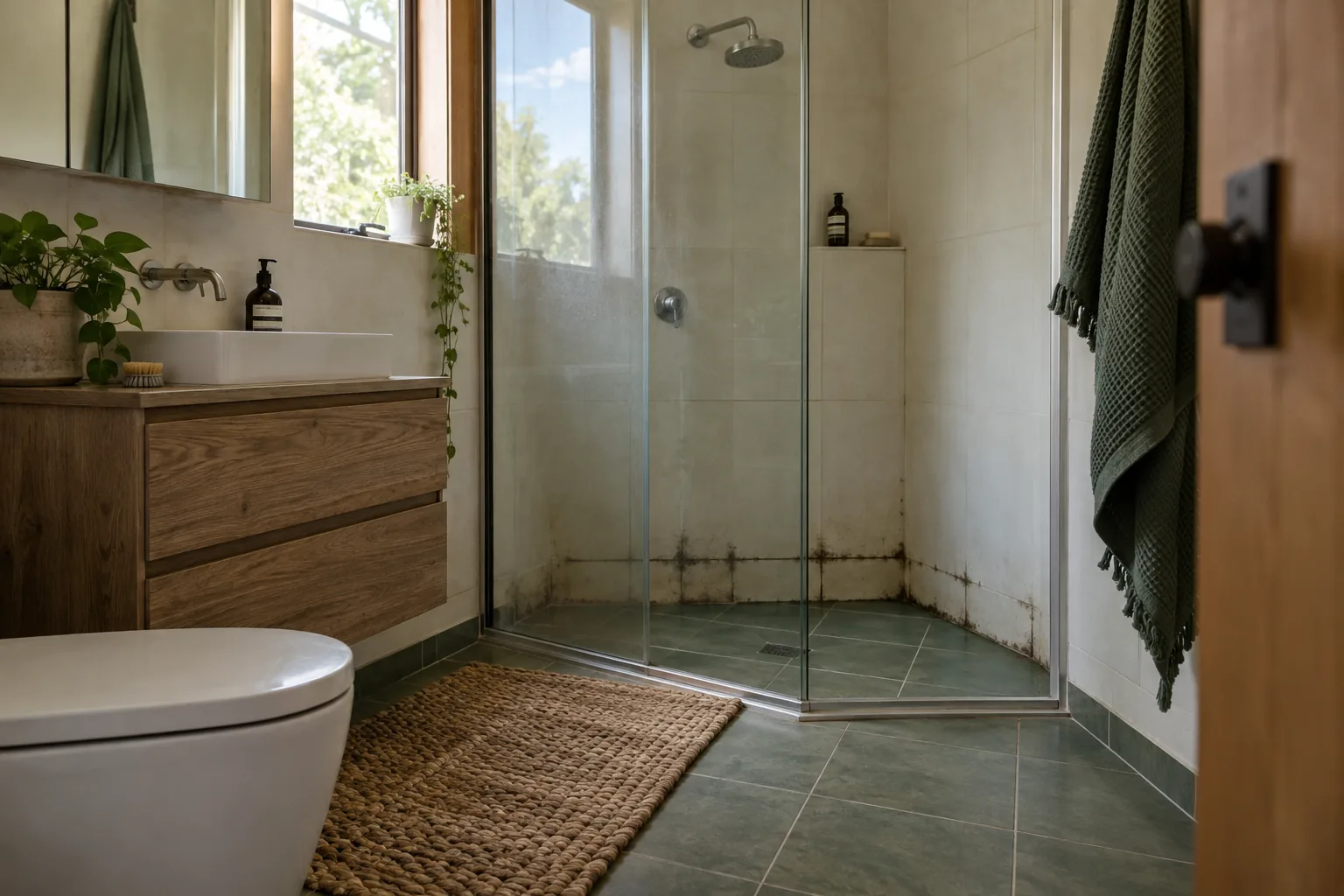
Hard floor under storage
Identify the finish and any damp edge. Carpets, rugs, cardboard and stored textiles sit outside this structural-surface service.
PREPARATION & LIMITS
Discuss the outcome before booking
The service’s average duration is around three hours per room, varying with access, size and contamination. This is not hourly pricing. Extensive clearance needs or fixed joinery can change the practical arrangement, even in a modest study.
Existing stains may remain after removal of contamination. A separate decorating quotation can be discussed once dampness and material condition are addressed. Treatment cannot guarantee permanent prevention while moisture continues or belongings block a repeatedly damp wall.
AFTER THE SURFACE WORK
Keep the storage layout workable
Provide practical air space near walls and avoid pressing storage against a surface that remains damp. Keep paper and excluded belongings under separate consideration. Rearranging a room helps observation and access but does not repair water entry or failed extraction.
Check the same wall periodically and record any repeated pattern. If growth returns, describe the circumstances rather than immediately repainting over it. Remediation should sit alongside a separate plan for the source and the room’s daily moisture management.
MAIN RIDGE · NEARBY LOCATION PAGES
Main Ridge and adjoining enquiries
The neighbouring pages provide useful navigation through surrounding locations. For this enquiry, confirm Main Ridge’s actual street address, room entrance and parking-to-door route. Nearby location names cannot establish a provider’s immediate availability or a property-specific appointment.
BEFORE YOU ARRANGE WORK
Questions for your enquiry.
Are books included in the treatment?
No. Paper belongings, furniture and textiles are excluded. Discuss clearance that gives access to the wall without unnecessary handling or spreading stored items through unaffected spaces.
Can you reach behind fixed shelving?
That depends on safe accessible clearance and the agreed scope. Inaccessible structural surfaces can require separate work. Tell us about fixed shelving before booking rather than assuming removal of fittings is included.
Does discovery during rearranging show when growth began?
No. It establishes when you saw the surface, not when the condition started. Share the discovery date and any earlier signs or known damp events as useful history.
Should I sand the affected paint first?
Do not disturb the material simply to prepare for attendance. Explain the loose or damaged coating and seek advice; assessment may identify repair needs beyond ordinary surface removal.
Will treatment remove every stain behind the desk?
No cosmetic guarantee applies. Remaining marks may need separately quoted decorating after the condition of the underlying finish and moisture source have been considered.
Can a dehumidifier replace repairing a leak?
No. Humidity management and repairing water entry are different tasks. A device may be discussed for room conditions, but the relevant trade must address the actual defect separately.
Discuss your Main Ridge address
For Main Ridge, call 03 8652 1296 with the study address, storage layout and exposed wall condition. Agree sensible clearance and accessible structural surfaces before arranging attendance or moving excluded belongings.
Useful references: Official local geographic reference