
SORRENTO · MELBOURNE
Mould Removal Sorrento
COATINGS · CONDITION · NEXT STEPS
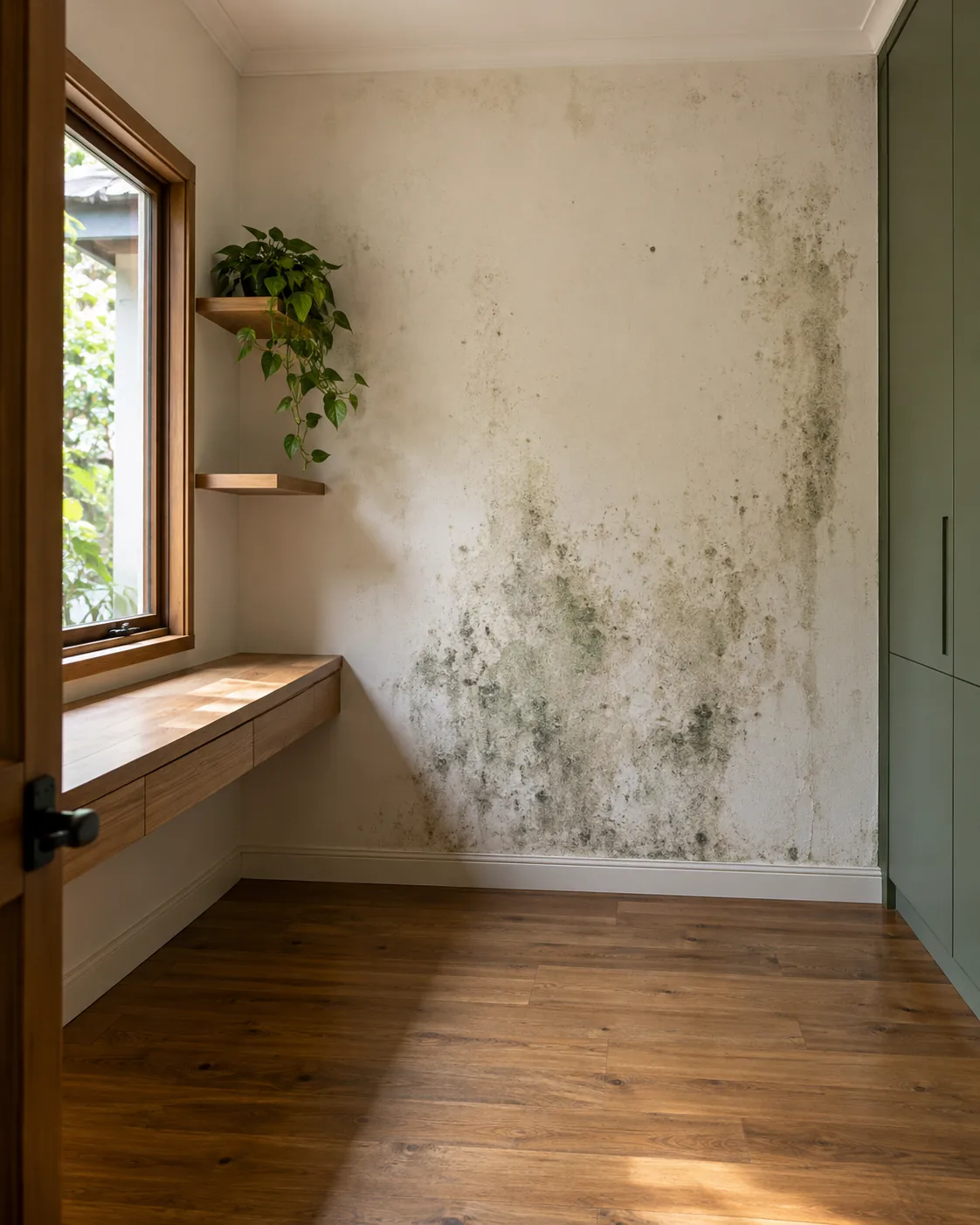
Before repainting a marked room, find out what the surface can support and whether moisture continues. For Sorrento, explain the finish, earlier coatings and visible growth. We discuss appropriate structural-surface work and availability for the address without promising a newly painted appearance from mould treatment.
Existing coatings reviewed
Cosmetic limits explained
Repair and treatment separated
SURFACES & THEIR SETTING
Make the existing finish part of the conversation
Sorrento is identified in the Shire’s foreshore information. That geographic context does not decide whether a particular mark is active growth, staining or material damage. A mould removal enquiry should explain the room and the planned decorating work.
Painted over more than once
Tell us when earlier coatings were applied and whether the marks returned. A fresh colour can obscure observations without correcting moisture.
A decorator awaiting instructions
Clarify who approves the surface work and the separate painting job. The two tasks should not be treated as interchangeable.
Inspect before setting appearance expectations
For mould inspection, include the wall or ceiling overview and damaged areas. Moisture and humidity observations inform the assessment. They do not certify that every coating layer or concealed substrate can be restored through accessible surface treatment.
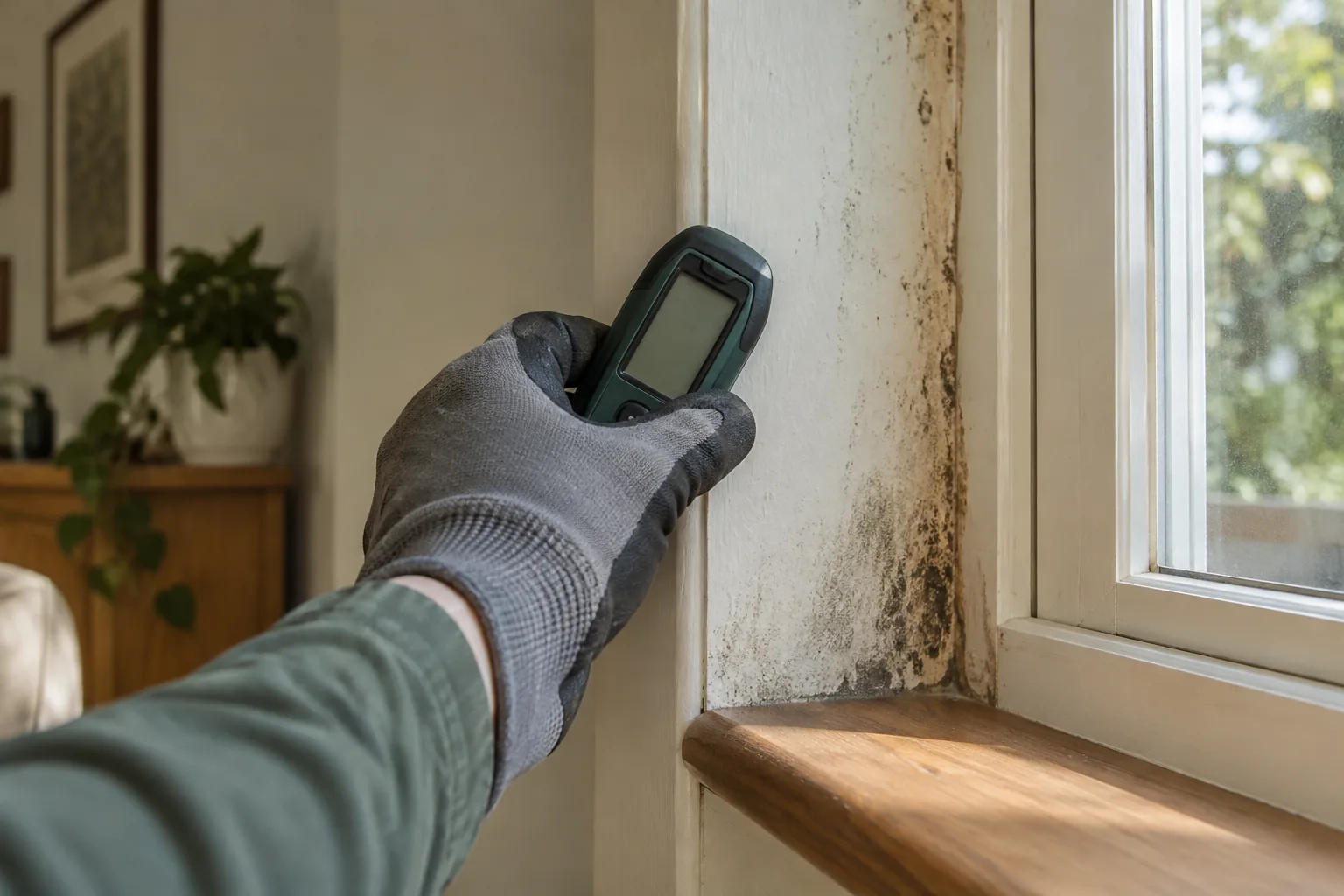
Weak coating at a corner
Explain lifting, blistering or powdering rather than sending only the darkest mark. A finish that has lost adhesion may need separate work.
Growth across different surfaces
Identify painted plaster, masonry and hard flooring separately where present. Material choices and expected appearance can differ.
THE SURFACE REMOVAL PROCESS
A sequence with an honest finish discussion
01
Assess and agree
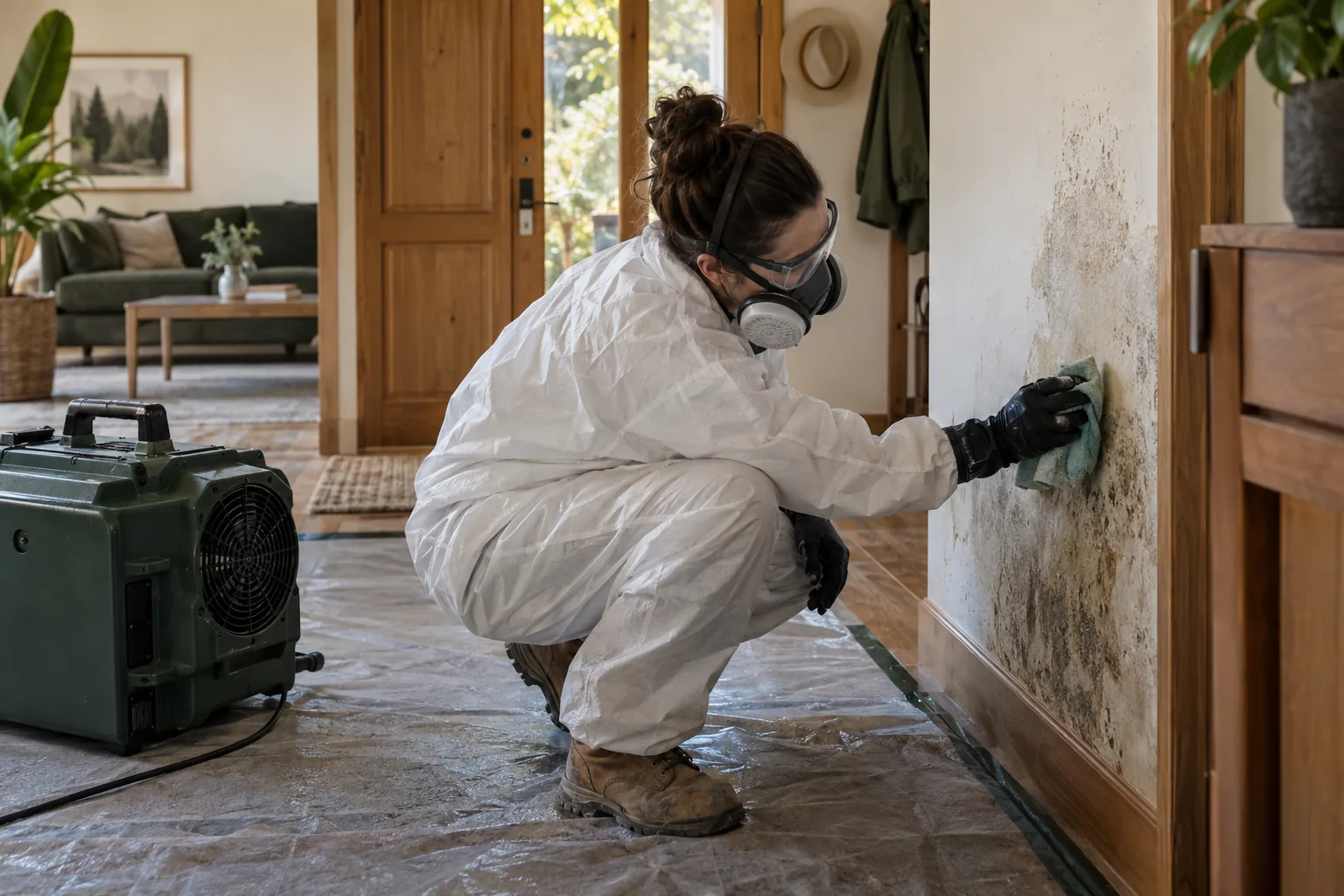
Review accessible growth and material condition alongside relevant readings. Agree the included wall, ceiling and hard-floor areas. Record weak finishes or separate repair questions before deciding what surface treatment can reasonably achieve.
02
Prepare air filtration
Set up the HEPA air scrubber and planned access route. Discuss power, clearance and occupant arrangements.
03
Select the treatment
Appropriate HOCl use follows the assessed material and conditions. Tell the technician about products and coatings already present.
04
Apply the agreed method
ULV application may be included where suitable. Confirm people, pets and approved building arrangements. This stage does not remove the need for physical removal or establish that concealed contamination and excluded belongings are part of the scope.
05
Remove accessible residues
Professional physical removal uses H-class filtration as required. Work remains within agreed structural surfaces. Surface damage and persistent stains are described honestly; contamination treatment is not a guarantee that paint will look untouched afterwards.
06
Finish and review restoration needs
Final air filtration completes the procedure. Review what remains and any moisture repair required. Confirm return instructions and discuss a separate decorating quotation where appropriate, rather than treating every visible mark as unfinished mould removal.
VISIBLE & ACCESSIBLE
Four finish details to photograph
Painted wall
Include a sound neighbouring area as well as the affected patch. The contrast helps explain the material condition and scope.
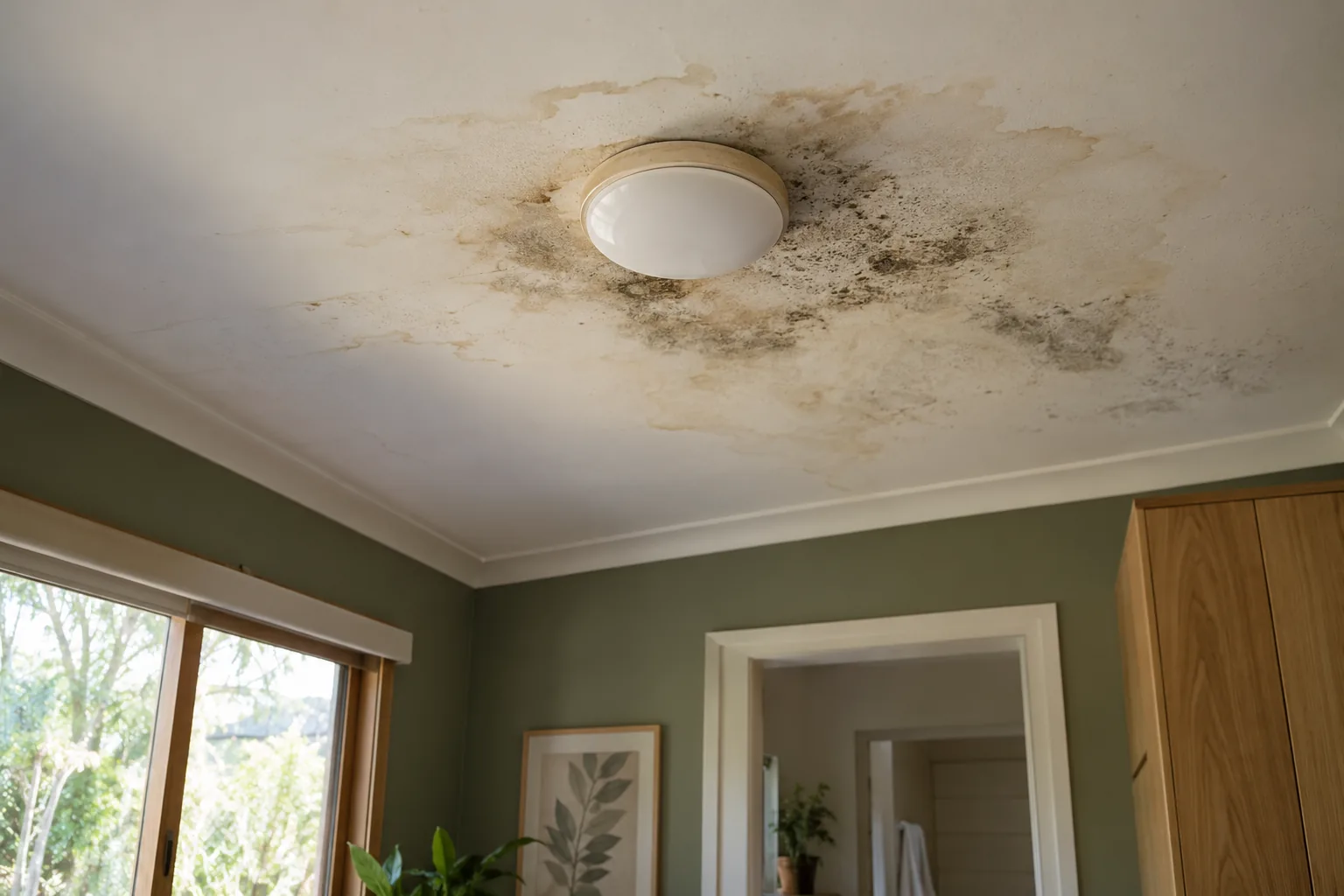
Decorative ceiling
Mention any fragile finish or previous coating. Detailed restoration may need separate advice rather than assumptions about ordinary treatment.
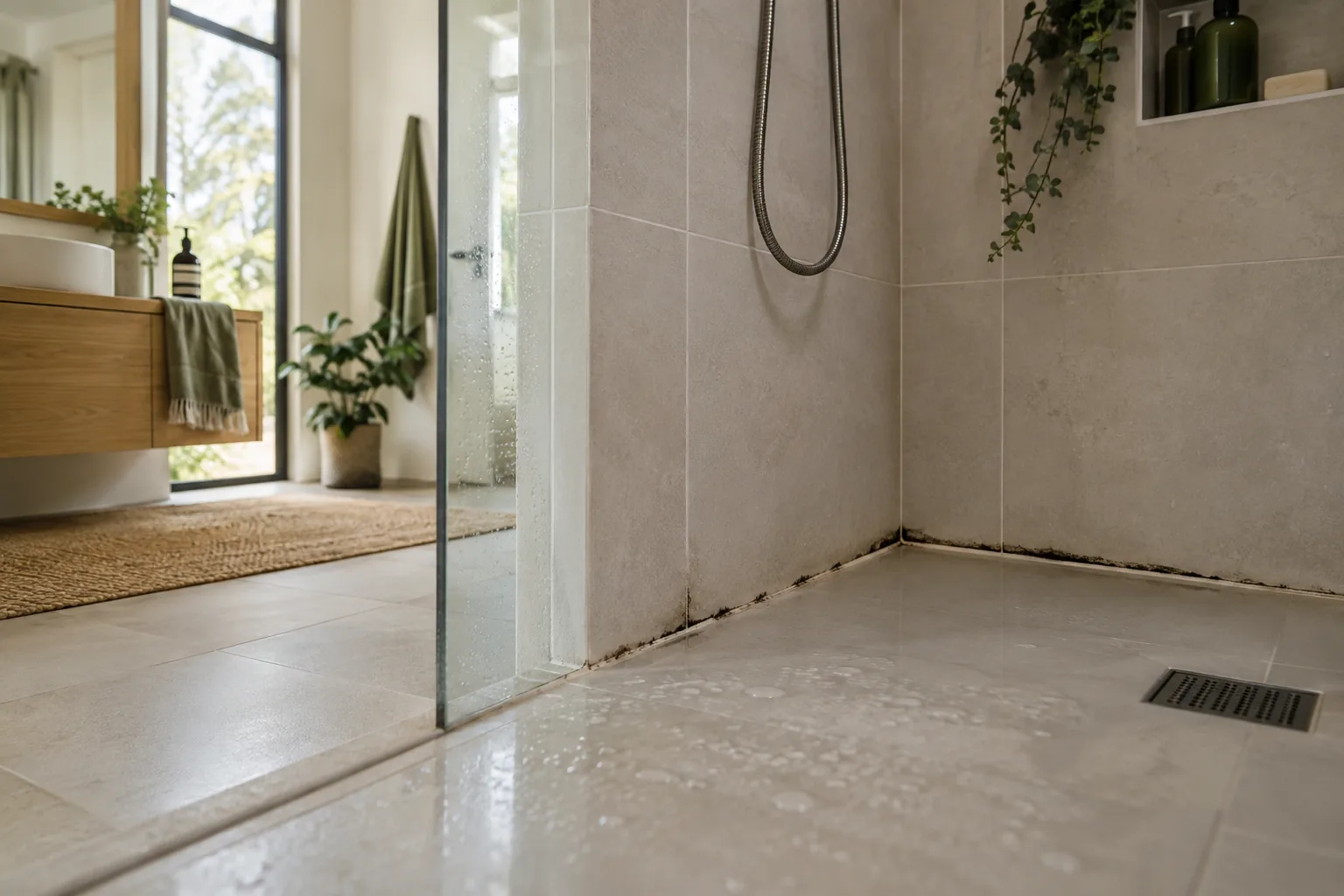
Bathroom wall above tiles
Explain steam, extraction and peeling paint. Tile-adjacent coatings can require a different appearance discussion from an intact wall.
Hard-floor finish
Specify the material and any lifting or staining. Carpets, rugs and other movable floor coverings are excluded.
PREPARATION & LIMITS
Do not combine treatment with an appearance guarantee
Around three hours per room is the average guide, varying for contamination, size and accessibility. The service is not hourly-priced. Coordinate decorating separately after the assessed work and source concerns are understood, rather than reserving a painter against a fixed finish promise.
Cosmetic marks can remain after contamination removal. Repainting is an additional separately quoted service where appropriate. If moisture continues, growth can recur beneath or around a new finish, so a decorative coating should not be described as permanent prevention.
AFTER THE SURFACE WORK
Protect the next finish by addressing the source
Record the moisture issue and the repair action, not just the selected paint colour. Follow up continuing leaks or extraction faults with the appropriate trade. A treated surface does not establish that the defect has been resolved elsewhere in the building.
Keep the room ventilated appropriately for its use and monitor recurring dampness. Compare dated photographs rather than repeatedly covering changes. Our remediation information explains why assessing and removing existing growth differs from repairing a source or restoring a cosmetic finish.
SORRENTO · NEARBY LOCATION PAGES
Sorrento and adjoining enquiries
Use the neighbouring location pages for navigation, then provide Sorrento’s exact address and room details. Discuss the authorised booking contact and any decorator’s involvement. Proximity to another locality does not confirm immediate attendance or a particular restoration outcome.
Portsea · Blairgowrie · Rye
BEFORE YOU ARRANGE WORK
Questions for your enquiry.
Can you promise the wall will not need repainting?
No. Stains and damaged coatings may remain after contamination is removed. Decorating is a separate decision and quotation once moisture and material condition are considered.
Should I use mould-resistant paint before inspection?
Do not hide the existing condition merely to prepare for assessment. Explain any paint already used. A coating choice does not establish that the source or underlying material is sound.
Is the painter’s work included in your treatment price?
Decorating is separate and can be quoted independently where appropriate. Confirm the actual room scope rather than assuming a removal appointment includes surface restoration and painting.
Does a stain mean the treatment failed?
Not necessarily. A residual cosmetic mark differs from new or continuing growth. Describe the change and timing; do not judge the condition from colour alone.
Can you restore fragile decorative plaster?
Material fragility needs discussion before booking. Accessible contamination treatment is not automatically specialist restoration, and damaged or delicate finishes can limit the method and achievable appearance.
Will a new coating stop recurrence permanently?
No permanent prevention is promised. Continuing water entry, condensation or ventilation problems can allow growth to return, even when the original contamination and appearance have been addressed.
Discuss your Sorrento address
For a Sorrento enquiry before decorating, call 03 8652 1296 with the surface history and current condition. We can discuss contamination treatment, cosmetic limits and address availability before a separate painting decision.
Useful references: Official local geographic reference