
PORTSEA · MELBOURNE
Mould Removal Portsea
ROOMS · BOUNDARIES · PREPARATION
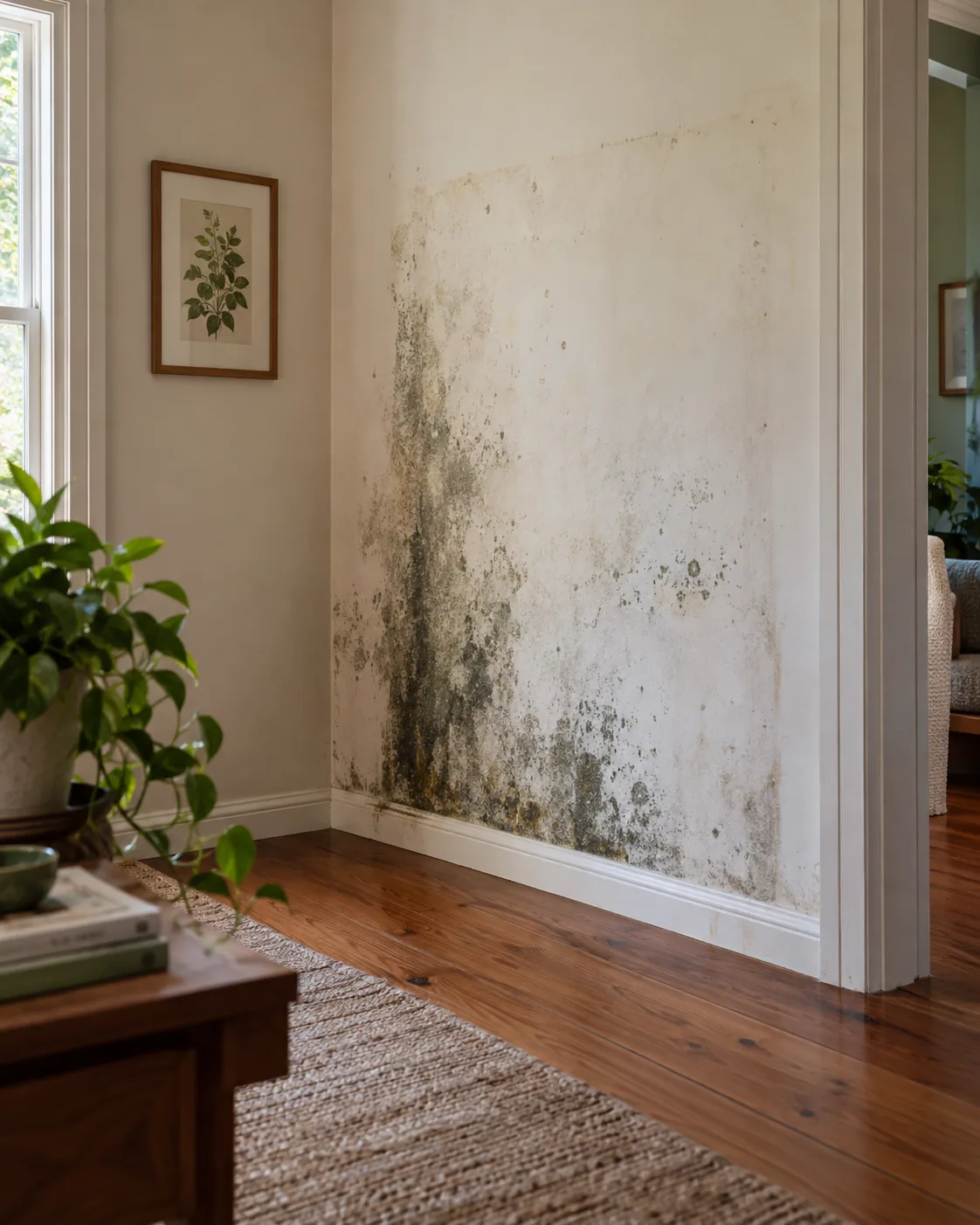
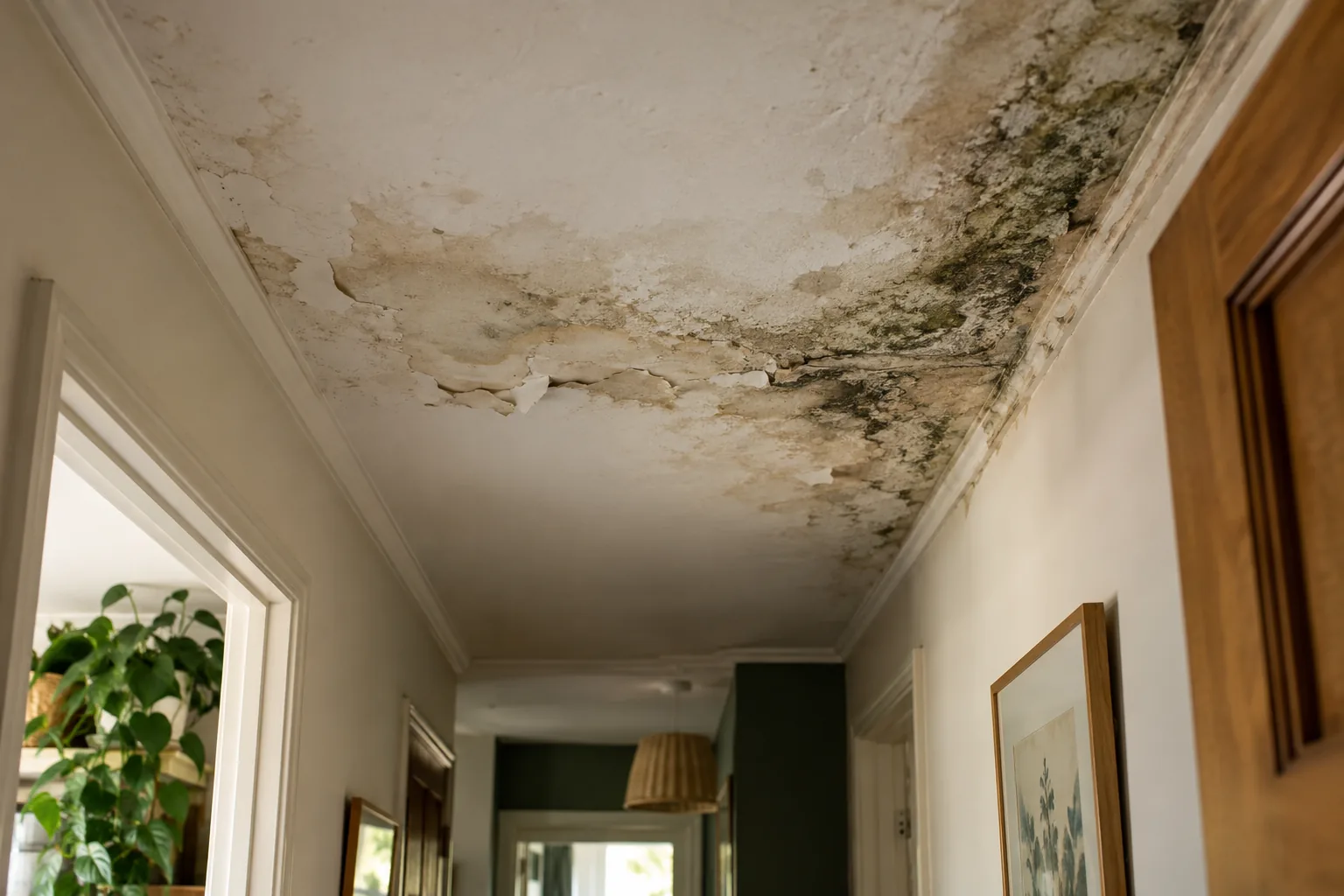
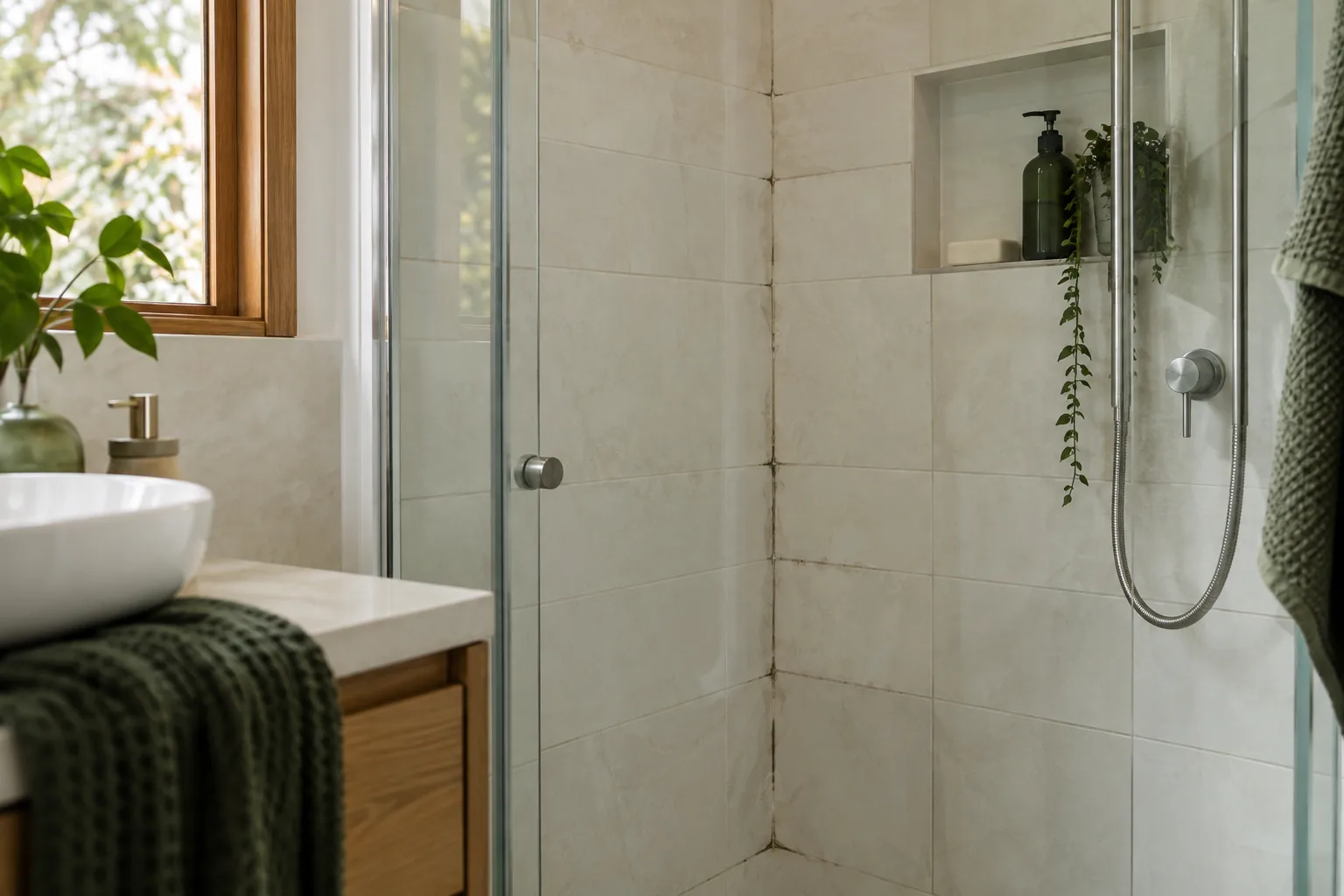
When several rooms show marks, a single photograph is rarely enough to plan the work. For Portsea, list each affected room, its finish and any restricted access. We discuss the actual address and agreed structural surfaces before confirming an appointment or its practical timing.
Individual rooms identified
Access limits recorded
Separate repair needs clear
SURFACES & THEIR SETTING
Make a short room list before calling
Portsea appears in the Shire’s Peninsula foreshore information. That location does not tell us the size or condition of a particular building. For mould removal, a factual room list helps distinguish accessible contamination from belongings and spaces outside scope.
Different patterns in different rooms
A bathroom ceiling and bedroom wall may have different histories. Describe each rather than assuming one cause applies throughout the house. Record visible wetness, known leaks and recurring condensation where you have actually observed them.
Areas unavailable on the day
Tell us about occupied rooms, locked storage and planned contractor visits. The booked number of rooms should reflect practical access. A property-wide concern does not automatically authorise work in every room or behind every fixed fitting.
Assessment follows the actual layout
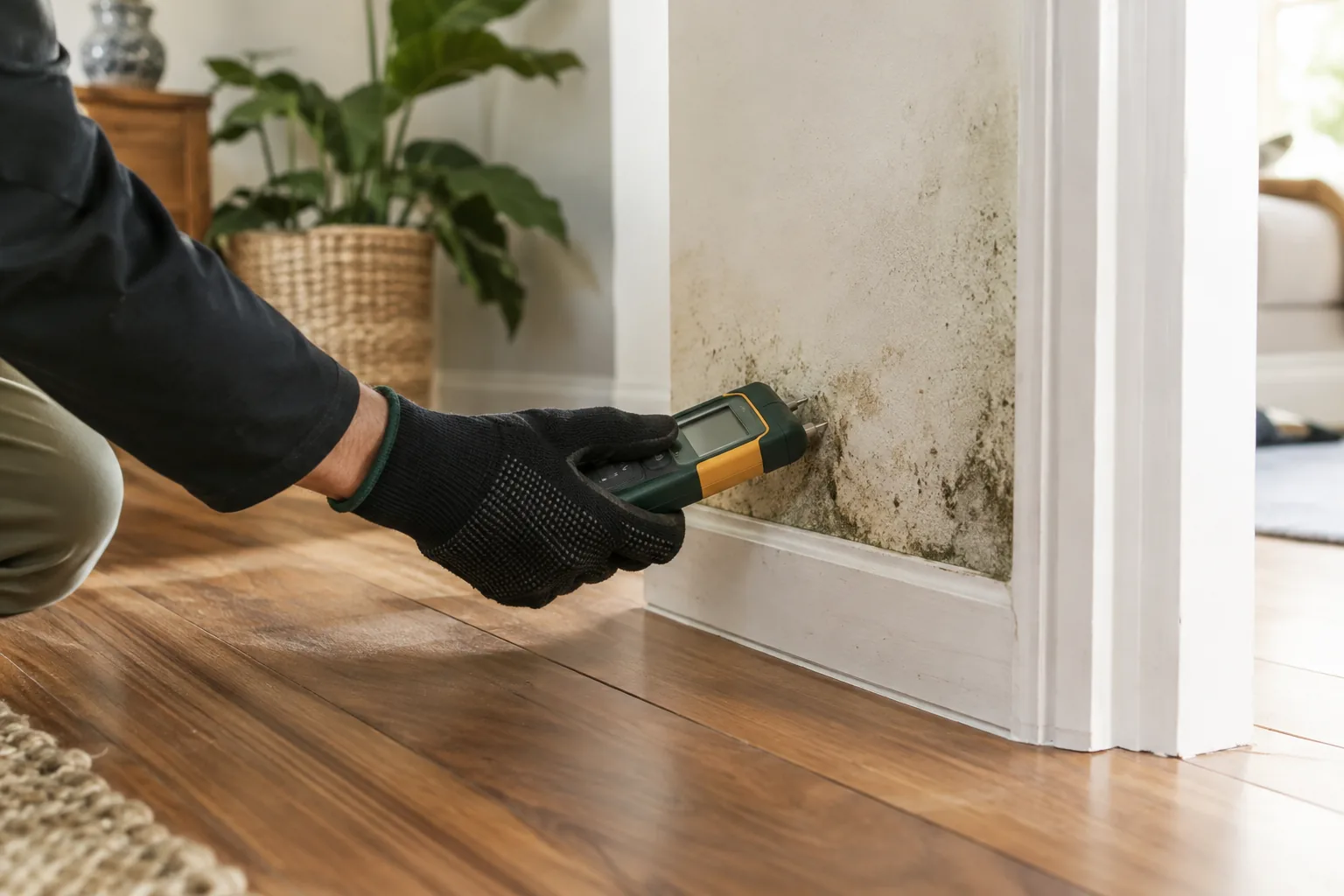
An inspection enquiry benefits from a room overview and closer material photographs for each area. Moisture and humidity checks support observations within the accessible scope. One clear room cannot certify that another concealed or locked space is unaffected.
Surface types and deterioration
Identify walls, ceilings and hard floors separately. Mention peeling paint, swollen lining and damaged material.
Approval for scope changes
Clarify who makes decisions if the technician finds an unexpected limitation. A keyholder should know how to contact that person.
THE SURFACE REMOVAL PROCESS
A coordinated sequence for agreed rooms
01
Inspect and define boundaries
Review visible growth and relevant readings in each accessible room. Agree included surfaces, repair questions and exclusions.
02
Prepare filtered air
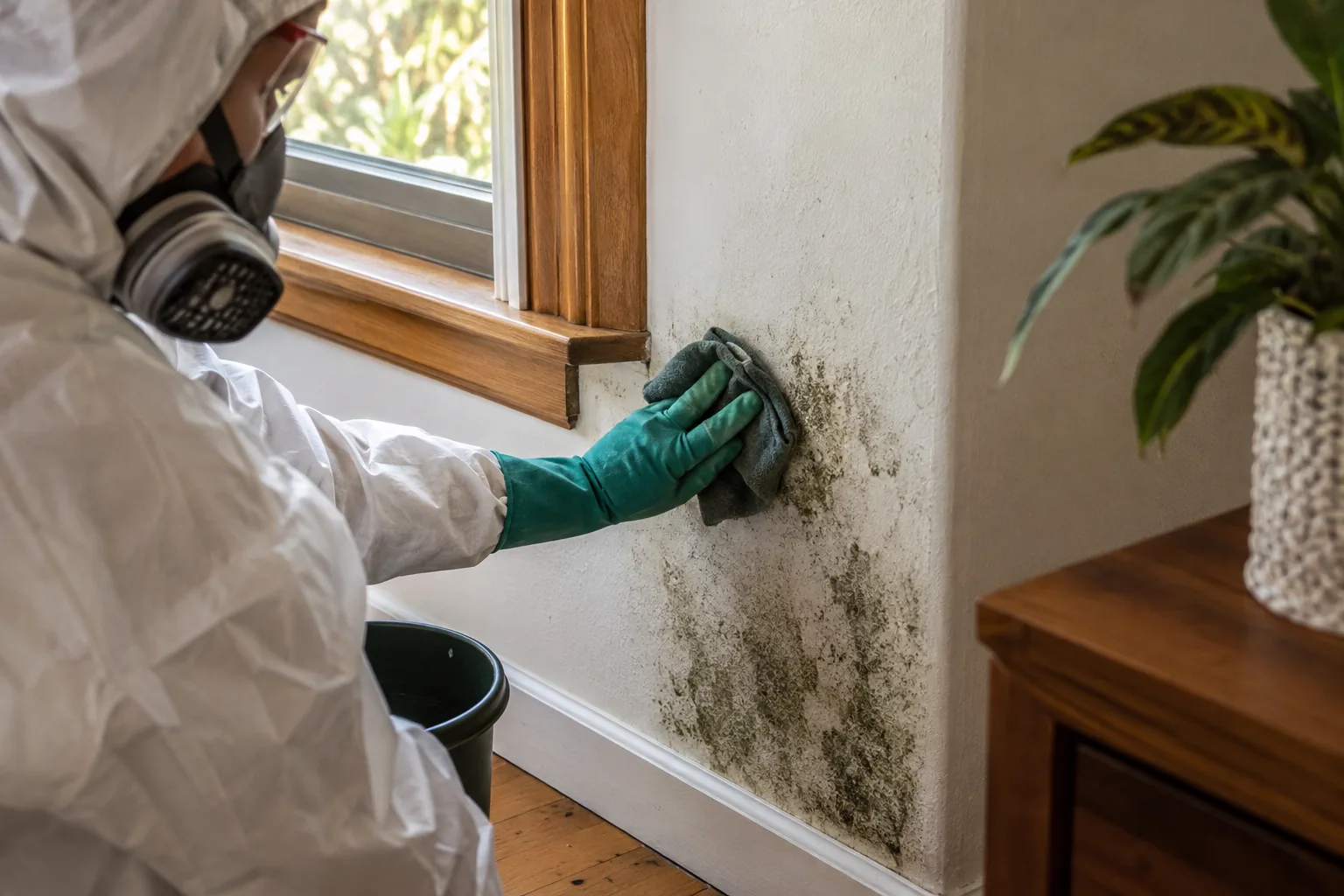
Arrange HEPA filtration with suitable power and equipment routes. Consider occupant movement and other activities in the house. The setup depends on the agreed work, and excluded furnishings still require clear preparation arrangements.
03
Choose suitable treatment
Appropriate HOCl use is selected for the materials and conditions assessed. Report previous cleaners or coatings room by room when they differ.
04
Apply within the plan
ULV application may form part of the suitable procedure. Confirm people, pets and approved building-system requirements. Textiles and furniture are excluded. Sealed cavities require separate investigation, and only the agreed rooms are included.
05
Remove accessible contamination
Professional physical removal uses equipment with H-class filtration where required. Keep the room boundaries and structural-surface limitations clear. Damaged lining or fragile finish may need separate work, even when neighbouring surfaces can be treated.
06
Filter and review each area
Final air cleaning completes the sequence. Review treated locations, remaining cosmetic marks and unresolved source questions.
VISIBLE & ACCESSIBLE
Build a useful photo set
Bedroom wall
Show the full affected surface and furniture clearance. Beds, mattresses and upholstery remain excluded even when situated beside the wall.
Bathroom ceiling
Include extraction concerns and material condition. Treat the room’s observations separately from those in a bedroom or hallway.
Hallway junction
Identify marks crossing between surfaces and rooms. Additional areas need agreement; a connecting corridor is not automatically covered.
Hard-floor perimeter
Specify the finish and wetness. Carpet, rugs and underlay do not form part of the hard structural-floor scope.
PREPARATION & LIMITS
Discuss timing room by room
Working time averages roughly three hours per room, with variation for size, severity and access. Pricing is not hourly. Several rooms require a practical appointment discussion; multiplying an average should not be treated as a guaranteed whole-house completion timetable.
Residual staining may remain after contamination treatment. Decorating is separately quoted where appropriate, and material repairs remain separate. Existing growth can be removed while moisture continues elsewhere, so no whole-building guarantee of permanent prevention or uniformly restored finishes is offered.
AFTER THE SURFACE WORK
Give follow-up actions a location
Write down which room needs a leak repair, an extraction check or further observation. A vague instruction to ventilate the entire house may overlook a specific defect. Give the appropriate owner or repair trade the relevant room details and observations.
Keep dated photographs after work and note fresh changes without assuming every old stain is active growth. Our remediation overview describes the role of existing-contamination treatment. Ongoing moisture management and source repair still need practical attention in the rooms affected.
PORTSEA · NEARBY LOCATION PAGES
Portsea and nearby property enquiries
The neighbouring links provide navigation through surrounding locations. Send the actual Portsea address, room list and authorised contact when enquiring. Nearby geography does not confirm immediate availability, a local office or identical treatment arrangements across different properties.
Sorrento · Blairgowrie · Rye
BEFORE YOU ARRANGE WORK
Questions for your enquiry.
Can I book the whole house from one photograph?
A photograph can start the conversation, but list the affected rooms and accessible surfaces. The actual scope, material condition and address availability need discussion before a whole-property assumption is made.
Does one treatment method suit every room?
Not automatically. Materials, condition and practical arrangements vary. The technician selects the appropriate method for assessed surfaces, with clear limits for fragile or damaged finishes.
Can a locked room be added later?
Discuss it with the authorised contact and provider. Additional access or rooms can affect preparation and planning; the original agreement does not silently extend to spaces that were unavailable.
Is duration guaranteed by multiplying three hours?
No. That is average guidance per room, not a fixed formula or hourly pricing. Contamination, room size and access affect the actual appointment arrangement.
Are all remaining marks active mould?
Appearance alone cannot settle that question. Cosmetic staining may remain after treatment. Describe any new change, dampness and timing if you are concerned about the surface afterwards.
Can another contractor work upstairs during treatment?
Discuss concurrent activities before booking. Occupant movement, access and the planned procedure need agreement rather than assuming a separate level makes every activity compatible.
Discuss your Portsea address
Call 03 8652 1296 with the Portsea address and a short affected-room list. Explain access restrictions and the authorised contact so the actual structural surfaces and practical appointment arrangement can be discussed.
Useful references: Official local geographic reference