
VISIBLE SURFACES · AGREED TREATMENT
Mould Remediation Carlton
Marks near a kitchen sink may sit on exposed paint, a tiled splashback or the edge of a fitted cupboard. For your Carlton enquiry, identify the actual finish rather than describing the whole kitchen as contaminated. A useful remediation plan separates treatable accessible surfaces, removable contents and repairs that need another arrangement.
Kitchen finishes are distinguished.
Contents preparation is discussed.
Water-repair responsibilities stay clear.

TREATMENT · FILTRATION · FOLLOW-THROUGH
A TREATMENT PLAN WITH CLEAR LIMITS
Treat the finish rather than every kitchen component
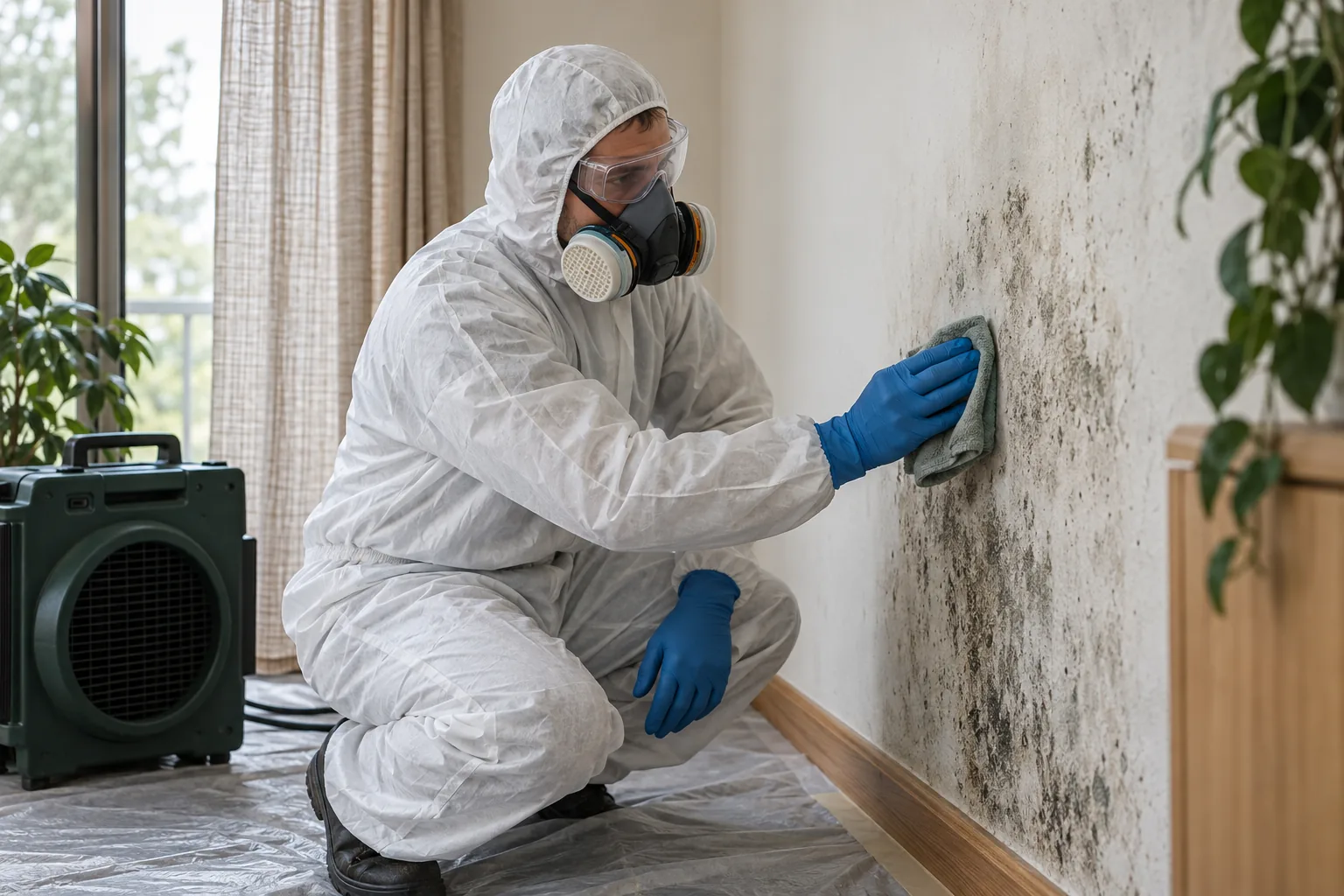
Remediation involves assessment, air protection, appropriate treatment and physical removal of visible growth. Explain whether the marked area is an exposed wall or ceiling and how access works around fixed fittings. This avoids assuming that an inaccessible cupboard back or concealed plumbing space will be opened during treatment.
Our remediation service page gives the process outline. Cabinet repairs, plumbing and replacement finishes are separate decisions. Household contents are not added to treatment because they appear beside the mark in a photograph, and textiles remain outside the standard surface service.
MOISTURE COMES FIRST
Describe where water has actually been seen
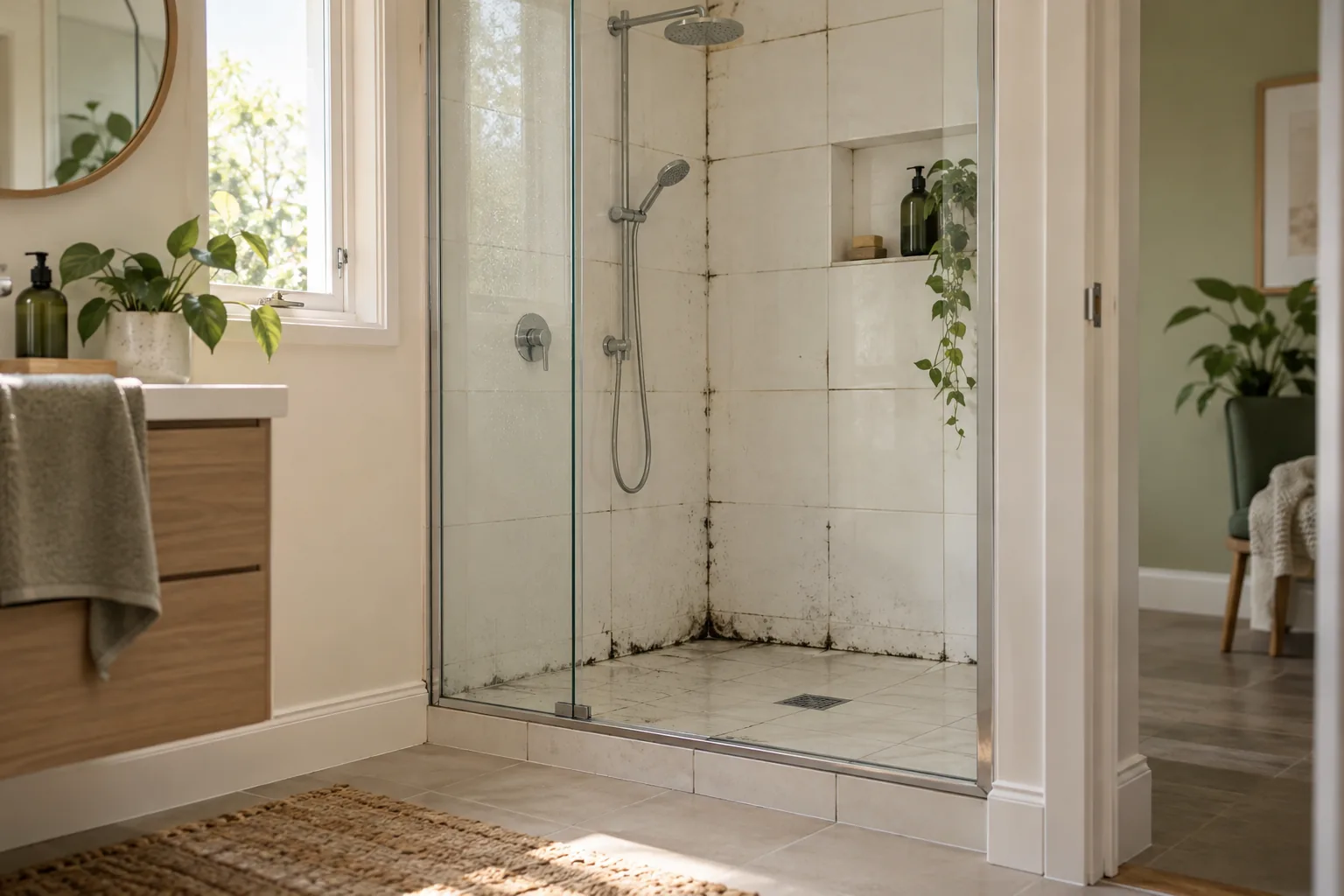
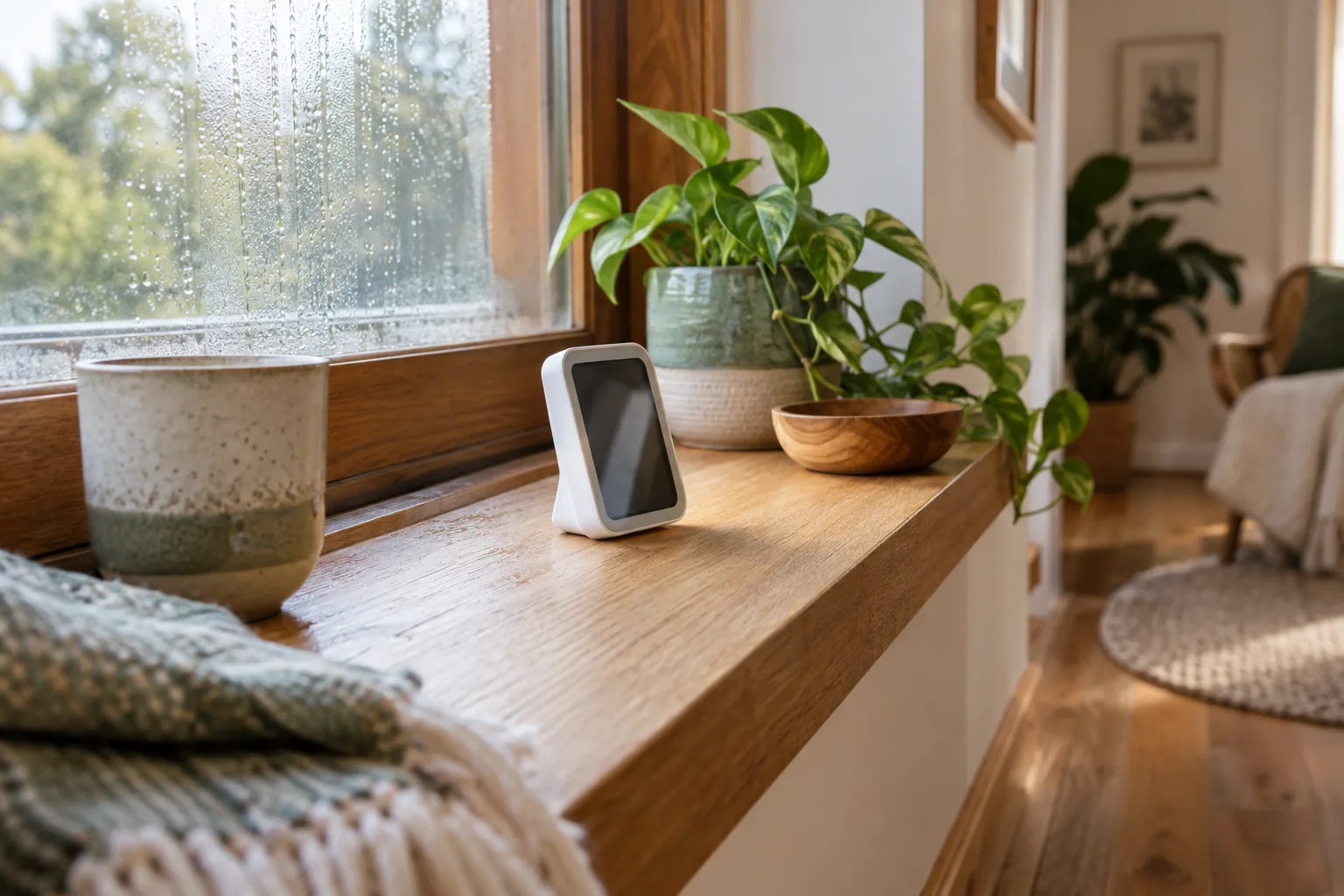
Report water on the sink surround, wall or floor with the timing and location you observed. Do not identify a concealed leak from the stain alone. A professional hygrometer supplies room-air relative-humidity context, rather than a promised moisture reading inside joinery or behind a splashback.
Cooking condensation, ventilation concerns and known leaks may need different follow-through. Arrange source correction with the appropriate provider; continuing dampness can allow mould to recur. A visible-condition inspection is an option when the exposed boundary needs consideration before treatment can be agreed.
FROM PREPARATION TO FOLLOW-THROUGH
A kitchen work sequence with defined boundaries
1
Agree the accessible scope
View the accessible marked finishes and establish working clearance around fittings, identifying areas excluded behind cabinetry.
2
Begin air protection
Begin confirmed HEPA air-scrubber filtration before treatment, with placement suited to the agreed work area.
3
Choose the treatment application
Apply HOCl appropriately to the identified surfaces; ULV dry fog is considered when suitable, not promised for stored contents.
4
Remove visible growth
Physically remove visible mould with professional H-class filtered equipment, respecting the agreed exposed-surface scope.
5
Continue final air cleaning
Continue HEPA air cleaning during and after the work, discussing residual appearance, moisture correction and particular return instructions.
Locate the affected surface before choosing a method
Walls
Kitchen wall paint needs its exposed boundary distinguished from the fitted units beside it.
Ceilings
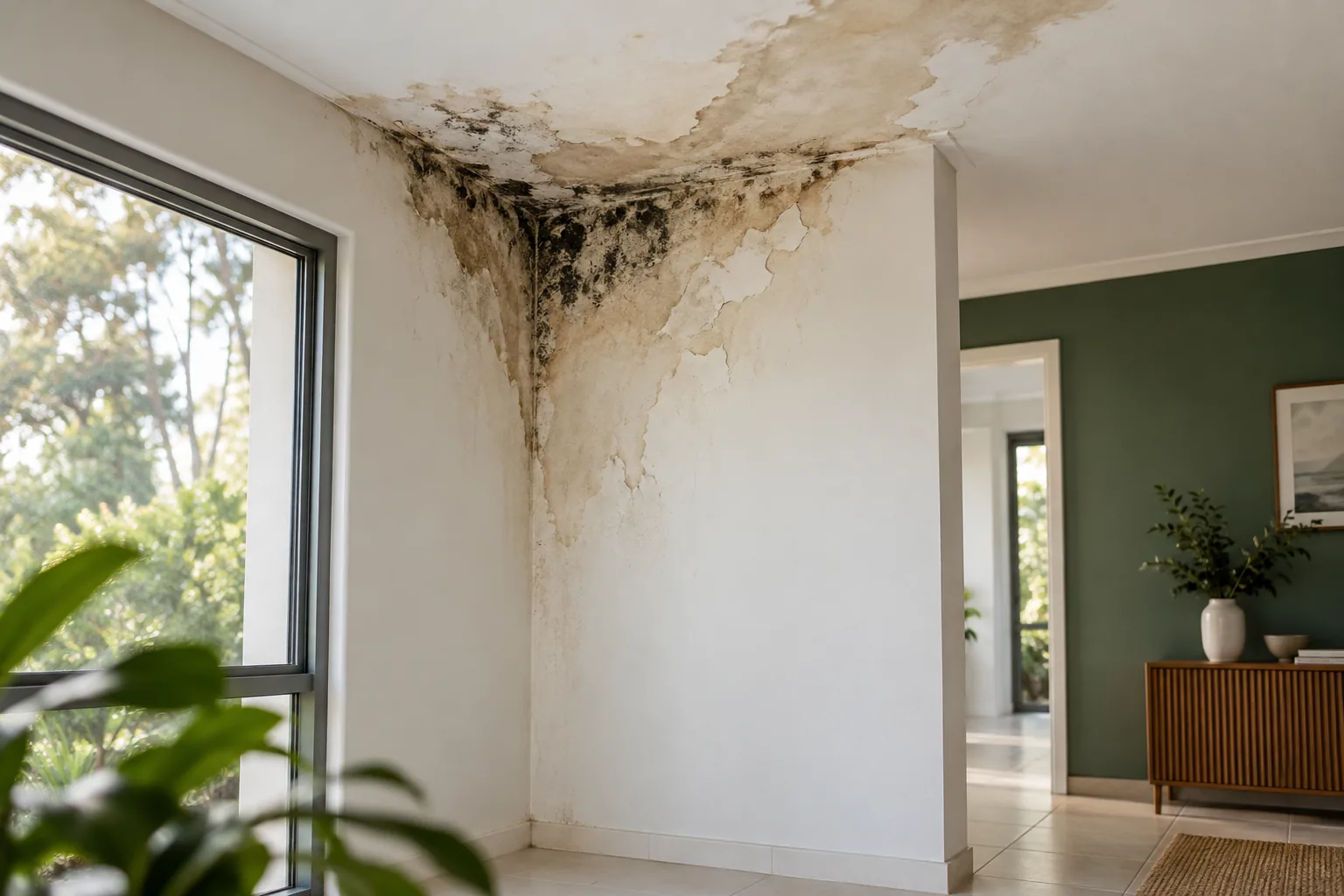
Ceiling marks above cooking areas require safe access and disclosure of flaking or loose finishes.
Bathrooms
Bathroom grout and silicone, if also requested, should be described separately from the kitchen treatment.
Kitchens
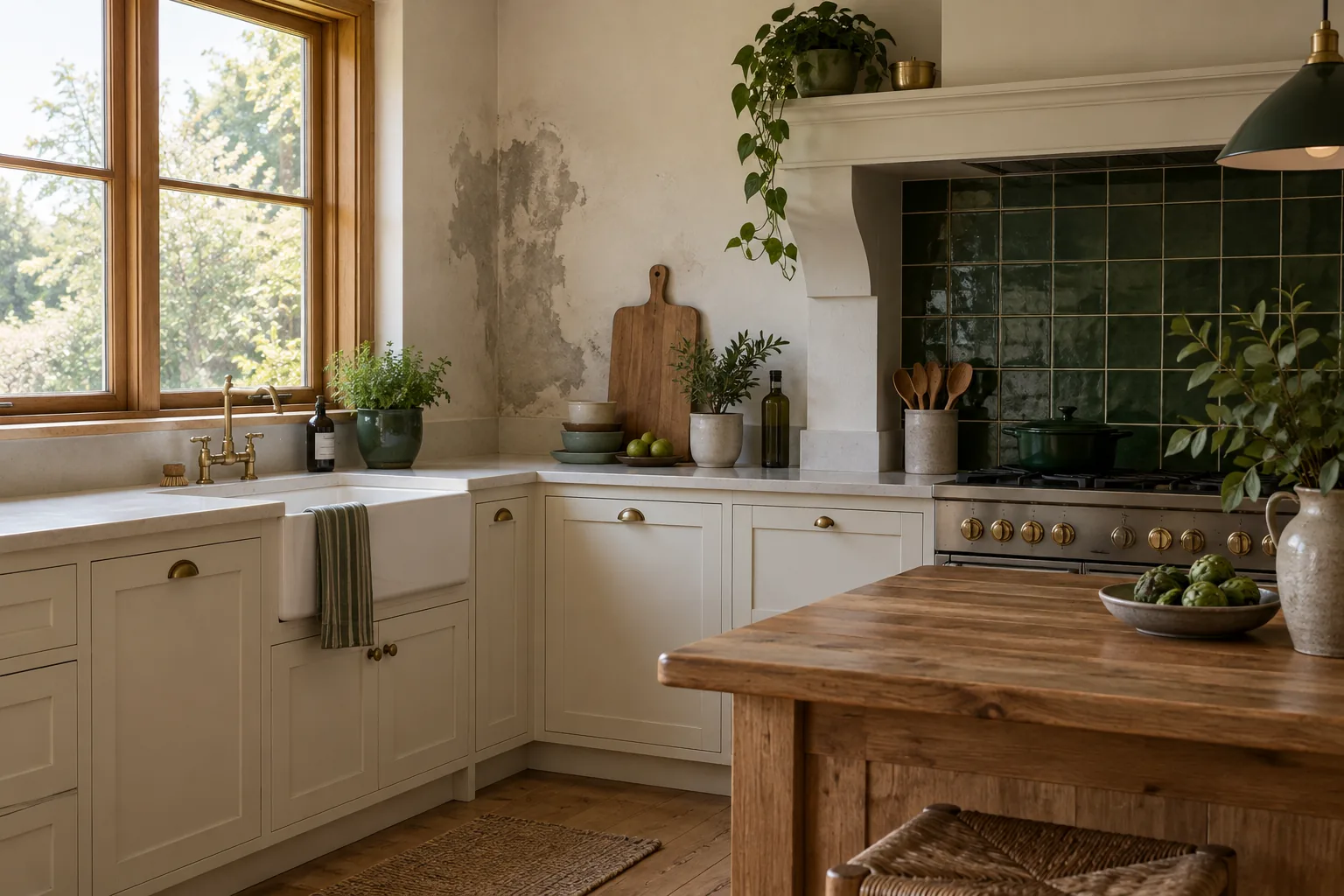
An exposed splashback and adjacent plaster are different finishes; agree suitability without assuming cabinet dismantling.
Accessible affected surfaces
Other visible affected floors, walls or ceilings need explicit agreement; concealed plumbing voids and textile items are excluded.
PREPARE FOR THE ACTUAL JOB
Clear the room as instructed
Ask what food, utensils and movable belongings must be cleared before attendance, and who will arrange that preparation. People and pets leave during treatment. The source’s average guidance is approximately three hours per room, with the actual duration affected by area, contamination and accessibility rather than a fixed universal slot.
Do not expect treatment to restore every discoloured finish or repair kitchen components. Remaining stains and damaged paint may need separate decorating. Receive return instructions from the technician before using the room again. An elapsed work duration or operating air scrubber does not establish an independently tested air clearance.
AFTER THE TREATMENT
Keep attention on water and ventilation
Afterwards, distinguish a newly appearing patch from a residual old mark.
Pursue an unresolved plumbing fault through the appropriate separate repair service.
Use the available kitchen ventilation and report a failed extractor.
Keep visible observations about water and treatment separate from assumptions about hidden joinery.
Agree the kitchen quote’s inclusions
Identify the exposed kitchen finishes and access around fixed units when discussing cost. The price page is labelled Mould Removal and does not confirm a separate remediation kitchen package. Ask which figures apply to the agreed work, leaving plumbing, cupboard replacement and decorating out unless another scope is expressly established.
CARLTON · EXACT ADDRESS & ACCESS
Enquiries for nearby addresses
Give the Carlton address and identify the kitchen shown in the photographs. Distinguish any images from elsewhere. Nearby pages navigate separate enquiries; confirm the actual room’s entry contact and available treatment date.
Questions about remediation
Will the technician remove cupboards to reach hidden mould?
That is not a standard inclusion. Explain the concealed concern and arrange any necessary access or repair separately; agree treatment of the exposed surfaces only.
Does the treatment include food or utensils?
Do not assume contents are included. Ask for preparation instructions and clear movable kitchen items as directed before the surface work starts.
Can a sink leak be fixed during remediation?
No plumbing repair is promised. Arrange the leak correction separately and tell us its status when discussing the visible contamination.
Is splashback treatment the same as treating plaster?
Not automatically. Identify each material and its condition so a suitable method can be discussed rather than applying one assumption to the whole wall.
Can we cook while the air scrubber runs?
Do not use filtration as permission to remain. People leave during treatment, and kitchen use after the work follows the technician’s particular return advice.
What if the kitchen wall stays discoloured?
Discuss the remaining appearance with the technician. Cosmetic staining can persist, and repainting or replacement decisions need their own scope and attention to unresolved moisture.
Discuss your exposed kitchen surfaces
Call 03 8652 1296 with the kitchen finish, accessible area and known water concern. Ask about preparation and the applicable remediation quote.