
VISIBLE SURFACES · AGREED TREATMENT
Mould Remediation Brunswick
Marks in two rooms may need two scope decisions rather than one whole-home assumption. At your Brunswick address, identify each exposed finish and explain whether the rooms can both be made available. Remediation planning should distinguish the requested areas, their preparation and any different water histories before a treatment quote is accepted.
Each requested room is identified.
Separate surface boundaries are agreed.
Preparation matches the actual work.

TREATMENT · FILTRATION · FOLLOW-THROUGH
A TREATMENT PLAN WITH CLEAR LIMITS
One address can contain different treatment decisions
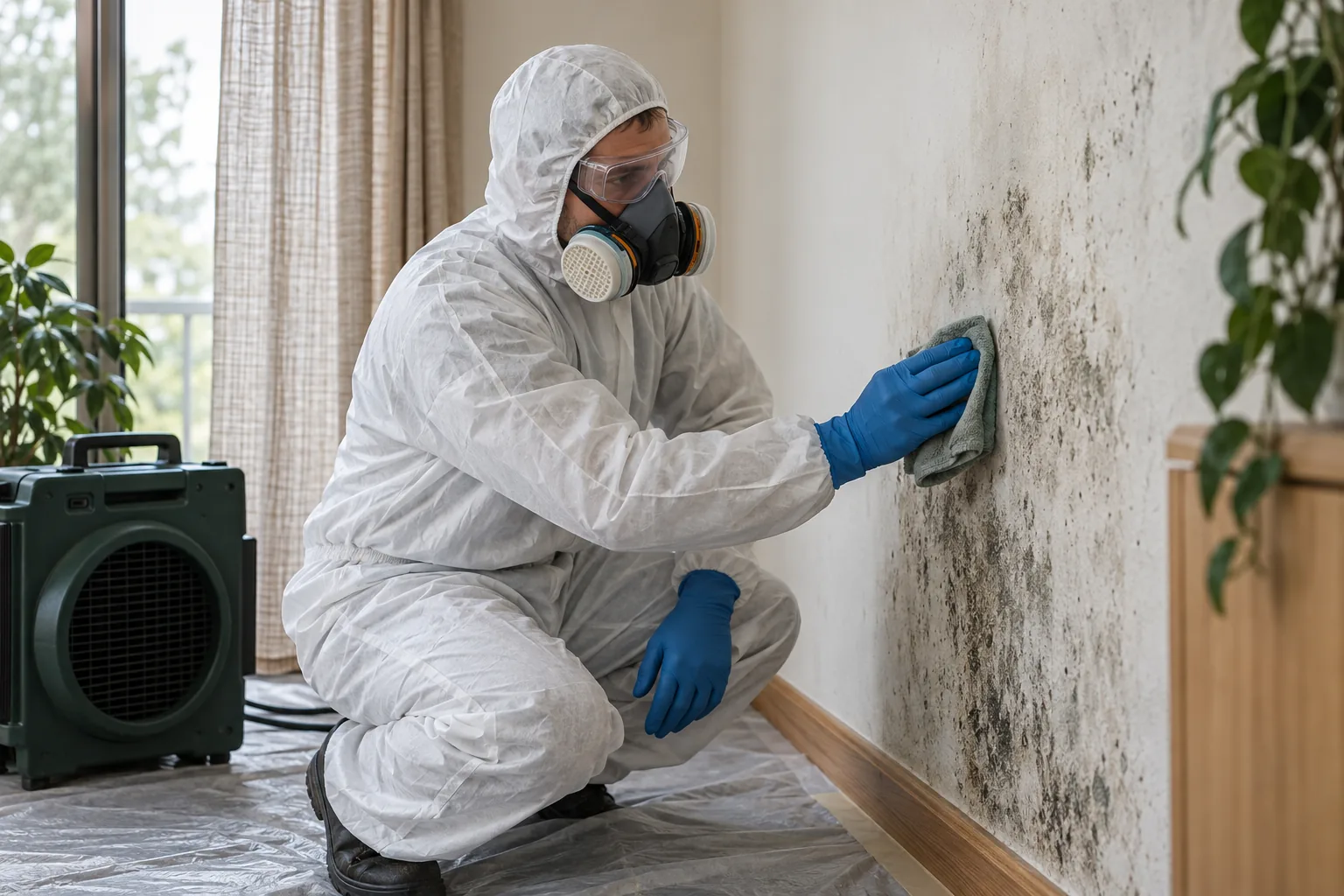
Remediation includes assessment, air protection, appropriate treatment and physical removal of visible growth. A bedroom wall and a bathroom ceiling do not automatically share the same access or finish condition. Describe each separately so the work does not imply that every surface in both rooms has been included.
Our remediation overview explains the supported process. Clarify any room that remains unavailable or any fixed obstruction that limits access. Furniture and textiles are excluded, and a request across several rooms does not add concealed cavities or household contents to standard surface treatment.
MOISTURE COMES FIRST
Do not give both rooms one moisture story
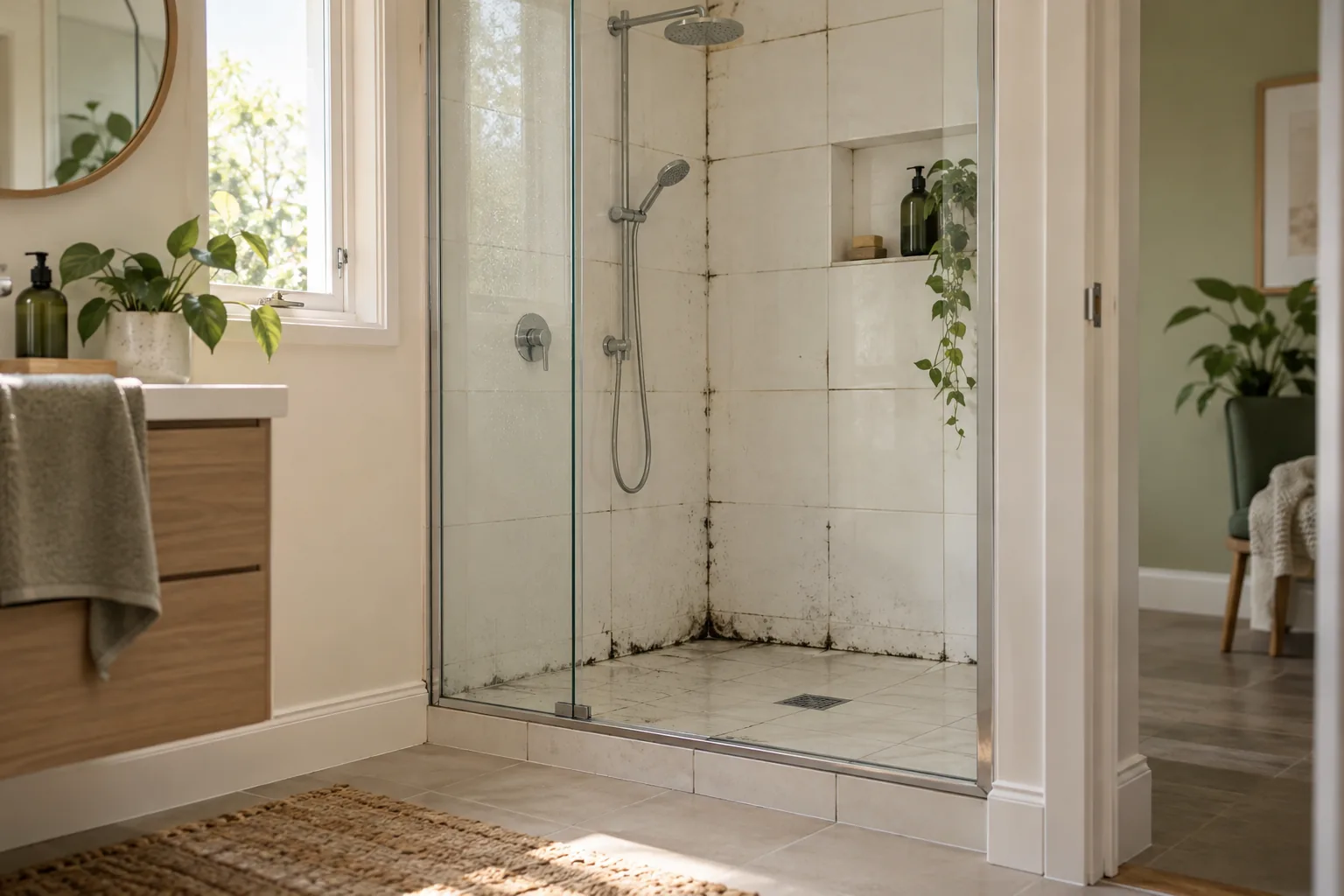
Tell us what was observed in each room, including whether a leak affected only one area. The professional hygrometer supplies room-air relative-humidity information; readings do not establish water content inside finishes or prove that different rooms have the same underlying cause.
Source correction may involve separate repair or ventilation decisions. Continued dampness can contribute to recurrence after visible treatment. If one room’s condition remains uncertain, discuss the inspection option rather than using findings about an accessible wall elsewhere as a complete assessment of that room.
FROM PREPARATION TO FOLLOW-THROUGH
An agreed sequence for the requested areas
1
Agree the accessible scope
Assess the requested visible contamination in each available room and agree boundaries, suitable checks and access exclusions.
2
Begin air protection
Establish confirmed HEPA air-scrubber protection before treatment, with working arrangements discussed for the areas actually booked.
3
Choose the treatment application
Apply HOCl by an appropriate method, considering ULV dry fog where suitable rather than promising identical application everywhere.
4
Remove visible growth
Physically remove visible mould with professional H-class filtered equipment within the agreed finishes and room limits.
5
Continue final air cleaning
Continue HEPA air cleaning during and after the process; communicate specific return advice and follow-up concerns for the job.
Give each finish its own description
Walls
Wall areas in separate rooms need their finish and reachable boundary identified individually.
Ceilings
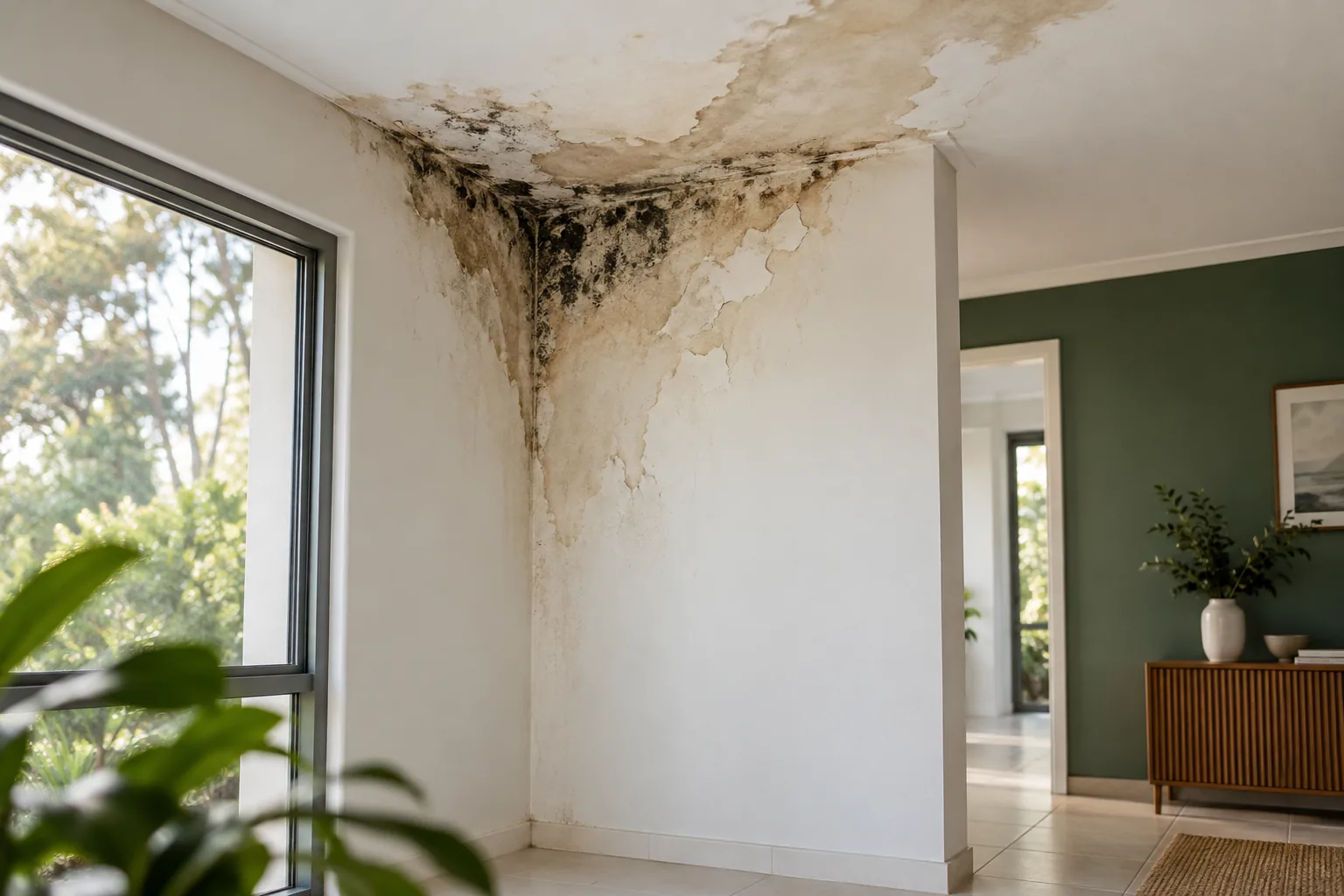
Ceiling treatment requires its own access decision, even when the nearby wall is easily reached.
Bathrooms
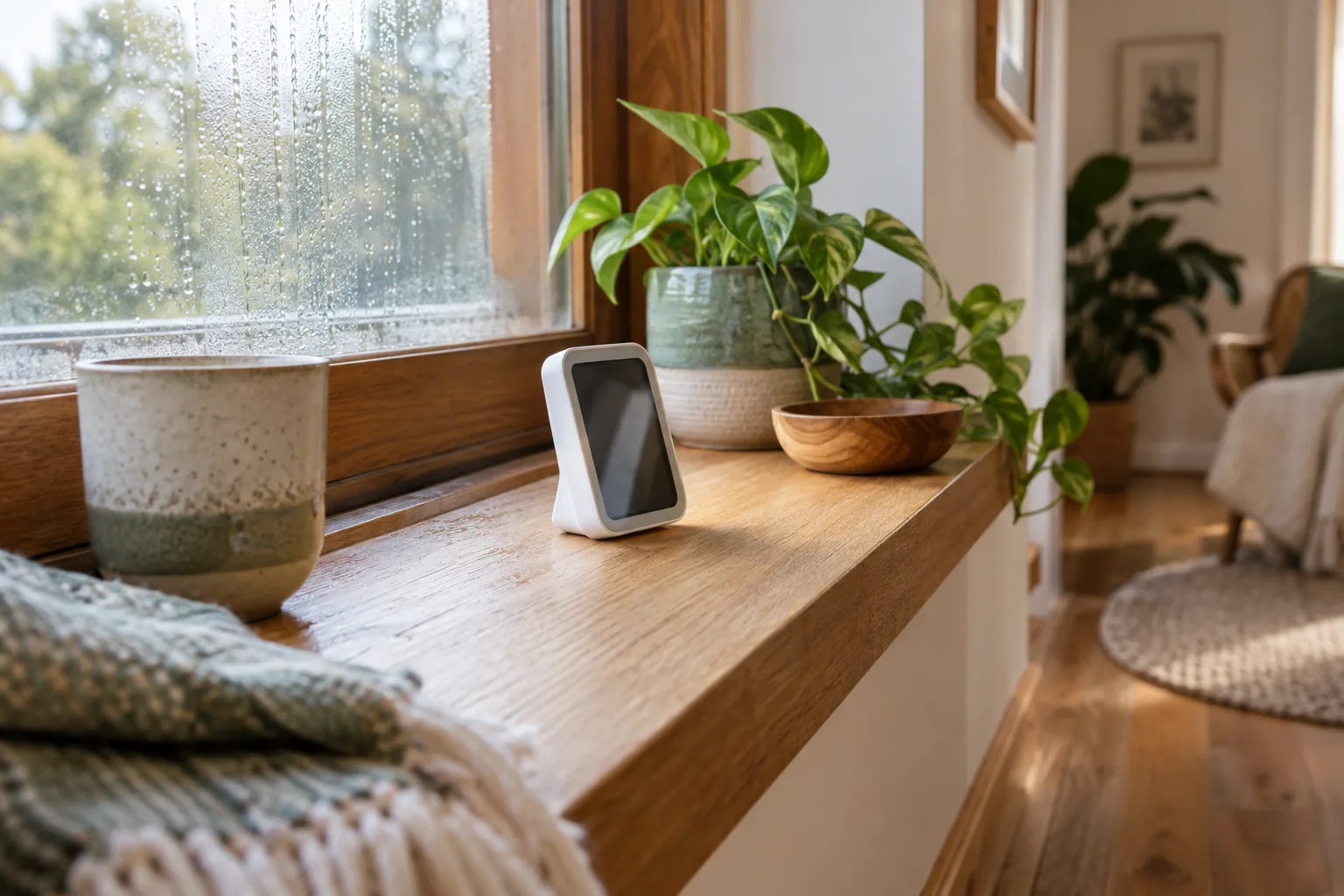
Bathroom joints, tiles and paint should be distinguished before a common room label obscures their different needs.
Kitchens
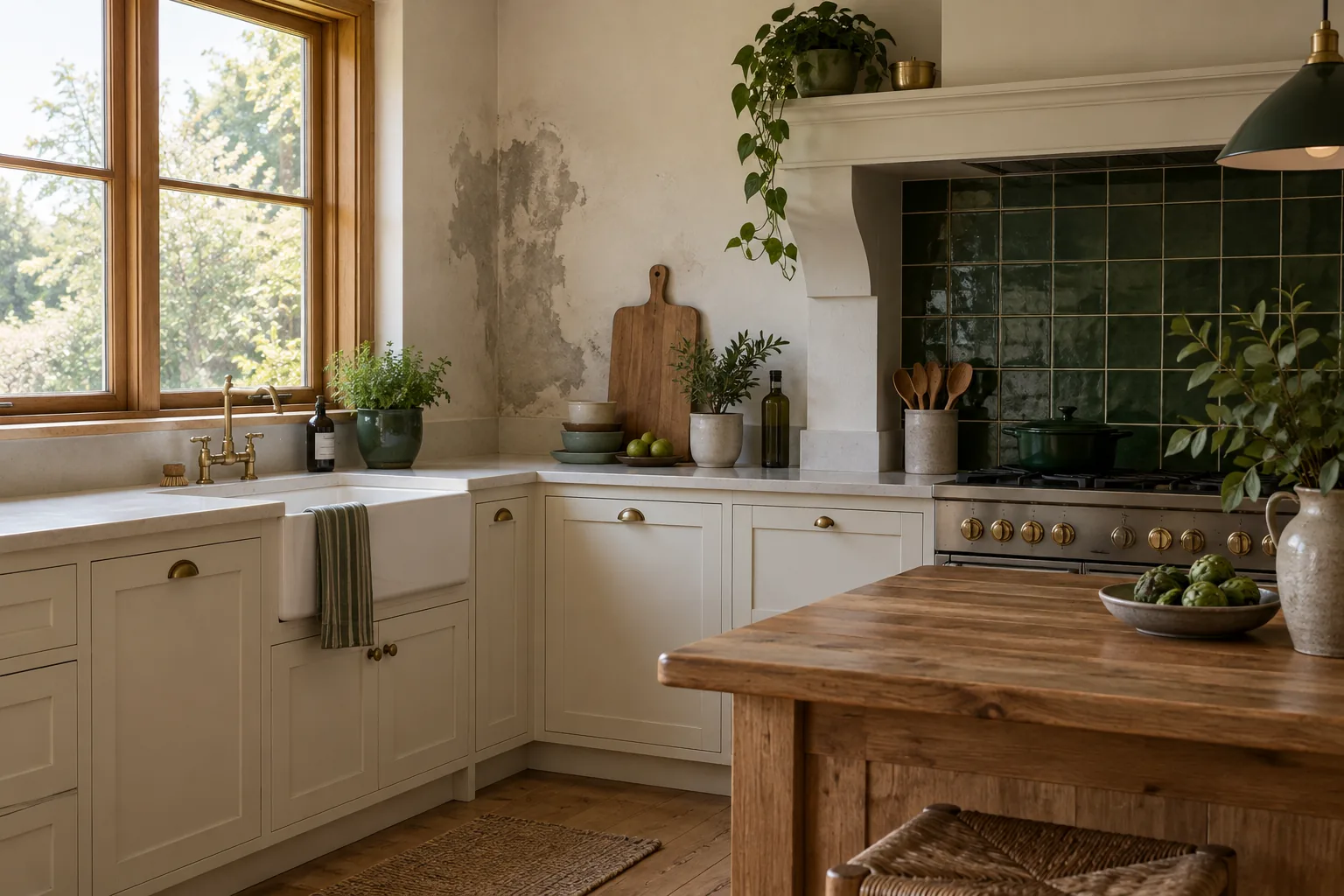
Kitchen marks are an additional room request, not an automatic inclusion in a quote for bedroom and bathroom work.
Accessible affected surfaces
Other exposed affected walls, ceilings or floors may be agreed expressly; covered materials and textiles remain outside standard scope.
PREPARE FOR THE ACTUAL JOB
Prepare the rooms that are actually booked
Confirm which rooms will be cleared and who will provide entry. People and pets leave during treatment, so do not plan to remain in the other booked room. Source guidance averages about three hours per room, with timing influenced by size, condition and access; it is not a fixed whole-property duration.
The visible result can differ between finishes, and cosmetic staining may remain. Ask about decorating or repair needs separately. Departure and return instructions come from the technician for the actual work, without a promised air test, laboratory clearance or automatic certificate covering all rooms at the address.
AFTER THE TREATMENT
Compare changes room by room
Follow-up records are more useful when they identify the particular room.
Note fresh water or new growth separately in each treated area.
Complete the relevant repair or ventilation work rather than assuming one correction covers both.
Keep room access practical enough to observe visible changes safely.
Discuss the two-room quote carefully
Specify both requested rooms, their accessible areas and any different preparation needs when discussing the quote. The published examples are for Mould Removal and should not be assumed to price a separate remediation package. Confirm the applicable figures and whether each room is included, rather than interpreting one room amount as whole-home treatment.
BRUNSWICK · EXACT ADDRESS & ACCESS
Enquiries for nearby addresses
Give the Brunswick address and identify each requested room there. Treat a concern at another property as a separate enquiry. Nearby pages navigate different premises, while this booking needs its own accessible-surface agreement.
Questions about remediation
Does booking two rooms include the hallway between them?
Not automatically. Identify affected hallway surfaces separately and ask whether they are included in the agreed treatment scope.
Can we stay in the other bedroom during work?
People leave during treatment. Do not treat another room as an approved occupancy arrangement; obtain the technician’s departure and return instructions.
Are two wall marks evidence of one leak?
Not by themselves. Explain each room’s water observations and any confirmed repair findings rather than assigning one cause from matching marks.
Will the same method be used on both finishes?
That is not guaranteed. Treatment suitability depends on the material and condition, so describe paint, tiles or other exposed surfaces individually.
Is three hours the total time for two rooms?
No fixed total is confirmed. The source gives average per-room guidance, with actual timing affected by the agreed areas, contamination and access.
How should I report recurrence in only one room?
Name that room, locate the new change and describe any current water or ventilation concern. Do not report both rooms as changed when only one has a fresh observation.
Identify the rooms you want treated
Phone 03 8652 1296 and identify each room, finish and preparation arrangement. Ask which areas and pricing are included before booking the treatment.