
VISIBLE SURFACES · AGREED TREATMENT
Mould Remediation Princes Hill
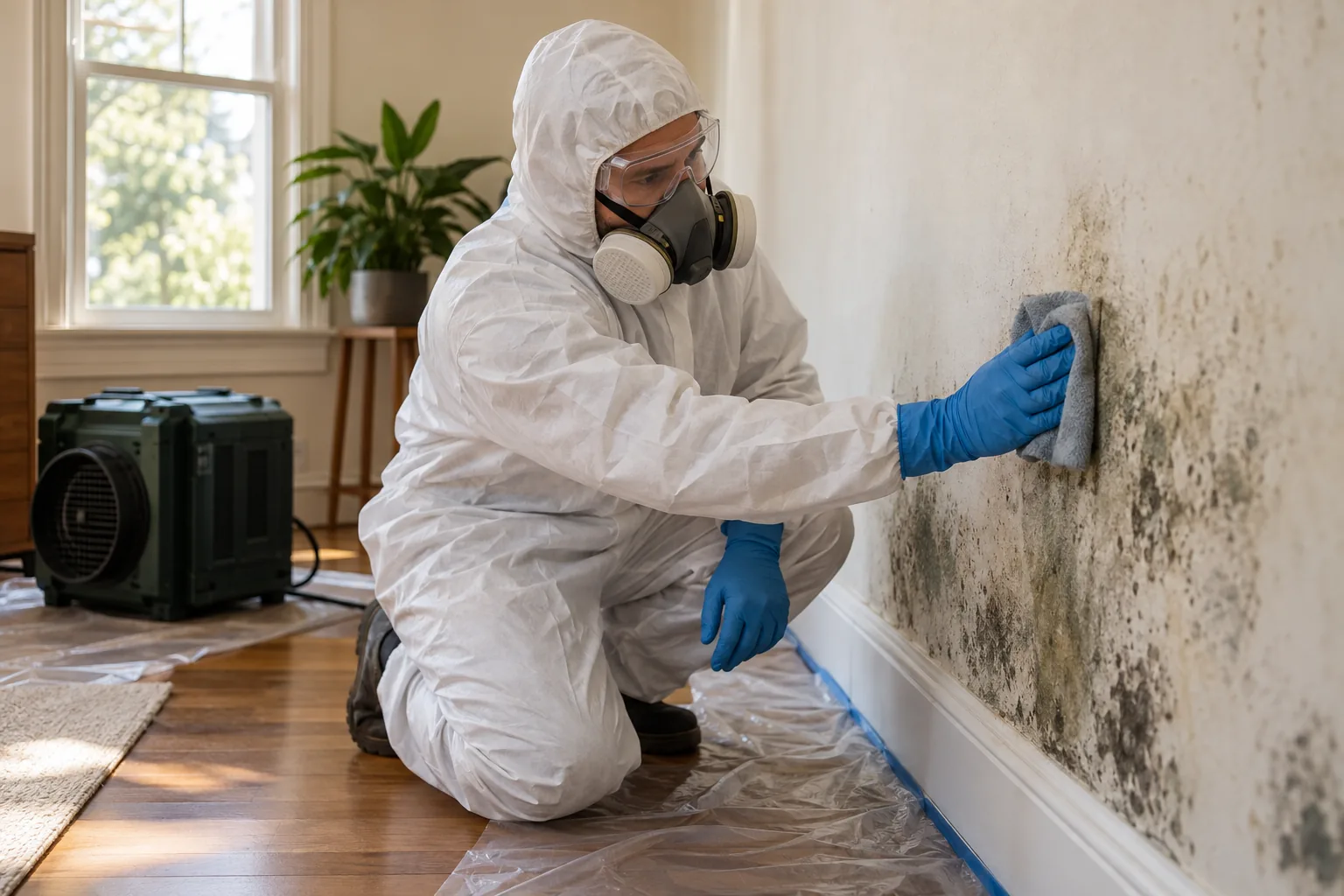
Repainting part of a room can leave uncertainty about a marked section that remains exposed. At your Princes Hill address, explain which finishes are original, recently painted or still awaiting work. Remediation should consider the present visible concern without promising that fresh paint has resolved dampness or that treatment will restore a uniform decorative finish.
The current exposed finish is considered.
Decorating expectations are discussed.
Moisture correction is kept separate.

TREATMENT · FILTRATION · FOLLOW-THROUGH
A TREATMENT PLAN WITH CLEAR LIMITS
Separate contamination from the decorating plan
Remediation is an agreed process involving assessment, filtration, suitable treatment and physical removal of visible mould. Tell us whether the requested section is sound, peeling or already coated over. A clear description is more useful than assuming every dark mark on a painted wall needs an identical application.
See our remediation outline for the supported work. Decorating and repair are separate arrangements. Treatment does not automatically strip a room, replace linings or guarantee colour matching, and a photograph cannot establish the condition underneath an opaque new coating.
MOISTURE COMES FIRST
Paint colour is not a moisture finding
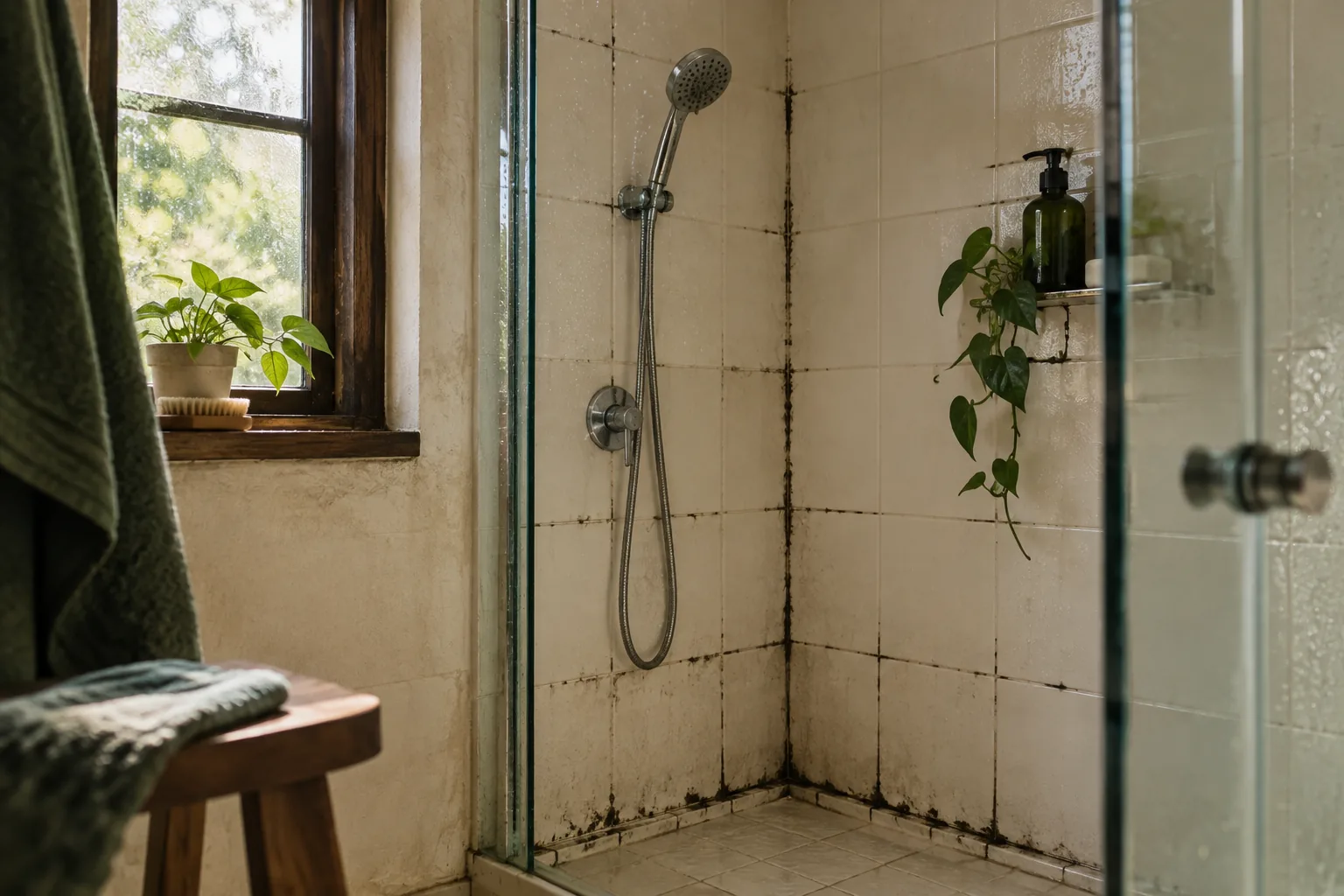
Explain visible dampness and the room history independently of the paintwork dates. A professional hygrometer provides information about air-relative humidity, not moisture hidden beneath paint or inside plaster. Neither a fresh coating nor a single room reading proves that a continuing water source has been corrected.
Follow up separately on a known leak or ventilation concern before assuming the room will stay dry. Mould may recur if conditions remain favourable. If the exposed condition needs clarification, discuss inspection of visible surfaces rather than asking treatment to certify concealed layers.
FROM PREPARATION TO FOLLOW-THROUGH
Treatment before the next finish decision
1
Agree the accessible scope
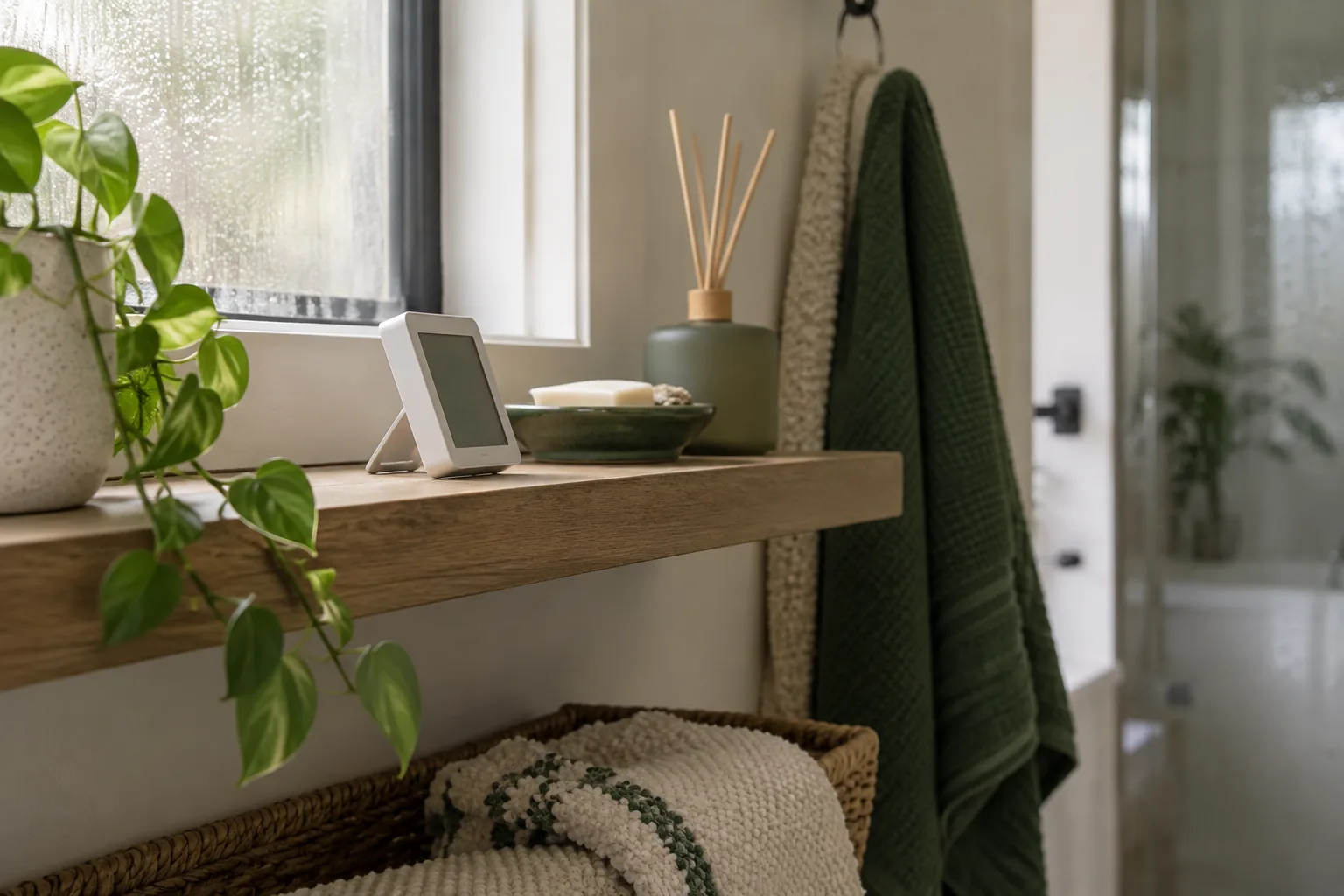
Assess the accessible painted section and agree its boundary, recording any covered, loose or unsuitable finish limitations.
2
Begin air protection
Start confirmed HEPA air-scrubber protection before surface application, without presenting filtration as a tested clearance outcome.
3
Choose the treatment application
Choose suitable HOCl treatment; ULV dry fog may form part of the application where appropriate for this work.
4
Remove visible growth
Remove visible mould using professional H-class filtered equipment within the agreed area, without promising paint restoration.
5
Continue final air cleaning
Maintain HEPA air cleaning during and after the process, then discuss cosmetic marks, follow-up needs and return arrangements.
Different finishes deserve different descriptions
Walls
Painted walls need their current coating and damaged edges described before any treatment expectation is agreed.
Ceilings
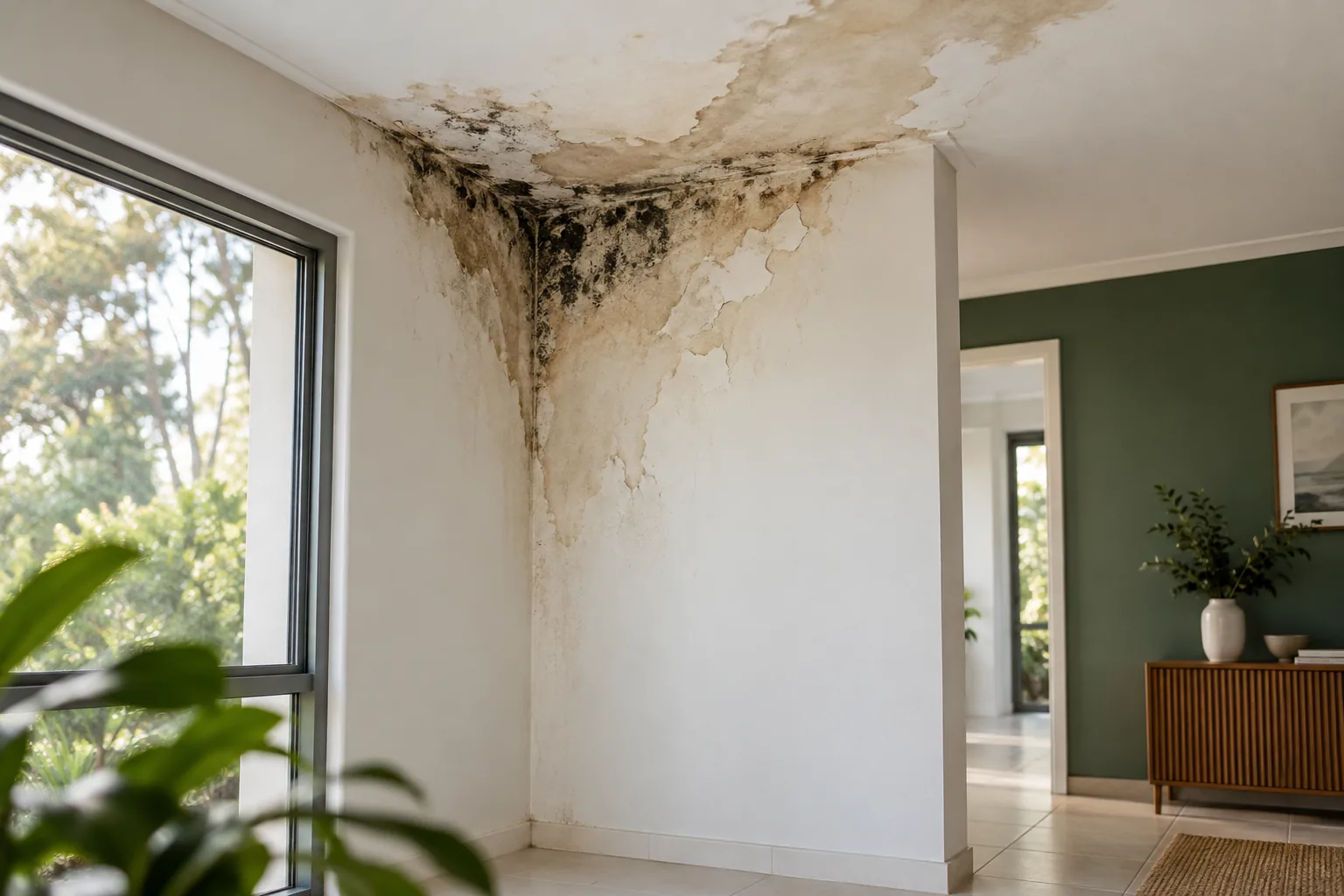
Ceiling paint may respond differently from nearby walls, especially where visible stains or peeling remain.
Bathrooms
Bathroom paint should be distinguished from silicone and grout, keeping separate seal-repair questions clear.
Kitchens
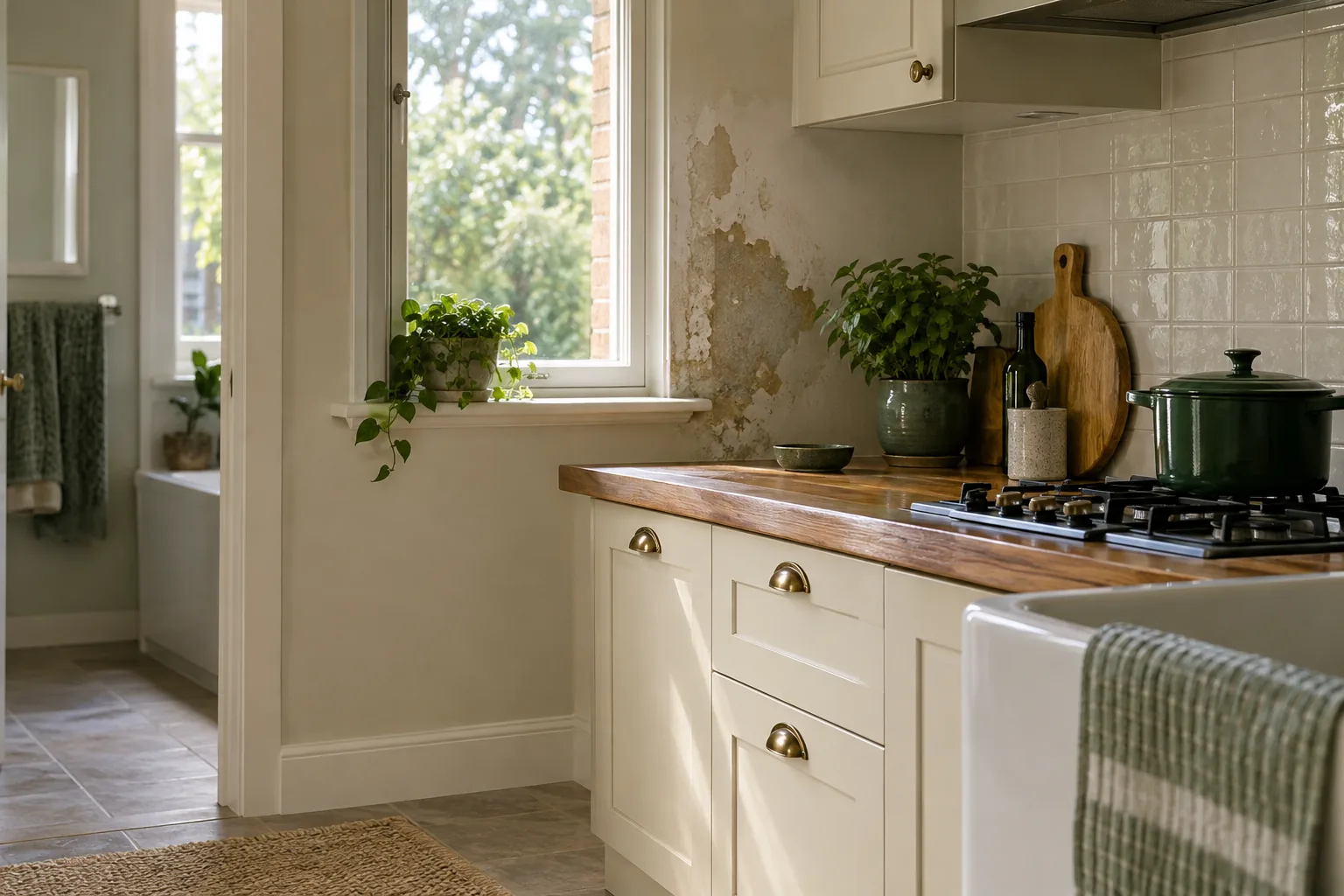
Kitchen finishes include exposed plaster or tiled areas; fitted contents do not become standard treatment surfaces.
Accessible affected surfaces
Other accessible affected walls, ceilings and floors require agreement; furniture, textiles and concealed layers are outside standard scope.
PREPARE FOR THE ACTUAL JOB
Agree preparation and appearance limits
Discuss the painter’s proposed dates and which room can be made available. Prepare movable belongings as directed, with people and pets leaving during treatment. Average source guidance is about three hours per room, varying with contamination, size and access; it is not a promised decorating-ready time or an hourly basis.
A surface can retain cosmetic discolouration after visible contamination is addressed. Ask what to expect before arranging a new coating. No hidden-layer investigation, species analysis or clearance certificate is promised. Confirm job-specific return instructions rather than treating the room’s appearance or the average work duration as an occupancy decision.
AFTER THE TREATMENT
Watch the finish without hiding new changes
Keep the condition history visible in your records before another decorating change.
Observe any newly spreading mark rather than repeatedly covering it.
Complete separately needed water or ventilation repairs.
Describe changes with their dates and the finish affected when seeking further advice.
Quote for the visible treatment task
When discussing the quote, identify the exposed painted section and the decorating work already planned. The published room examples refer to Mould Removal, so their application to this remediation request needs confirmation. Clarify that paint matching, stripping and repairs are separate expectations rather than implied additions to the treatment price.
PRINCES HILL · EXACT ADDRESS & ACCESS
Enquiries for nearby addresses
Provide the Princes Hill address and identify the exposed section awaiting decoration. Ensure the entry contact understands what has already been painted. Nearby navigation does not replace agreement about this room’s access and preparation.
Collingwood · Carlton · Fitzroy · Parkville
Questions about remediation
Does fresh paint prove the mould problem is resolved?
No. A coating does not establish that visible contamination or the moisture source was properly addressed. Explain the history and current exposed condition before deciding the next work.
Will treatment make the wall one uniform colour?
That is not promised. Residual cosmetic marks or existing paint differences can remain, so discuss appearance limitations before planning separate decorating.
Should the remaining section be painted before the visit?
Discuss the sequence first. Covering it can obscure the visible condition that the treatment enquiry concerns; do not assume repainting is preparation.
Is paint stripping included in the quote?
Do not assume so. The agreed visible-surface work does not establish stripping, replacement or restoration of every coating layer.
Can a hygrometer assess dampness under the coating?
No. The confirmed room-air instrument does not provide a promised measurement beneath paint or behind the wall lining.
What if the same outline remains after treatment?
Ask about residual staining and note whether its appearance changes. An unchanged old outline and newly spreading growth require different descriptions, without claiming appearance alone proves success or failure.
Discuss the remaining painted section
Phone 03 8652 1296 with the current finish and decorating plans. Agree the visible treatment boundary and appearance expectations before proceeding.