
VISIBLE SURFACES · AGREED TREATMENT
Mould Remediation Coburg
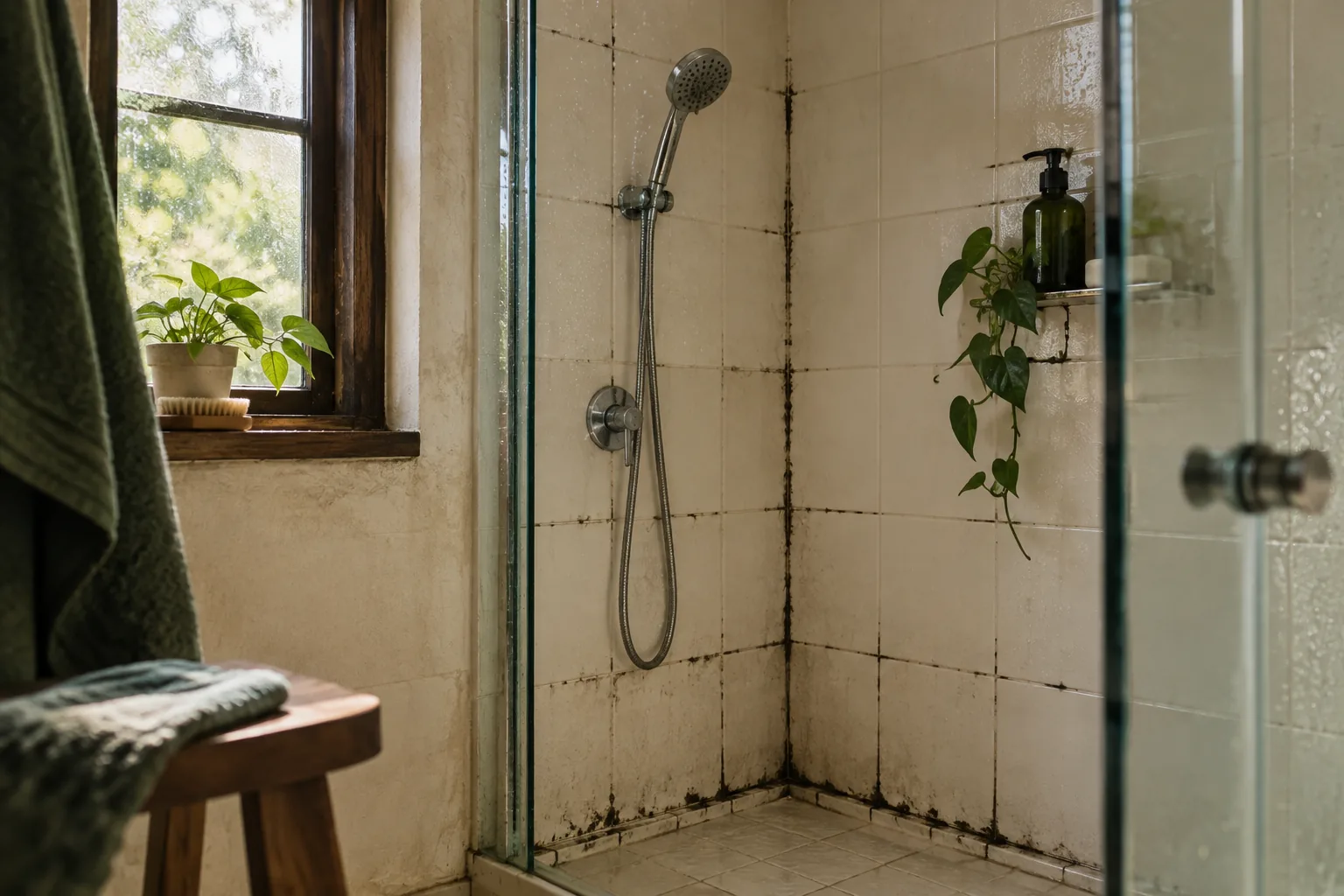
A dark shower joint beside peeling bathroom paint can involve more than one next step. For a Coburg enquiry, describe the joint, the exposed paint and any known water issue separately. Remediation planning should explain suitable visible treatment without promising that a worn seal will be renewed or damaged paint restored as part of the same work.
Separate finishes are considered.
Repair expectations are made explicit.
Appearance limitations are discussed.

TREATMENT · FILTRATION · FOLLOW-THROUGH
A TREATMENT PLAN WITH CLEAR LIMITS
Treating growth is different from renewing a joint
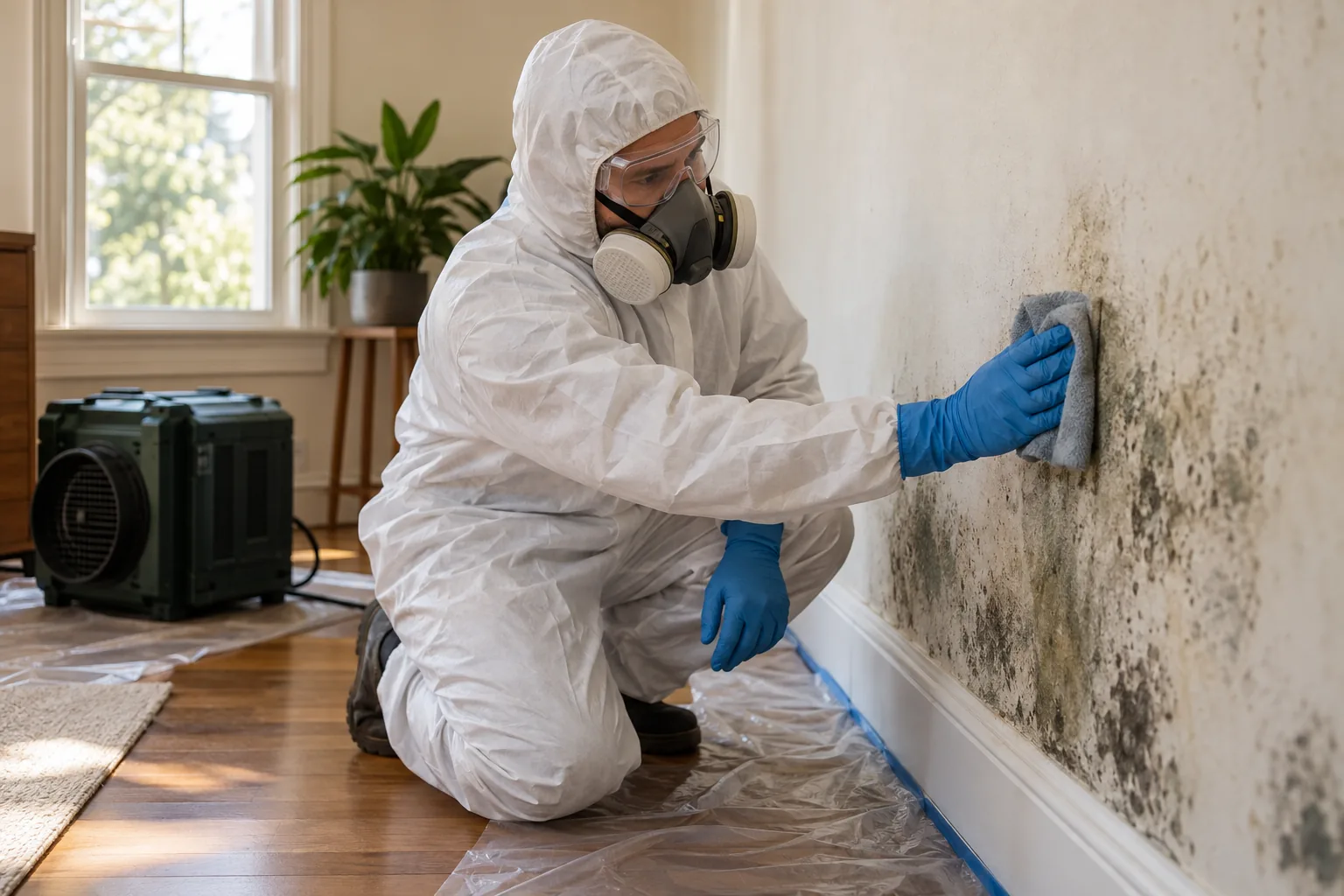
The remediation process combines assessment, filtration, appropriate treatment and physical removal of visible mould on accessible surfaces. Identify the mark’s actual position and whether a seal is loose or the paint deteriorated. Those details help keep treatment suitability distinct from a separate maintenance decision.
Our service information describes supported work, not a bathroom renovation package. Seal replacement, lining repairs and repainting need their own arrangements. A finish that looks discoloured may also retain staining after treatment, so expectations about appearance should be discussed before booking.
MOISTURE COMES FIRST
Describe the water before assuming a failed seal
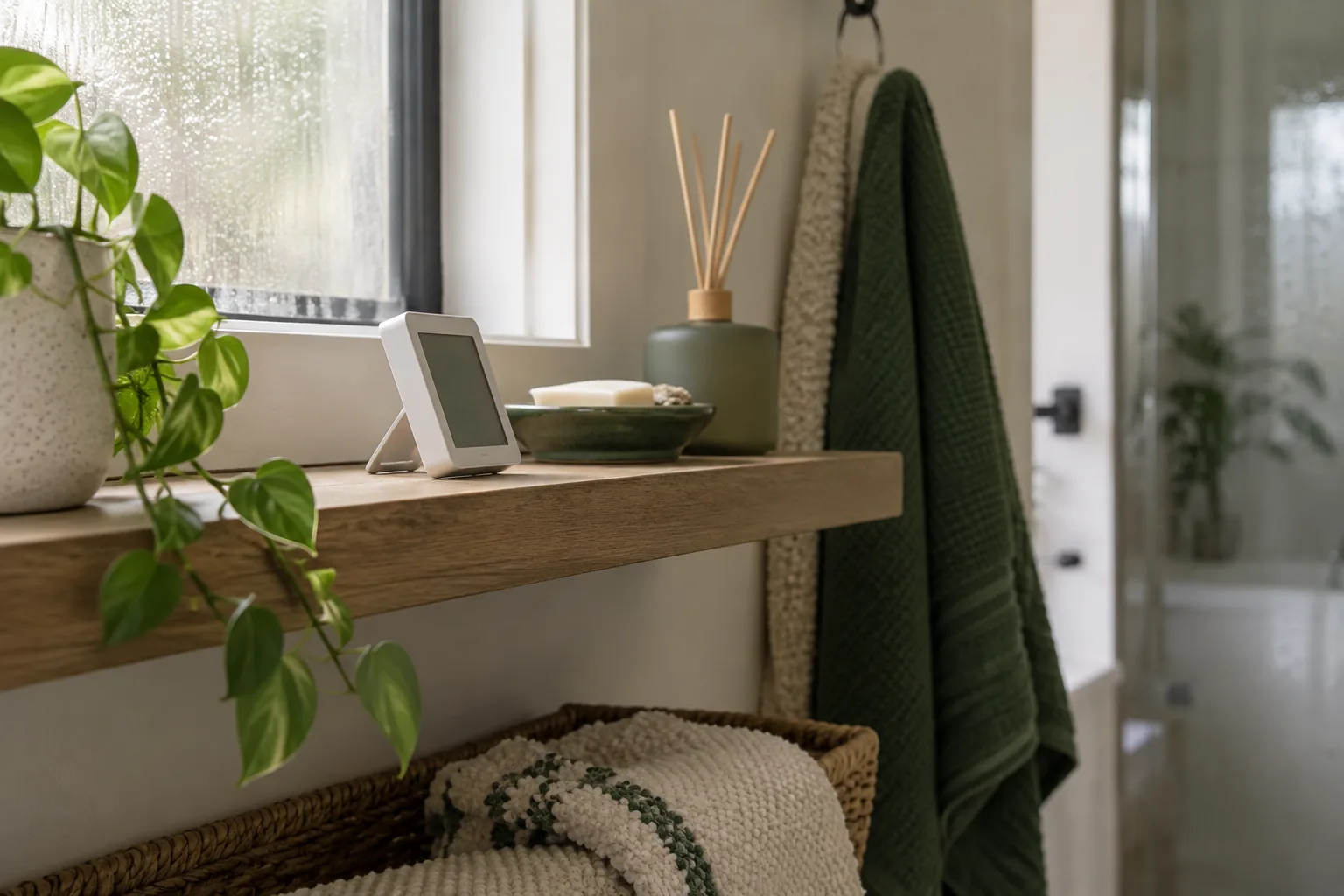
Report visible water at the joint or on the wall without assuming that the colour alone establishes a leak. A professional hygrometer contributes information about air-relative humidity; it does not inspect waterproofing or measure the condition behind tiles and silicone.
A continuing leak or ineffective ventilation needs separate correction, because dampness can support recurrence after visible treatment. If the accessible boundary is unclear, begin with a surface inspection discussion. That does not establish laboratory testing or concealed-material investigation as part of the subsequent work.
FROM PREPARATION TO FOLLOW-THROUGH
Application depends on the agreed finish
1
Agree the accessible scope
Assess the accessible joint and adjacent paint, establishing damaged areas, appropriate checks and the agreed treatment boundary.
2
Begin air protection
Start the confirmed HEPA air scrubber before applying treatment; filtration supports the work without certifying the room’s air.
3
Choose the treatment application
Use HOCl on suitable agreed surfaces, including ULV dry fog where appropriate rather than as an automatic bathroom promise.
4
Remove visible growth
Remove visible growth with professional H-class filtered equipment, keeping replacement seals and decorating outside assumed inclusions.
5
Continue final air cleaning
Maintain HEPA air cleaning during and after work, and discuss remaining stains, moisture follow-up and job-specific return instructions.
Keep each surface request precise
Walls
Painted walls with peeling edges need their condition described; treatment is not a guarantee of a renewed coating.
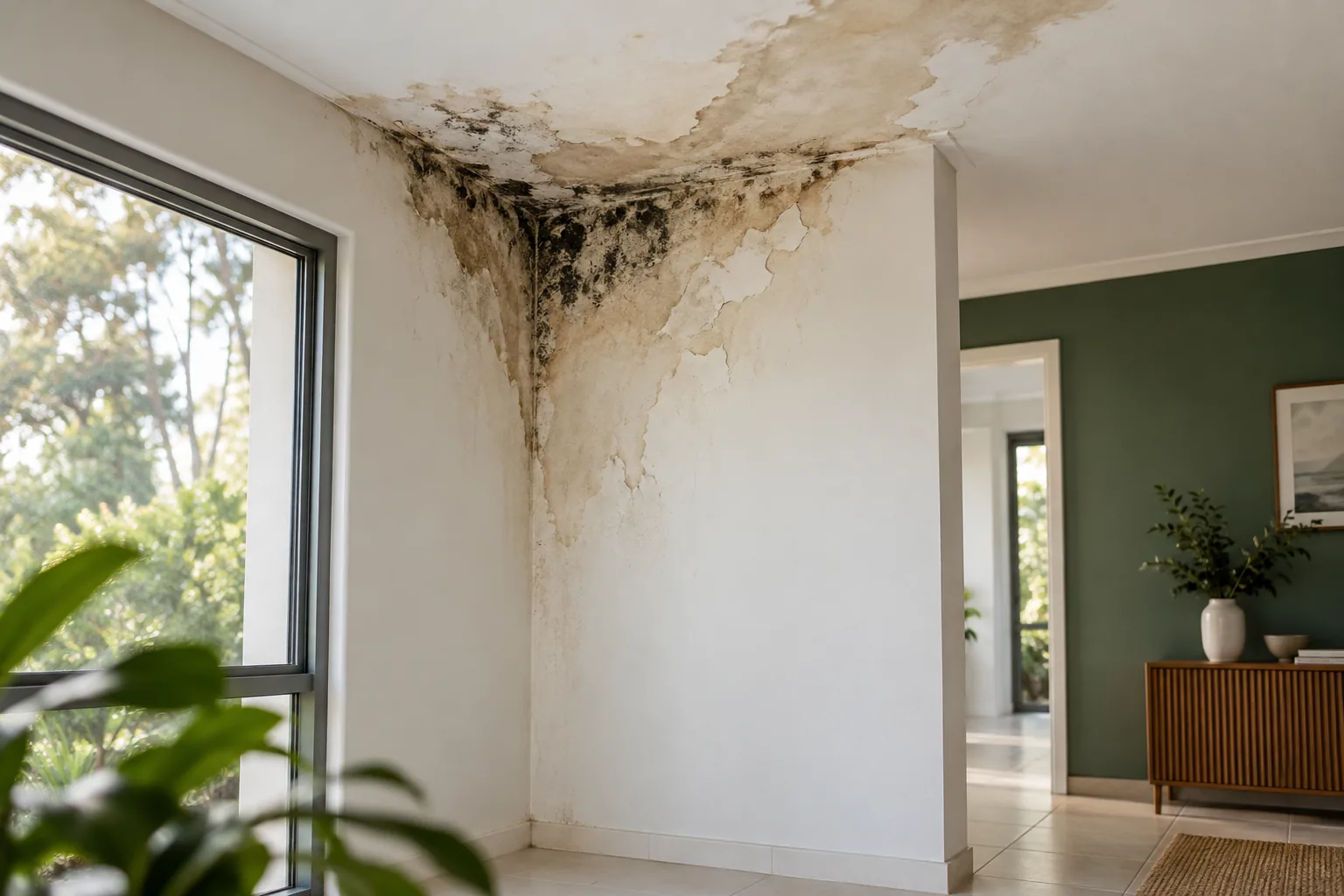
Ceilings
A bathroom ceiling requires safe available access and a separate description of any loose finish.
Bathrooms
Grout and silicone are different joints; identify which is marked and whether any repair has been arranged.
Kitchens
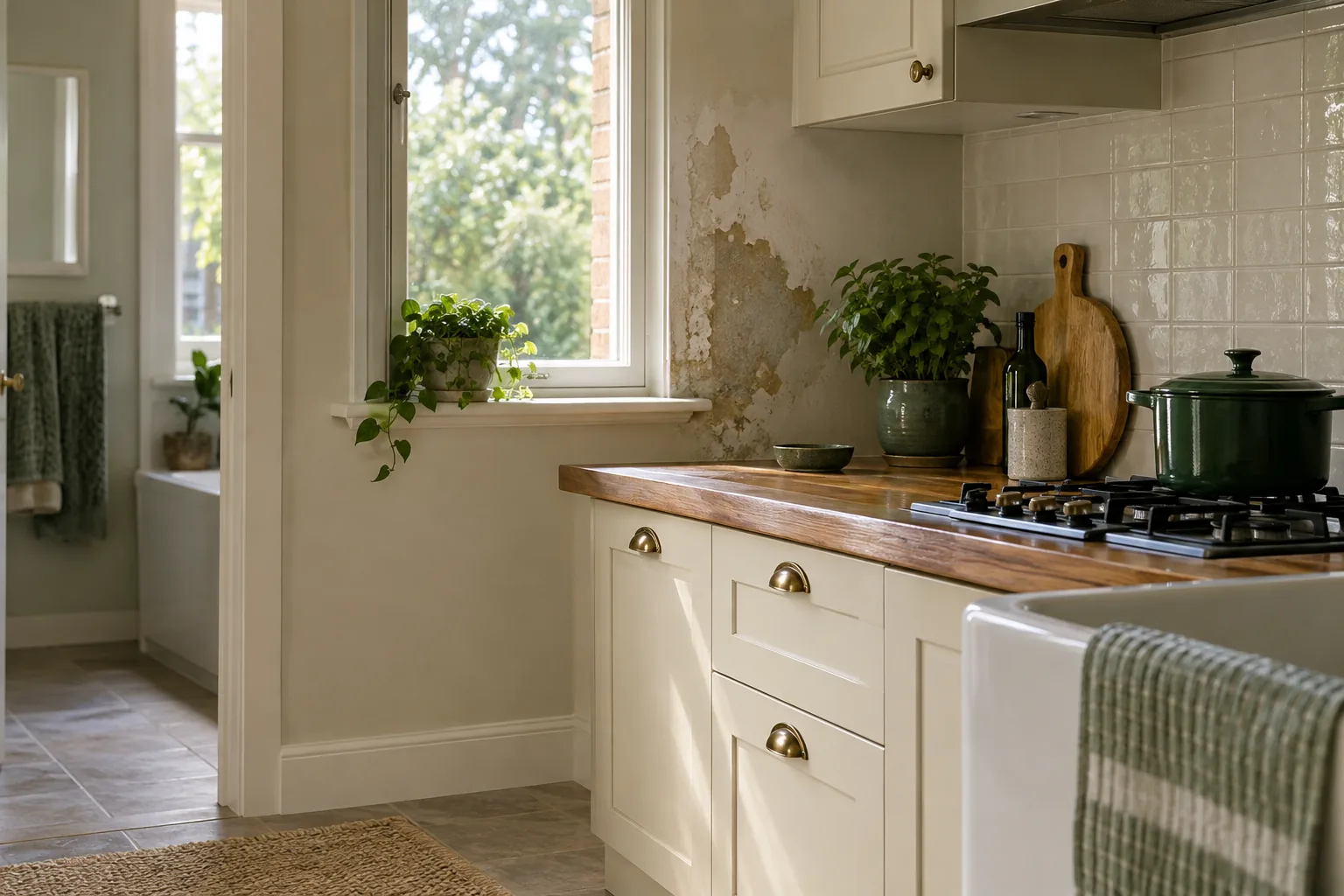
Kitchen surfaces, if requested, are considered separately from the bathroom and do not include contents by default.
Accessible affected surfaces
Additional affected walls, floors or ceilings need agreement; furniture, textiles and inaccessible backing materials are excluded.
PREPARE FOR THE ACTUAL JOB
Prepare without stripping the bathroom yourself
Clear movable bathroom contents as directed and avoid stripping paint or cutting out seals merely to prepare the room. People and pets must leave during treatment. Average guidance is roughly three hours per room, with area, contamination and accessibility affecting the actual time rather than a fixed completion slot.
Ask how residual discolouration and damaged finishes will be explained after the work. Treatment does not guarantee full cosmetic restoration or correct an unaddressed leak. Confirm return advice directly with the technician rather than copying preparation arrangements from another property’s appointment.
AFTER THE TREATMENT
Follow the visible joint and paint condition
An old darkened joint and newly spreading growth need different follow-up descriptions.
Arrange needed seal or plumbing repair through the appropriate separate provider.
Use available bathroom ventilation and address a failed fan.
Record when a new mark or visible water returns to the accessible finish.
Quote for treatment rather than replacement
Tell us which joint and painted areas you want included, along with repairs already planned. The published pricing page lists Mould Removal examples, not an independently confirmed remediation bathroom rate. Ask which amount applies to the agreed treatment; seal replacement and repainting should not be inferred from a room quote.
COBURG · EXACT ADDRESS & ACCESS
Enquiries for nearby addresses
Provide the Coburg address and locate the joint and peeling paint. Explain separate repair dates when discussing room availability. Nearby navigation concerns different premises; confirm access and the visible treatment scope for this bathroom.
Questions about remediation
Will mould treatment install new silicone?
No replacement is promised. Describe the seal condition and arrange any renewal separately rather than assuming the remediation quote includes installation.
Does dark silicone always indicate a current leak?
No such conclusion follows from colour alone. Explain actual water observations and seek appropriate separate advice about a suspected seal or plumbing fault.
Should I cut out the joint before attendance?
Do not do so merely as treatment preparation. Discuss the repair and treatment sequence first, keeping any removal or renewal work separately agreed.
Can treatment restore peeling paint?
Not as a guaranteed outcome. Deteriorated paint may need separate decorating or repair, and cosmetic staining can remain after visible mould work.
Are tile backing layers part of the visible scope?
No. Concealed backing materials are outside the standard accessible-surface service. A bathroom photograph does not make those layers assessed or treated.
What should I monitor after a repaired joint is treated?
Observe fresh water, changes to the joint and renewed visible growth, recording the timing. Keep repair outcomes and cosmetic treatment appearance separate when reporting concerns.
Discuss the bathroom’s current finishes
Call 03 8652 1296 with the joint type, paint condition and known water issue. Clarify the treatment and separate repair expectations before choosing a date.