
SURFACE TREATMENT · MOISTURE FOLLOW-THROUGH
Mould Remediation Kingsbury
If several people use a Kingsbury room or share the property, organise treatment with one clear scope and a household departure plan. Different schedules do not change the requirement for people and pets to leave during treatment. Discuss room access and return instructions before relying on someone else to explain the arrangements.
Keep the proposed room scope clear
Coordinate departure for all occupants
Nominate one informed booking contact
TREATMENT & FOLLOW-THROUGH
UNDERSTANDING THE AFFECTED ROOM
Shared room use needs a shared understanding of the job
Describe visible growth and identify who can authorise the work. Agree how occupants will clear belongings and receive instructions, without assuming one person’s approval covers every communal surface. Mention fragile items and fixed obstructions so preparation is based on the actual room, not a generic request to empty everything.
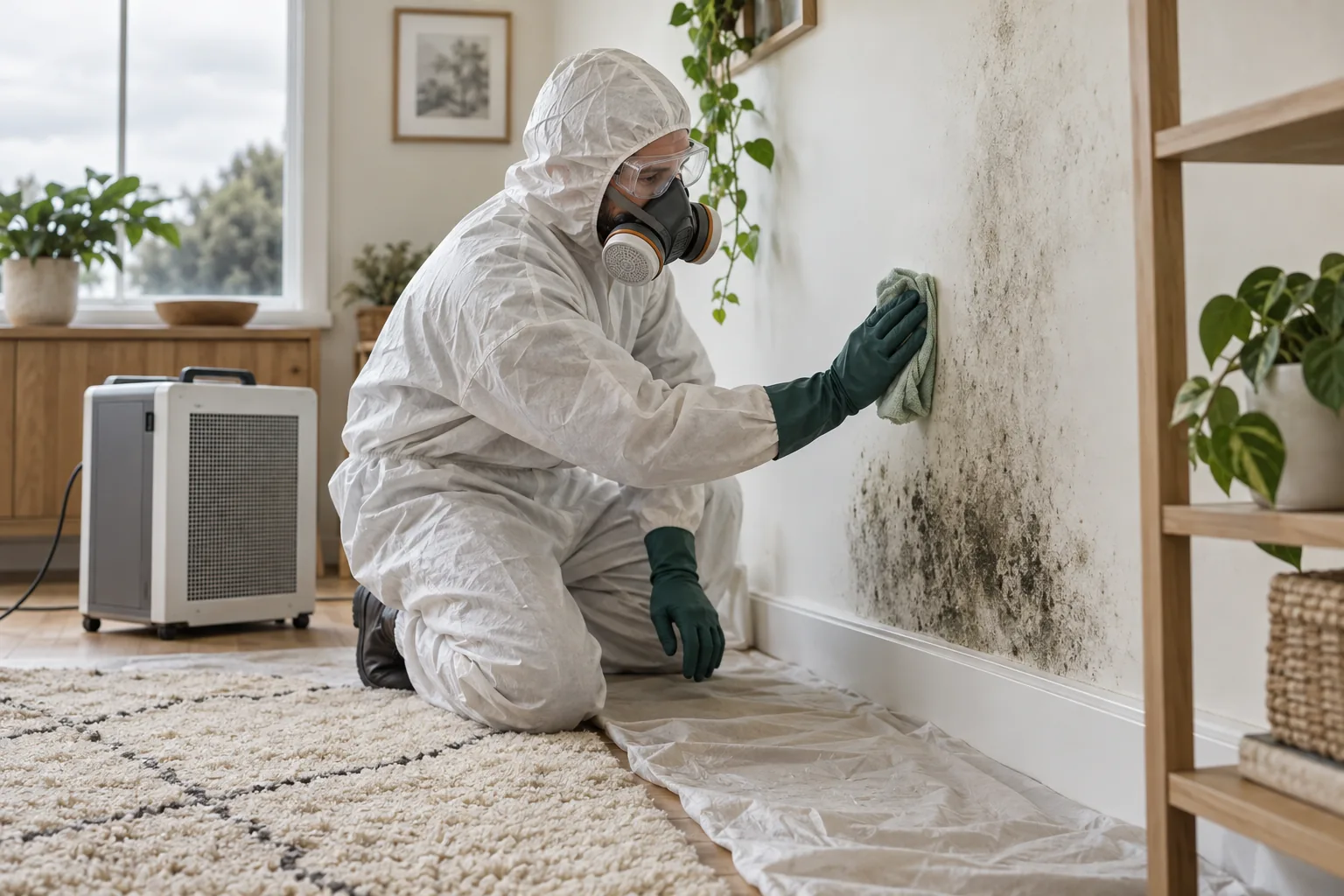
Our remediation service treats existing accessible structural contamination with assessment, filtration, treatment and removal. Furniture, curtains, clothing, carpet and other textiles are excluded. Shared ownership or room use does not broaden the scope to every possession or resolve separate repair responsibilities.
MOISTURE & CONTAMINATION
Combine observations without inventing one household diagnosis
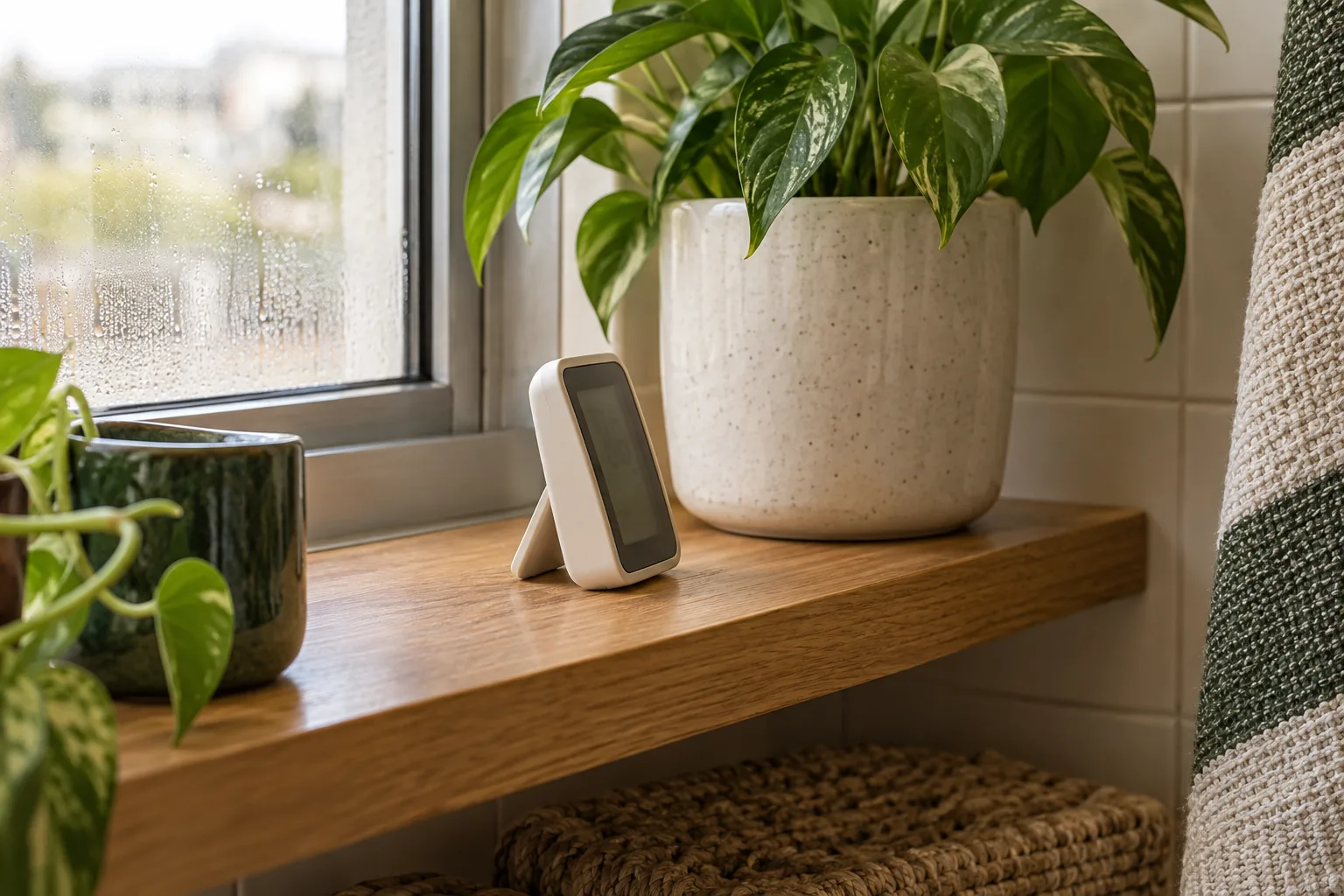
Ask what wetting each person actually noticed and when. Differing accounts can be reported honestly without choosing an unsupported cause. A professional hygrometer assesses room-air relative humidity; it cannot establish concealed wall moisture or decide who caused a patch from household habits.
Discuss accessible inspection if the visible extent is uncertain. Plumbing and structural repairs remain separate. Continuing dampness can allow recurrence, so agree a responsible repair contact rather than treating the appointment as a substitute for resolving the source.
A DEFINED TREATMENT SEQUENCE
A treatment sequence everyone can plan around
1
Assess the nominated structural surfaces
Show visible patches and explain known room history. Agree access and boundaries, with unreported surfaces or concealed concerns raised separately.
2
Establish HEPA air protection
A HEPA air scrubber is set up before treatment. Clearance should leave equipment space; filtration supports the process without permitting occupants to continue using the property.

3
Apply appropriate HOCl treatment
HOCl follows the assessed plan. ULV dry fog is used in most cases where suitable, without adding personal belongings or hidden spaces to the structural treatment.
4
Remove exposed contamination
Professional H-class filtered equipment is used for physical removal. Discuss fragile finishes and remaining obstacles before work; moving or cleaning every occupant’s possessions is not assumed included.
5
Complete air cleaning and instructions
HEPA continues during and after treatment. Ensure occupants receive specific return advice and clarify remaining moisture or cosmetic tasks, without a universal return interval or clearance guarantee.
Describe building surfaces separately from shared belongings
Walls
Identify exposed wall growth and furniture restrictions. Concealed lining areas are a separate access question.
Ceilings
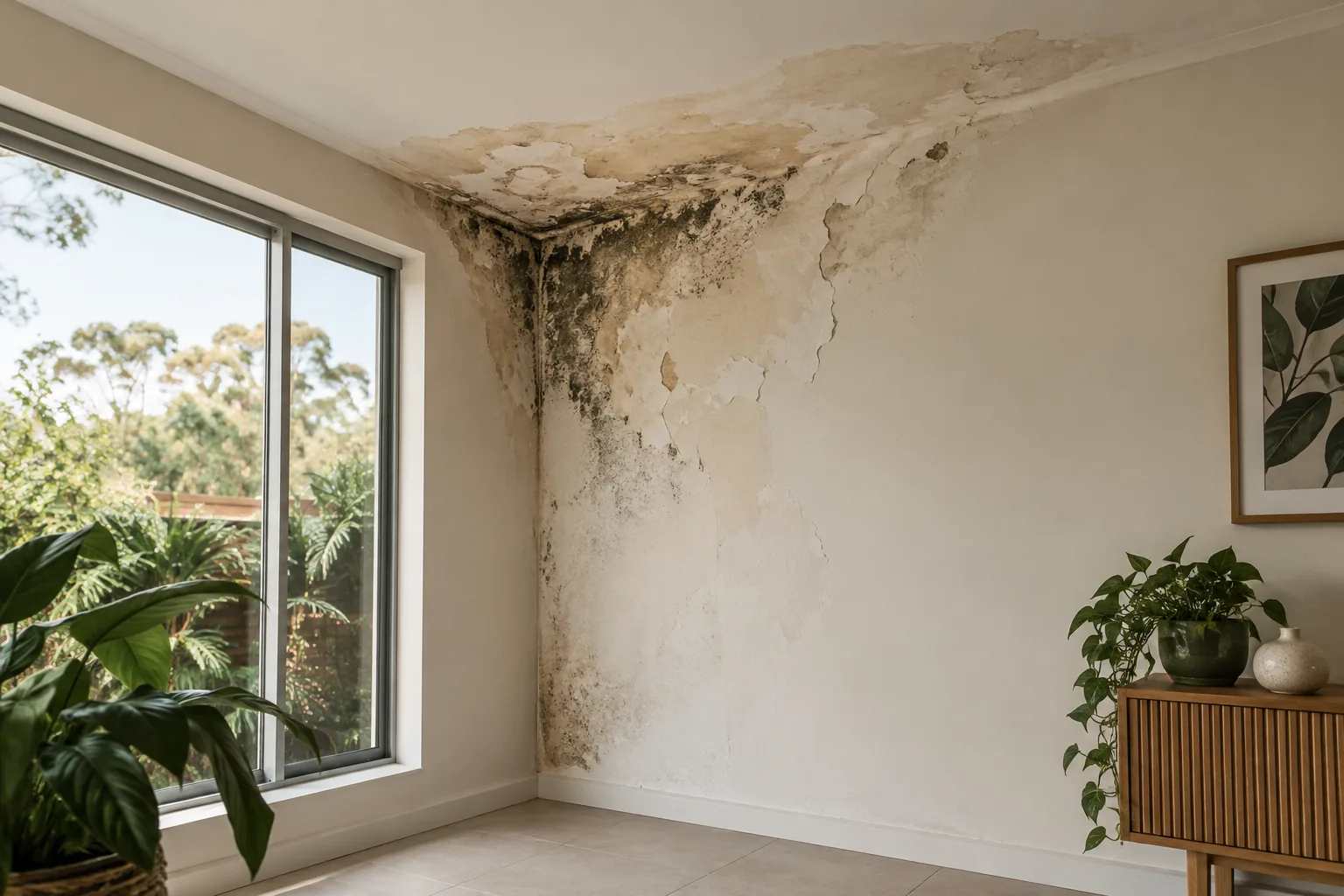
Mention overhead growth and wetting history safely. Treatment does not repair the source above the ceiling.
Bathrooms
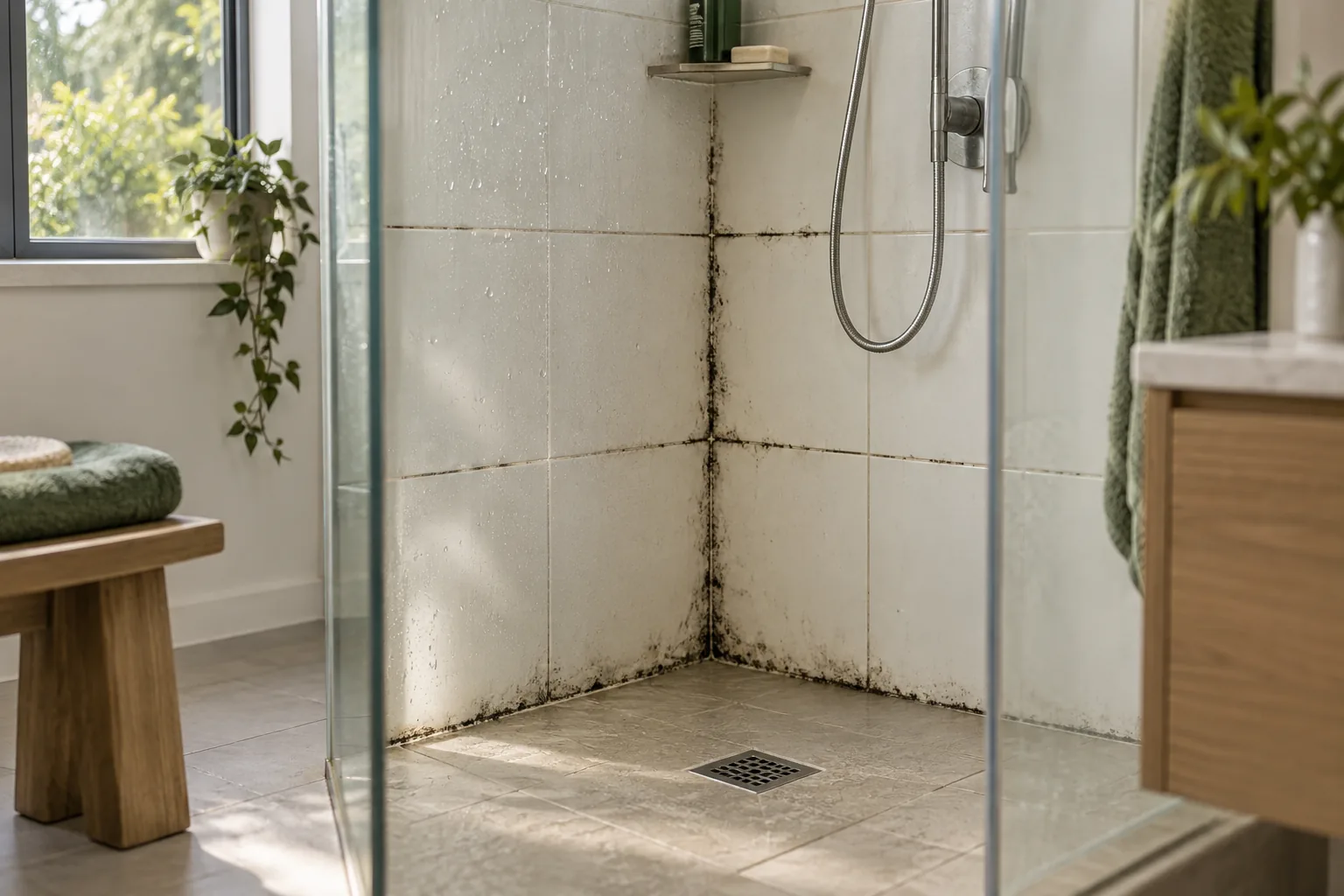
Show structural bathroom patches and extraction observations. Shared towels or textiles remain excluded.
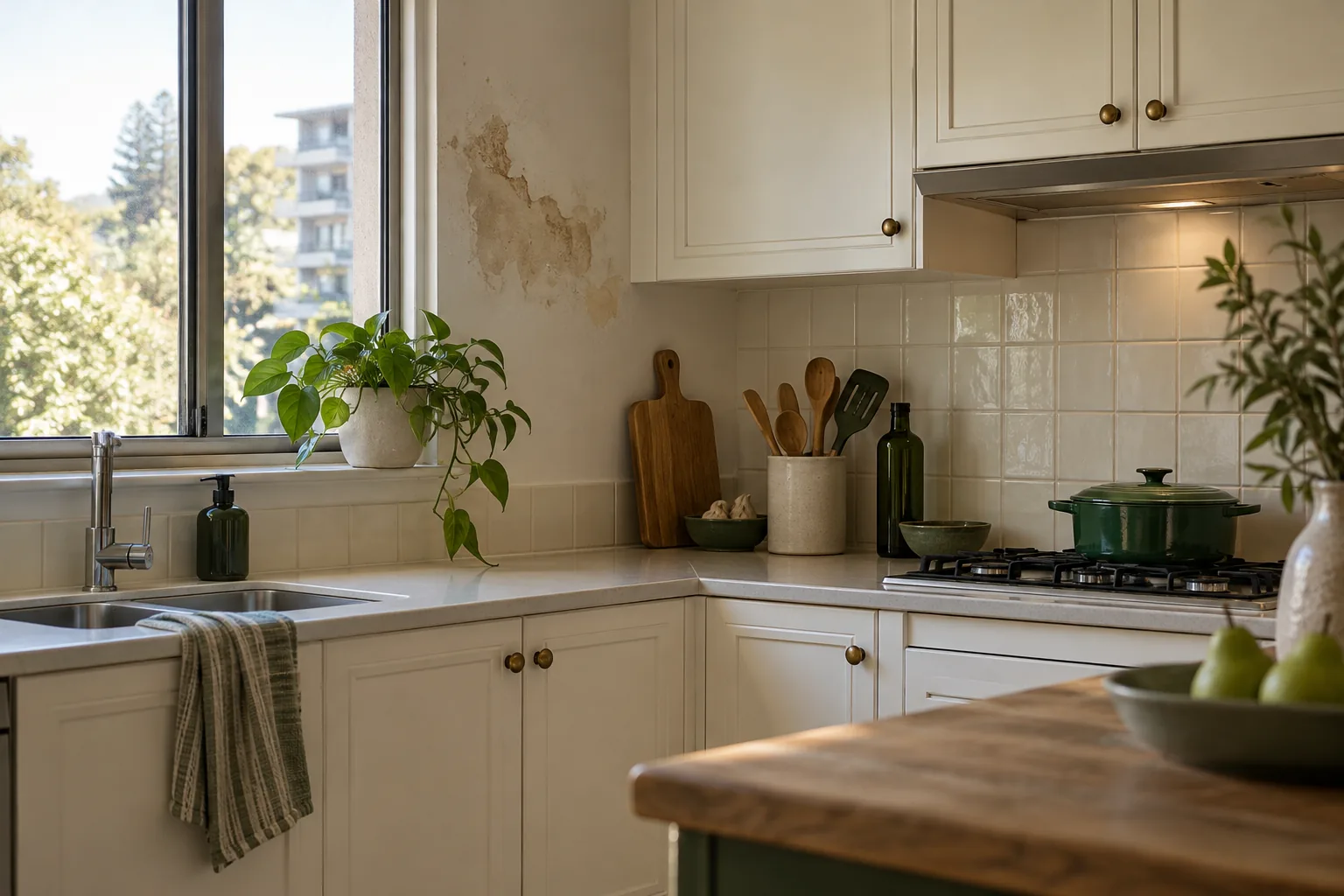
Kitchens
Identify accessible kitchen contamination separately from appliances and contents. Plumbing repairs are not part of treatment.
Accessible affected surfaces
Identify the exposed structural floor separately from shared carpet or furnishings. Household ownership arrangements do not change those exclusions.
AFTER TREATMENT
Prepare one workable household arrangement
Agree who clears access and protects fragile items. People and pets leave during treatment; obtain job-specific departure and return instructions for everyone using the property. Average guidance is approximately three hours per room, varying with size, extent and access. The service is not hourly based or a fixed diary slot.
Cosmetic staining may remain and decorating is separately quoted. Ask what was treated and what remains outside scope. The returning household should not assume excluded belongings or concealed materials were cleared because the visible room looks better, and fresh wetting still needs follow-up.
KEEP MOISTURE IN VIEW
Make the follow-through someone’s task
A continuing moisture concern should have an informed contact after treatment. Shared responsibility without a practical arrangement can leave the source unresolved.
Record new wetting with dates and room locations.
Use suitable extraction during cooking or showering.
Arrange separate repairs where plumbing or structural defects persist.
Confirm scope before sharing cost assumptions
Describe the visible room and access when checking pricing applicability. Its table is labelled Mould Removal. Do not infer a shared-house discount, personal-item inclusion or a separately confirmed Remediation tariff from the number of occupants.
KINGSBURY · EXACT ADDRESS & ACCESS
Kingsbury and surrounding premises enquiries
Give the actual address and authorised booking contact. Nearby pages cannot settle household approval or confirm attendance before the proposed surfaces are discussed.
Questions about remediation
Can one housemate remain because their room is unaffected?
All occupants and pets need to leave for the treatment. Agree the household departure plan rather than assigning an untreated-room exception to one person.
Should we nominate a booking contact?
Yes, agree an informed authorised contact. Make sure relevant surface details and instructions reach the people providing access and using the property.
Does the number of occupants change textile exclusions?
No. Clothing, curtains, carpet and other textiles remain outside structural remediation regardless of shared use or ownership.
What if occupants remember different wetting dates?
Report the uncertainty honestly. Share actual observations without inventing one timeline or treating disagreement as proof of a cause.
Can we assume the average duration fixes everyone’s return time?
No. Average working guidance is not return advice. Obtain the technician’s job-specific instructions before making commitments.
Who should arrange a continuing-source repair?
Identify the authorised person who can organise that work. Remediation does not repair leaks or structural defects, so follow-through needs a separate practical plan.
Discuss the Kingsbury room and household arrangements
Call 03 8652 1296 with visible surfaces, authority and access details. Agree preparation and the instructions every occupant needs.