
SURFACE TREATMENT · MOISTURE FOLLOW-THROUGH
Mould Remediation Preston
If dark growth is visible on a Preston wall, describe the surface and extent before calling it a particular mould species. Colour is not a laboratory result. A useful treatment enquiry explains what can be reached, where dampness occurs and which other room items raise separate concerns.
Define the visible surface area
Keep colour separate from species claims
Plan treatment and moisture follow-through
TREATMENT & FOLLOW-THROUGH
UNDERSTANDING THE AFFECTED ROOM
Describe the patch without naming an untested species
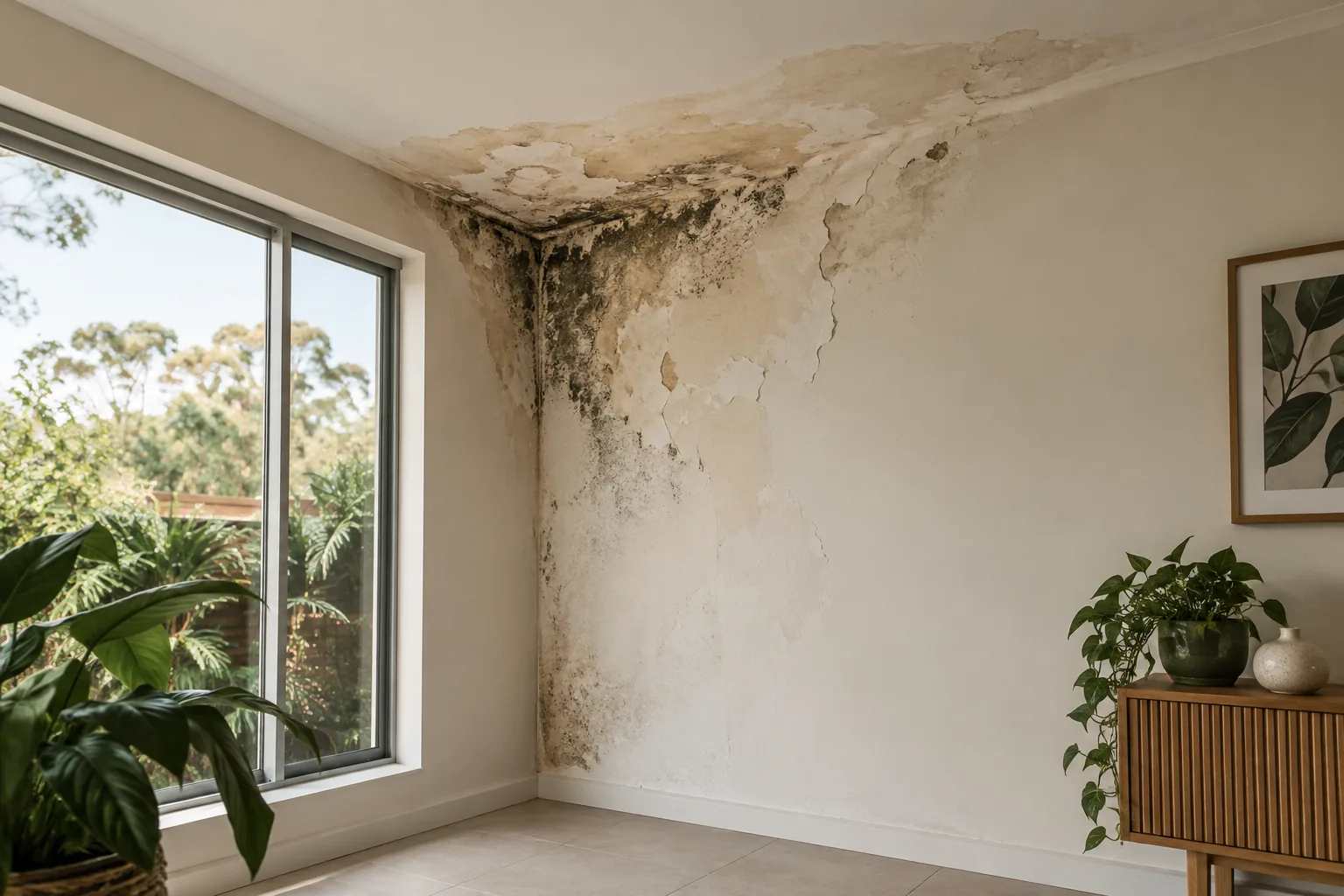
Describe growth on paint, a ceiling edge or an exposed floor, including cleaning or covering. Darker colour cannot establish hidden spread or a treatment package; accessible extent and material still need assessment.
Our remediation service combines assessment, filtration, treatment and physical removal of existing accessible structural contamination. Furniture and textiles are excluded. Species identification, toxin testing and hidden-cavity clearance are not confirmed parts of the service, so raise those requests separately rather than expecting them from a room booking.
MOISTURE & CONTAMINATION
The moisture question matters beyond appearance
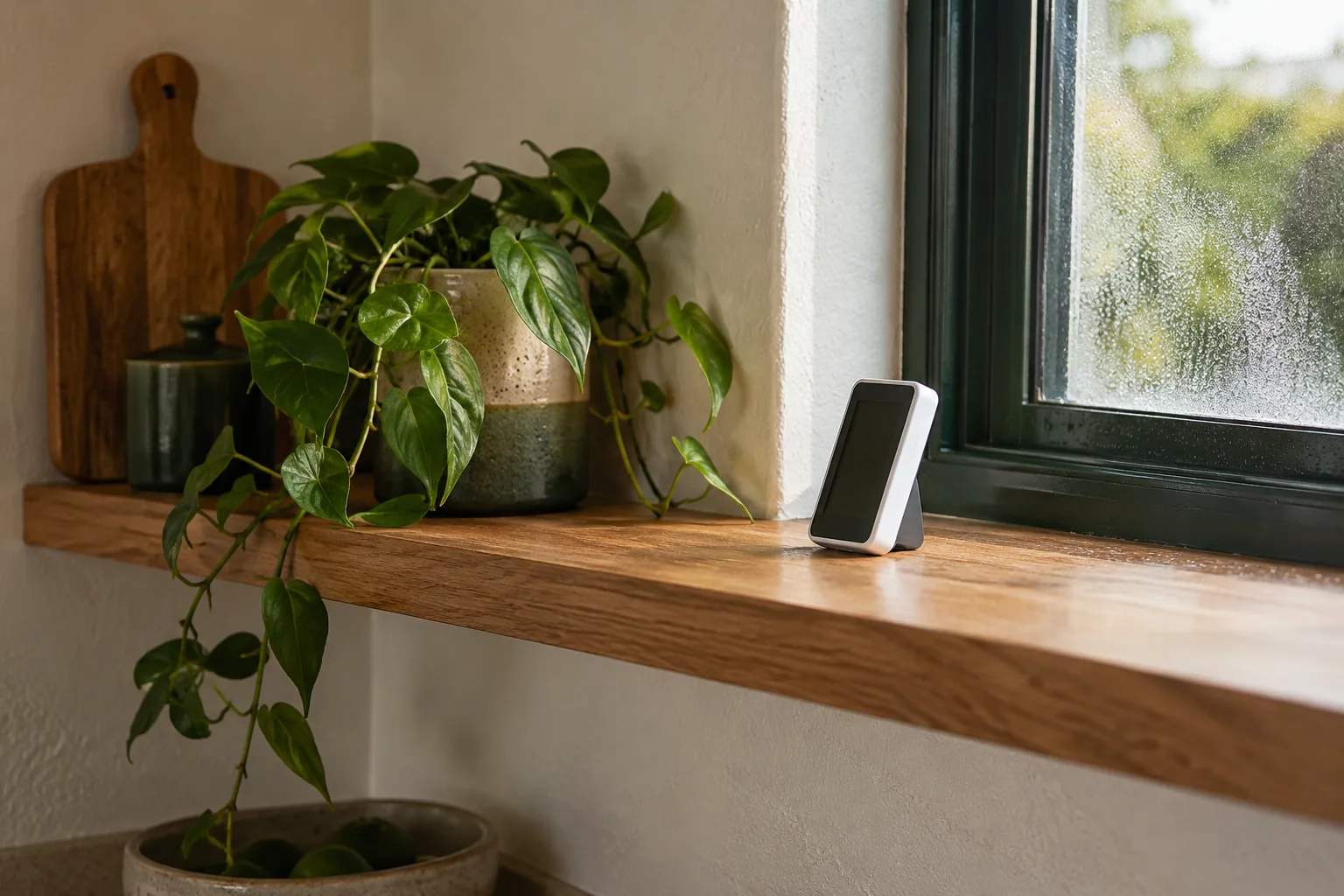
Record when wetting appears, whether a leak is known and what repairs were attempted. A professional hygrometer provides room-air relative humidity information, not a moisture percentage for the wall or a test of mould species. Explain unknowns honestly instead of using a colour label to fill the gaps.
Discuss accessible inspection when the visible condition or proposed scope needs clarification. Plumbing and structural repairs are separate. Existing growth may be treated while a continuing moisture source still needs correction; darker or lighter appearance cannot guarantee that the source has been resolved.
A DEFINED TREATMENT SEQUENCE
An assessed sequence for the accessible contamination
1
Review the exposed patch
Show visible growth and explain its history. Agree structural surfaces, material concerns and access, keeping requests about species or concealed conditions distinct from standard treatment.
2
Establish HEPA protection
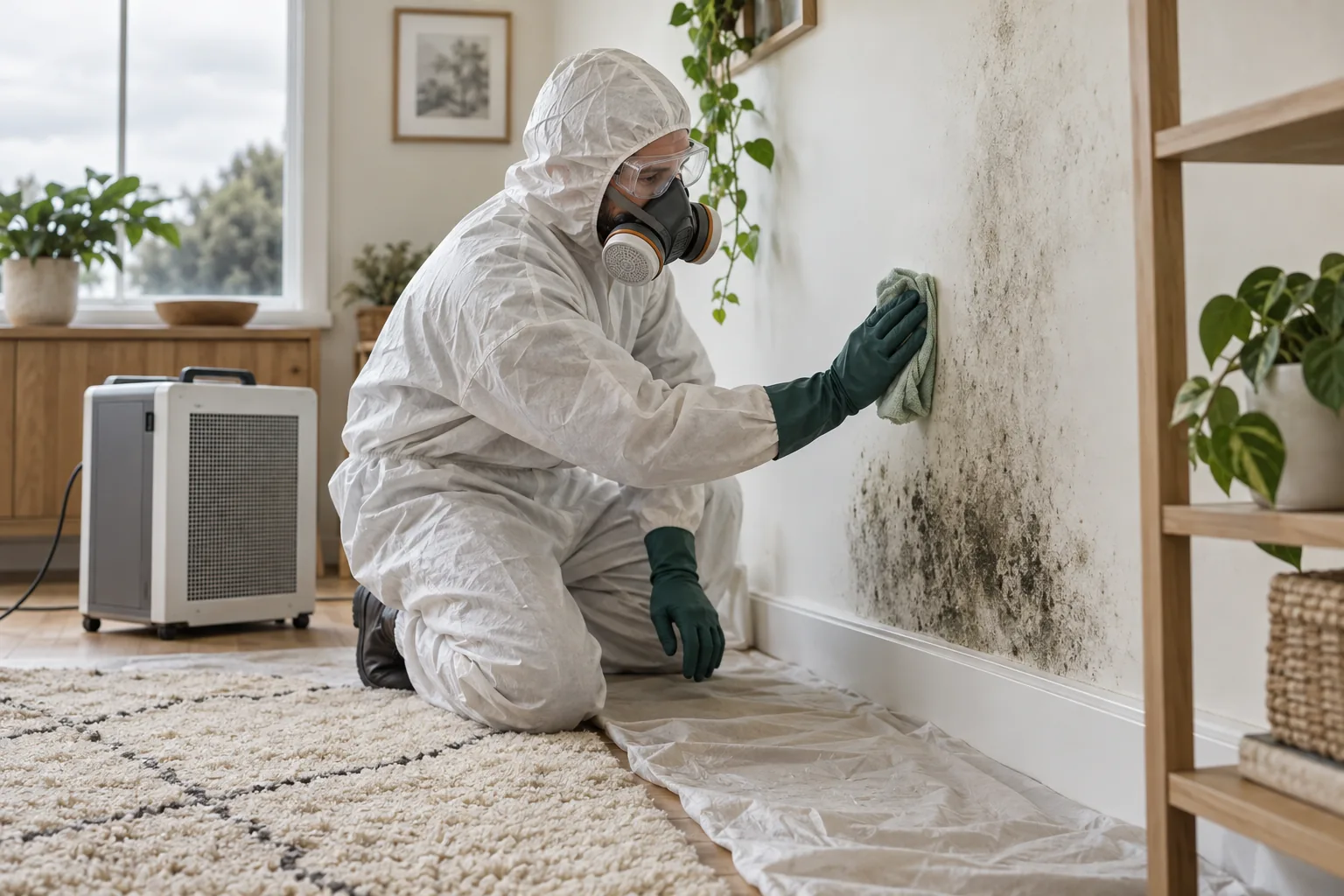
A HEPA air scrubber is set up before treatment. Agree equipment access and clearance; filtration supports the process without providing a spore-free or sterile-air guarantee.

3
Apply suitable HOCl treatment
HOCl is used within the assessed plan. ULV dry fog is used in most cases where appropriate, without a claim that colour dictates the application or that hidden areas are included.
4
Physically remove visible mould
Professional H-class filtered equipment is used for removal. Discuss delicate finishes before work; removal does not identify a species or guarantee every stain disappears.
5
Complete air cleaning and review
HEPA continues during and after treatment. Confirm return instructions, remaining cosmetic marks and separate moisture action, without expecting a laboratory clearance or fixed re-entry interval.
Name the surface as well as the colour
Walls
Describe the exposed wall finish and obstructions. A patch behind a fixed lining remains an access and investigation question.
Ceilings
Show overhead growth from a safe position and mention wetting history. Treatment does not repair the source above the ceiling.
Bathrooms
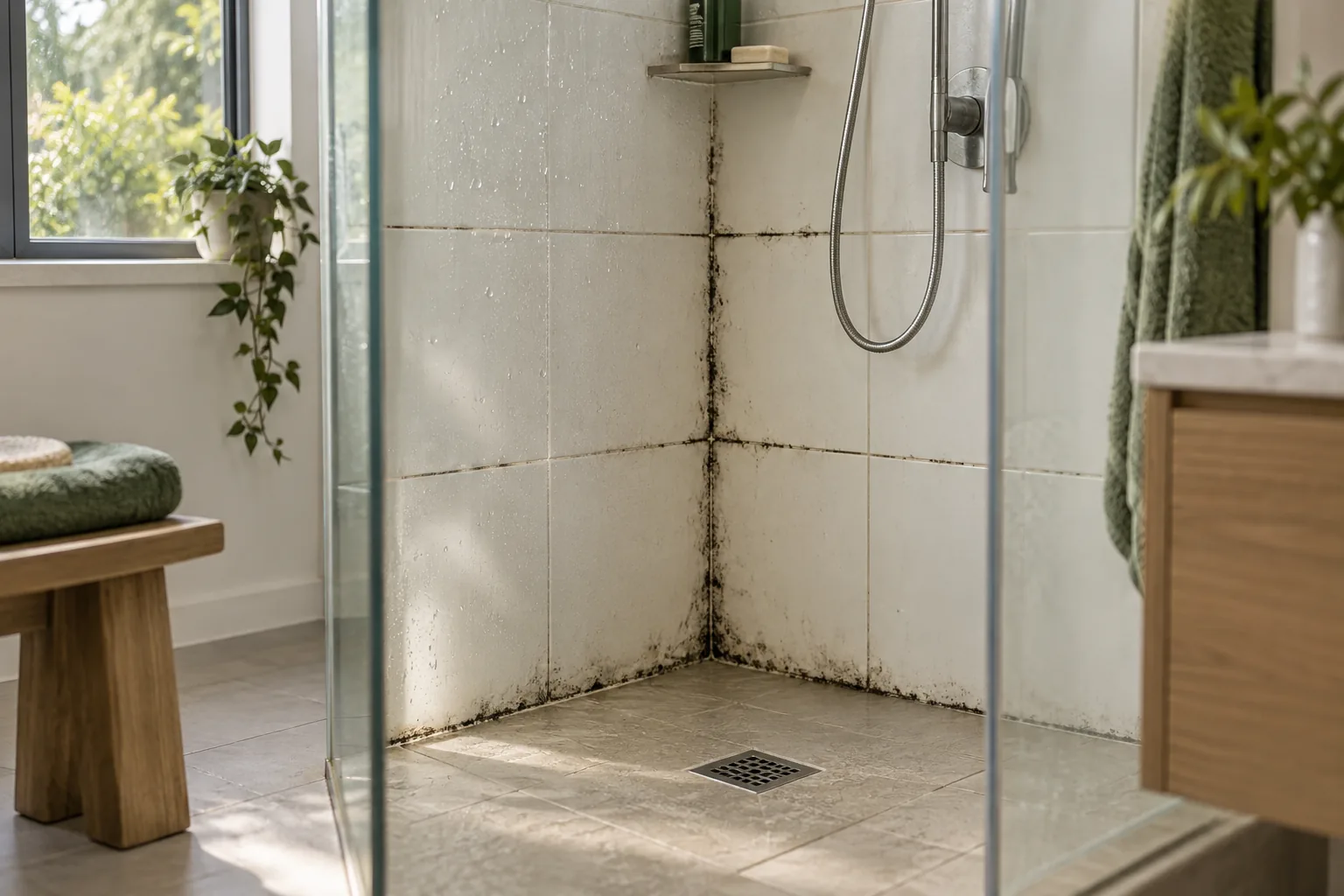
Identify structural bathroom contamination separately from towels or fabrics. Explain steam and extraction observations without assuming a species.
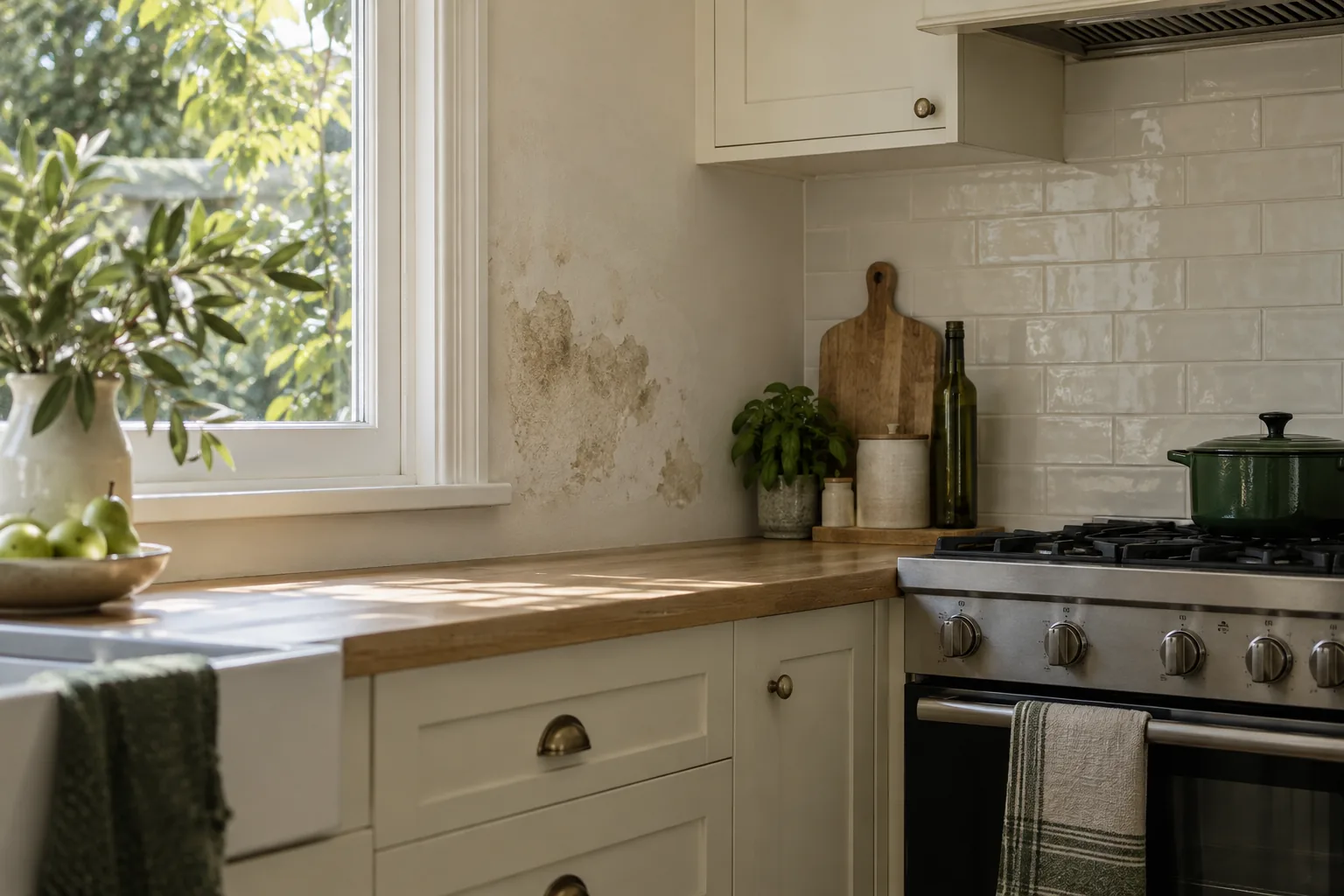
Kitchens
Describe exposed kitchen patches and any plumbing wetting. Appliances and fixed cabinets are not automatically part of the structural scope.
Accessible affected surfaces
An exposed floor can be discussed within its finish limits. Carpet and furnishings remain excluded even when their marks look similar.
AFTER TREATMENT
Prepare for the agreed job
Clear access and protect fragile belongings as discussed. Arrange departure for everyone and their pets, then follow the technician’s instructions for returning to the treated premises. Average source guidance is about three hours per room, with size, contamination and access affecting the actual job. The service is not hourly based.
Cosmetic staining can remain and decorating is separately quoted. Ask what was treated and what still needs attention. A cleaner colour does not establish concealed dryness or confirm all airborne spores have gone, while renewed wetting should be reported before the area is covered again.
KEEP MOISTURE IN VIEW
Keep the next observation specific
After following return advice, record new wetting or growth separately from old discolouration. Prevention depends on managing moisture, not the name assumed for a patch.
Maintain suitable extraction during steam-producing activities.
Record dates and locations of renewed dampness.
Arrange separate repairs where water entry continues.
Confirm cost from the visible scope
Explain extent, finish and access when discussing pricing applicability. Its affected-room table is labelled Mould Removal, not a separately confirmed Remediation tariff. Do not assume a colour label establishes a surcharge or adds laboratory work.
PRESTON · EXACT ADDRESS & ACCESS
Preston and surrounding premises enquiries
Give the actual address and accessible surface details. Nearby location navigation cannot assess colour, identify mould or confirm attendance before the scope is discussed.
Questions about remediation
Can a photograph of black growth identify the species?
No. It records appearance, not a laboratory identification. Describe the visible surface and raise any testing request separately.
Does darker colour guarantee more hidden contamination?
No. Colour alone cannot establish concealed extent. Explain wetting history and inaccessible areas without assuming the whole wall is affected.
Is toxin testing included with remediation?
No such testing is confirmed. Ask about the actual service before expecting a laboratory result or toxin clearance.
Should I choose a treatment package from colour alone?
No. The visible extent, material and access need assessment. Do not assume a colour category creates a separate confirmed package.
Can a light residual mark remain after dark growth is treated?
Yes, cosmetic staining may remain. Ask about the finish and distinguish fresh growth or wetting from an unchanged old mark.
Will treatment prove that excluded furniture is clear?
No. Furniture and textiles remain outside structural remediation. Describe their separate needs rather than inferring their condition from the treated wall.
Discuss the visible Preston surface
Call 03 8652 1296 with the accessible patch, finish and moisture history. Agree treatment without assuming species or concealed-area guarantees.