
SURFACE TREATMENT · MOISTURE FOLLOW-THROUGH
Mould Remediation Diamond Creek
If visible growth remains in a Diamond Creek room after you change its ventilation routine, explain both the patch and the change. Airing a room is not the same as treating existing structural contamination. Describe actual wetting and access rather than assuming the room is resolved because it feels less damp.
Separate airing from contamination treatment
Share changes in room use honestly
Agree practical moisture follow-through
TREATMENT & FOLLOW-THROUGH
UNDERSTANDING THE AFFECTED ROOM
A changed routine does not define the treatment boundary
Explain the exposed wall, ceiling or floor and what was altered in room use. Mention fixed obstacles and previous cleaning. Do not assume opening a window clears hidden material or makes furniture and textiles part of a structural treatment booking.
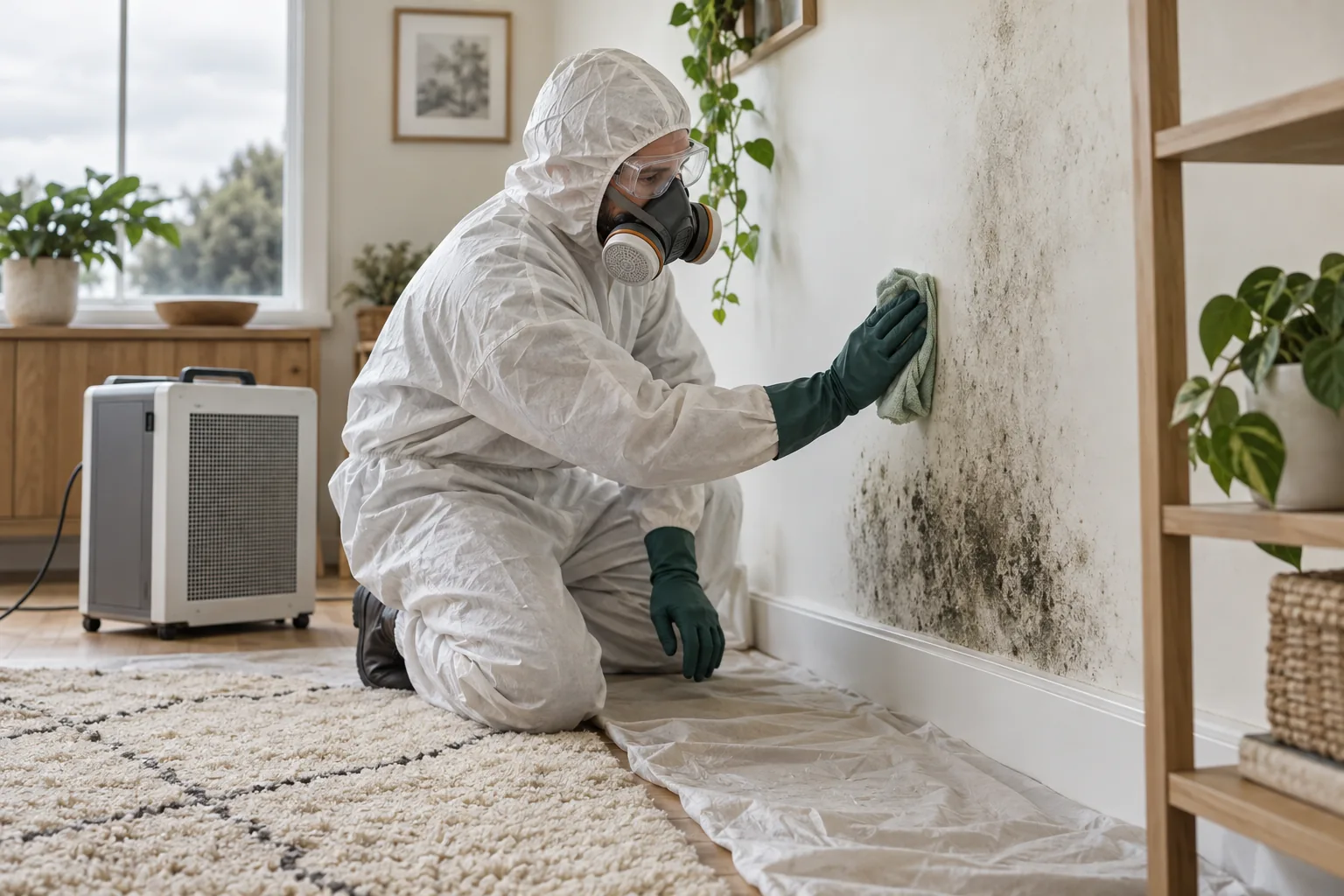
Our remediation service assesses and treats existing accessible contamination, with air protection and physical removal. Agree the nominated surfaces and material limits. Repairing ventilation equipment, resolving leaks and restoring decorative finishes remain separate rather than automatic parts of the job.
MOISTURE & CONTAMINATION
Use observed wetting to frame the source question
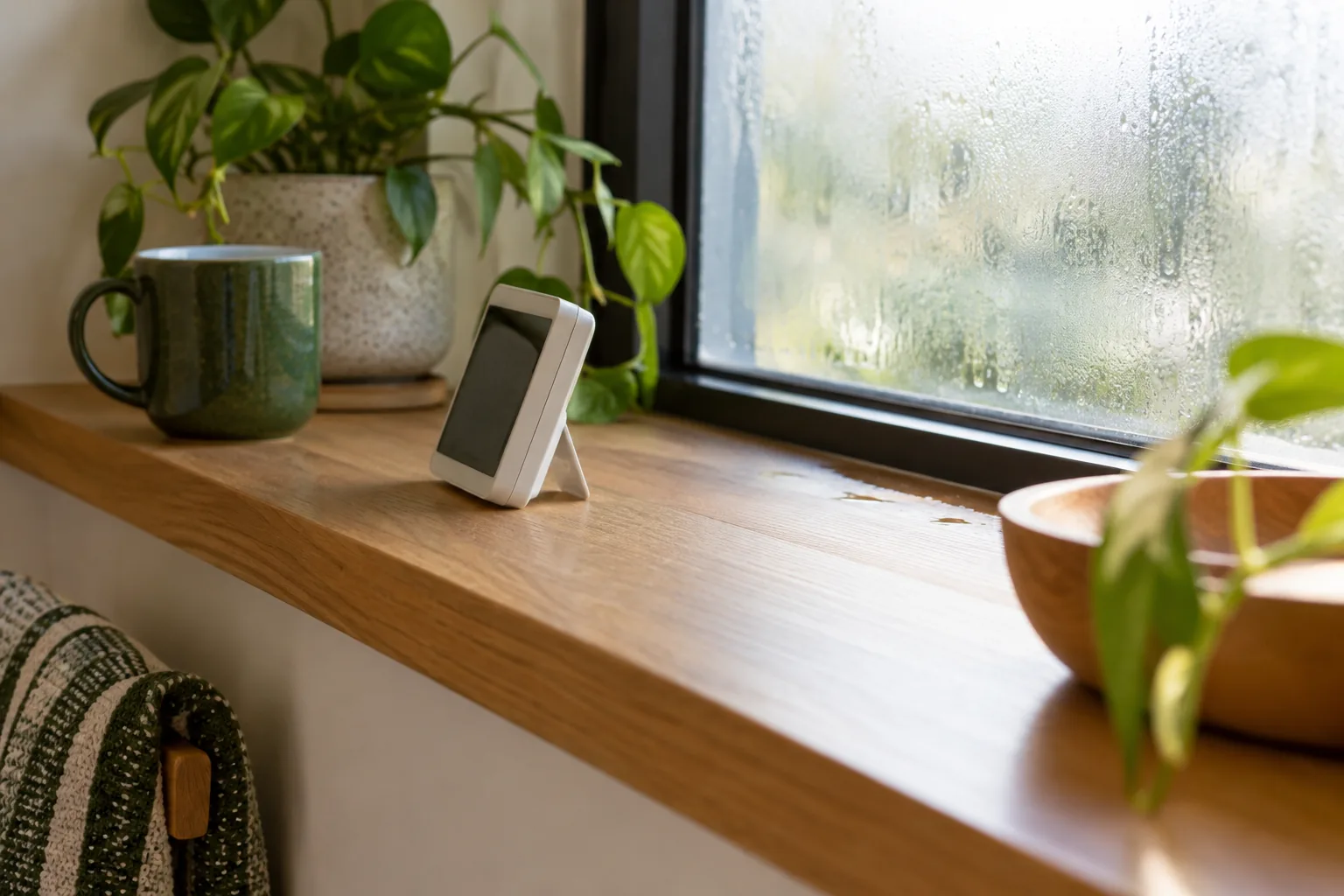
Record whether condensation changed, whether a leak is known and when growth appeared. The professional hygrometer supplies relative-humidity information about room air. That reading cannot establish moisture within a lining or prove that a change in ventilation solved every source.
Discuss accessible inspection if the present visible condition needs clarification. Plumbing and structural repairs are separate. Continued dampness can support recurrence even after treatment; practical prevention needs suitable ventilation and attention to any continuing water entry.
A DEFINED TREATMENT SEQUENCE
The treatment actions alongside the moisture routine
1
Assess the exposed area
Show visible contamination and explain changed room use. Agree structural boundaries, finish concerns and any issue needing separate investigation.
2
Establish HEPA protection
HEPA air filtration is set up before surface treatment. Leave the agreed equipment space clear and discuss the room arrangements; this is not a permanent ventilation upgrade.

3
Apply suitable HOCl treatment
The assessed plan uses HOCl. ULV dry fog is applied where appropriate, as in most cases, without a promise that hidden damp materials or every surface are included.
4
Remove the visible mould
Removal uses professional H-class filtered equipment. Explain fragile paint or prior damage so contamination work is not confused with complete cosmetic repair.
5
Finish filtration and clarify instructions
The HEPA scrubber runs during treatment and afterwards. Obtain return and ventilation advice for the actual job, and identify remaining source or decorating tasks.
Describe the visible structure beyond room-air conditions
Walls
Identify exposed wall growth and any fixed obstruction. Airing does not establish condition behind the lining.
Ceilings
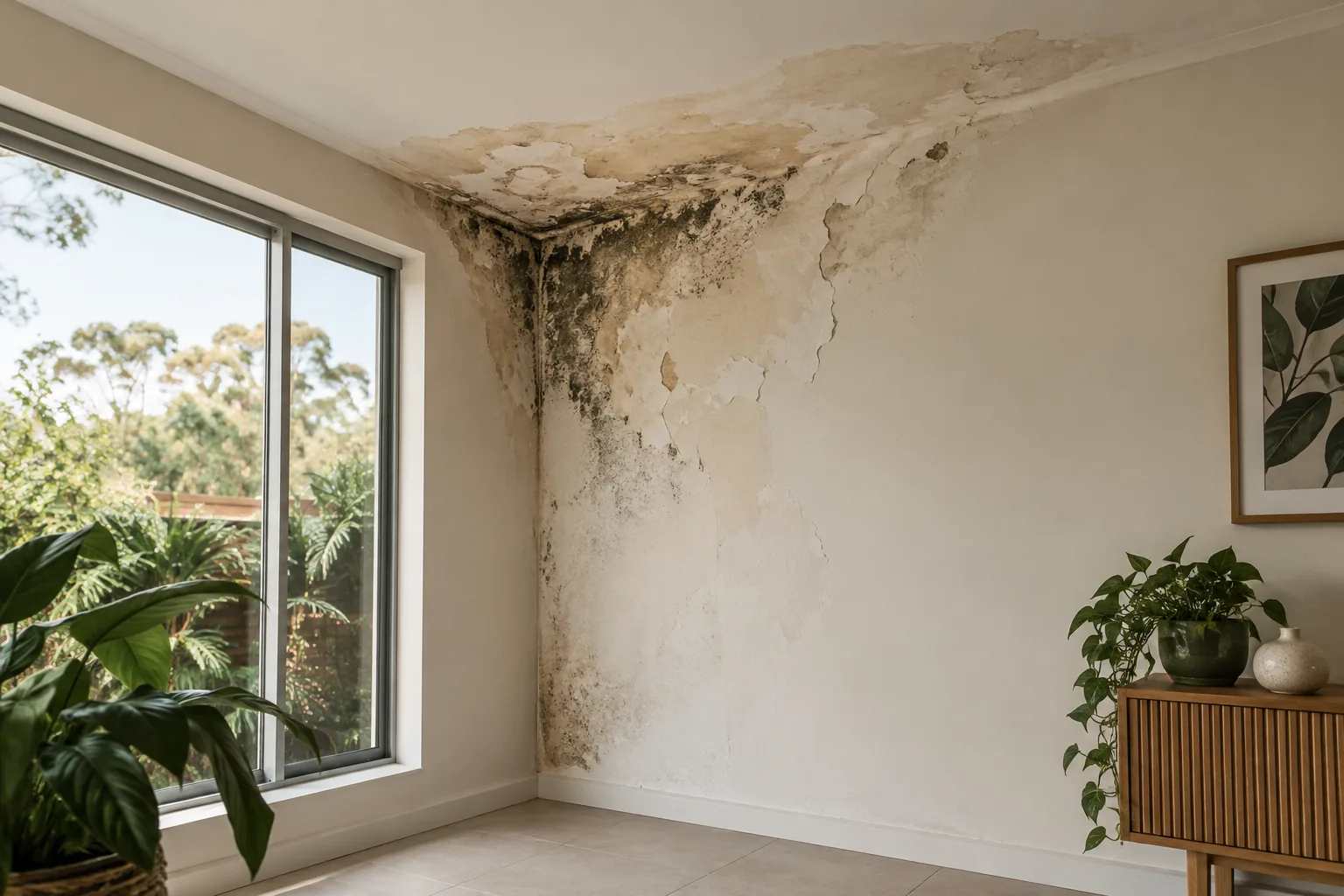
Mention overhead patches and water history safely. Ceiling treatment cannot repair an above-room source.
Bathrooms
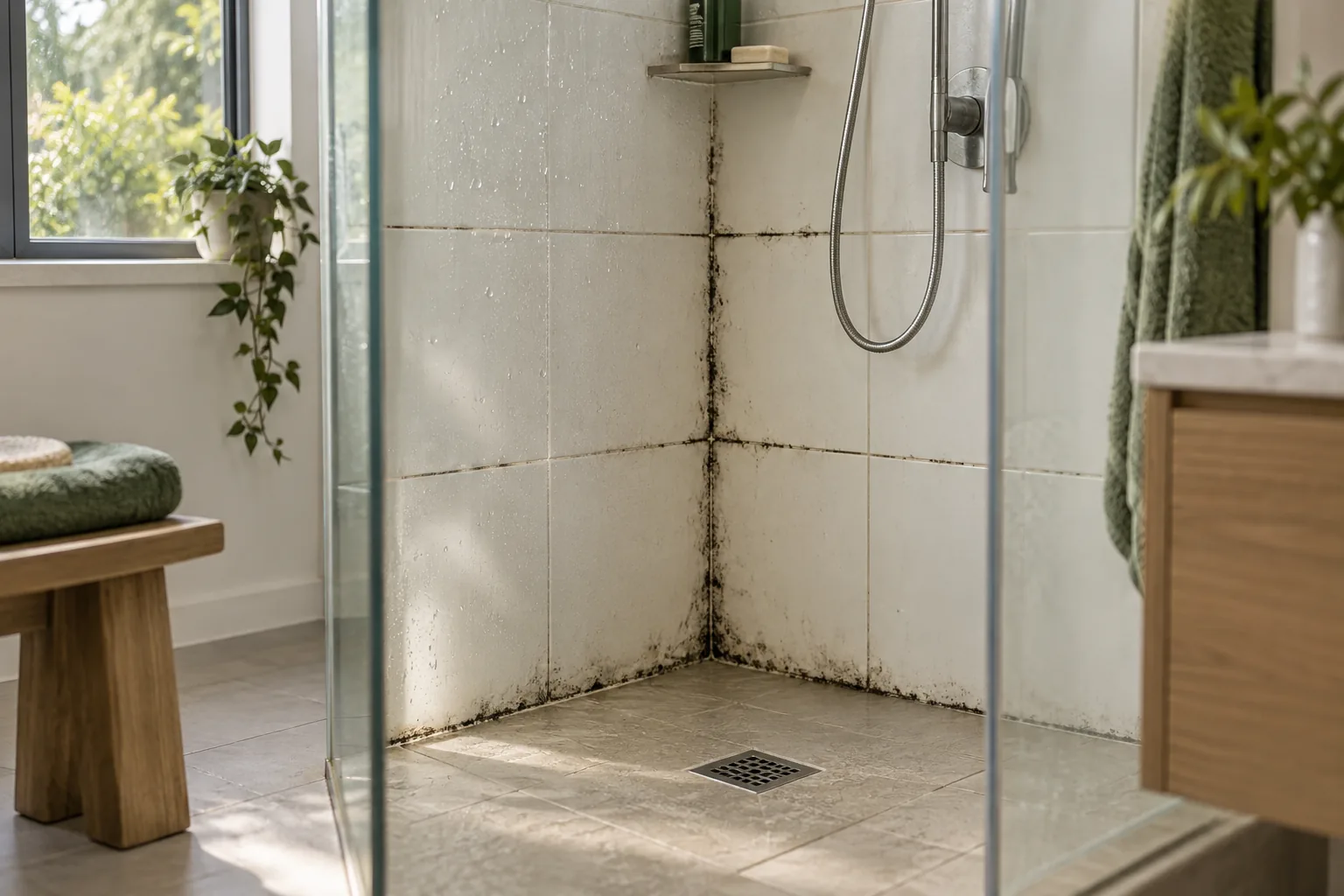
Explain structural bathroom growth and extraction observations. Towels, bathmats and other textiles are excluded.

Kitchens
Describe kitchen wall patches and cooking or plumbing wetting. Appliances and fixed cabinets are not automatically included.
Accessible affected surfaces
Describe the exposed floor and coverings separately. A ventilation change does not establish concealed condition or include carpet and furnishings in structural treatment.
AFTER TREATMENT
Agree preparation instead of assuming ordinary room settings
Ask about access and fragile belongings. People and pets must be away during treatment, following the technician’s departure and return instructions. Average guidance is approximately three hours per room; size, contamination and accessibility affect the actual work. It is not priced hourly.
Cosmetic marks may remain and decorating needs separate quotation. Ask which surfaces were treated and what remains unresolved. A drier-feeling or brighter room cannot certify concealed condition; fresh wetting should be noted before belongings or a new finish cover it.
KEEP MOISTURE IN VIEW
Make the moisture routine practical after return
Follow the job-specific instructions first, then maintain suitable ventilation for normal use. Do not replace a separate leak repair with the assumption that more airflow resolves every concern.
Record changes in condensation and new dampness.
Use appropriate extraction while showering or cooking.
Arrange separate response to continued plumbing or structural water entry.
Clarify treatment cost and equipment repairs separately
Describe visible extent and access when checking pricing applicability. Its table labels room examples Mould Removal. Remediation tariffs or ventilation-equipment repairs are not established by those figures; ask about the proposed structural job.
DIAMOND CREEK · EXACT ADDRESS & ACCESS
Diamond Creek and nearby premises enquiries
Provide the address and actual room observations. Nearby navigation cannot diagnose the ventilation issue or confirm treatment attendance.
Wattle Glen · St Helena · Plenty · Briar Hill
Questions about remediation
Does opening windows remove existing structural mould?
A ventilation change is not the confirmed remediation process. Describe remaining growth and discuss assessment, suitable treatment and physical removal rather than assuming airing completes that work.
Should I leave every window open during treatment?
Follow the technician’s particular instructions. Normal ventilation habits do not automatically describe the correct arrangements while the work is underway.
Is repairing an extractor included with remediation?
No equipment repair is confirmed within the treatment. Raise it separately and arrange an appropriate maintenance response alongside the contamination enquiry.
Can a room feeling drier prove the wall is dry inside?
No. Describe actual observations and any readings, while keeping concealed material condition separate from how the room feels.
When should normal ventilation resume after work?
Obtain the technician’s return and ventilation advice for the actual job. No universal interval is supplied for every room or treatment arrangement.
What if condensation improves but the wall gets wet again?
Record where and when wetting occurs. A separate leak or other source may need attention rather than assuming the ventilation change explains the whole problem.
Discuss Diamond Creek growth and the changed routine
Call 03 8652 1296 with visible surfaces and wetting observations. Agree treatment and the separate moisture response.