
SURFACE TREATMENT · MOISTURE FOLLOW-THROUGH
Mould Remediation Richmond
If painted walls and a ceiling show different visible changes after an earlier repair at your Richmond address, confirm each treatment boundary rather than one repair-wide guarantee. List the wall and ceiling areas together with the earlier repair, without treating remediation as repair verification.
Two surface scopes described
Repair history labelled
Appearance limits understood
TREATMENT & FOLLOW-THROUGH
UNDERSTANDING THE AFFECTED ROOM
Current patches after separate repairs
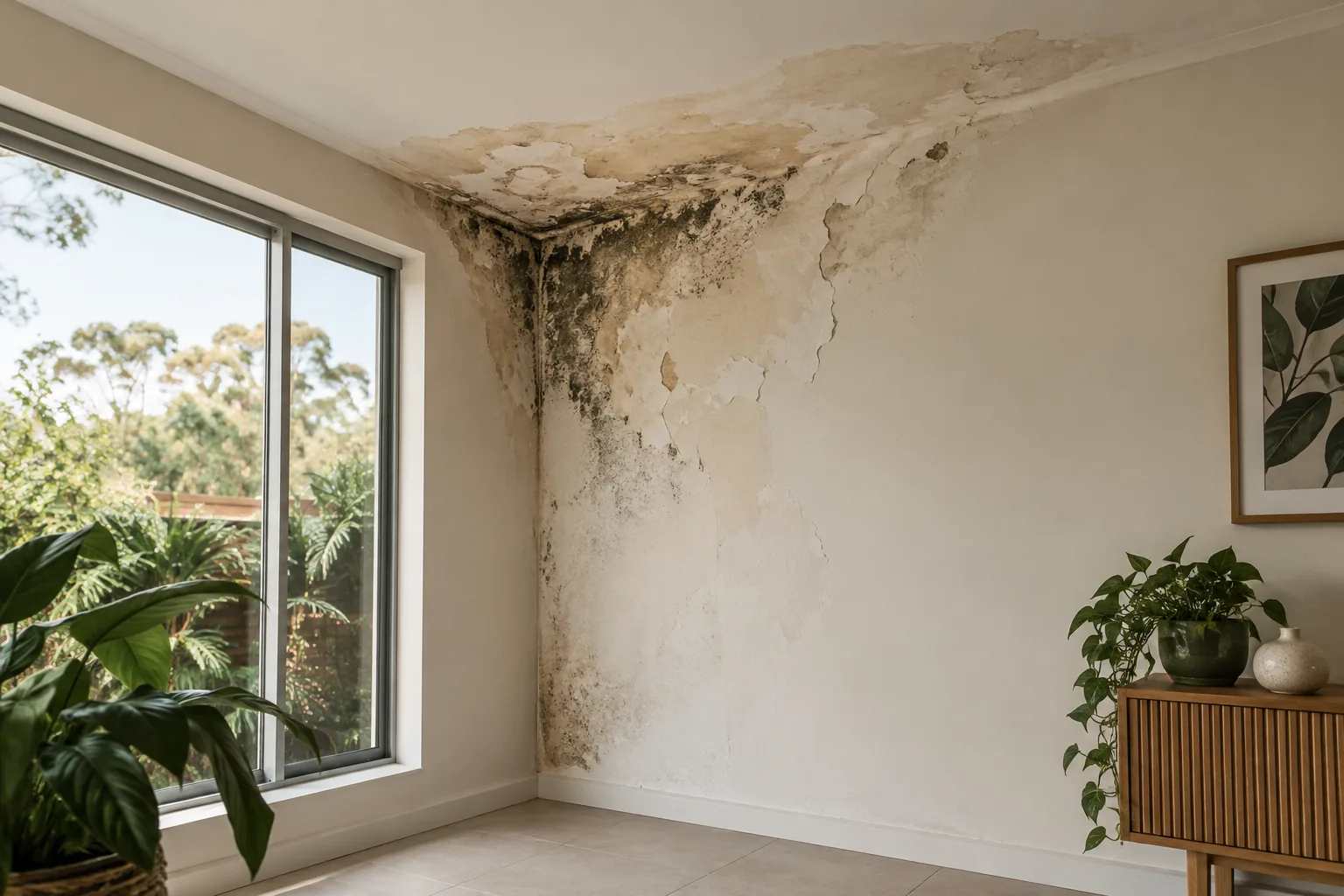
A wall and ceiling affected after a repair deserve separate descriptions. State each exposed finish, timing and current condition, without treating the repair footprint as automatic treatment scope. Remediation concerns existing contamination; verification of another trade’s work is a different responsibility. Review remediation scope before selecting the structural-surface job.
The repair’s history is relevant without being the treatment boundary itself. Current accessible growth should be described on each finish, including any change after the other work. Professional application and removal do not certify that repair or rebuild the wall and ceiling. Keep residual appearance expectations explicit so the completed contamination job is not mistaken for cosmetic renewal of the entire repaired area. Keep pictures labelled by surface, so one mark does not conceal a distinct observation.
MOISTURE & CONTAMINATION
Keep each surface’s water history clear
Report when the wall and ceiling changed, including water observed after the repair. Matching appearance does not certify a shared source or repair success. An assessment discussion can address accessible condition while repairs remain separate.
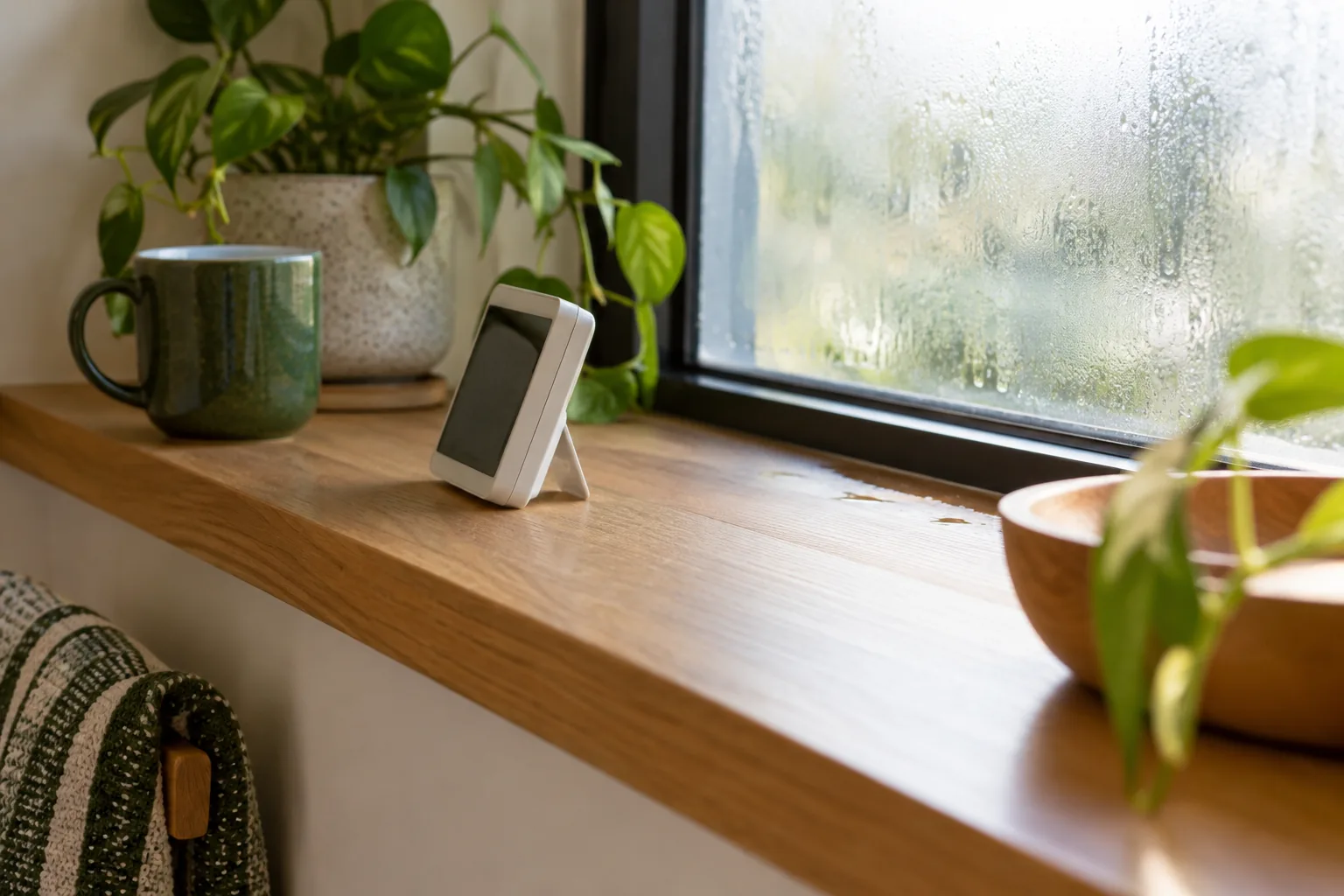
A room-air humidity observation from the professional hygrometer does not verify an earlier repair or moisture inside the ceiling assembly.
A DEFINED TREATMENT SEQUENCE
Treat the agreed wall and ceiling
1
Assess the accessible scope
Assess the current wall and ceiling patches individually, using the repair history as background rather than scope or certification.
2
Set up HEPA protection
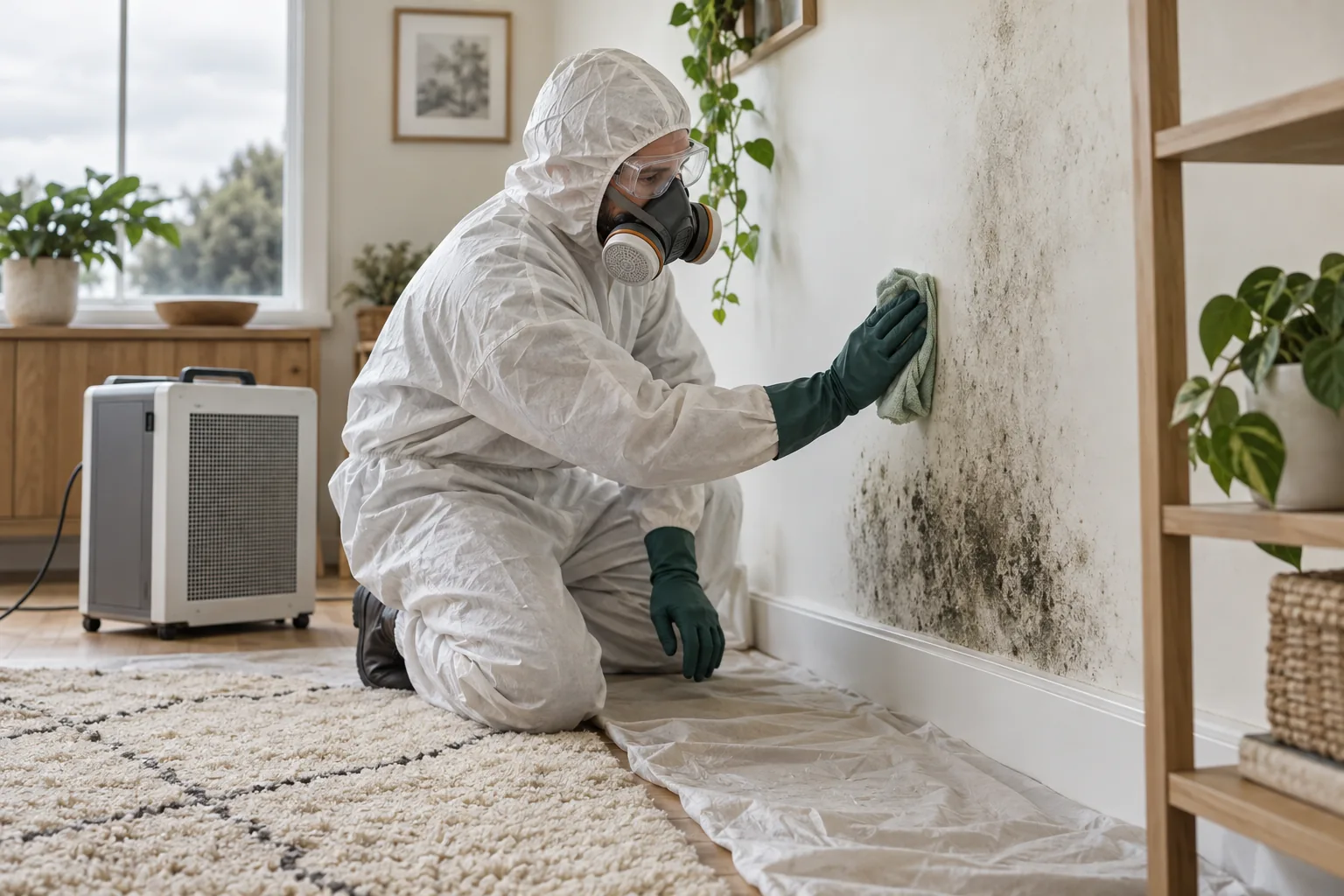
Prepare the HEPA scrubber before application, with access agreed for both requested structural surfaces.

3
Choose suitable application
Use suitable HOCl application; ULV dry fog is conditional and does not establish that matching marks share one source.
4
Remove visible contamination
Remove visible mould using professional H-class filtered equipment on the agreed wall and ceiling sections, not as repair verification.
5
Continue final air cleaning
Continue HEPA air cleaning during and after work; discuss return advice and residual appearance separately for the two surfaces.
Two structural surfaces, defined access
Walls
State current wall growth separately from the boundary of an earlier building repair.
Ceilings
Name the requested ceiling area and note any subsequent water or finish changes.
Bathrooms
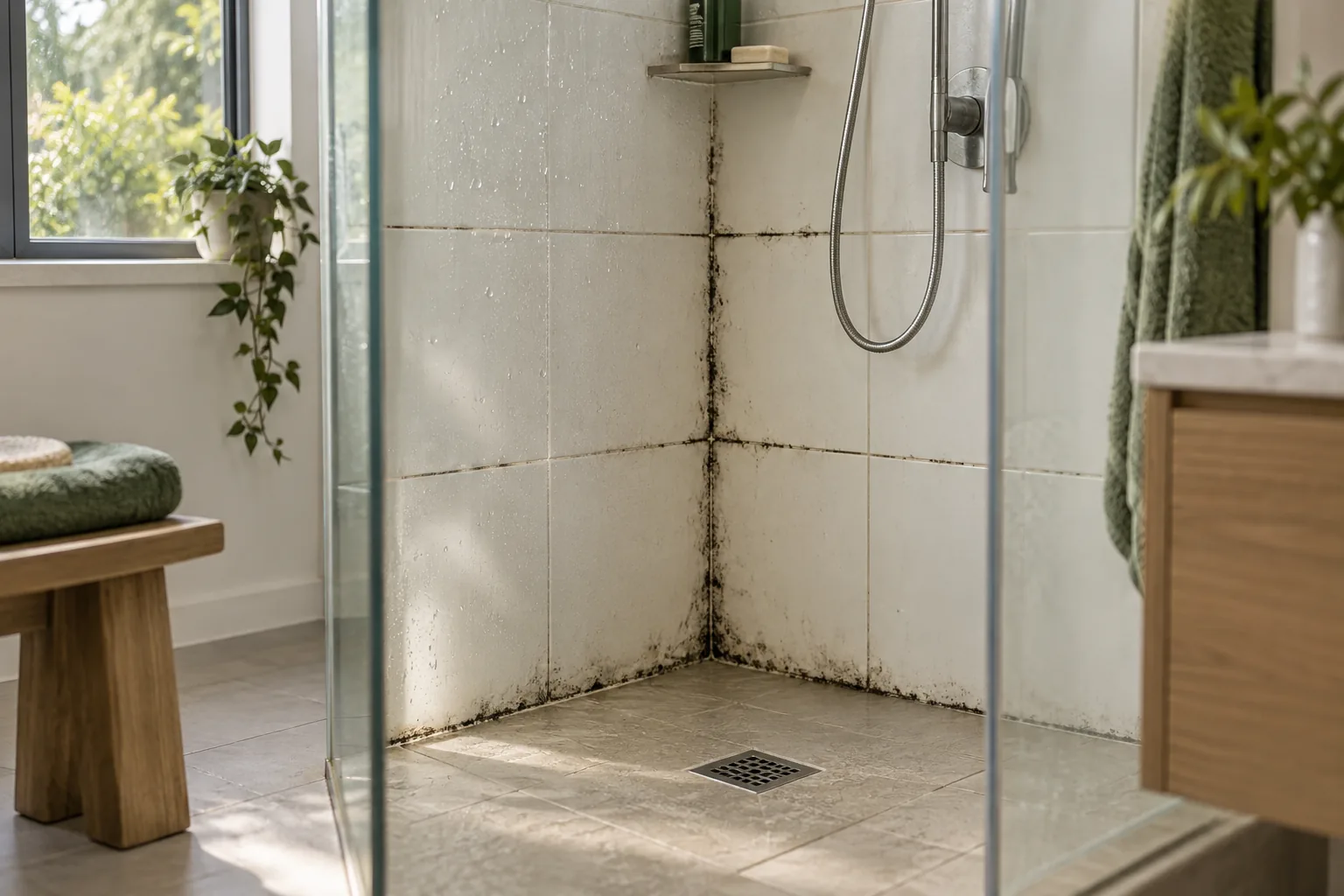
Bathroom surfaces should have their own material and repair history rather than copy another room’s account.

Kitchens
Kitchen structural faces need clear access even where separate plumbing work has occurred nearby.
Accessible affected surfaces
Agree any further exposed surfaces directly; repair footprints do not include furnishings or textile coverings by implication.
AFTER TREATMENT
Coordinate without certifying repair work
List the wall and ceiling sections requested and describe the earlier repair honestly. Coordinate any separate work instead of treating the remediation appointment as repair verification. People and pets leave during treatment under the confirmed arrangements. Ask the technician for return instructions before people or pets resume use of the property.
Around three hours per room is the source average, with timing confirmed against the accessible wall and ceiling extent. The agreed treatment is not hourly verification of repair work.
KEEP MOISTURE IN VIEW
Observe wall and ceiling independently
Track the wall and ceiling separately when noting new visible changes. An old mark on one surface does not establish the result or cause on the other. Keep repair dates available and follow up on fresh water with the relevant provider, without treating remediation as verification of earlier work. Cosmetic decoration may remain necessary after contamination has been addressed. Appropriate ventilation can help conditions without certifying concealed dryness. If another section becomes accessible, update its location and extent rather than assuming the original repair footprint defined everything included in the treatment.
Track wall and ceiling changes individually.
Retain reliable repair dates as background.
Discuss remaining cosmetic work without certifying the repair.
Cost for today’s visible scope
Describe each requested wall and ceiling section before accepting cost. Check published prices for remediation applicability, with repair verification and decoration outside any assumed room-treatment allowance.
RICHMOND · EXACT ADDRESS & ACCESS
Address and two-surface enquiries
A Richmond enquiry should identify the property and both surfaces, with separate repair information clearly labelled. Nearby navigation cannot establish a common source or certify earlier work.
Abbotsford · Yarra Bend · Hawthorn · Burnley
Questions about remediation
Does the repaired area define every surface included?
No. List the current accessible growth and agree the requested wall and ceiling sections.
Will treatment verify the earlier repair?
No repair certification is promised. Keep that responsibility with the appropriate provider.
Can matching marks establish one moisture source?
No. Explain their separate timing and any water observed without assuming identical appearance proves a common cause.
Is repainting both surfaces included?
No cosmetic restoration is guaranteed. Decorating needs its own scope.
Does a room reading clear the repaired ceiling cavity?
No. Air relative humidity does not establish moisture inside concealed material.
What should follow-up distinguish?
Separate fresh changes on each surface from unchanged old marks, and identify any continuing moisture requiring separate attention.
Discuss the present wall and ceiling
Call 03 8652 1296 with the Richmond wall and ceiling observations. Confirm the current treatment boundary independently of the earlier repair footprint.