
SURFACE TREATMENT · MOISTURE FOLLOW-THROUGH
Mould Remediation Tally Ho
When a premises is described by a precinct or neighbourhood name, the enquiry still needs its full postal details and requested interior. For Tally Ho, identify the actual exposed finish and authorised contact. Remediation planning should not infer independent suburb boundaries, a local business affiliation or automatic access from a descriptive location label.
Postal details identify the request.
The authorised interior is specified.
Surface treatment limits remain clear.
TREATMENT & FOLLOW-THROUGH
UNDERSTANDING THE AFFECTED ROOM
A descriptive label is not the treatment boundary
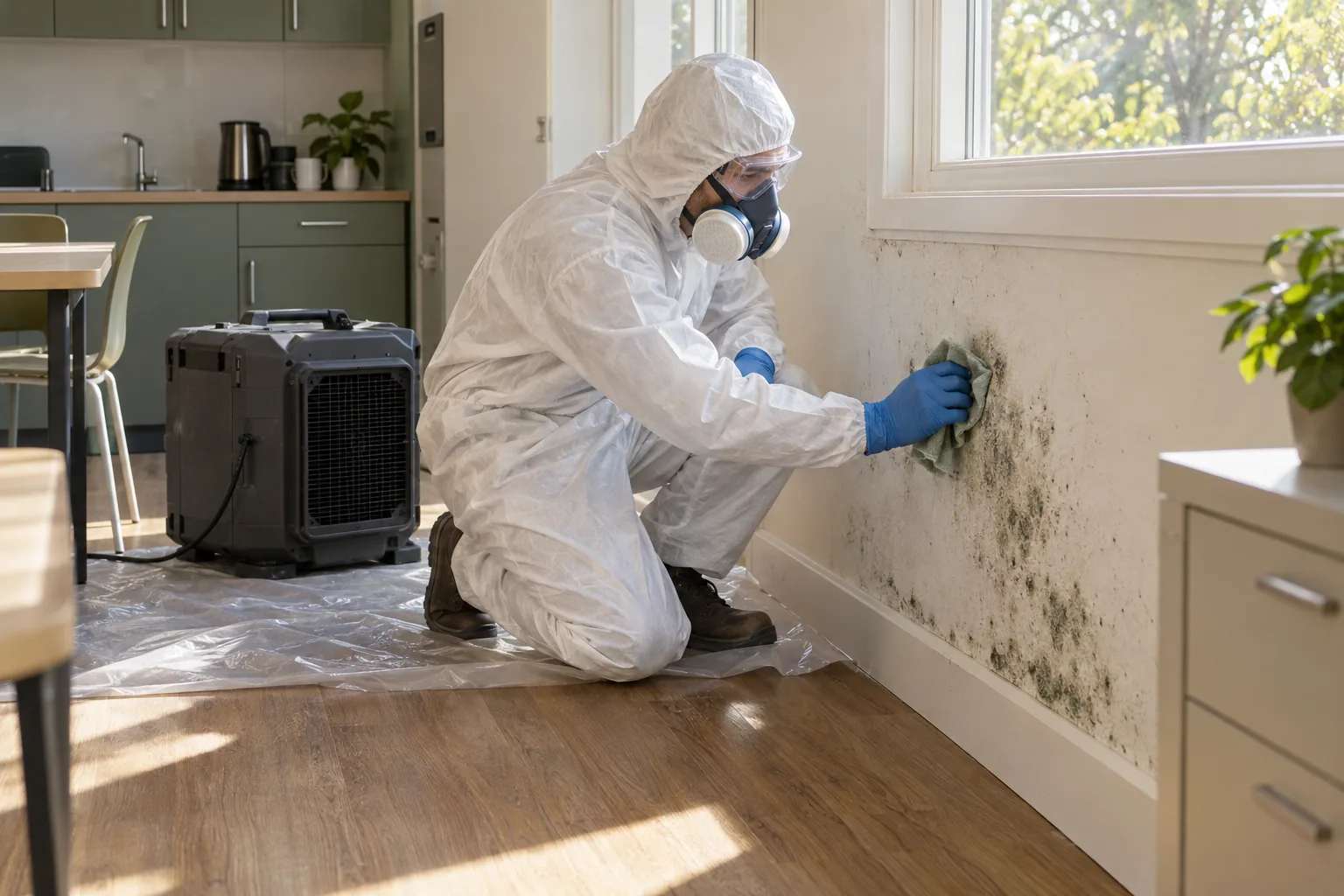
Remediation coordinates assessment, air protection, appropriate treatment and physical removal of visible mould on accessible surfaces. Describe the room, material and current access at the premises being booked. A broad location description does not establish which tenancy or interior can be entered.
The remediation overview explains supported work without claiming a local office, affiliation or unrestricted service coverage. Furniture and textiles are excluded; concealed layers, repairs and decorating need separate scope. Authority for one interior should not be inferred for surrounding premises.
MOISTURE & CONTAMINATION
Use moisture information from the actual room
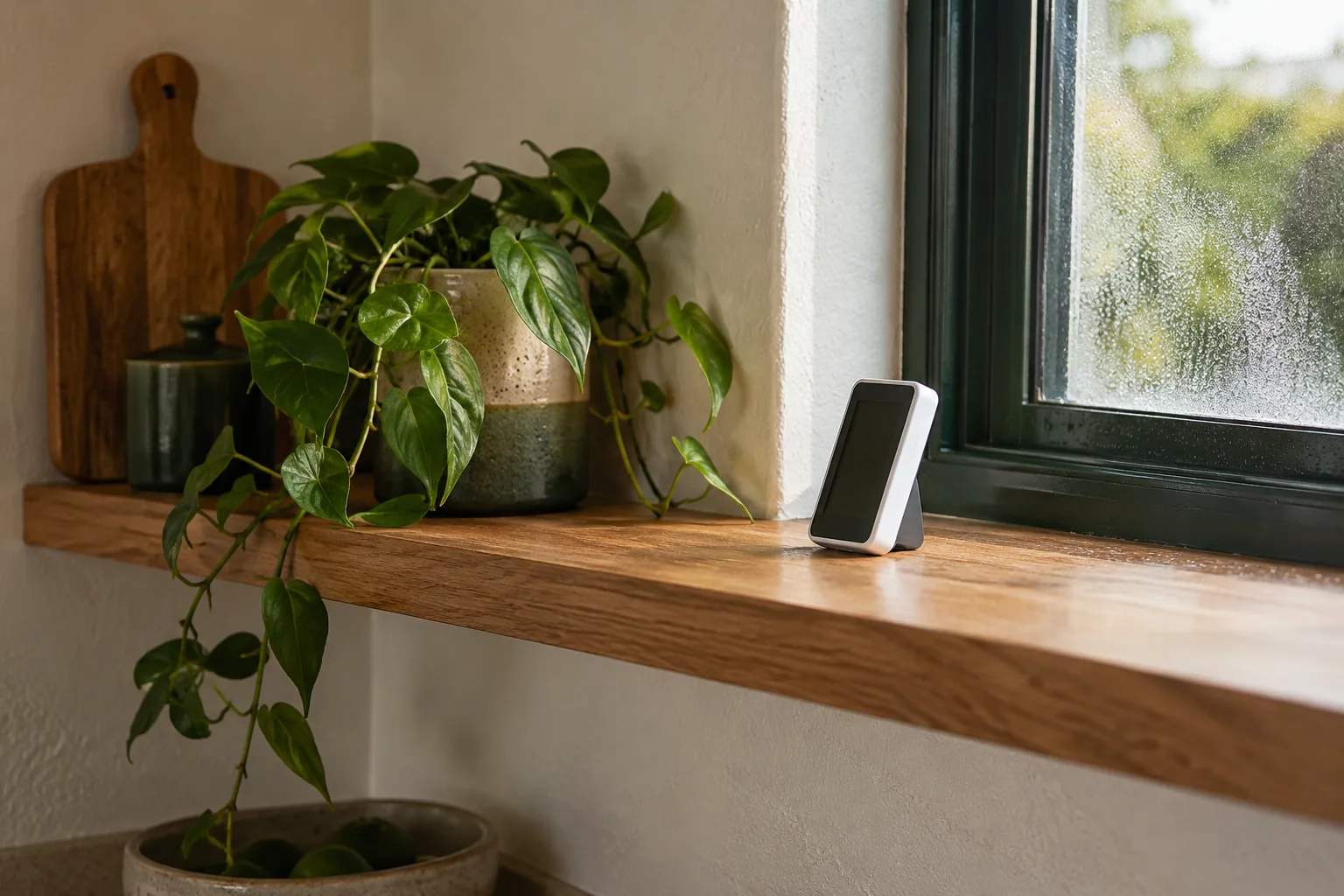
Report water or condensation from the actual room and label any information from another location. A professional hygrometer gives room-air relative-humidity context. It does not establish a precinct-wide moisture cause, determine liability or certify hidden materials as dry.
Known source or ventilation problems require separate correction and may contribute to recurrence if unresolved. Discuss inspection of accessible condition where needed, without promising laboratory surveys or a hidden-layer finding based on the place name or property type.
A DEFINED TREATMENT SEQUENCE
Confirmed work within the authorised interior
1
Agree the accessible scope
Confirm the postal premises and authorised room access, assessing exposed contamination and agreeing suitable checks and finish boundaries.
2
Begin air protection
Begin confirmed HEPA air-scrubber protection before application within the interior actually prepared for the accepted work.

3
Choose the treatment application
Apply HOCl appropriately to suitable agreed materials, with ULV dry fog where appropriate rather than a precinct-wide application promise.
4
Remove visible growth
Remove visible mould using professional H-class filtered equipment inside the accessible scope, excluding textiles and concealed layers.
5
Continue final air cleaning
Continue HEPA air cleaning during and after treatment, communicating residual appearance limits and the particular advice for returning.
Materials define the accessible scope
Walls
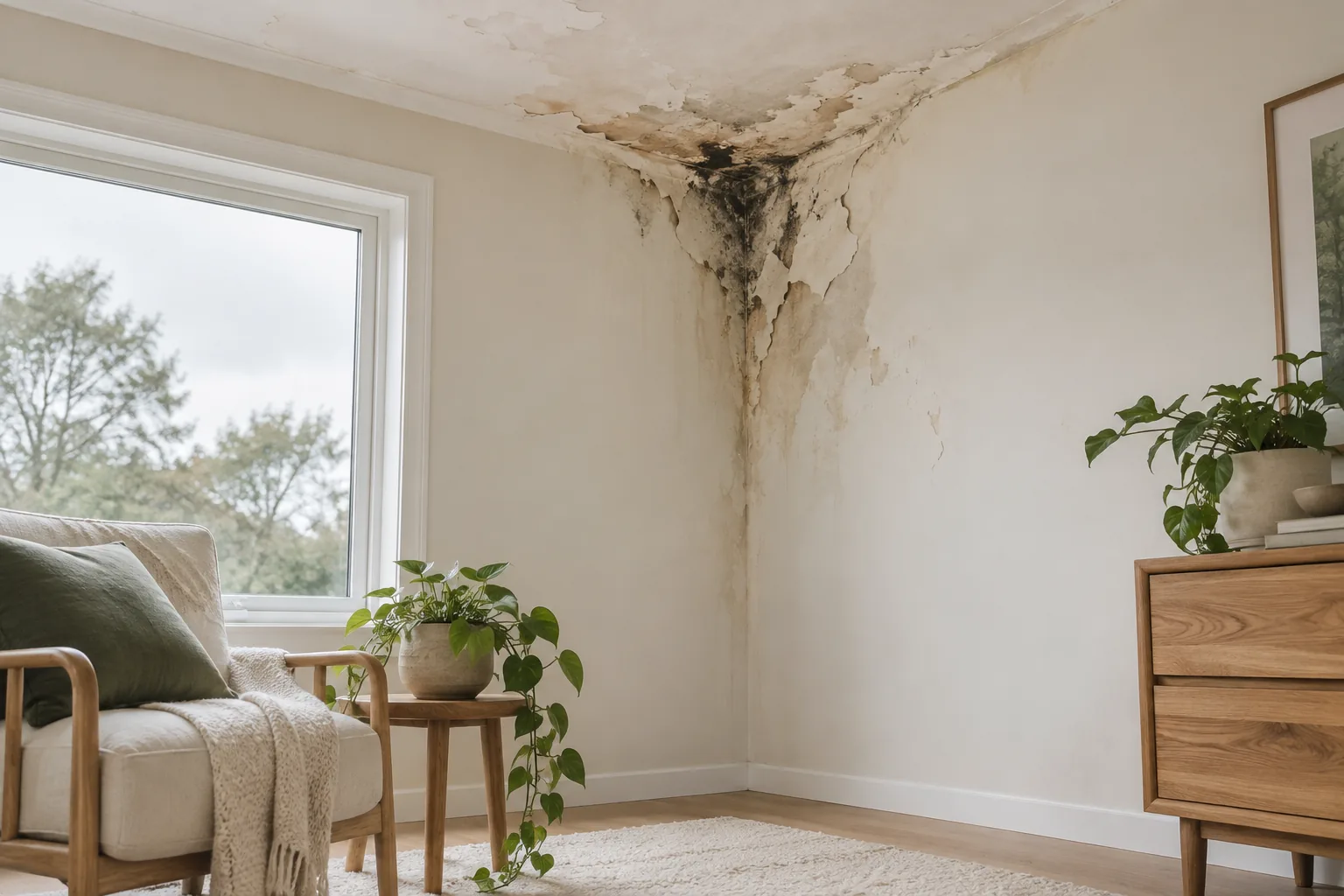
Wall requests should identify the actual room or tenancy and exposed material, not a general precinct address.
Ceilings
Ceilings require safe available access and a clear description of damaged or unavailable finishes.
Bathrooms
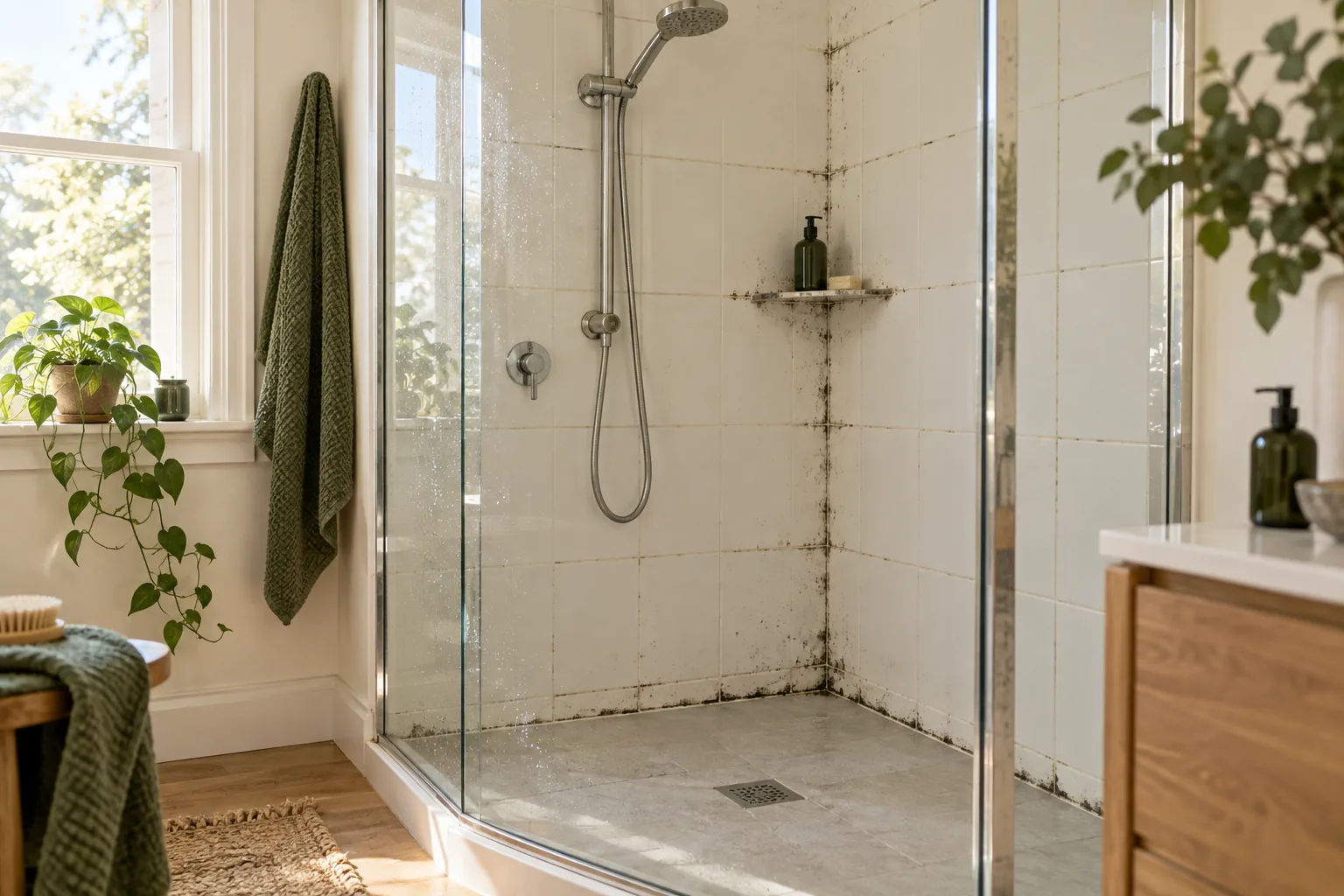
Bathroom joints and paint remain different materials, with fixtures and repairs kept outside assumed renewal work.
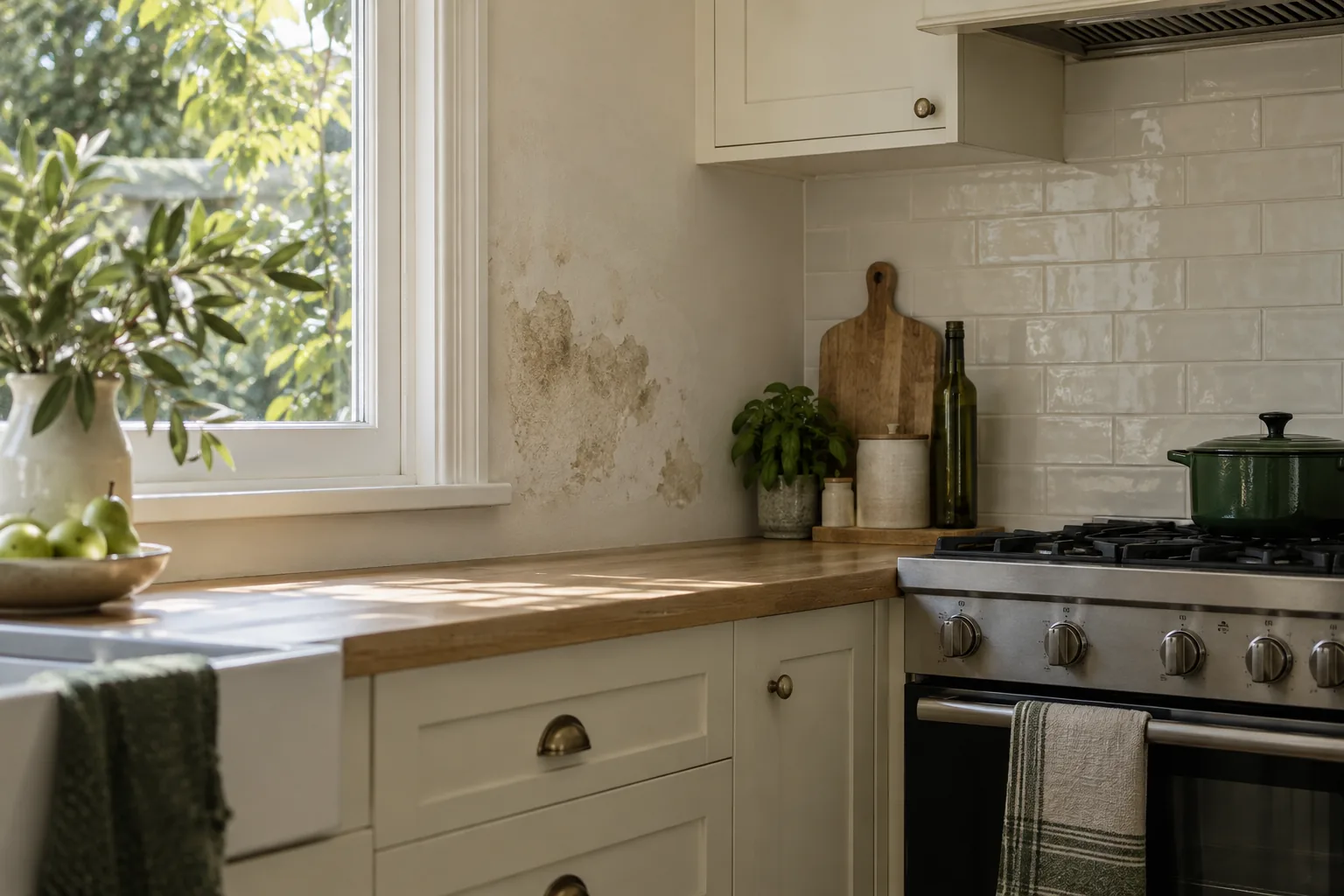
Kitchens
Kitchen exposed surfaces may be agreed without extending treatment to stored contents or other organisational interiors.
Accessible affected surfaces
Other affected visible walls, ceilings or hard floors need explicit agreement, excluding fabrics and hidden construction materials.
AFTER TREATMENT
Prepare the premises rather than an area label
Establish the entry authority and preparation contact before arranging attendance. People and pets leave during treatment. Average source guidance is approximately three hours per room, varying with size, contamination and access; it does not establish a fixed site window or routine availability from the area label.
Cosmetic stains can remain and building repairs or decorating may require separate arrangements. Obtain the technician’s job-specific return instructions. No compliance report, hidden-material clearance or guarantee of future dryness is promised for this interior or nearby premises merely because the enquiry uses the same descriptive location.
KEEP MOISTURE IN VIEW
Keep follow-up linked to the specific finish
Identify the actual room and treated finish in later records.
Report fresh water or visible growth with its date.
Follow through on separately needed source or ventilation repairs.
Keep information about other premises distinct from this treatment outcome.
Quote for the actual surface request
Give the full address, authorised interior and exposed area when discussing the quote. The price examples refer to Mould Removal; confirm which figures apply to the proposed remediation. Do not infer free attendance, organisational eligibility, neighbouring tenancy coverage or a separate precinct package from the Tally Ho description.
TALLY HO · EXACT ADDRESS & ACCESS
Enquiries for nearby addresses
Use complete postal details when describing the premises as Tally Ho and identify who can approve entry to the requested interior. Nearby pages are navigation for other enquiries; they do not establish locality boundaries, company affiliations or attendance permission for this address.
Questions about remediation
Does this page establish Tally Ho as an independent suburb?
No boundary assertion is made. Supply the full postal address to identify the actual premises and discuss attendance directly.
Does an area label show a local company affiliation?
No affiliation is claimed. Use the authorised property contact and actual address rather than inferring relationships from a GEO page name.
Can one tenancy booking include neighbouring interiors?
No automatic inclusion is established. Each requested interior needs appropriate authority, access and a clear surface agreement.
Does a business description guarantee free attendance?
No universal entitlement is confirmed. Discuss eligibility and the applicable quote for the actual premises and requested work.
Will the visit provide a precinct compliance report?
No such report is promised. The supported scope concerns accessible surfaces and treatment, not assessment of surrounding organisations or hidden materials.
How should a later concern at another address be raised?
Identify it as a separate premises with its own room, condition and entry contact. Do not describe it as covered by treatment arranged elsewhere.
Discuss your address and available interior
Phone 03 8652 1296 with the full postal details and authorised interior. Confirm the accessible finish, attendance arrangements and applicable treatment quote.