
SURFACE TREATMENT · MOISTURE FOLLOW-THROUGH
Mould Remediation Glen Waverley
A room can have a different layout or use now from when the first mark was noticed. At your Glen Waverley address, describe the current exposed finish and explain relevant changes without claiming they caused the mould. Remediation planning should use today’s available access and observations, rather than promise a method or outcome based on an outdated room arrangement.
Current access is described.
Room changes stay in context.
The visible treatment boundary is agreed.
TREATMENT & FOLLOW-THROUGH
UNDERSTANDING THE AFFECTED ROOM
Present conditions make the request useful
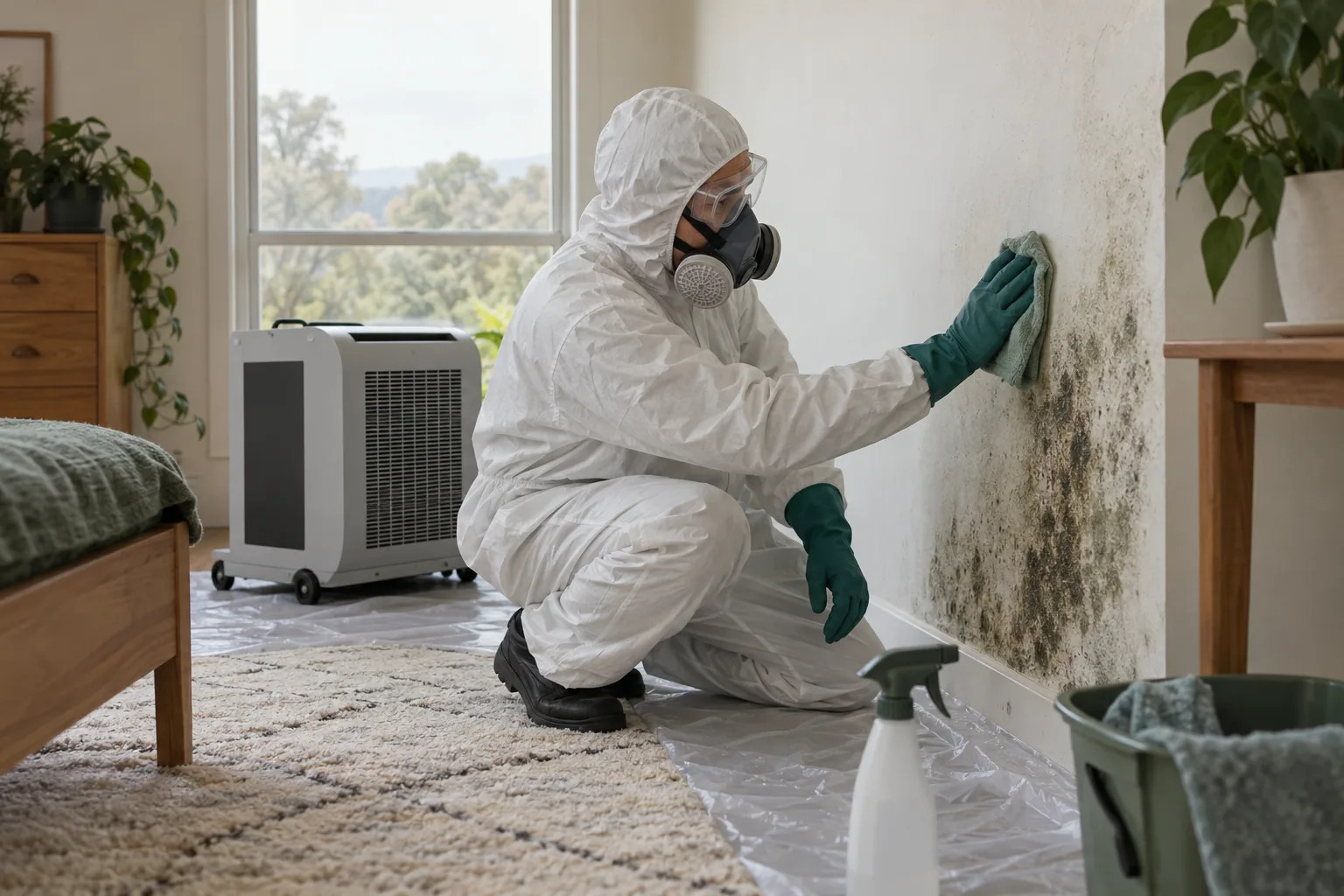
Remediation coordinates assessment, filtration, appropriate application and physical removal of visible mould. Identify the actual wall, ceiling or hard-floor finish requested and what now limits access. Changes to furniture or room use can explain the enquiry without establishing a concealed cause or universal treatment suitability.
The remediation overview describes supported work. Furniture and textiles remain excluded, while repairs, decorating and hidden construction layers need separate scope. An old whole-room photograph should not extend the agreement to finishes that are now covered or unavailable.
MOISTURE & CONTAMINATION
A room change is context rather than a diagnosis
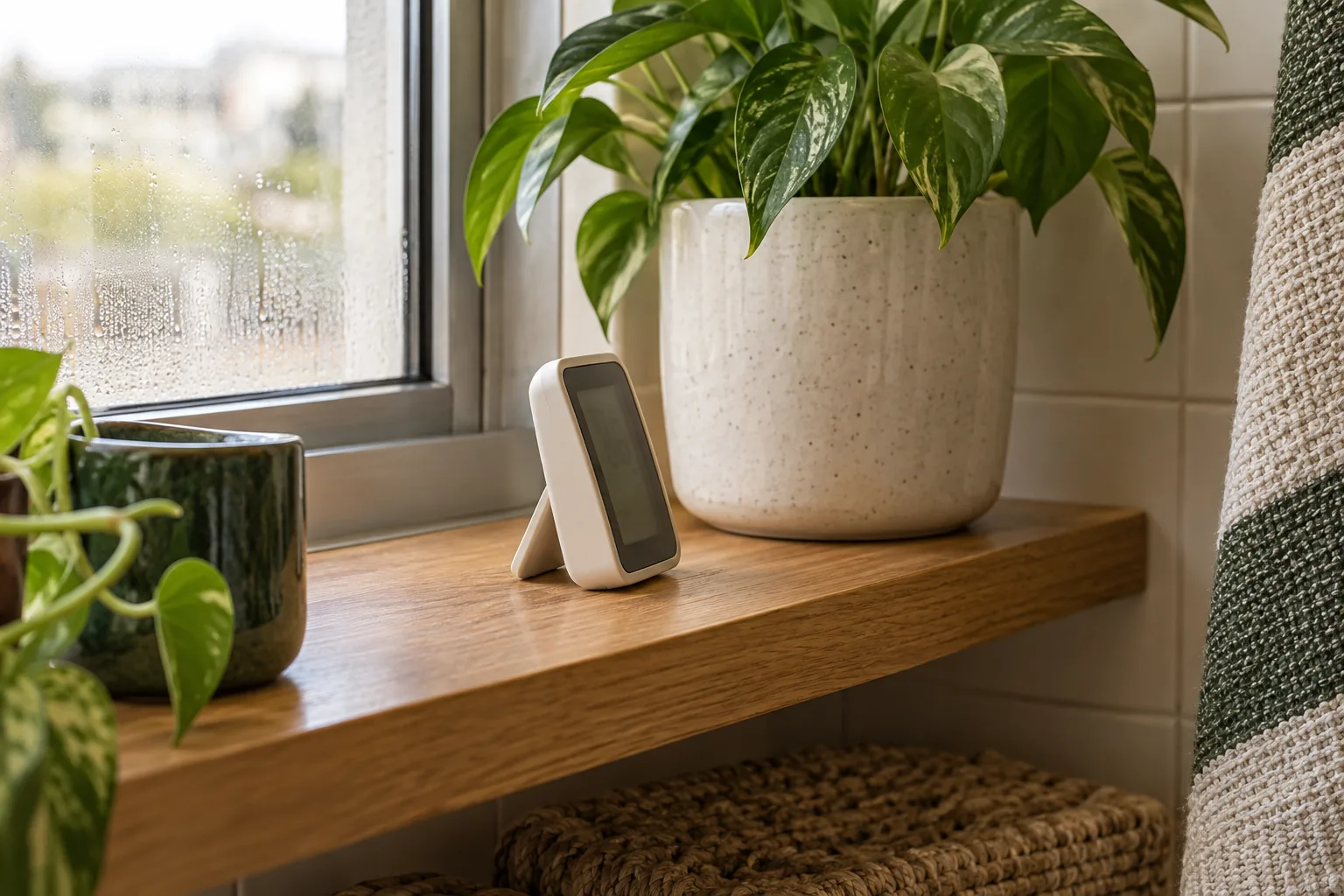
Explain actual water or condensation observations and when the room changes occurred, keeping the two histories distinct. The professional hygrometer gives room-air relative-humidity context. It cannot reconstruct earlier conditions or measure material moisture behind the current arrangement.
Arrange known source or ventilation correction separately, because continued dampness can support recurrence after surface work. Discuss accessible-condition inspection if the visible concern first needs clarification, without promising laboratory analysis or a hidden-cavity assessment based on the former layout.
A DEFINED TREATMENT SEQUENCE
Supported treatment for today’s available finishes
1
Agree the accessible scope
Assess current exposed contamination and available clearance, agreeing suitable checks and the treatment boundary in today’s room arrangement.
2
Begin air protection
Start confirmed HEPA air-scrubber protection before application, preparing the work area according to current safe access.

3
Choose the treatment application
Apply suitable HOCl treatment, considering ULV dry fog where appropriate rather than assuming the old room description fixes the method.
4
Remove visible growth
Remove visible mould with professional H-class filtered equipment within agreed accessible finishes, excluding contents and concealed layers.
5
Continue final air cleaning
Continue HEPA air cleaning during and after work, discussing remaining appearance, moisture follow-up and specific advice for return.
Name surfaces in their current arrangement
Walls
Wall requests should identify presently exposed faces and any new furniture obstruction.
Ceilings
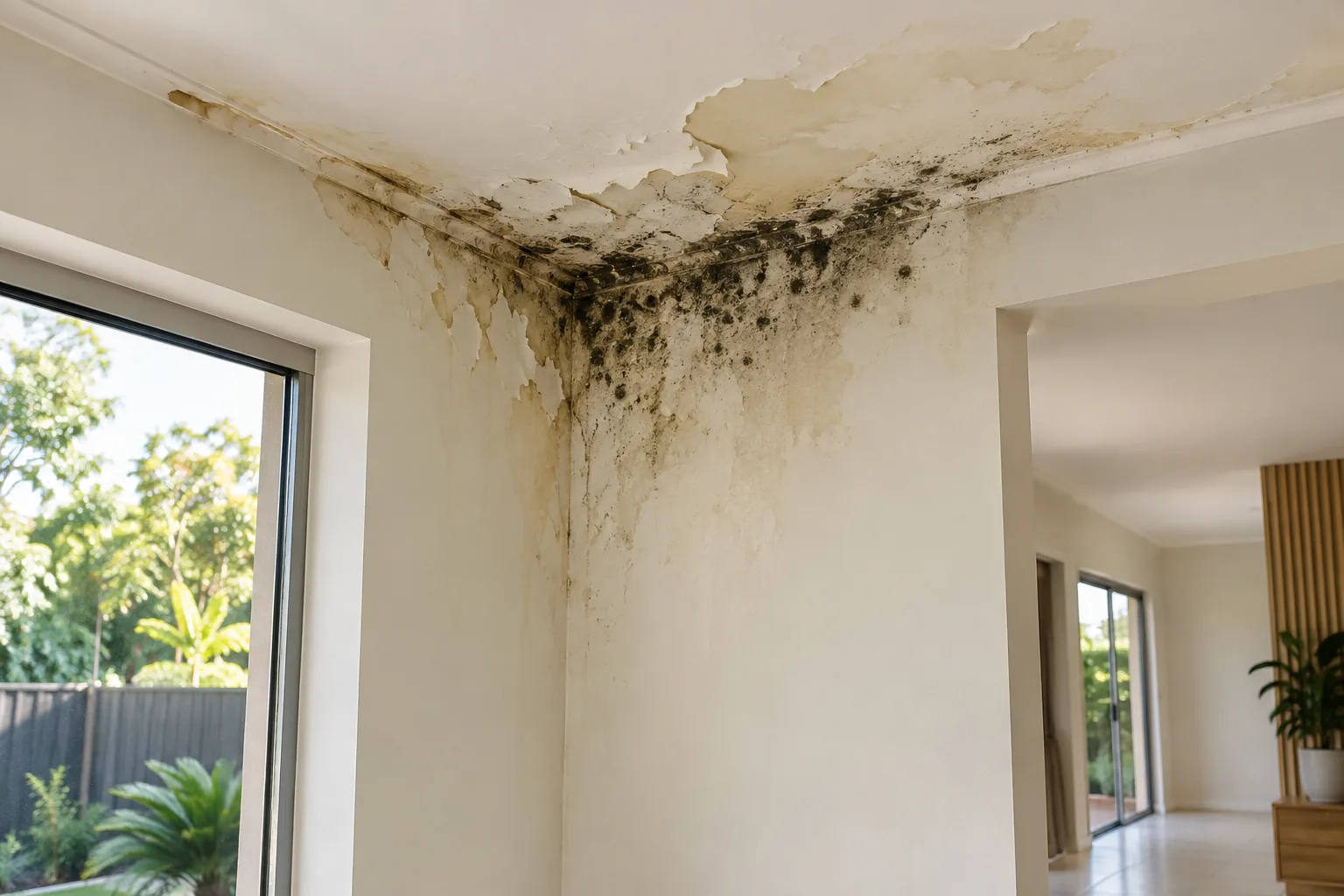
Ceilings need their own safe-access consideration and account of current fittings or damaged finishes.
Bathrooms
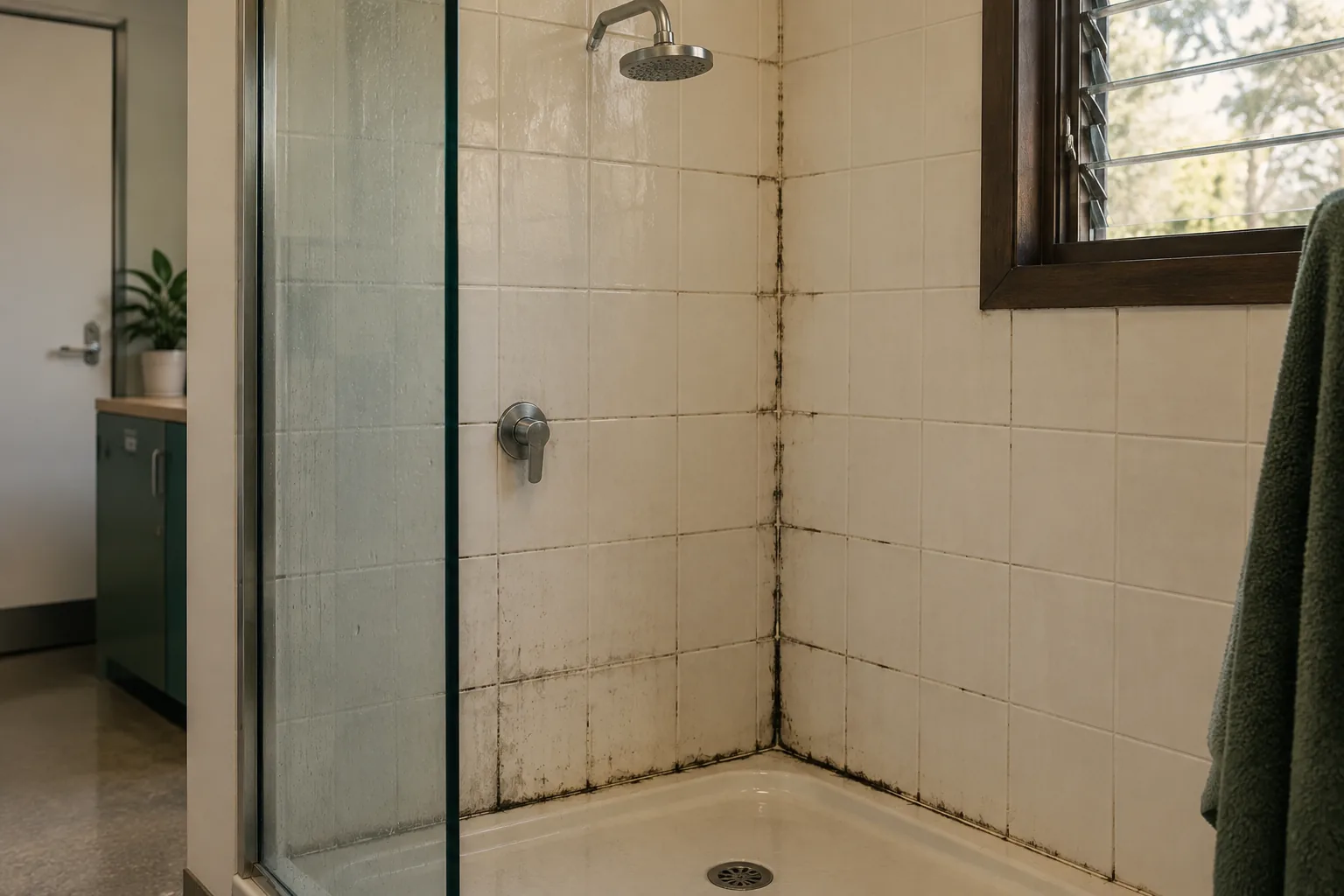
Bathroom paint, joints and tiles remain distinct materials even where the room’s use has changed.
Kitchens
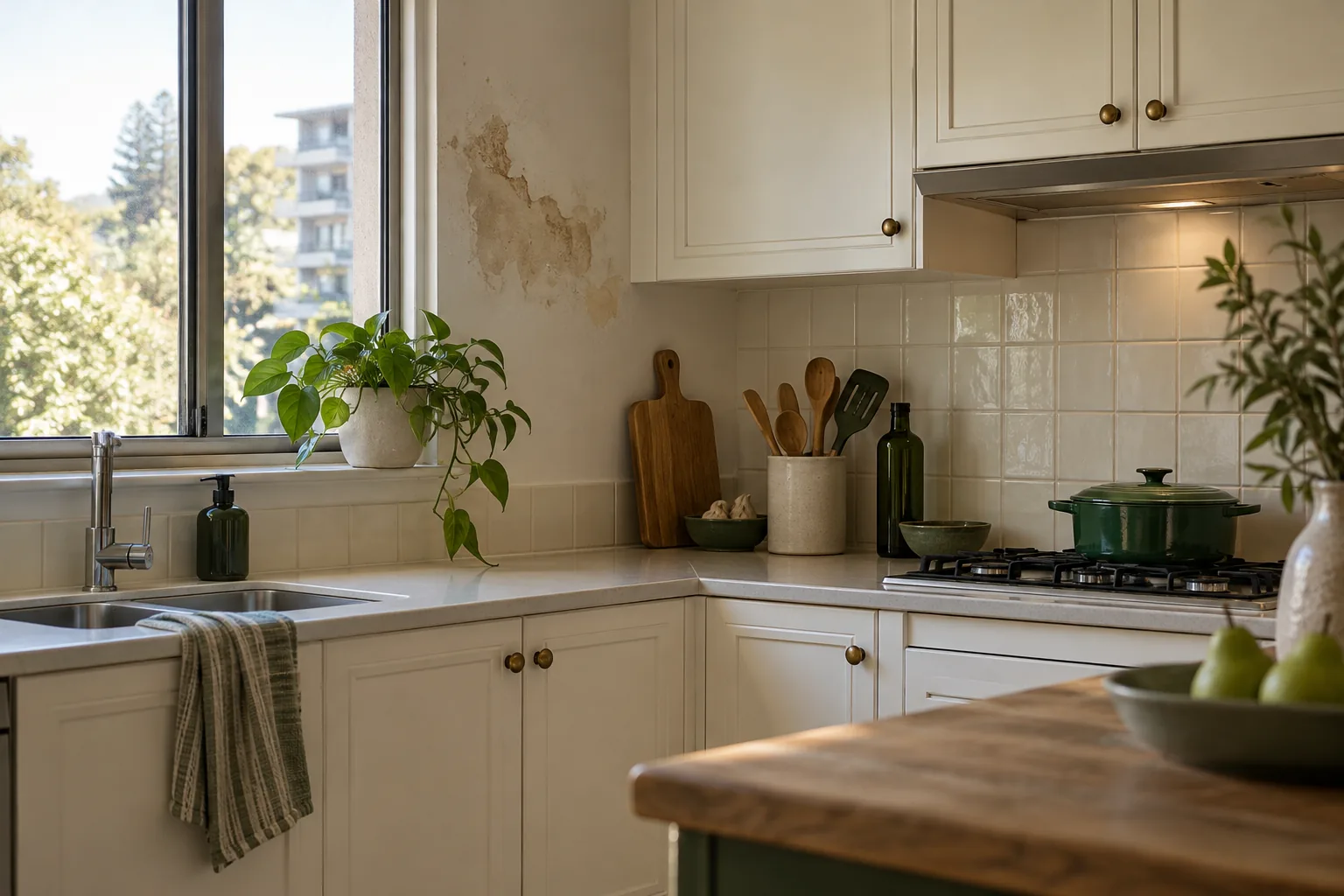
Kitchen surface work identifies accessible finishes rather than automatically covering new appliances, cabinetry or contents.
Accessible affected surfaces
Other affected accessible hard floors, walls or ceilings may be agreed, excluding textile items and hidden construction materials.
AFTER TREATMENT
Prepare the actual room being booked
Describe current preparation possibilities rather than promise clearance from an older room photograph. Prepare movable belongings according to the current job advice, and arrange departure for everyone and all pets during treatment. Average guidance is approximately three hours per room, dependent on size, contamination and access rather than a fixed slot determined by previous use.
Cosmetic marks or existing damage may remain, and decorating needs separate agreement. Obtain the technician’s return advice for the actual work instead of copying instructions from an earlier arrangement. No hidden-material certificate, laboratory clearance or guarantee about future room conditions is promised by visible treatment.
KEEP MOISTURE IN VIEW
Keep subsequent observations clearly dated
Record new observations alongside their current room context.
Locate fresh water or growth with its date.
Complete separately needed source or ventilation repairs.
Keep changes in lighting or furniture distinct from actual changes on the finish.
Quote for the present accessible task
Describe the currently exposed area and access changes when requesting cost information. The published examples refer to Mould Removal; confirm which figures apply to the proposed remediation. New fittings, contents cleaning, repairs and blocked finishes should not be assumed within a room amount calculated from an older description.
GLEN WAVERLEY · EXACT ADDRESS & ACCESS
Enquiries for nearby addresses
Provide the complete Glen Waverley address and identify the room in its present arrangement. Ensure the entry contact knows which areas are available now, especially if older images were supplied. Nearby pages navigate other premises, while this current treatment request needs its own access and availability agreement.
Questions about remediation
Can the earlier room layout define current treatment access?
No. Explain what is exposed and obstructed now so the accepted scope reflects the actual available finish.
Do layout changes prove why growth appeared?
No cause is established from a rearrangement alone. Describe it as context and report actual water or condensation separately.
Can a current humidity reading reconstruct last year’s conditions?
No. The confirmed room-air instrument does not supply a historical reconstruction or material-moisture finding behind furnishings.
Are new furnishings included in treatment?
Furniture and textiles remain excluded. Their presence or recent installation does not extend standard remediation beyond agreed building surfaces.
Should old return instructions be reused?
No. Obtain advice for the particular current job; preparation, application and room arrangements may differ from earlier work.
What helps when later photographs look different?
Identify actual surface changes, dates and the current lighting or room arrangement. Do not treat altered photography or furniture position as proof of recurrence.
Discuss how the room is arranged now
Phone 03 8652 1296 with today’s visible finish, available access and room changes. Agree preparation and suitable treatment against the current arrangement.