
SURFACE TREATMENT · MOISTURE FOLLOW-THROUGH
Mould Remediation Mount Waverley
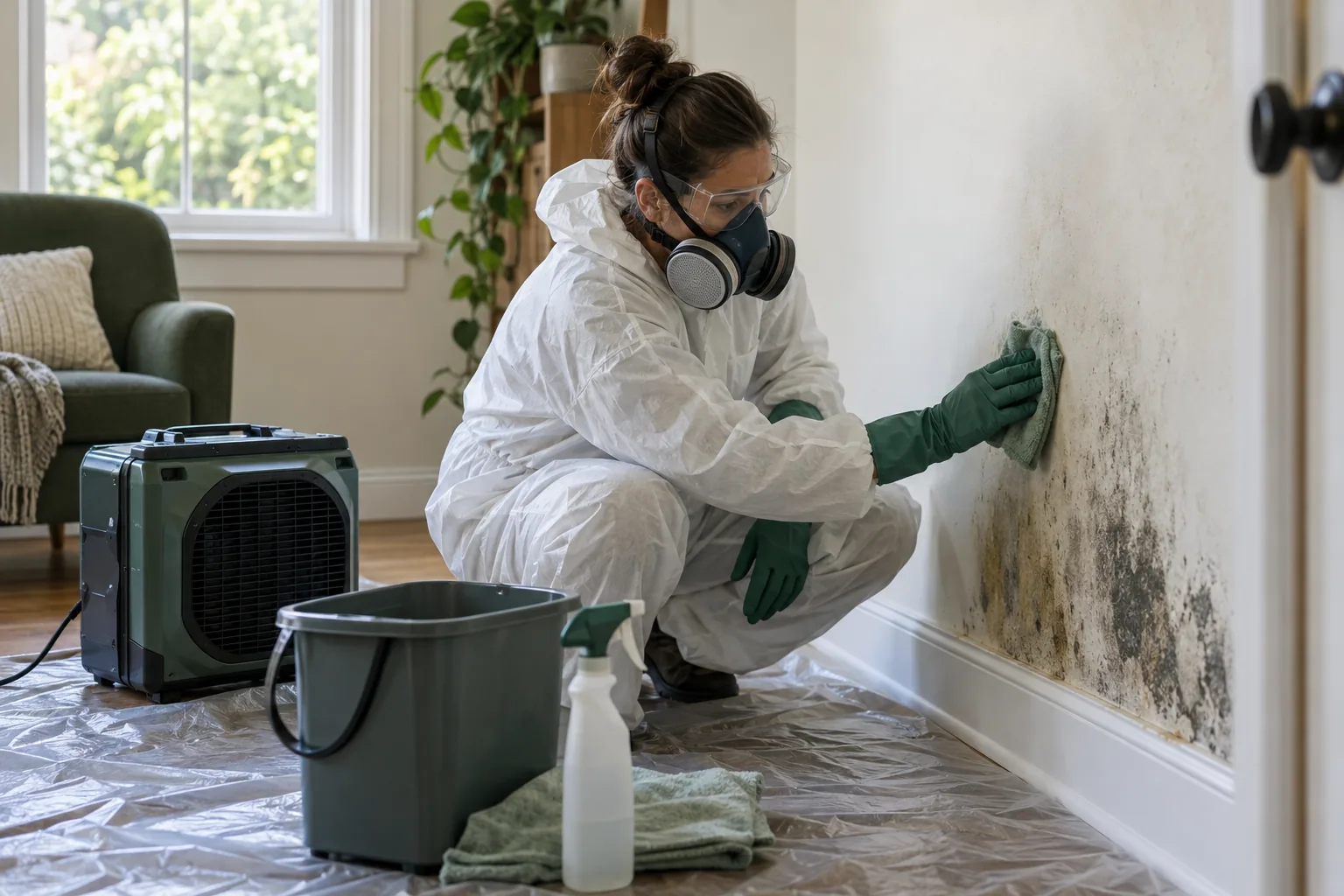
If more of a marked wall becomes visible after the enquiry, the proposed treatment may need another discussion before attendance. For your Mount Waverley request, explain what changed and whether the extra finish is safely accessible. Remediation planning should not quietly expand an earlier quote or imply that newly exposed areas were included simply because they lie in the same room.
Newly exposed areas are disclosed.
The agreed scope remains accurate.
Preparation follows the updated request.
TREATMENT & FOLLOW-THROUGH
UNDERSTANDING THE AFFECTED ROOM
A changed view can change the requested work
A changed treatment request still needs assessment and filtration alongside appropriate application and physical removal on the finishes accepted into scope. Identify the original request and any additional surface now visible. A preparation change can make information available without automatically establishing treatment suitability, inclusion or price for the added area.
The remediation information outlines supported work. Furniture and textiles stay excluded, while concealed layers, repairs and decorating remain separate. Tell the contact about changed access before assuming the technician will extend the job to every newly revealed mark on arrival.
MOISTURE & CONTAMINATION
New access is not a new moisture diagnosis
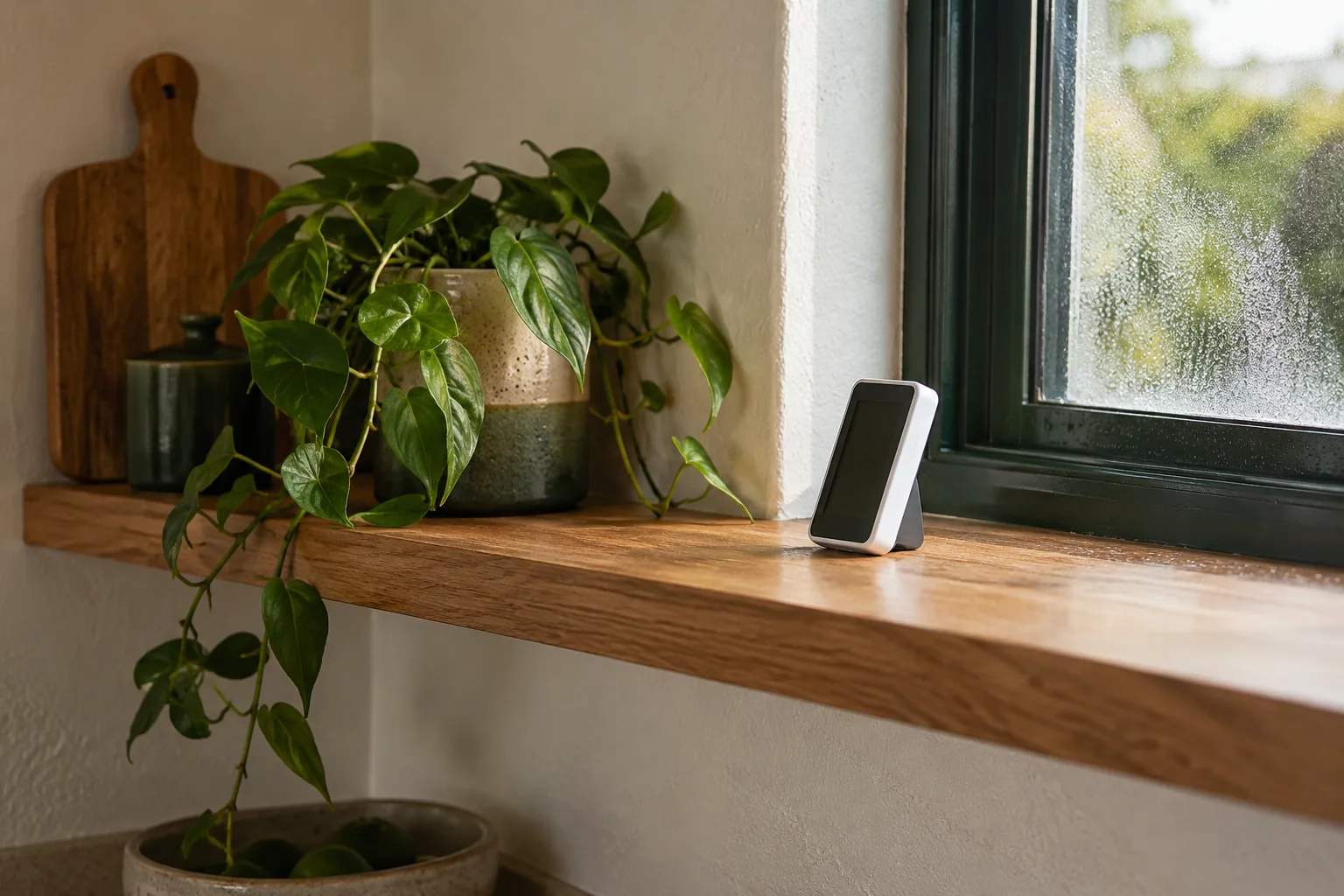
Describe current water or condensation separately from the fact that an obstruction was removed. Professional hygrometer information concerns room-air relative humidity, not moisture inside newly exposed plaster or certification that a hidden remainder is dry.
Correct confirmed sources or ventilation faults through separate arrangements. Dampness may allow recurrence after visible work. Discuss accessible-condition inspection when the additional finish needs consideration, without promising material probes or concealed-layer testing as part of an automatic quote extension.
A DEFINED TREATMENT SEQUENCE
Confirm supported work before extending the boundary
1
Agree the accessible scope
Assess the currently requested exposed finishes and changed access, agreeing suitable checks and the accepted treatment boundary.
2
Begin air protection
Begin confirmed HEPA air-scrubber protection before application, with preparation matched to the scope actually agreed for attendance.

3
Choose the treatment application
Use suitable HOCl treatment, considering ULV dry fog where appropriate rather than assuming every added material receives the same method.
4
Remove visible growth
Remove visible mould with professional H-class filtered equipment within the agreed accessible surfaces, excluding unaccepted additions and textile items.
5
Continue final air cleaning
Continue HEPA air cleaning during and after work, discussing remaining marks, source follow-through and the particular return arrangements.
Locate added surfaces accurately
Walls
Added wall sections need their exposed material and boundary identified, not silently merged with the original patch.
Ceilings
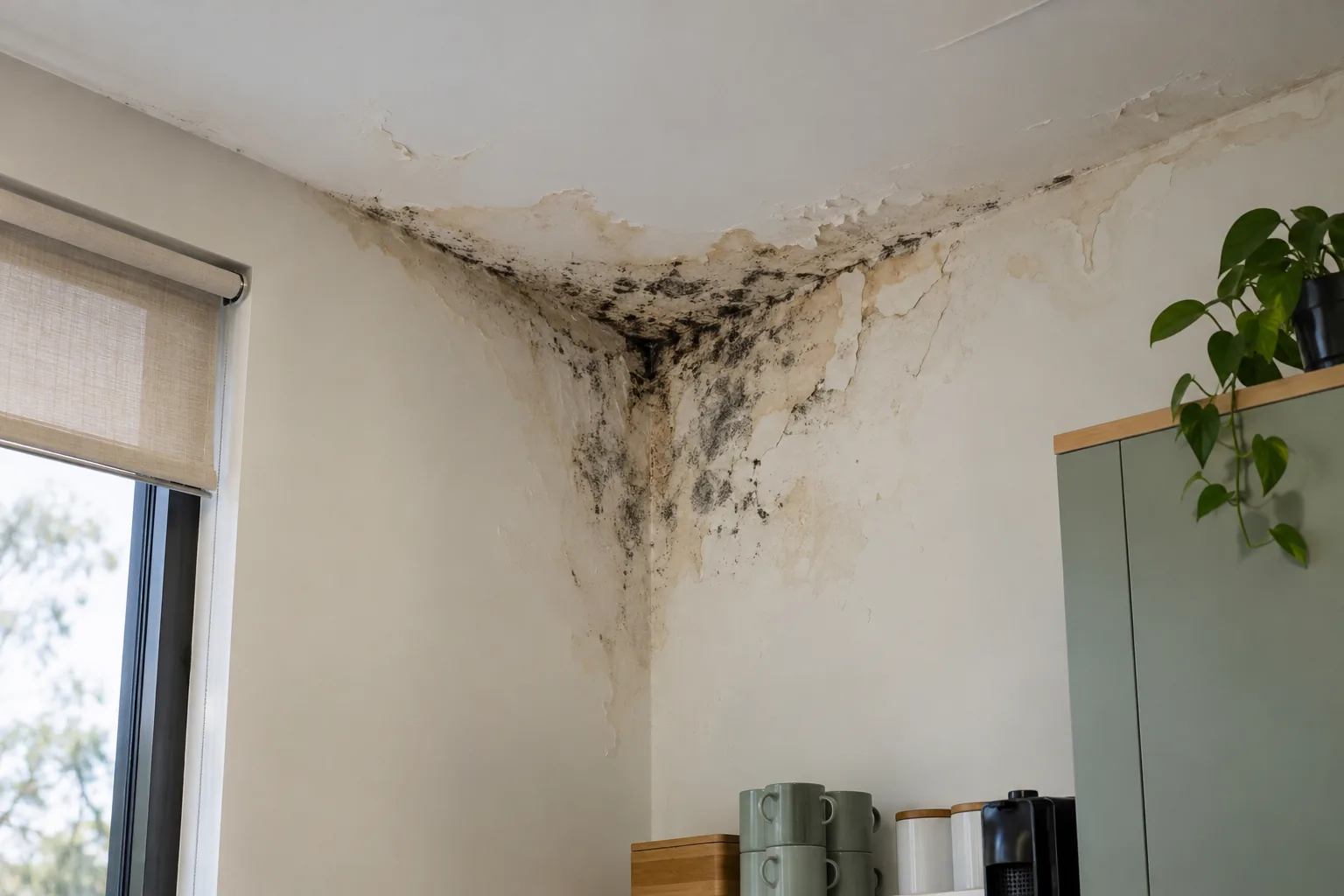
Ceiling concerns require safe access and separate agreement even when preparation reveals them in the same room.
Bathrooms
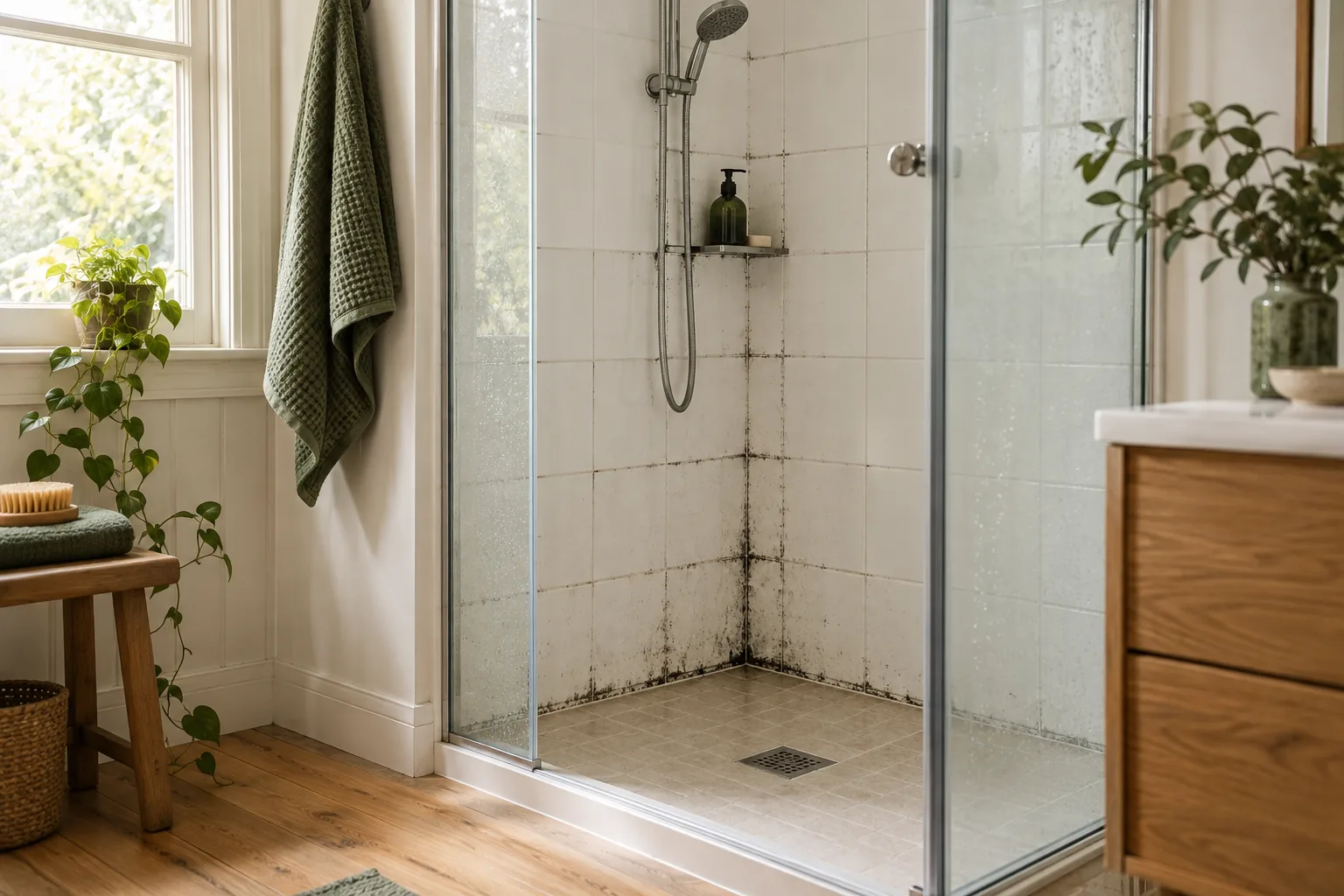
Bathroom joints, tiles and paint remain different finishes when new areas are added to the request.
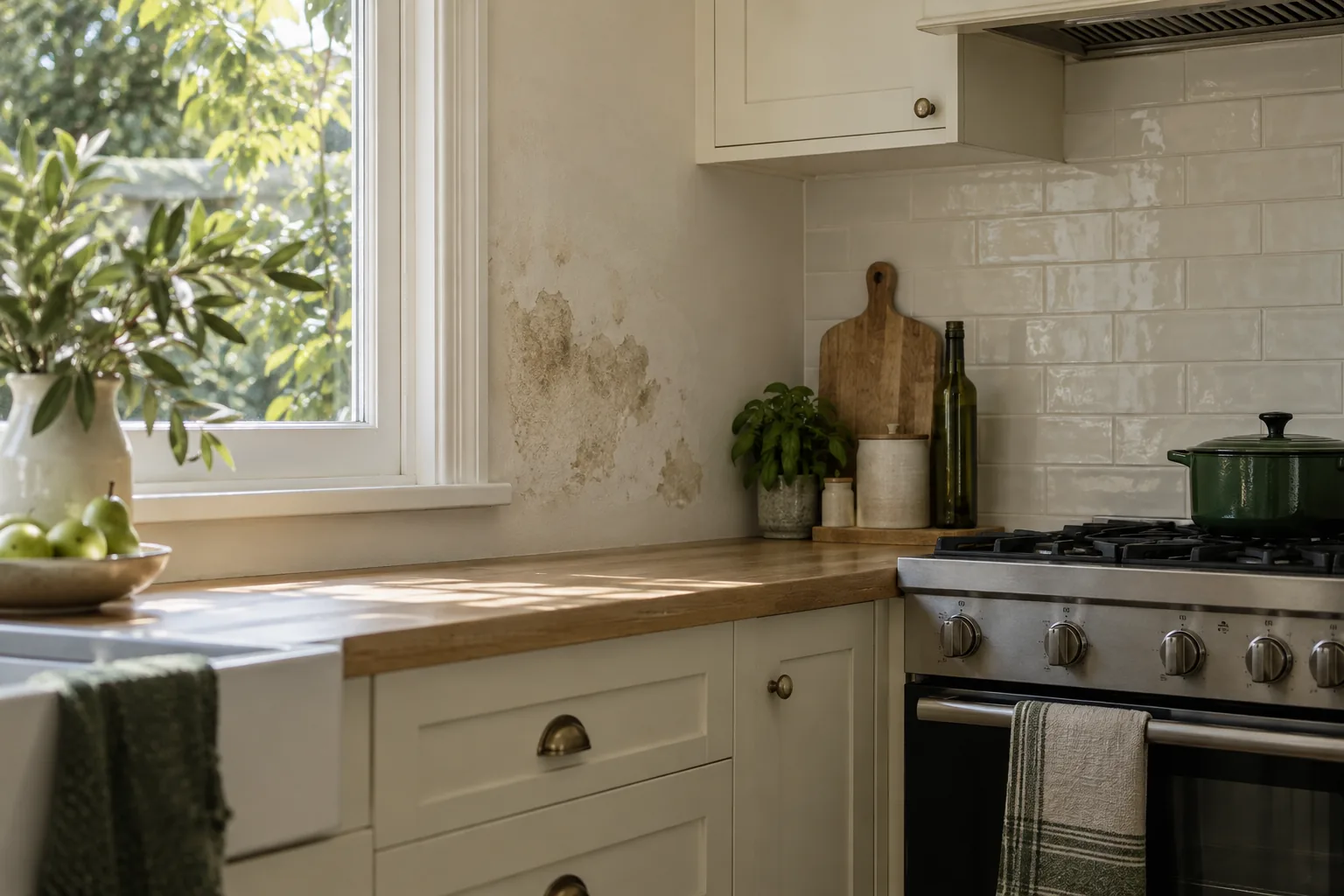
Kitchens
Kitchen surface additions should distinguish exposed building materials from contents or fitting spaces.
Accessible affected surfaces
Other affected accessible hard floors, walls or ceilings may be agreed, while hidden layers and textile materials remain excluded.
AFTER TREATMENT
Update preparation rather than rely on the old plan
Notify the service contact about significant preparation or scope changes before attendance where possible. Follow the current instructions for movable belongings; people and pets leave during treatment. About three hours per room is average guidance, affected by area, contamination and accessibility rather than a fixed schedule despite added work.
Cosmetic stains can remain and repairs or decorating require separate scope. Obtain specific return advice from the technician for the accepted job. A new quote discussion does not promise laboratory clearance, hidden-material investigation or guaranteed treatment of every area visible after belongings are moved.
KEEP MOISTURE IN VIEW
Keep follow-up clear about included areas
Keep the final agreed area clear in follow-up records.
Identify fresh water or growth on the particular finish.
Complete separately required source corrections.
Describe later newly exposed concerns separately from the surfaces actually included.
Clarify changes to the proposed quote
Explain the extra visible area and current clearance before relying on an earlier amount. The published examples concern Mould Removal, so remediation applicability and changed inclusions need confirmation. Do not assume added surfaces, decorating or repairs are covered without reviewing the proposed task; no automatic surcharge or discount is invented here.
MOUNT WAVERLEY · EXACT ADDRESS & ACCESS
Enquiries for nearby addresses
Give the complete Mount Waverley address and identify the room whose access changed. Explain the original and additional areas consistently to the entry contact. Nearby links navigate different premises, while this updated request needs its own agreed boundary, preparation and appointment arrangements.
Questions about remediation
Is a newly revealed patch automatically included in the quote?
No. Explain the added area and ask to confirm scope and applicability before assuming it forms part of the accepted treatment.
Should a changed obstruction be reported before attendance?
Yes. Describe the new clearance and exposed finish so the planned work can be reviewed against current access.
Does extra exposed area guarantee the same method?
No. Different materials or conditions may need their own suitability decision, even when they are in the same room.
Can average room duration stay fixed when scope changes?
No fixed duration is confirmed. Actual timing depends on the accepted area, contamination and access rather than a universal room slot.
Does moving contents bring them into treatment?
No. Preparation does not override exclusions for furniture and textiles or establish cleaning of every item moved.
How should the final scope be used in follow-up?
Locate observations against the surfaces actually agreed and treated. Identify a later newly exposed concern separately instead of extending the earlier result by assumption.
Discuss changes before treatment begins
Call 03 8652 1296 with the current exposed areas and changed preparation. Confirm the treatment boundary and quote before relying on the original enquiry.