
SURFACE TREATMENT · MOISTURE FOLLOW-THROUGH
Mould Remediation Chadstone
Two marked corners in a room do not automatically share the same finish, access or water history. At your Chadstone address, locate each concern and describe what is visible at that particular position. Remediation planning should define the areas requested rather than turn similar-looking marks into a single diagnosis or assume that every connecting surface needs the same application.
Each visible area is located.
Different access limits are acknowledged.
The requested treatment scope is clear.
TREATMENT & FOLLOW-THROUGH
UNDERSTANDING THE AFFECTED ROOM
A pair of marks needs two accurate descriptions
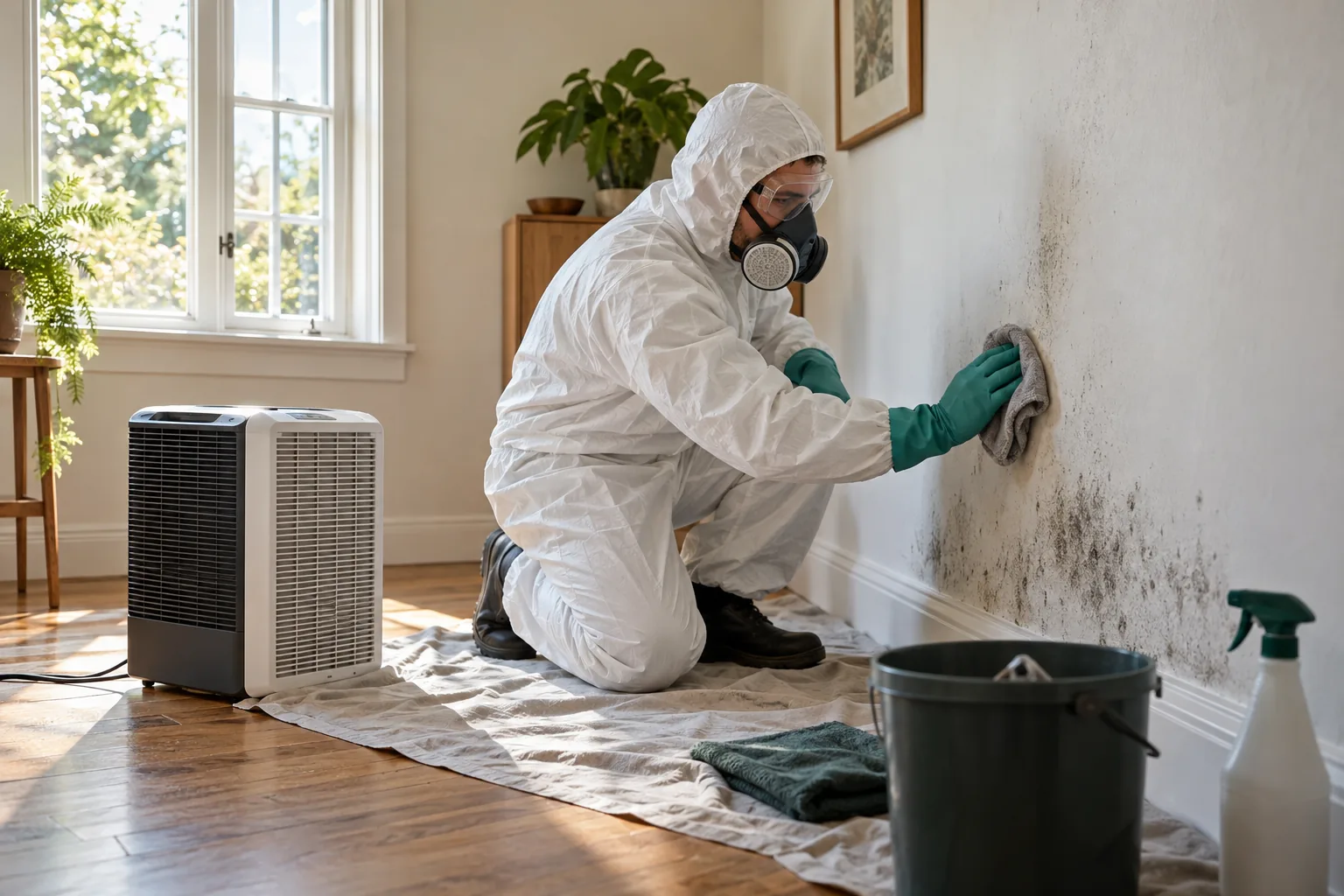
For two exposed corners, remediation needs an agreed surface scope that combines assessment and filtration with suitable treatment and physical removal. Identify whether the corners involve wall paint, ceiling junctions or another exposed material. Describe fixed obstructions separately so one clear corner does not create an assumption that the other is equally accessible.
Our remediation overview outlines supported work, not a whole-room restoration guarantee. Furniture and textiles are excluded, while concealed layers and repairs need separate agreement. A request at two positions should specify whether any additional surface between them is included.
MOISTURE & CONTAMINATION
Keep each corner’s water observations distinct
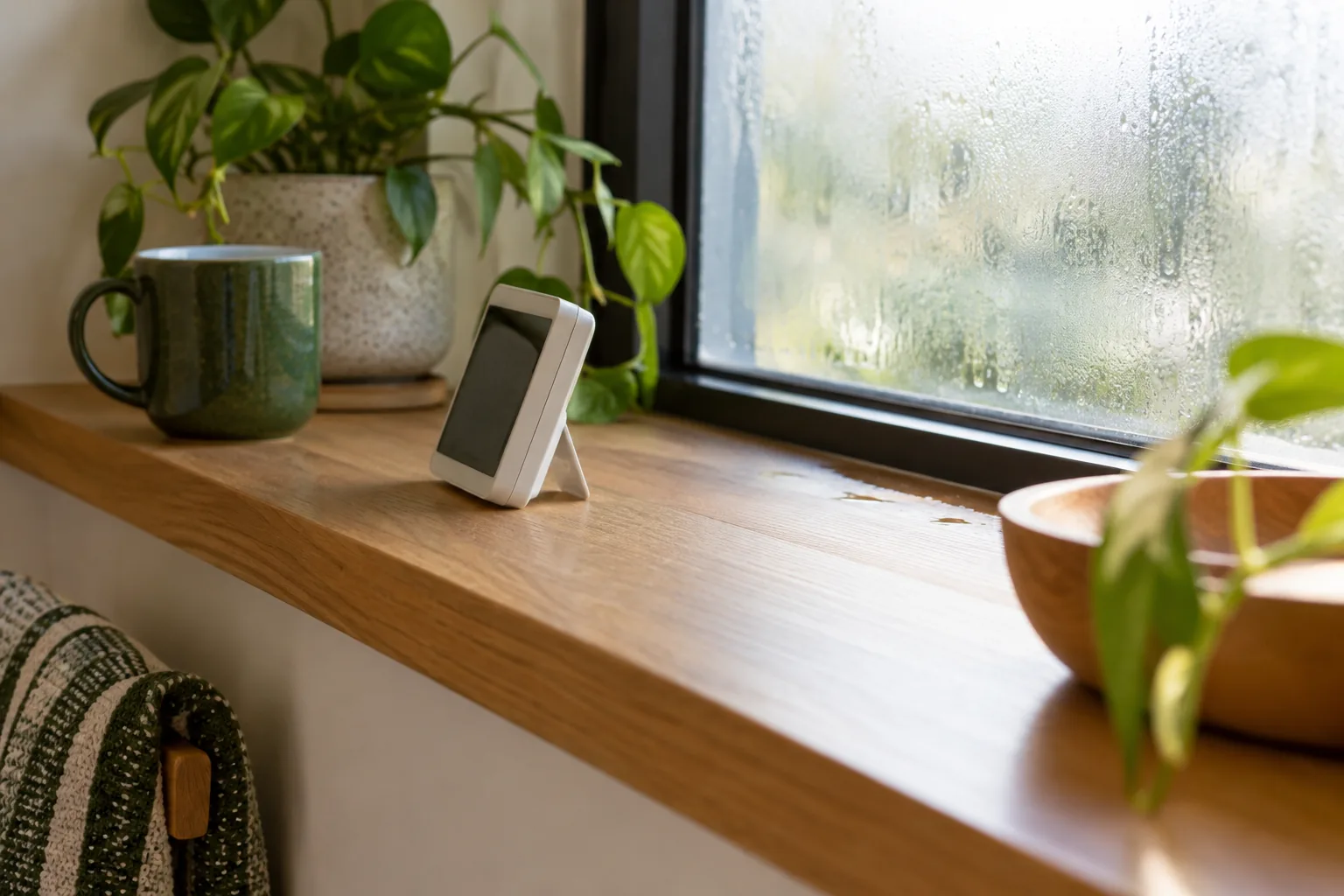
Report water or condensation at the location where it was actually observed, without using matching colour to establish one hidden source. The professional hygrometer gives room-air humidity context. It does not determine material moisture at either corner or certify the concealed space connecting them as dry.
Arrange correction of known leaks or ventilation faults separately. Damp conditions may support recurrence after visible treatment. Discuss inspection of accessible condition if the particular surface boundaries need clarification, without promising material probes or a laboratory diagnosis tying the two marks together.
A DEFINED TREATMENT SEQUENCE
Supported treatment within agreed areas
1
Agree the accessible scope
Assess the requested exposed areas and their different access conditions, agreeing suitable checks and precise finish boundaries.
2
Begin air protection
Set up confirmed HEPA air-scrubber protection before application, preparing working clearance for the accepted positions.

3
Choose the treatment application
Apply HOCl appropriately to suitable agreed materials; consider ULV dry fog where appropriate rather than promise identical methods everywhere.
4
Remove visible growth
Physically remove visible mould with professional H-class filtered equipment within the included areas, excluding concealed connections and textile contents.
5
Continue final air cleaning
Continue HEPA air cleaning during and after treatment, explaining residual marks, source follow-through and specific instructions for return.
Identify materials at the actual locations
Walls
Wall corners should identify the exposed face and any furniture obstruction separately at each location.
Ceilings
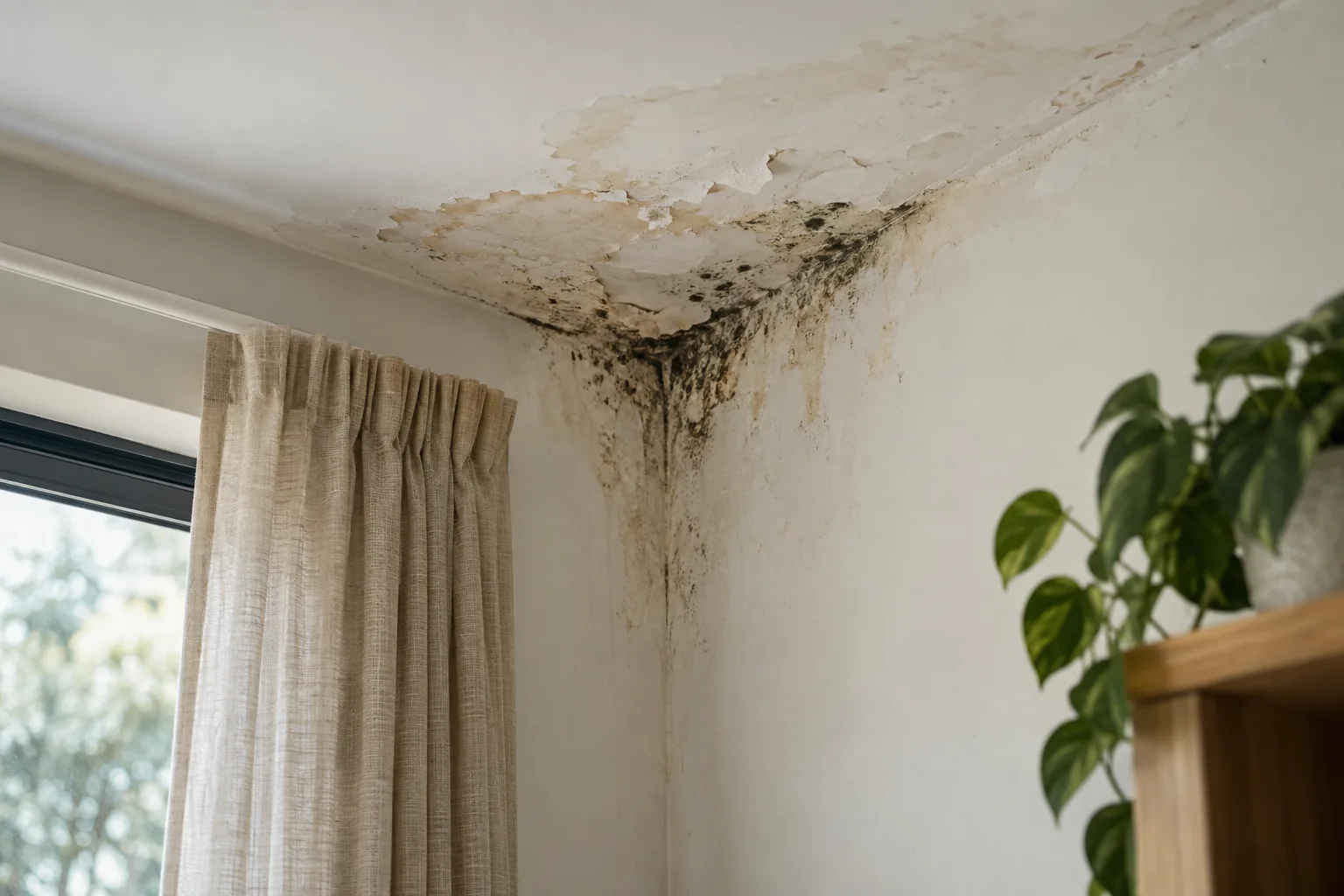
Ceiling junctions require safe access and disclosure of damaged paint rather than an assumption from a reachable wall.
Bathrooms
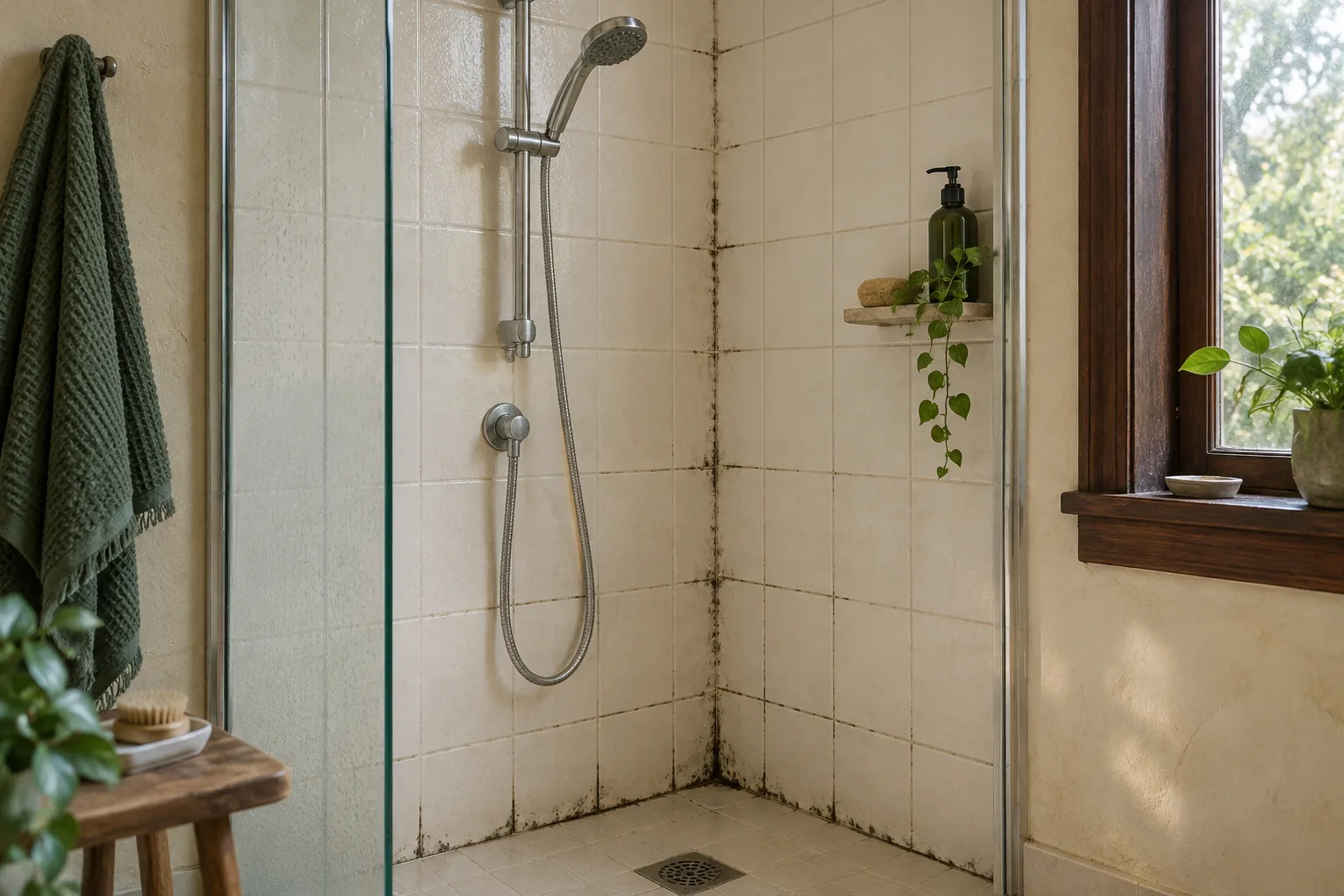
Bathroom joints and painted sections are distinct materials even where marks appear close together.
Kitchens
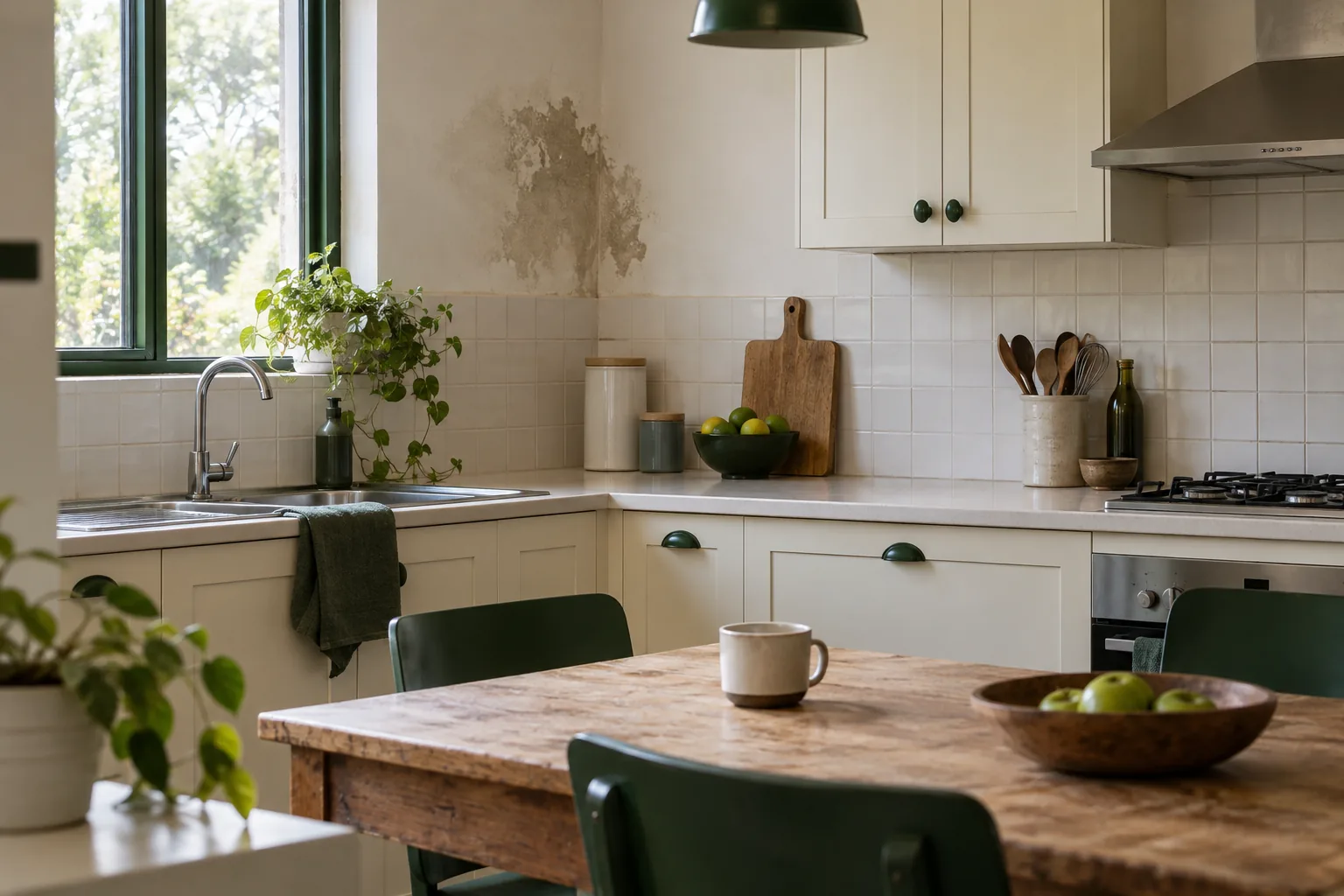
Kitchen exposed finishes need their own agreement and do not include cupboards or contents between two patches automatically.
Accessible affected surfaces
Other affected visible walls, ceilings or hard floors may be agreed, excluding hidden layers and household textiles.
AFTER TREATMENT
Prepare both requested areas realistically
Explain which areas can be cleared and who can make the room available before attendance. People and pets leave during treatment. Average source guidance is about three hours per room, with actual timing dependent on size, contamination and access; two patches do not establish a fixed half-room or double-duration rule.
Cosmetic staining may differ between finishes and can remain after visible work. Discuss decorating or repair separately and obtain particular return advice from the technician. No hidden-connection assessment, laboratory clearance or guarantee of uniform appearance is promised for all surfaces between the requested areas.
KEEP MOISTURE IN VIEW
Record later changes at their own positions
Label each later observation by its actual corner or finish.
Record fresh water and growth separately rather than merge different positions.
Follow through on relevant source or ventilation repairs.
Distinguish a previously blocked area from the surfaces actually treated.
Quote for the areas actually included
Identify both requested areas, their materials and any different access limitations when discussing the quote. The price examples describe Mould Removal; confirm the figures applicable to remediation. Do not assume an amount covers every joining wall, concealed layer or decorative repair simply because two concerns occur in one room.
CHADSTONE · EXACT ADDRESS & ACCESS
Enquiries for nearby addresses
Provide the complete Chadstone address and identify the room and positions shown in the request. Help the entry contact distinguish each area and its clearance needs. Nearby pages relate to other properties; the treatment boundary and attendance for this particular room require direct agreement.
Questions about remediation
Do similar marks establish the same cause?
No single cause is proved by appearance alone. Locate actual water observations and separately confirmed repair information for each position.
Does treating both corners include the wall between them?
Not automatically. Identify any additional requested surface and agree its scope before describing continuous whole-wall coverage.
Can one corner’s clear access represent the other?
No. Explain each obstruction and available finish separately so a reachable area does not conceal limits elsewhere.
Will both finishes receive an identical method?
That is not guaranteed. Material and condition matter, so discuss suitability for each exposed surface.
Can humidity certify a hidden connection between the marks is dry?
No. Room-air relative humidity is not a material finding inside the connected wall or ceiling assembly.
How should I report a change at only one position?
Name that position and describe new water or growth with its timing. Do not represent the other corner as changed when it has no fresh observation.
Discuss the corners and their exposed finishes
Phone 03 8652 1296 with both surface locations, materials and access limits. Clarify which areas are included before accepting the treatment scope.