
SURFACE TREATMENT · MOISTURE FOLLOW-THROUGH
Mould Remediation Vermont
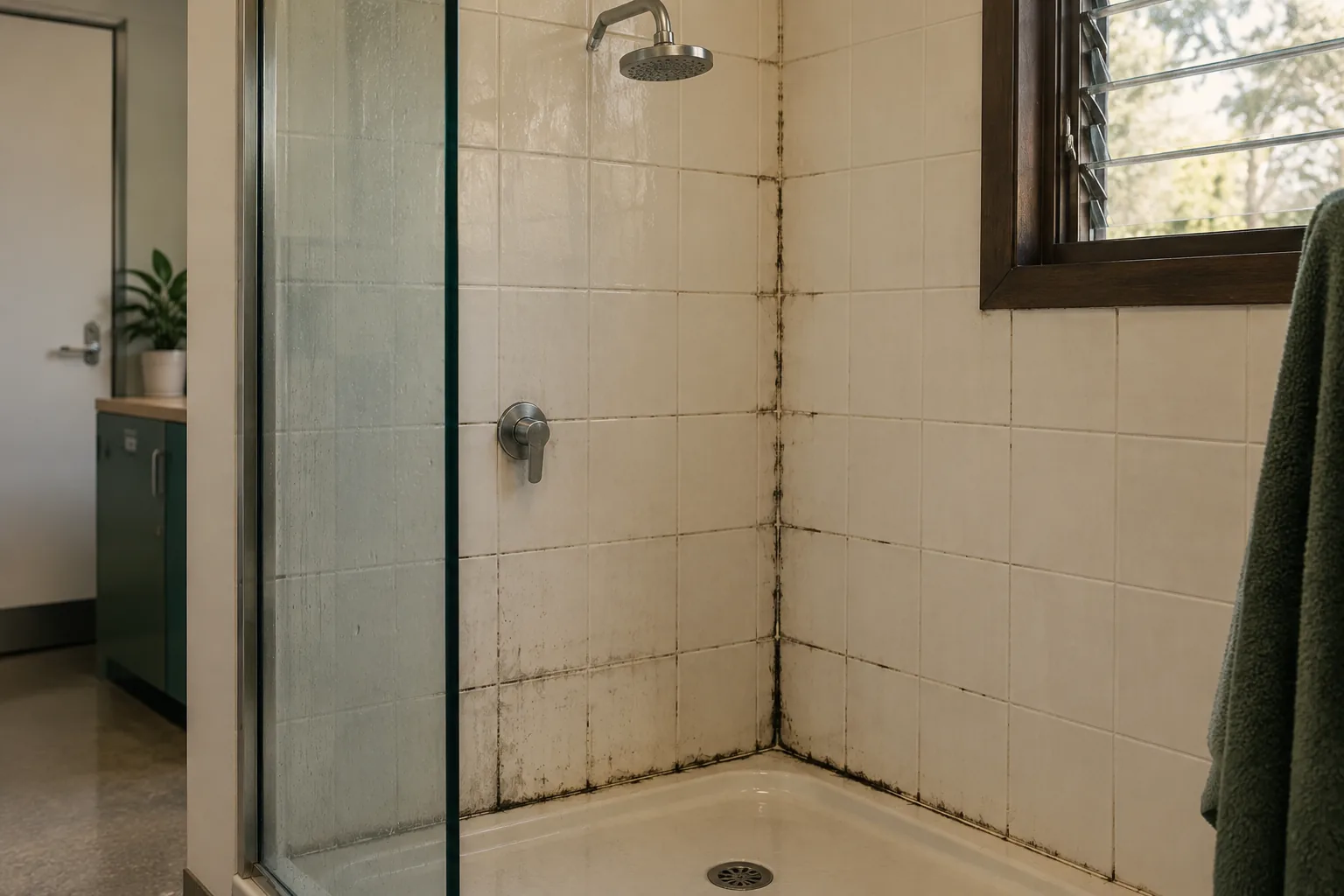
Mould on a painted window reveal should be described separately from water on the glass or a fault in the frame. For your Vermont enquiry, locate the visible mark and explain the observations you actually have. Remediation can address suitable agreed accessible finishes without promising glazing repair, concealed frame treatment or a diagnosis based solely on the position of the patch.
Reveal and glazing concerns are separated.
The exposed finish is defined.
Repair responsibilities remain clear.
TREATMENT & FOLLOW-THROUGH
UNDERSTANDING THE AFFECTED ROOM
Treat the exposed reveal without inventing frame work
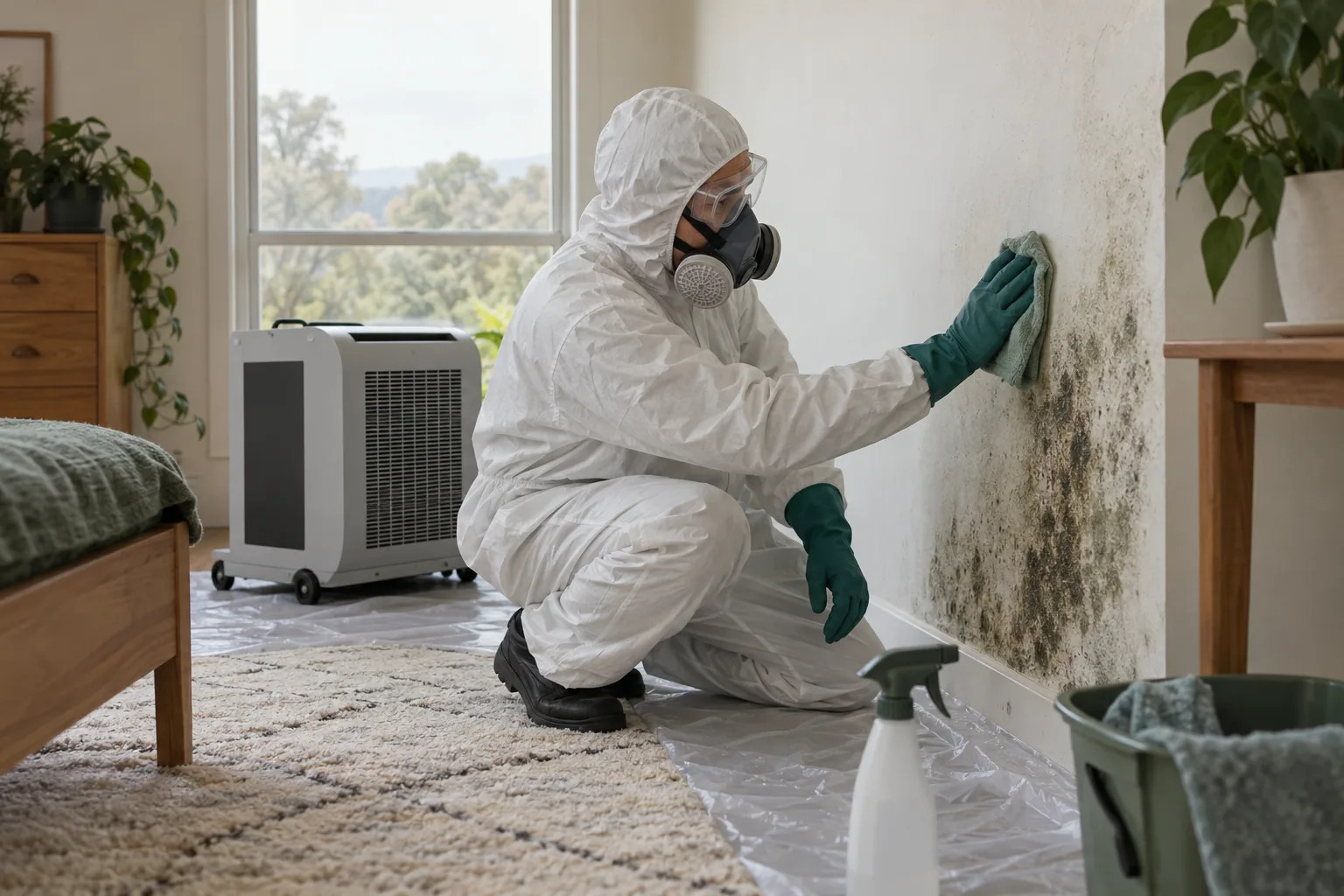
Remediation combines assessment, filtration, suitable application and physical removal of visible contamination. Identify whether the mark sits on exposed plaster, painted trim or another material and explain any fragile finish. A general description of window mould can conceal important differences in access and treatment suitability.
The remediation overview outlines supported work, not a window-renewal package. Glazing, seals, frame repair and decorating need separate arrangements. Furniture and textiles remain excluded, even where curtains or nearby upholstery are also part of the household concern.
MOISTURE & CONTAMINATION
Locate observed water before assuming its source
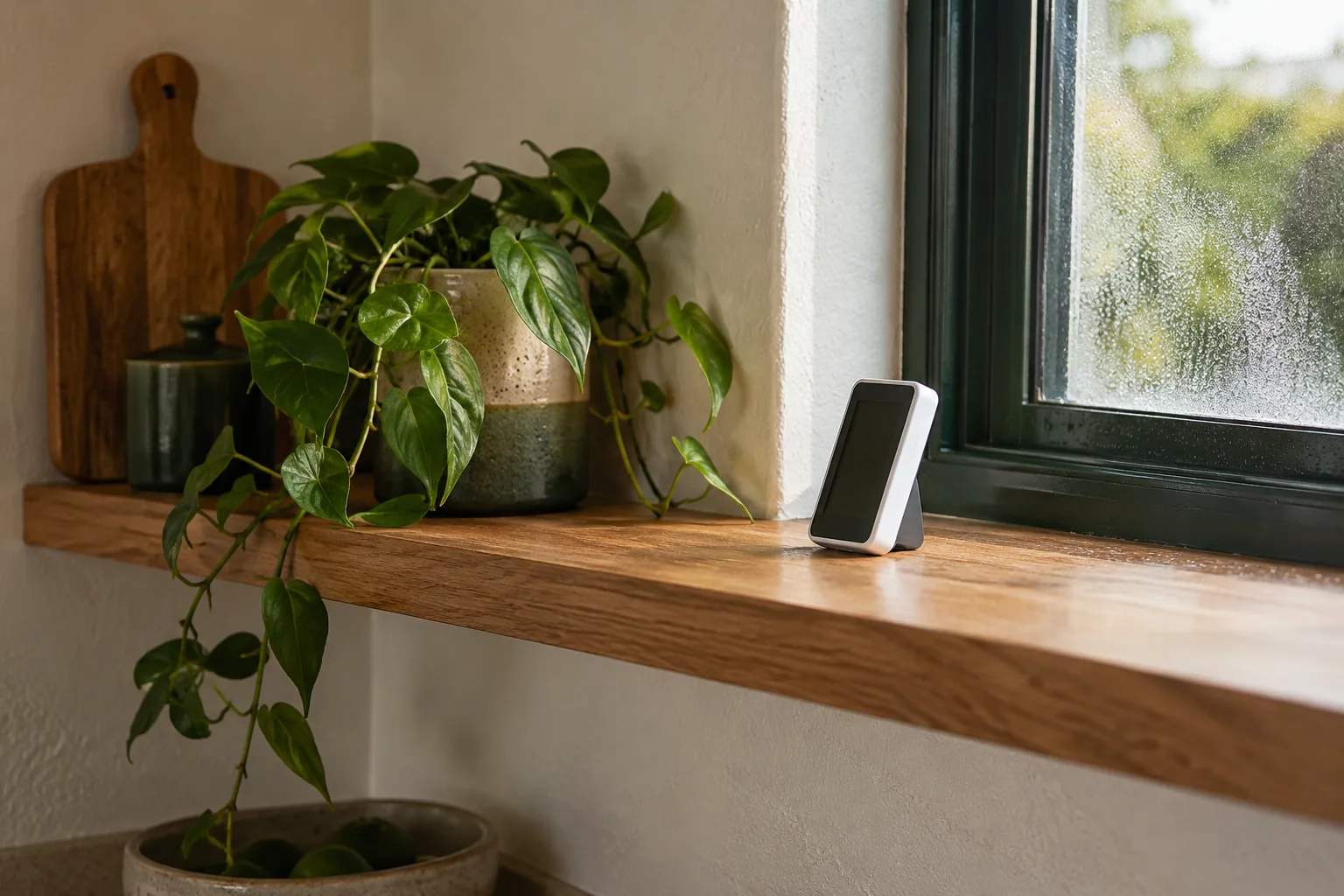
Report water on the glass, frame or reveal as distinct observations, noting when it appeared. A professional hygrometer informs room-air relative humidity. It does not identify a leak through the window assembly, measure material moisture inside trim or certify the hidden reveal as dry.
Arrange correction of a confirmed water-entry or ventilation problem separately. Continuing dampness may contribute to recurrence after visible treatment. Discuss accessible-condition inspection where the surface boundary needs clarification, without assuming laboratory testing or opening the window structure is included.
A DEFINED TREATMENT SEQUENCE
An appropriate sequence for the agreed finish
1
Agree the accessible scope
Assess the exposed reveal finish and access around the window, agreeing suitable checks and any damaged or covered section limits.
2
Begin air protection
Begin confirmed HEPA air-scrubber protection before treatment application, within the room prepared for the visible work.

3
Choose the treatment application
Use HOCl appropriately on suitable agreed materials; include ULV dry fog only where appropriate, without concealed-frame guarantees.
4
Remove visible growth
Physically remove visible mould using professional H-class filtered equipment, keeping glazing repairs and textile treatment outside scope.
5
Continue final air cleaning
Continue HEPA air cleaning during and after treatment, explaining residual appearance and the technician’s particular return arrangements.
Different window-side surfaces need clear names
Walls
Window-side walls need the exposed reveal boundary distinguished from hidden frame components.
Ceilings
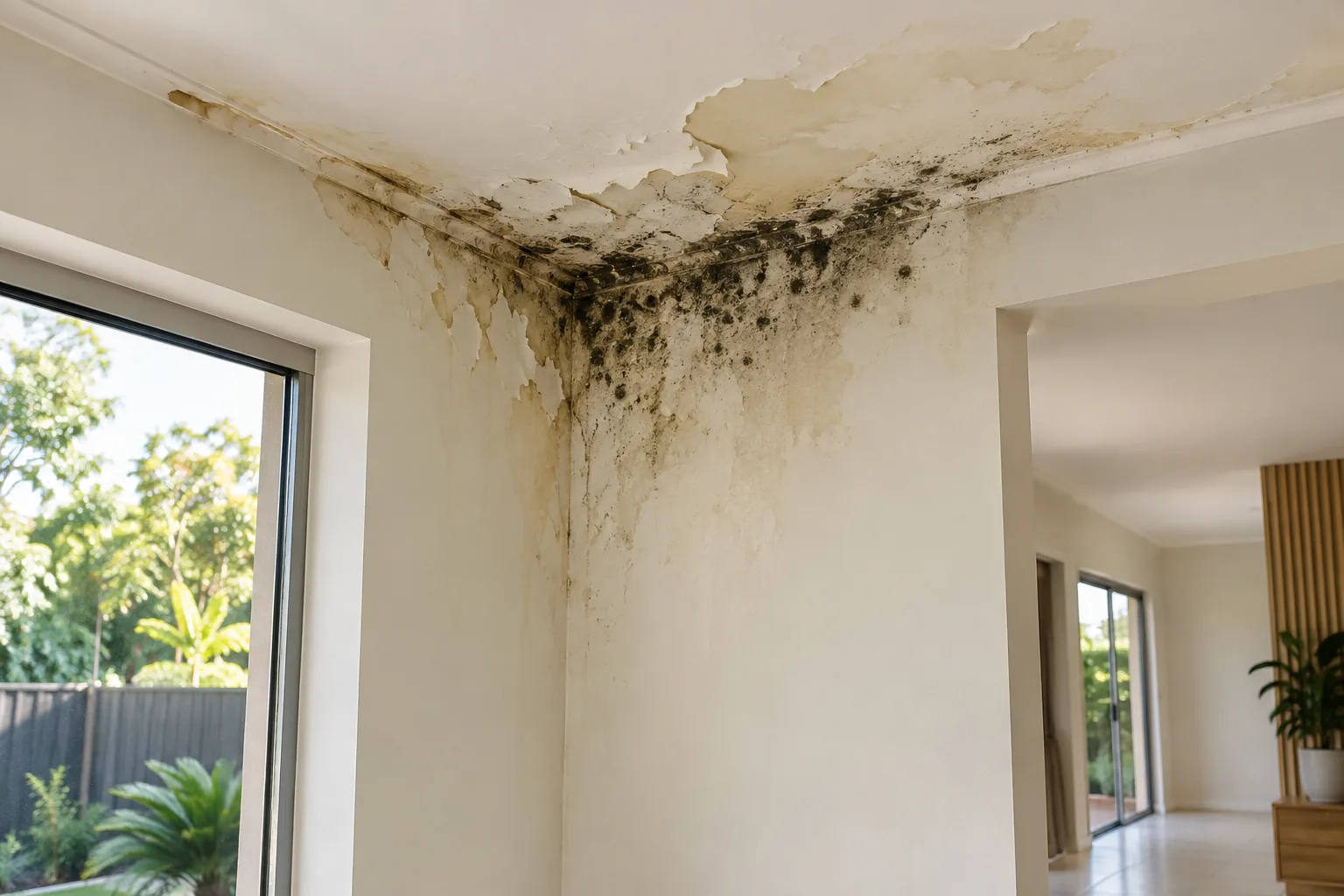
Ceiling spots above a window require separate safe access and disclosure of damaged finishes.
Bathrooms
Bathroom reveal paint and shower joints are different requests; a window concern does not renew all seals.
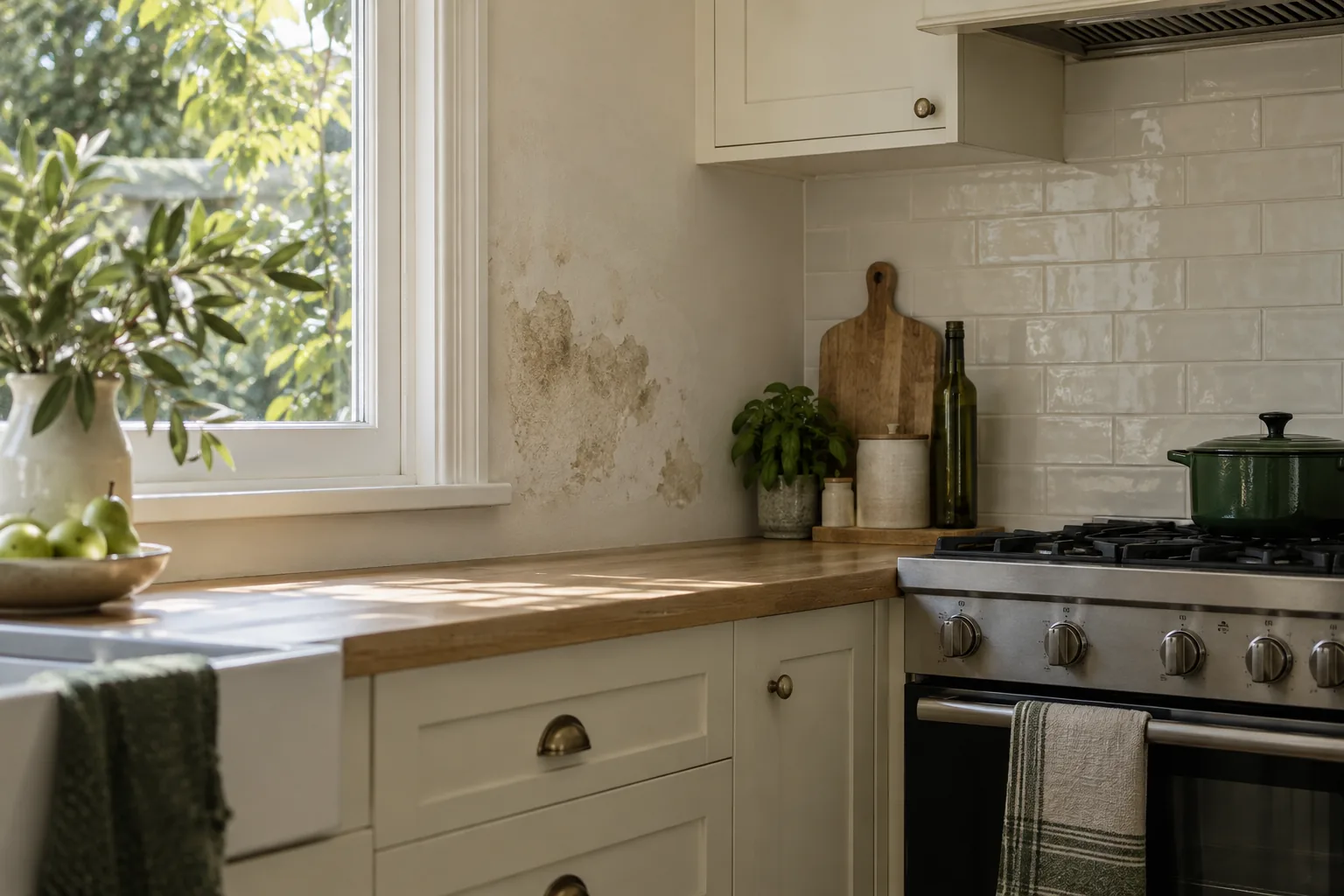
Kitchens
Kitchen window-side plaster and tile areas may need different treatment decisions, with contents prepared as instructed.
Accessible affected surfaces
Other affected accessible walls, ceilings or hard floors require agreement, while curtains, furniture and hidden layers remain excluded.
AFTER TREATMENT
Prepare without disturbing the frame
Ask what clearance is needed around the window and prepare movable belongings as directed. Do not dismantle frame parts as improvised preparation. People and pets leave during treatment. Average source guidance is about three hours per room, varying with contamination, area and access rather than a fixed window-treatment slot.
Cosmetic staining or existing paint damage can remain after visible work. Discuss separate decorating and repair needs before expecting a restored window surround. Return advice is job-specific and does not follow from glass appearance, room humidity or average duration; no glazing-condition certificate or tested air clearance is promised.
KEEP MOISTURE IN VIEW
Watch the reveal and water observations separately
Follow the visible reveal independently of repairs to glass or frame components.
Describe new water with the actual surface where it appeared.
Complete confirmed leak or ventilation corrections separately.
Record renewed growth rather than immediately covering a changed finish.
Quote for visible surface work
Identify the exposed material and accessible window-side area when discussing the quote. The published examples concern Mould Removal, so confirm their remediation applicability. Frame servicing, new glazing and curtain treatment should not be inferred from a room amount; agree the surface work and exclusions directly.
VERMONT · EXACT ADDRESS & ACCESS
Enquiries for nearby addresses
Give the complete Vermont address and identify which room and window have the marked reveal. If a repair provider is involved, explain what has actually been agreed and when room access is available. Nearby pages navigate other premises, while this window-side request needs its own treatment and attendance arrangements.
Questions about remediation
Will remediation fix a leaking window frame?
No frame repair is promised. Arrange the suspected source correction separately and explain its confirmed status when discussing visible treatment.
Does mould beside glass prove condensation caused it?
No single cause is established from location alone. Report water on glass, frame or wall separately and identify what was actually observed.
Are curtains included with the window surround?
No. Curtains and other textiles are excluded from standard remediation, even where they sit beside the exposed finish.
Should I remove trim to reveal more of the mark?
Do not do so merely as preparation. Describe the covered concern and arrange any necessary access or repair separately before assuming it is included.
Will paint damage around the reveal disappear?
That is not guaranteed. Residual staining and deteriorated paint may require separate decorating or repair after visible contamination work.
How should I report water after the job?
Specify whether it is on glass, frame or the treated reveal, with its timing. Keep that observation separate from unchanged cosmetic marks and follow up on the source.
Discuss the window-side finish
Call 03 8652 1296 with the reveal material, visible boundary and water observations. Clarify the surface quote and separate window-repair needs before attendance.