
SURFACE TREATMENT · MOISTURE FOLLOW-THROUGH
Mould Remediation Bayswater
If a room cannot be cleared as planned, the service contact needs to know before attendance is assumed to proceed unchanged. For your Bayswater enquiry, explain what remains in the way and which finish is still exposed. Remediation planning should reflect actual access, rather than promise that filtration, fog application or an earlier quote removes the need for practical preparation.
Preparation limits are reported.
The available finish is identified.
The planned scope remains accurate.
TREATMENT & FOLLOW-THROUGH
UNDERSTANDING THE AFFECTED ROOM
Actual preparation matters more than an earlier promise
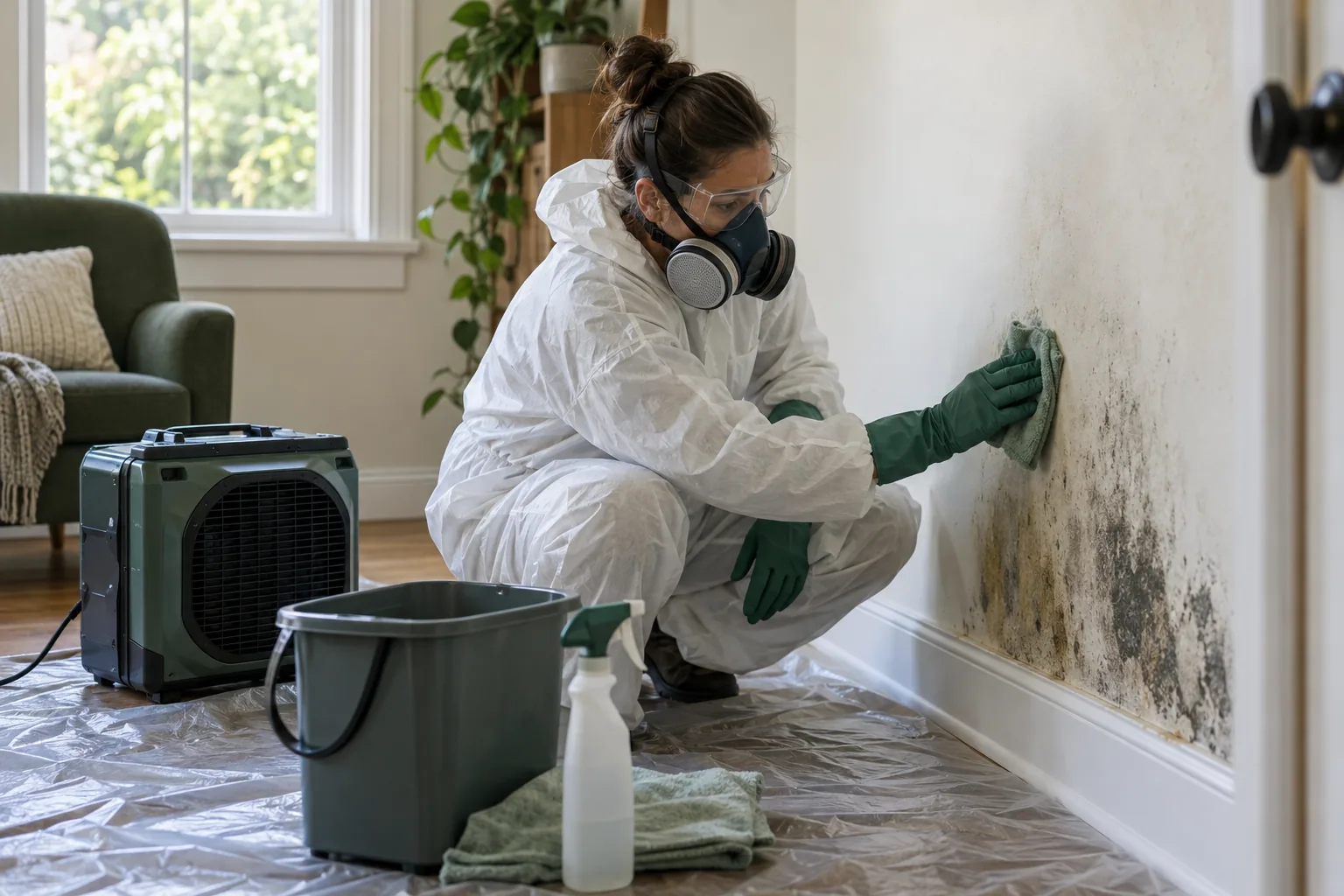
Remediation combines assessment, air filtration, suitable treatment and physical removal of visible mould within an agreed accessible boundary. Identify the requested material and describe remaining obstructions honestly. A room that was expected to be clear may need another scope discussion if the current arrangement is different.
The remediation information explains supported work, not a general room-clearing service. Furniture and textiles are excluded from treatment. Repairs, decorating and concealed materials also remain separate, regardless of the reason preparation could not be completed.
MOISTURE & CONTAMINATION
Blocked access is not a moisture measurement
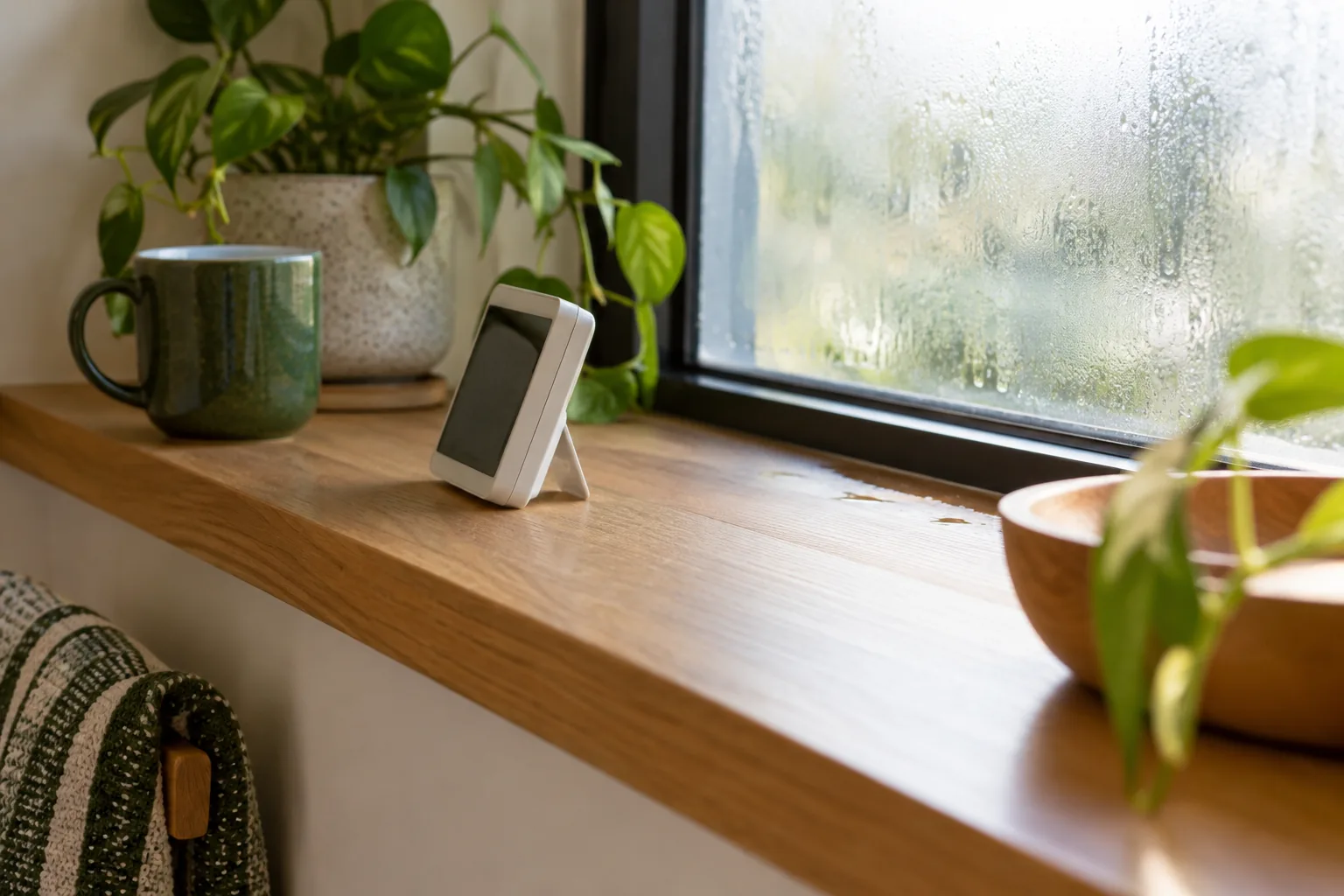
Report actual water, condensation and known repairs independently of the access problem. A professional hygrometer gives room-air relative-humidity context. It does not measure moisture behind stacked belongings, certify covered finishes or establish that an inaccessible patch needs a particular application.
Arrange known source or ventilation corrections separately, since continuing dampness may support recurrence after visible work. Discuss inspection of accessible condition if the remaining surface needs clarification, without promising hidden-layer investigation or testing beneath obstructions.
A DEFINED TREATMENT SEQUENCE
Confirm supported work against the available room
1
Agree the accessible scope
Assess the currently exposed finish and safe clearance, agreeing suitable checks, revised boundaries and any unavailable remainder.
2
Begin air protection
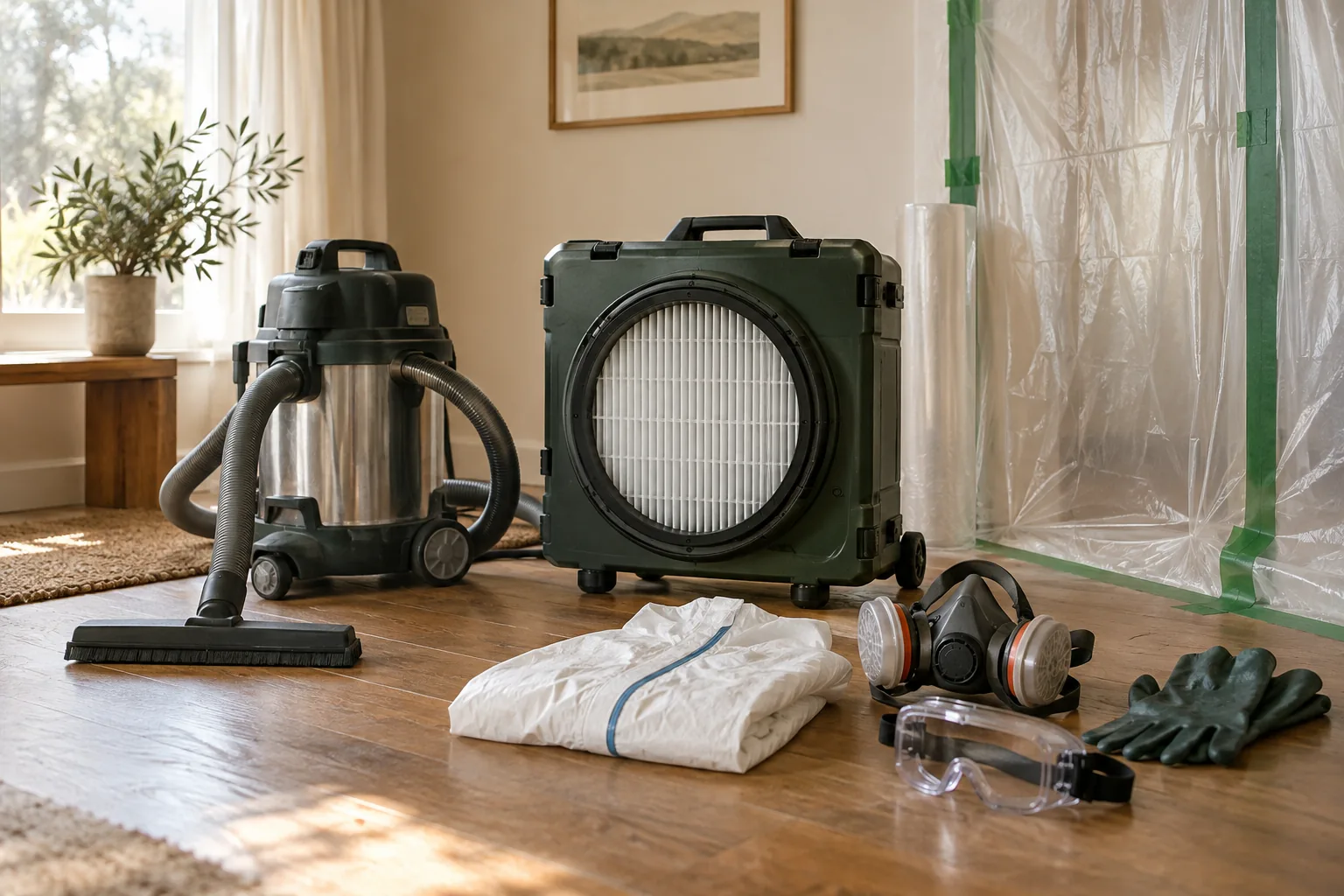
Start confirmed HEPA air-scrubber protection before application within the work area actually prepared for treatment.
3
Choose the treatment application
Use appropriate HOCl treatment, considering ULV dry fog where suitable without implying it removes every access restriction.
4
Remove visible growth
Physically remove visible mould with professional H-class filtered equipment on accepted reachable surfaces, excluding contents and concealed layers.
5
Continue final air cleaning
Continue HEPA air cleaning during and after work, explaining remaining scope limits, cosmetic marks and the particular return advice.
Locate surfaces that can really be reached
Walls
Walls behind remaining belongings need the exposed portion distinguished from what cannot be reached.
Ceilings
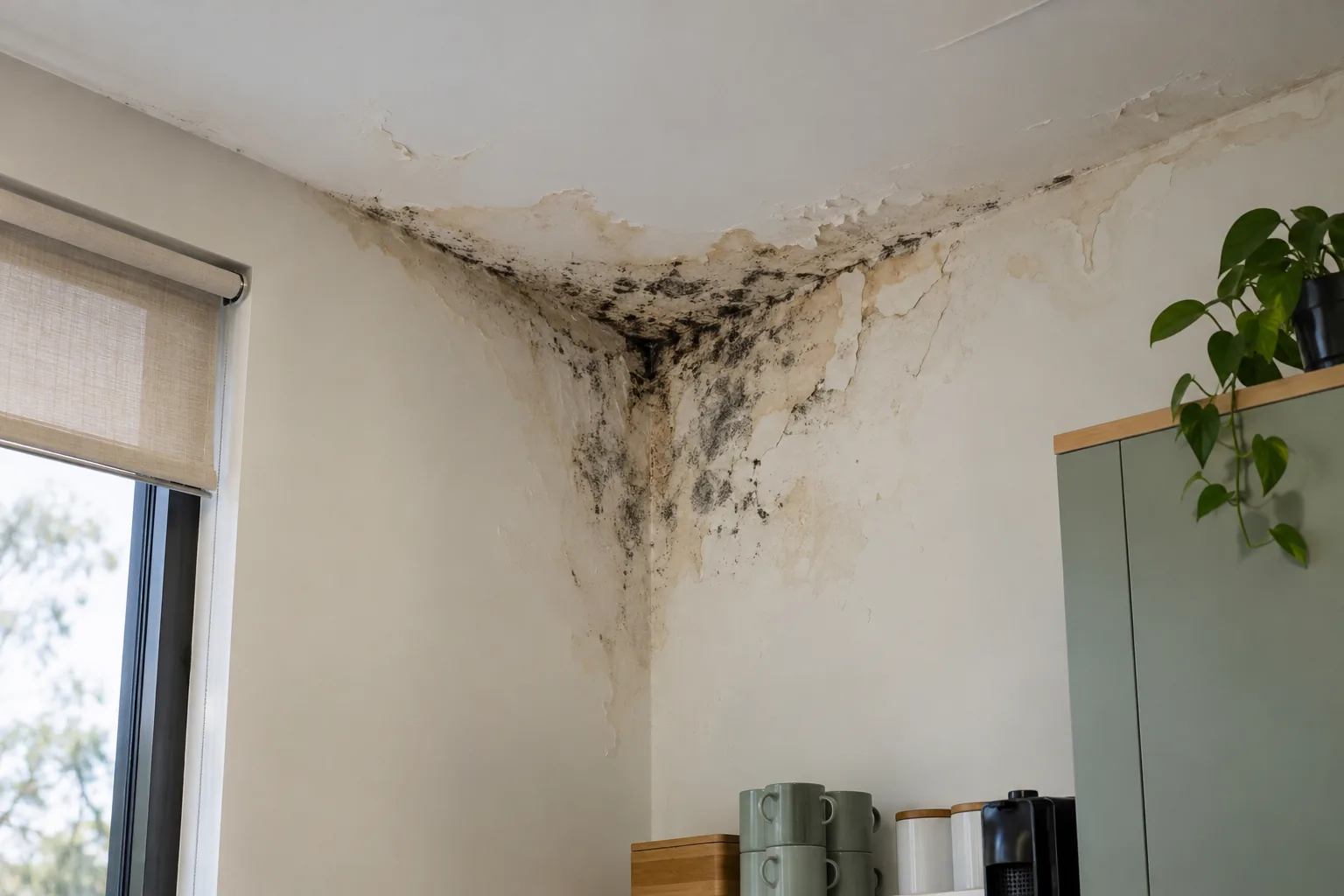
Ceilings require safe access and disclosure of high obstructions or deteriorated finishes.
Bathrooms
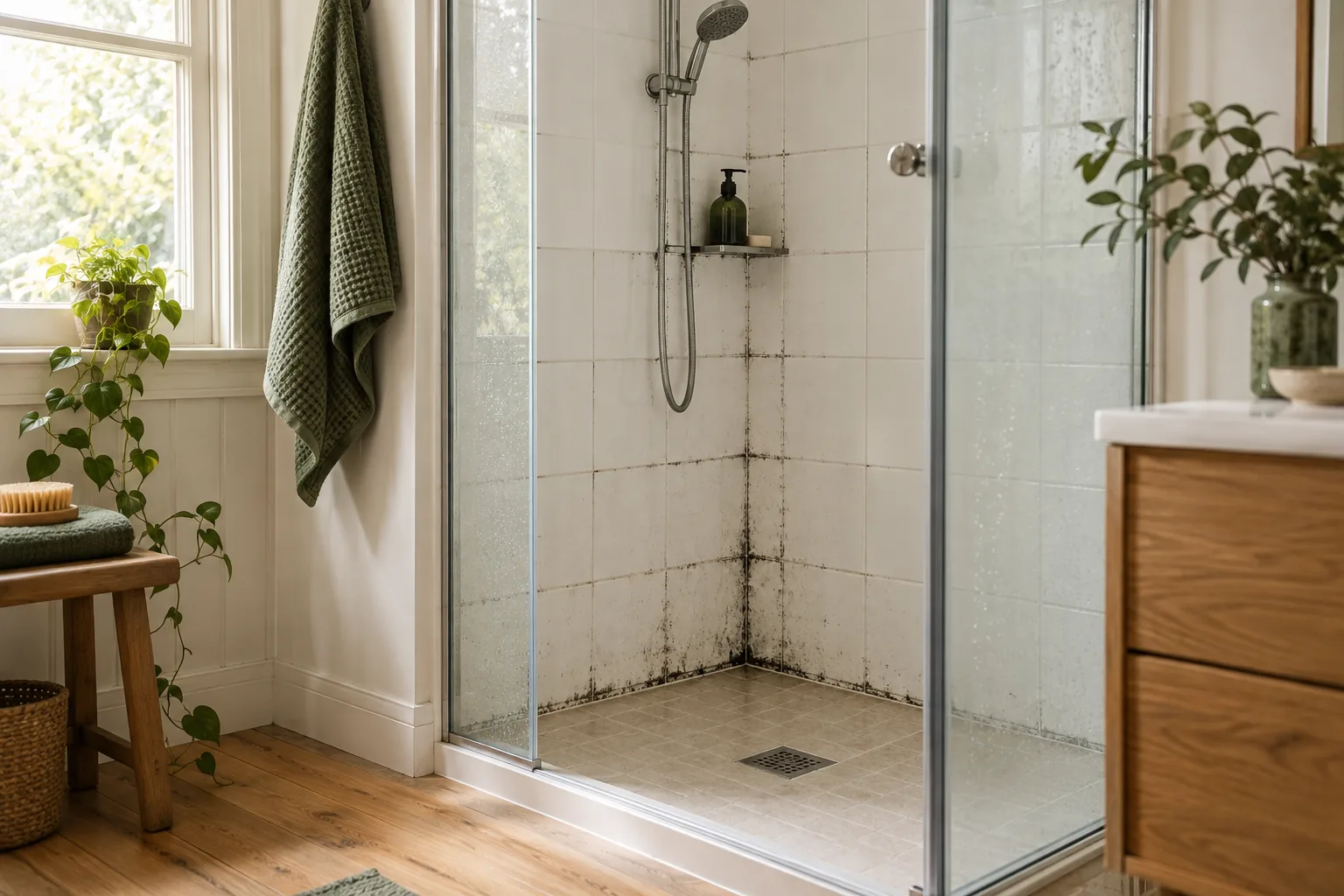
Bathroom material requests should specify available paint, tiles or joints rather than promise every fitting is cleared.

Kitchens
Kitchen treatment concerns accessible exposed surfaces, not automatic handling or cleaning of stored contents.
Accessible affected surfaces
Other affected accessible hard floors, walls or ceilings may be agreed, excluding fabrics and hidden construction materials.
AFTER TREATMENT
Discuss preparation changes before attendance
Tell the service contact promptly when clearance, entry authority or room availability differs from the plan. Discuss the actual arrangements rather than inventing an automatic cancellation or charge. People and pets leave during treatment. About three hours per room is average guidance, varying with size, contamination and accessibility rather than a fixed slot despite incomplete preparation.
Cosmetic marks may remain and separate repair or decorating can still be needed. Obtain the technician’s return instructions and keep unavailable surfaces explicit in any completion account. No laboratory clearance, hidden-layer assessment or guarantee that all blocked areas were treated follows from the accepted visible work.
KEEP MOISTURE IN VIEW
Keep unavailable areas explicit after the job
Follow-up should distinguish treated surfaces from sections left unavailable.
Record fresh growth or water with its actual location.
Pursue outstanding source or ventilation repair.
Identify a later cleared area as newly available information rather than an earlier treated result.
Clarify the quote when access differs
Explain the actual clearance and exposed area before relying on the proposed amount. The price examples are for Mould Removal; establish their applicability to the remediation scope now available. Do not assume contents clearing, blocked-surface coverage or automatic fees; discuss any changed arrangements directly with the service contact.
BAYSWATER · EXACT ADDRESS & ACCESS
Enquiries for nearby addresses
Provide the complete Bayswater address and identify the room whose preparation changed. Confirm the entry contact understands the remaining obstruction. Nearby navigation relates to other premises; this appointment needs its own practical access and accepted surface boundary rather than an assumption from the original enquiry.
Questions about remediation
Should incomplete clearance be reported before attendance?
Yes. Explain what remains blocked and what can be reached so the planned scope and arrangements can be discussed accurately.
Will the technician clear the whole room automatically?
No general clearing service is confirmed. Agree preparation responsibilities beforehand instead of assuming every obstruction will be handled on arrival.
Does fogging remove the need for surface access?
No. Conditional ULV application does not override the accessible scope or establish treatment of every blocked finish.
Are cancellation charges stated here if preparation changes?
No fee rule is invented. Discuss the actual changed arrangements and applicable terms directly rather than inferring a charge from this page.
Can a blocked patch be called treated afterwards?
No. Keep the unavailable remainder clear in the scope and follow-up, instead of presenting partial accessible work as complete coverage.
What if I clear the remainder after the job?
Raise it as a newly available surface with its own visible condition. The earlier access-limited agreement should not be extended retrospectively by assumption.
Discuss what can be made available
Phone 03 8652 1296 with the current clearance, available finishes and entry contact. Discuss preparation changes before relying on the original treatment arrangements.