
SURFACE TREATMENT · MOISTURE FOLLOW-THROUGH
Mould Remediation Heathmont
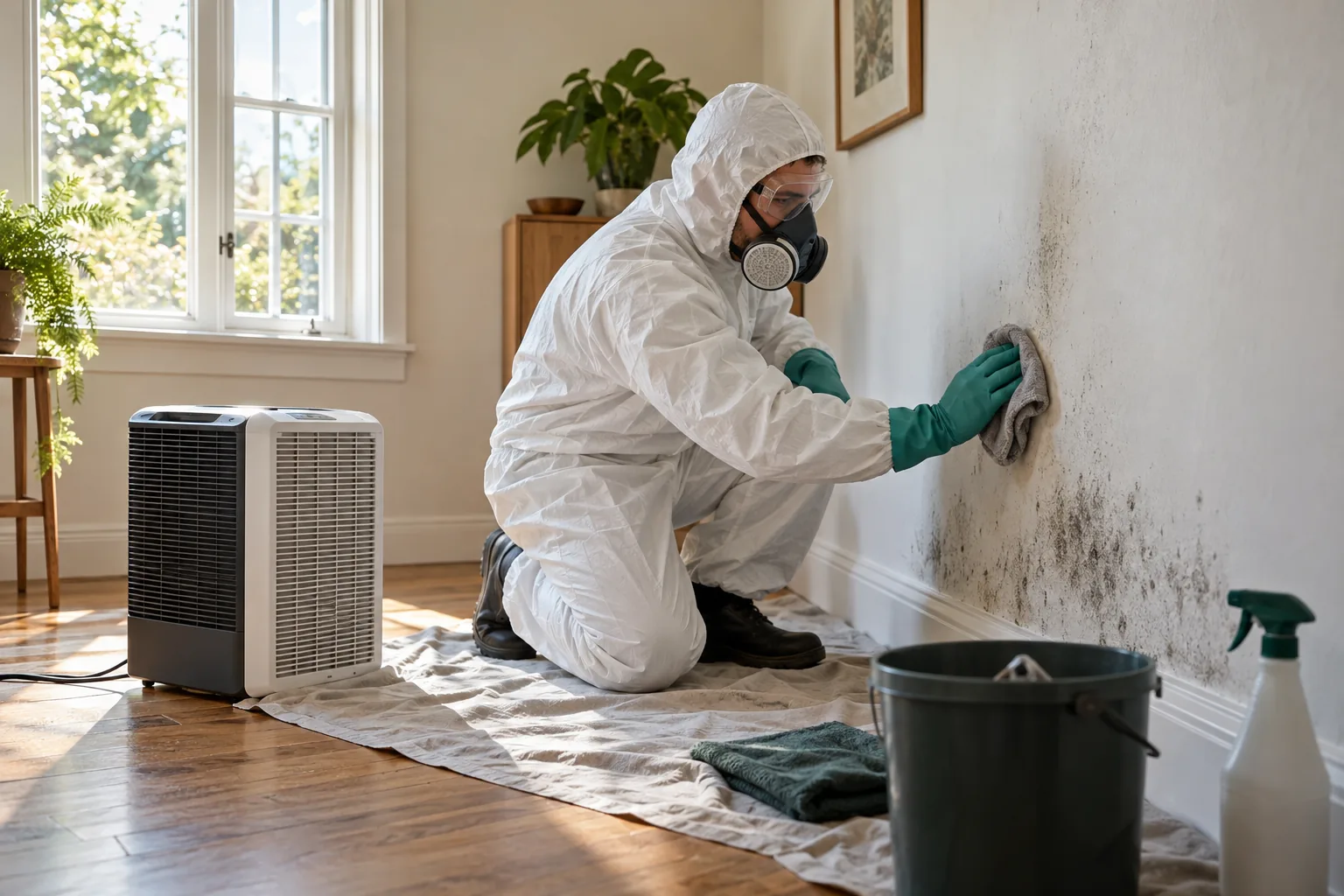
A portable device beside a marked wall may need moving for access, but that does not make the device a treatment surface. For your Heathmont enquiry, identify the exposed finish and what currently blocks the working space. Remediation planning should agree practical preparation without promising appliance servicing, belongings cleaning or contamination findings about every item in the room.
Working clearance is discussed.
Contents remain outside assumed treatment.
The visible finish defines the scope.
TREATMENT & FOLLOW-THROUGH
UNDERSTANDING THE AFFECTED ROOM
Moving an item is different from treating it
Remediation brings assessment, filtration, suitable application and physical removal of visible mould into an agreed accessible boundary. Explain whether a device or movable object obstructs the finish and who can prepare that space. An image containing both the patch and the item should not imply both will be treated.
Our service information explains supported surface work. Appliance servicing and contents cleaning are not established inclusions, while furniture and textiles are excluded. Hidden wall layers, repairs and decorating also need separate scope rather than an assumption from the room label.
MOISTURE & CONTAMINATION
Keep device information and wall condition distinct
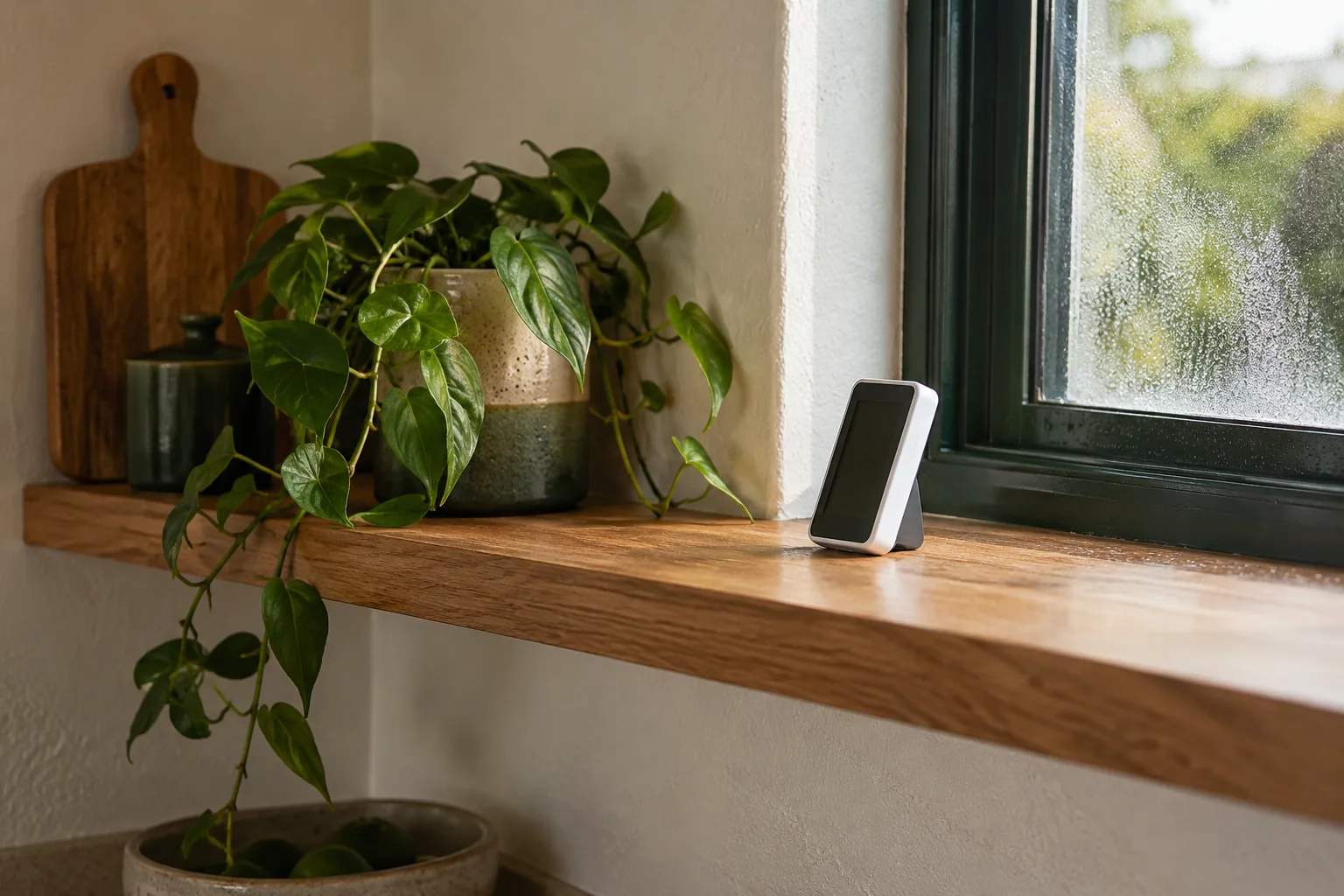
If a household device displays a reading, identify the instrument, location and units without using it to classify the wall. The professional hygrometer supplies room-air relative-humidity context, not a promised material-moisture test, appliance inspection or certificate about concealed layers.
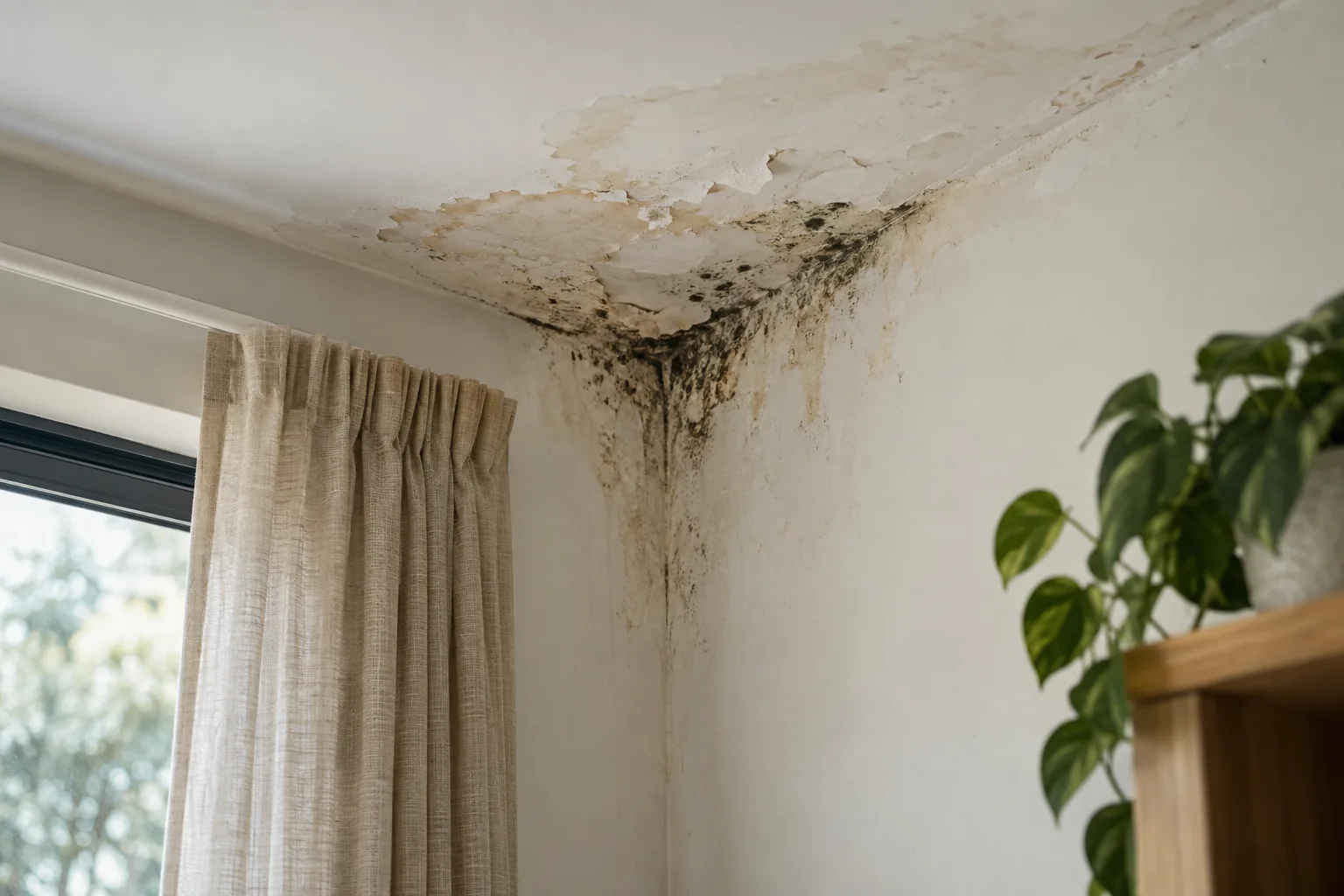
Separate actual water observations from display changes and arrange known leak or ventilation correction independently. Continued dampness may allow another occurrence after visible work. Discuss accessible-condition inspection when the exposed finish first needs consideration, without adding laboratory or device-calibration promises.
A DEFINED TREATMENT SEQUENCE
Work on the prepared accessible finish
1
Agree the accessible scope
Assess the visible finish and available clearance, agreeing suitable checks and the preparation of objects outside treatment scope.
2
Begin air protection
Set up the confirmed HEPA air scrubber before application, placing equipment within the safely prepared work area.

3
Choose the treatment application
Apply HOCl appropriately to agreed surfaces; ULV dry fog is conditional and does not turn household items into treatment inclusions.
4
Remove visible growth
Remove visible mould with professional H-class filtered equipment within the exposed finish boundary, excluding contents and textiles.
5
Continue final air cleaning
Continue HEPA air cleaning during and after the process, explaining residual appearance and the particular advice for returning.
Identify surfaces around the belongings
Walls
Walls should be described by exposed material and reachable area, not by the device sitting beside them.
Ceilings
Ceiling concerns need separate safe access and disclosure of fittings or damaged finishes.
Bathrooms
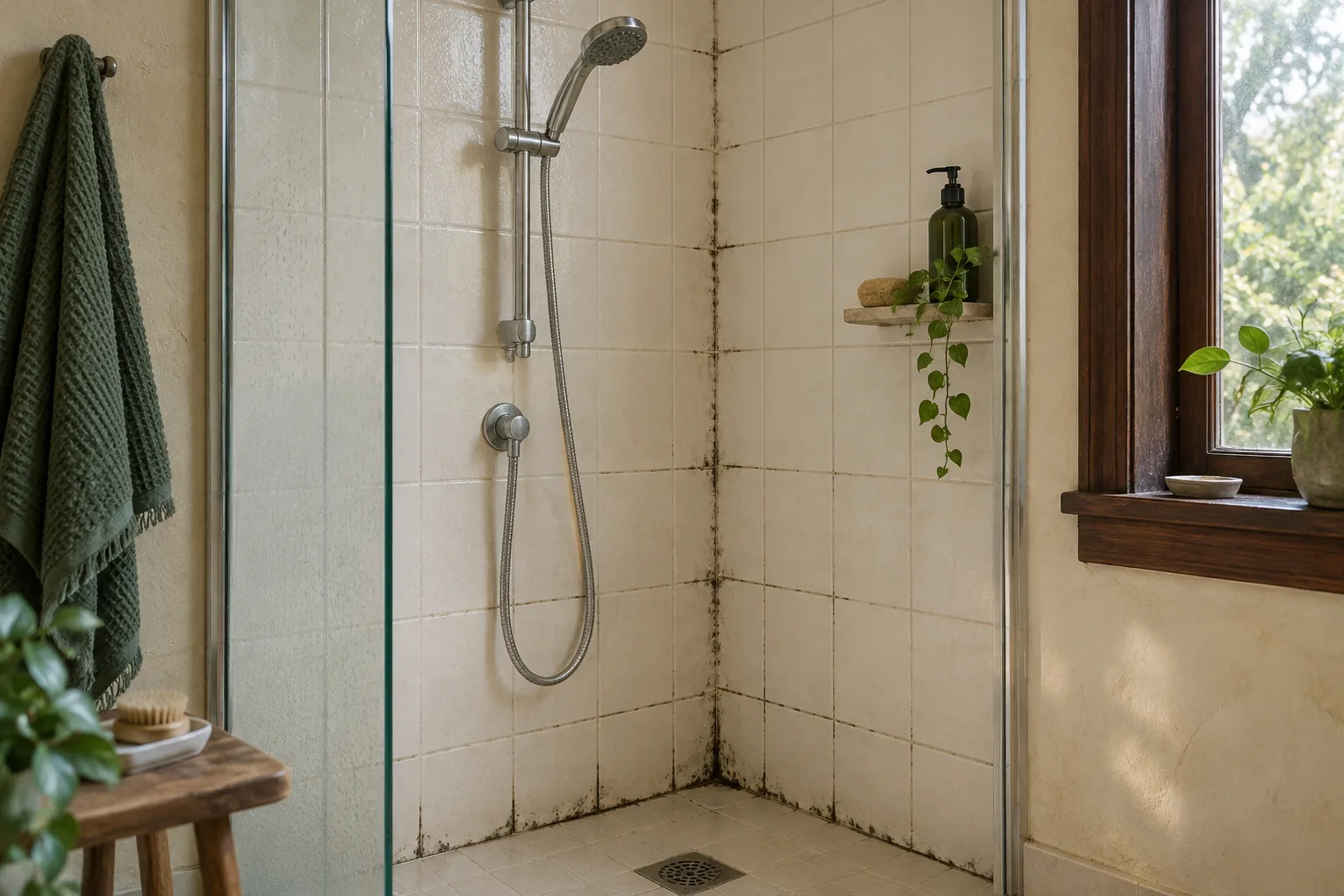
Bathroom paint, tiles and joints are differentiated from household appliances and textile belongings.
Kitchens
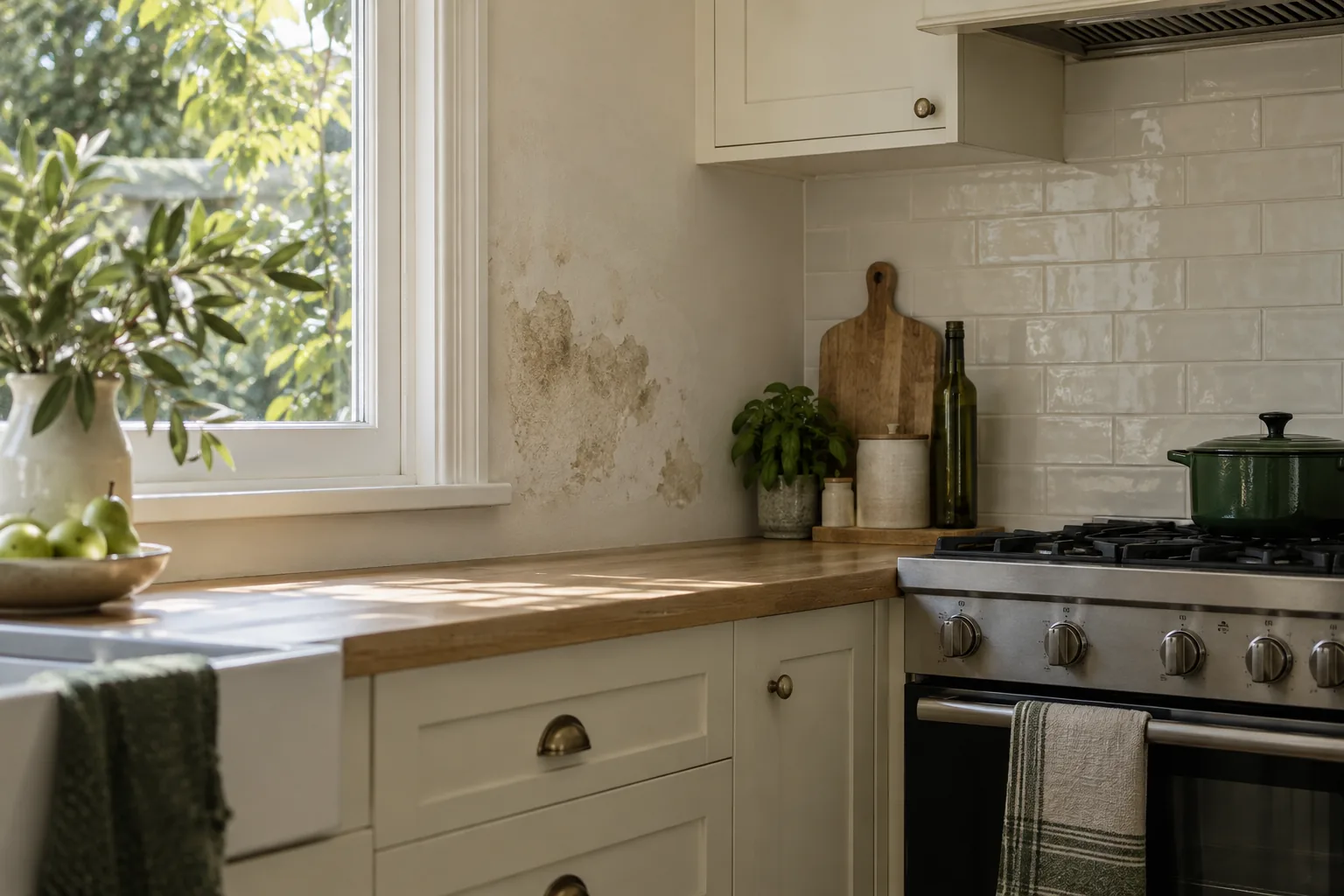
Kitchen surface work identifies exposed finishes, with movable contents prepared as instructed rather than automatically cleaned.
Accessible affected surfaces
Other affected accessible walls, hard floors or ceilings may be agreed, excluding fabrics and concealed materials.
AFTER TREATMENT
Agree who prepares the room
Ask which movable items need clearing and who will do it safely before attendance. Do not assume the technician will service or decontaminate those objects. People and pets leave during treatment. Average source guidance is approximately three hours per room, affected by area, condition and access rather than a fixed preparation allowance.
Cosmetic stains can remain on the finish and decorating may require another arrangement. Obtain the technician’s return instructions rather than following a household device indicator. No laboratory clearance, hidden-layer assessment or guarantee about the condition of belongings is confirmed by treatment of the accessible wall.
KEEP MOISTURE IN VIEW
Observe the wall after belongings return
Keep the treated wall observable where practical after the contents are returned.
Record fresh growth or water on the actual finish.
Follow through on unresolved source or ventilation repair.
Keep device readings labelled rather than presenting every display change as a surface finding.
Quote for surfaces and available clearance
Describe the accessible finish and contents that affect clearance when asking for the quote. The pricing examples concern Mould Removal, so confirm applicability to remediation. Appliance servicing, calibration and cleaning excluded belongings should not be inferred from a room amount; agree the actual surface work and preparation responsibilities.
HEATHMONT · EXACT ADDRESS & ACCESS
Enquiries for nearby addresses
For the Heathmont address, identify the room and objects limiting wall access. Explain who can prepare it and provide authorised entry. Nearby pages navigate other location enquiries; this premises still needs availability and a clear treatment boundary, independent of the household device’s app location.
Bayswater · Ringwood · Wantirna · Heatherdale
Questions about remediation
Does moving a device mean it will be cleaned?
No automatic cleaning is established. Moving an item for clearance is separate from treatment of the agreed building surface.
Will the technician calibrate our humidity device?
No calibration service is promised. Identify any readings accurately, keeping device maintenance separate from the remediation enquiry.
Can belongings remain directly in front of the wall?
Discuss clearance before booking. The finish needs agreed safe access; do not assume application or filtration removes every preparation requirement.
Does a device reading prove the wall needs a particular method?
No. Describe the actual material and visible condition. Room-air information is not a material-moisture finding or universal application decision.
Are clothing and soft furnishings included if they are moved?
No. Textiles and furniture remain excluded from standard remediation even when preparation involves moving them out of the working area.
What if a display changes after treatment?
Label the device, units, location and time, and describe any actual water or growth separately. A display change alone does not certify the treated finish or concealed materials.
Discuss the room’s present access
Phone 03 8652 1296 with the exposed finish, objects affecting clearance and preparation contact. Confirm what will be accessible before arranging treatment.