
SURFACE TREATMENT · MOISTURE FOLLOW-THROUGH
Mould Remediation The Basin
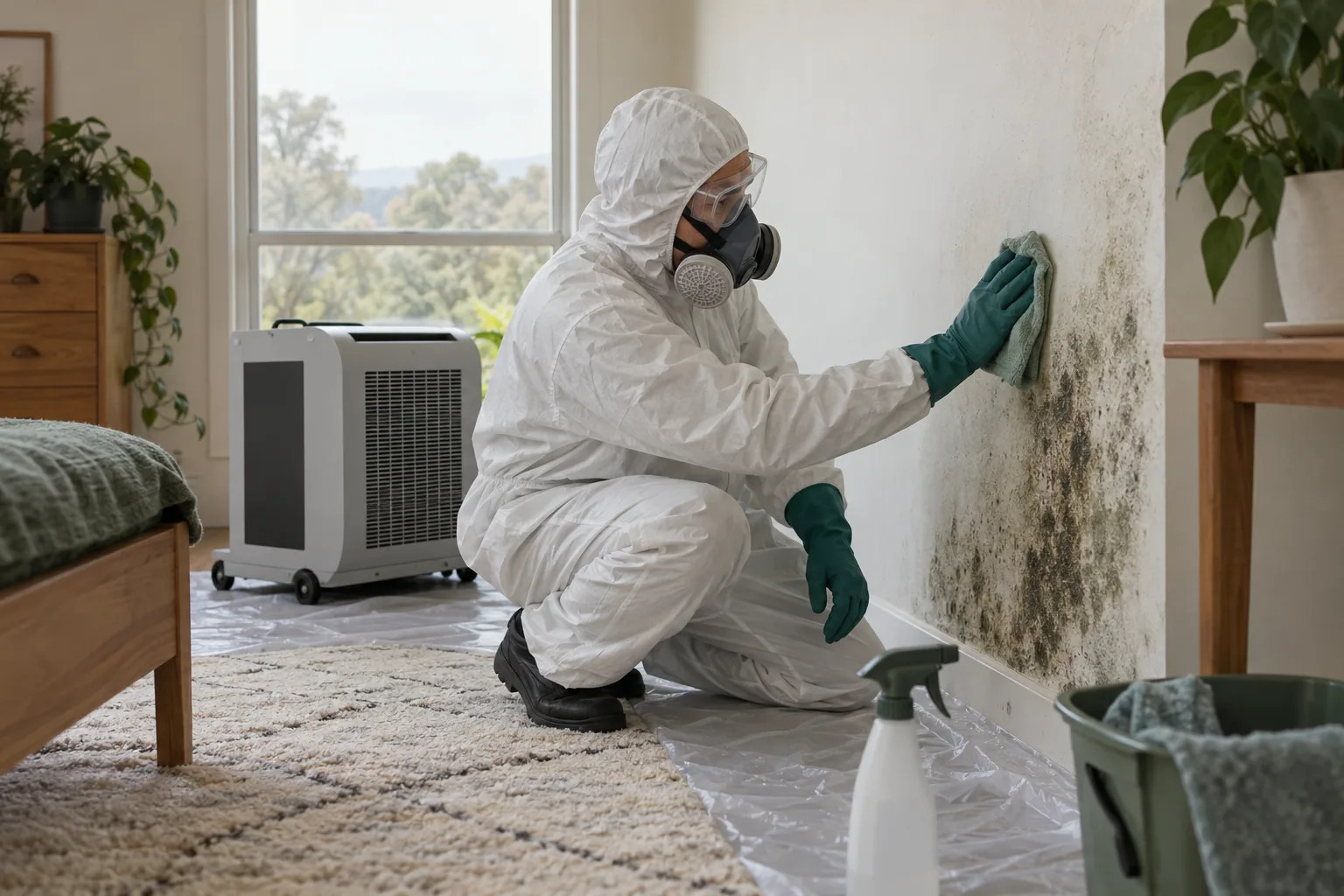
If you are concerned about how a wall will look after treatment, ask that question before the work is agreed. For an address in The Basin, describe the exposed finish and any existing stain or damage. Remediation planning should distinguish visible contamination work from decorative restoration, hidden-material clearance and a promise that no further mould can appear.
Appearance expectations are discussed.
The exposed finish scope is agreed.
Aftercare addresses continuing conditions.
TREATMENT & FOLLOW-THROUGH
UNDERSTANDING THE AFFECTED ROOM
Agree treatment expectations before judging an appearance
Identify the actual finish and any prior damage before expecting a particular cosmetic outcome. A mark’s colour alone does not establish species, hidden extent or how the surface will appear after work.
The remediation overview outlines supported treatment, not a complete decorative-restoration package. Painting, structural repairs and replacement materials require separate scope. Furniture, textiles and concealed layers are excluded, and their condition should not be inferred from the wall’s visible result.
MOISTURE & CONTAMINATION
A remaining colour does not settle moisture condition
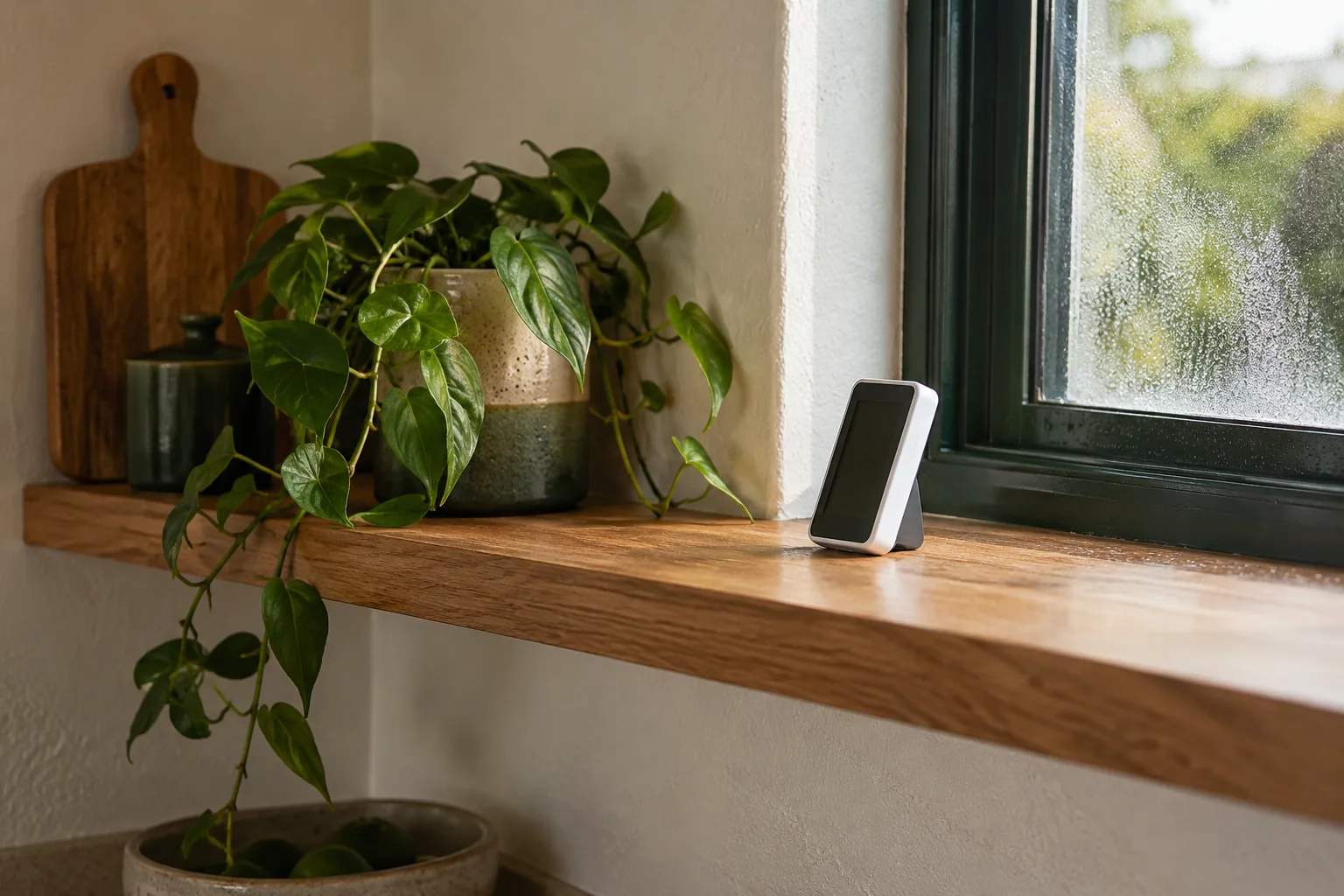
Report actual water, condensation and confirmed repairs separately from appearance concerns. The professional hygrometer supplies room-air relative-humidity information. It does not determine material moisture behind a stain, certify a cavity as dry or prove source correction from one reading.
Arrange unresolved source and ventilation work separately; continuing dampness may contribute to recurrence after visible treatment. Discuss inspection of accessible condition if the current finish needs clarification, without expecting laboratory clearance or hidden-layer assessment as part of the aftercare discussion.
A DEFINED TREATMENT SEQUENCE
Supported work with clear follow-through
1
Agree the accessible scope
Assess the exposed contamination, finish condition and safe access, agreeing suitable checks and reasonable surface boundaries.
2
Begin air protection
Begin confirmed HEPA air-scrubber protection before application, treating filtration as process support rather than independent clearance testing.

3
Choose the treatment application
Apply HOCl appropriately to suitable agreed surfaces; consider ULV dry fog where appropriate, without universal finish-restoration promises.
4
Remove visible growth
Remove visible mould using professional H-class filtered equipment within the accepted accessible area, leaving decorating and hidden layers separate.
5
Continue final air cleaning
Continue HEPA air cleaning during and after work, explaining residual marks, moisture follow-through and the particular instructions for return.
Different materials may retain different marks
Walls
Painted walls may retain cosmetic differences, so identify the coating and existing deterioration before treatment.
Ceilings
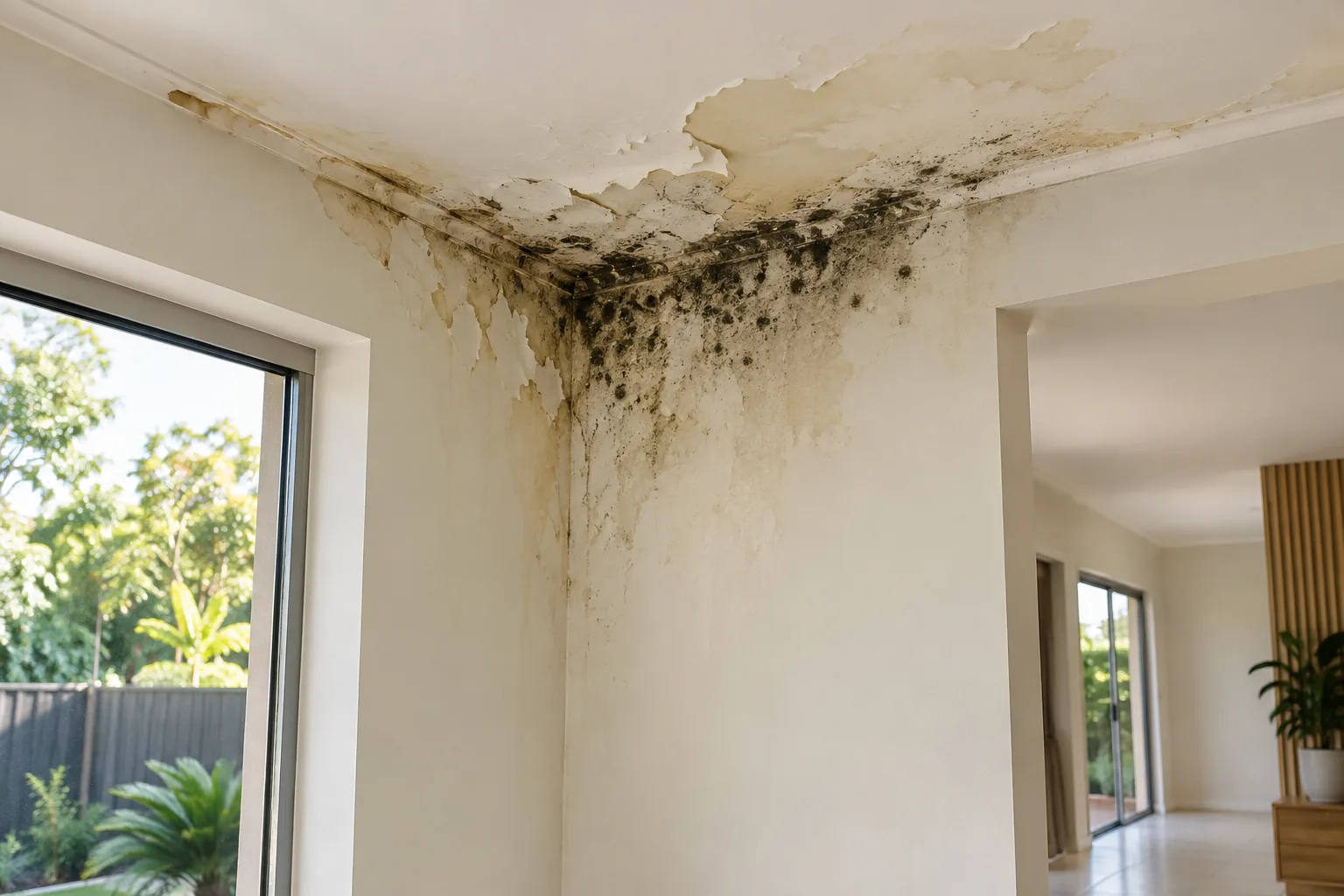
Ceiling water stains require their own appearance and safe-access discussion, separate from the adjoining wall.
Bathrooms
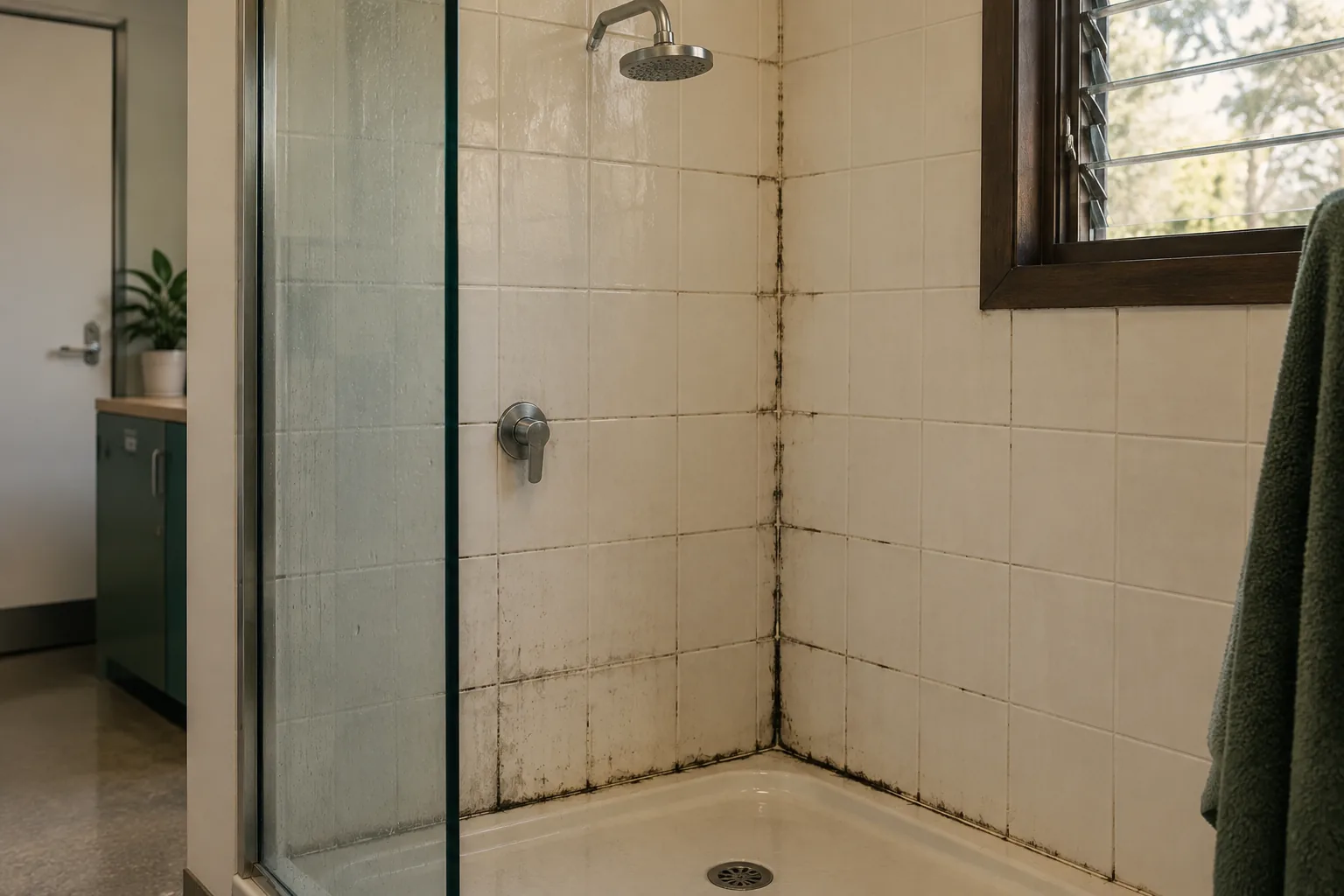
Bathroom silicone, grout and paint are different finishes, with replacement or renewal not automatically included.
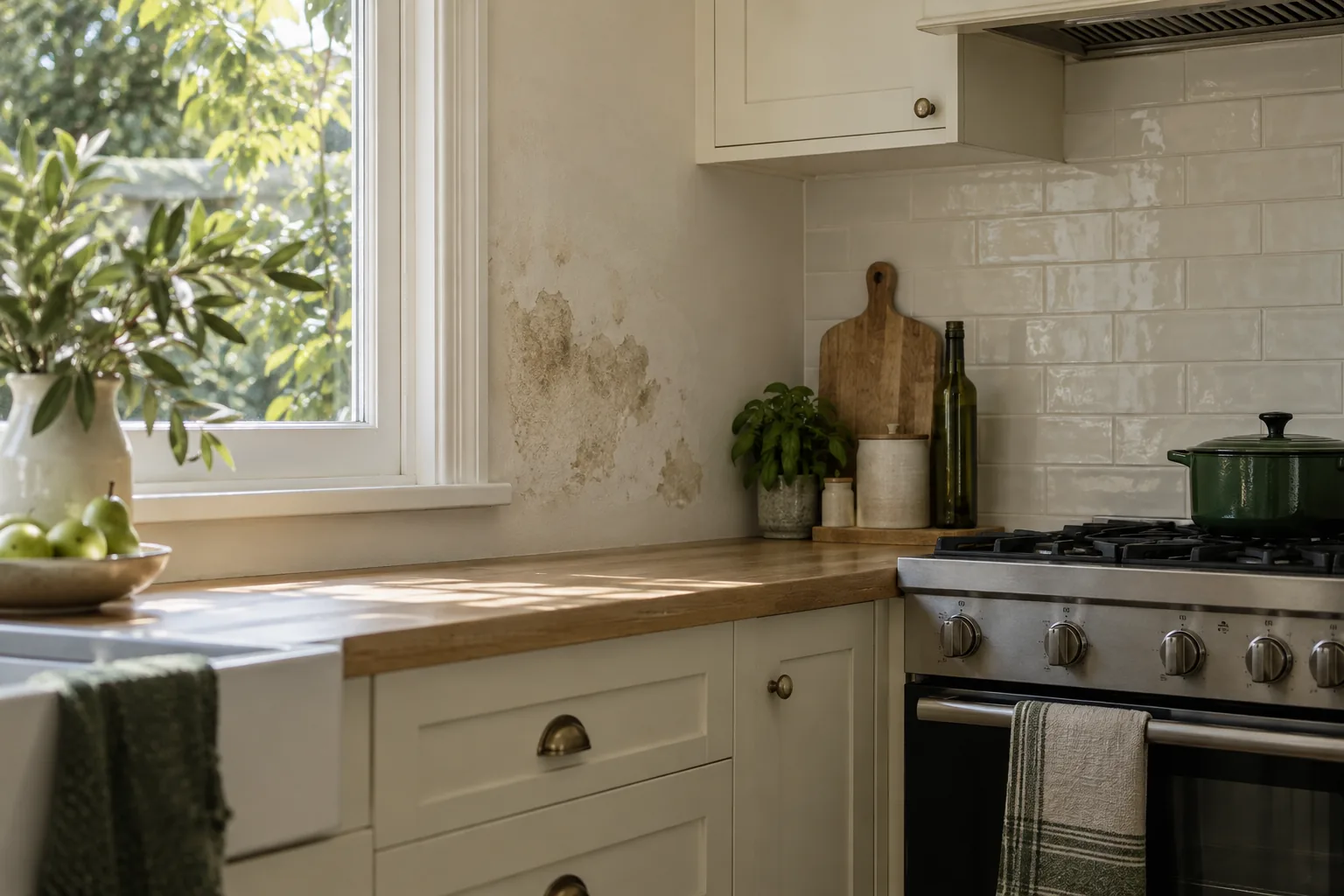
Kitchens
Kitchen exposed surfaces may show different marks by material, while contents and fitted-component work remain separate.
Accessible affected surfaces
Other affected accessible walls, ceilings or hard floors may be agreed, excluding textile materials and concealed construction layers.
AFTER TREATMENT
Prepare for the actual job and its advice
Prepare movable belongings as instructed and establish who receives the job advice. People and pets leave during treatment. The source averages approximately three hours per room, with actual time affected by size, contamination and accessibility; it does not establish a fixed return interval or decorating-ready deadline.
Residual discolouration or damage can remain after visible work. Discuss separate decorating rather than demanding uniform colour as the only outcome. Follow the technician’s specific return instructions, without substituting smell, a product name or filtration. No laboratory certificate or permanent prevention guarantee is confirmed by the surface process.
KEEP MOISTURE IN VIEW
Describe later changes without overstating them
An aftercare observation is useful when it describes an actual change.
Locate fresh growth or water and record when it appeared.
Follow through on separately required source or ventilation correction.
Keep an unchanged old stain distinct from renewed spreading marks or material deterioration.
Quote for contamination work rather than restoration
Identify the exposed area and appearance expectations when asking for the quote. The published room examples concern Mould Removal; confirm which figures apply to the agreed remediation. Repainting, colour matching, hidden testing and permanent guarantees should not be inferred from the amount for treatment of accessible contamination.
THE BASIN · EXACT ADDRESS & ACCESS
Enquiries for nearby addresses
Give the full address in The Basin and identify the room and finish concerning you. Explain who can authorise entry and receive aftercare information. Nearby pages relate to separate premises, while this particular property needs availability and a clear accepted treatment boundary confirmed directly.
Questions about remediation
Does a residual stain automatically mean renewed mould?
No automatic conclusion follows from colour alone. Describe whether the mark changed, when it changed and any fresh water or visible growth.
Will the wall be restored to one uniform colour?
No complete cosmetic result is guaranteed. Existing damage or residual staining may require separate decorating after the visible work.
Is hidden-material clearance part of aftercare?
No such clearance is promised. The agreed scope concerns accessible finishes, not laboratory testing or certification of concealed layers.
Can a favourable room reading guarantee no recurrence?
No. Air-relative humidity is context rather than a future guarantee, and continued leaks, condensation or ventilation problems may support another occurrence.
Should a new change be painted over before asking about it?
Describe it first rather than hide the current visible condition. Note location, timing and water observations, and discuss the appropriate separate decorating sequence.
What makes a useful follow-up enquiry?
Identify the treated finish, actual new change and its date, plus continuing moisture concerns. Keep residual cosmetic marks and unavailable areas clearly qualified.
Discuss the finish and follow-up expectations
Call 03 8652 1296 with the exposed finish and appearance questions. Agree the treatment boundary, preparation and practical follow-through before booking.