
SURFACE TREATMENT · MOISTURE FOLLOW-THROUGH
Mould Remediation Elwood
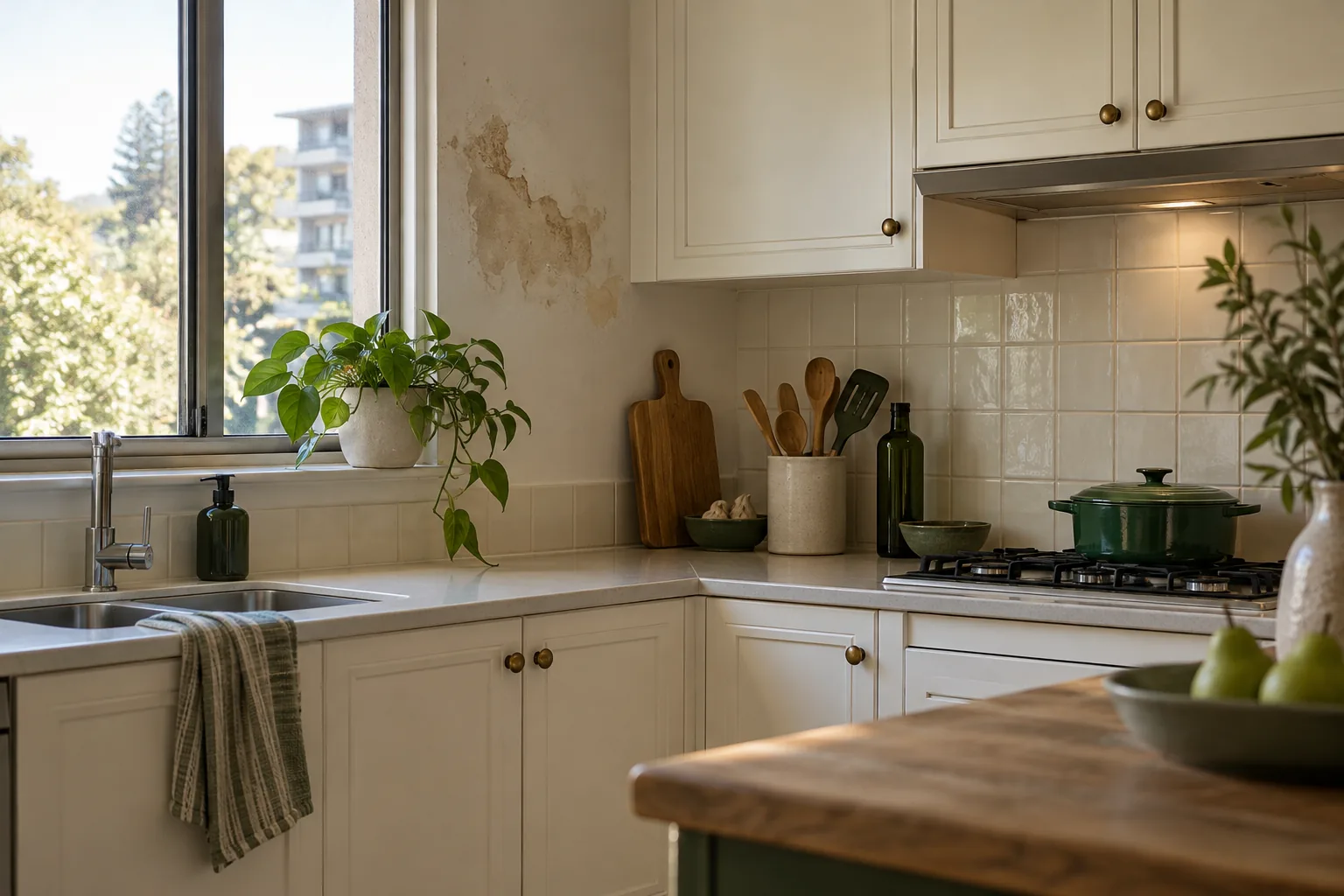
A reflection can make one marked wall look like two affected surfaces. For an Elwood enquiry, identify where the visible growth sits before estimating treatment from a photograph. Explain which finish can be reached and whether another real patch needs consideration.
Actual marked finishes are identified.
Accessible treatment boundaries are discussed.
Preparation follows the physical room.
TREATMENT & FOLLOW-THROUGH
UNDERSTANDING REMEDIATION
Locate the real finish behind the photograph
Point out the marked wall relative to a doorway, window or fixed fitting. Explain any reflection rather than ask the technician to guess the arrangement. A second genuinely affected surface needs its own description; the photograph cannot establish a common material, water history or workable access.
The remediation service combines assessment, air protection, suitable application and physical removal of visible accessible structural contamination. Furniture and textiles are excluded; concealed layers and repairs require separate arrangements. Clarifying what is exposed helps avoid an inflated or incomplete expectation.
THE MOISTURE CONNECTION
Keep water observations separate from image interpretation
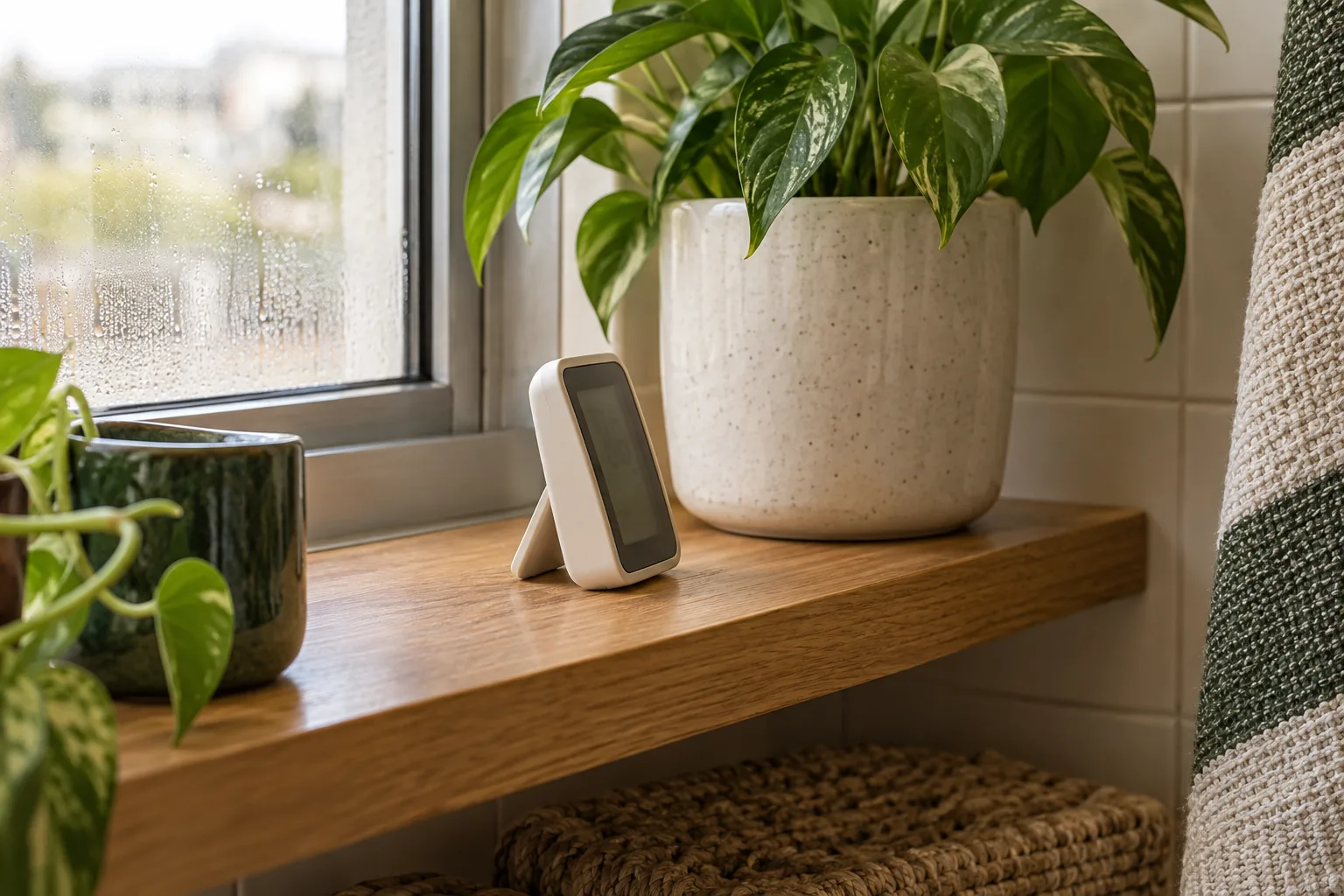
Describe where water or condensation was directly seen and when it occurred. A damp-looking reflection does not establish another wet surface. The professional hygrometer provides relative-humidity information about room air, not moisture inside a wall, the condition behind a mirror or the source of a photographed mark.
Known leaks and ventilation faults need their own response. An accessible inspection enquiry can clarify visible concerns without laboratory identification or destructive access. Continuing dampness permits recurrence, so a clearer photograph provides information rather than evidence that the source is corrected.
PLAN · FILTER · TREAT · REMOVE · CONTINUE
Treat the agreed surface through the confirmed sequence
1
Assess the exposed area
Identify actual growth, finish and access, distinguishing reflected views from separate surfaces before agreeing the visible structural scope.
2
Establish HEPA air protection
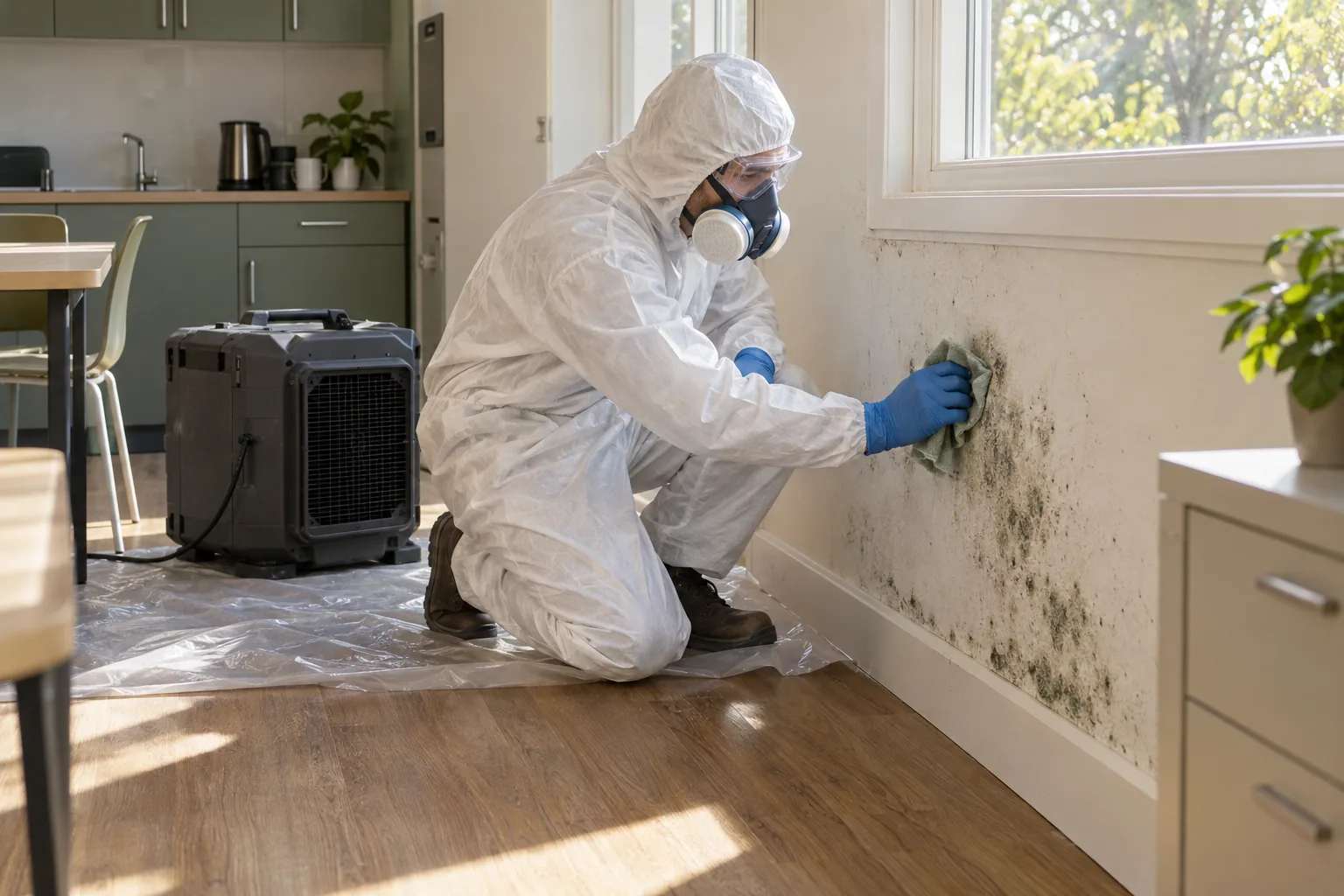
Set up the HEPA air scrubber before application begins, arranging equipment access around the real room layout rather than the photograph.

3
Apply suitable surface treatment
Use HOCl within the assessed plan; ULV dry fog is used in most cases where appropriate, without extending treatment to hidden finishes.
4
Physically remove visible mould
Use professional H-class filtered equipment for the included contamination, keeping physical removal separate from decorating or replacing damaged material.
5
Continue final filtration
HEPA air cleaning continues during and after treatment; discuss the included surfaces, residual appearance and technician instructions for returning.
Describe each building surface on its own terms
Walls
Name the actual wall face and any obstruction; a mirrored view does not create another agreed treatment area.
Ceilings
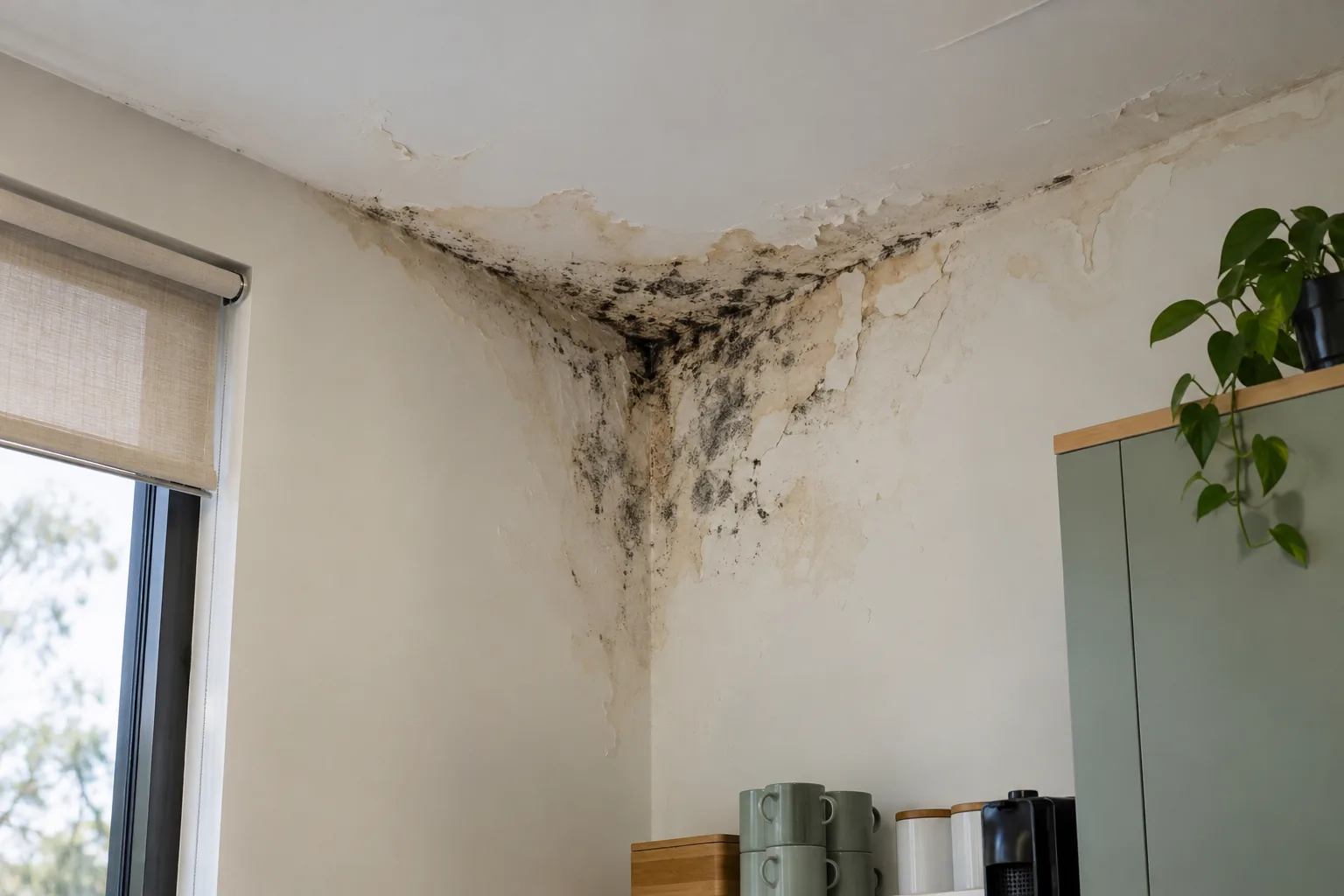
Locate overhead marks safely and describe their lining, without assuming an image establishes roof-space condition.
Bathrooms
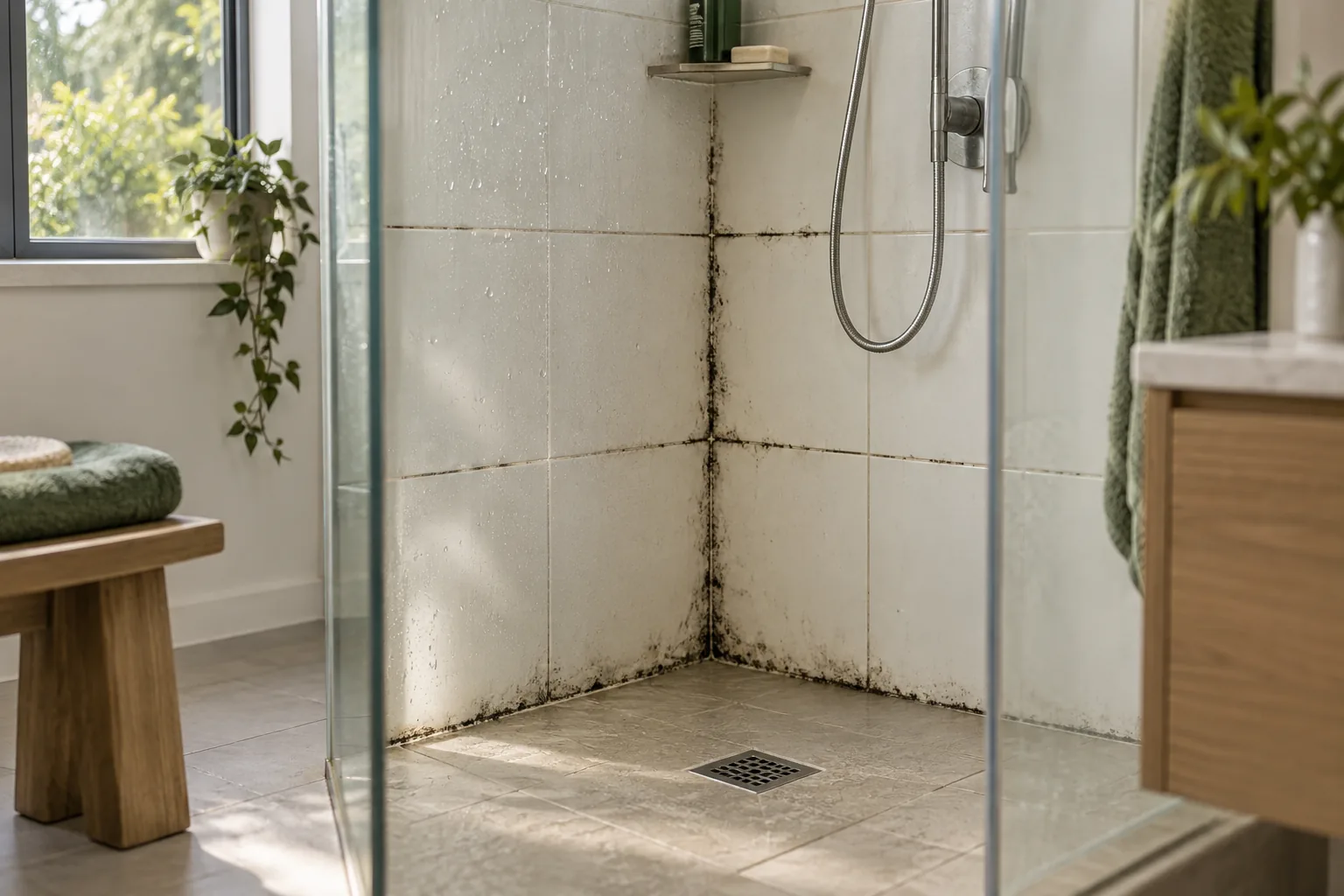
Identify bathroom paint, joints or other exposed finishes separately; glass reflections do not define material suitability.
Kitchens
Explain visible kitchen growth and appliance clearance, keeping plumbing repairs and stored belongings outside automatic inclusions.
Accessible affected surfaces
An exposed affected hard floor can be discussed explicitly; rugs, carpet and unavailable construction layers remain excluded.
WHAT TO EXPECT
Prepare access to the physical room
Explain fragile mirrors or fittings before moving anything. Follow agreed clearance instructions and avoid dismantling fixed features to improve the photograph. People and pets leave the property during treatment; obtain the technician’s specific return advice. Average guidance is approximately three hours per room, varying with size, contamination and accessibility rather than the number of patches that appear in an image.
The service is not charged by the hour. Cosmetic staining may remain, and decorating is separately scoped. Ask which finishes were included; an after-work photograph cannot guarantee restored colour or establish the condition of unavailable layers.
FOLLOW THE MOISTURE
Watch the actual finish over time
Record later changes on the actual finish and pursue known moisture faults; one photograph cannot establish lasting correction.
Record fresh water or growth on the actual marked face, with dates.
Maintain suitable extraction during steam-producing activities and pursue unresolved source repairs.
Keep reflected views clearly labelled when sharing later photographs of the room.
Quote the real accessible extent
Explain whether an image shows one surface twice when discussing pricing applicability. The affected-room table is labelled Mould Removal, not a confirmed Remediation tariff. Clarify exposed area and inclusions rather than infer surcharges, discounted room counts or restoration from apparent duplicate patches.
ELWOOD · EXACT ADDRESS & ACCESS
Discuss the particular Elwood address
Supply the full Elwood address and identify the room. Nearby links navigate separate enquiries; they do not confirm attendance or define treatment scope.
Questions about remediation
Should a reflected patch count as another affected wall?
Not as another physical surface. Explain the reflection and identify any genuine second patch separately so the proposed scope follows the room itself.
Can I send a close picture without showing its position?
Add a clear description of where the actual mark sits. A close image may show appearance without establishing layout, clearance or whether another view is a reflection.
Does the mirror behind the mark become included?
No automatic mirror or fitting treatment is confirmed. Identify the actual exposed building finish and discuss any separate object or access concern.
Can a photograph prove the wall behind a mirror is clear?
No. An unavailable finish remains outside what the image establishes; standard treatment does not promise concealed-area investigation or clearance.
Will identical-looking patches receive identical application?
Do not assume that. Describe each real finish and condition so suitability can be assessed rather than decided from matching photographic appearance.
How can I describe a later change without confusing the views?
Name the actual wall face and the date, distinguishing new water or growth from lighting, reflection and unchanged cosmetic marks.
Identify the surface before arranging Elwood treatment
Call 03 8652 1296 with the marked finish, layout and accessible extent. Discuss treatment and preparation without counting a reflection twice.