
SURFACE TREATMENT · MOISTURE FOLLOW-THROUGH
Mould Remediation St Kilda
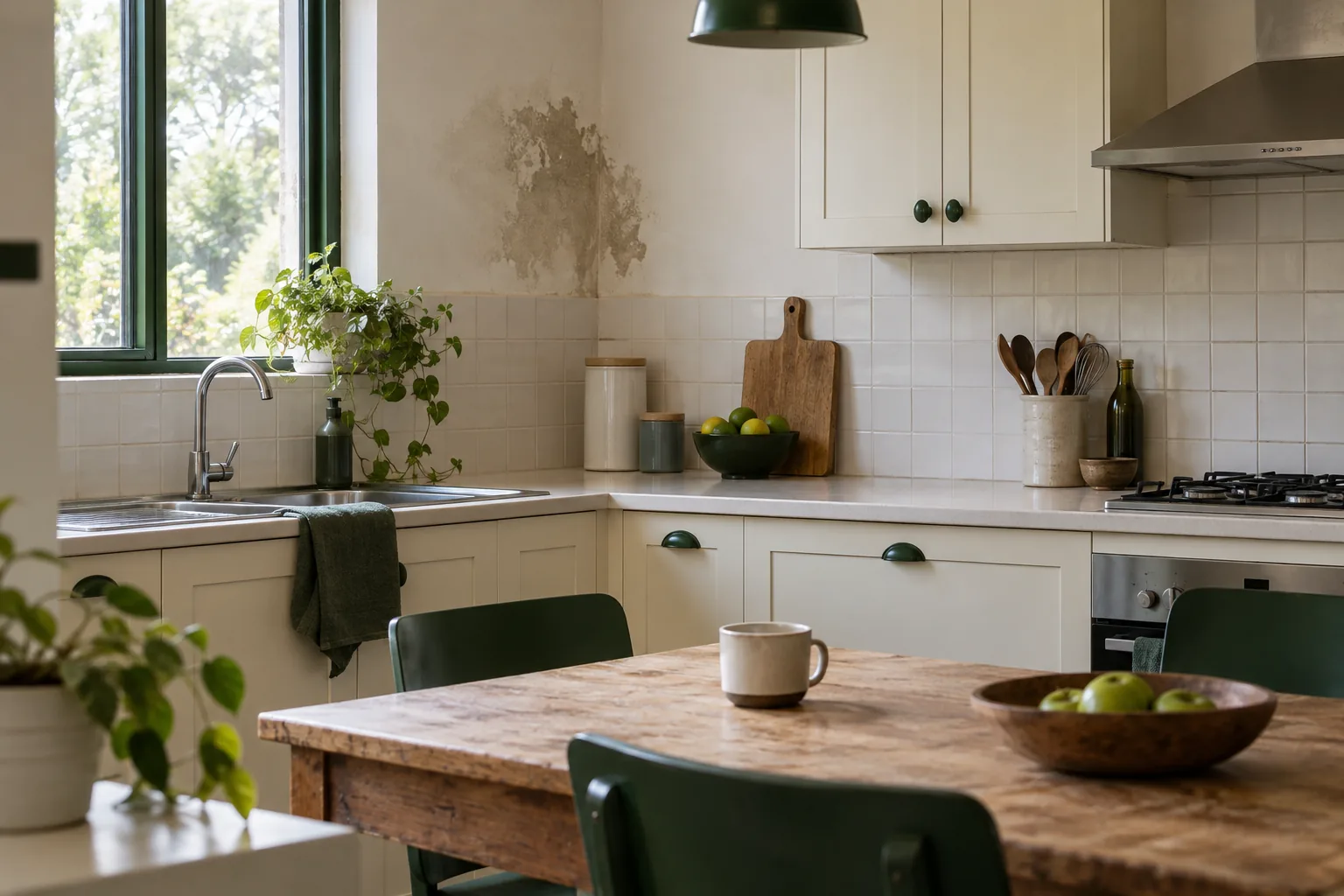
An empty room can make growth easier to see without settling why it is there. For St Kilda, describe the exposed structural surfaces, recent access and any moisture observations. Vacancy does not establish dryness, unrestricted entry or a whole-property treatment package.
Vacant-room condition described
Access authority confirmed
Moisture follow-up retained
TREATMENT & FOLLOW-THROUGH
UNDERSTANDING REMEDIATION
An empty room still needs a defined scope
Identify the walls, ceilings or exposed floors with visible growth and mention any fixed obstructions. Explain whether repairs or furnishings have recently been removed. Do not assume every room at the address is included just because the property is vacant and access appears simpler.
The confirmed service boundary concerns visible accessible structural contamination. Carpet, mattresses, furniture and textiles remain excluded if present. Agree the authorised access contact and any preparation rather than treating key availability as approval for unrestricted work.
THE MOISTURE CONNECTION
Describe the conditions during vacancy
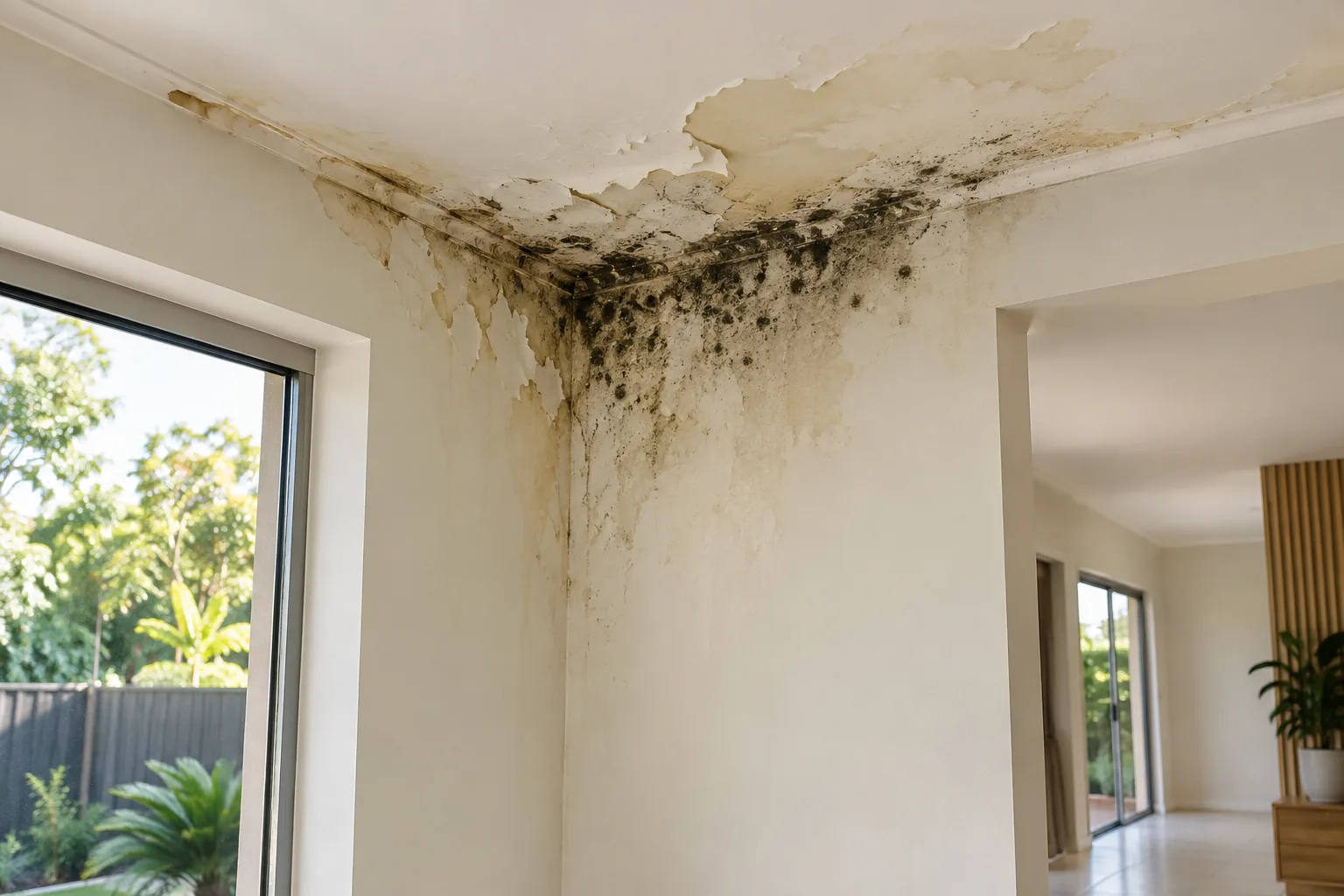
Mention known leaks, condensation or dampness seen when the property was accessed. Lack of occupation alone does not prove the cause. Repairs to water entry or building faults are separate from treating the existing visible growth.
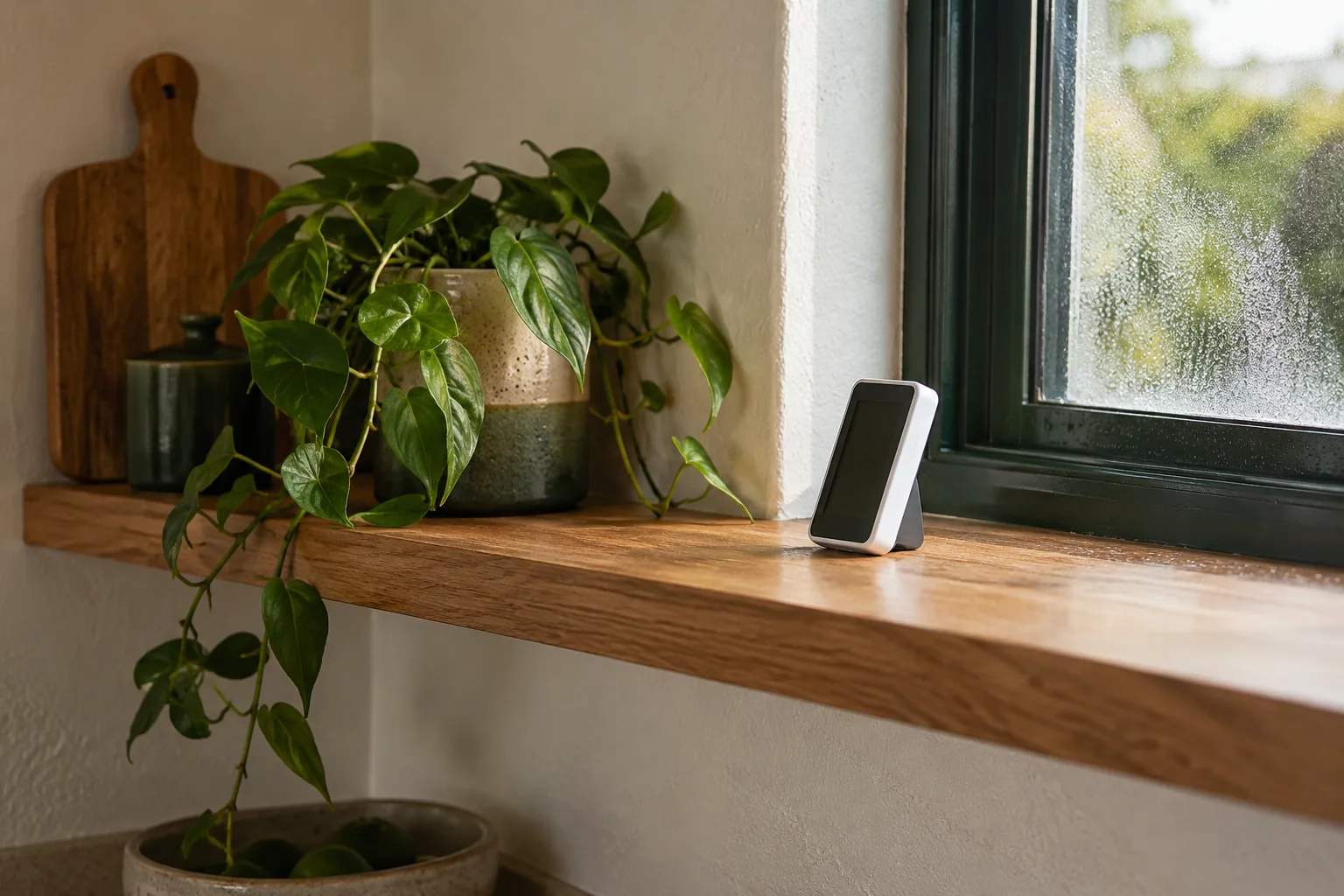
A professional hygrometer reads relative humidity in room air, not moisture within construction or proof that an empty property is dry. If uncertainty remains, discuss assessment questions. No hidden-area survey, particular material instrument or laboratory clearance is confirmed.
PLAN · FILTER · TREAT · REMOVE · CONTINUE
Treatment of the included vacant-room surfaces
1
Review visible extent and access
Assessment identifies accessible contamination and the actual room boundary. Explain recent changes and planned repairs before assuming the empty interior has no preparation needs.
2
Establish air protection first
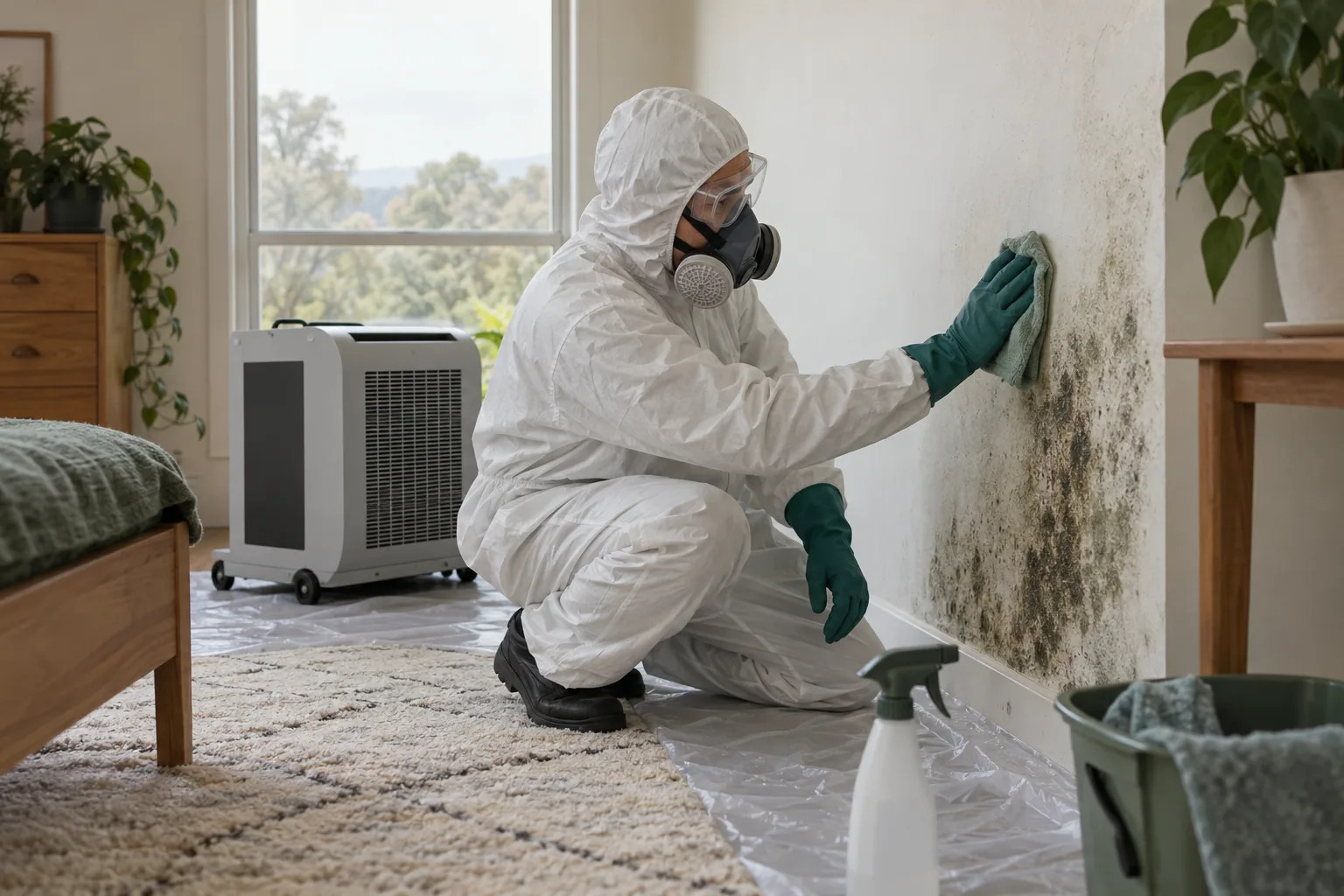
The confirmed HEPA air scrubber is set up before treatment. Its placement and the working route need agreement even when movable furnishings are absent.

3
Apply suitable treatment
HOCl is used on the included scope, with ULV dry fog where appropriate in most cases. Vacancy does not make concealed coverage or universal application suitability a promise.
4
Remove accessible growth physically
Professional equipment with H-class filtration removes visible contamination. Structural repairs and decorating remain separate rather than automatic additions to an empty-room appointment.
5
Continue filtration and discuss completion
HEPA operates during and after treatment. Confirm return advice and remaining cosmetic or moisture questions before planning reoccupation or separate finishing work.
List the actual structural surfaces
Walls
For walls, describe affected faces and finishes rather than counting every exposed wall as contaminated.
Ceilings
For ceilings, identify separate patches and fixed obstructions beneath them that could affect access.
Bathrooms
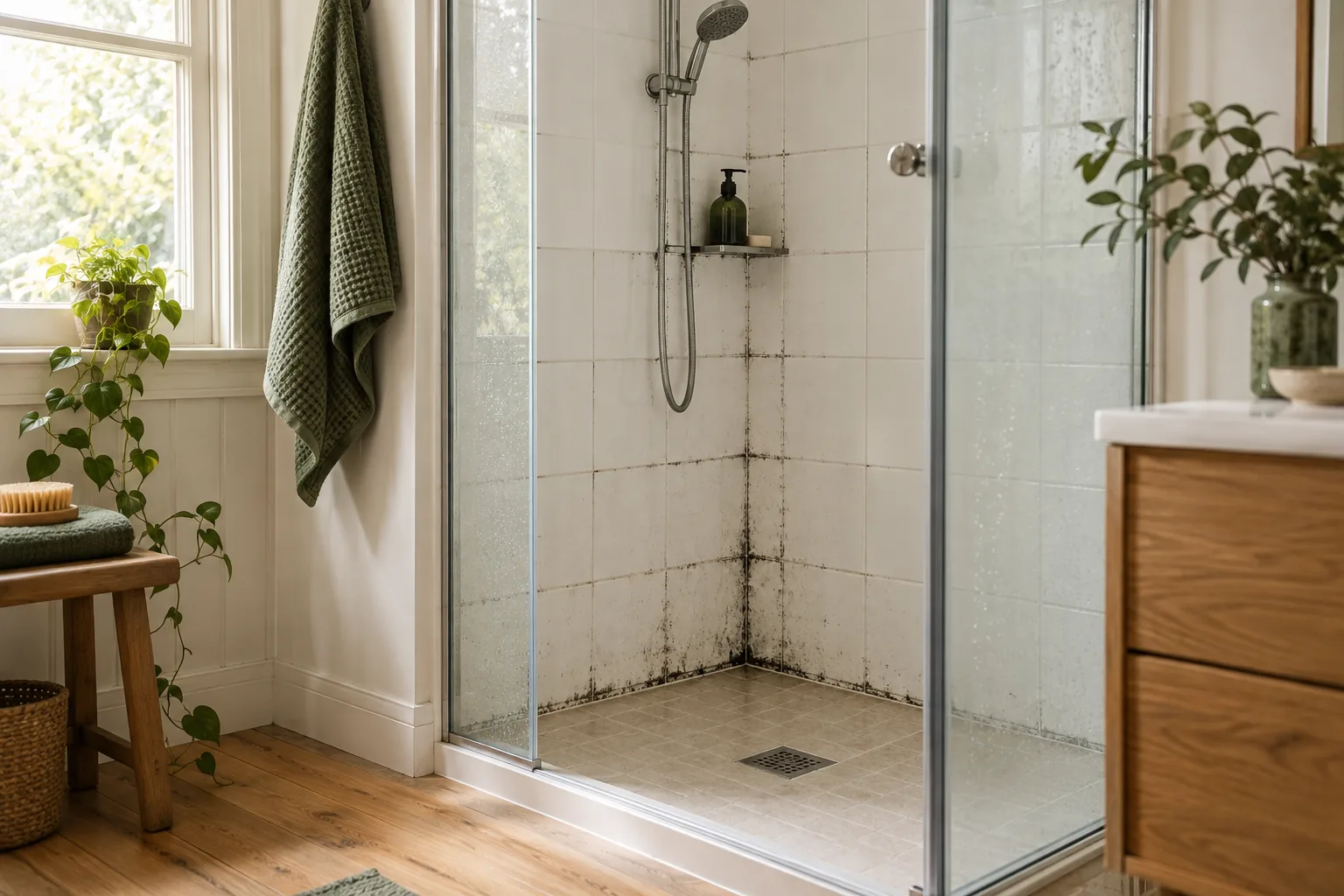
Bathroom structural growth needs its own description, with any towels or mats excluded from treatment.
Kitchens
Kitchen wall or floor marks should be distinguished from appliance, cabinet and plumbing tasks.
Accessible affected surfaces
An exposed structural floor may be considered, while remaining carpet and rugs do not become included because the room is otherwise empty.
WHAT TO EXPECT
Agree arrival, preparation and absence
Confirm keys, authorisation and a clear route before attendance. People and pets leave during treatment if otherwise present, following job-specific departure and return instructions. The average source guidance is around three hours per room, varying with extent, size and accessibility; an empty room has no guaranteed shortened appointment.
Cosmetic stains may remain and decorating is separate. Standard treatment does not certify concealed construction dry or guarantee against recurrence. Keep outstanding moisture questions visible so reoccupation is not based solely on a cleaner appearance or the absence of furniture.
FOLLOW THE MOISTURE
Keep follow-up active while the room is vacant
Observation and repair responsibility still matter before ordinary use resumes.
Arrange a responsible person to note renewed dampness or growth.
Seek appropriate repair advice for continuing water entry.
Maintain ventilation and avoid covering the treated patch before unresolved questions are discussed.
Confirm the vacant-room quote without assumptions
The published price table is headed Mould Removal. Explain the exposed scope, access and repair status when asking how it applies to remediation. No vacancy discount, general property-cleaning package or reoccupation certificate is established by its examples.
ST KILDA · EXACT ADDRESS & ACCESS
Other properties around St Kilda
For a nearby address, confirm its own keys, authority and current condition. Similar vacancy does not establish identical moisture circumstances or a combined booking; availability needs confirmation separately.
Windsor · Prahran · Balaclava · Middle Park
Questions about remediation
Does an empty room need no preparation?
Do not assume that. Fixed obstructions, fragile finishes and equipment access still need discussion for the actual scope.
Is there an automatic discount for vacancy?
No vacancy discount is confirmed. Ask for a quote based on the accessible surfaces and preparation rather than inferring a price reduction.
Can treatment certify the property ready for reoccupation?
No reoccupation certificate or laboratory clearance is established. Discuss job-specific return advice and the remaining moisture or repair questions.
Will every room be treated because no one lives there?
No. Agree the included room list and structural surfaces explicitly; vacancy does not expand the scope.
Does no recent condensation mean the wall is dry?
Not necessarily. A lack of observations and an air reading do not measure moisture within construction.
Who should monitor the area before people return?
Arrange an authorised person who can observe the actual treated surfaces and communicate changes. Keep repair responsibility and follow-up clear during vacancy.
Agree the current scope before reoccupation plans
Call 03 8652 1296 with the visible area, access contact and moisture history. Clarify treatment and the separate finishing or repair decisions.