
SURFACE TREATMENT · MOISTURE FOLLOW-THROUGH
Mould Remediation Ormond
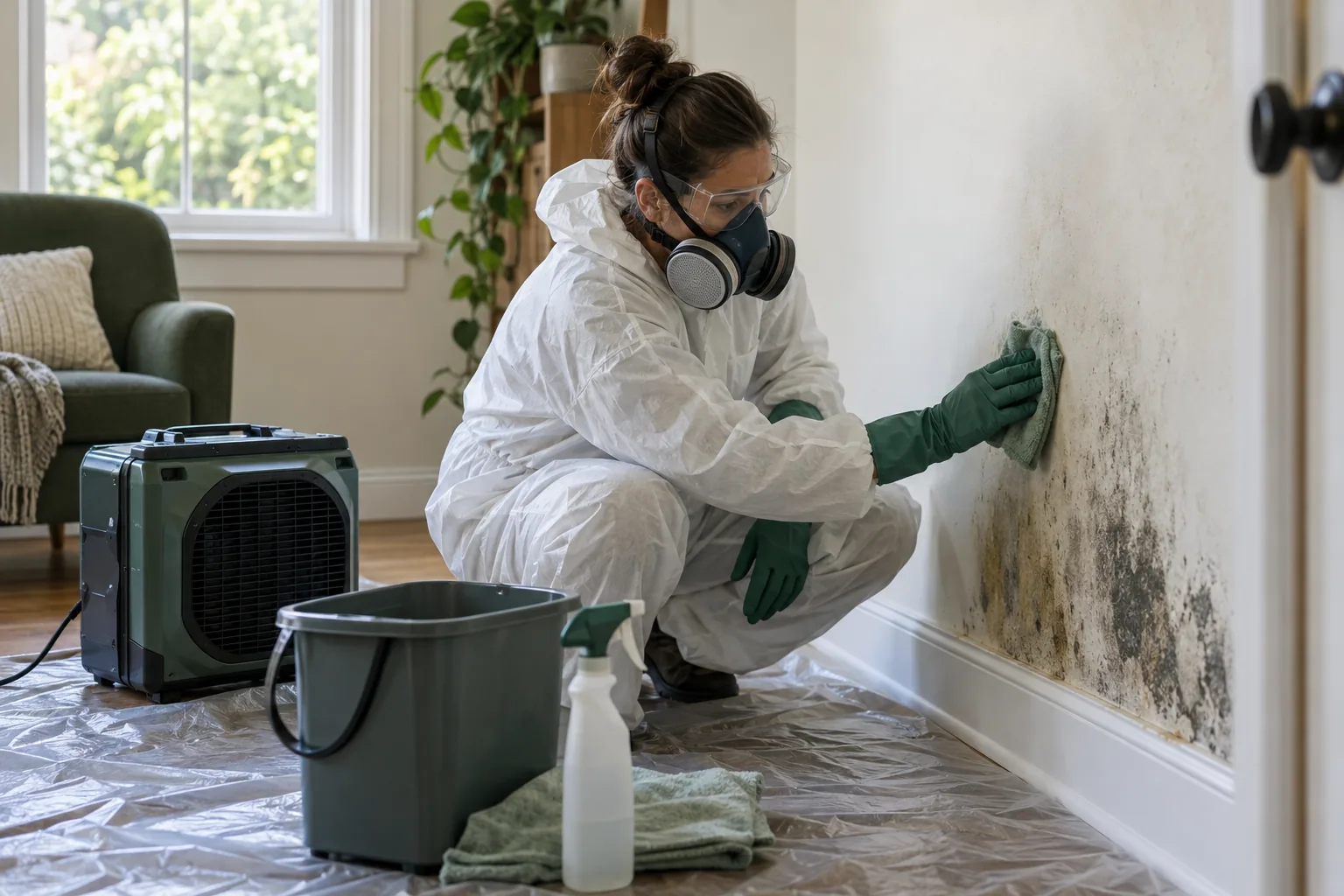
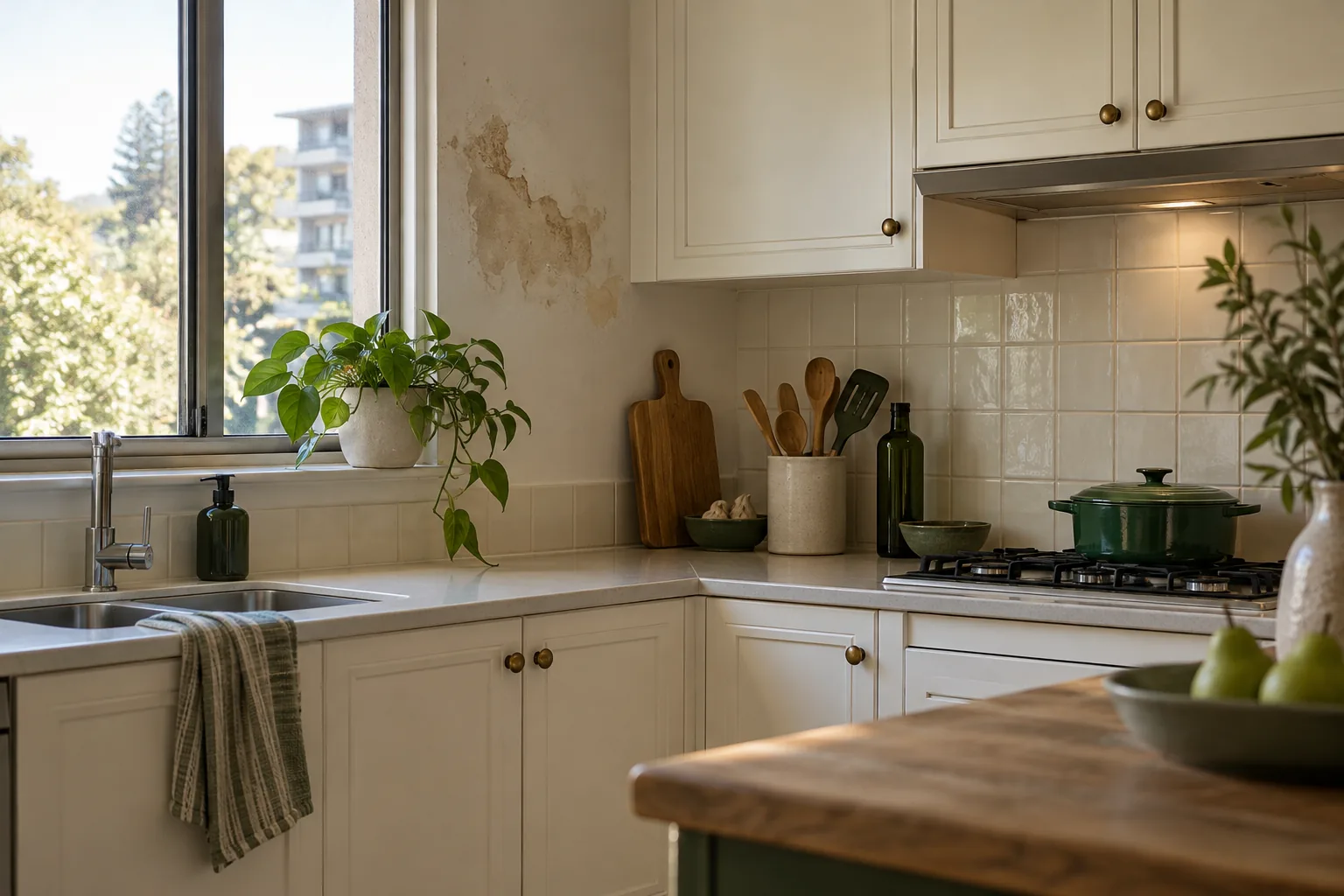
Moving a portable obstruction may reveal only part of a marked wall. For an Ormond enquiry, describe what is now visible and what remains blocked rather than estimate the whole hidden face. Agree clearance and suitable treatment from the present condition; an earlier room description should not automatically include every surface exposed later.
Newly visible growth is described accurately.
Remaining access limits stay explicit.
Preparation responsibilities are agreed.
TREATMENT & FOLLOW-THROUGH
UNDERSTANDING REMEDIATION
A partial view needs a clear treatment boundary
Describe what moved and what remains blocked. Agree further clearance without calling unseen material clear or contaminated. Improved access does not establish concealed condition or include the portable object itself.
The supported service coordinates assessment, filtration, suitable treatment and physical removal of visible accessible structural mould. Furniture and textiles are excluded. General moving services, concealed investigation, source repairs and decorating require separate arrangements, so preparation and treatment inclusions should be discussed independently.
THE MOISTURE CONNECTION
Report current wetting alongside the changed access
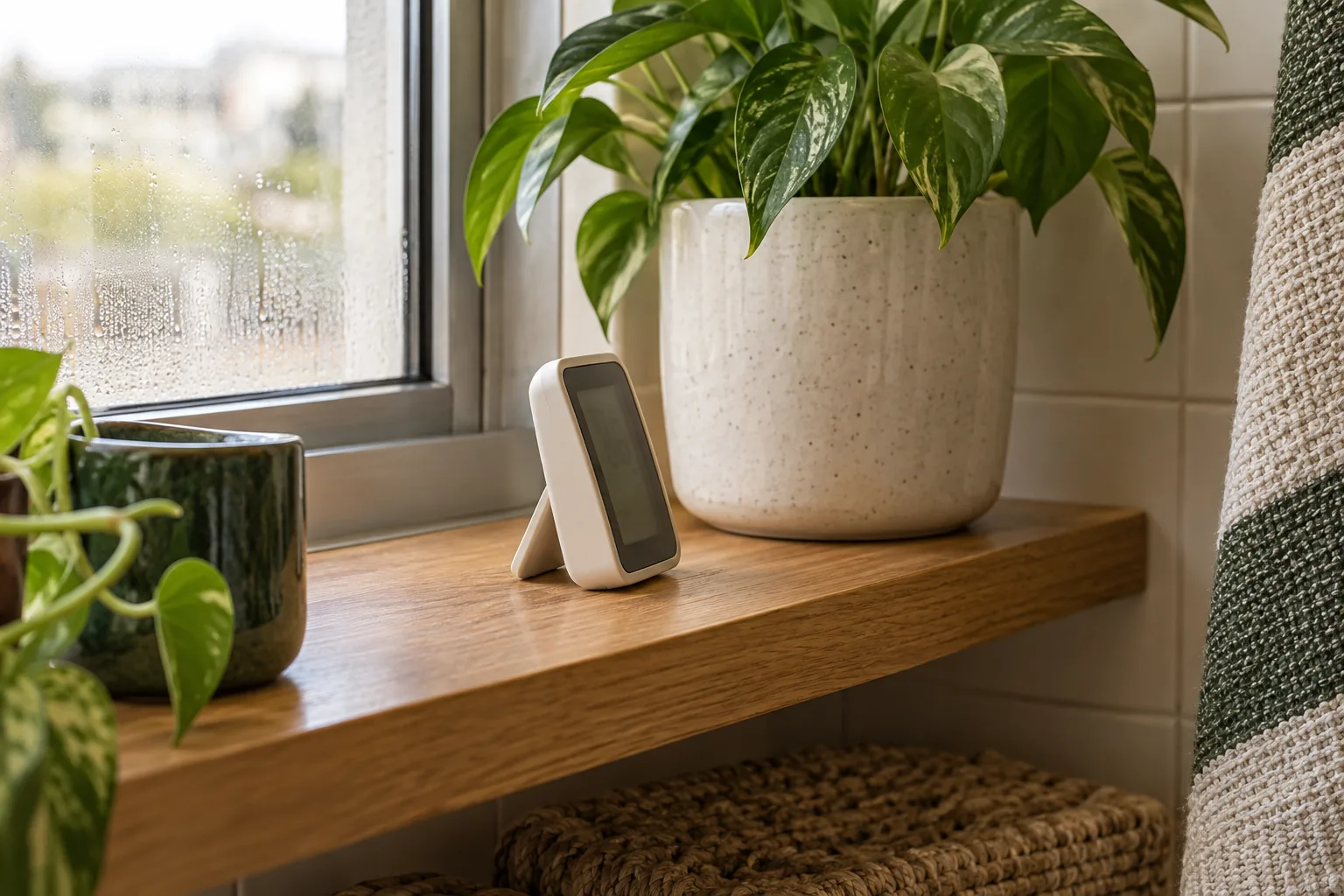
Give actual water or condensation observations and reliable repair dates. A patch revealed by moving an object does not prove that the object was the only moisture cause. The professional hygrometer provides relative humidity in room air, not moisture inside the wall or a finding about excluded possessions.
An accessible assessment enquiry can clarify uncertain visible symptoms before treatment. Arrange known leak and ventilation corrections separately. Where dampness continues, mould may recur after current growth is addressed, so do not treat improved access or a changed furniture position as guaranteed source correction.
PLAN · FILTER · TREAT · REMOVE · CONTINUE
Treat what is agreed and actually available
1
Assess the newly exposed condition
Identify visible contamination, finish and available reach, keeping the remaining blocked area qualified rather than silently included.
2
Establish HEPA air protection
Set up the confirmed HEPA air scrubber before treatment, agreeing equipment clearance and the preparation actually completed.

3
Apply suitable HOCl methods
Use HOCl appropriately, with ULV dry fog in most cases where suitable, without promising contamination removal behind unavailable obstructions.
4
Physically remove visible mould
Professional H-class filtered equipment supports removal within accepted structural access, distinct from contents restoration or hidden-layer work.
5
Continue HEPA during and after treatment
Maintain final HEPA air cleaning through and after the process; obtain technician return instructions and clarify remaining scope limits.
Identify available finishes instead of a whole-room assumption
Walls
Locate the exposed wall patch and the boundary still blocked, explaining actual clearance rather than presumed full-face access.
Ceilings
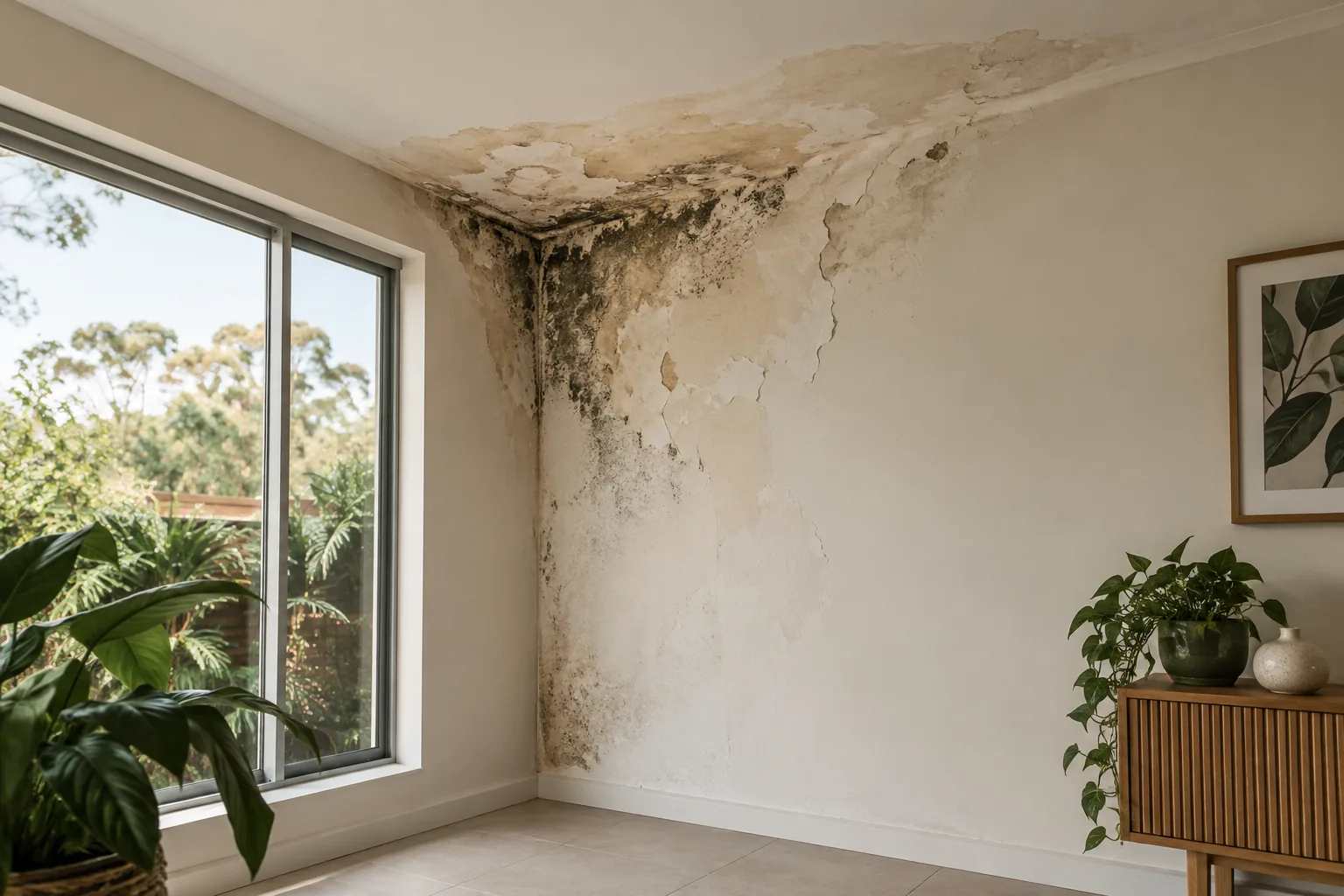
Describe overhead marks safely and separately from the newly available wall, with concealed-space questions outside automatic scope.
Bathrooms
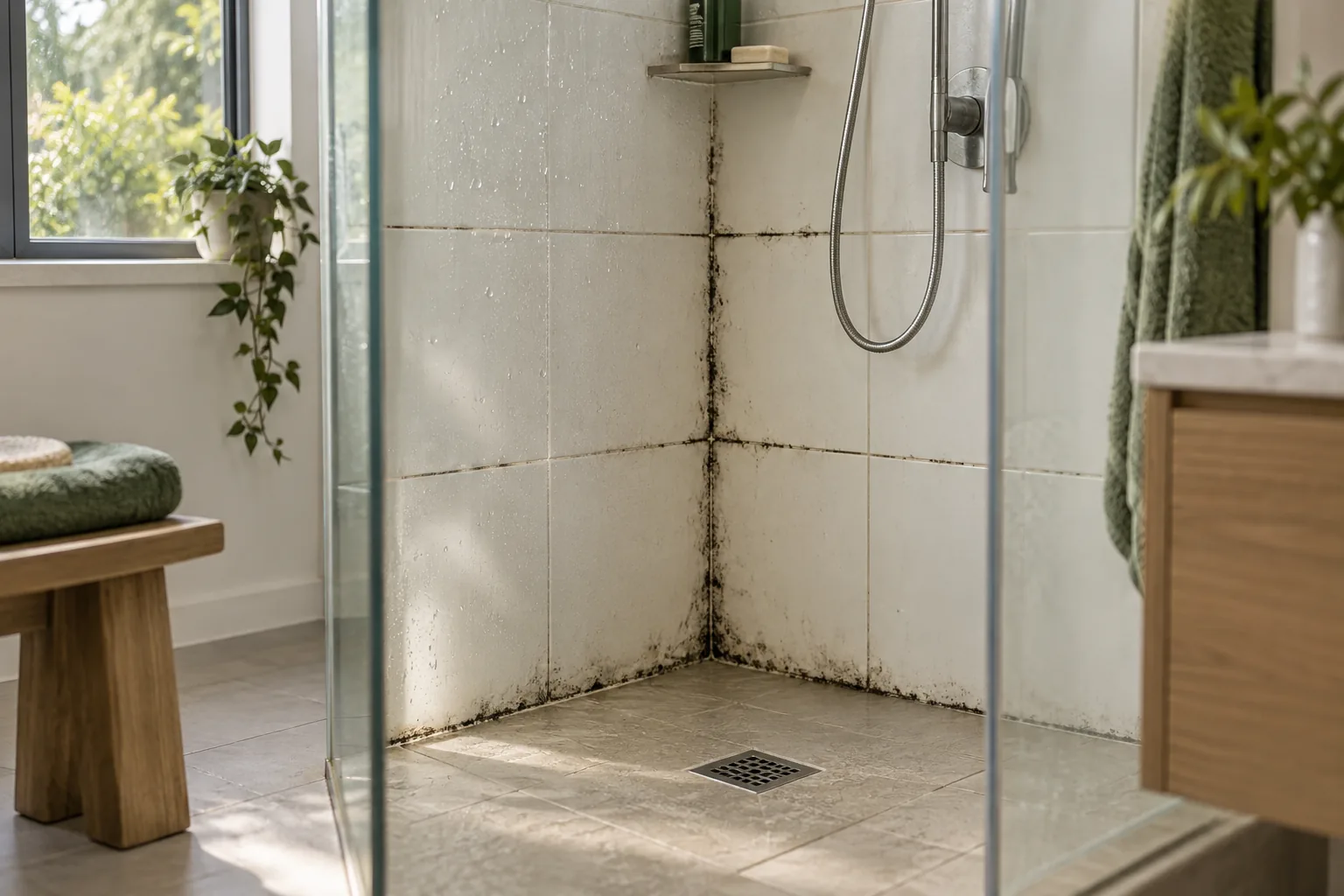
Identify bathroom paint or joints and personal-item clearance, keeping textiles and fitting repairs excluded.
Kitchens
Explain reachable kitchen growth and fixed obstructions independently of cabinet contents, appliance servicing or plumbing work.
Accessible affected surfaces
An affected exposed hard floor needs suitability agreement, while carpet and unavailable construction materials remain outside standard treatment.
WHAT TO EXPECT
Discuss moving responsibilities before attendance
Explain heavy or fragile items and ask what clearance is actually agreed. Do not assume the technician moves everything or that an obstruction must be shifted unaided. Plan for people and pets to be off the property during treatment, then use the technician’s actual instructions when arranging return. Average guidance is approximately three hours per room, varying with size, contamination and accessibility rather than a fixed time for one revealed patch.
The service is not hourly based. Cosmetic staining may remain and decorating requires separate quotation. Ask which surfaces were included and keep the blocked remainder accurately described. No laboratory result, signed clearance or concealed-material dryness guarantee is confirmed by standard visible-surface work.
FOLLOW THE MOISTURE
Keep the actual wall condition observable
Follow known moisture faults and retain a clear account of included and unavailable surfaces when the room arrangement changes again.
Record fresh water or growth with the wall position and date.
Maintain suitable extraction and arrange separate repair of known sources.
Raise later newly exposed growth as current information rather than presumed earlier treatment.
Clarify a quote when the visible extent changes
Describe present clearance using the pricing discussion. Its room table labels amounts Mould Removal; applicability to the remediation scope needs confirmation. Newly visible area, moving work and excluded contents should not be inferred from an earlier figure, and no automatic unchanged-price or fee-increase rule is established here.
ORMOND · EXACT ADDRESS & ACCESS
Confirm the specific Ormond room
Give the address and informed contact for clearance. Nearby pages navigate other enquiries rather than establish this wall’s hidden condition or confirm attendance.
McKinnon · Bentleigh · Glen Huntly · Carnegie
Questions about remediation
Does a partly exposed patch define the whole hidden wall?
No. Describe the actual visible limit and acknowledge the remaining obstruction rather than assign an unsupported full-face condition.
Is shifting the portable item automatically included?
No general moving service is confirmed. Discuss weight, fragility and preparation responsibilities before attendance.
Does moving the item include its own mould treatment?
No. Furniture and textiles remain excluded, even when clearance involves moving them away from a building finish.
Can fogging cover the wall that remains blocked?
No such coverage is promised. Appropriate ULV use does not override the agreed visible accessible limits.
Should a larger revealed patch be reported before the visit?
Yes. Explain the current extent and access so the proposed work is assessed against the actual room condition.
What if more of the wall is exposed after completion?
Identify its visible condition as new information and discuss a separate scope decision. Do not retrospectively describe the unavailable remainder as treated.
Discuss Ormond access and the current visible patch
Call 03 8652 1296 with the exposed finish, remaining obstruction and clearance contact. Agree suitable treatment from the actual available scope.