
SURFACE TREATMENT · MOISTURE FOLLOW-THROUGH
Mould Remediation McKinnon
A decorator may plan to finish a wider ceiling than the surface proposed for mould treatment. For a McKinnon enquiry, distinguish the visible contamination from that broader appearance task. Explain current access, material and known water history before assuming the remediation quote includes every area to be painted or provides a universal decorating-ready deadline.
Treatment and decorating areas are distinguished.
The visible ceiling scope is agreed.
Appearance expectations remain realistic.
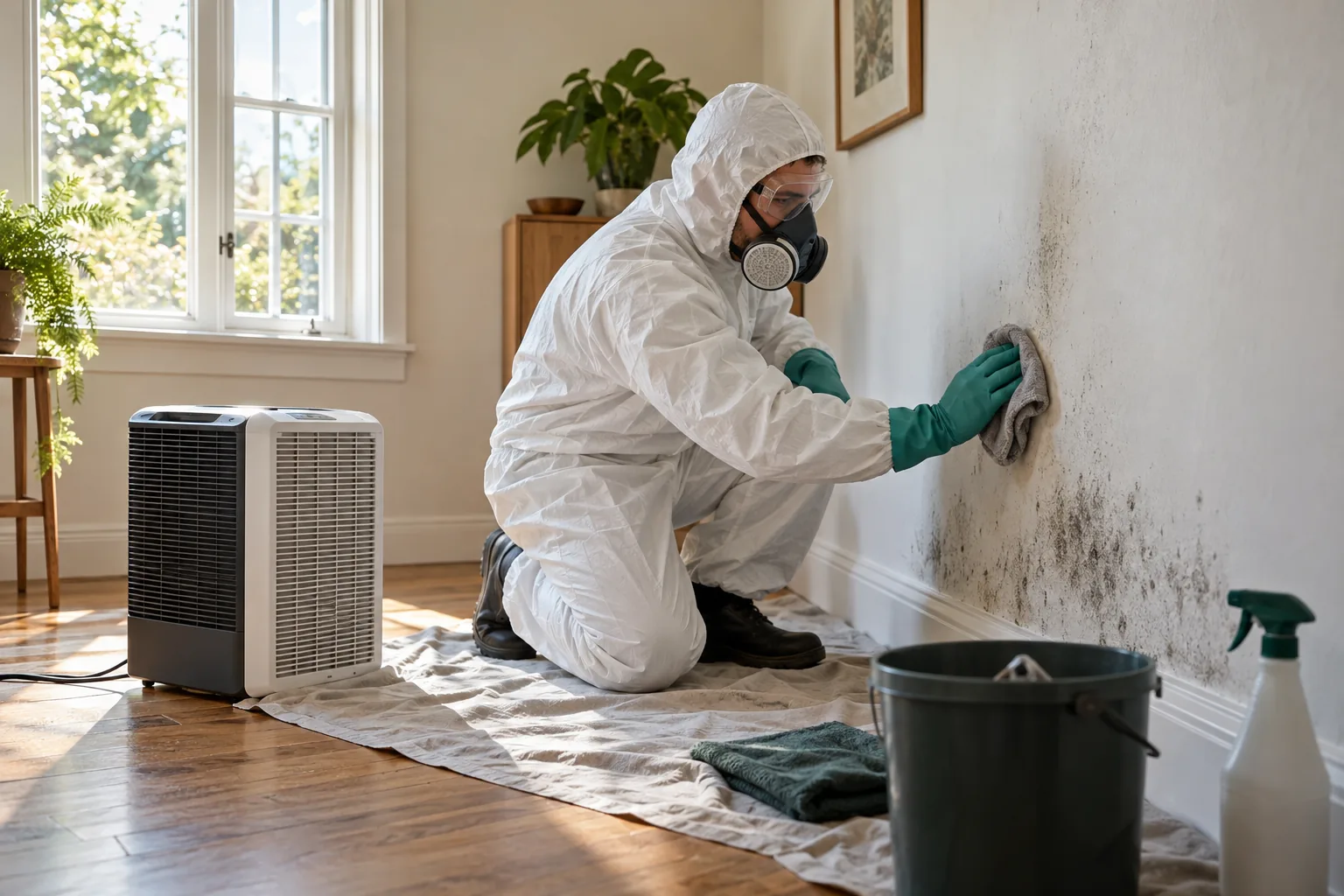

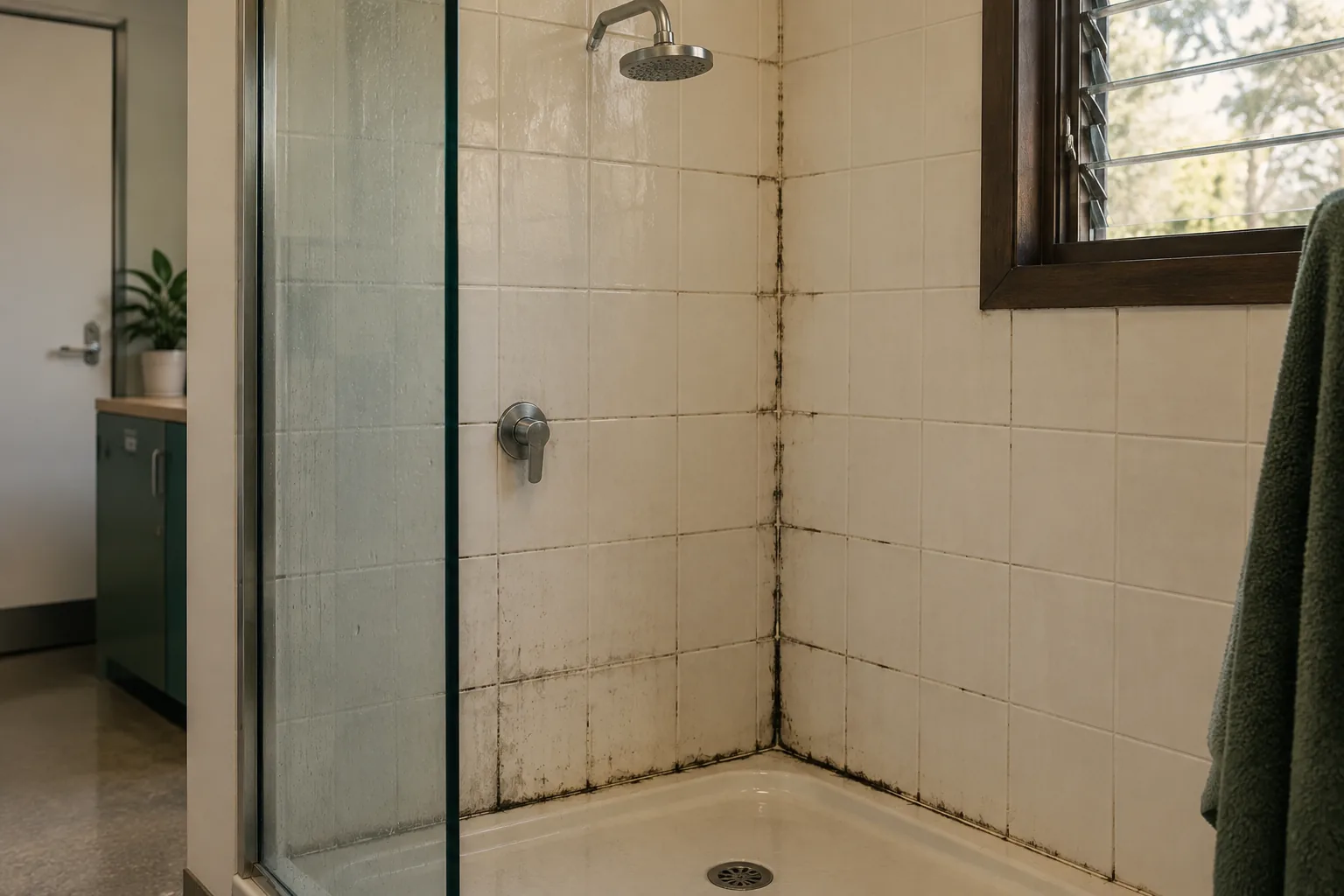
TREATMENT & FOLLOW-THROUGH
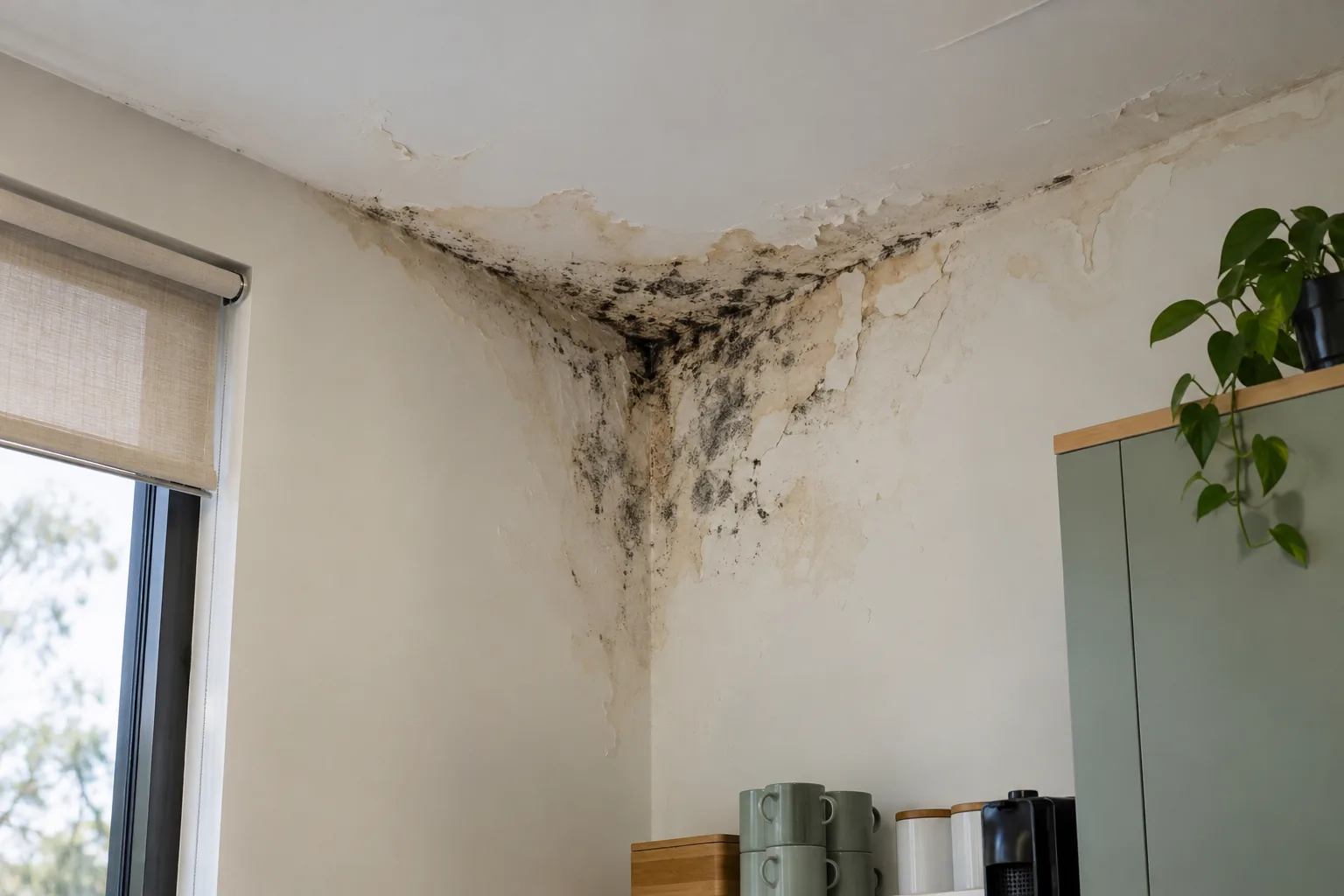
UNDERSTANDING REMEDIATION
A wider finishing task is not the contamination boundary
Locate the marked ceiling section safely and explain the proposed decorative area separately. Describe existing damage, coatings and any previous applications without disturbing the lining. A plan to repaint the whole room does not establish that every ceiling surface has mould or that hidden material will be assessed during treatment.
Our remediation process coordinates assessment, filtration, suitable application and physical removal of visible accessible structural growth. Furniture and textiles remain excluded. Lining replacement, source repairs, hidden investigation and decorating require separate scope; partial structural treatment should not be described as complete finish restoration.
THE MOISTURE CONNECTION
Keep ceiling water history distinct from paint plans
Give dates of actual water or condensation and reliable repair findings. The professional hygrometer supplies room-air relative humidity, not moisture inside ceiling lining or certification of the roof space. A proposed new coating cannot establish that water entry has ended or that concealed layers are dry.
An accessible-condition discussion can clarify uncertain visible symptoms before treatment. Arrange roof, plumbing or relevant ventilation corrections separately. Continuing dampness may permit recurrence, so aftercare should follow the real source response rather than assume wider painting prevents future growth.
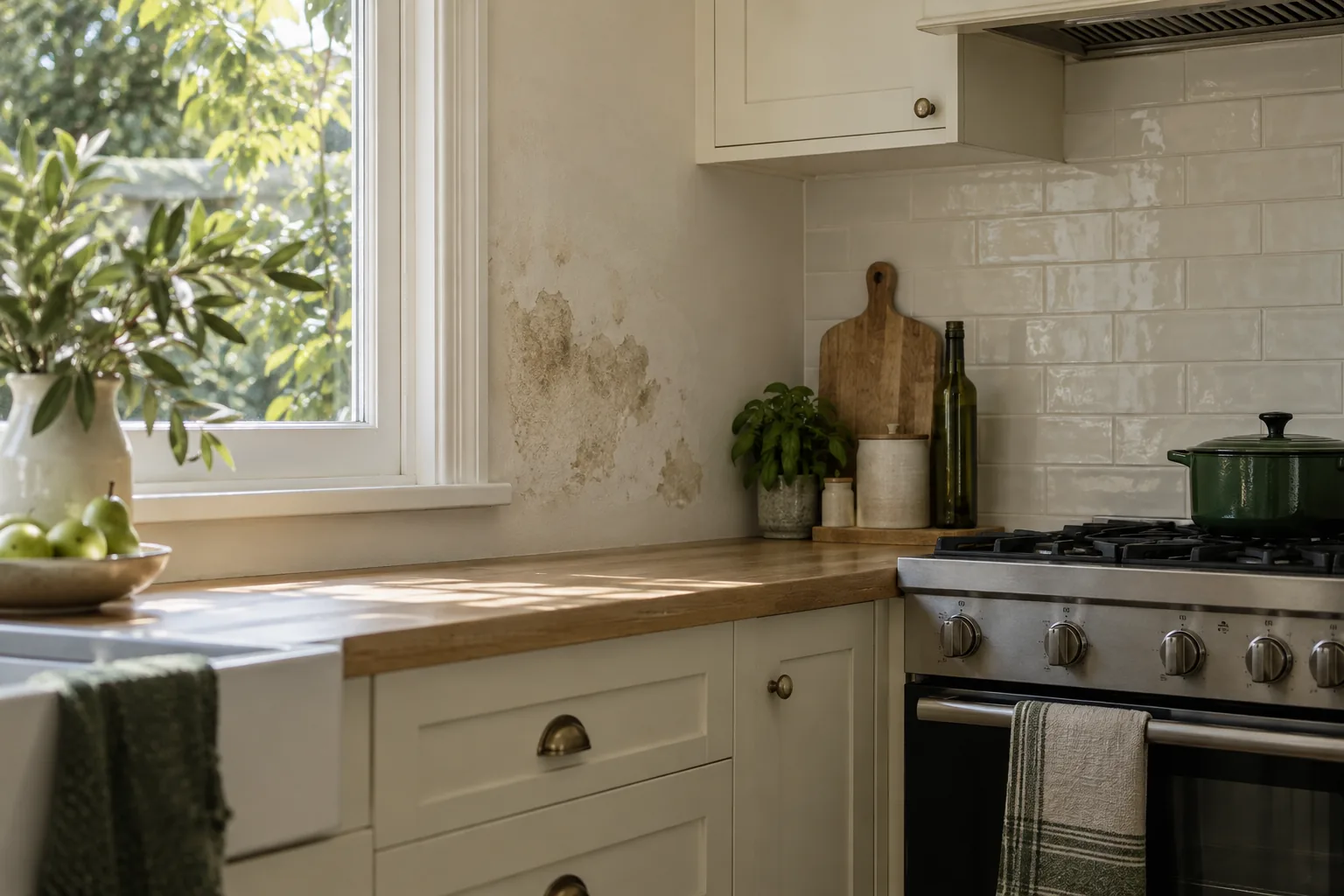
PLAN · FILTER · TREAT · REMOVE · CONTINUE
Follow confirmed methods on the included exposed ceiling
1
Assess current material and reach
Identify contamination, deterioration and safe accessible scope, keeping the decorator’s larger finishing area distinct from accepted treatment.
2
Establish HEPA before application
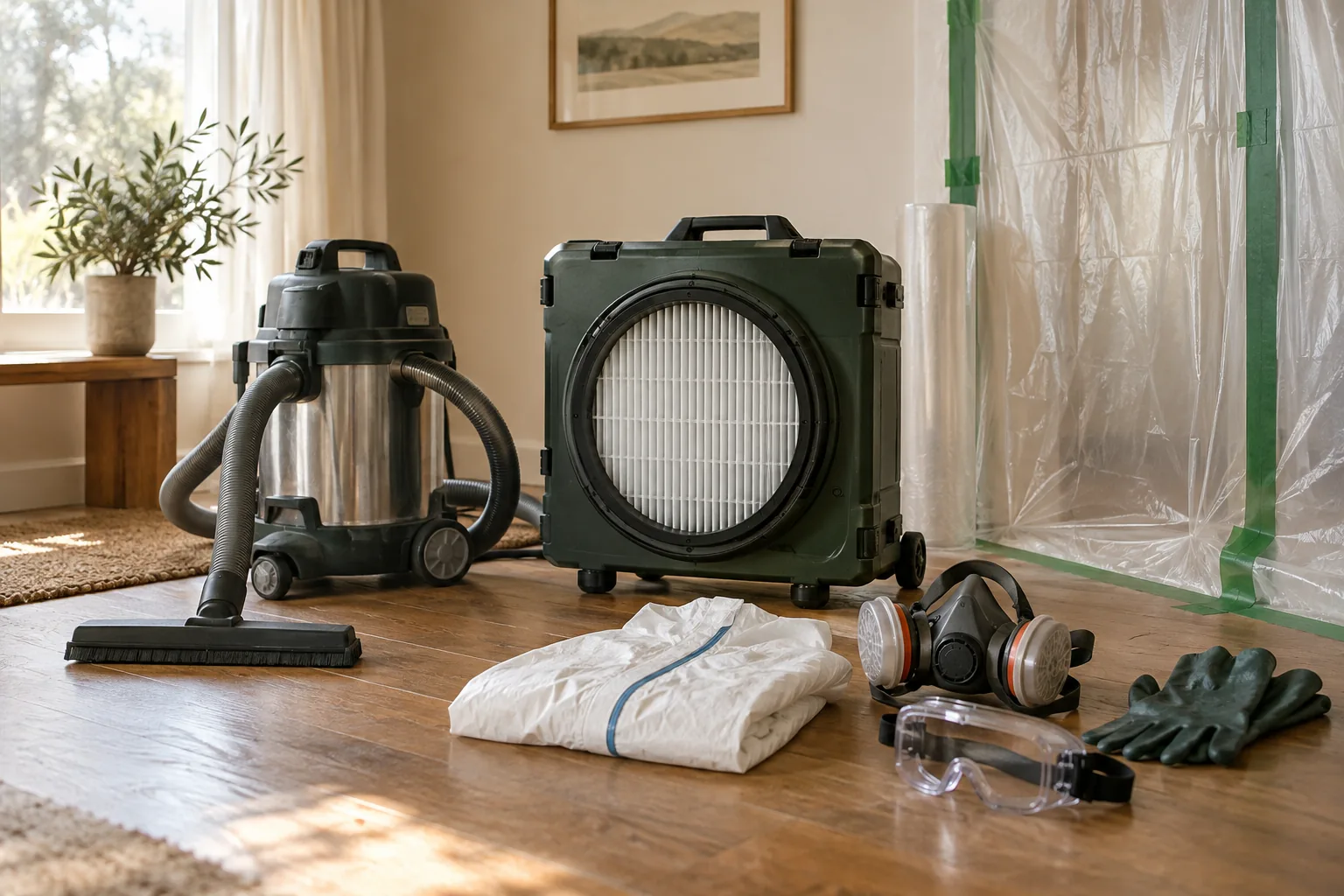
Set up the confirmed HEPA scrubber before treatment starts, agreeing room clearance and equipment access for the ceiling work.
3
Apply suitable HOCl treatment
Use HOCl as assessed, with ULV dry fog in most cases where appropriate, without promising hidden-space coverage or repainting readiness.
4
Physically remove visible growth
Professional H-class filtered equipment supports mould removal within agreed access, separate from lining replacement or renewed decoration.
5
Continue final air cleaning
HEPA filtration operates during and after treatment; obtain technician return advice and clarify residual staining or separate repair needs.
Describe surfaces without borrowing the decorating scope
Walls
Identify any genuinely marked wall separately, rather than add it automatically because the room will be repainted.
Ceilings
Locate the exposed affected ceiling section safely and distinguish it from unrequested or unavailable surrounding material.
Bathrooms
Describe bathroom paint or joint concerns independently, with textiles and extraction repairs outside standard inclusion.
Kitchens
Explain reachable kitchen growth and fixed obstructions, keeping appliance work and plumbing correction separate.
Accessible affected surfaces
Affected exposed hard-floor treatment needs explicit agreement; carpet and concealed construction do not enter scope through the room’s finish plan.
WHAT TO EXPECT
Coordinate the actual trade sequence
Discuss ceiling fragility, clearance and any provisional decorating date before attendance. Do not schedule another trade inside active treatment on assumption. People and pets leave the property and follow the technician’s specific return advice. Average guidance is about three hours per room, affected by size, contamination and accessibility rather than a fixed gap before paint work.
The service is not hourly based. Cosmetic stains can remain and decorating is separately quoted. Ask which ceiling faces were treated and which tasks remain. No laboratory clearance, hidden-material dryness certificate or universal coating interval is promised by the supported process.
FOLLOW THE MOISTURE
Follow the water concern before concealing its signs
A broader paint finish is distinct from source correction and cannot prove moisture prevention.
Record fresh water or growth with its ceiling position and date.
Maintain suitable extraction and pursue confirmed leak repairs.
Explain actual treatment and decorating boundaries when reporting a later observation.
Quote the included ceiling work clearly
Describe affected extent and the wider finish proposal when using pricing applicability. Its room examples concern Mould Removal, so confirm relevant remediation figures. Whole-ceiling painting, lining replacement and cosmetic matching should not be inferred from a treatment amount, nor should a decorator’s area automatically define the accepted contamination scope.
MCKINNON · EXACT ADDRESS & ACCESS
Confirm the McKinnon room and informed contact
Provide the McKinnon address and informed contact. Nearby links navigate other requests without confirming this property’s attendance or decorating deadline.
Bentleigh · Ormond · Glen Huntly · Moorabbin
Questions about remediation
Does a full-ceiling repaint mean the entire ceiling is treated?
Not automatically. Identify the actually agreed accessible contamination area separately from the decorator’s broader finishing scope.
Will remediation replace damaged ceiling lining?
No replacement is confirmed within standard treatment. Explain deterioration and arrange building work separately.
Can paint plans certify the source above the ceiling is fixed?
No. Share confirmed repair information and current water observations rather than infer source correction from a decorative proposal.
Is there a universal interval before the decorator may coat the surface?
No universal coating interval is supplied. Discuss the actual sequence with the relevant providers and follow job-specific return instructions.
Should I inspect above the ceiling to enlarge the scope?
Do not assume concealed access is required or included. Describe the visible concern safely and raise hidden questions separately.
How should a mark outside the treated patch be reported later?
Locate it relative to the accepted boundary and note actual changes. Do not represent an unrequested surface as previously treated because it shares the same ceiling.
Discuss McKinnon ceiling scope before the finish work
Call 03 8652 1296 with the visible patch, material and decorating proposal. Agree accessible treatment and separate finish responsibilities.