
SURFACE TREATMENT · MOISTURE FOLLOW-THROUGH
Mould Remediation St Andrews
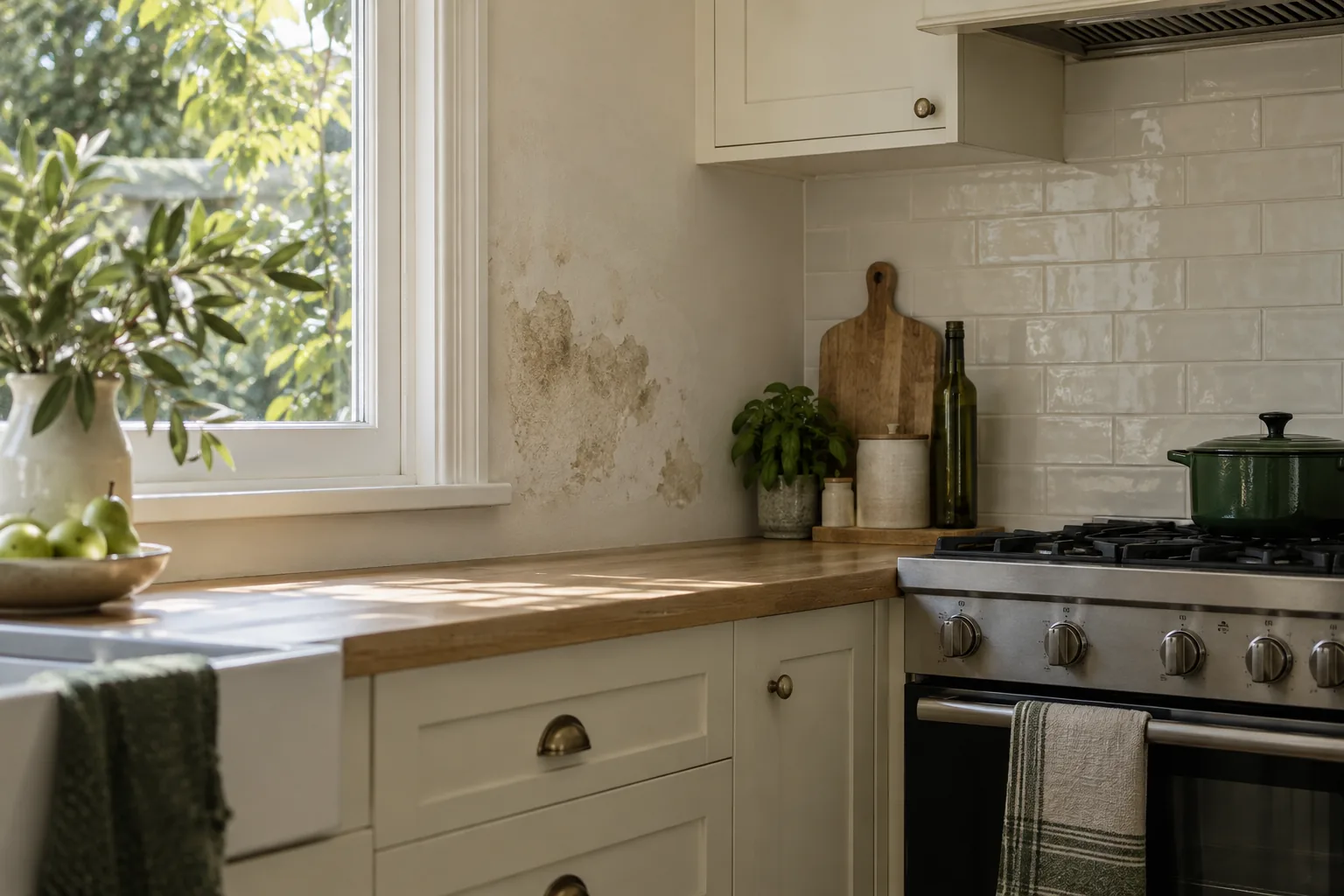
If taking down a hanging item reveals growth on the wall behind it, identify the wall and the item as separate concerns. For a St Andrews enquiry, describe what is now visible and whether fixed hooks or fittings restrict reach. Remediation of the structural face does not establish a cleaning or conservation service for the object that covered it.
The newly exposed wall is described.
Contents stay distinct from structural treatment.
Any remaining obstruction is acknowledged.
TREATMENT & FOLLOW-THROUGH
UNDERSTANDING REMEDIATION
A newly revealed face needs its own description
Give the visible extent, material and coating condition of the wall rather than only describing the hanging item. The confirmed professional process can be considered for suitable reachable contamination. It does not automatically extend to the item’s backing, decorative finish or other room contents.
Discuss fixed hooks before clearance. Another item revealing more growth requires an updated request; the first exposed patch does not clear all wall faces, object backing or hidden lining.
THE MOISTURE CONNECTION
The outline behind an item does not establish the cause
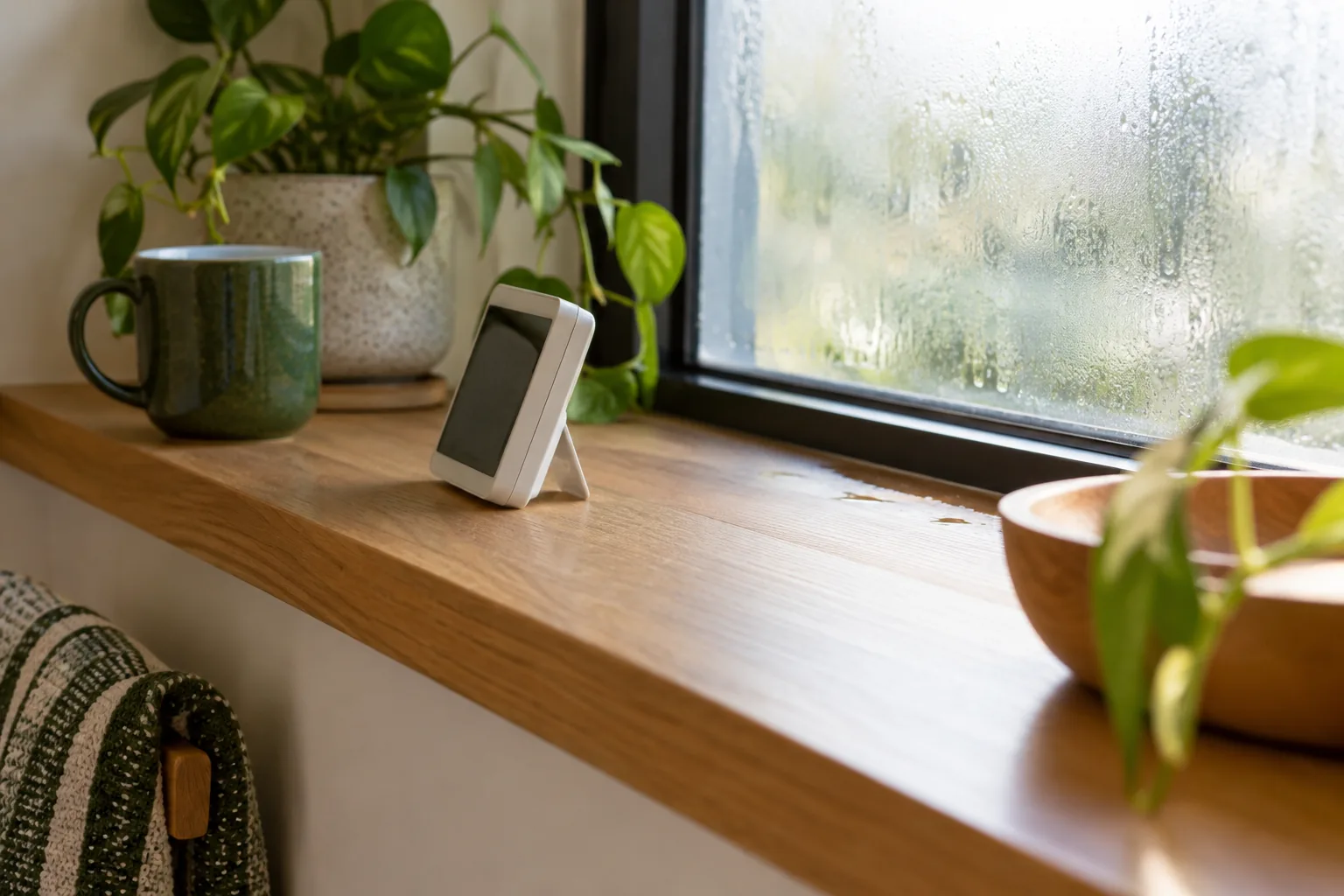
Describe condensation, water entry or changed dampness you have actually observed and any reliable repair history. The shape matching a hanging object does not diagnose what caused the growth. A separate accessible inspection discussion may clarify assessment before selecting treatment.
The professional hygrometer measures the room air’s relative humidity, not moisture within the object or inside the wall. It cannot certify that the item is suitable to hang again. Relevant leak, building and ventilation concerns need their own follow-through. Treating the visible face cannot promise prevention if moisture persists or establish the condition of excluded contents.
PLAN · FILTER · TREAT · REMOVE · CONTINUE
Treatment of the revealed structural face
1
Assess the exposed patch
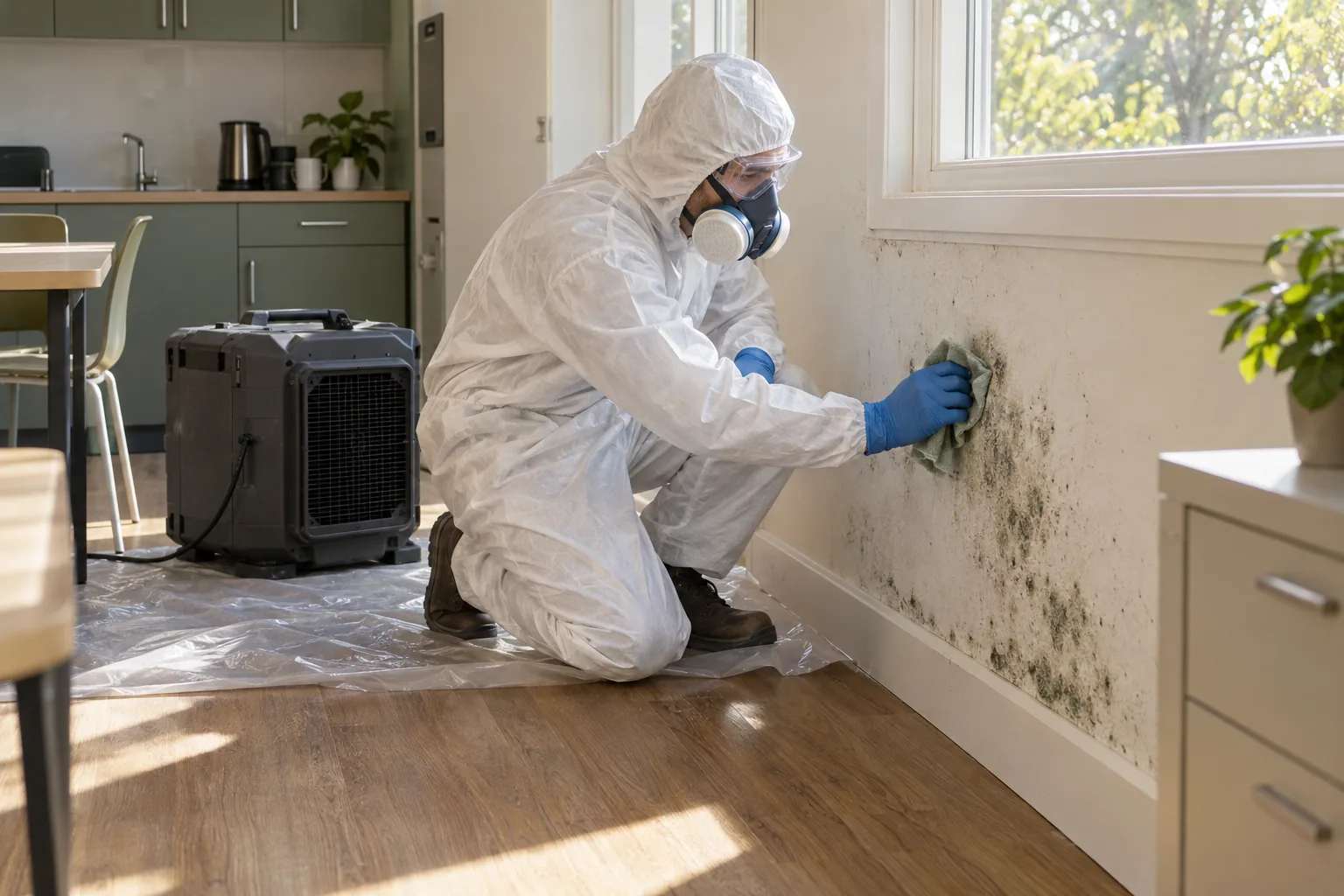
Review the visible accessible wall contamination and finish, identifying fixed fittings and any blocked remainder before agreeing suitable treatment.
2
Set up HEPA protection
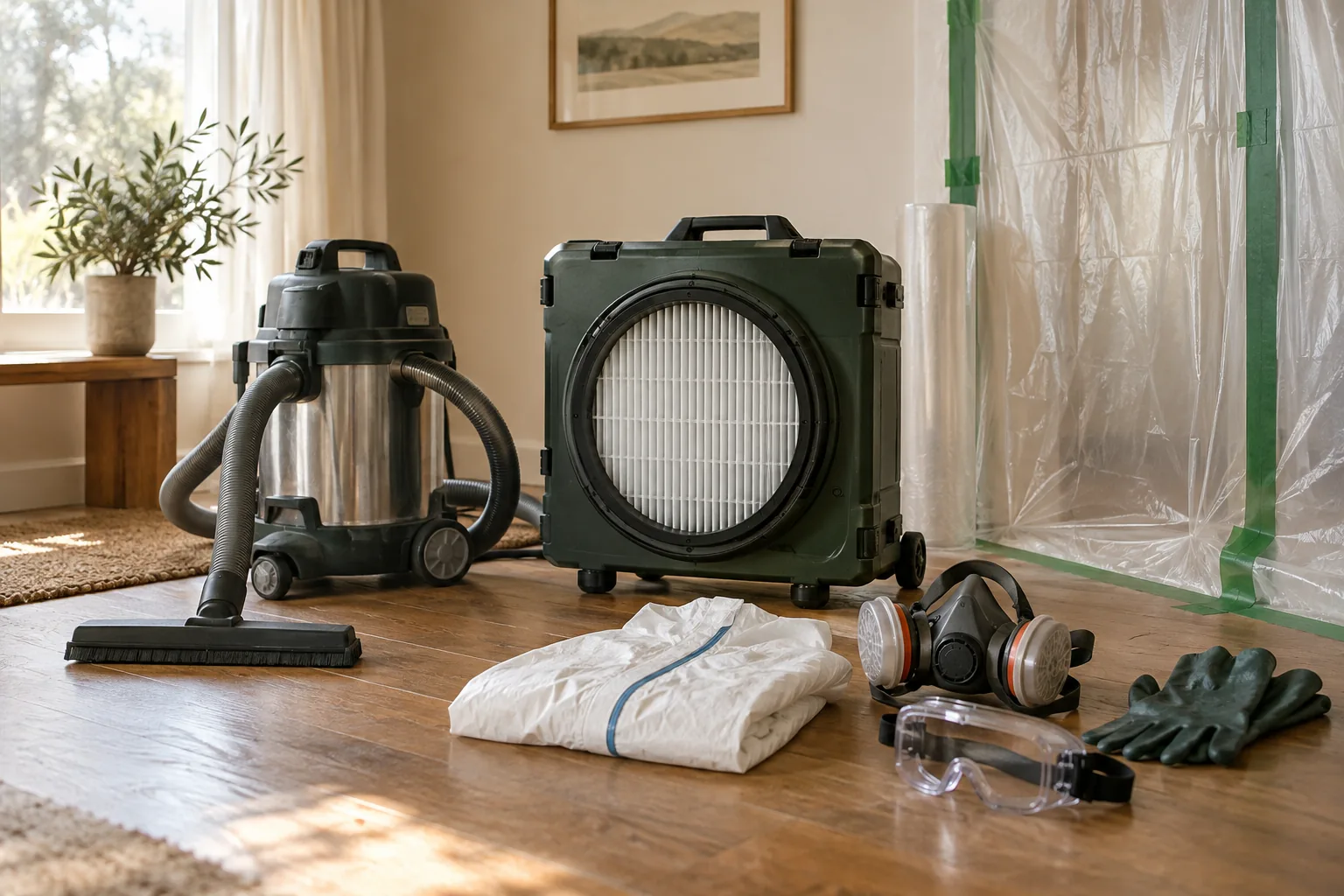
Begin the confirmed HEPA air-scrubber stage before application after the working area is prepared; its operation does not clear the removed object.
3
Select appropriate application
Use suitable HOCl treatment with ULV dry fog where appropriate, without promising preservation or decontamination of decorative contents.
4
Physically remove visible mould
Use professional H-class filtered equipment within the agreed reachable structural boundary, retaining hidden-layer and belongings exclusions.
5
Continue filtration and clarify the result
Maintain HEPA air cleaning during and after work, then discuss actual return advice, residual staining and the surfaces reached behind the original item.
Exposed finishes and items previously covering them
Walls
Identify the wall behind the removed item and describe hooks, coatings and any section still blocked.
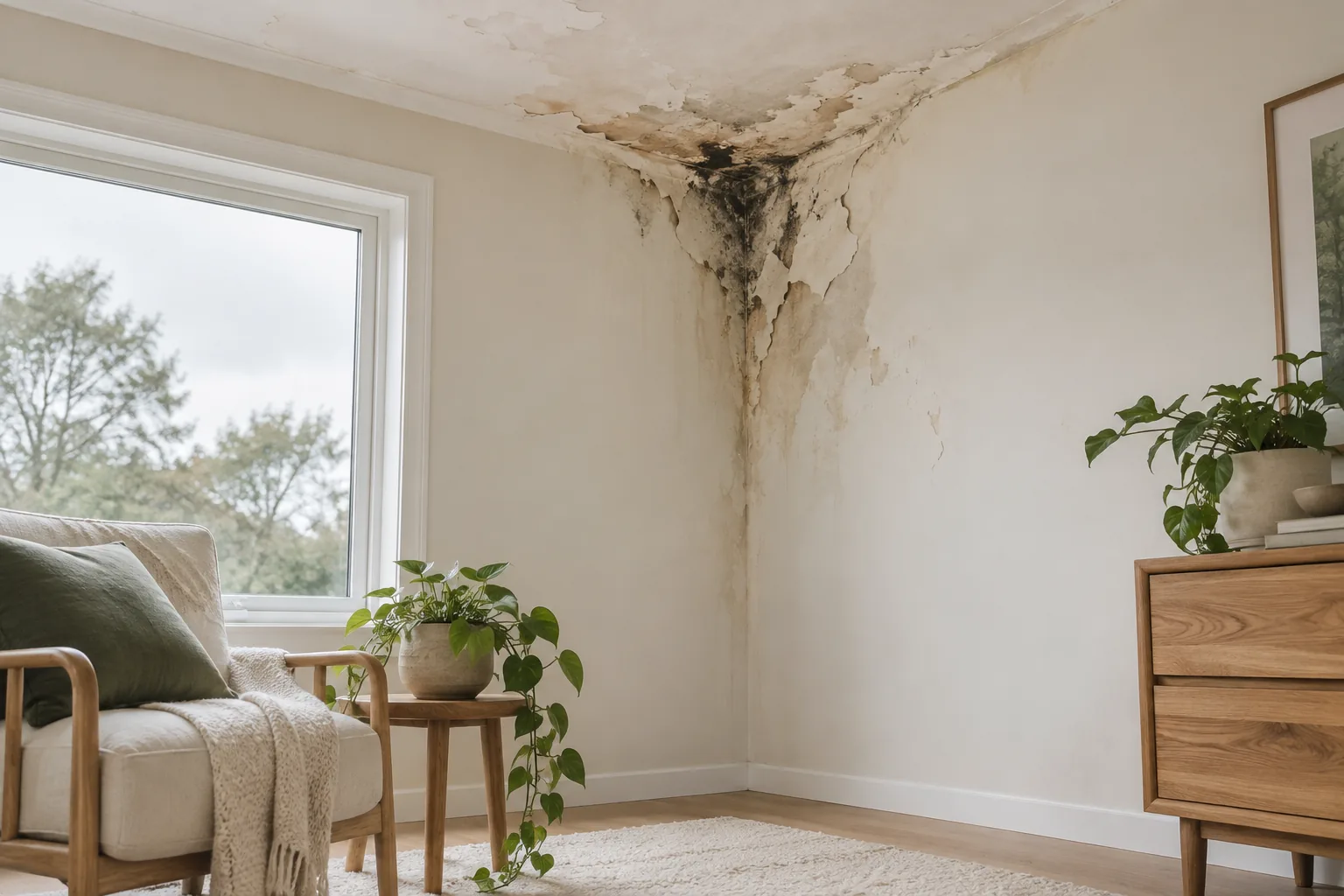
Ceilings
Ceiling growth near a hanging fitting needs its own safe access rather than assumed fitting removal.
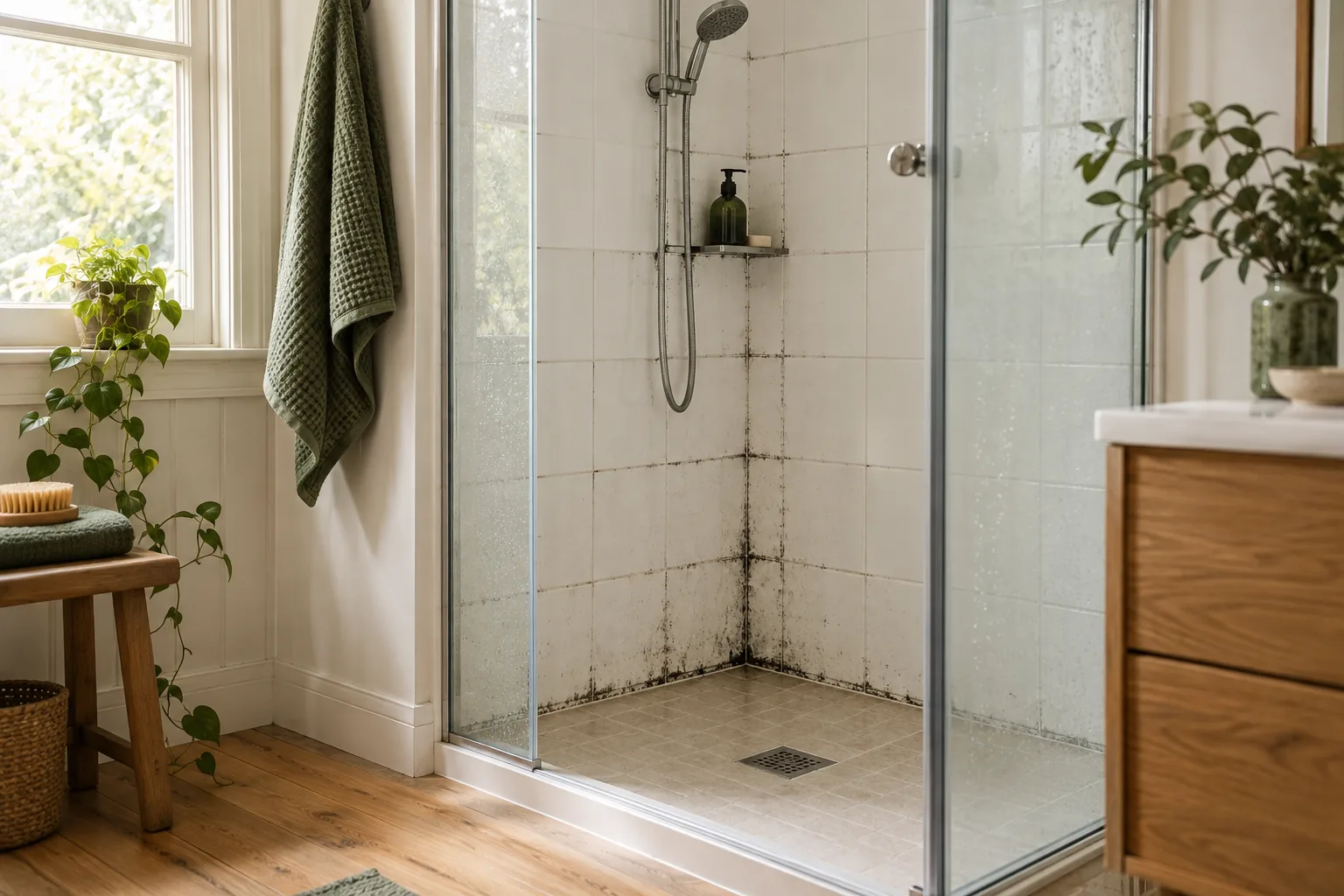
Bathrooms
Bathroom structural surfaces stay separate from mirrors, towels and other item-handling requests.
Kitchens
Name reachable kitchen wall finishes without including decorative contents, utensils or appliance cleaning.
Accessible affected surfaces
Newly exposed structural sections may be discussed individually; object backing, furnishings and concealed lining are not included automatically.
WHAT TO EXPECT
Clear objects according to the actual preparation advice
Explain what has already been removed and what remains fixed, then ask about further preparation. Do not assume handling a delicate object is the technician’s task. People and pets leave during treatment, and the technician’s job-specific instructions govern return rather than a general waiting period.
Before arranging the return of hanging items, discuss the actual job timing: the source’s roughly three-hour room average varies with contamination, size and accessibility. The work is not hourly contents restoration or a promise to restore every mark. Cosmetic discolouration can remain on the wall. Repairs and decoration are separately arranged, while an excluded object’s condition cannot be inferred from the structural-surface result.
FOLLOW THE MOISTURE
Keep wall observations separate from the item’s condition
After instructed return, observe fresh water or growth at the same wall section and follow through on relevant moisture concerns. Returning an item does not prove either it or the hidden area is clear. Describe any later newly exposed patch before extending the previous treatment result.
Identify wall changes independently from marks on the removed item.
Keep contents advice with the appropriate provider.
Record new wetting before covering the section again.
Quote the wall rather than object handling
Provide the exposed extent, finish and fixed restrictions when asking about cost. Confirm how the Mould Removal examples apply to remediation; no art conservation, contents cleaning, fitting removal or complete cosmetic restoration allowance is established.
ST ANDREWS · EXACT ADDRESS & ACCESS
St Andrews enquiries with the exact exposed surface
Smiths Gully and Panton Hill navigation can help locate another nearby request. At the St Andrews address, identify which object was removed and the wall now visible. A nearby enquiry cannot establish the condition of your item or the scope of this revealed patch.
Questions about remediation
Is the removed hanging item treated with the wall?
No contents-cleaning or conservation service is confirmed. Keep the object’s condition separate from the structural request.
Does the matching outline identify why growth formed?
No single cause follows from its shape. Explain actual dampness and reliable history rather than diagnosing from the outline.
Should I remove every fixed hook before attendance?
Ask about preparation first. Describe restrictions without assuming dismantling is required or included.
Can the air reading confirm the item is suitable to return?
No. Relative humidity is not a test or clearance of the excluded object.
What if another picture reveals a second patch?
Identify that new section and have inclusion agreed. The first exposed patch did not establish the condition behind every object.
How should a later concern be described?
Say whether the change is on the wall or the object and include moisture observations. Do not merge excluded contents with the completed structural result.
Describe the wall revealed behind the item
Call 03 8652 1296 with the St Andrews surface, fixed restrictions and access details. Agree treatment and preparation while keeping contents handling separate.