
SURFACE TREATMENT · MOISTURE FOLLOW-THROUGH
Mould Remediation Belgrave
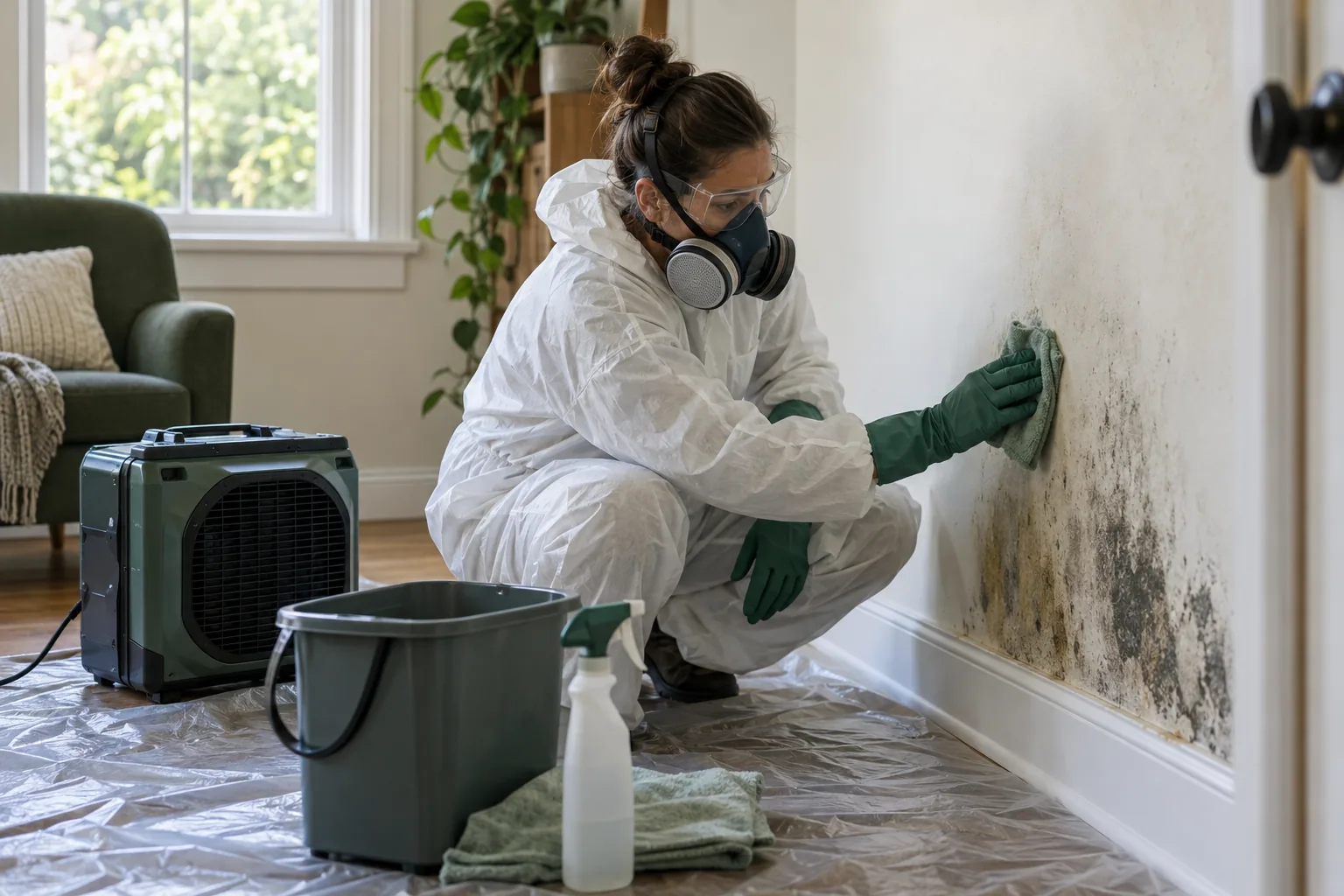
A furnished living room needs a workable plan for reaching the affected wall. For a Belgrave enquiry, describe the visible growth and the furniture around it before arranging movement. A clear treatment boundary helps avoid assuming that the contents are being remediated with the room.
Furniture clearance discussed
Fragile finishes identified
Structural treatment defined
TREATMENT & FOLLOW-THROUGH
UNDERSTANDING REMEDIATION
Agree access before moving valuable items
Explain whether furniture is movable, fixed or difficult to shift, and identify any delicate finishes close to the patch. Do not improvise a clearance plan solely to make the room look ready. Ask what needs to be accessible and who will organise that preparation.
The service boundary is visible accessible structural walls, ceilings and floors. Sofas, upholstery, curtains and other textiles are excluded. Items affected in their own right need separate advice; their presence beside a treated wall does not bring them into the structural scope.
THE MOISTURE CONNECTION
Describe dampness without blaming the furniture
Mention condensation, a known leak or changes noticed while moving an item. Growth beside furniture does not establish that the item caused the moisture. Water-entry repairs and any other building faults remain separate from treatment of the existing contamination.
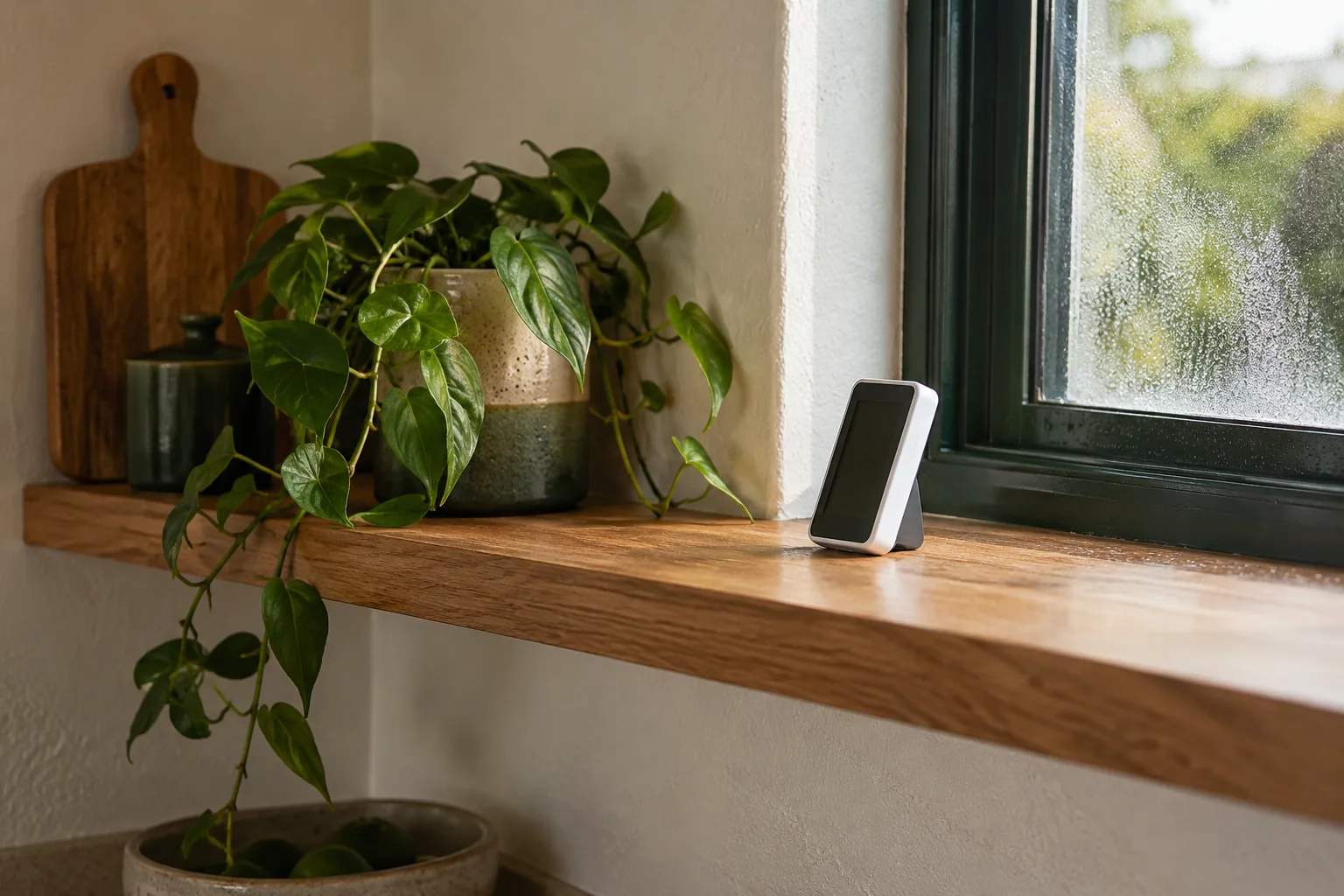
Room-air relative humidity is checked with the confirmed professional hygrometer. It does not measure moisture in upholstery or prove the wall behind furniture is dry. Use assessment discussion to clarify uncertain conditions rather than expecting concealed-space or laboratory testing.
PLAN · FILTER · TREAT · REMOVE · CONTINUE
Work around an agreed structural boundary
1
Assess the reachable surfaces
Show the visible wall and remaining obstructions. Discuss delicate finishes so the included treatment area and preparation requirements are understood before application.
2
Establish air protection first
The HEPA air scrubber is set up before treatment. Equipment placement must be organised alongside the furniture-clearance plan and the technician’s working route.

3
Apply the suitable treatment
HOCl is used in the confirmed process, with ULV dry fog where appropriate in most cases. Application suitability does not imply a furniture-cleaning service or universal safety claim.
4
Remove visible structural growth
Professional H-class filtered equipment is used for physical removal within the accessible scope. Cleaning or restoring excluded furnishings requires a separate arrangement.
5
Continue air filtration
HEPA runs during and after treatment. Discuss any remaining cosmetic marks and job-specific return advice before restoring the room’s ordinary layout.
Map the affected surfaces
Walls
For walls, identify the patch that is exposed now and any area still behind heavy furniture; the concealed portion is not automatically included.
Ceilings
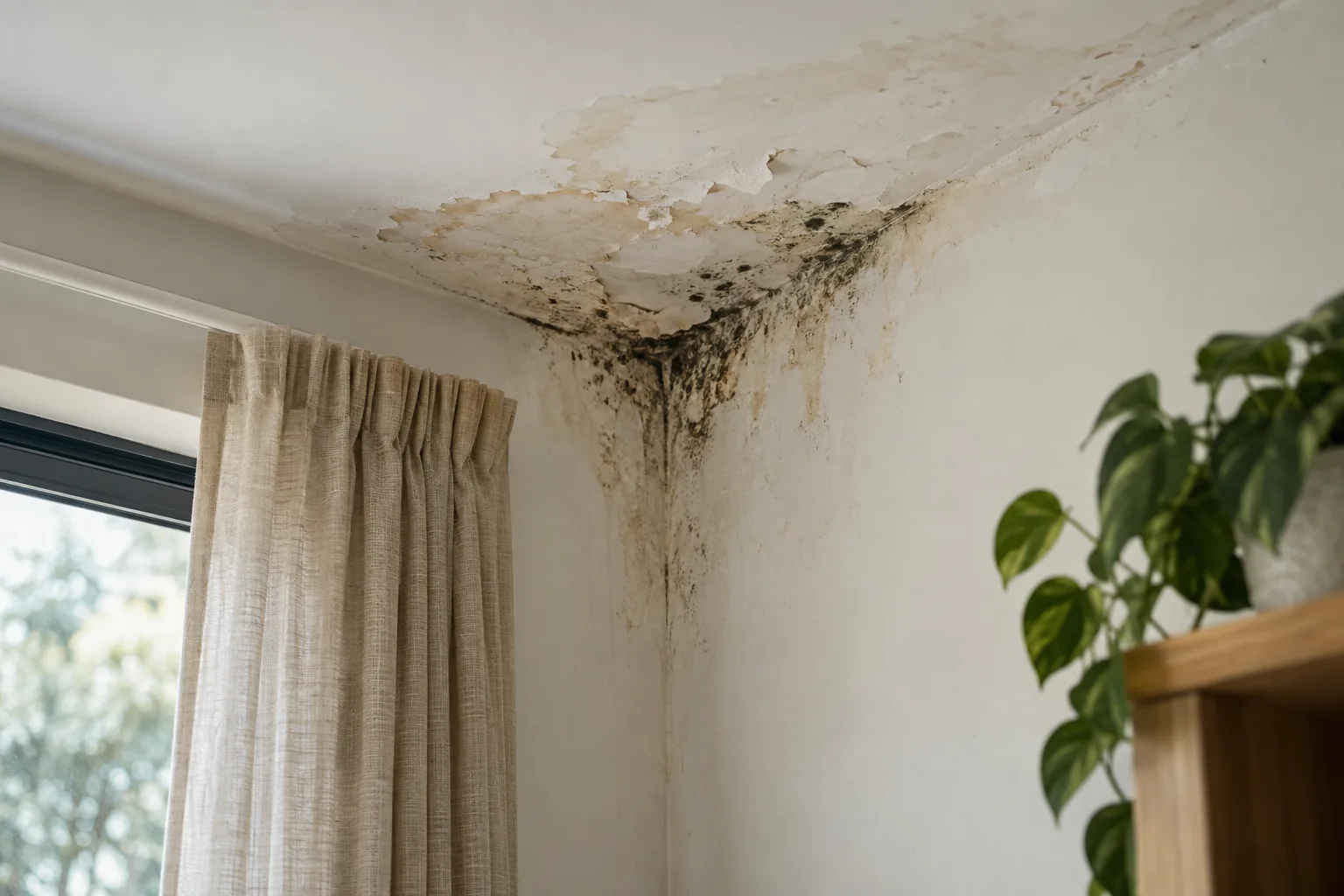
For ceilings, describe overhead growth separately and explain tall items that affect the route beneath it.
Bathrooms
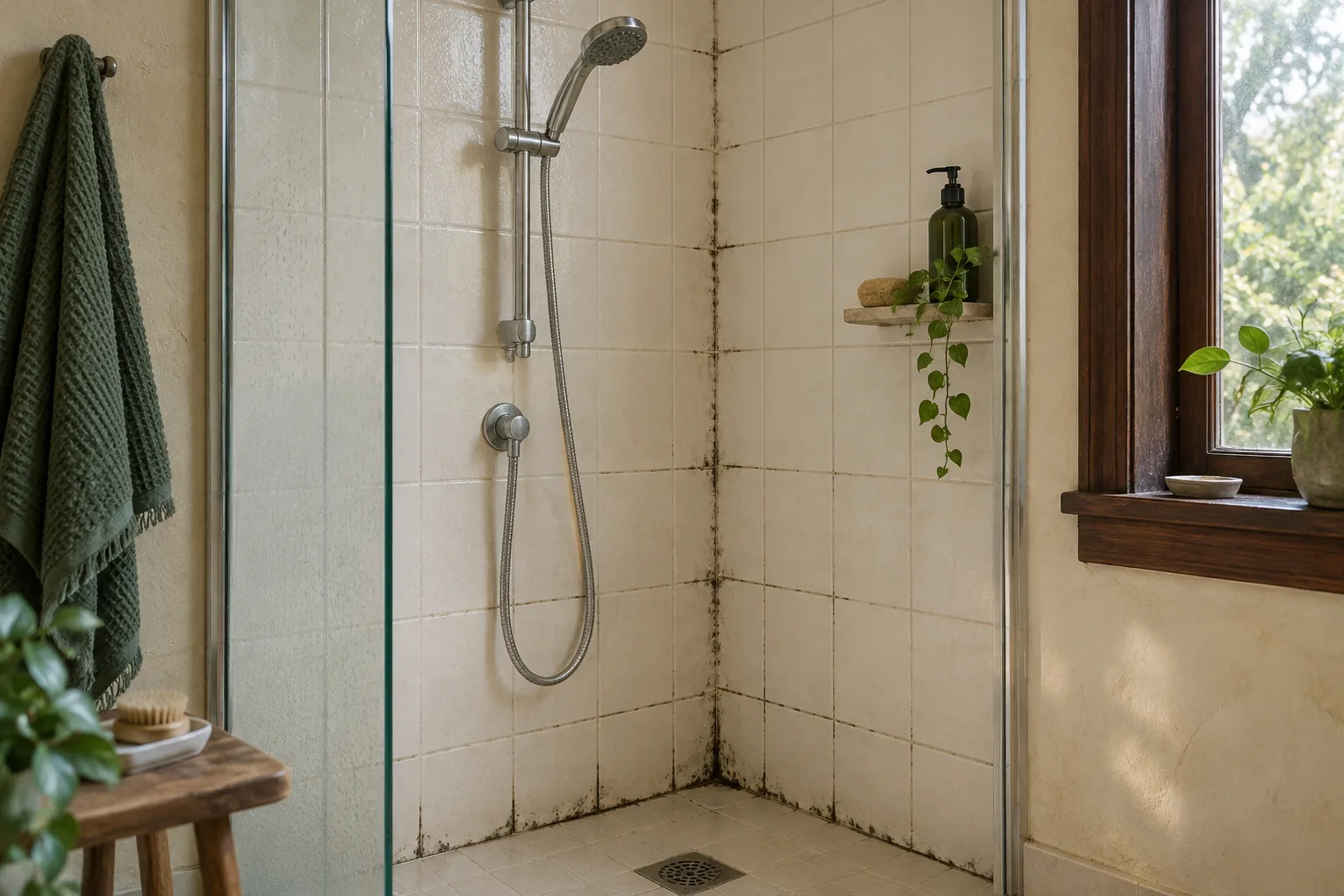
Bathroom wall and ceiling areas can be considered separately; bathmats, towels and shower curtains remain excluded.
Kitchens
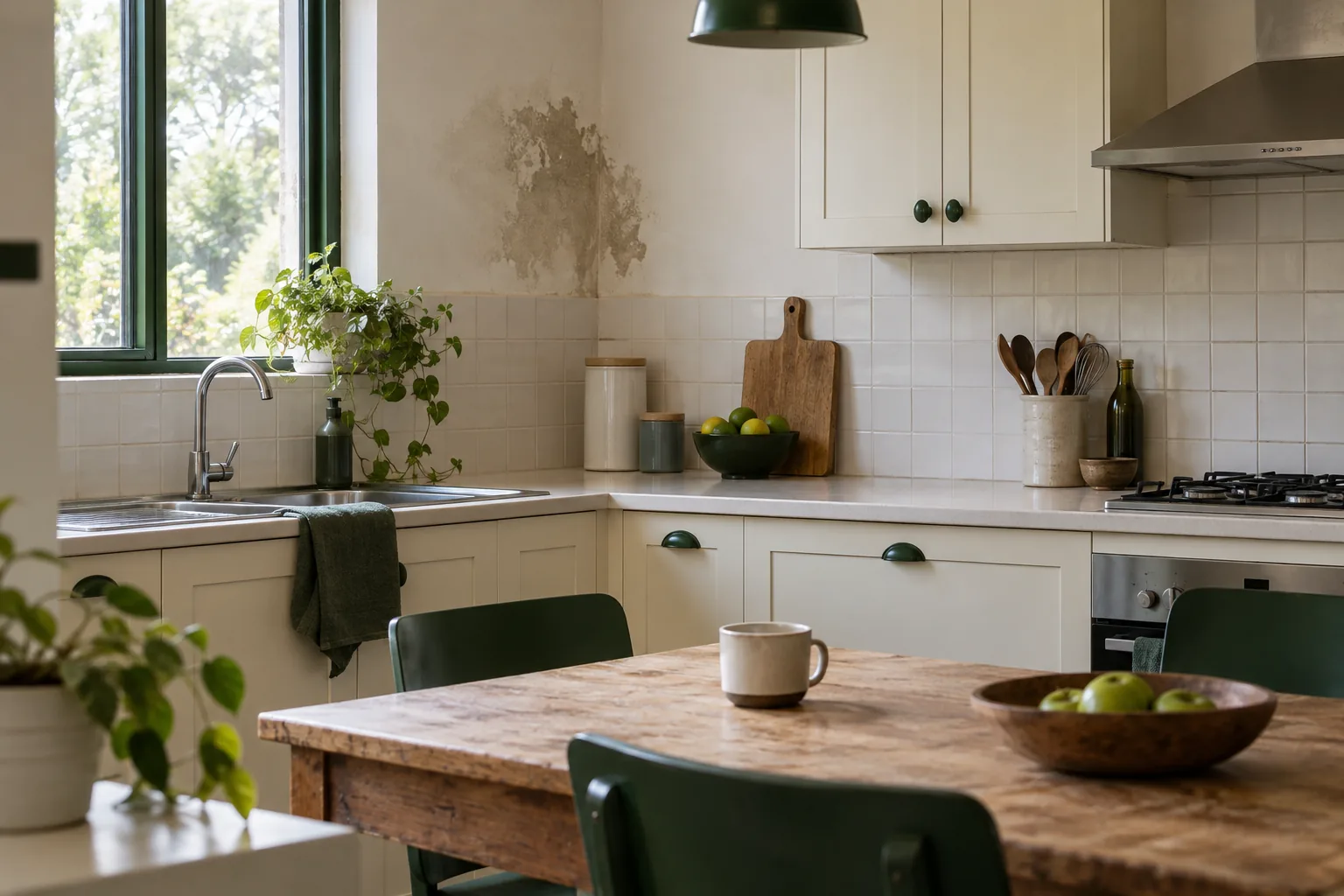
Kitchen enquiries should distinguish accessible structural marks from cupboard contents, appliance internals and repair work.
Accessible affected surfaces
For floors, specify an exposed structural surface rather than grouping carpet, rugs and soft furnishings into one treatment area.
WHAT TO EXPECT
Prepare the room without assuming a contents service
Confirm clearance and discuss sensitive belongings before the appointment. People and pets leave for treatment, following specific departure and return instructions. Around three hours per room is indicative source guidance; the room’s size, extent of growth and usable access can alter the programme.
Treatment does not promise complete cosmetic restoration or lasting protection under continuing damp conditions. Decorating is separate, and hidden areas remain outside the standard accessible scope. Ask what was treated so decisions about furniture placement and moisture follow-up are based on the actual work.
FOLLOW THE MOISTURE
Keep the wall available for later checks
After returning as instructed, use a layout that lets you observe the included area.
Avoid immediately obscuring the patch with an item that makes monitoring difficult.
Record renewed dampness and arrange repair advice for a continuing leak.
Maintain ventilation and discuss persistent condensation rather than relying on repeated surface treatment alone.
Explain the furnished-room scope when quoting
Check published pricing and describe the exposed area, obstructions and separate belongings concerns. Its examples are labelled Mould Removal; confirm their relevance to remediation. Furniture movement, upholstery cleaning and restoration should not be inferred as included services.
BELGRAVE · EXACT ADDRESS & ACCESS
Other properties near Belgrave
Provide the actual address, access and authorisation for another enquiry nearby. A similar furniture arrangement does not establish identical treatment needs or attendance availability; the scope must be discussed for each property.
Tecoma · Selby · Upwey · Upper Ferntree Gully
Questions about remediation
Should I move an antique cabinet before calling?
Discuss the cabinet and required clearance first. Do not undertake difficult movement merely to prepare a photograph or assume the technician has agreed to move it.
Are curtains included if they touch the affected wall?
No. Curtains and other textiles are excluded from the confirmed structural remediation scope, even when they sit beside the patch.
Can the furniture remain in the centre of the room?
That arrangement needs job-specific confirmation. Explain the available space so the technician can assess the working route and equipment placement.
Does fogging mean every furnishing is treated?
No. Suitable fog application does not expand the agreed structural scope to furniture, bedding or textiles.
What if moving a sofa reveals a larger patch?
Describe the newly visible area before assuming the original scope still applies. The accessible boundary and extent may need to be reconsidered.
Will the wall look newly painted afterwards?
A newly painted appearance is not promised. Residual cosmetic marks may remain, with decorating handled separately after moisture concerns are considered.
Discuss the room before rearranging it
Call 03 8652 1296 with the affected structural surfaces and furniture access. Clarify preparation, excluded belongings and the moisture follow-up.