
SURFACE TREATMENT · MOISTURE FOLLOW-THROUGH
Mould Remediation Boronia
Taking wallpaper down can uncover growth that was difficult to see while the finish was intact. For a Boronia enquiry, describe what is exposed now and whether stripping is still under way. Agree the treatment boundary before another layer of paper or paint closes it off.
Exposed finishes discussed
Treatment access agreed
Decorating sequence clarified
TREATMENT & FOLLOW-THROUGH
UNDERSTANDING REMEDIATION
Pause before covering the wall again
Describe which wall is exposed, how far growth extends and whether remaining paper obscures adjoining areas. Photographs of accessible surfaces can help explain the enquiry. Do not peel more material away simply to enlarge the view for a telephone call.
Our remediation service addresses visible, accessible structural contamination. Wallpaper removal, plaster repairs and decorating need separate agreement. Treatment does not establish concealed-wall condition or include the whole renovation.
THE MOISTURE CONNECTION
Separate surface treatment from the damp problem
Mention lifting paper, dampness and any leak history. These observations help frame assessment questions; they do not prove the cause. A roof, pipe or building defect may need a separate trade.
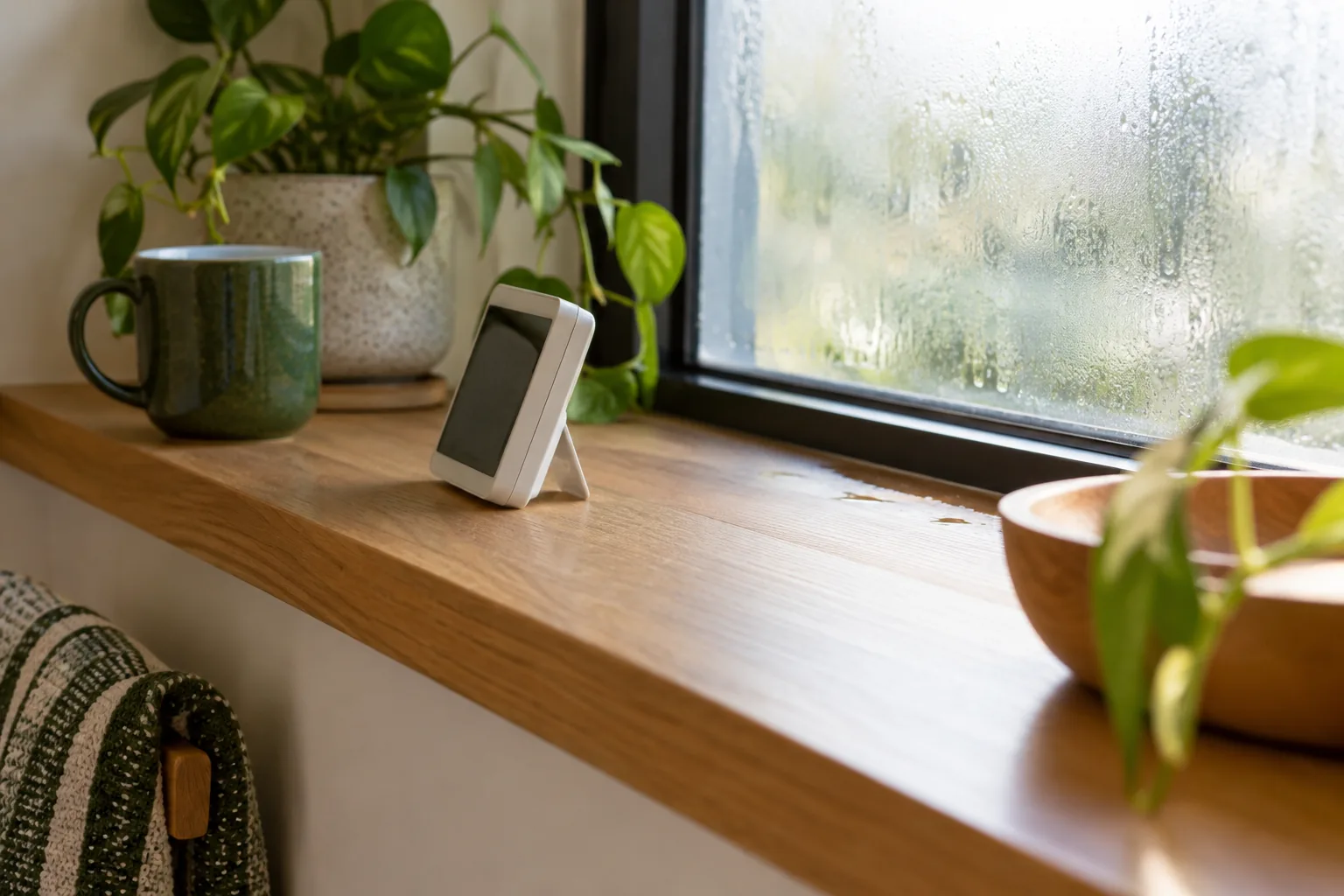
The professional hygrometer measures room-air relative humidity, not plaster moisture or decorating readiness. Where that remains uncertain, discuss further checks through mould inspection rather than using one air reading as permission to seal the wall.
PLAN · FILTER · TREAT · REMOVE · CONTINUE
A treatment sequence for the exposed area
1
Identify the workable boundary
Show the remaining paper edges and accessible growth. Assessment establishes which structural surfaces can be included and what renovation work needs a separate arrangement.
2
Establish air protection
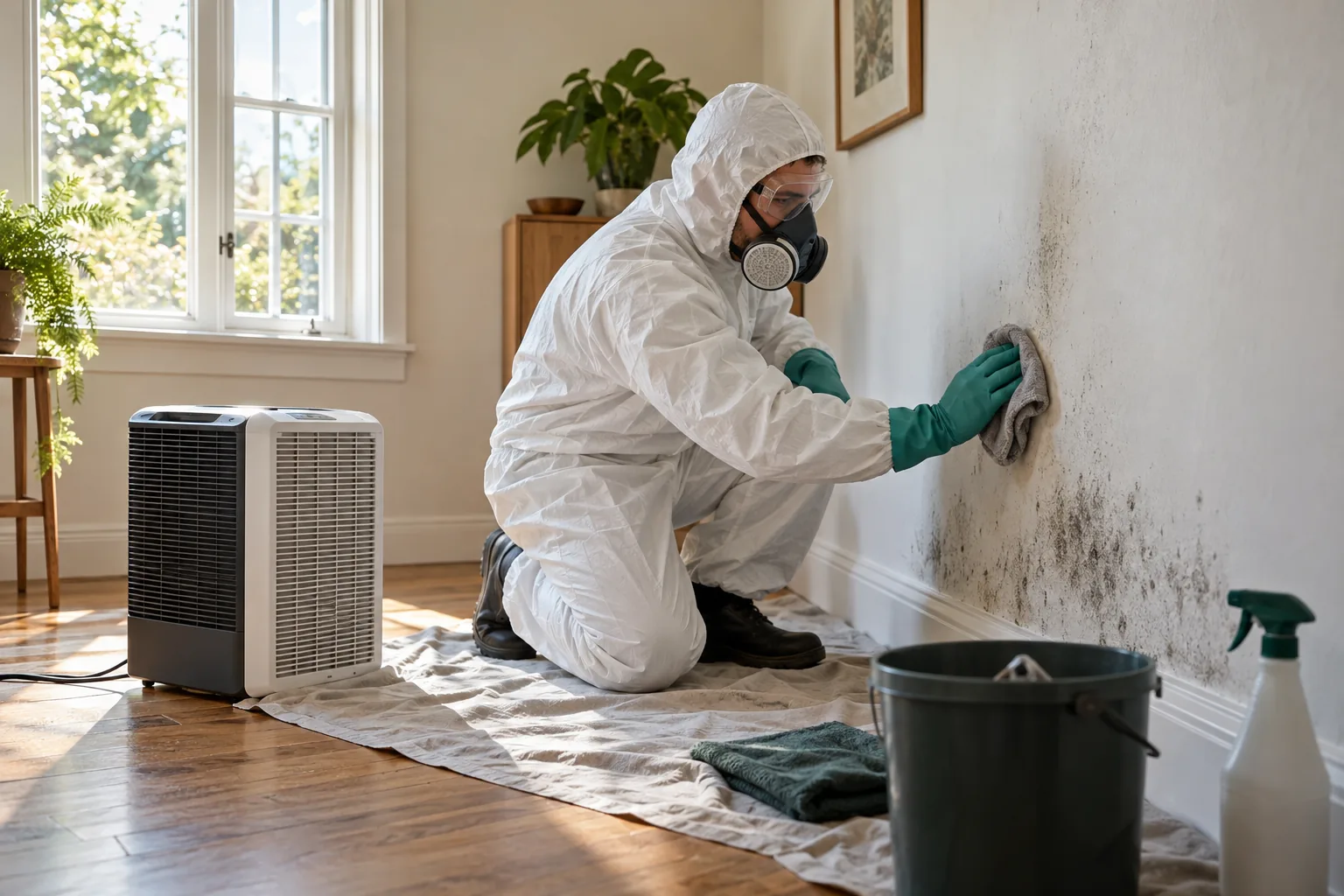
The HEPA air scrubber is set up before treatment begins. Allow the technician to organise its position around the exposed wall and available working space.

3
Treat the suitable surfaces
HOCl is applied as part of treatment, with ULV dry fog where appropriate. Fog is used in most cases, but suitability is not assumed for every decorating situation.
4
Physically remove visible mould
Professional equipment with H-class filtration removes visible growth within the agreed accessible scope. This stage does not promise wallpaper stripping, plaster replacement or work behind the lining.
5
Continue air cleaning
HEPA filtration operates during treatment and afterwards. Discuss remaining marks and the next decorating decision before interpreting a cleaner-looking wall as evidence that the moisture problem is resolved.
Describe each surface separately
Walls
For the wall, distinguish bare plaster from patches still covered by paper; both access and the finish matter to the agreed method.
Ceilings
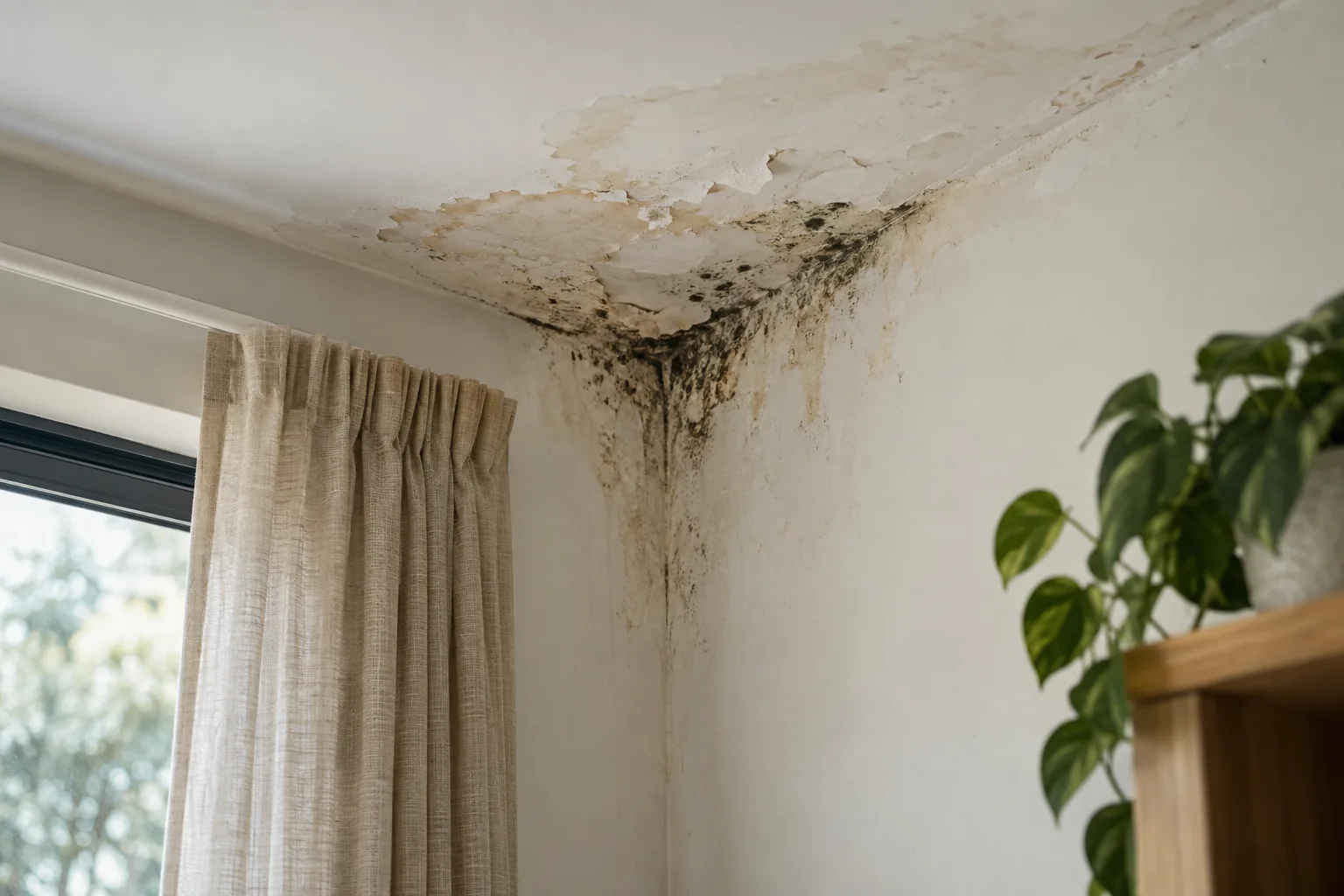
Ceiling marks should be identified separately, particularly if they appeared before the wall covering was removed. Do not assume a shared cause.
Bathrooms
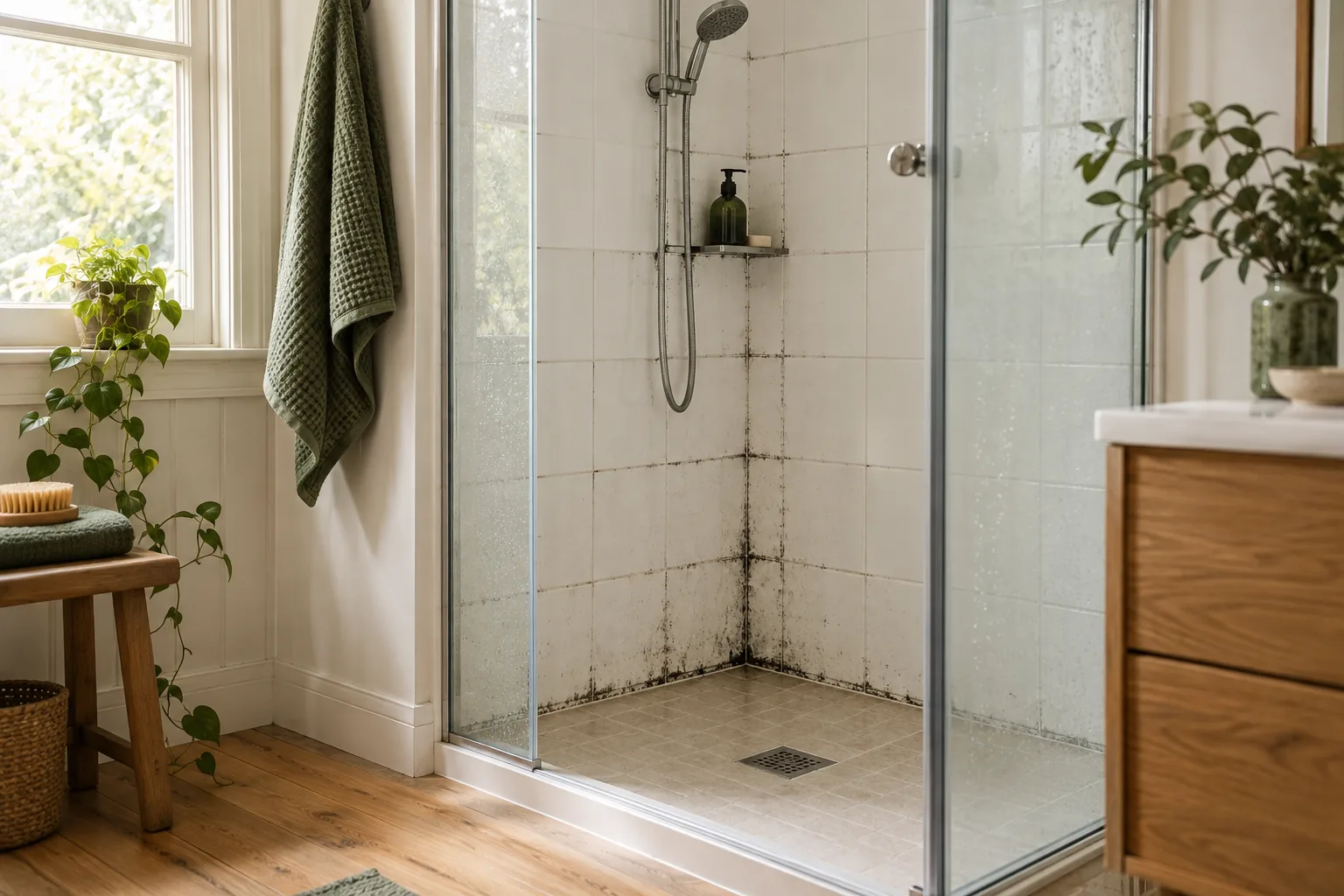
In a bathroom, mention growth on the wall or ceiling rather than including towels, shower curtains or other excluded textiles.
Kitchens
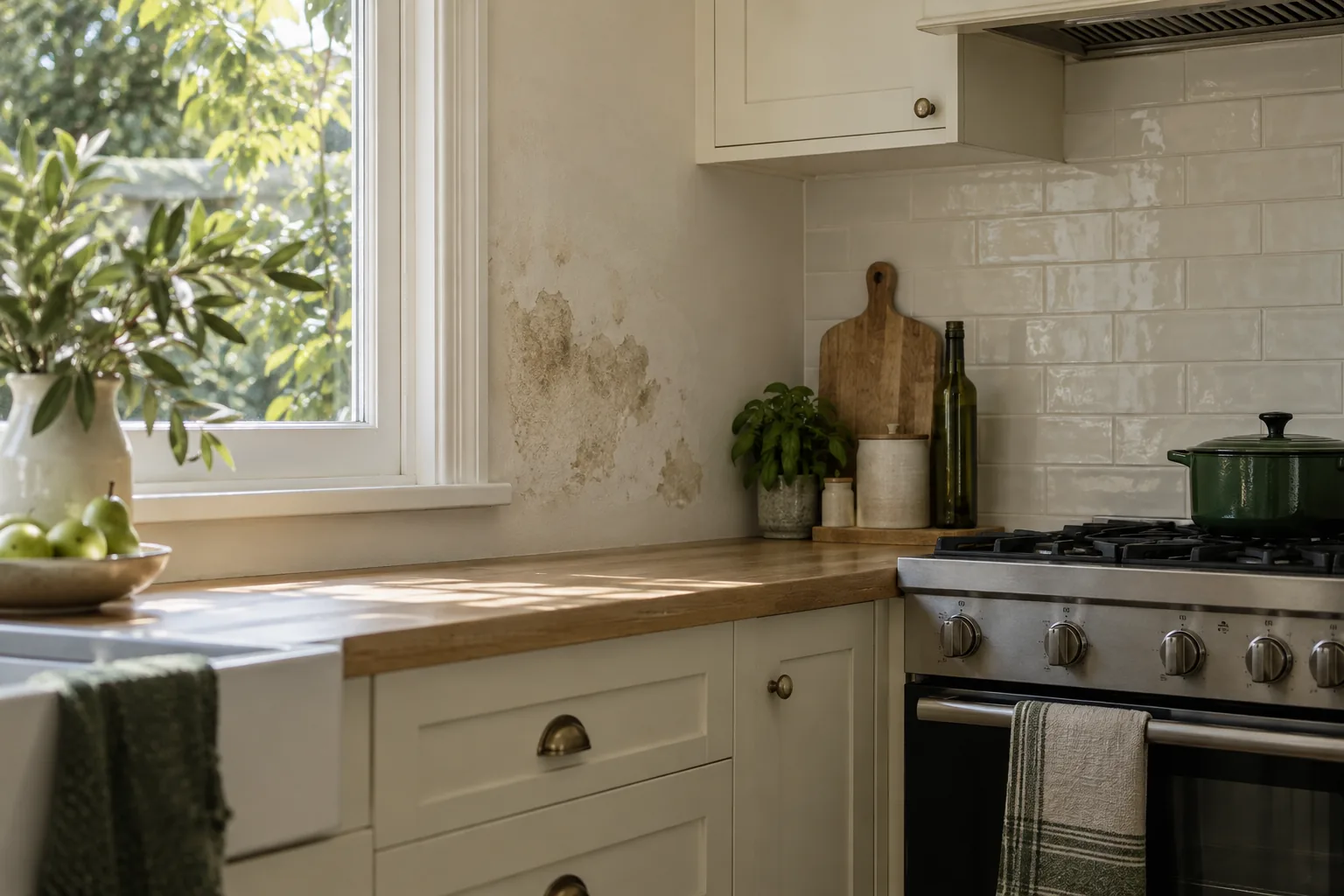
For kitchen growth, explain nearby water-use observations and the accessible wall finish. Appliance moving or plumbing repair is not an automatic inclusion.
Accessible affected surfaces
An exposed structural floor can be discussed on its own merits. Carpet and underlay are not included merely because the surrounding room is being redecorated.
WHAT TO EXPECT
Prepare for treatment, then plan the finish
Agree a clear route to the wall and discuss fragile belongings. People and pets leave during treatment; confirm job-specific departure and return instructions. Average guidance is around three hours per room, varying with size, extent and access, rather than a guaranteed booking length.
Cosmetic marks may remain; decorating is separate. Hidden cavities, furniture, mattresses and textiles are outside standard scope. Discuss the next finish and unresolved moisture before covering the wall.
FOLLOW THE MOISTURE
Keep the follow-up visible
A fresh finish should follow an agreed moisture plan, rather than conceal an unresolved question.
Arrange repair advice for an identified leak before relying on a new wall covering.
Watch the treated area for renewed dampness and note when changes occur.
Maintain ventilation and discuss persistent humidity instead of repeatedly painting over new growth.
Clarify the renovation boundary in the quote
For price enquiries, explain how much wall is exposed and which preparation remains unfinished. The published table is labelled Mould Removal; confirm how it applies to this remediation scope. Do not assume stripping, decorating or a second visit is included.
BORONIA · EXACT ADDRESS & ACCESS
Enquiries around Boronia
For another address near Boronia, explain its condition separately. Access, exposed finishes and appointment availability need confirmation; proximity does not extend the original treatment boundary.
Ferntree Gully · The Basin · Bayswater · Upper Ferntree Gully
Questions about remediation
Should I strip the rest of the wallpaper before booking?
Do not assume further stripping is required. Explain what is already exposed and ask how preparation should be coordinated; additional removal can change the visible condition and may require a separate arrangement.
Can a decorator start immediately after treatment?
An immediate start is not promised. Discuss moisture concerns, remaining cosmetic marks and the decorator’s separate preparation requirements before agreeing the next stage.
Does loose wallpaper mean the plaster is wet?
Loose paper alone does not establish the plaster’s moisture condition. Describe lifting, staining and any leak history so the relevant checks can be considered.
Will treatment cover growth behind the remaining paper?
Do not assume concealed growth is included. The confirmed scope is visible and accessible structural surfaces; identify the covered edge and agree what can actually be reached.
Can my sofa stay beside the wall?
Discuss the clearance needed before treatment. A sofa is excluded from remediation, and leaving it in place must not be taken as agreement to treat either the sofa or an obstructed wall.
What if a dark mark remains after the growth is removed?
A residual cosmetic mark may require separate decorating work. Ask the technician what remains visible, and keep the distinction between surface appearance and unresolved moisture clear.
Discuss the wall before the next finish
Call 03 8652 1296 with the exposed area, remaining covering and relevant damp history. Agree treatment and the separate decorating tasks before work proceeds.