
SURFACE TREATMENT · MOISTURE FOLLOW-THROUGH
Mould Remediation Ferntree Gully
Boxes stacked against a wall can make the treatment boundary hard to judge. If you discover mould while sorting a Ferntree Gully room, explain which structural surfaces are visible and what still blocks them. Separate the belongings question from the wall treatment before organising the appointment.
Working clearance planned
Stored belongings distinguished
Moisture observations considered
TREATMENT & FOLLOW-THROUGH
UNDERSTANDING REMEDIATION
A clear boundary around stored items
Describe the wall you can see without opening or disturbing suspect boxes. Note whether growth reaches a corner or continues behind shelving. Sorting the whole room is not a prerequisite to making an enquiry; agree safe, practical preparation before moving obstructions.
The remediation scope concerns visible accessible walls, ceilings and floors. Cardboard contents, clothing and other belongings are not automatically included. Ask which clearance is needed and who will organise it; treating the wall does not clean everything stored nearby.
THE MOISTURE CONNECTION
Look beyond the storage arrangement
A crowded wall and a moisture problem can coexist. Mention condensation, a known leak or recurring dampness without assuming the boxes caused it. Repair of a plumbing or building fault is separate from treating existing growth.
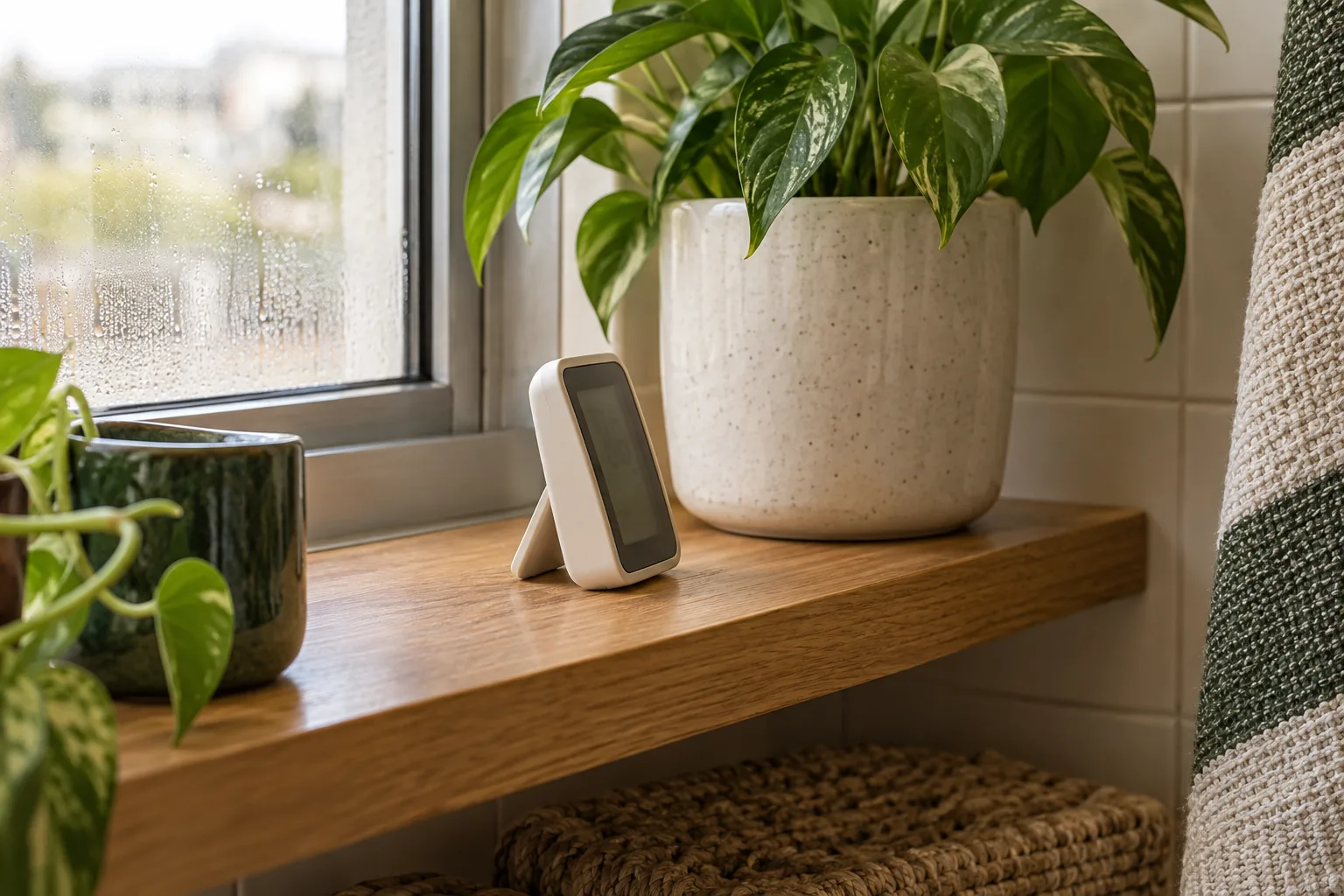
A professional hygrometer checks relative humidity in room air, not moisture inside boxes or the wall. If the exposed area raises further questions, assessment advice can help determine what investigation is suitable without promising hidden-area testing.
PLAN · FILTER · TREAT · REMOVE · CONTINUE
From agreed clearance to completion
1
Review the exposed structural area
Show the accessible wall and remaining obstructions so the technician can define a workable treatment scope. Do not count covered surfaces as already assessed.
2
Set filtration before treatment
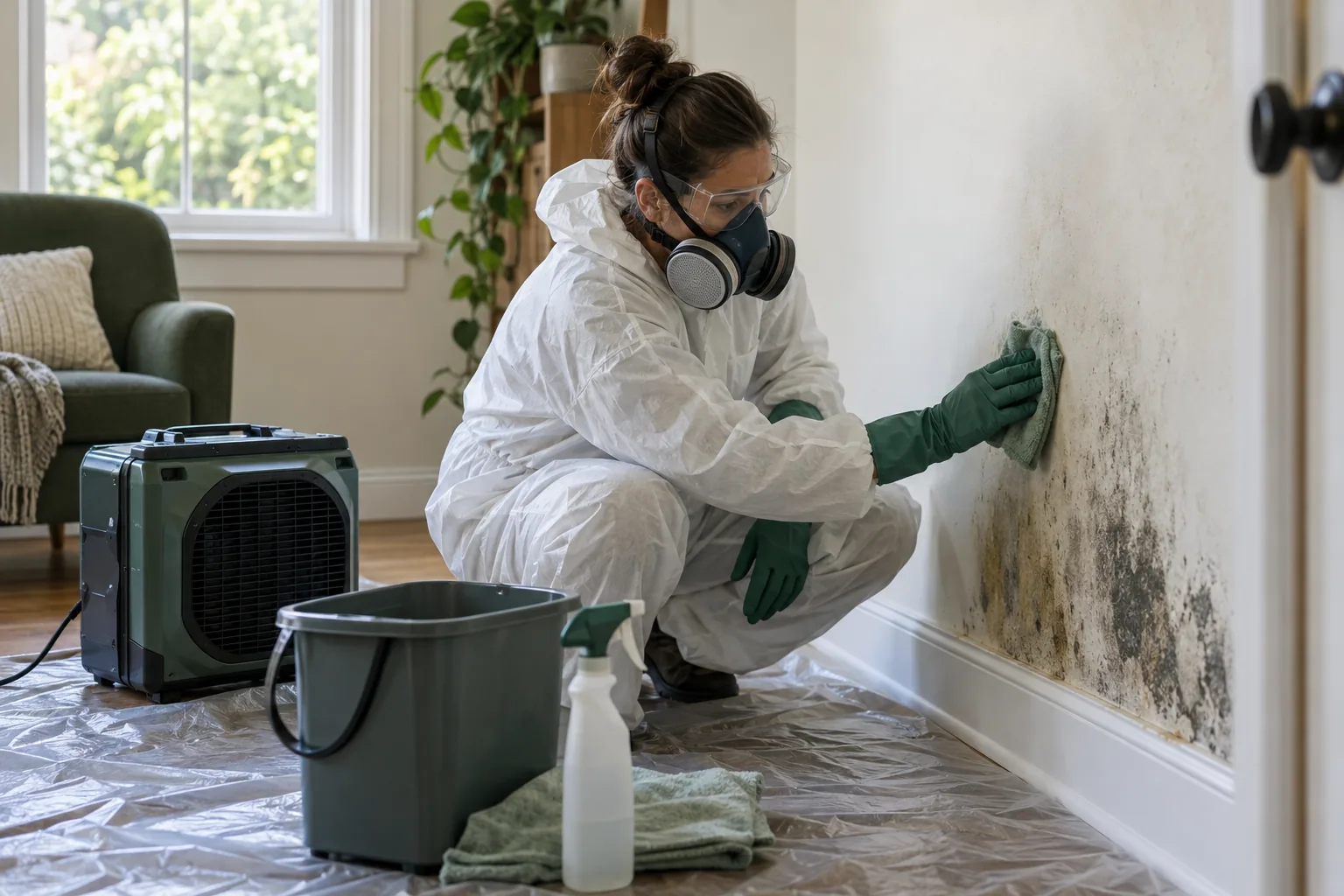
The HEPA air scrubber is positioned before application begins. Clear access needs to allow equipment and the technician to reach the included surfaces.

3
Apply suitable treatment
The confirmed treatment uses HOCl; ULV dry fog is included where appropriate and used in most cases. It is not a substitute for assessing obstructed structural areas.
4
Remove accessible growth
Physical removal uses professional H-class filtered equipment. The agreed wall treatment does not extend to the stored contents or promise disposal of personal belongings.
5
Maintain the air-cleaning stage
HEPA operates during and after treatment. Confirm the completion observations and separate moisture follow-up before filling the storage area again.
Check the room surface by surface
Walls
On walls, identify where growth is visible around shelving rather than describing the whole storage arrangement as one affected surface.
Ceilings
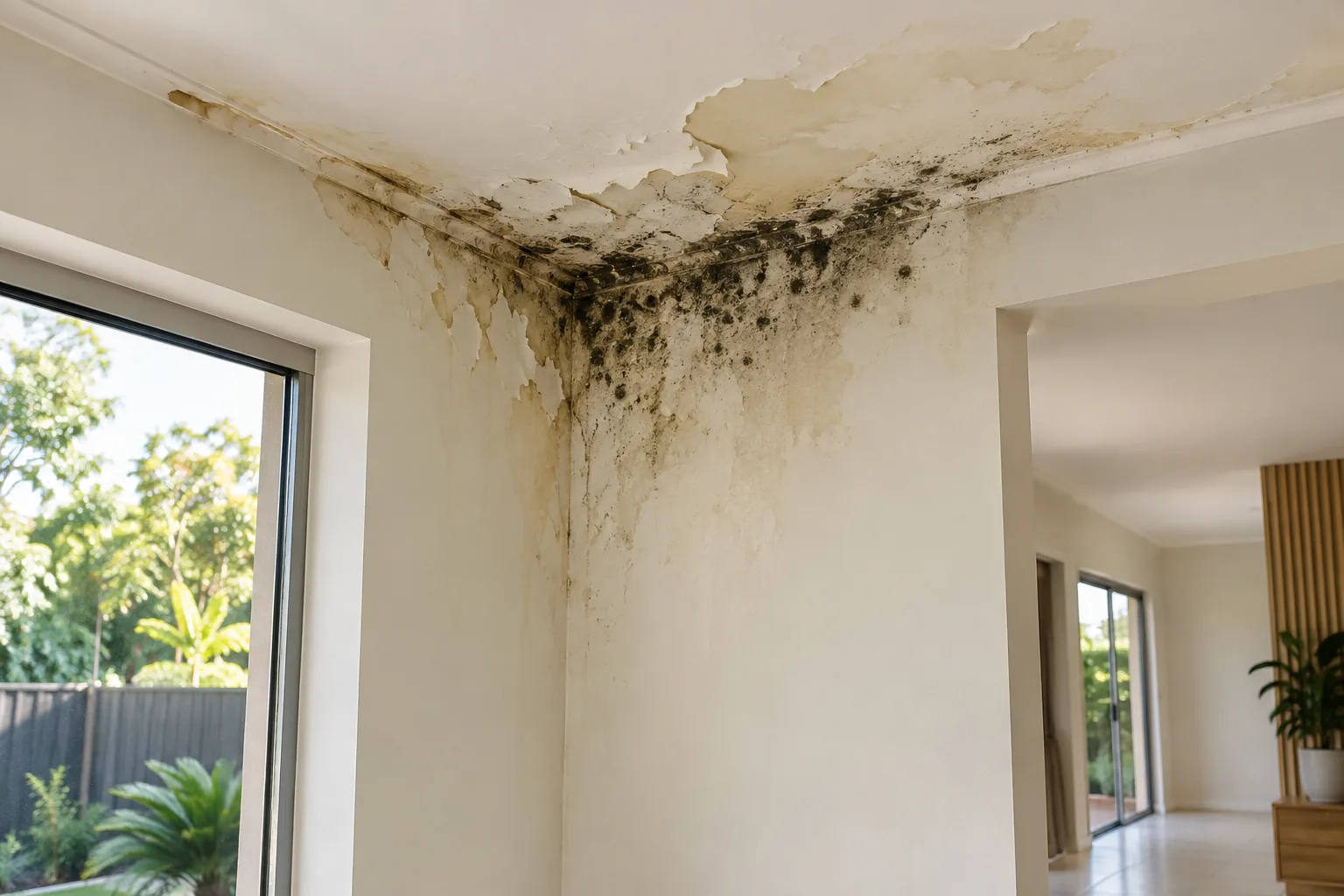
For a ceiling patch, mention whether an overhead shelf obstructs access. The height and working route need discussion.
Bathrooms
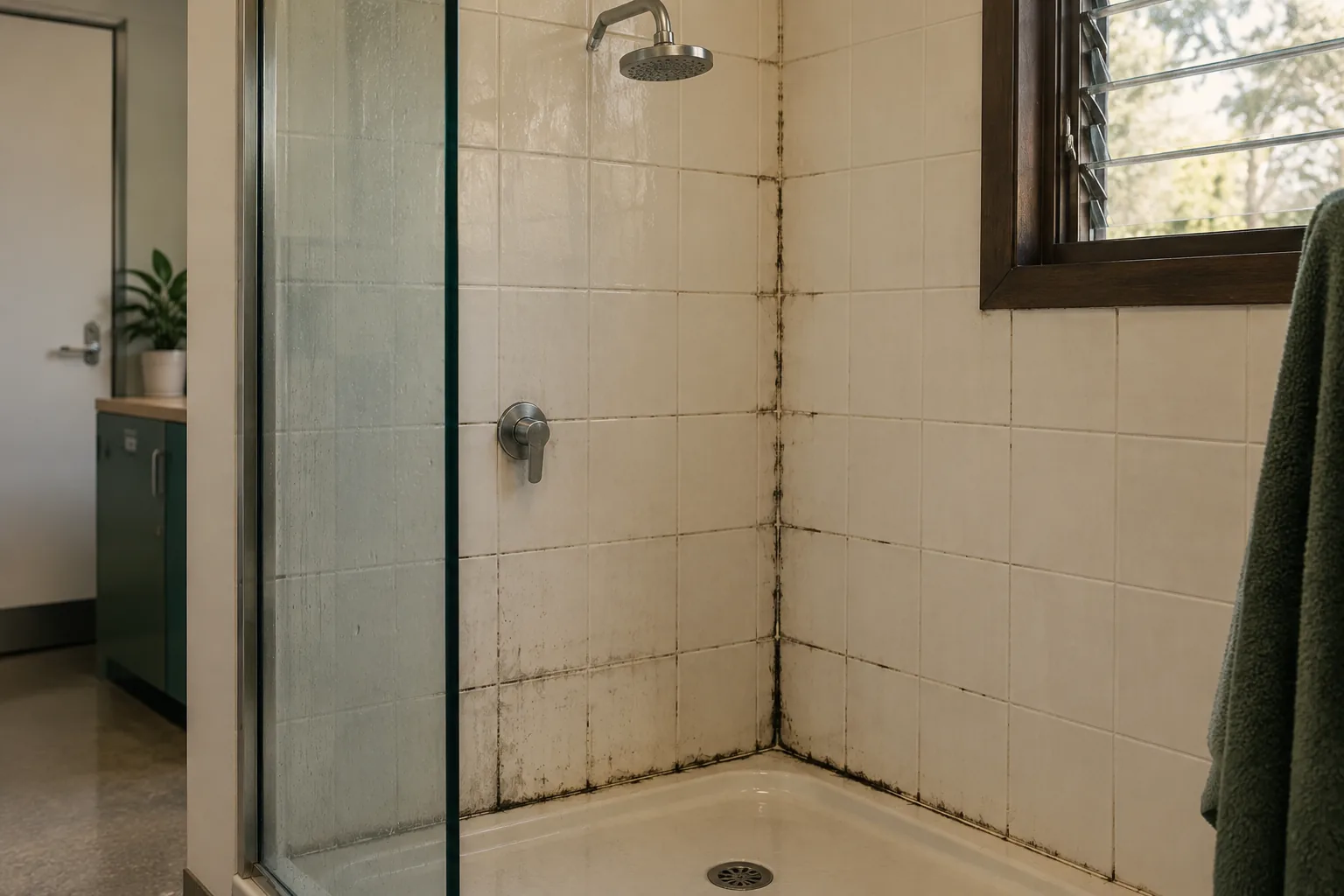
Bathroom wall and ceiling treatment does not include cleaning baskets of towels or other textiles kept in the room.
Kitchens
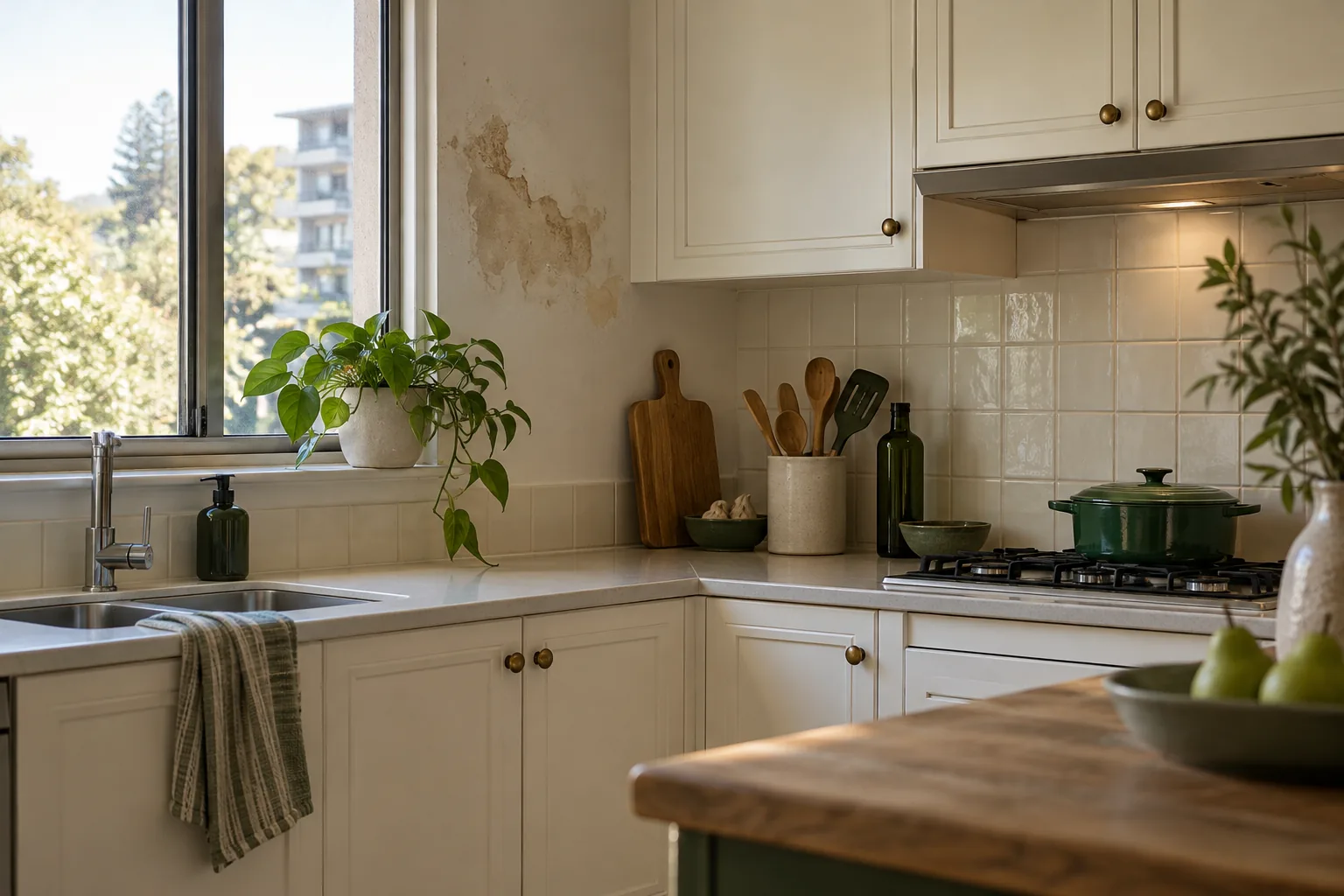
In the kitchen, distinguish an accessible wall mark from items stored in cabinets. Concealed spaces and contents are not assumed in scope.
Accessible affected surfaces
For floors, identify the exposed structural finish. Carpet, clothing piles and loose coverings are separate from that treatment discussion.
WHAT TO EXPECT
Agree preparation without guessing clearance
Ask how much space is needed rather than choosing an arbitrary distance. Discuss fragile or suspect belongings before moving them. Occupants and pets leave during treatment, and return arrangements must be confirmed for the job. Around three hours per room is average guidance, varying with extent, size and access.
Stains may remain on the treated surface. Decorating, repairs and contaminated belongings need separate decisions; the appointment does not certify concealed areas or guarantee that growth cannot return. Keep a record of what was exposed so later changes can be compared meaningfully.
FOLLOW THE MOISTURE
Make future checks easier
Once treatment and moisture work are discussed, organise storage so the structural area remains inspectable.
Avoid rebuilding an arrangement that immediately hides the treated patch.
Monitor condensation or renewed dampness and note when it appears.
Keep ventilation functioning and seek repair advice for continuing water entry.
Describe clearance when discussing costs
Use the pricing page as a starting point, then explain the available access and excluded belongings. Its figures are labelled Mould Removal; confirm applicability to this remediation enquiry. Storage clearance or contents treatment should not be inferred from a room example.
FERNTREE GULLY · EXACT ADDRESS & ACCESS
Another property nearby
For enquiries around Ferntree Gully, specify the actual address and who can authorise preparation. Different storage arrangements can change access even when properties are close together. Availability needs confirmation for each appointment.
Questions about remediation
Do I need to unpack every box before calling?
No, not merely to make an enquiry. Describe the visible wall and obstruction, then ask what preparation is appropriate before handling suspect contents.
Can I photograph the wall through a narrow gap?
A photograph from an accessible position can help explain the visible patch. Do not shift an unstable stack or disturb belongings just to obtain a better view.
Will the technician clean the boxes too?
Do not assume contents cleaning is included. Agree the structural treatment boundary and make a separate plan for affected belongings.
How far should shelving be moved?
The required clearance needs job-specific advice. Explain whether shelving is fixed or movable and discuss a workable route before repositioning it.
Can I restack everything when I return?
First confirm completion and any preparation or follow-up advice. Immediate restacking can hide the area you need to monitor and does not resolve a continuing moisture source.
Does mould behind storage prove poor ventilation?
It does not establish one cause by itself. Describe the pattern alongside condensation and leak observations so the relevant moisture questions can be considered.
Plan a workable storage-room treatment
Call 03 8652 1296 with the visible structural area, obstructions and moisture history. Clarify preparation and belongings before treatment is arranged.