
VISIBLE SURFACES · AGREED TREATMENT
Mould Remediation Braybrook
If two Braybrook rooms have visible growth, explain each room separately when enquiring. A bathroom ceiling and a bedroom wall may have different access, finishes and wetting histories. Do not assume that one room’s cause, treatment extent or preparation automatically describes the other.
Describe each room independently
Agree treatment areas before booking
Coordinate one practical preparation plan

TREATMENT · FILTRATION · FOLLOW-THROUGH
A TREATMENT PLAN WITH CLEAR LIMITS
Several rooms need an explicit treatment boundary
Name the rooms and describe the visible structural surfaces in each. Mention fixed obstacles, fragile belongings and earlier work room by room. A broad statement that mould is everywhere can obscure useful detail, while reporting only the most obvious patch can leave another observed area outside the proposed scope.
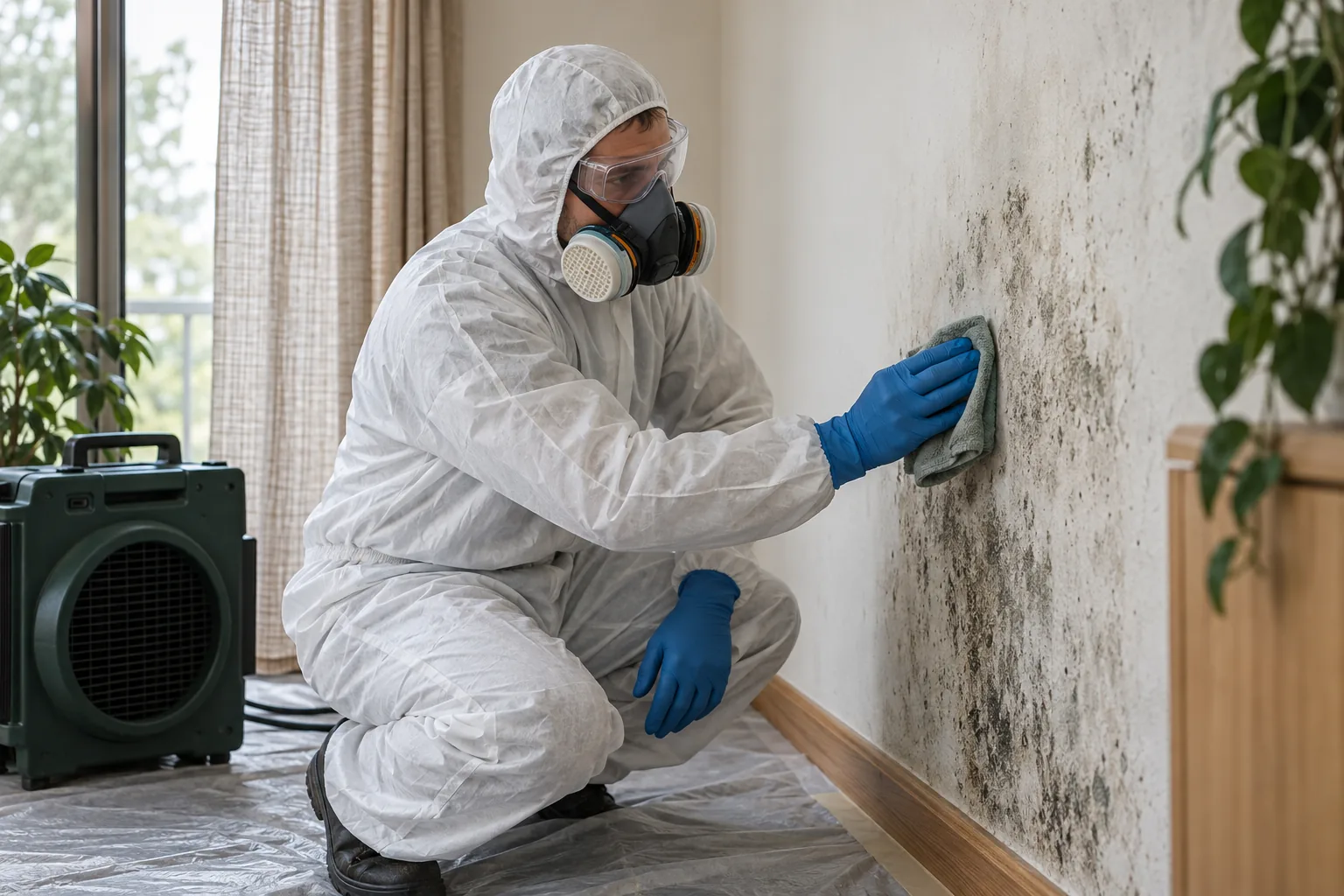
Our remediation service addresses existing accessible structural contamination through assessment, filtration, treatment and physical removal. Agree which rooms and surfaces are included. Furniture, carpet, curtains and mattresses remain excluded, even where several rooms are booked; concealed areas and repairs need separate discussion.
MOISTURE COMES FIRST
Do not carry one room’s diagnosis into the next
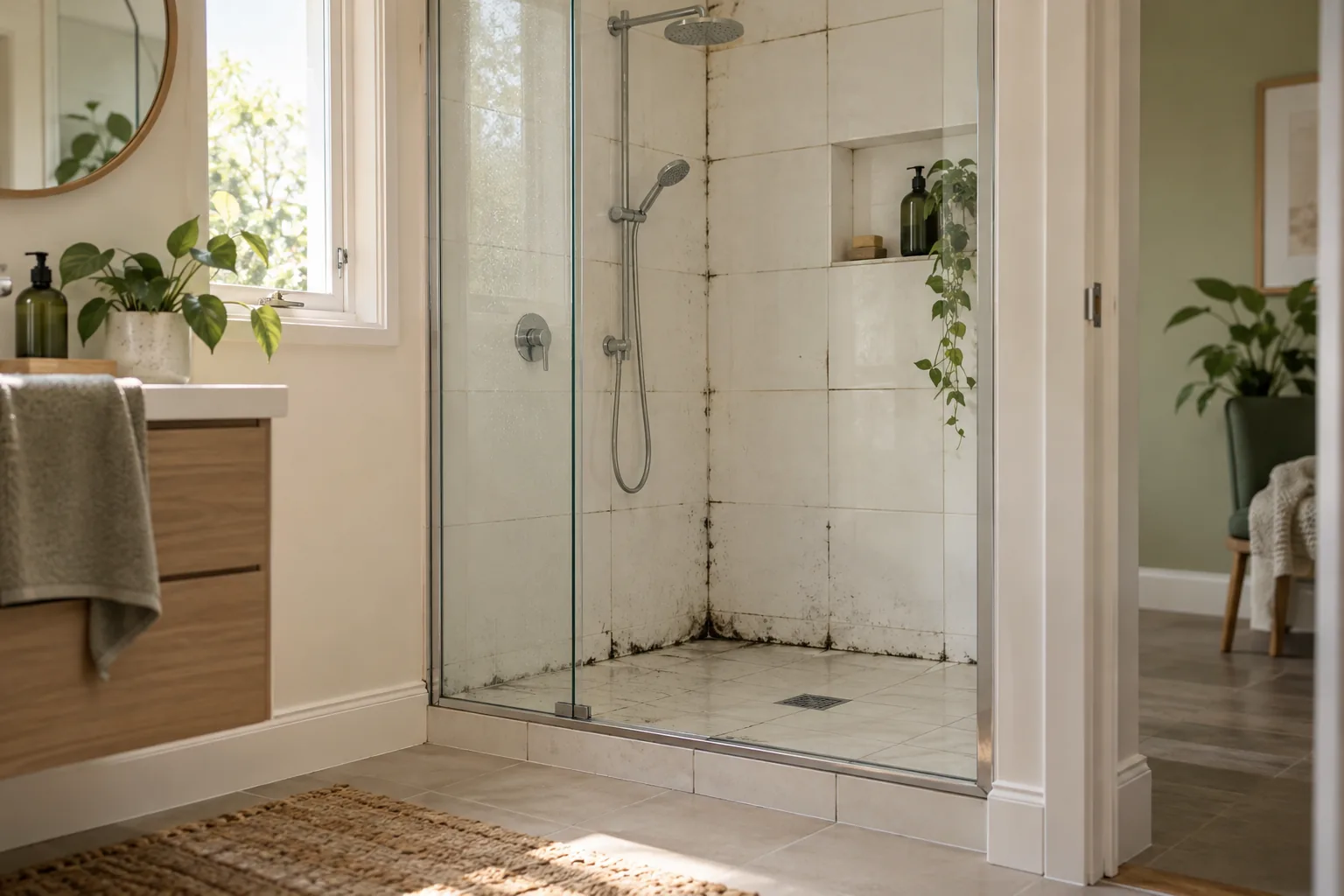
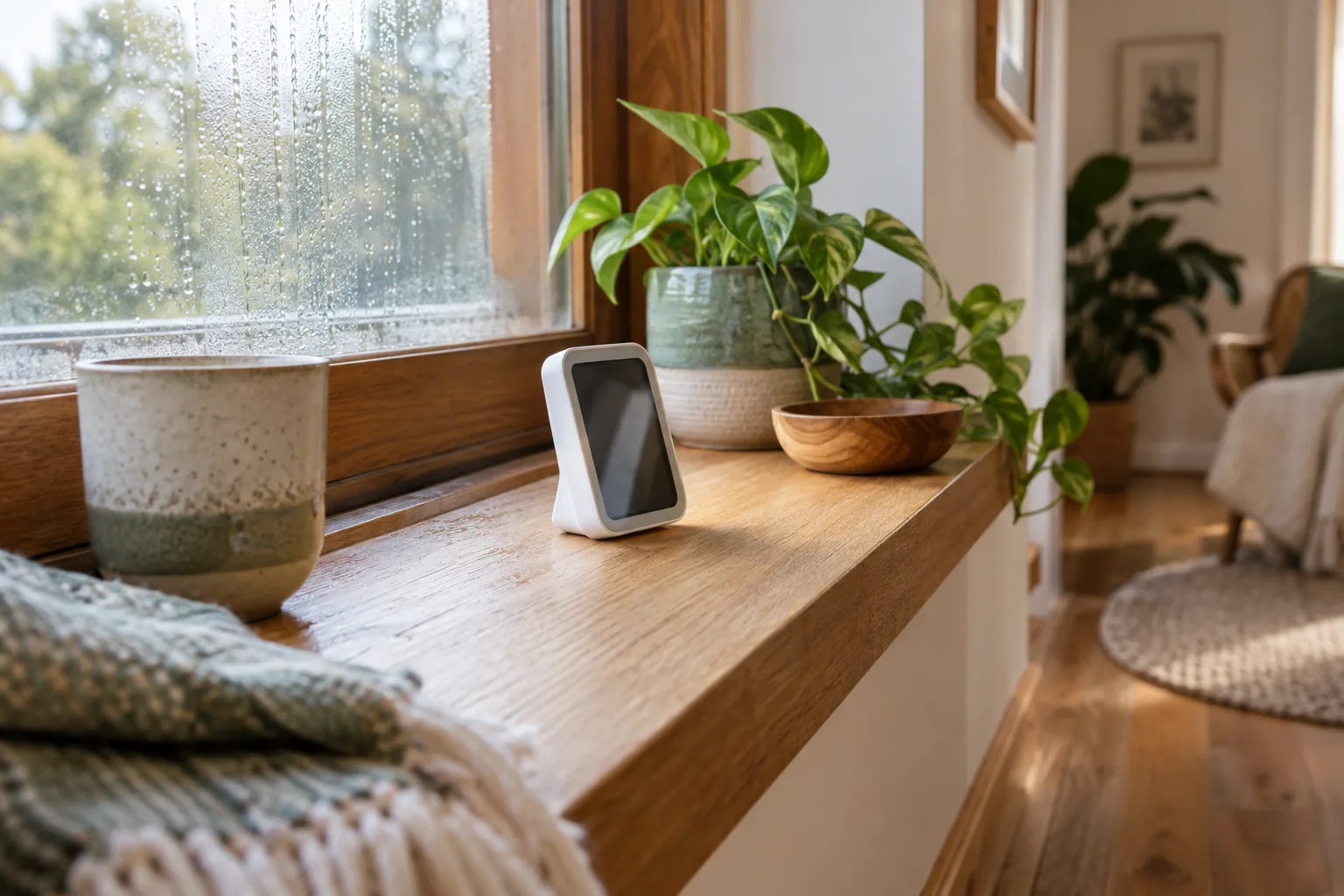
Describe condensation, leaks or recurring wetting for each room without deciding they must share a source. Note when the patches appeared. The professional hygrometer assesses relative humidity in room air; it does not establish material moisture or prove the same cause applies behind every affected wall.
Discuss accessible inspection if the visible extent needs clarification. Separate plumbing or structural repairs may be required. A continuing source in one room can allow recurrence even if another treated area remains dry, so the repair response should follow the actual observations.
FROM PREPARATION TO FOLLOW-THROUGH
An agreed sequence across the nominated rooms
1
Assess rooms and surfaces individually
Show visible growth in each proposed room and explain its history. Agree accessible areas, finish concerns and any observation requiring a separate investigation.
2
Prepare HEPA air protection
The confirmed HEPA air scrubber is set up before treatment. Equipment access and preparation must suit the agreed work; filtration does not establish a whole-property sterile-air result.
3
Apply suitable HOCl treatment
HOCl is used according to the assessed plan. ULV dry fog is used in most cases where appropriate, without assuming every room or material requires identical application.
4
Physically remove visible contamination
Professional H-class filtered equipment is used for removal. Discuss delicate finishes and exclusions in each room rather than treating a multi-room booking as unrestricted restoration.
5
Complete air cleaning and review
HEPA continues during and after the process. Confirm return instructions and review remaining marks and moisture tasks room by room, without an unconfirmed clearance or guaranteed duration.
Compare surfaces without merging their conditions
Walls
Describe each exposed wall patch and its finish. Fixed obstructions can change access even between similar-looking rooms.
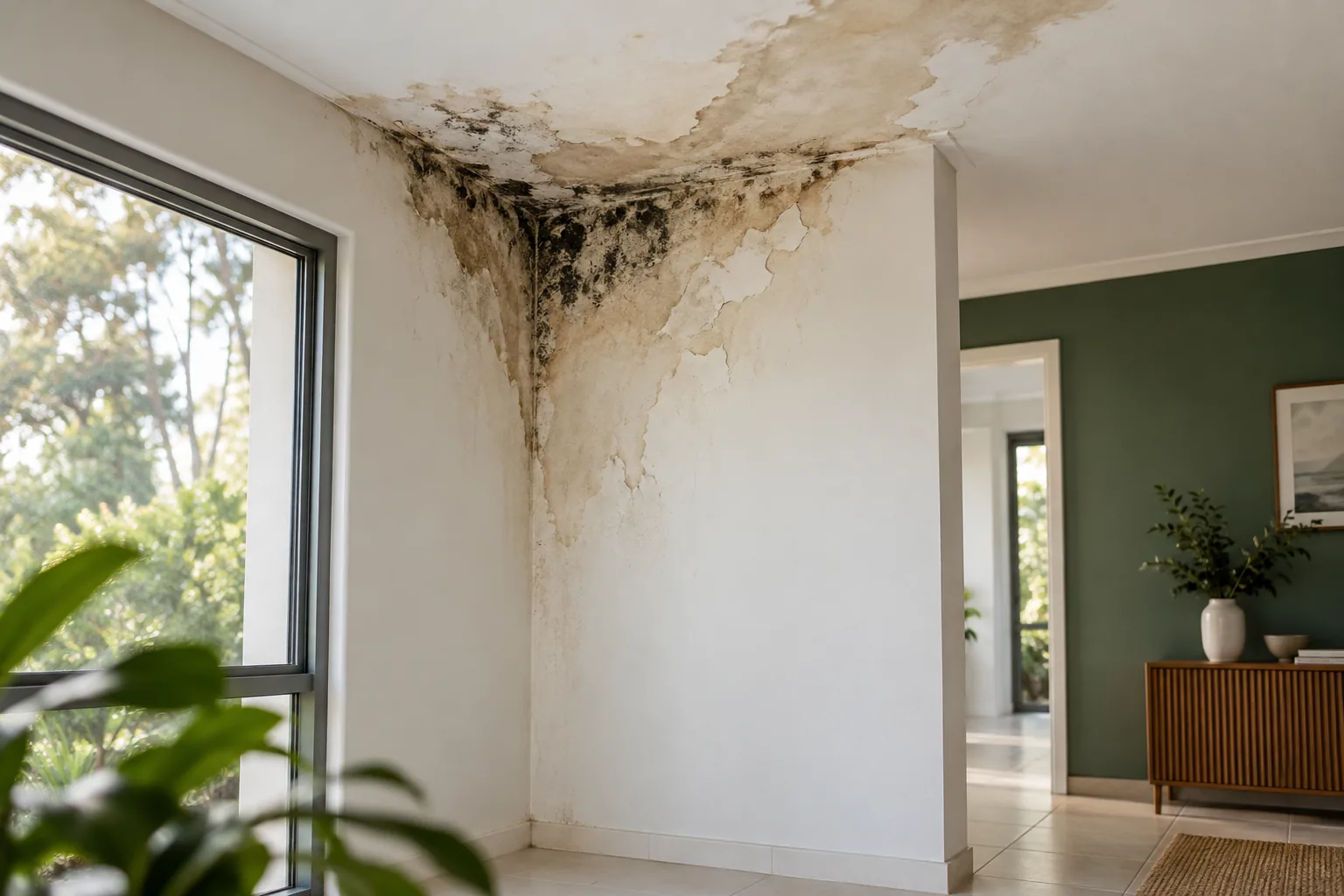
Ceilings
Explain overhead wetting separately for each ceiling. Repairs above one room do not establish the condition above another.
Bathrooms
Show structural bathroom growth and extraction observations. Towels and bathmats are excluded regardless of the number of rooms.
Kitchens
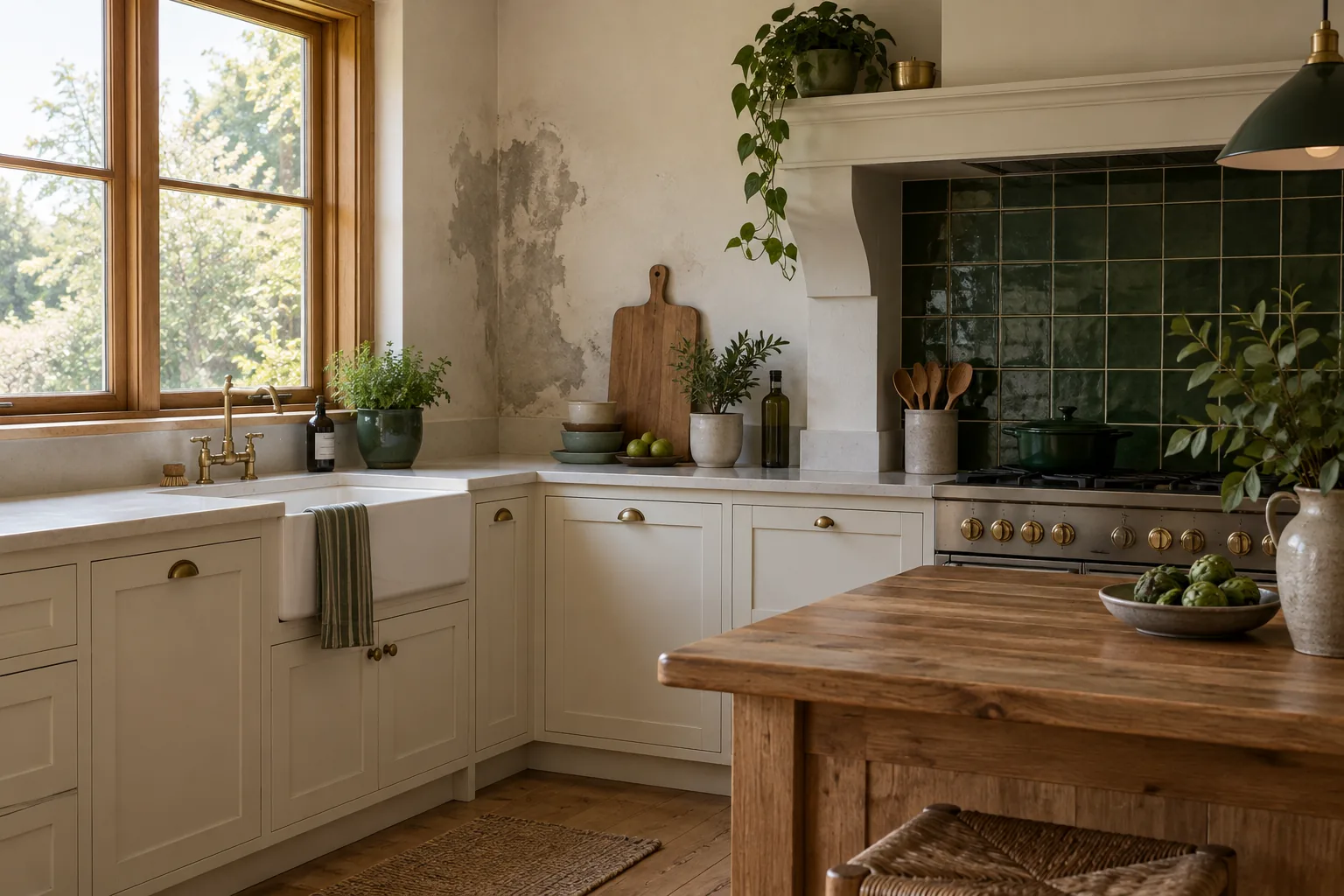
Describe exposed kitchen contamination and cooking or plumbing wetting. Cabinet access requires its own boundary discussion.
Accessible affected surfaces
An exposed floor may be assessed within its material limits. Carpet and furnishings are not included by adding more rooms.
PREPARE FOR THE ACTUAL JOB
Agree one household plan for the proposed work
Coordinate clearance and fragile belongings across the nominated areas. People and pets leave the property during treatment; confirm departure and return instructions. Safely arrange any building requirements. Average source guidance is about three hours per room, varying with size, contamination and access; do not simply multiply it into a guaranteed completion time. Treatment is not hourly based.
Cosmetic marks may remain; decorating is separately quoted. Clarify each room’s treated surfaces and remaining moisture questions. Improvement in one area cannot establish repairs or excluded-item treatment elsewhere.
AFTER THE TREATMENT
Keep the follow-through specific to each room
A useful household plan connects room use and repairs to the places where wetting actually occurs, rather than applying one assumption everywhere.
Record fresh growth and dampness with the room named.
Use suitable extraction in steam-producing rooms.
Arrange separate repairs for continuing water entry where observed.
Confirm each room’s proposed treatment
Give the affected surfaces and access details for every room when enquiring. Check pricing applicability for remediation; the listed room table is labelled Mould Removal. No multi-room discount, combined duration or whole-property inclusion should be inferred without confirmation.
BRAYBROOK · EXACT ADDRESS & ACCESS
Braybrook premises and nearby enquiries
Give the address, authorised contact and room details. Nearby navigation cannot confirm a combined scope or appointment.
Questions about remediation
Does booking two rooms include an unreported third room?
Only the agreed scope is included. Mention all observed areas when enquiring so the proposed rooms and surfaces are clear before booking.
Must similar patches in different rooms share one cause?
No. Describe each room’s wetting history separately; similar appearance cannot establish a shared moisture source.
Can I multiply the average time to predict the finish time?
Do not treat that calculation as a guarantee. Size, extent, access and practical arrangements affect the actual job, so confirm the plan directly.
Can someone stay in a room not being treated?
The preparation guidance requires people and pets to leave the property during treatment. Confirm the specific arrangements rather than assuming an untreated-room exception.
Are textiles included if several rooms are treated together?
No. Curtains, carpet, mattresses and other textiles remain excluded regardless of how many structural room areas are agreed.
Should the repair follow-up be the same for every room?
It should respond to the actual observations. Identify continuing wetting and the appropriate responsible repair contact for each affected area.
Describe your Braybrook rooms individually
Call 03 8652 1296 with each visible affected area and its wetting history. Agree scope and preparation before assuming a combined treatment plan.