
VISIBLE SURFACES · AGREED TREATMENT
Mould Remediation Burnside
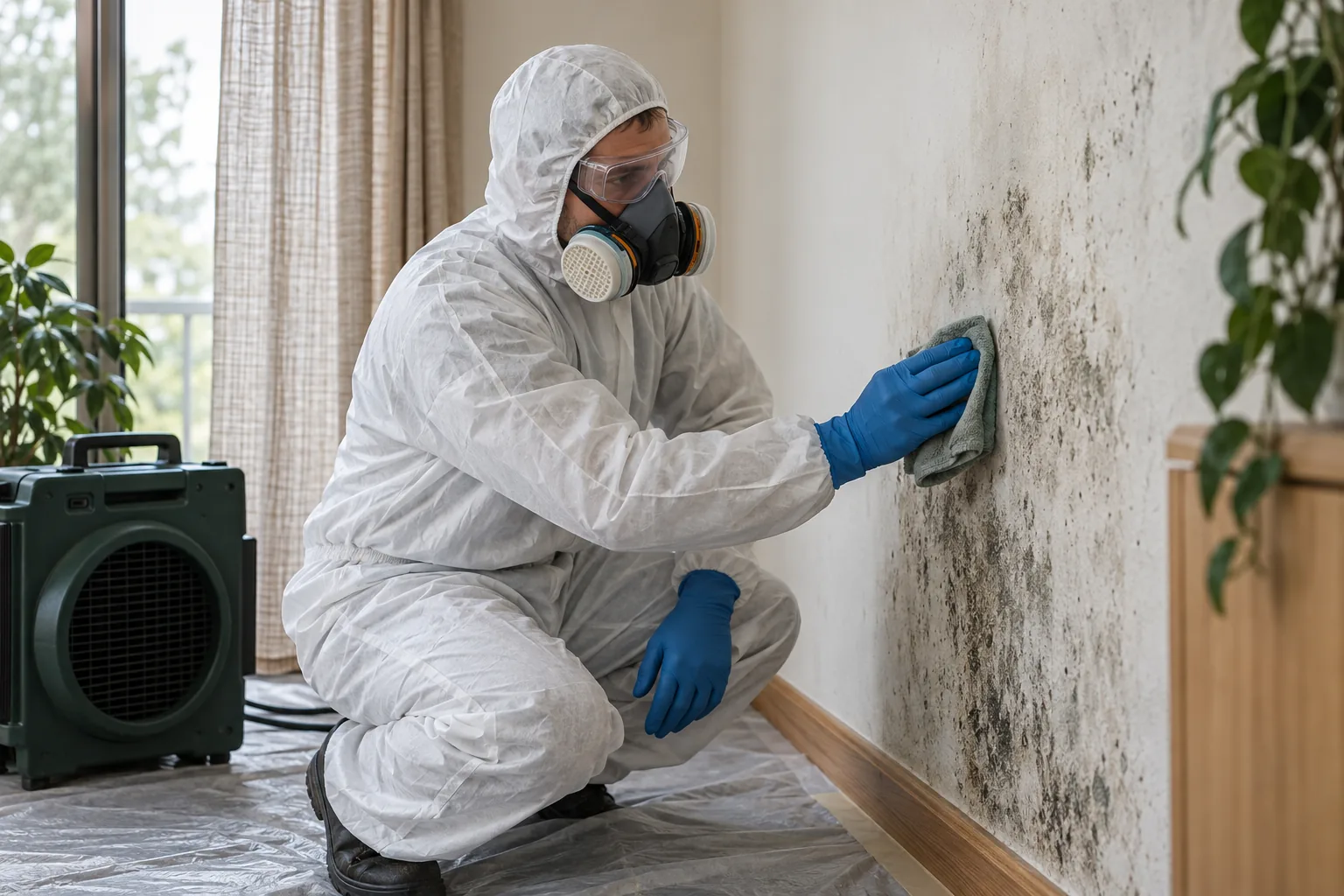
If visible growth affects a wallpapered or delicate wall finish in a Burnside room, explain the material before assuming standard cosmetic results. The treatment conversation needs the exposed condition, any lifting edges and practical access. Remediation removes contamination within an agreed scope; it does not guarantee preservation or restoration of every decorative finish.
Describe delicate materials before treatment
Agree suitability rather than assume it
Keep decorating requirements separate

TREATMENT · FILTRATION · FOLLOW-THROUGH
A TREATMENT PLAN WITH CLEAR LIMITS
Material suitability belongs in the first conversation
Describe paint, wallpaper or another finish, including loose edges and earlier applications. Do not strip it on assumption. Concealed condition needs separate consideration; the covering and underlying wall may raise different treatment questions.
Our remediation service addresses existing visible accessible structural contamination through assessment, filtration, suitable treatment and physical removal. It does not promise to restore patterns, colour or texture. Agree the material limits and any separate decorating work before booking around a finish you want retained.
MOISTURE COMES FIRST
Describe wetting without assuming the covering explains it
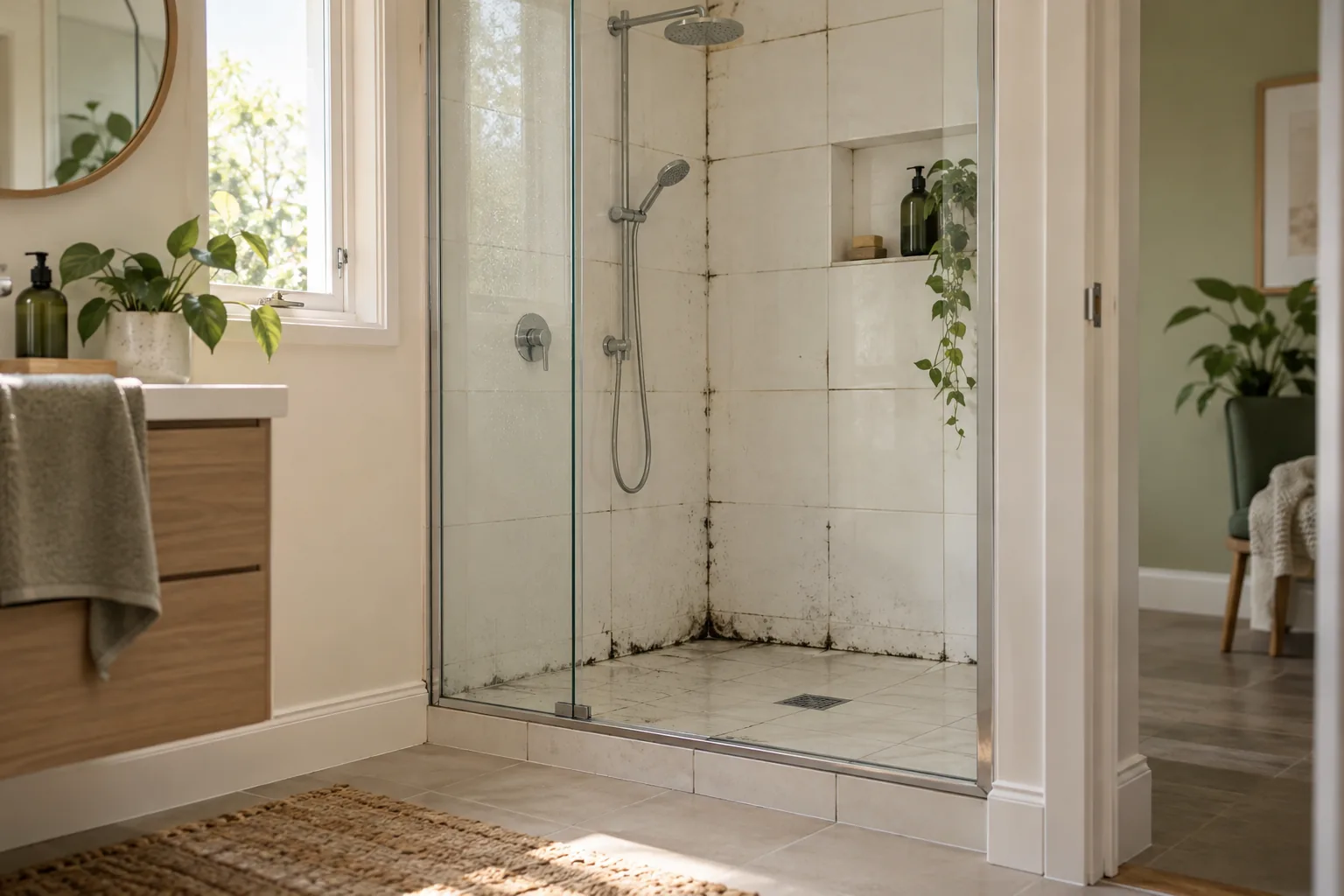
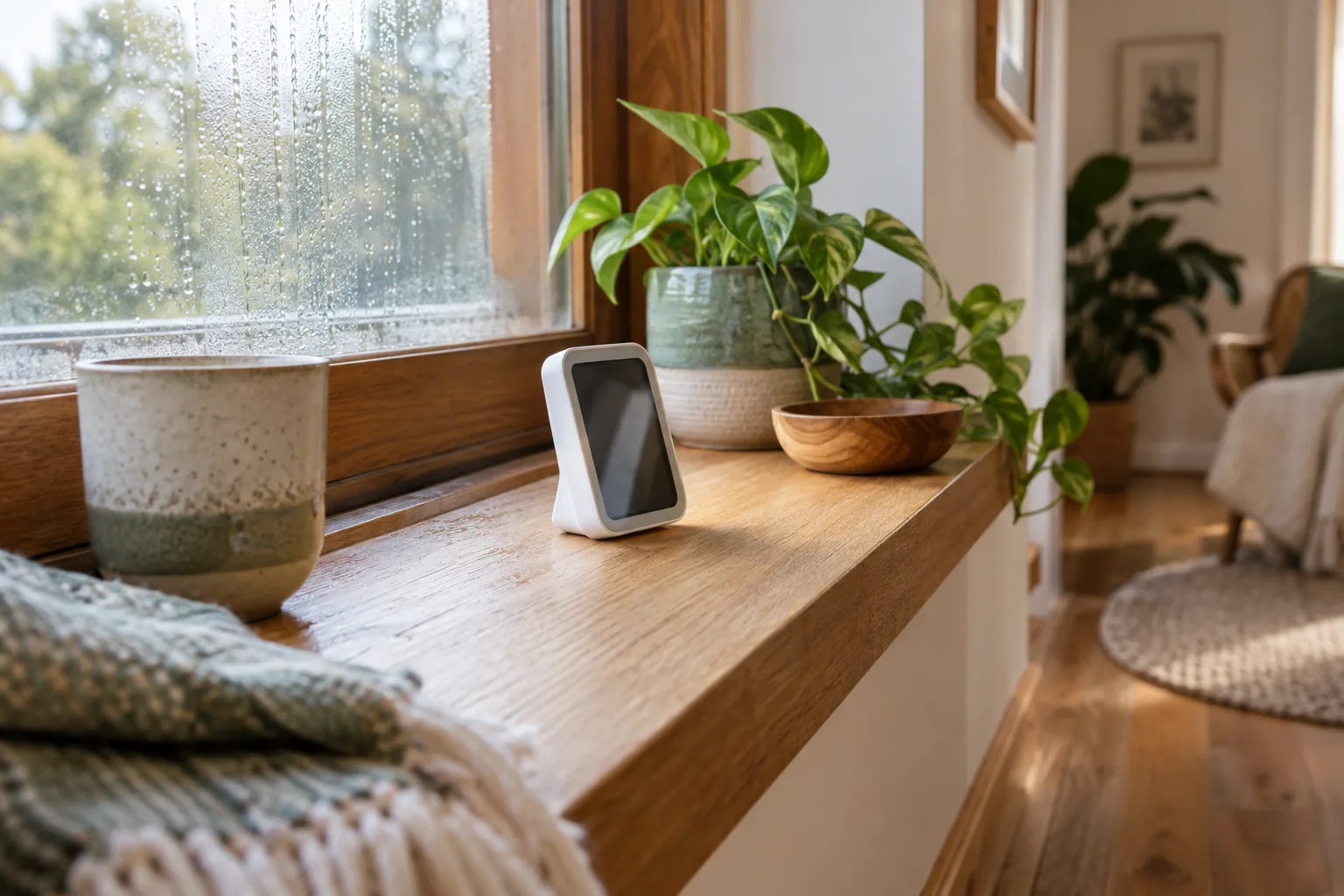
Record when dampness was seen and whether any leak or repair is known. A lifted edge or discoloured pattern is an observation, not a diagnosis of the source. A professional hygrometer assesses room-air relative humidity; it cannot establish moisture behind wallpaper or prove the concealed wall is dry.
Discuss accessible inspection if the visible condition needs clarification. Plumbing and structural repairs remain separate. Treatment of current contamination cannot prevent recurrence where water entry or condensation conditions persist, and another covering does not replace source correction.
FROM PREPARATION TO FOLLOW-THROUGH
A treatment plan that recognises the finish limits
1
Assess exposed growth and decorative material
Show the visible area and describe the finish and previous work. Agree suitable accessible surfaces and any concealed or damaged material requiring another decision.
2
Prepare HEPA air protection
The confirmed HEPA air scrubber is set up before treatment. Discuss equipment placement and fragile belongings; filtration supports the process without guaranteeing sterile air.
3
Apply appropriate HOCl treatment
HOCl is used within the assessed scope. ULV dry fog is applied in most cases where suitable, without promising every decorative material can receive the same application unchanged.
4
Remove visible contamination physically
Professional H-class filtered equipment is used for removal. Finish sensitivity needs discussion beforehand; contamination removal is not a guarantee that colour, texture or patterns are restored.
5
Complete air cleaning and finish discussion
HEPA continues during and after work. Confirm return instructions and remaining cosmetic or moisture tasks, without assuming concealed material was cleared or a decorating service included.
Keep the material details specific to each surface
Walls
Describe wallpaper, paint or another exposed finish. Hidden areas behind a covering need separate investigation rather than assumption.
Ceilings
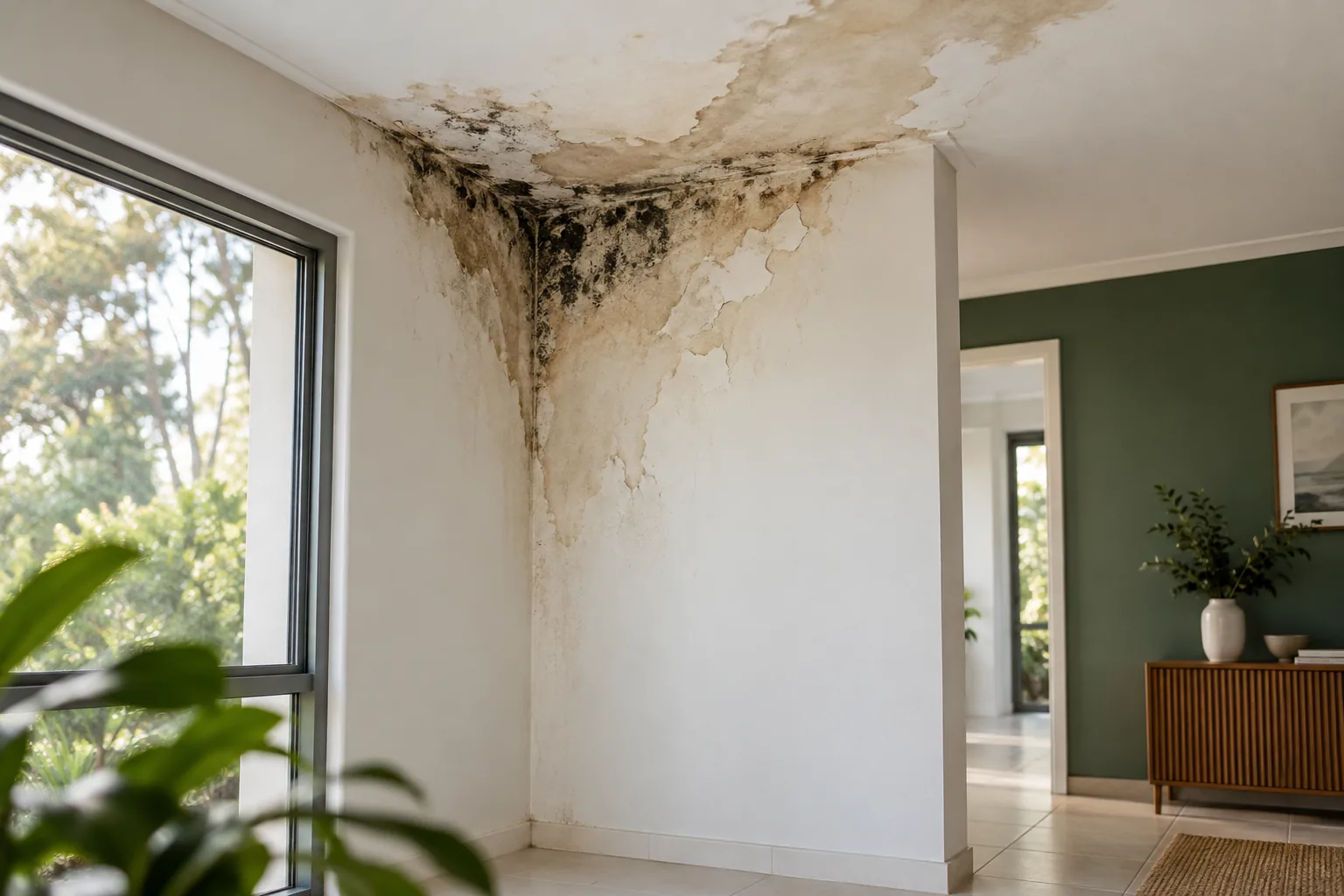
Mention decorative finishes and overhead wetting. Treatment does not repair water entry above the room or restore every ceiling mark.
Bathrooms
Identify structural materials and any peeling finish. Towels and fabric coverings remain excluded.
Kitchens
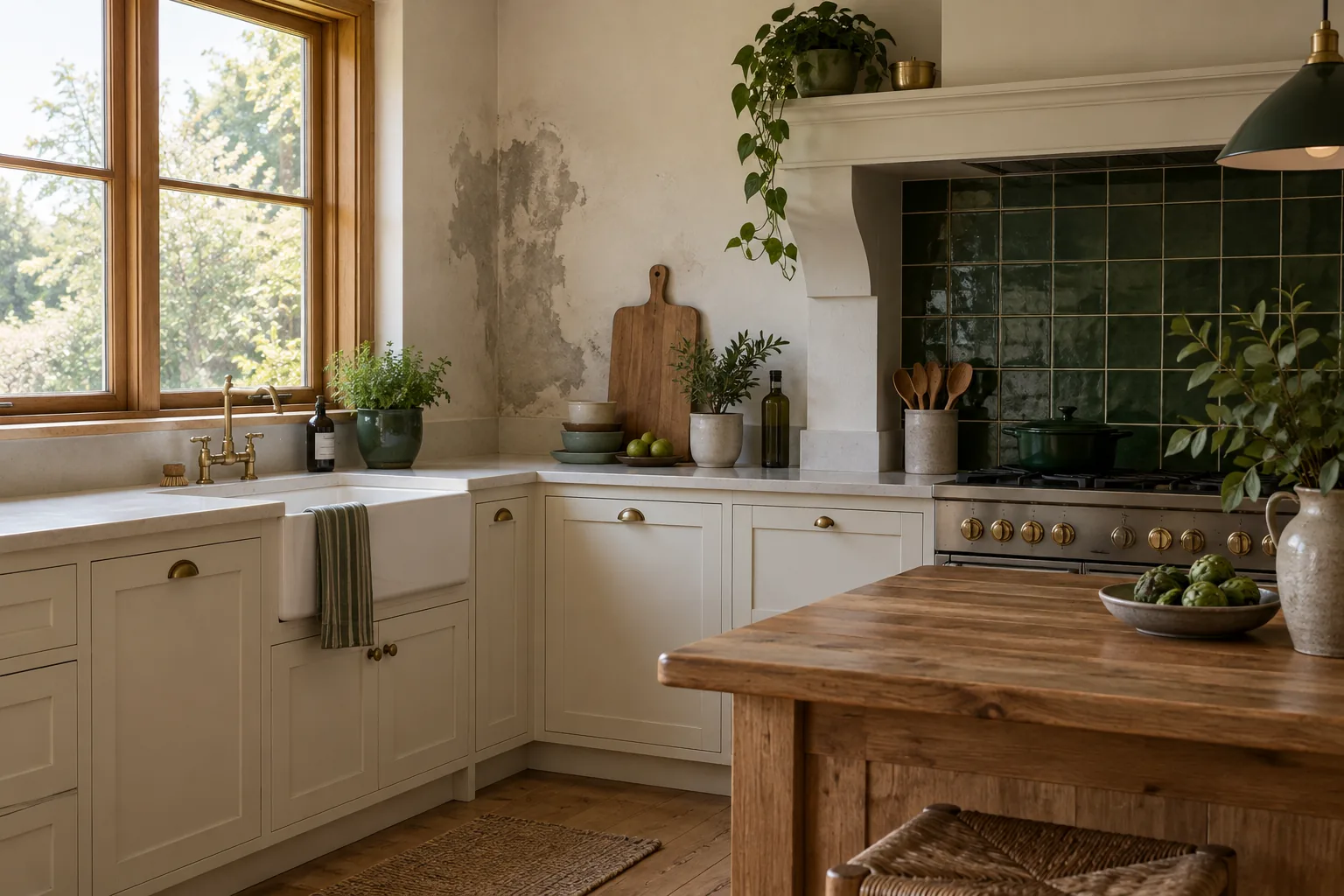
Describe exposed wall finishes near steam or plumbing. Fixed fittings may hide surfaces beyond standard accessible scope.
Accessible affected surfaces
An exposed floor can be assessed within its finish and condition. Carpet and furnishings are excluded even where decorative restoration is planned.
PREPARE FOR THE ACTUAL JOB
Prepare without stripping or repainting on assumption
Discuss access and fragile belongings before disturbing the finish. People and pets leave during treatment; obtain specific departure and return instructions. Average source guidance is around three hours per room, varying with size, contamination and access. The service is not hourly based or a fixed-duration decorative restoration appointment.
Cosmetic staining may remain, and decorating is separately quoted. Ask which materials can be addressed and what finish work remains. A refreshed visible area cannot establish concealed dryness or guarantee that a new covering will prevent future growth if moisture conditions persist.
AFTER THE TREATMENT
Address moisture before replacing the decorative finish
Keep the source response and material decision connected. Treatment and a new covering cannot substitute for a repair where wetting continues.
Record fresh dampness before it is hidden again.
Use suitable extraction during moisture-producing room activities.
Arrange separate repairs for continuing leaks or defects.
Explain the finish when asking about the treatment quote
Describe visible extent and material sensitivity when enquiring. Confirm remediation applicability against published pricing, whose examples are labelled Mould Removal. Wallpaper removal, replacement and decorative restoration are not confirmed inclusions in a remediation figure.
BURNSIDE · EXACT ADDRESS & ACCESS
Burnside premises and nearby treatment enquiries
Give the actual address and finish details. Nearby navigation cannot confirm attendance or suitability of a particular decorative material for your proposed treatment.
Questions about remediation
Should I strip wallpaper to prepare the wall?
Discuss the finish and visible condition first. Removal is not a confirmed preparation requirement or included service, and hidden concerns need their own assessment.
Can treatment guarantee the wallpaper pattern stays unchanged?
No such cosmetic guarantee is confirmed. Explain the material and ask about suitable scope before assuming decorative preservation.
Does a lifted edge prove mould is behind the whole covering?
No. Describe the visible evidence without extending it to an unobserved area. Concealed condition may need separate investigation.
Is rewallpapering included after removal?
Decorating is separate and can require its own quotation. Agree the contamination and moisture response before arranging a new finish.
Should I mention the cleaner previously applied to the finish?
Yes. Share what you know about the product and timing honestly so the material and treatment plan can be considered.
Will a new decorative covering prevent recurrence?
It is not a guarantee. Continuing moisture needs attention; covering the wall does not replace repair, ventilation or observation of renewed wetting.
Discuss the Burnside finish before treatment
Call 03 8652 1296 with the exposed growth, material and wetting history. Agree treatment suitability and separate decorating decisions.