
VISIBLE SURFACES · THOUGHTFUL RESTORATION
Mould Remediation Chum Creek
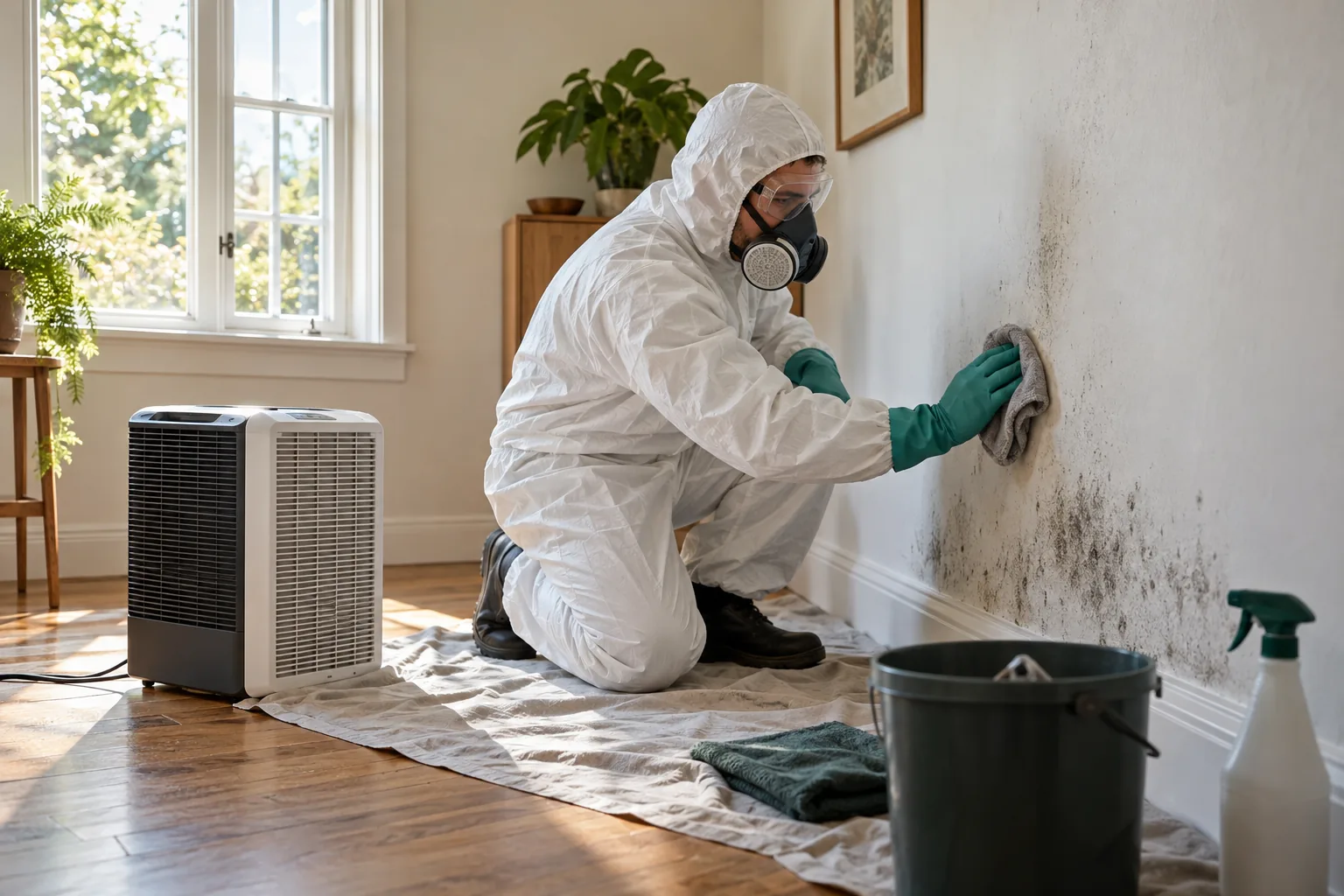
A patch can be visible from the doorway while remaining difficult to approach. For Chum Creek, explain where it sits and what prevents access. A safe description is enough to begin the discussion; do not climb, stretch over obstacles or dismantle construction simply to prepare an enquiry.
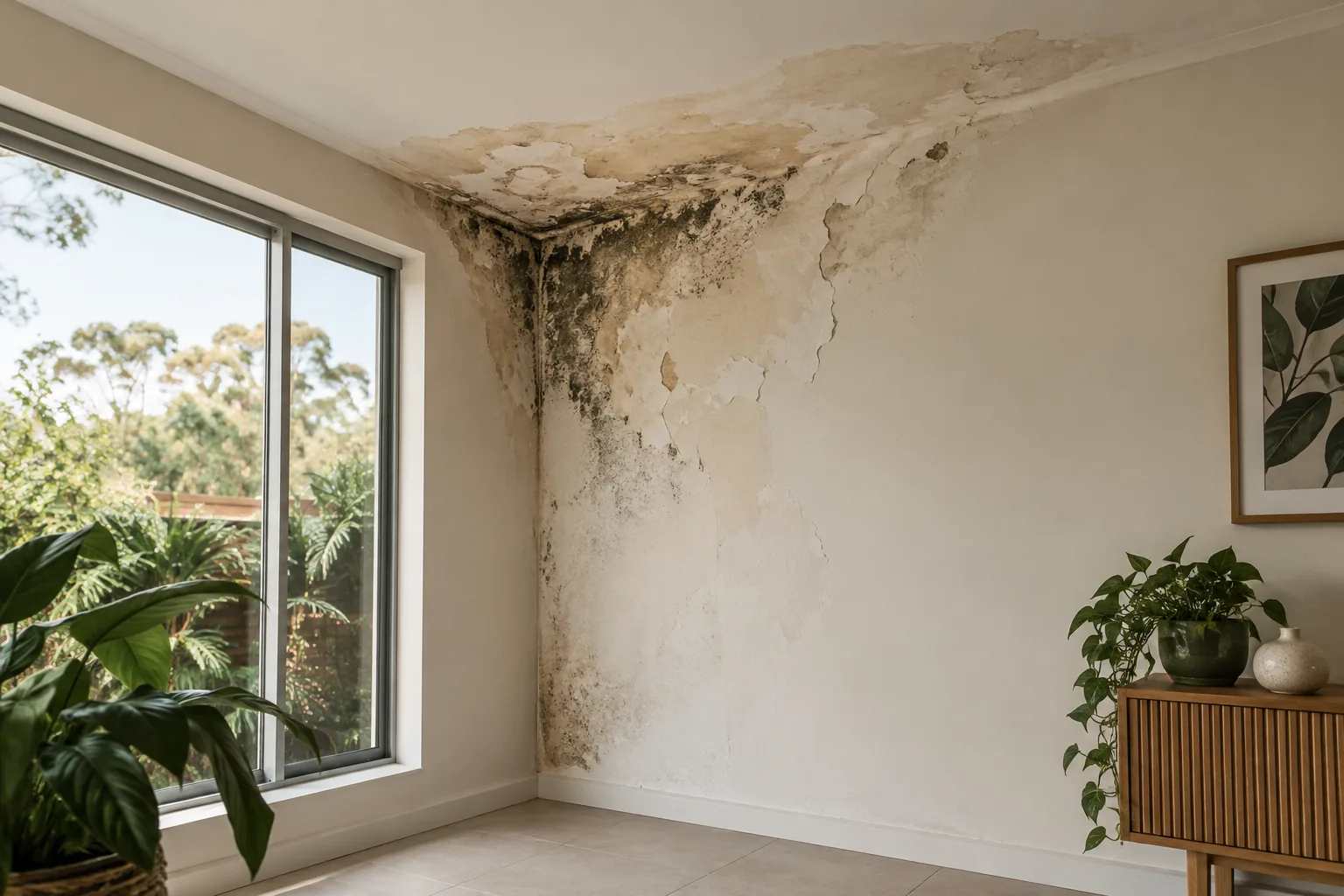
ASSESS · FILTER · RESTORE
Observation limits explained
Obstructions identified
Workable reach discussed
Use what can be seen from a safe position
Describe the room, surface and approximate visible extent without presenting an uncertain estimate as a measured finding. Explain heavy items, fixed fittings or changes in level that restrict the route. The technician needs to consider workable treatment access, not only whether a camera can see the patch.
The confirmed scope is visible accessible structural contamination. A difficult position is not automatically included by a photograph or a general room request. Agree preparation and any separate access task before assuming concealed investigation or special equipment is part of the appointment.
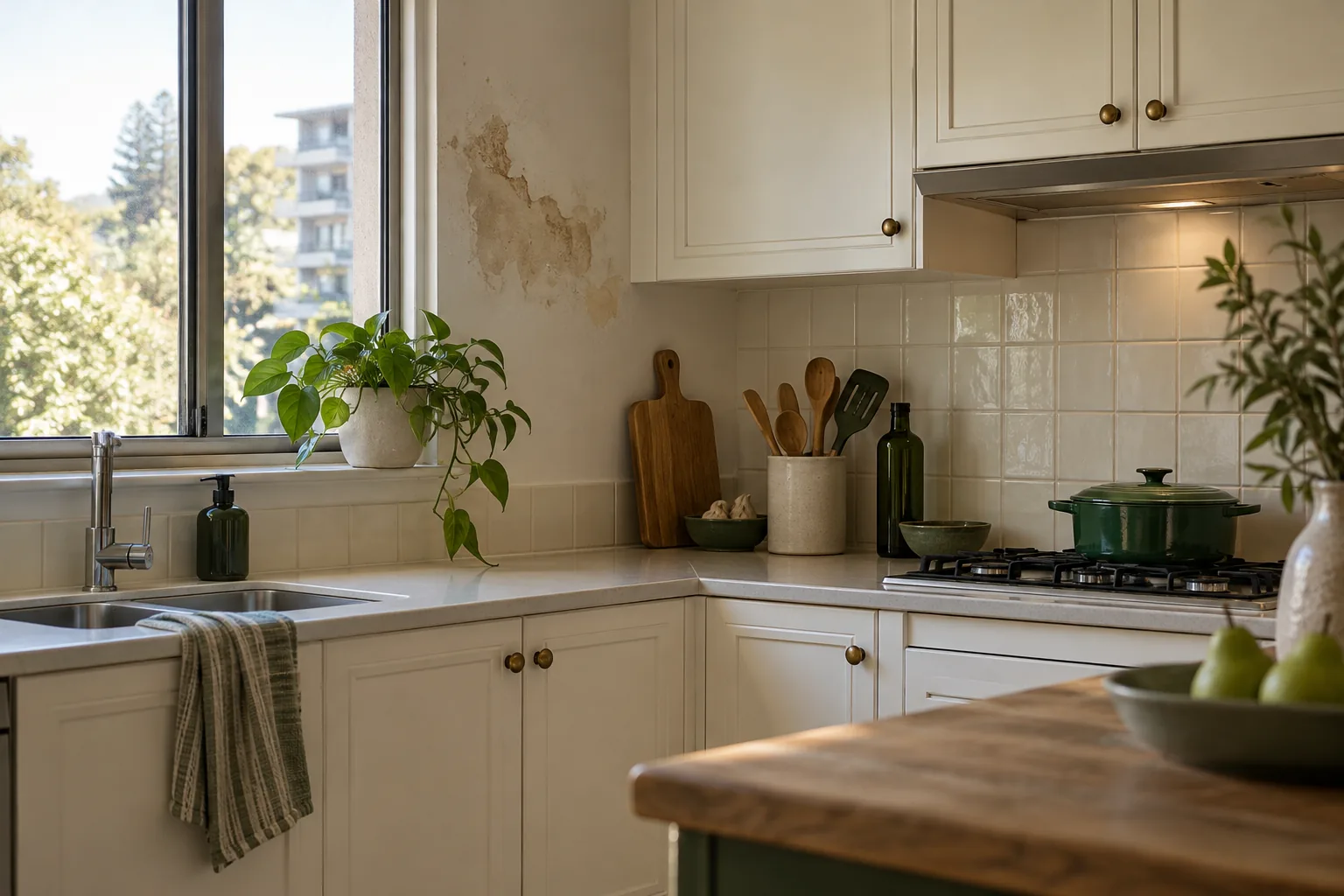
Keep the moisture account within observed facts
Mention known leaks, condensation or wetting only where you have reliable observations. A hard-to-reach area does not justify guessing a hidden source. Plumbing and building faults require separate repairs, and treatment of a visible patch cannot establish the condition beyond it.
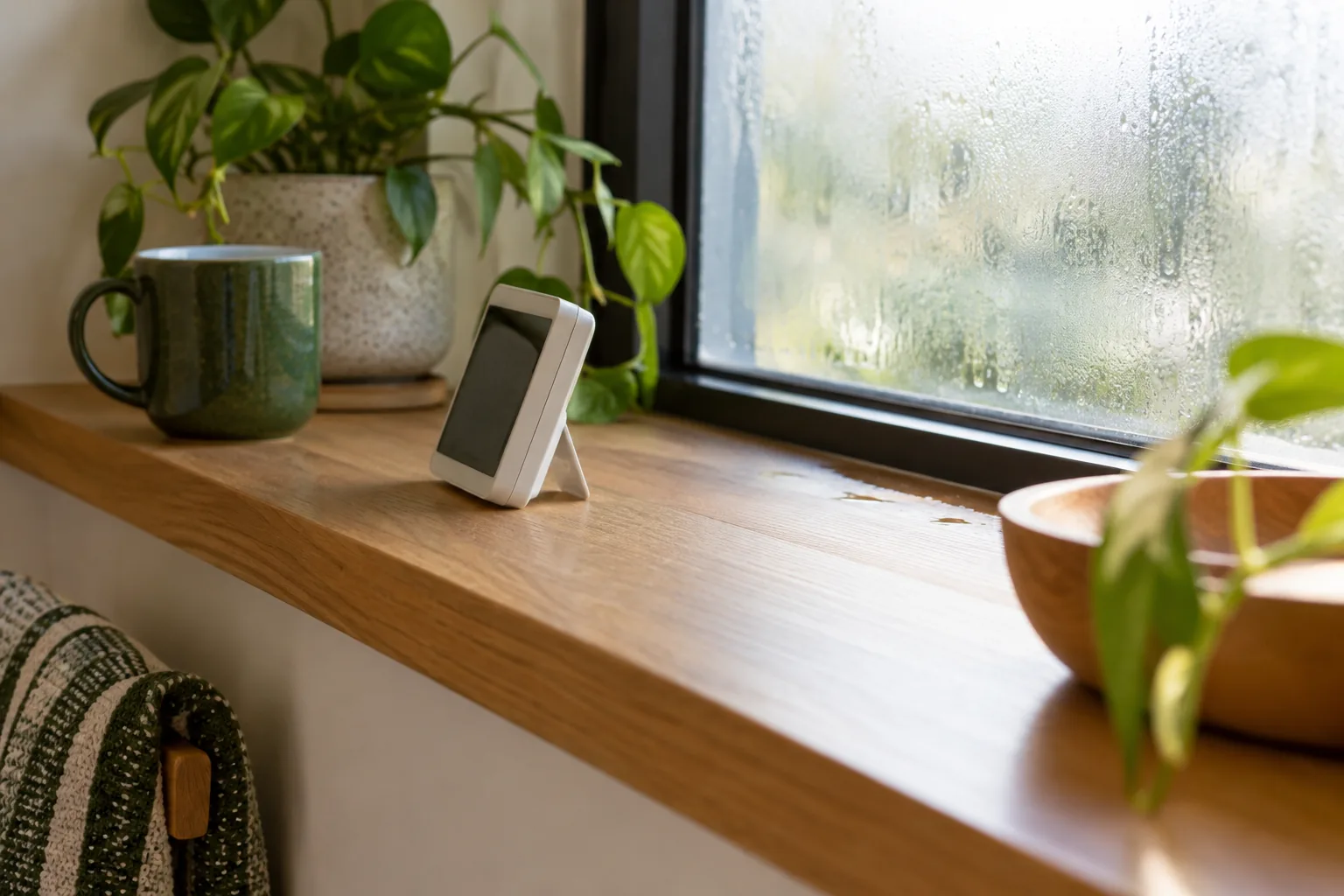
A professional hygrometer measures relative humidity in room air, not moisture inside inaccessible construction. If cause or concealed extent remains uncertain, discuss assessment requirements. No particular material scanner, destructive access or laboratory clearance is confirmed.
PLAN · FILTER · TREAT · REMOVE · CONTINUE
Treatment once the reach is agreed
1
Review visibility and working access
Assessment considers the exposed contamination, finish and obstruction. Identify any section that cannot be reached within the proposed scope rather than treating visibility as automatic inclusion.
2
Set air protection before application
The confirmed HEPA air scrubber is established before treatment. Equipment placement and a usable route need coordination with the access arrangement for the included structural surface.

3
Apply suitable treatment
HOCl is used as assessed, with suitable ULV dry fog in most cases. Fog does not make inaccessible or concealed material an automatic treatment area.
4
Physically remove reachable growth
Professional H-class filtered equipment removes visible contamination within agreed access. Moving fixed structures and repairing finishes are separate tasks.
5
Continue air cleaning afterwards
HEPA operates during and after the work. Confirm return advice and remaining scope or moisture questions instead of assuming every area beyond the obstruction has been cleared.
Keep the access limits specific to each surface
Walls
For walls, distinguish the visible patch from any part obscured by a fixed fitting or heavy item.
Ceilings
For ceilings, explain height and working space underneath from a safe position; no close inspection is required merely to call.
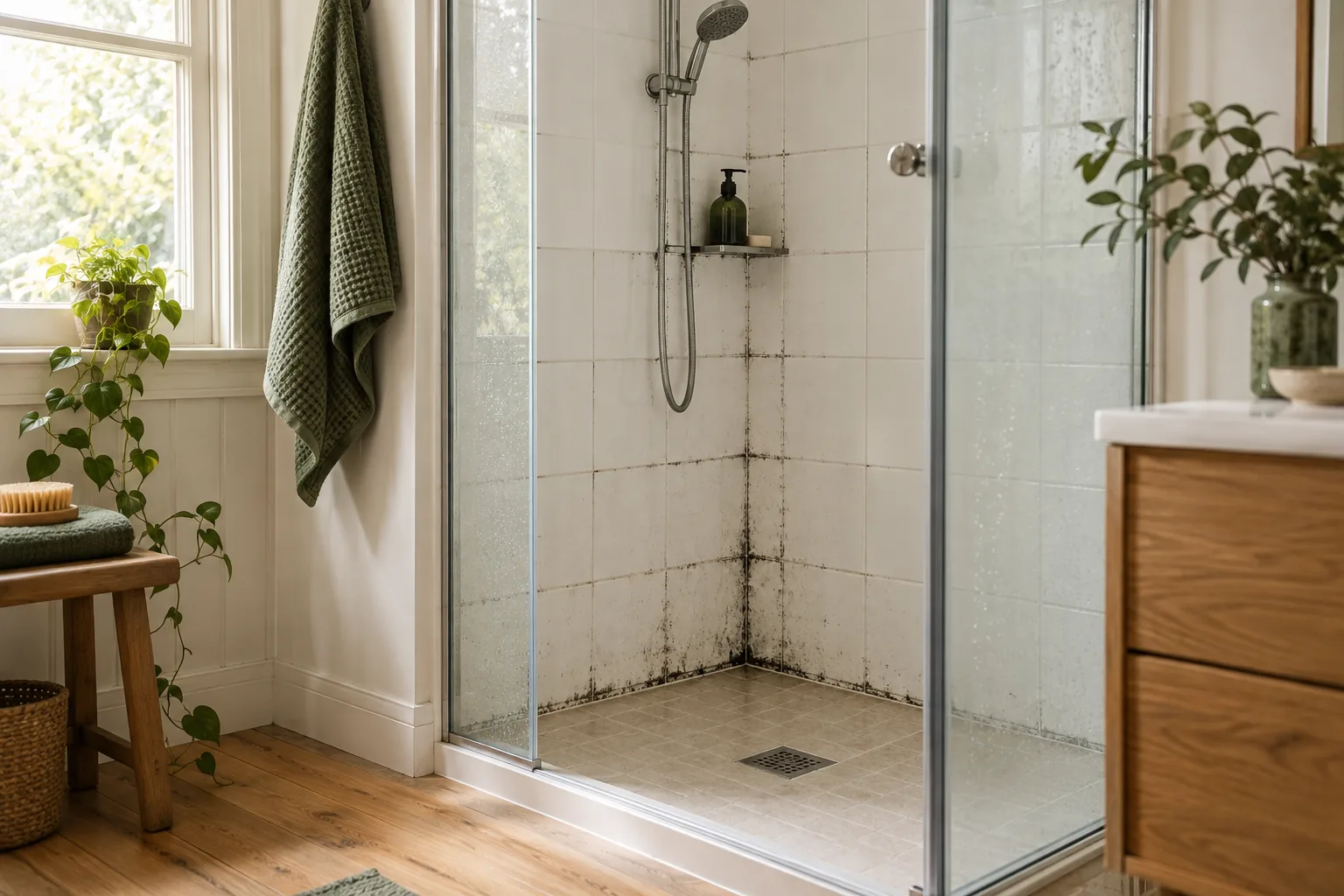
Bathrooms
Bathroom structural areas need their own access and condensation description, with textiles excluded.
Kitchens
Kitchen wall or floor patches should be separated from appliance moving, cabinet dismantling and plumbing work.
Accessible affected surfaces
An exposed structural floor can be discussed, while carpet, rugs and inaccessible construction remain outside standard scope.
WHAT TO EXPECT
Agree preparation before attempting difficult movement
Explain fragile belongings and the person responsible for clearance. People and pets leave during treatment with departure and return instructions specific to the job. The source average is around three hours per room, affected by size, extent and accessibility rather than guaranteed by the apparent patch size.
Residual cosmetic marks can remain and decorating is separate. Treatment does not certify concealed materials dry or prevent recurrence under continuing dampness. Ask which surfaces were actually reached so later decisions do not rely on an overstated room-wide result.
FOLLOW THE MOISTURE
Use a practical follow-up viewpoint
Monitoring should not require the same unsafe approach that limited the original enquiry.
Describe renewed visible change from a safe accessible position.
Arrange appropriate repair advice for continuing water entry.
Maintain ventilation and discuss how the included area can remain observable without dismantling or climbing.
Explain reach when asking about the quote
Use price information with the visible extent and obstruction. The listed Mould Removal examples do not confirm a separate difficult-access remediation package. Ask how the actual scope is quoted without inventing an access surcharge or assuming equipment, moving work or repairs are included.
CHUM CREEK · EXACT ADDRESS & ACCESS
Other Chum Creek-area enquiries
For another nearby property, provide the actual address and access limitations. Similar-looking growth does not establish identical working arrangements or availability; authorisation and treatment scope need confirmation separately.
Questions about remediation
Do I need a close photograph before calling?
No close image warrants unsafe access. Describe the visible location and obstruction from a safe position.
Does visibility mean the patch is accessible for treatment?
Not necessarily. Workable reach needs discussion before the area is included.
Should I move a heavy obstacle unaided?
Do not assume that is required preparation. Explain weight, fragility and the access problem so a suitable arrangement can be discussed.
Will dry fog replace the access discussion?
No. Appropriate fog use does not promise physical removal or concealed treatment outside agreed accessible scope.
Is special access equipment automatically supplied?
No specific additional equipment package is confirmed. Discuss the actual restriction before making assumptions about inclusions.
What should completion clarify if some area stayed blocked?
Ask which structural surfaces were included and keep the unavailable remainder explicit. A completed appointment does not clear an area that was outside its scope.
Describe the patch without taking an access risk
Call 03 8652 1296 with the visible surface and obstruction. Agree workable preparation and the structural treatment boundary.