
VISIBLE SURFACES · THOUGHTFUL RESTORATION
Mould Remediation Crib Point
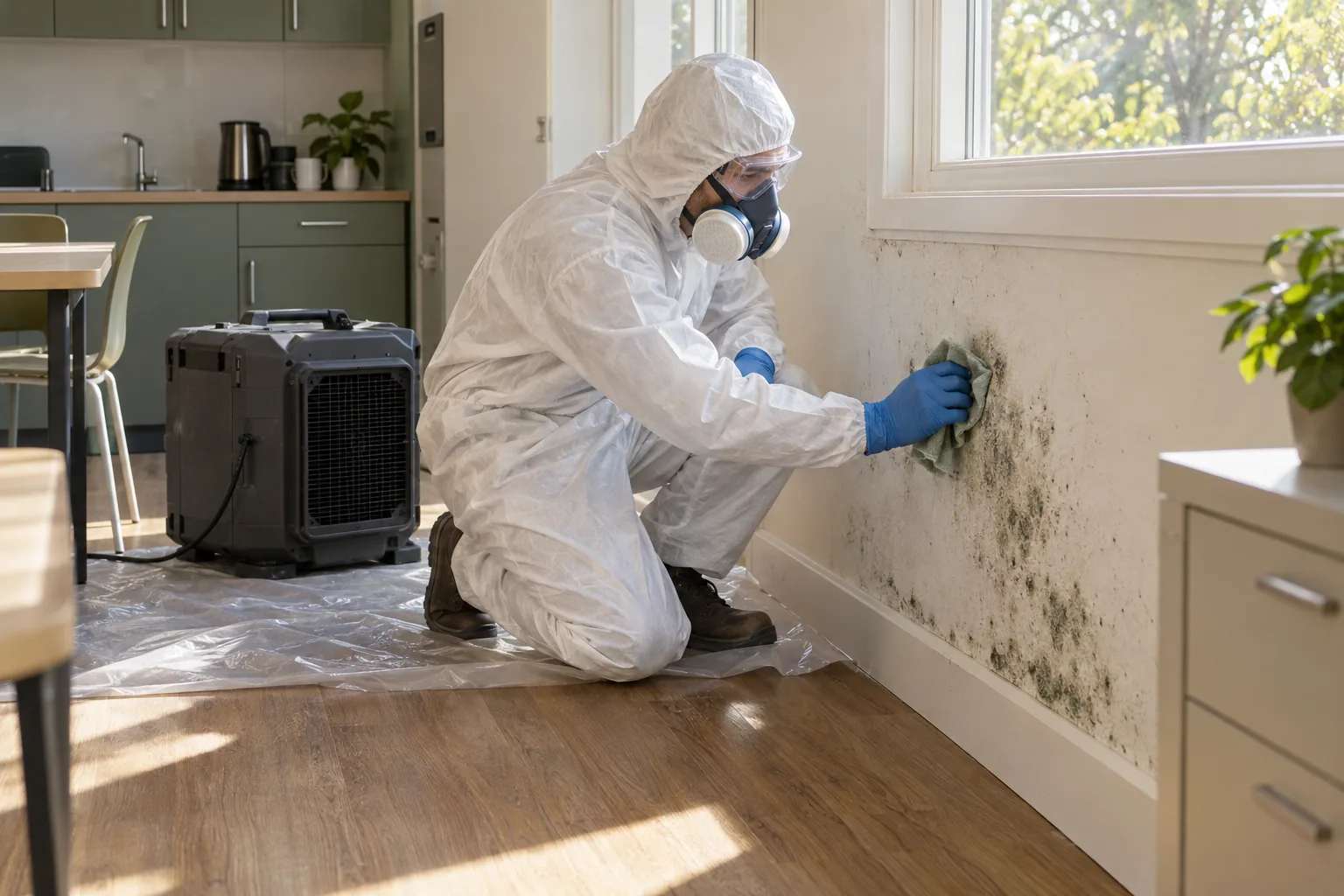
A shared entrance and a private treatment room need separate access information. For a Crib Point enquiry, identify the interior carrying visible growth and who can authorise its surfaces. Using a common route does not automatically include communal finishes or grant approval for another person’s room. Confirm the actual boundary before preparing for attendance.
ASSESS · FILTER · RESTORE
Private treatment boundaries are identified.
Shared entry arrangements are clarified.
Authority is confirmed for the actual request.
Do not extend the room request through the entry route
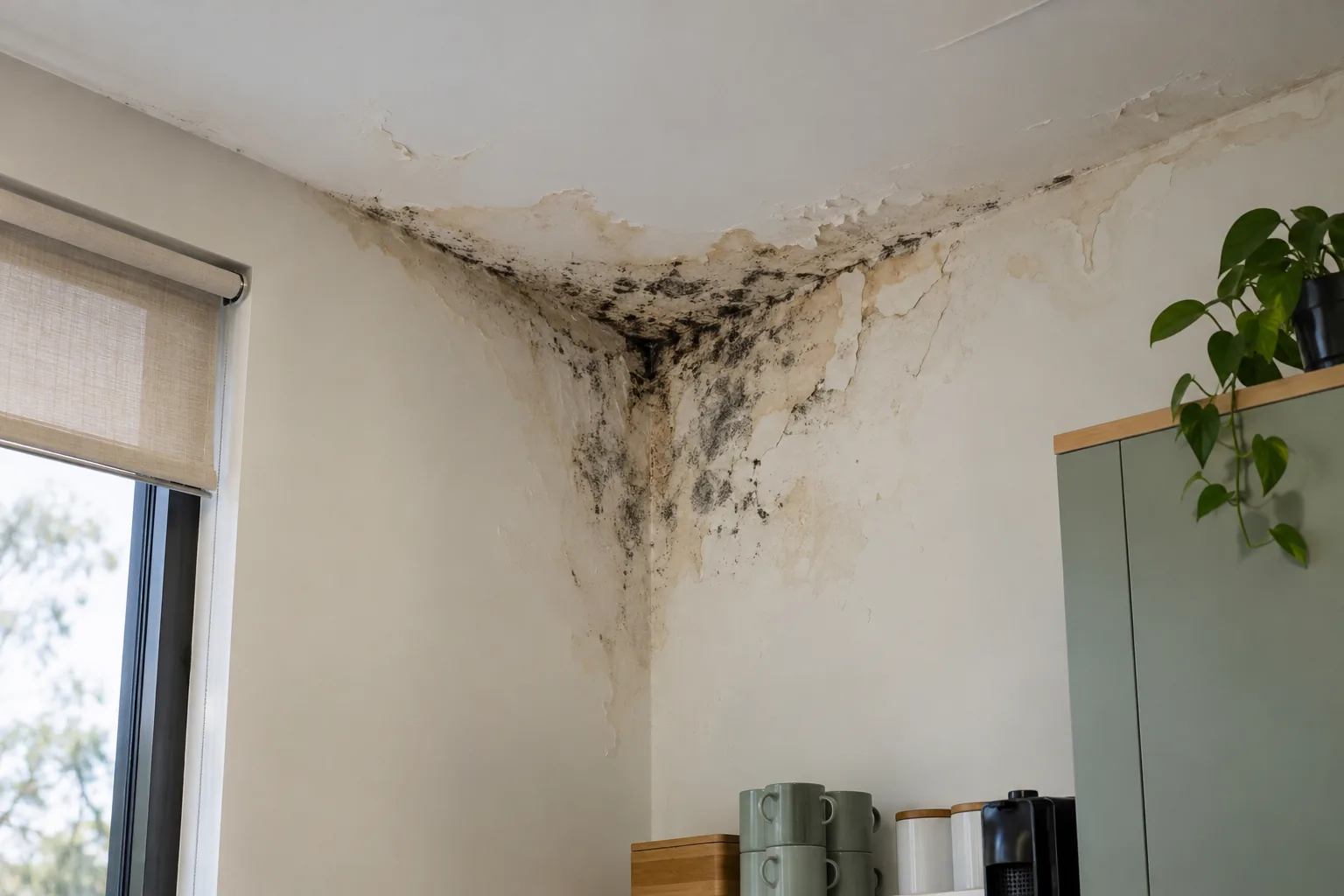
Describe the marked wall, ceiling or exposed floor and present working access. Explain any shared-space concern separately rather than combine it with the private room description. If different contacts manage those areas, identify them accurately. A key or passage arrangement should not silently include assessment or treatment of every surface reached along the way.
Our remediation outline coordinates visible structural assessment, air protection, suitable surface application and physical removal within accepted access. Furniture and textiles remain excluded. Wider access coordination, concealed investigation, repairs and decorating require separate scope; a private interior enquiry is not a property-wide shared-area service by default.
Keep each area’s actual observations distinct
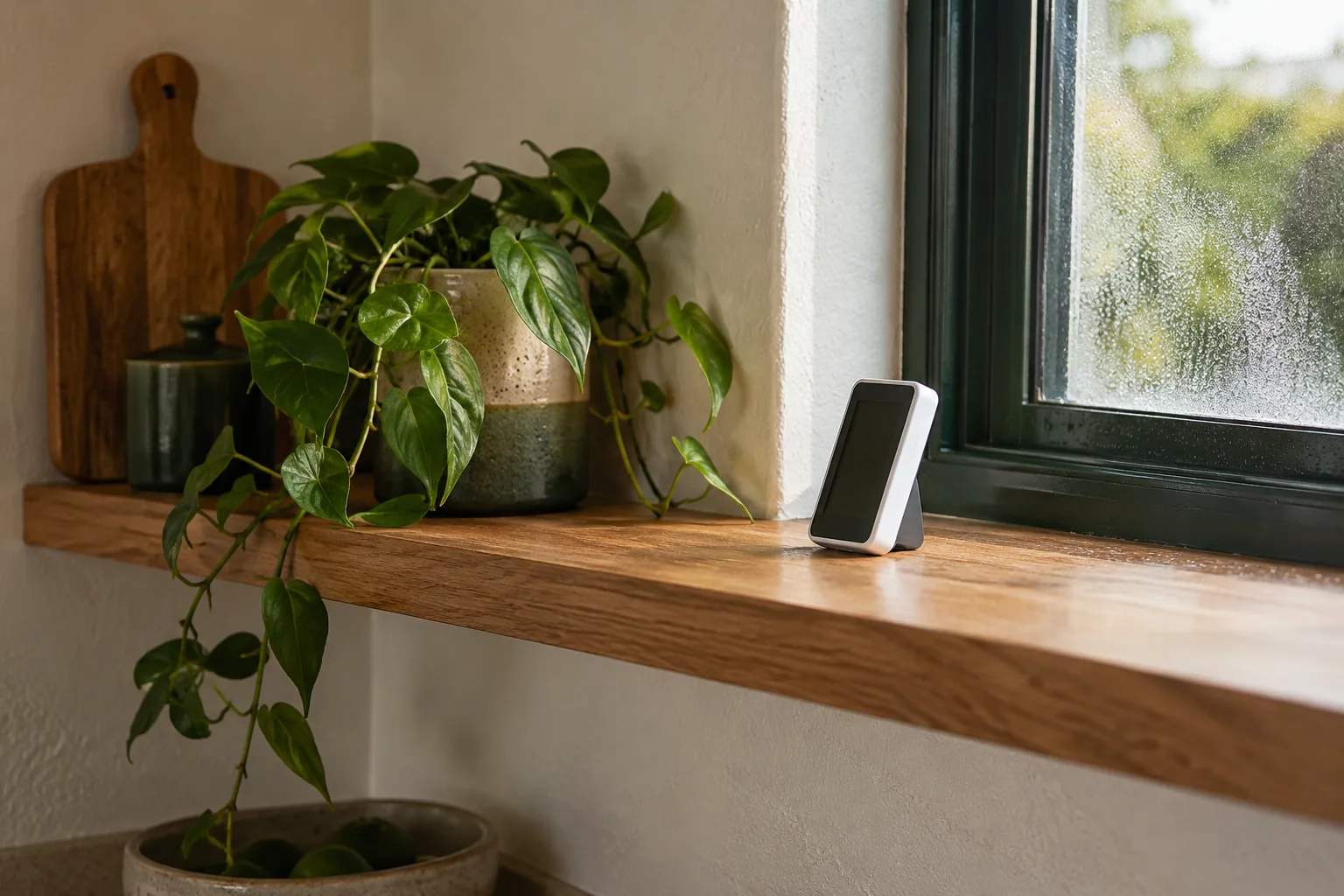
Give reliable water or condensation details and confirmed repair information for the requested room. Label observations from the common route separately. The professional hygrometer supplies room-air relative humidity, not moisture inside shared construction or proof that all connected interiors have the same source. A single account cannot certify hidden material.
Discuss accessible assessment if the private room’s visible request remains unclear before treatment is agreed. Known leaks and ventilation faults need separate correction through the appropriate contact. Continuing dampness can support recurrence, so passing through shared space should not become an assumption that its source or maintenance responsibilities are resolved.
PLAN · FILTER · TREAT · REMOVE · CONTINUE
Treat the agreed interior through confirmed stages
1
Assess scope and actual authority
Identify visible contamination, material and reach in the nominated room, keeping communal or separately controlled surfaces outside unconfirmed inclusions.
2
Establish HEPA protection before work
Set up the confirmed HEPA scrubber before treatment begins, agreeing equipment entry and clearance with the informed contact.

3
Use suitable HOCl treatment
Apply HOCl appropriately, including ULV dry fog in most cases where suitable, without extending application to unspecified shared or hidden areas.
4
Physically remove included mould
Professional H-class filtered equipment supports removal within accepted accessible structural scope, separate from belongings care or building repairs.
5
Continue final HEPA air cleaning
HEPA filtration runs during and after treatment; obtain technician return advice and clarify remaining source or finish tasks for the actual room.
Identify finishes by their agreed interior
Walls
Locate the private room’s exposed wall growth and obstructions, distinguishing it from a shared corridor face.
Ceilings
Describe overhead marks safely and reliable wetting, with roof-space or lining work separately arranged.
Bathrooms
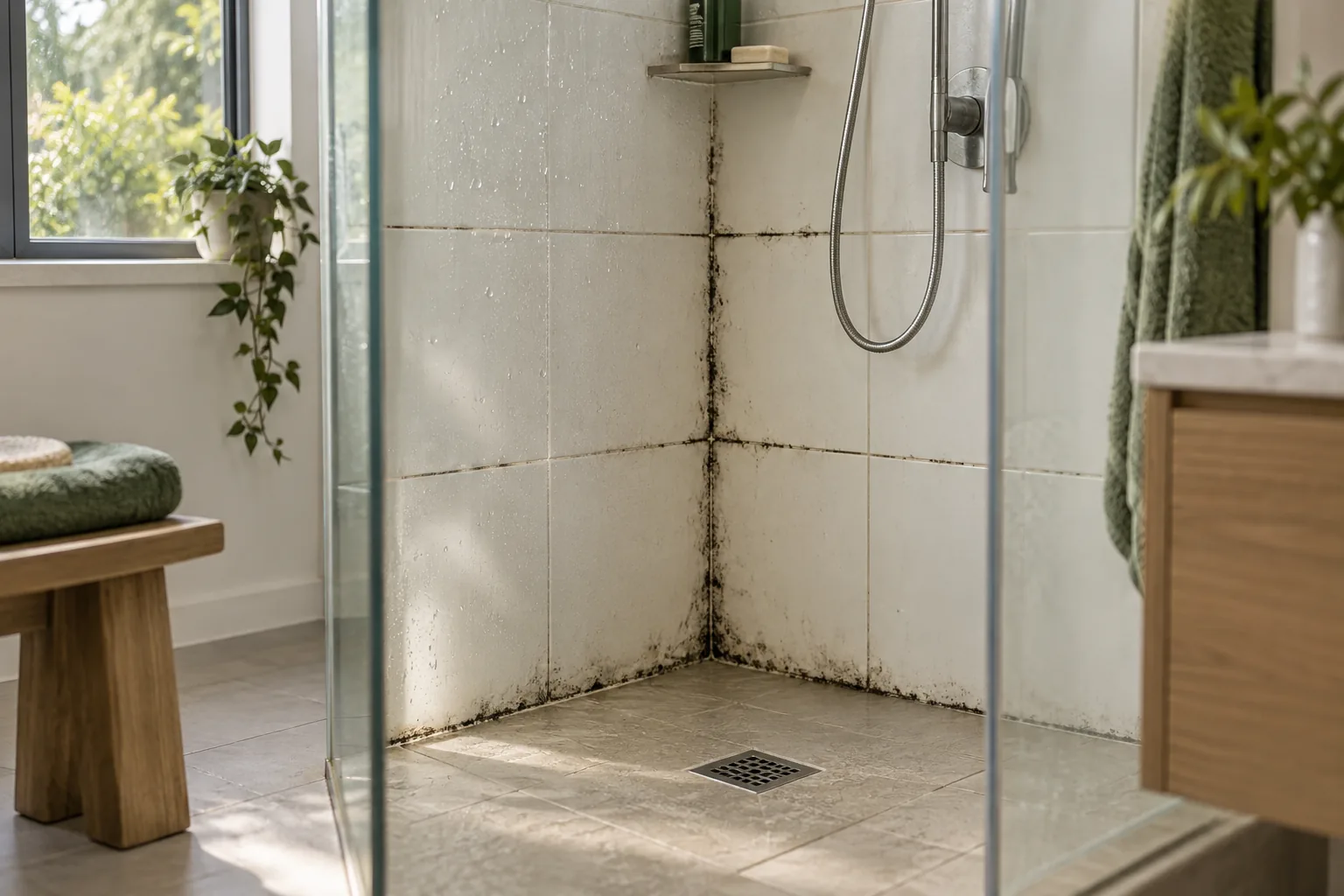
Identify bathroom paint or joint concerns and authority for that interior, excluding textiles and fitting renewal from assumptions.
Kitchens
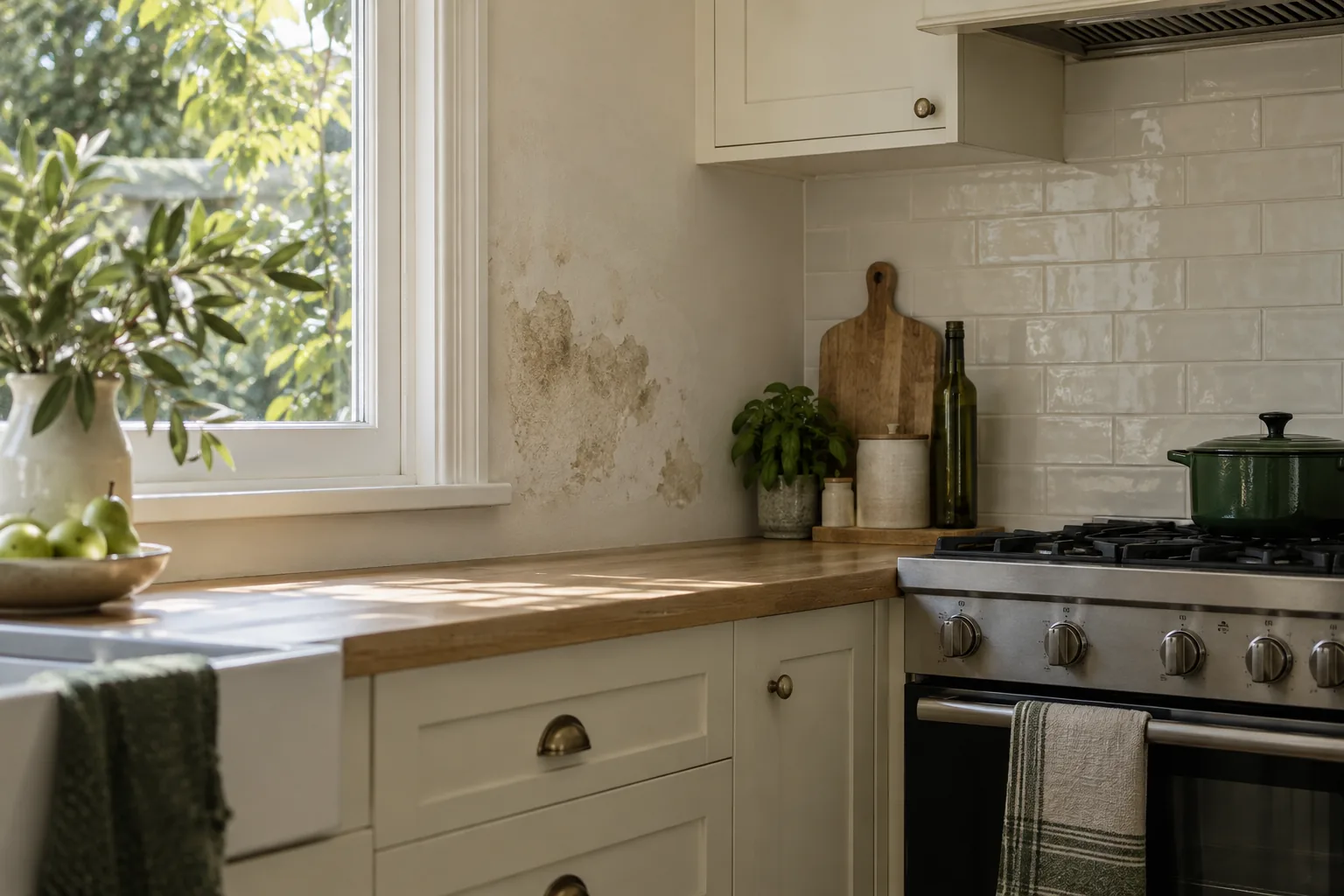
Identify affected kitchen paint or exposed flooring in the actual agreed interior, distinguishing shared-area permission from fittings or plumbing work.
Accessible affected surfaces
Affected exposed hard floors need suitable scope agreement; carpet and concealed construction do not enter treatment through shared access.
WHAT TO EXPECT
Resolve permission and preparation before attendance
Clarify who approves the room, provides entry and receives instructions. Discuss fragile belongings and clearance without treating shared keys as unrestricted approval. People and pets leave the property during treatment and follow job-specific technician return advice. Average guidance is about three hours per room, varying with size, contamination and accessibility rather than a shared-access or occupation guarantee.
The service is not hourly based. Cosmetic stains can remain and decorating is separately quoted. Ask which surfaces were included. No laboratory result, signed communal-area clearance or hidden-material dryness certificate is confirmed by treatment of a nominated private interior.
FOLLOW THE MOISTURE
Pass source concerns to the appropriate informed contact
Reliable communication should keep each area and maintenance task accurately identified instead of extend one room’s result through the property.
Record fresh water or growth with its actual room and date.
Maintain suitable extraction and arrange identified source repairs.
Describe later concerns in shared or different interiors separately from the accepted treatment boundary.
Quote the nominated surfaces without shared-area assumptions
Describe private scope and practical entry using pricing applicability. The room examples concern Mould Removal; confirm their use for the proposed remediation. Shared corridors, another room’s treatment and building repairs are not inferred from those figures, and no automatic multi-contact package is established here.
CRIB POINT · EXACT ADDRESS & ACCESS
Confirm the Crib Point premises and contact roles
Give the full address, intended interior and authorised access contact. Nearby links navigate separate enquiries without granting permission or confirming attendance at the requested room.
HMAS Cerberus · Bittern · Somers · Hastings
Questions about remediation
Does using a shared entrance include the corridor surfaces?
Not automatically. Identify any communal concern separately and agree its authority and structural scope explicitly.
Can the entry contact approve a different person’s room?
Do not assume that authority. Identify who can approve the nominated interior and answer scope questions.
Should shared and private wetting observations be merged?
Keep their locations and dates distinct so the treatment request does not assign one area’s account to another.
Does one key establish unrestricted treatment permission?
No automatic wider approval follows. Confirm the actual surfaces and separately controlled interiors before attendance.
Will the result certify communal material is clear?
No unrequested-area clearance is promised. The result remains tied to agreed accessible finishes actually treated.
What if a communal concern appears afterwards?
Describe its own surface, current condition and authorised contact rather than retrospectively extend the private room’s treatment scope.
Discuss Crib Point room scope and shared entry clearly
Call 03 8652 1296 with the private interior, visible finishes and contact roles. Agree suitable treatment and practical access.