
VISIBLE SURFACES · THOUGHTFUL RESTORATION
Mould Remediation Hastings
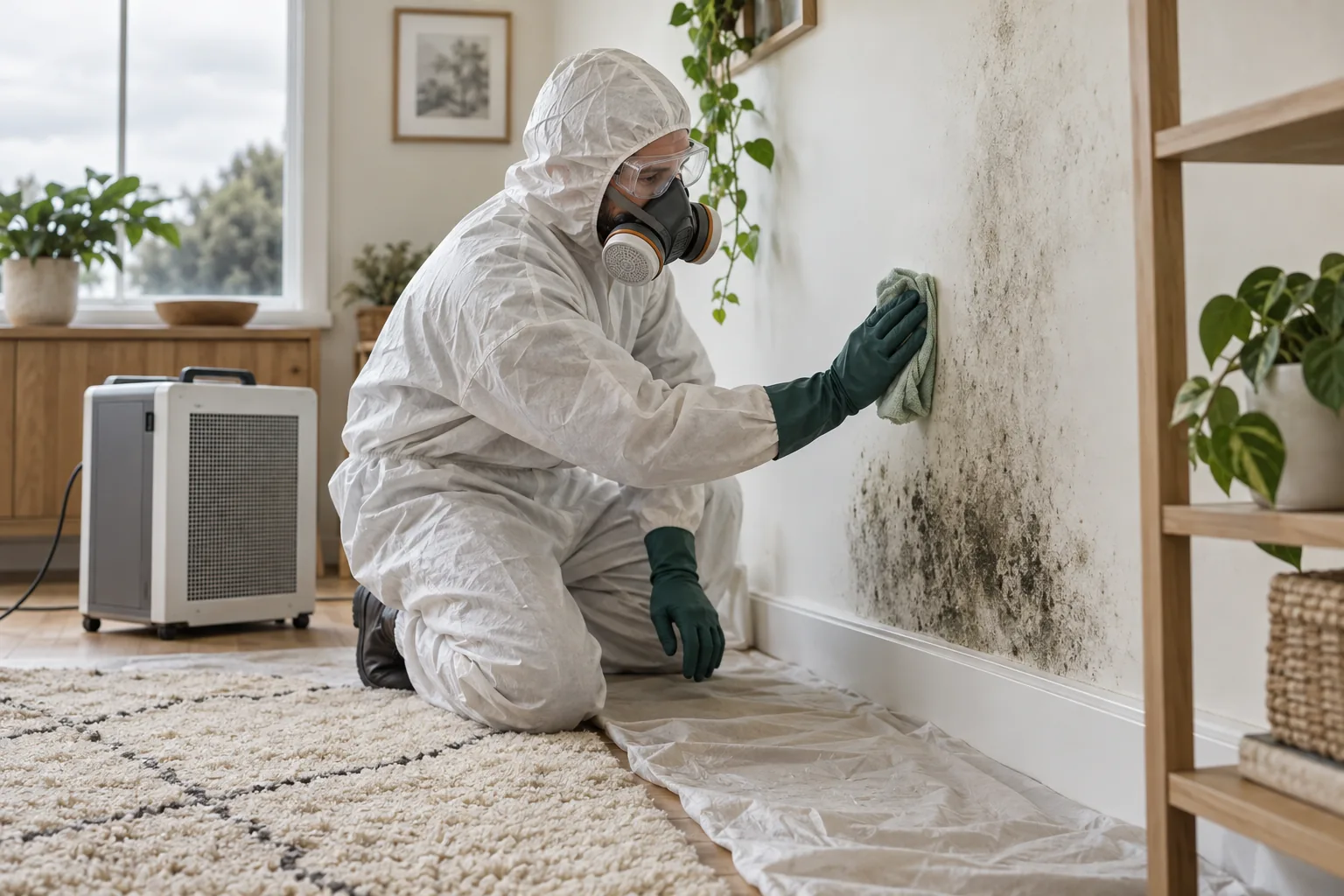
A request for completion information should be clarified before the job is accepted. For a Hastings enquiry, explain whether you need to understand treated surfaces, remaining marks or separate source tasks. Standard visible remediation is not automatically a formal report, laboratory clearance or document for another provider, and a photograph alone cannot establish concealed condition.
ASSESS · FILTER · RESTORE
Information needs are discussed beforehand.
The treated boundary remains identifiable.
Formal clearance is not assumed.
Define the treatment and the communication request separately
Describe current growth, material and available access before asking for an outcome document. Say who needs the information and what practical question it concerns, without assuming a signed condition statement is included. A broad request to prove the room is clear should not extend the structural treatment to possessions, hidden layers or a guaranteed future result.
The remediation service information covers assessment, filtration, suitable application and physical removal of visible accessible structural mould. Furniture and textiles remain excluded. Laboratory testing, formal clearance, building repairs and decorating require separate scope; supported treatment should not be represented as universal certification through its completion description.
Completion information cannot certify every source question
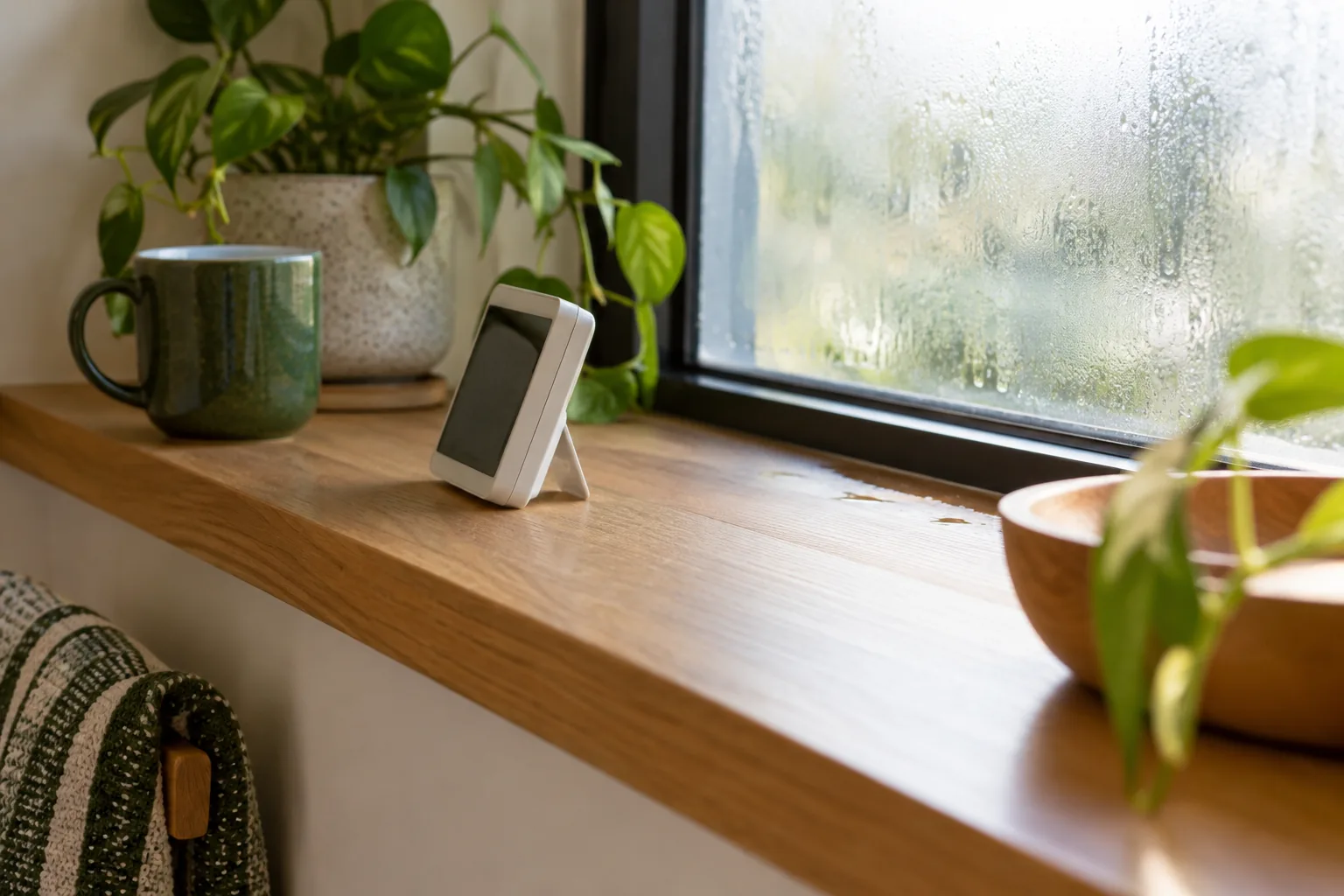
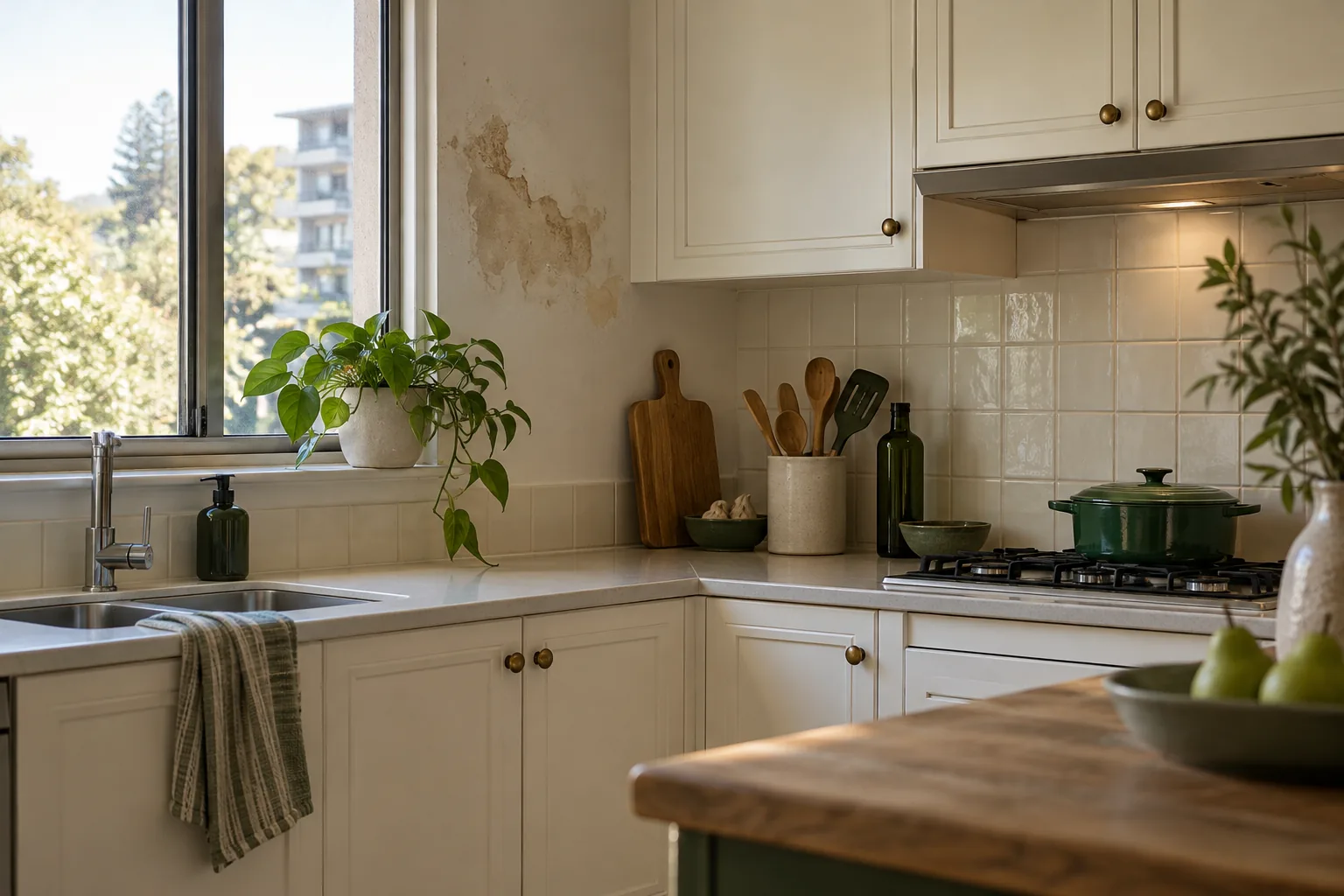
Give actual water or condensation observations and confirmed repair status. The professional hygrometer supplies relative humidity in room air, not moisture inside lining or proof that every cavity is dry. Neither a completion photograph nor an air reading validates another provider’s repair or reconstructs hidden material history.
An accessible assessment enquiry may clarify current visible uncertainty before treatment. Known leak and ventilation faults require separate correction. Continuing dampness may permit recurrence, so practical aftercare should identify maintenance follow-through rather than rely on an unconfirmed document as a permanent-prevention guarantee.
PLAN · FILTER · TREAT · REMOVE · CONTINUE
Follow confirmed stages and retain realistic outcome limits
1
Assess the accepted visible scope
Identify growth, material and working reach, distinguishing treatment from separate requests for documentation, testing or hidden-condition findings.
2
Establish HEPA air protection
Set up the confirmed HEPA air scrubber before treatment begins, with preparation and equipment access agreed.

3
Apply suitable HOCl methods
Use HOCl appropriately, including ULV dry fog in most cases where suitable, without a universal eradication or formal-clearance promise.
4
Physically remove visible contamination
Professional H-class filtered equipment supports removal within accepted accessible structural scope, separate from repair or restoration of excluded possessions.
5
Continue final HEPA operation
Maintain HEPA air filtration during and after treatment, clarifying actual return instructions and the practical information about accepted finishes and remaining tasks.
Tie completion questions to actual building finishes
Walls
Locate current wall growth and accessible boundaries, keeping unavailable backing outside a general completion claim.
Ceilings
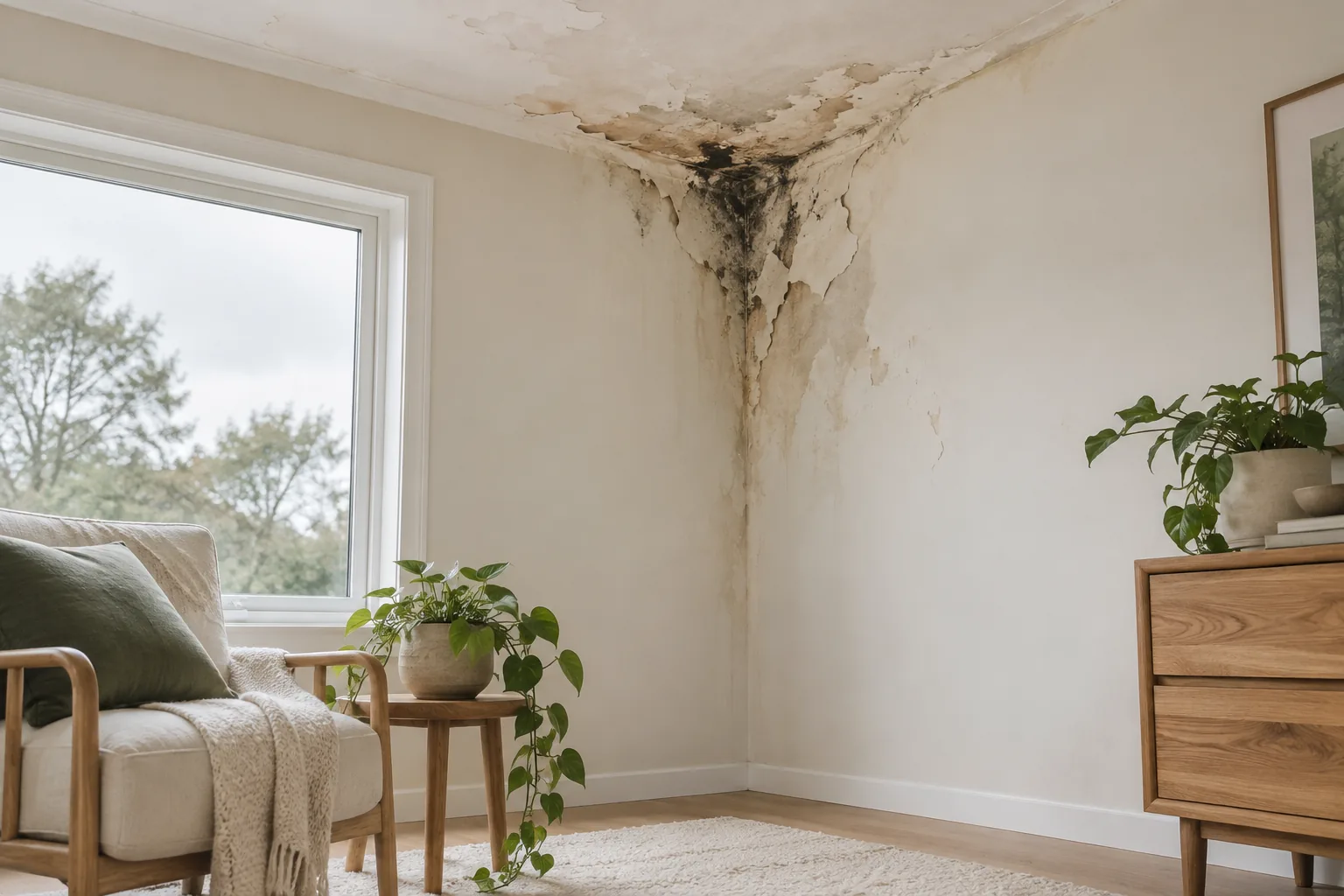
Describe overhead marks safely and actual water history, separating visible treatment from concealed roof-space or structural findings.
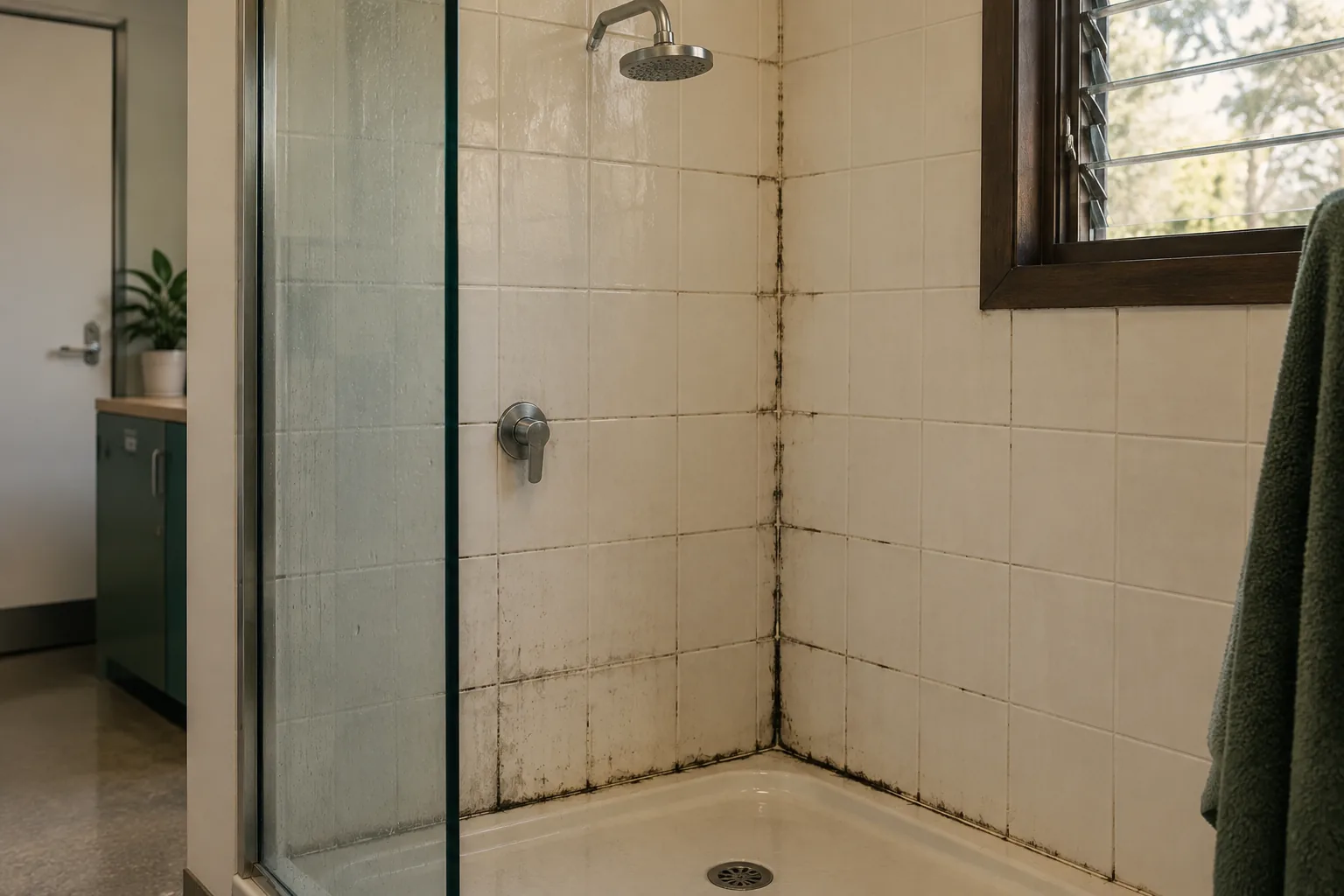
Bathrooms
Identify bathroom paint or joint concerns, with fabrics, seal renewal and extraction repairs outside automatic scope.
Kitchens
Explain reachable kitchen contamination independently of appliances, contents and plumbing correction.
Accessible affected surfaces
Affected exposed hard floors need suitable agreement; carpet and hidden layers stay excluded from both treatment and assumed clearance.
WHAT TO EXPECT
Ask practical questions before relying on a completion format
Agree clearance, fragile belongings and a reliable recipient for advice. The household and pets must be off the property while treatment proceeds, with the technician’s return advice passed to the informed recipient. Average guidance is about three hours per room, varying with size, contamination and accessibility; no preferred reporting or handover time turns it into a fixed return deadline.
The service is not hourly based. Cosmetic stains or existing damage may remain and decorating is separately quoted. Ask which surfaces were included and what separate maintenance remains. No standard signed report, laboratory air result or hidden-material dryness certificate is confirmed, and appearance alone cannot provide those findings.
FOLLOW THE MOISTURE
Use actual advice and continuing observations
Practical follow-through concerns known sources and fresh surface changes, with outcome information kept within what the job actually establishes.
Keep the accepted surfaces and actual return instructions clear.
Record new water or growth with the finish and date.
Maintain suitable extraction and arrange correction of confirmed source faults separately.
Quote treatment without an assumed documentation package
Describe extent and information expectations using pricing applicability. Its examples are labelled Mould Removal; ask which figures apply to this structural treatment rather than assuming a documentation package. Formal reporting, laboratory clearance and repair certification are not inferred from treatment amounts, so clarify any separate request before accepting a quotation.
HASTINGS · EXACT ADDRESS & ACCESS
Confirm the Hastings premises and informed contact
Provide the address and person receiving actual job advice. Nearby pages navigate other enquiries rather than confirm attendance, documentation entitlement or a local operating affiliation.
Bittern · Tyabb · HMAS Cerberus · Crib Point
Questions about remediation
Does standard remediation include a signed completion report?
No signed report is confirmed. Explain information needs before booking rather than assume formal documentation accompanies treatment.
Can a completion photograph certify concealed lining is dry?
No. Appearance does not establish hidden material moisture, and room-air relative humidity is a different observation.
Will the treatment document certify another provider’s repair?
No repair certification is promised. Keep actual source findings and the separate provider’s responsibility distinct.
What useful question can I ask about completion?
Ask which accessible surfaces were treated, what cosmetic marks may remain and which source or finish tasks still need a separate response.
Does receiving information establish that every possession is clear?
No. Furniture and textiles remain excluded and their condition should not be inferred from structural treatment.
What should another contact know in a later enquiry?
Share actual treated boundaries, new observations and job-specific advice, without converting an informal completion account into formal hidden clearance.
Discuss Hastings treatment and realistic information needs
Call 03 8652 1296 with visible surfaces, access and completion questions. Clarify supported work and practical advice before booking.