
SURFACE TREATMENT · MOISTURE FOLLOW-THROUGH
Mould Remediation Melton
When growth crosses a room corner, one photograph can contain several finishes with different condition and access. For a Melton enquiry, distinguish the painted wall, ceiling junction and trim rather than booking them as one uniform patch. The treatment decision concerns each reachable surface, with damaged material and cosmetic repair discussed separately.
The corner’s finishes are identified individually.
Methods are discussed for the actual materials.
Excluded repair work remains clear.
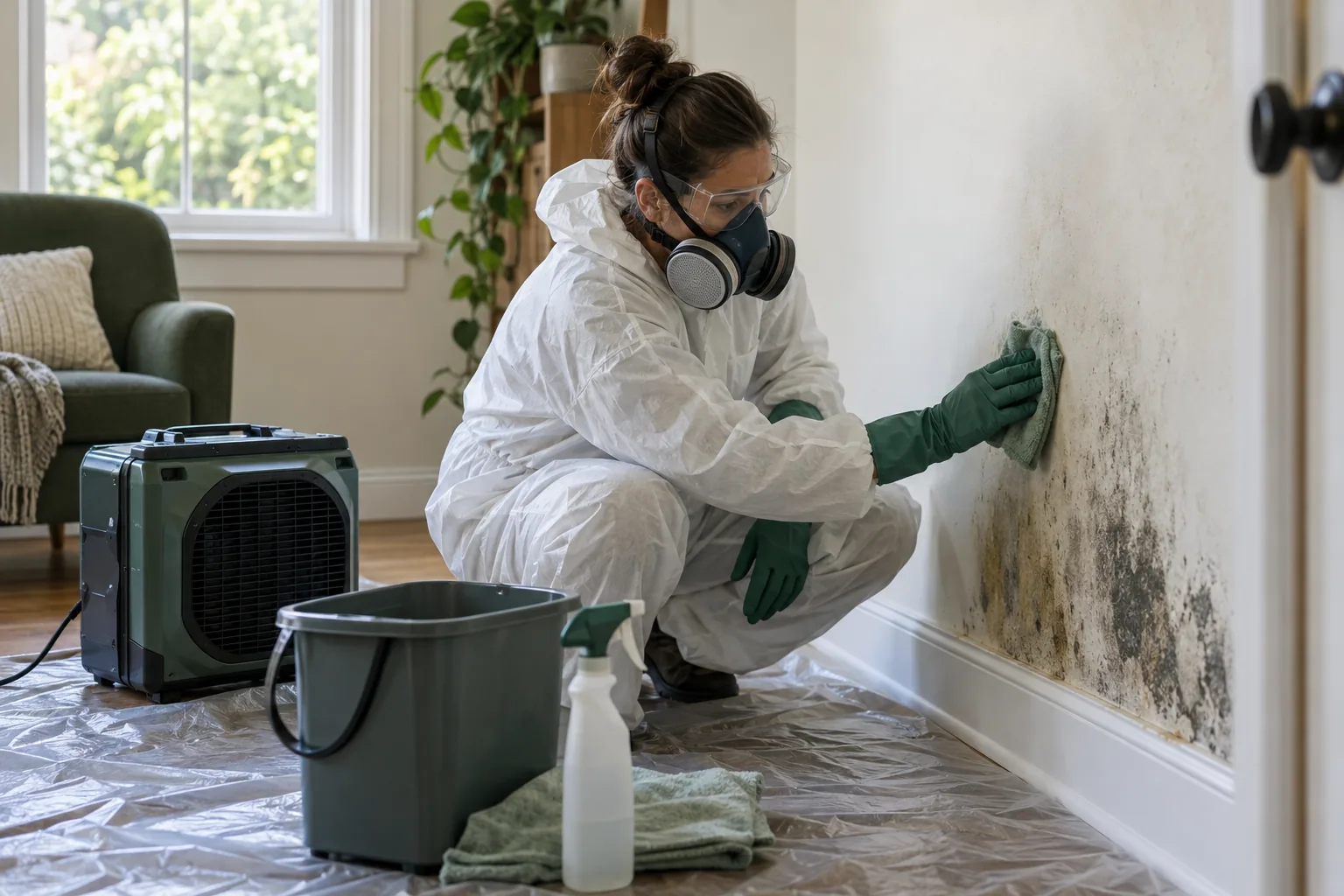
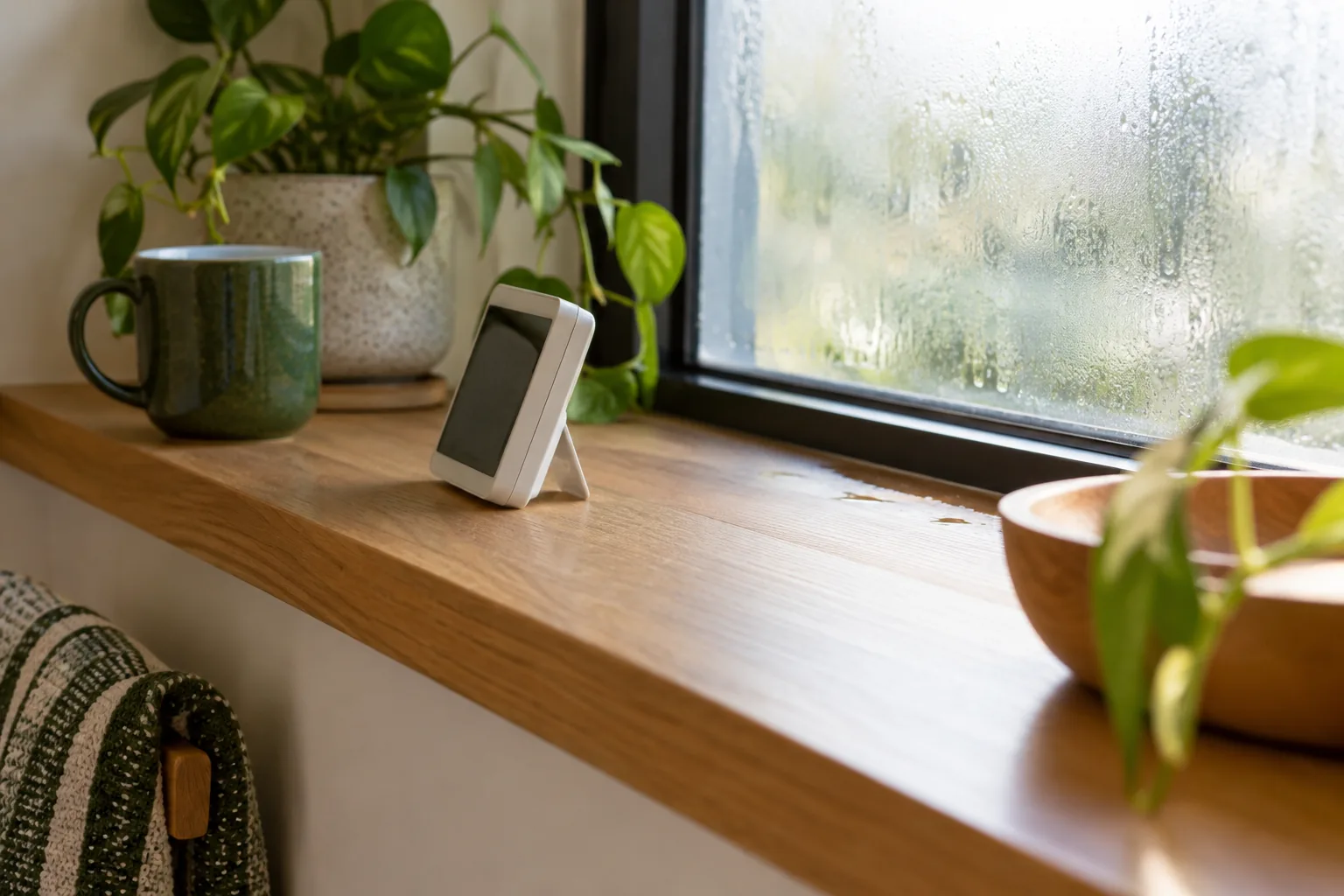
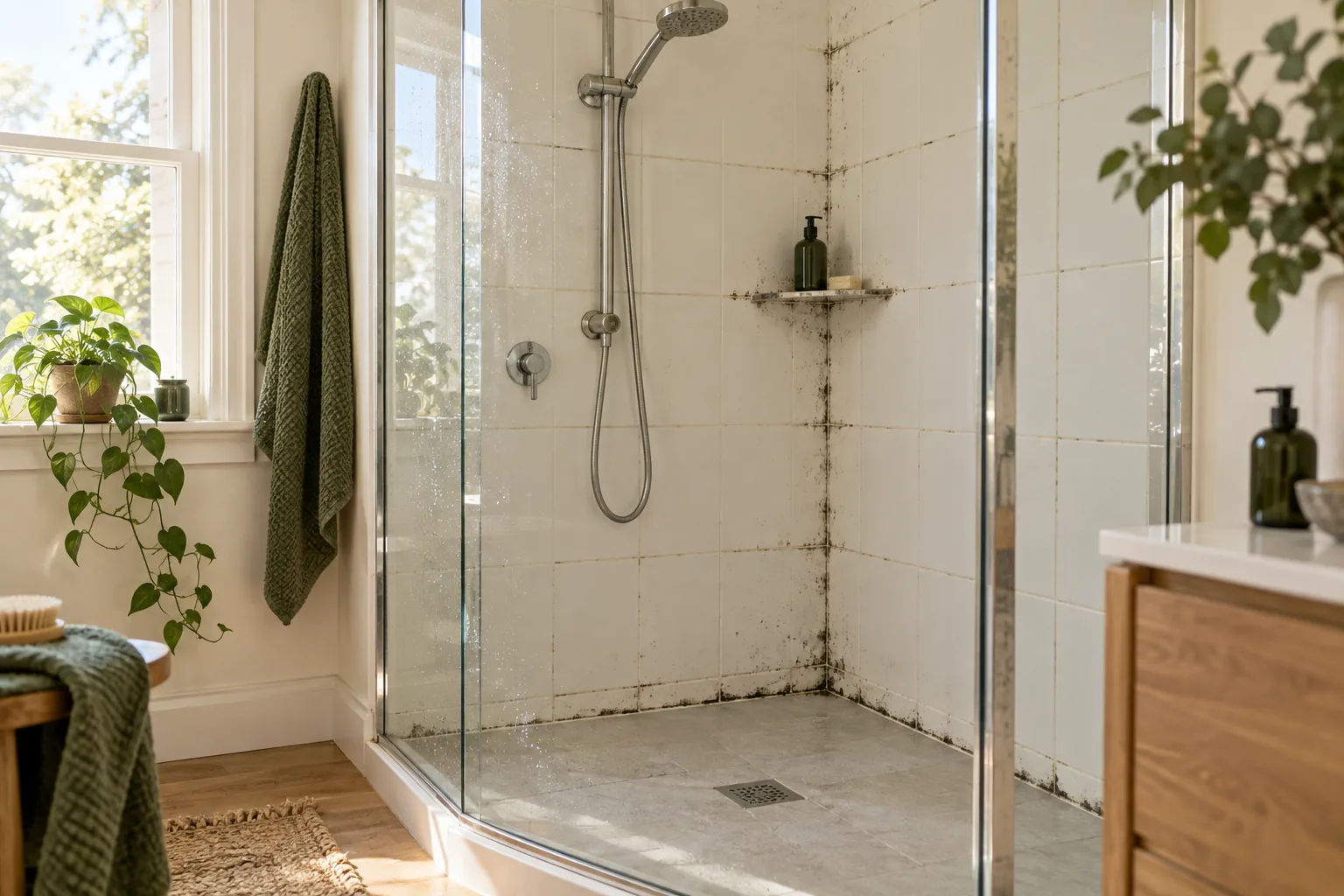
TREATMENT & FOLLOW-THROUGH
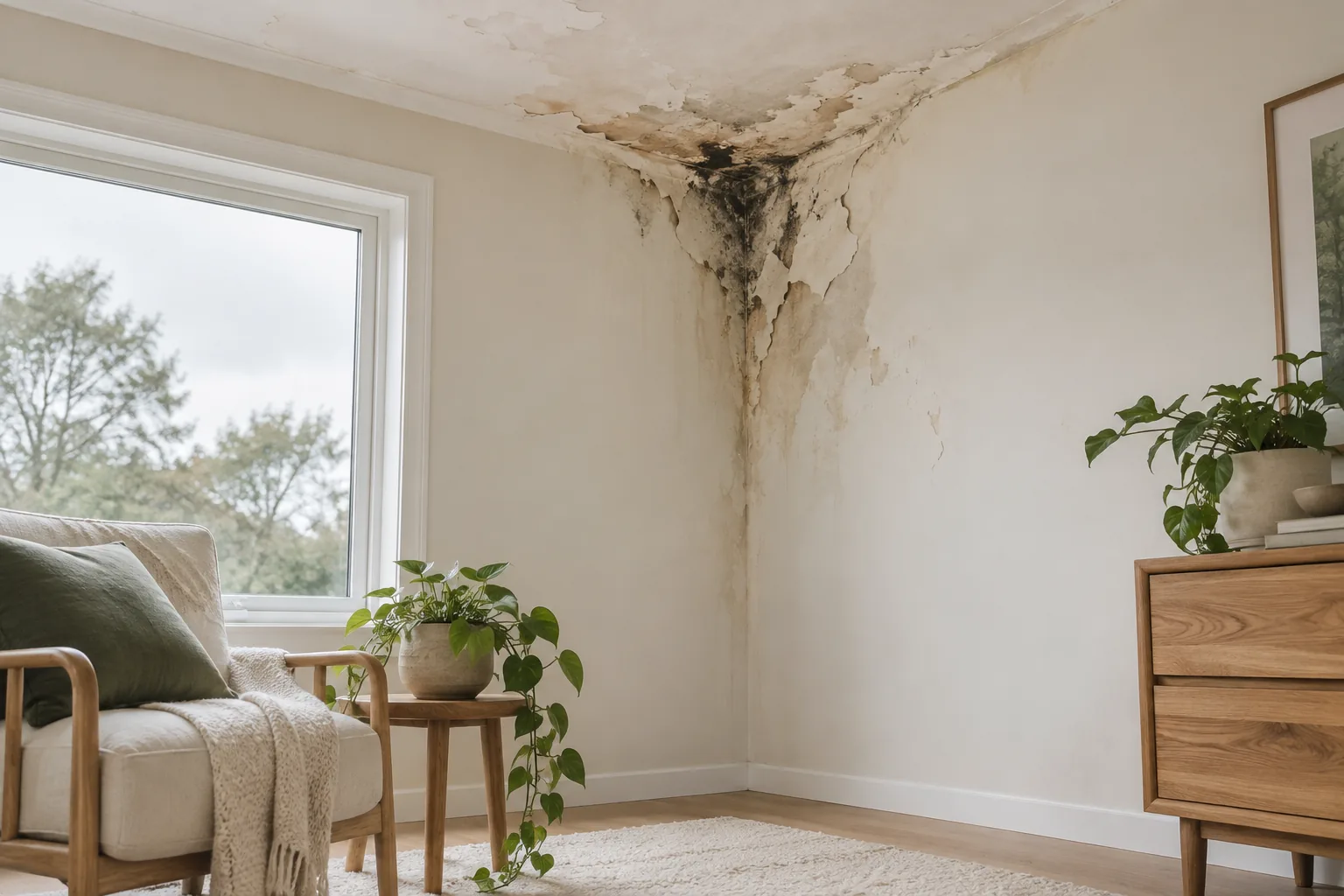
UNDERSTANDING REMEDIATION
One corner can contain several treatment decisions
Explain where the visible growth begins and ends on each finish. A sound painted face, fragile trim and damaged ceiling edge should not be assumed to tolerate the same work. The professional remediation stages provide a process, while the actual application and reachable scope still need agreement for this corner.
Keep concealed cornice backs and cavities outside the result. Replacement or decoration requires its own sequence, while contents and unreachable faces do not become included through one treated edge.
THE MOISTURE CONNECTION
Trace observations without diagnosing from shape
A corner-shaped patch does not establish whether water, condensation or another condition led to the growth. Record wetting on the wall and ceiling separately, including any repaired defect and uncertain dates. You can ask about visible accessible assessment before deciding what treatment is appropriate.
The professional hygrometer measures relative humidity in room air. It does not map the moisture inside a cornice, clear a ceiling cavity or certify repaired roofing. Keep those material and repair questions with the relevant provider. Ventilation and source correction are useful follow-through matters; a cleaned corner cannot guarantee that continuing dampness will not support another patch.
PLAN · FILTER · TREAT · REMOVE · CONTINUE
A coordinated process with material limits
1
Assess each exposed finish
Review visible contamination across the reachable wall, ceiling edge and trim, agreeing material suitability and the boundaries of the requested work.
2
Set up protective filtration
Establish the confirmed HEPA air scrubber before treatment in the prepared room; filtration does not certify the corner’s concealed condition.

3
Choose the application
Apply suitable HOCl treatment and use ULV dry fog where appropriate, retaining separate decisions for fragile finishes rather than promising one universal method.
4
Remove visible contamination
Physically remove the agreed visible mould using professional H-class filtered equipment, without including trim replacement or ceiling demolition.
5
Keep air cleaning running
Continue HEPA filtration during and after the process, then discuss job-specific return instructions and residual cosmetic marks on the treated finishes.
Give every structural finish a clear name
Walls
Describe the painted face and whether it is sound, lifting or partly obstructed at the corner.
Ceilings
Name the affected ceiling edge and safe access restrictions without implying work above the lining.
Bathrooms
A bathroom corner may join tiles and paint; identify each exposed finish rather than extending silicone repair into treatment.
Kitchens
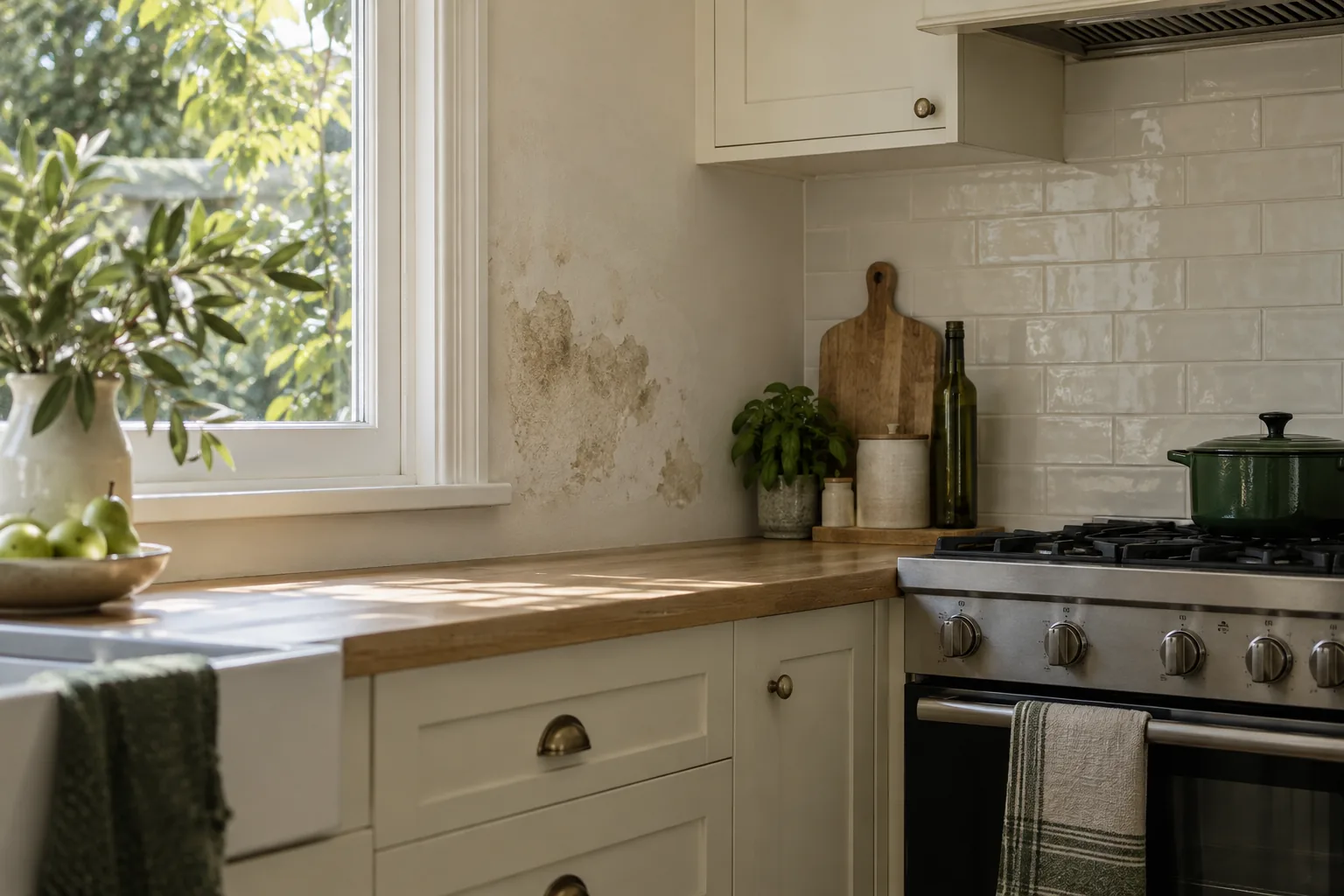
Explain reachable kitchen corners and fixed cabinetry that prevents access to another face.
Accessible affected surfaces
Additional exposed structural sections can be considered individually; furnishings, fabrics and unseen layers remain outside the agreement.
WHAT TO EXPECT
Arrange clearance for the whole reachable corner
Describe fixed fittings and anything that prevents safe access before preparing the room. Move contents only as instructed and retain the distinction between reachable sections and blocked ones. People and pets leave during treatment; follow the technician’s specific advice about when to return.
Average working guidance is approximately three hours per room, depending on size, contamination and accessibility. Several finishes do not create a guaranteed completion time or an invented hourly repair service. Cosmetic discolouration can remain. Another provider may need to repair or decorate damaged material, and their work should not be scheduled as though remediation certifies every surface ready for a new finish.
FOLLOW THE MOISTURE
Compare changes on the correct face
After return is advised, identify whether a later change is on the wall, trim or ceiling. That makes a new concern clearer than saying the corner looks dark again. Complete relevant moisture repairs and keep their outcome separate from the visible contamination result.
Record each new mark’s finish and position.
Discuss continuing water with the provider responsible for its source.
Avoid covering a changed junction before describing its condition.
Cost the finishes actually included
List the reachable materials, extent and obstructions when asking for a quote. The Mould Removal pricing examples need applicability confirmed for remediation. They do not establish a multi-finish restoration package, concealed access allowance or inclusion of decorative trim replacement.
MELTON · EXACT ADDRESS & ACCESS
Melton enquiries with a specific room corner
Nearby Kurunjang and Brookfield pages can help navigate another property enquiry. For this Melton request, give the address and identify the wall-to-ceiling corner precisely; a shared locality or similar photograph does not establish identical material suitability.
Questions about remediation
Can every finish in the corner receive the same application?
Do not assume so. Identify paint, trim and ceiling condition so the technician can discuss suitability for each reachable face.
Is the back of the cornice included?
No concealed reverse surface is promised. Describe the exposed edge and keep separate access work outside the standard assumption.
Does the patch shape locate the water source?
No. Explain actual wetting observations and repair history instead of assigning a cause from the outline.
Will you replace damaged decorative trim?
Trim replacement is not confirmed as part of remediation. Have any required repair scoped separately.
Can a later mark on the ceiling be treated as the same result?
Locate the change and confirm whether that ceiling section was included. A wall result cannot automatically extend to another face.
What helps when the corner contains fixed cabinetry?
Describe which sections are blocked before attendance. Agree reachable treatment rather than assuming dismantling or hidden-wall clearance.
Identify the finishes before booking
Phone 03 8652 1296 with the Melton corner, material details and access restrictions. Agree which exposed faces need treatment and which repairs remain separate.