
SURFACE TREATMENT · MOISTURE FOLLOW-THROUGH
Mould Remediation Rockbank
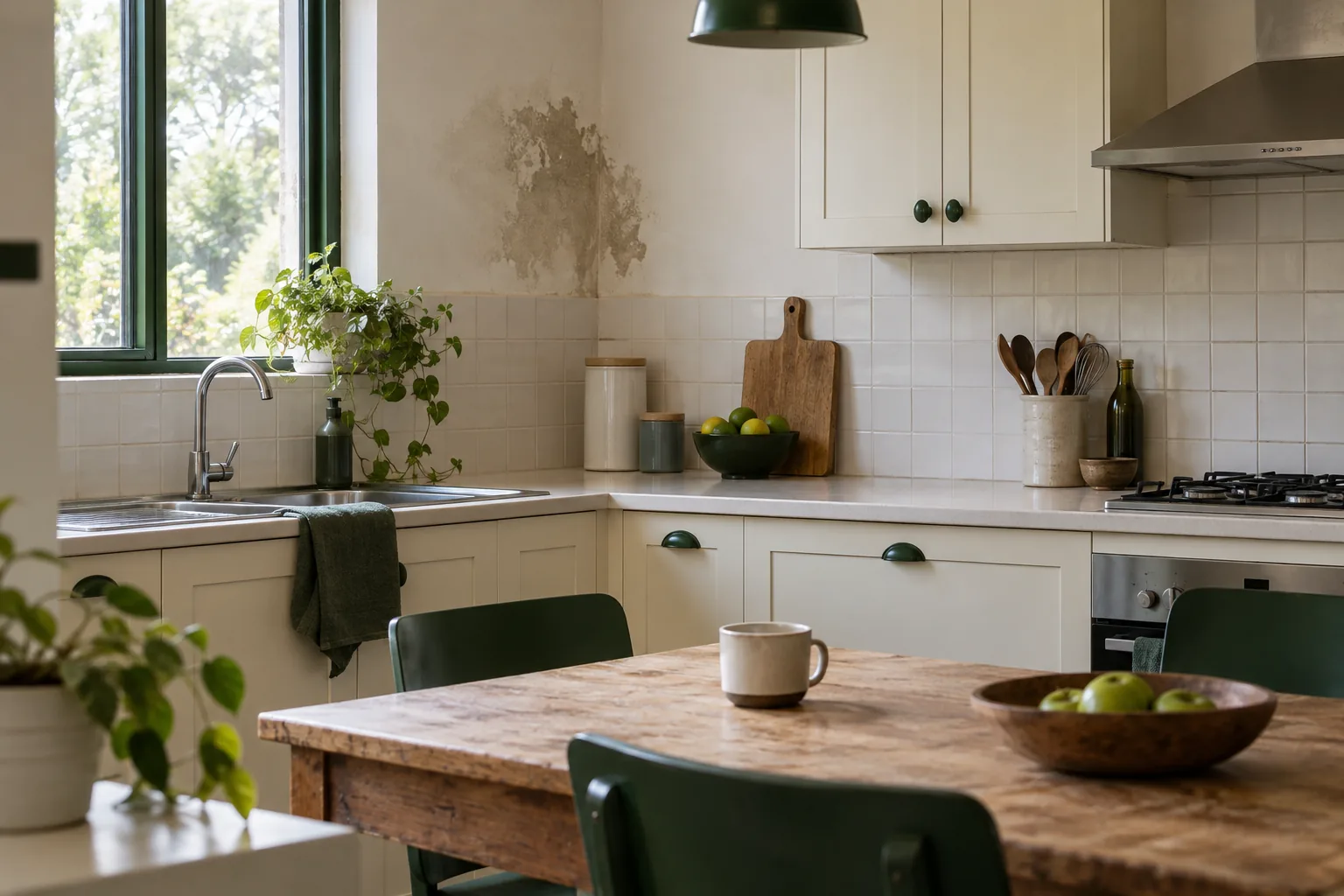
Opening a room that has been unused for a while can reveal growth without telling you when it began. If you are preparing such a room in Rockbank, describe its current visible condition before moving belongings back. The useful decision is what can be reached and treated now, rather than reconstructing an unverified history of the closed space.
The present surface condition guides scope.
Belongings stay separate from structural work.
Reoccupation follows the technician’s advice.
TREATMENT & FOLLOW-THROUGH
UNDERSTANDING REMEDIATION
Prepare a room for use without guessing its history
An empty interior can make wall access easier, but it does not prove the area behind a lining is available or unaffected. Explain visible growth, loose paint and any fixed cupboards before agreeing the professional treatment scope. Have the technician discuss whether the exposed finishes are suitable rather than calling the entire room restored.
Keep returning furnishings outside structural treatment. New room use does not imply building approval, and another exposed patch requires agreement before being included.
THE MOISTURE CONNECTION
A closed-room explanation is still only a possibility
Tell us whether you saw window condensation, a wet ceiling or water beside a fitting. The fact that a room was unused does not establish poor ventilation as the only cause. Visible accessible inspection can be discussed when you need assessment before selecting treatment.
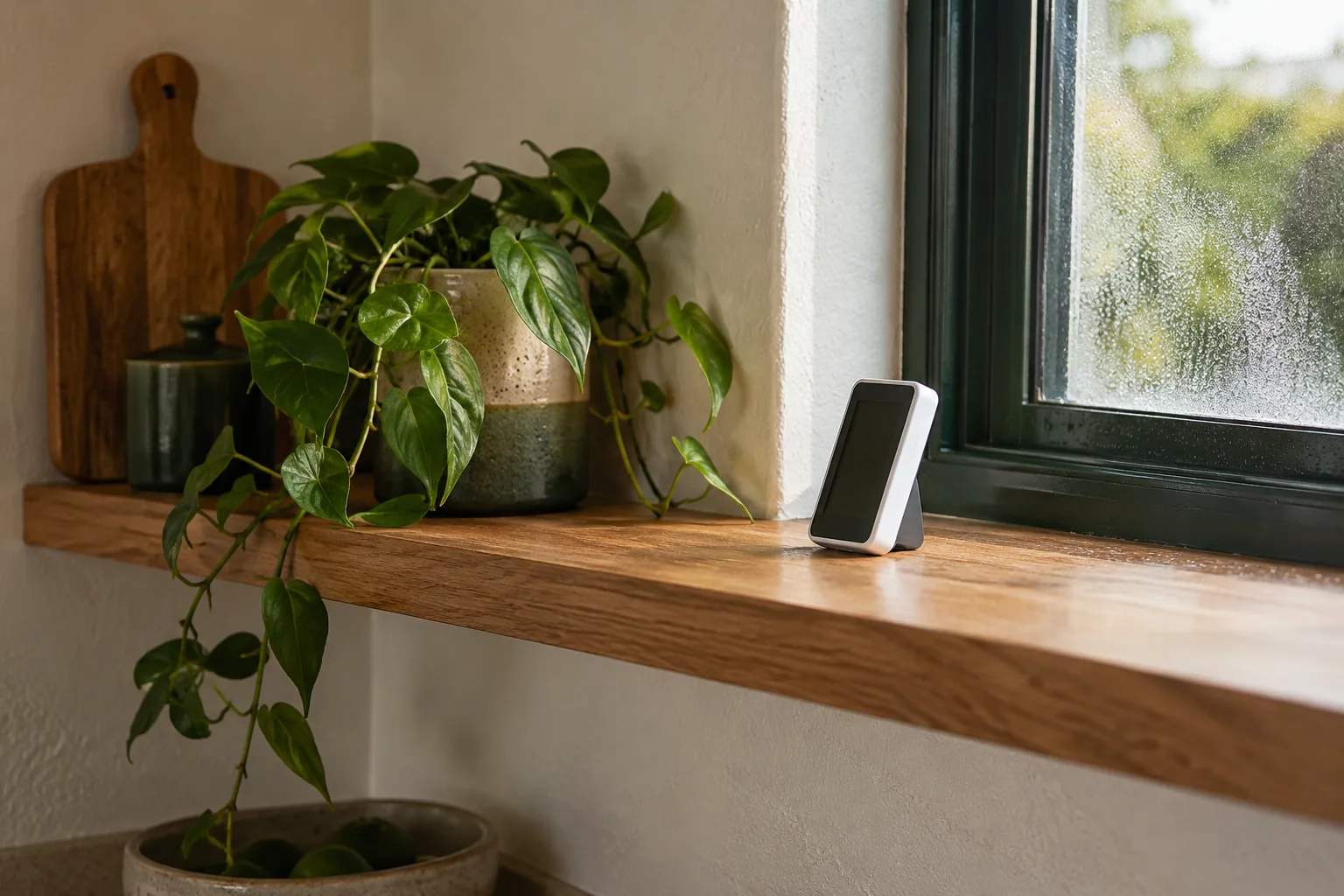
The professional hygrometer records relative humidity in the air at the time of measurement. It does not reconstruct months of conditions or certify dry wall material. Have any continuing leak addressed through the relevant provider. Useful ventilation and moisture control support follow-through, but neither a new routine nor a single reading guarantees that future growth cannot occur.
PLAN · FILTER · TREAT · REMOVE · CONTINUE
From current observations to bounded treatment
1
Assess today’s exposed surfaces
Examine the visible reachable contamination, discuss finish condition and agree the areas included before belongings are returned to the room.
2
Set air protection in place
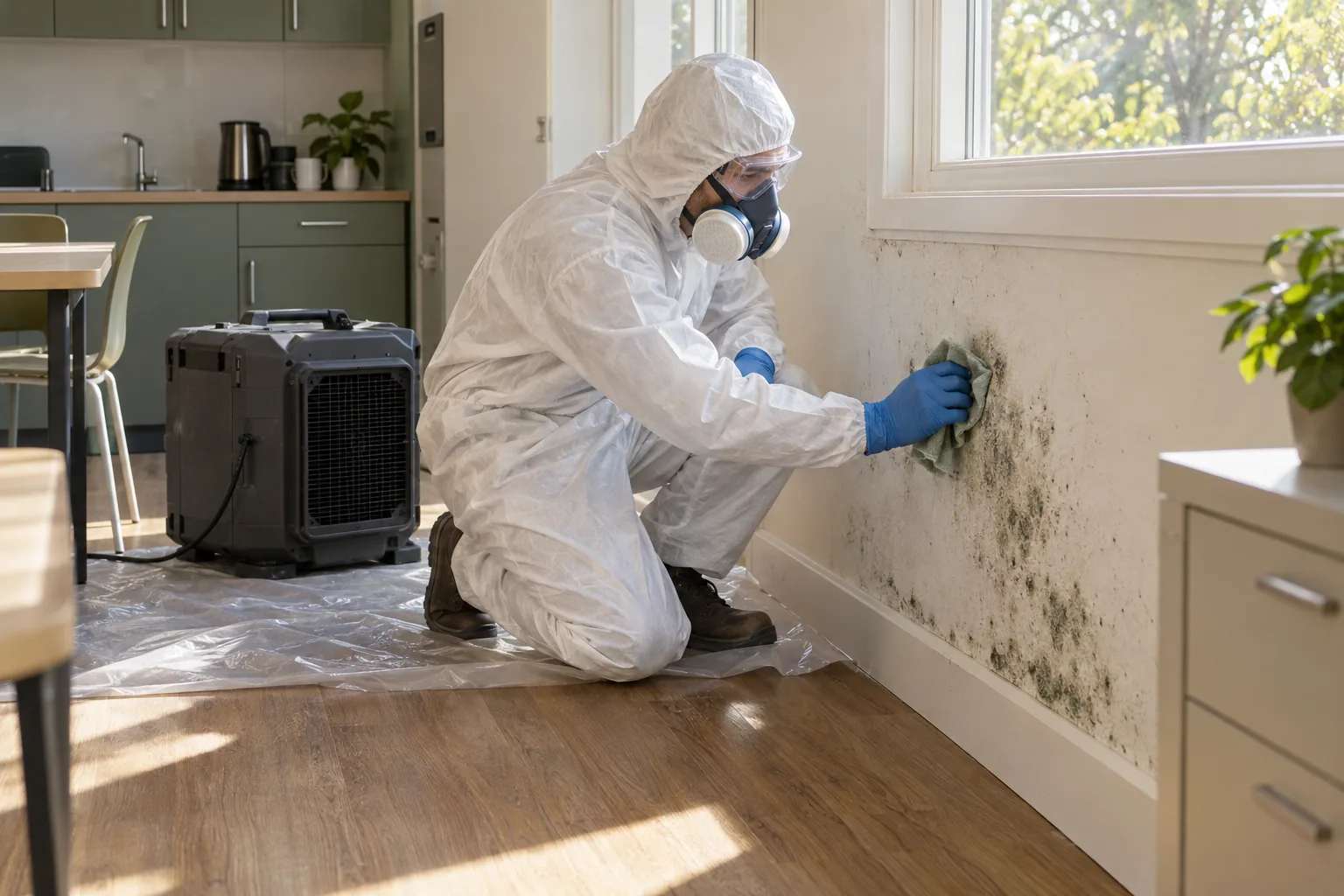
Start the confirmed HEPA air scrubber before treatment in the prepared interior; filtration is a work stage, not an occupancy certificate.

3
Choose appropriate HOCl application
Apply suitable HOCl treatment, using ULV dry fog where appropriate rather than assuming every previously closed room requires the same application.
4
Physically remove the growth
Remove visible contamination with professional H-class filtered equipment from the accessible structural surfaces, excluding furnishings and textile items.
5
Complete continuing filtration
Keep HEPA air cleaning operating during and after the process, and discuss return advice, any remaining stain and the agreed surface boundary.
Identify finishes before bringing contents back
Walls
Describe visible wall growth and the coating condition while the affected section remains reachable.
Ceilings
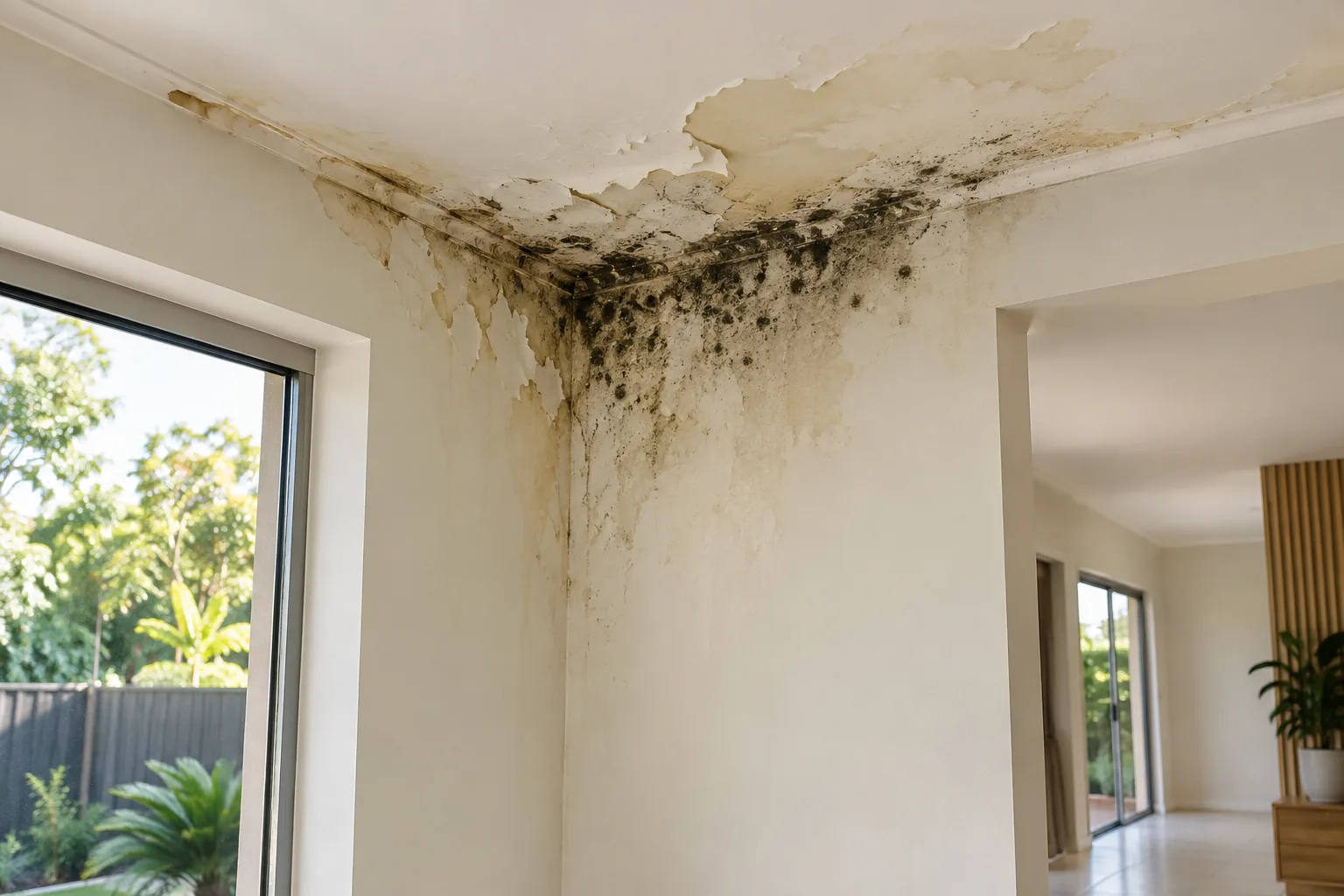
Ceiling discolouration needs its own location and water history, even if the rest of the room was kept empty.
Bathrooms
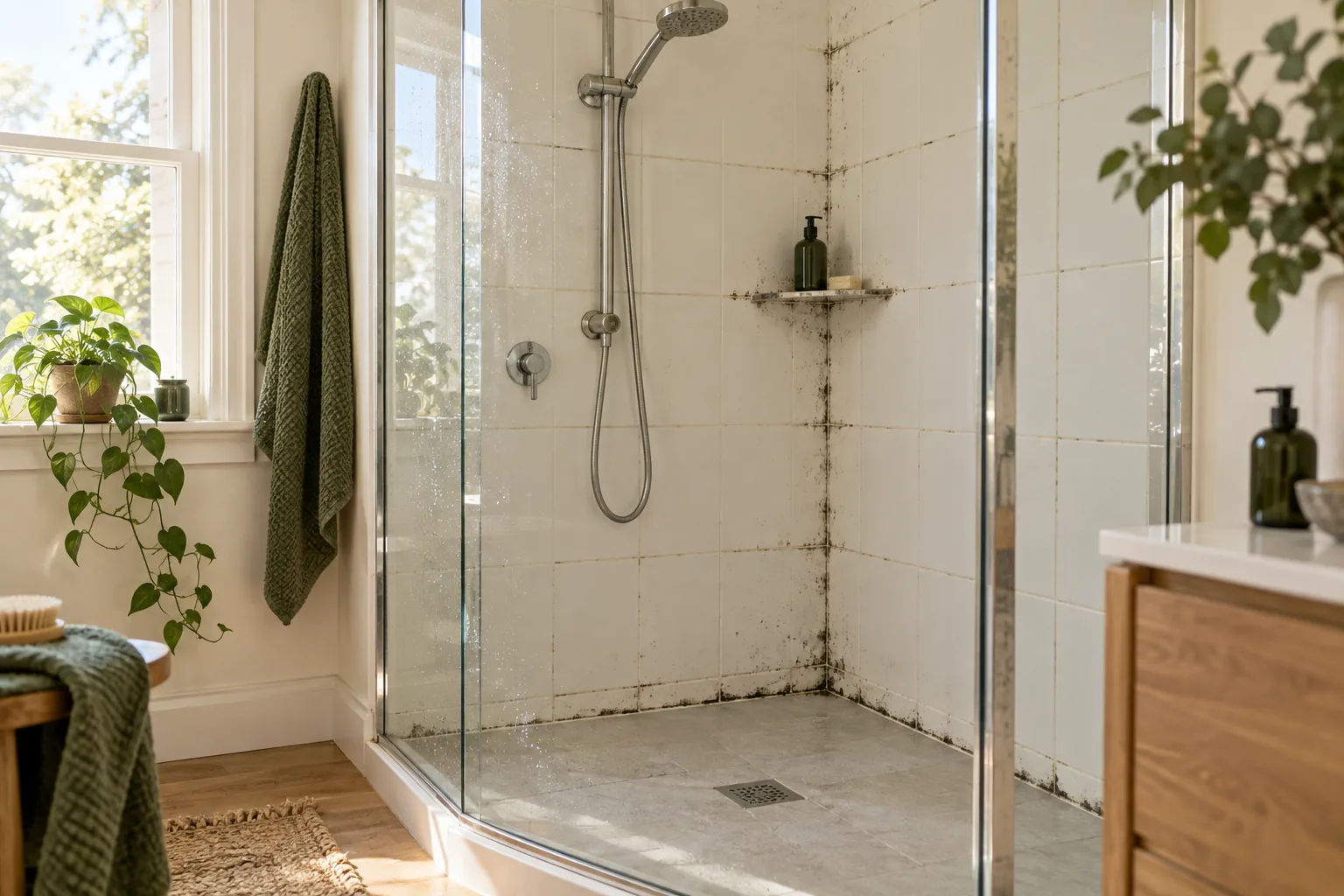
For an unused bathroom, separate exposed structural growth from fittings repairs and excluded mats.
Kitchens
Kitchen wall access should be described independently of cleaning stored utensils or servicing appliances.
Accessible affected surfaces
Other exposed wall, ceiling or floor sections may be agreed; concealed insulation and contents are outside standard visible treatment.
WHAT TO EXPECT
Keep the room clear until preparation is settled
Ask what should be moved and when, rather than filling the room before the technician has advised on access. Arrange for people and pets to leave during treatment. Return follows the technician’s particular instructions; an open window or an empty-room history is not permission to remain.
Source guidance averages approximately three hours per room and varies with contamination, size and accessibility. It is not an hourly booking or a promise that the room can be occupied on a chosen deadline. Residual cosmetic staining may remain, while painting and other repairs require separate decisions. The result cannot establish the condition of inaccessible layers.
FOLLOW THE MOISTURE
Observe the room as normal use resumes
After return is advised, pay attention to the room’s actual conditions rather than assuming the earlier vacancy caused everything. Record renewed water or visible changes and complete relevant repairs. Keep future contents placement from obscuring a section you need to describe if a new concern appears.
Note where condensation or water is actually observed.
Retain the distinction between treated finishes and excluded belongings.
Ask about new growth before covering it with decoration.
Cost the exposed work before the move back
Discuss the currently reachable finishes and planned access changes when requesting a quote. Confirm remediation applicability of the Mould Removal price table; those examples do not include furnishing checks, building approval or a guaranteed occupation date for the Rockbank room.
ROCKBANK · EXACT ADDRESS & ACCESS
Separate Rockbank premises from nearby enquiries
Rockbank, Caroline Springs and Melton enquiries can concern quite different interiors. Give the particular address and explain whether the requested room is still clear. Nearby navigation helps locate another enquiry; it does not transfer a preparation plan or completion timetable between properties.
Questions about remediation
Does an unused room always need the same treatment?
No. The present accessible contamination and surface suitability determine the proposed work, not the vacancy alone.
Can I put furniture back before the visit?
Ask about the required clearance first. Returning contents can obstruct the structural surfaces that need to be assessed and treated.
Will you check the mattress before we use the room?
No mattress treatment or clearance is confirmed. Keep that concern separate from the structural-surface service.
Can a humidity reading explain when the mould began?
It cannot reconstruct the earlier room history. Share reliable observations and dates without converting today’s air reading into a past diagnosis.
Does the result approve the room’s new use?
No occupancy or building-use approval is promised. Arrange any required advice with the relevant authority or provider.
What if mould appears after contents return?
Describe the new location and moisture observations. Renewed growth needs assessment of the current situation rather than a guarantee inferred from the earlier work.
Discuss the room before returning belongings
Phone 03 8652 1296 with the Rockbank room, visible finishes and proposed access. Plan preparation and return around the actual treatment instructions.