
SURFACE TREATMENT · MOISTURE FOLLOW-THROUGH
Mould Remediation Mordialloc
If a cleaner was applied before the enquiry, report what is actually known about it. For a Mordialloc remediation request, explain the product, timing and visible finish without reconstructing an uncertain dilution. Previous application does not establish that growth is gone, that the material is compatible with every later method or that another product should be added as preparation.
Known applications are shared accurately.
Surface suitability is considered.
Uncertain details remain acknowledged.
TREATMENT & FOLLOW-THROUGH
UNDERSTANDING REMEDIATION
An honest product history helps define the request
Explain the current finish and any genuine product records, acknowledging uncertain concentration. Earlier wiping or coating does not establish compatibility or diagnose a chemical cause from appearance; the present material and visible extent still need assessment.
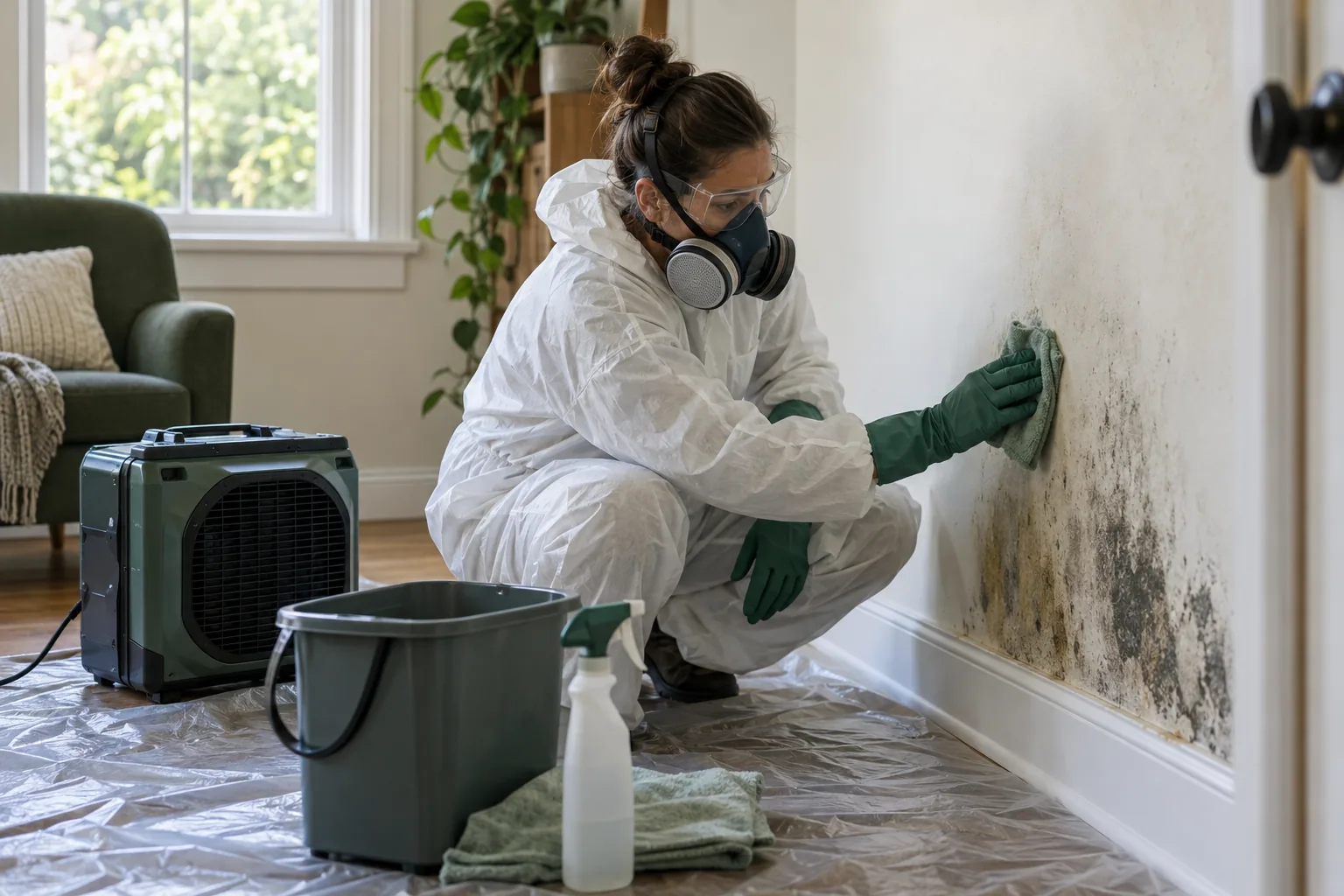
The supported remediation sequence combines assessment, filtration, appropriate treatment and physical removal of visible accessible structural mould. It does not promise chemical analysis of earlier residues. Furniture and textiles are excluded, with concealed investigation, damage repair and decorating separately scoped rather than included because cleaning was attempted.
THE MOISTURE CONNECTION
A previous cleaner is not evidence of source correction
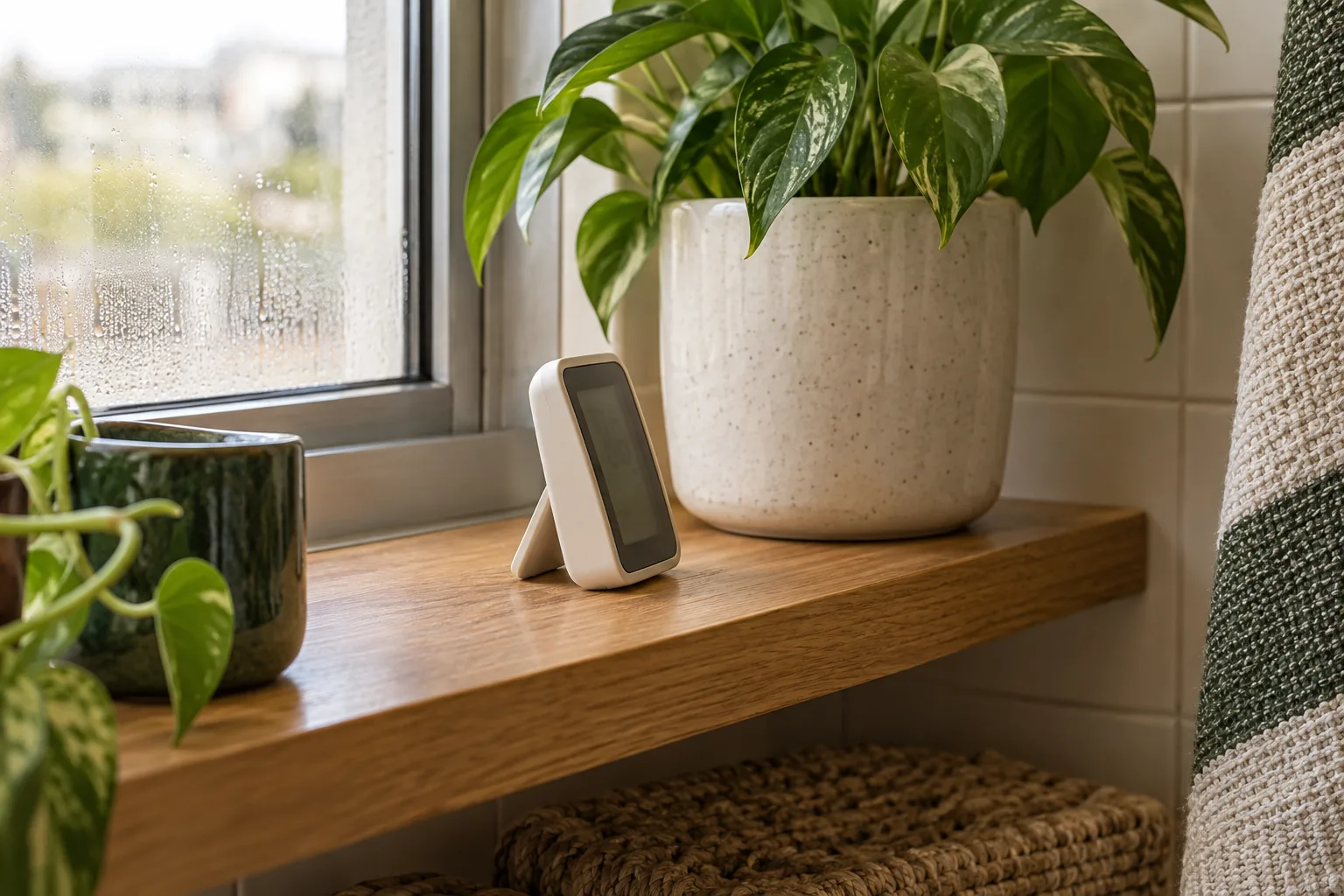
Report actual water observations and known repairs separately from uncertain product details. The professional hygrometer informs room-air relative humidity, not concealed material moisture, chemical residue or proof of source correction.
An accessible surface discussion can clarify the current concern without laboratory or destructive promises. Ongoing leaks and ventilation faults require separate correction. Mould may recur where dampness persists, so another application should not be presented as a replacement for a practical moisture response.
PLAN · FILTER · TREAT · REMOVE · CONTINUE
Use the confirmed plan after assessing the current finish
1
Review visible condition and history
Assess growth, materials, reach and genuine product information, keeping unknown dilution or concealed condition outside assumptions.
2
Set HEPA protection before treatment
Establish the confirmed HEPA air scrubber before treatment begins, with equipment access and preparation agreed for the current room condition.

3
Apply suitable HOCl treatment
Use HOCl appropriately under the assessed plan; ULV dry fog is used in most cases where suitable, without universal compatibility claims.
4
Remove visible mould physically
Professional H-class filtered equipment removes contamination within accepted scope, rather than providing residue analysis or restoring damaged finishes.
5
Maintain final air cleaning
HEPA continues during and after treatment, accompanied by technician return advice and clear discussion of unresolved moisture or cosmetic concerns.
Describe each affected material’s actual condition
Walls
Identify wall coatings, visible marks and known applications, acknowledging uncertainty instead of inventing a complete product history.
Ceilings
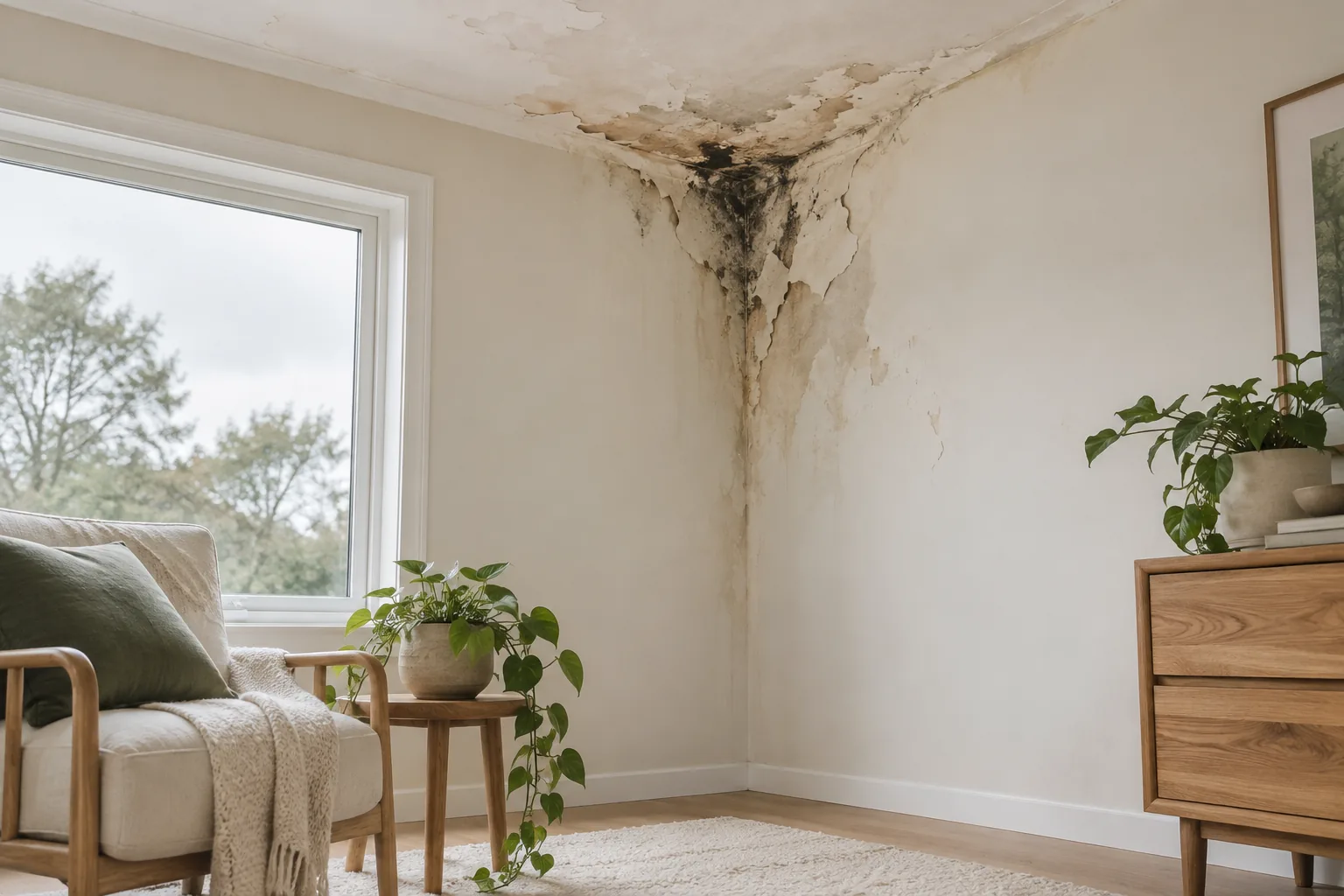
Explain overhead marks safely and whether any product was applied, keeping source work above the lining separate.
Bathrooms
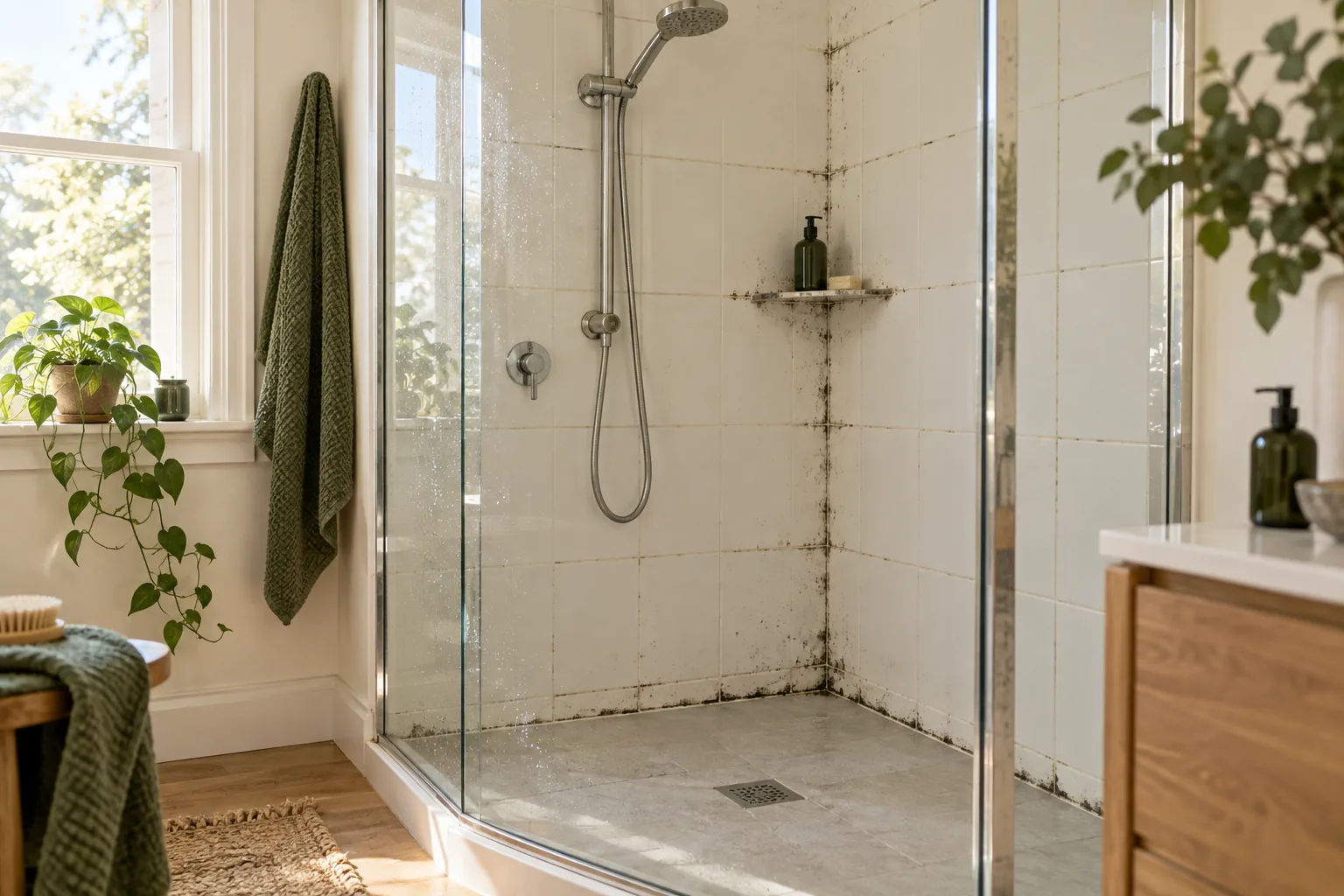
Distinguish paint, grout and silicone where visible; a cleaner used on one does not establish identical suitability elsewhere.
Kitchens
Describe reachable kitchen growth and prior applications independently of stored contents, appliance servicing or plumbing repairs.
Accessible affected surfaces
Affected exposed hard floors need finish-specific agreement, without including carpet, rugs or concealed layers through an earlier cleaning attempt.
WHAT TO EXPECT
Do not add another unconfirmed preparation application
Give the technician the reliable information available and ask about preparation before applying anything else. Arrange clearance of fragile belongings as instructed. Arrange people and pets to leave the property throughout treatment, then follow the technician’s particular instructions for returning. Average guidance is around three hours per room, varying with size, contamination and access rather than the time an earlier cleaner remained on a surface.
The service is not hourly based. Cosmetic marks or existing finish damage may remain and decorating needs separate quotation. Ask what surfaces were treated and keep hidden conditions qualified. No standard laboratory residue test, written clearance certificate or guarantee of the original appearance is supplied by visible contamination work.
FOLLOW THE MOISTURE
Track actual changes rather than repeat guessed chemistry
Retain reliable product information and water observations while following through on known source faults.
Record fresh wetting or growth with its position and date.
Retain genuine product details without assigning an unknown dilution.
Maintain suitable extraction and arrange repair of continuing leaks separately.
Quote the current scope with the earlier application disclosed
Describe visible extent and known product use when checking pricing applicability. The affected-room examples are for Mould Removal; clarify which apply to this remediation request. Chemical analysis, finish replacement and extra decorative work should not be inferred from those figures, and no invented residue surcharge is established here.
MORDIALLOC · EXACT ADDRESS & ACCESS
Confirm the particular Mordialloc request
Provide the address and informed contact for the marked room. Nearby links navigate other enquiries rather than confirm attendance or identify a product used at these premises.
Questions about remediation
Should I guess the dilution if I cannot remember it?
No. State the uncertainty and supply genuine records if available; a guessed concentration should not become a suitability fact.
Does earlier cleaning mean physical removal is unnecessary?
Do not assume that. Describe the current visible condition so the confirmed treatment and physical-removal scope can be assessed.
Will remediation analyse the previous cleaner residue?
No residue analysis is confirmed. Raise that separate request before expecting a laboratory finding within standard structural treatment.
Should I apply a different product before attendance?
Ask about actual preparation first. Do not add another application merely to make the surface appear ready.
Can changed colour prove the earlier chemical damaged the wall?
Not conclusively from appearance alone. Report the change and reliable history without diagnosing a chemical cause or hidden condition.
What product information is useful in a follow-up enquiry?
Share the genuine name, timing and known application details alongside the actual new observation, keeping uncertain concentration or effects qualified.
Discuss Mordialloc growth with an honest application history
Call 03 8652 1296 with the finish, present marks and known earlier products. Agree suitable treatment without guessing missing details.