
SURFACE TREATMENT · MOISTURE FOLLOW-THROUGH
Mould Remediation Aspendale
Hearing an extractor run does not establish that a marked room’s moisture problem is resolved. For an Aspendale enquiry, describe what you observe during normal use and which surfaces remain affected. Remediation treats agreed visible contamination; it is not a ventilation-performance test, fan service or guarantee that a particular control schedule prevents recurrence.
Actual observations are separated from assumptions.
Visible surface treatment is clarified.
Ventilation maintenance remains distinct.
TREATMENT & FOLLOW-THROUGH
UNDERSTANDING REMEDIATION
Describe the room rather than diagnose the fan
Locate visible growth and explain observed water or steam. State genuine control or use changes without diagnosing their effect. An operating sound should not replace the current material, extent and access description.
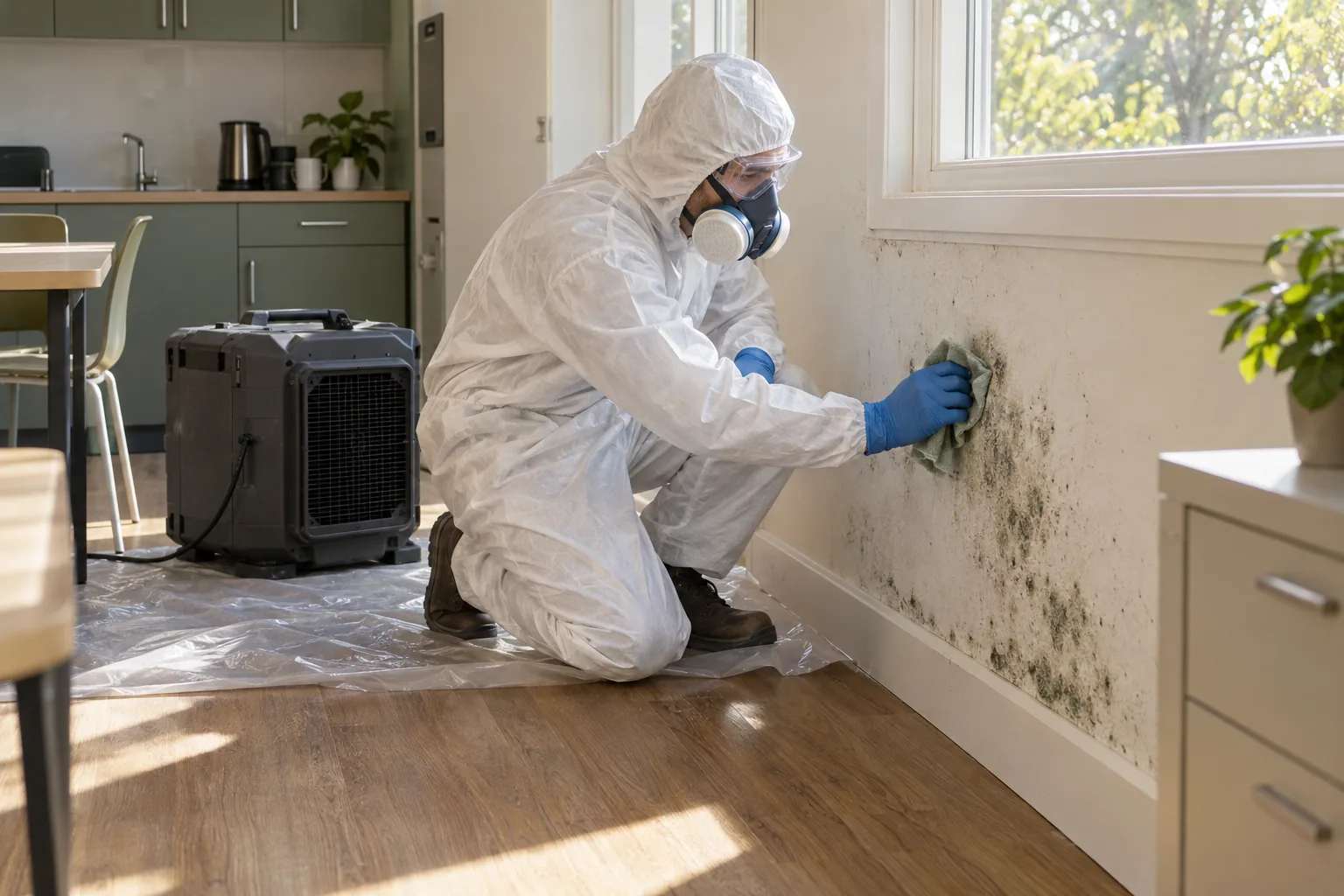
The remediation service details cover assessment, filtration, suitable application and physical removal of visible accessible structural growth. Furniture, carpet and other textiles are excluded. Servicing extraction, tracing concealed ducts, repairing leaks and decorating are separate matters rather than tasks silently added through a room treatment request.
THE MOISTURE CONNECTION
Keep air information in its proper role
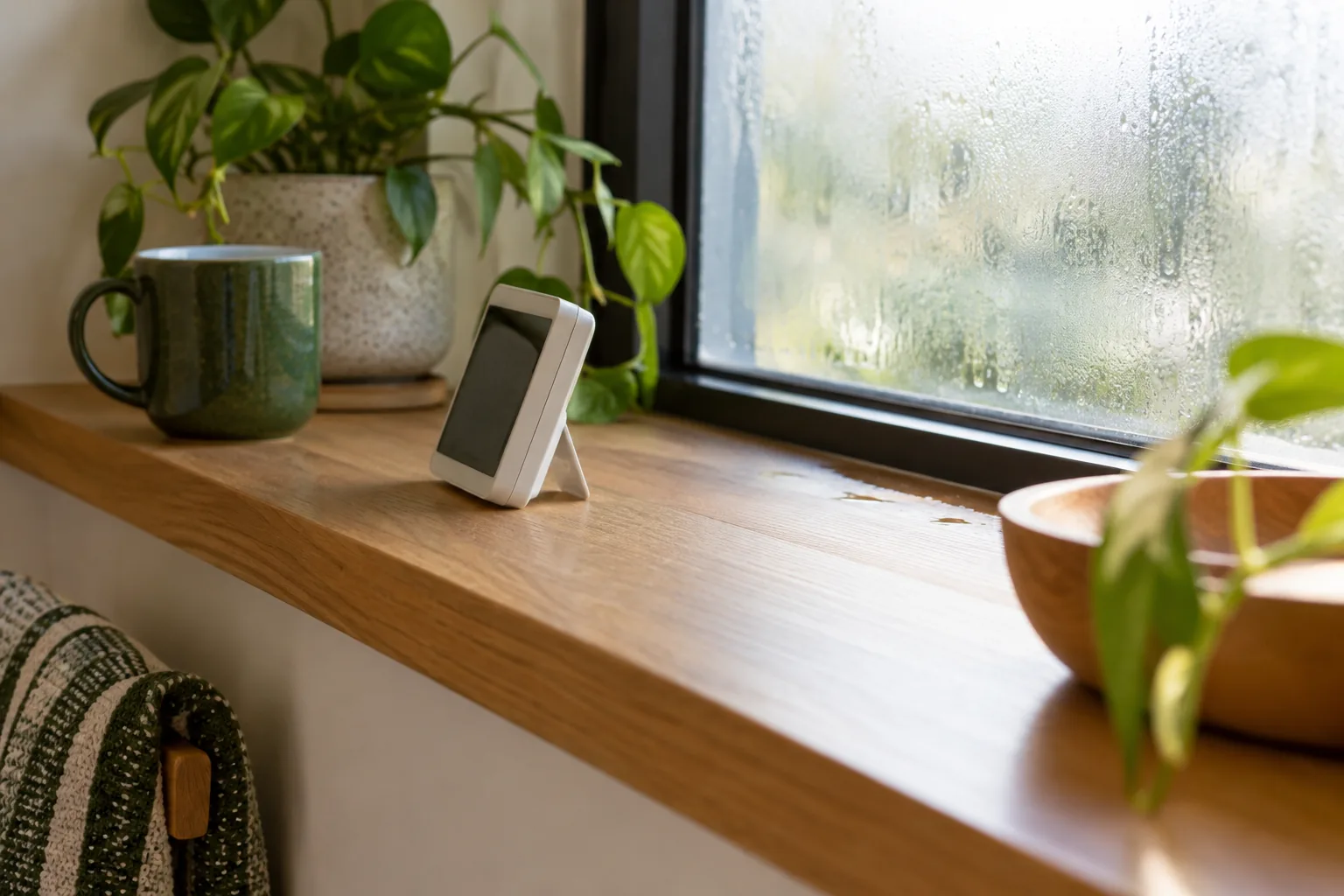
A professional hygrometer supplies relative humidity in room air. Label any observations with their room, time and use conditions rather than use a single value to certify fan performance or moisture behind lining. Material dryness, hidden water routes and the history of an unattended period are not established by that instrument.
An accessible-condition enquiry may help clarify the visible concern, without promising airflow testing or concealed duct inspection. Arrange relevant ventilation and leak work separately. Mould can return if dampness continues after treatment, so follow through on actual maintenance findings rather than rely only on the sound of running equipment.
PLAN · FILTER · TREAT · REMOVE · CONTINUE
Treat accessible growth through confirmed methods
1
Assess growth and available reach
Identify affected materials and access, recording actual room observations without turning an extractor setting into a confirmed moisture diagnosis.
2
Begin the HEPA protection stage
Set up the HEPA air scrubber before treatment, with equipment placement and preparation agreed for the nominated room.

3
Apply appropriate HOCl treatment
Use HOCl within assessed suitability; ULV dry fog is used in most cases where appropriate, not as a promised ventilation repair.
4
Physically remove included mould
Professional H-class filtered equipment removes visible contamination from agreed surfaces, separate from servicing controls, fans or ducts.
5
Continue HEPA during and after work
HEPA air cleaning continues during and after treatment; obtain technician return advice and keep unresolved extraction or repair tasks explicitly separate.
Identify finishes where growth is actually visible
Walls
Locate wall marks and coatings, distinguishing exposed growth from assumptions about dampness behind the lining.
Ceilings
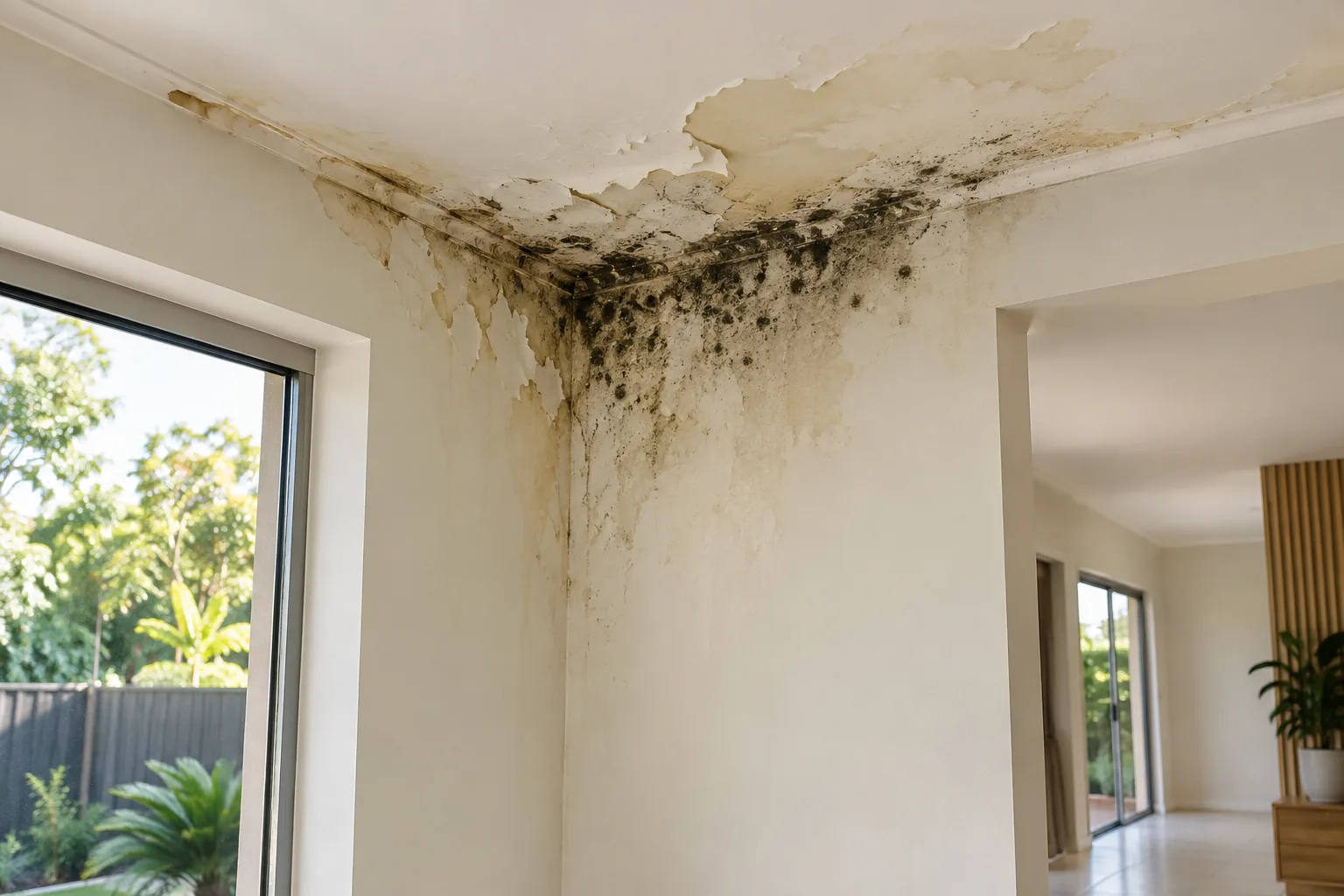
Describe ceiling patches safely; a nearby fan does not establish hidden roof-space condition or source repair.
Bathrooms
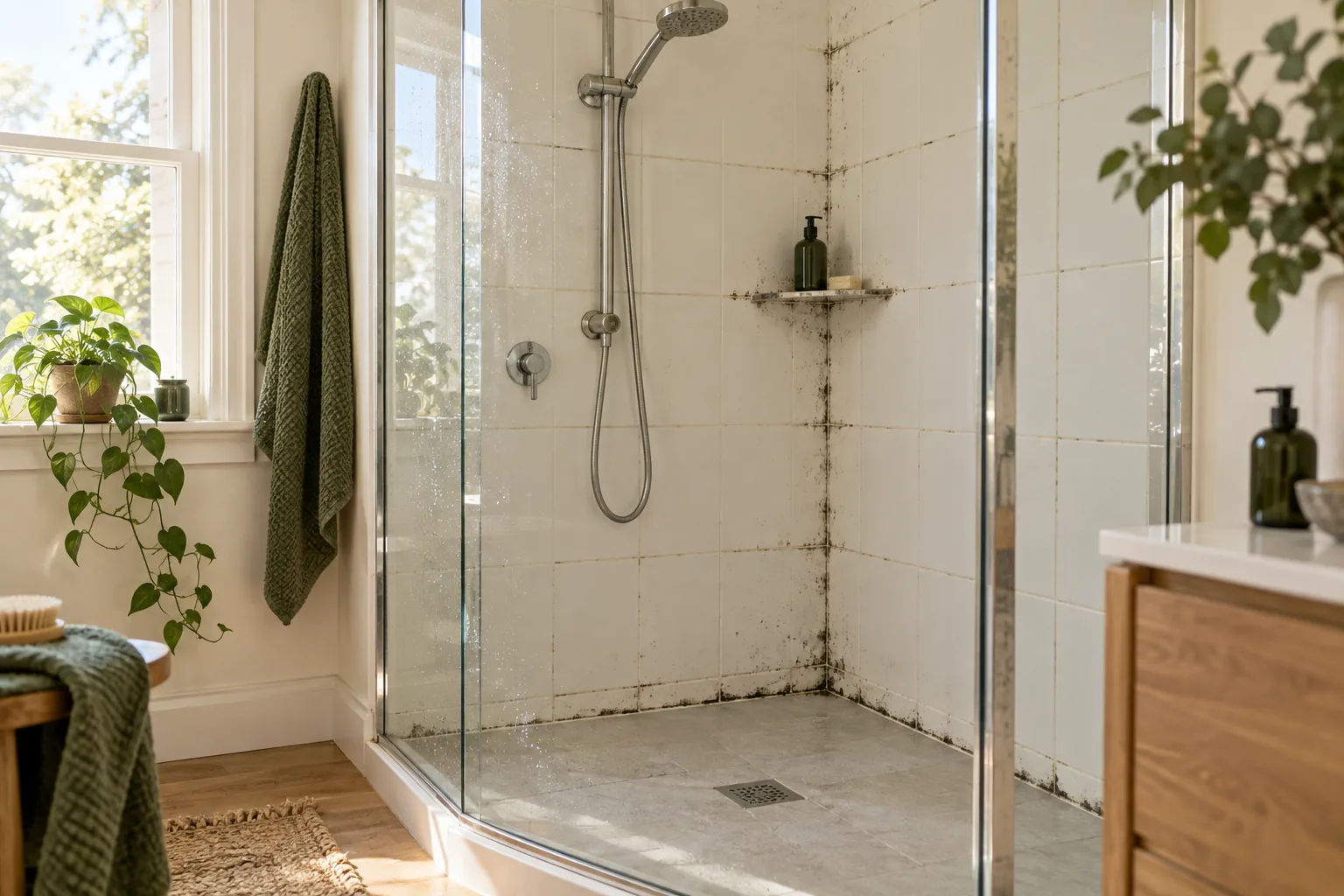
Explain visible bathroom paint and joint concerns independently of extractor controls, with fabric items outside standard scope.
Kitchens
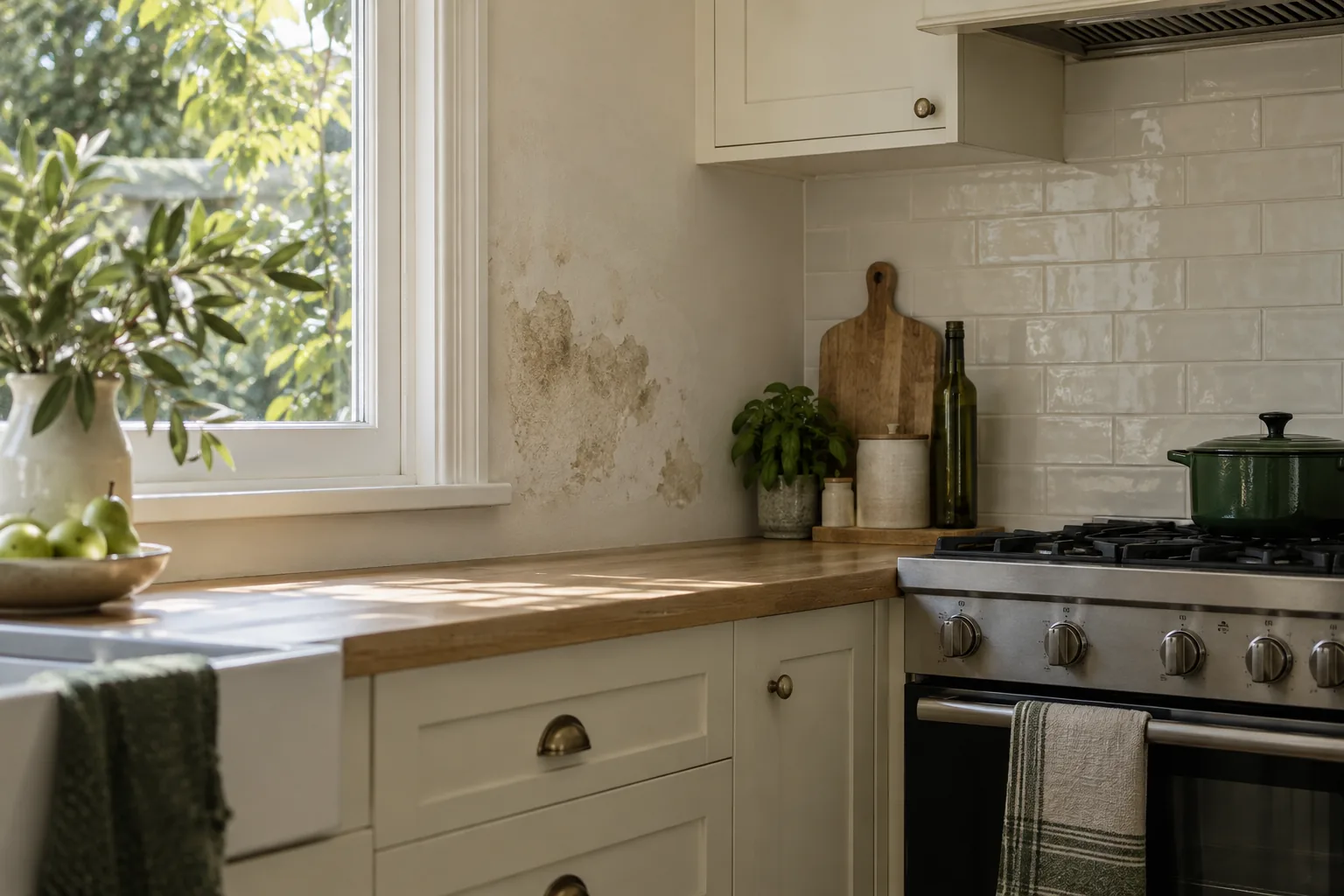
Describe kitchen steam and reachable finishes separately; appliance and extraction maintenance remain another responsibility.
Accessible affected surfaces
Affected exposed hard floors may be discussed for suitability, without adding rugs, carpet or unavailable construction materials.
WHAT TO EXPECT
Confirm preparation rather than choose ventilation settings yourself
Tell the technician about the ordinary controls and any known equipment concern. Obtain actual instructions instead of assuming normal settings suit the active treatment. People and pets leave the property and follow technician-confirmed return advice. Source guidance averages approximately three hours per room, varying with size, contamination and accessibility; it is not a fixed fan-operation or return interval.
The service is not hourly based. Cosmetic staining may remain and decorative work is separately scoped. Ask which finishes were treated and what maintenance remains outside the job. No airflow certificate, laboratory clearance or hidden-material dryness finding is confirmed by the surface process.
FOLLOW THE MOISTURE
Use maintenance findings and fresh observations
Keep a practical record while following through on relevant source or ventilation work, without expecting a control setting to guarantee future results.
Record actual water or renewed growth with its position and date.
Maintain suitable extraction for moisture-producing use through appropriate separate maintenance.
Report known control changes honestly rather than guess how the room behaved at other times.
Quote structural treatment separately from equipment work
Describe visible extent and the extraction concern when checking pricing applicability. The affected-room examples are labelled Mould Removal, not a confirmed Remediation-plus-fan package. Ask which figures apply to the accepted treatment and keep servicing, duct investigation or control replacement outside presumed inclusions.
ASPENDALE · EXACT ADDRESS & ACCESS
Discuss the specific Aspendale interior
Provide the address and informed contact for the nominated room. Nearby links concern other premises; they do not diagnose this equipment or confirm attendance.
Edithvale · Waterways · Braeside · Mordialloc
Questions about remediation
Does a running extractor prove enough moisture is being removed?
Not from sound alone. Describe actual room observations and arrange appropriate separate maintenance instead of presenting operation as a certified performance result.
Will remediation test the fan’s airflow?
No airflow test is confirmed. Clarify that request separately from treatment of the visible accessible finishes.
Can the hygrometer prove a duct is clear?
No. Room-air relative humidity does not inspect a concealed duct or certify its condition.
Should I change the controls before treatment?
Ask the technician for the actual preparation instructions. Do not assume an ordinary setting or a guessed adjustment is appropriate during work.
Is replacement of the extractor included in the room quote?
No equipment replacement is established. Agree separate maintenance while clarifying the structural treatment amount.
What matters if growth appears despite continued fan use?
Locate the fresh change and report water observations and known maintenance. Continued equipment use alone does not rule out unresolved moisture.
Discuss Aspendale growth and actual room observations
Call 03 8652 1296 with the marked finishes, use conditions and known equipment concerns. Agree remediation and separate maintenance needs.