
SURFACE TREATMENT · MOISTURE FOLLOW-THROUGH
Mould Remediation Waterways
An exterior water observation and an indoor mould mark are different parts of an enquiry. For a Waterways address, describe what was seen outside and identify the accessible interior finish you want treated. Their proximity does not establish a hidden connection, include outdoor cleaning or confirm which building component needs repair.
Interior treatment is defined clearly.
Source observations remain accurately labelled.
Separate repair responsibilities are discussed.
TREATMENT & FOLLOW-THROUGH
UNDERSTANDING REMEDIATION
Define the indoor request without extending it outdoors
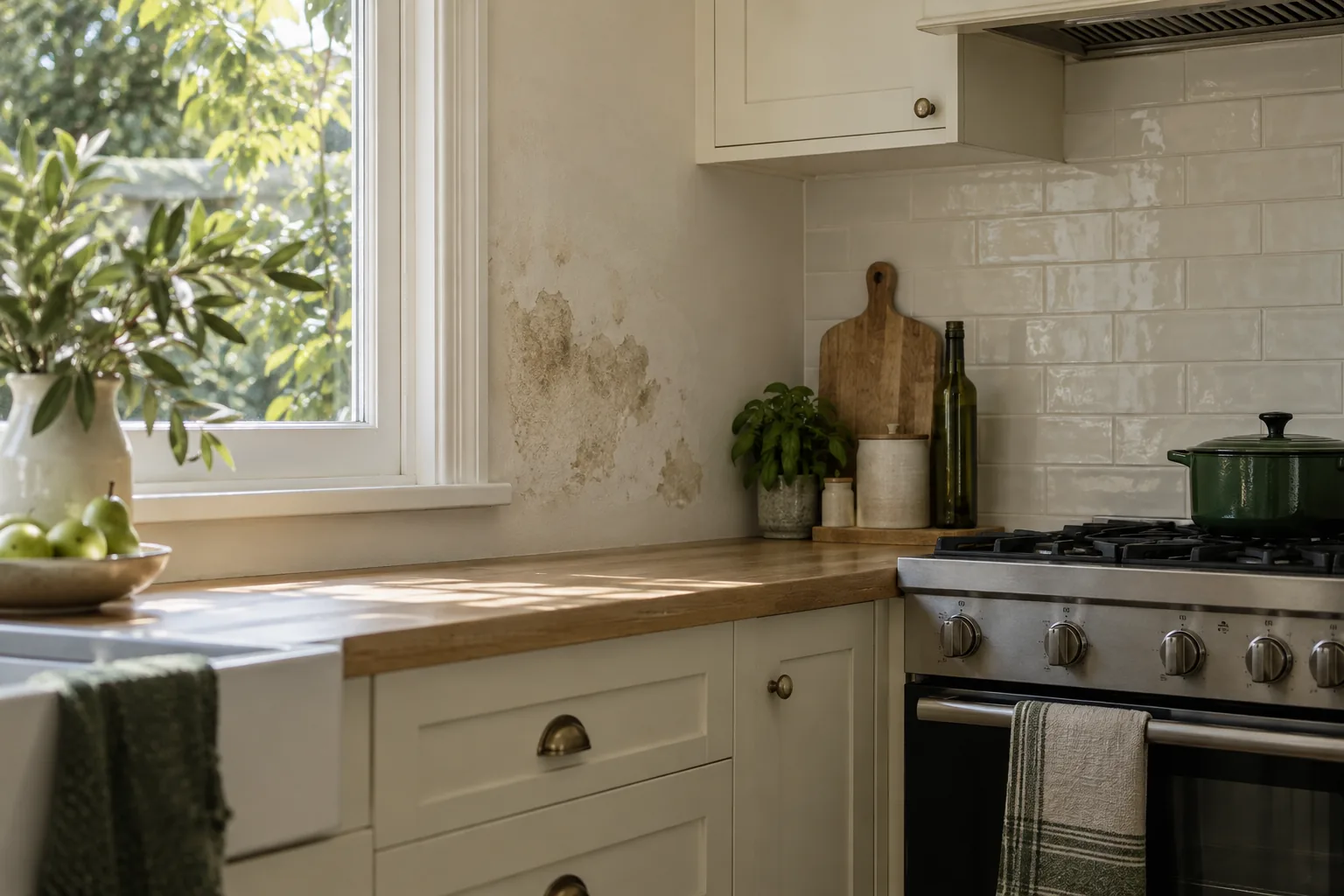
Locate the visible interior growth, material and working access. Label outside observations separately, including dates and any confirmed repair findings. Avoid describing the whole wall assembly as assessed merely because both sides have marks. An outdoor concern can inform the history without becoming an automatic treatment inclusion or a diagnosis of concealed water movement.
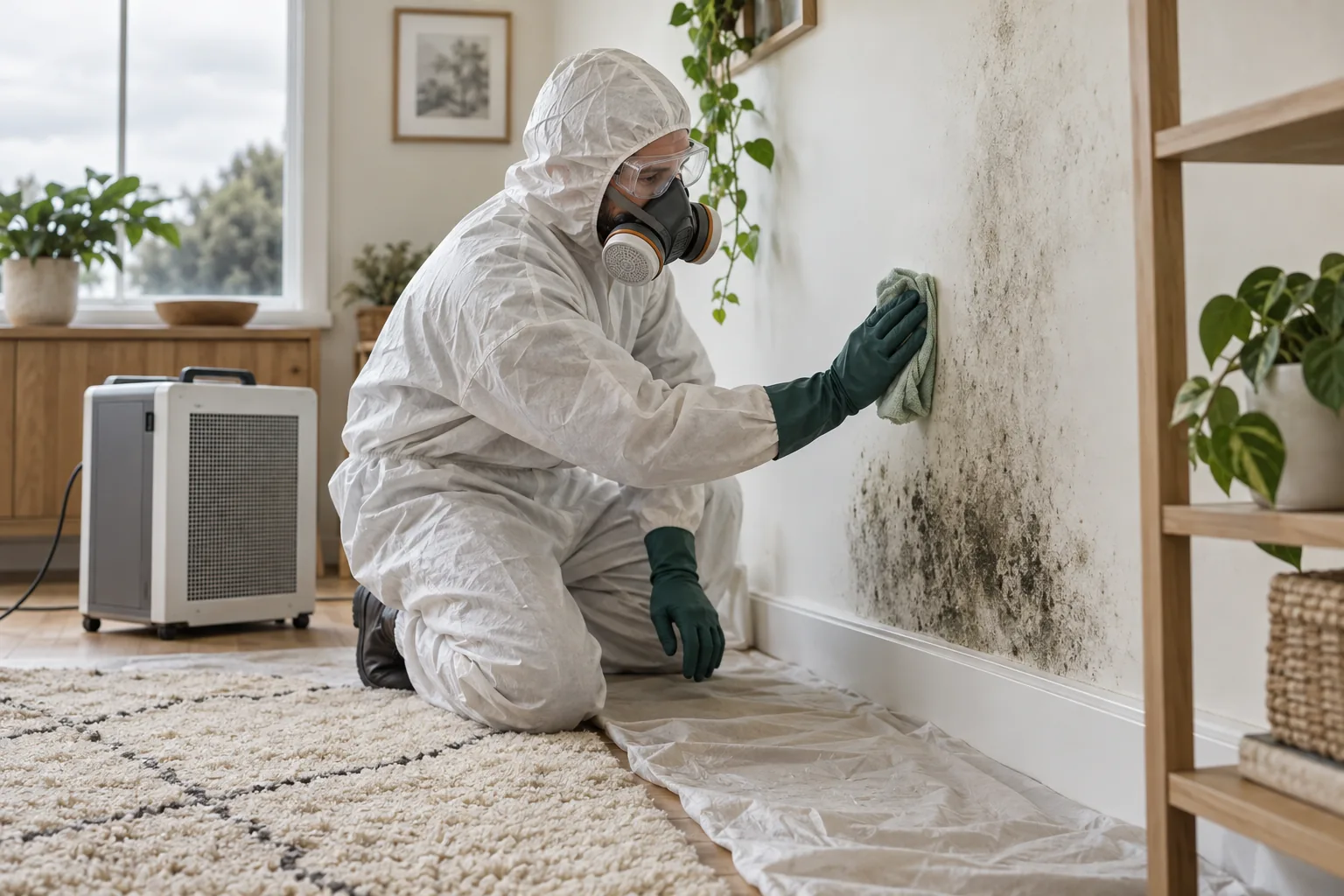
Our supported treatment combines assessment, filtration, suitable application and physical removal of visible accessible structural contamination. Furniture and textiles are excluded. Exterior cleaning, envelope repairs, hidden investigation and decorating require separate scope; a room request should not silently become a whole-building restoration task.
THE MOISTURE CONNECTION
Keep suspected connections distinct from confirmed information
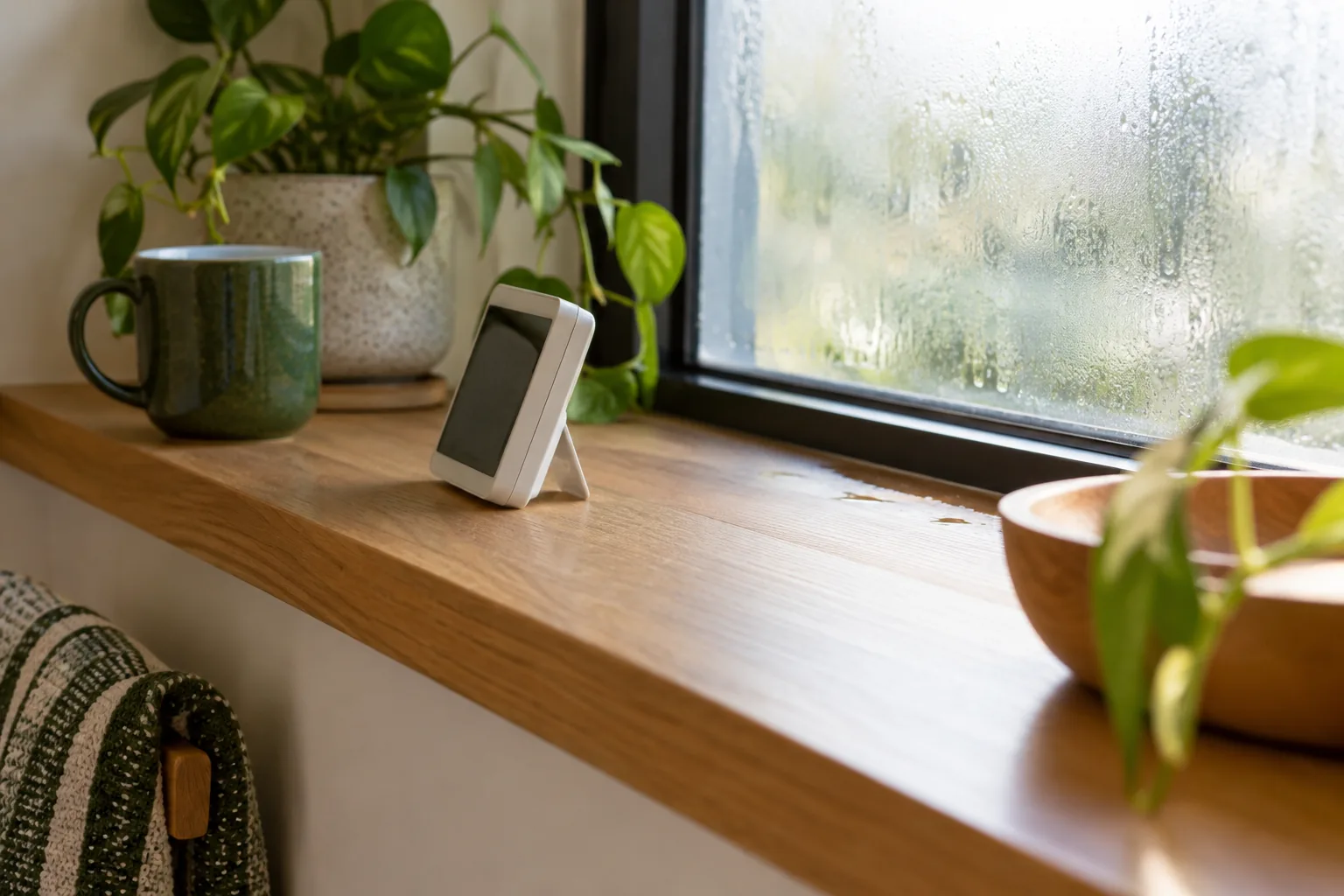
Report actual indoor water, condensation and known leak repairs. Similar timing or position can be useful context without proving an exterior stain supplied the moisture. The professional hygrometer provides room-air relative humidity, not moisture inside the wall assembly, waterproofing performance or an assessment of outside materials.
An accessible interior enquiry may clarify visible symptoms before treatment is agreed. Arrange source repairs with an appropriate separate provider. Continuing dampness can support renewed growth after remediation, so retain unknowns honestly rather than assume treatment validates a suspected route or completes outside maintenance.
PLAN · FILTER · TREAT · REMOVE · CONTINUE
Follow the confirmed process on agreed interior surfaces
1
Assess exposed indoor contamination
Identify visible growth, material and reach, distinguishing exterior observations from the structural surfaces included in treatment.
2
Begin HEPA air protection
Set up the confirmed HEPA air scrubber before interior application, with room preparation and equipment clearance agreed.

3
Apply suitable surface treatment
Use HOCl as assessed, with ULV dry fog in most cases where appropriate, without promising exterior or hidden-layer coverage.
4
Remove visible mould physically
Professional H-class filtered equipment addresses accepted accessible contamination, separate from outside washing, envelope repair or rebuilding material.
5
Continue final interior air cleaning
HEPA filtration runs during and after treatment; obtain return advice and keep remaining source or exterior tasks explicitly separate.
Identify the accessible building face requested
Walls
Locate the interior wall mark and known coating, without extending its treatment to unseen backing or the exterior face.
Ceilings
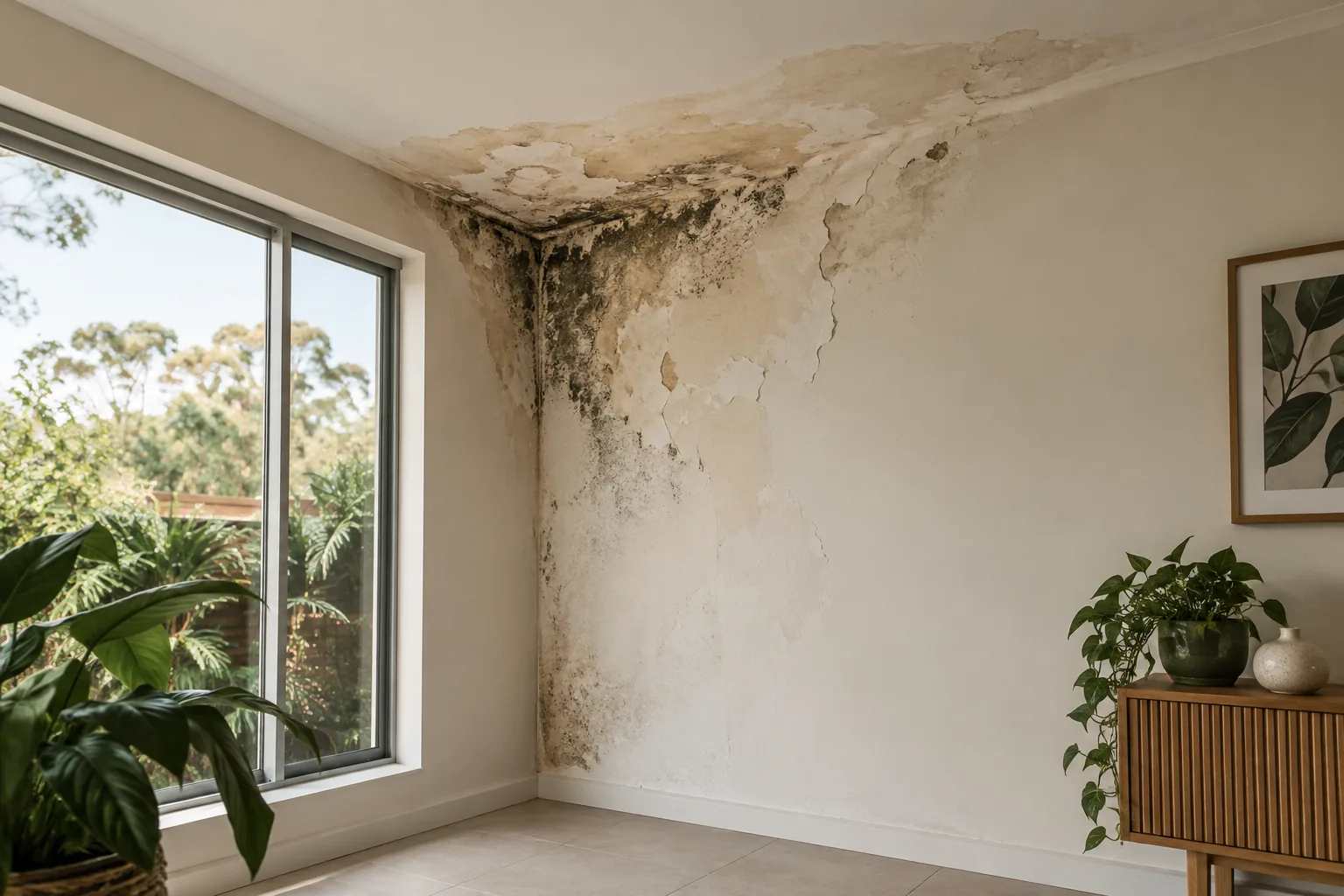
Describe ceiling growth safely and report water entry, keeping roof repair and concealed spaces outside assumed inclusions.
Bathrooms
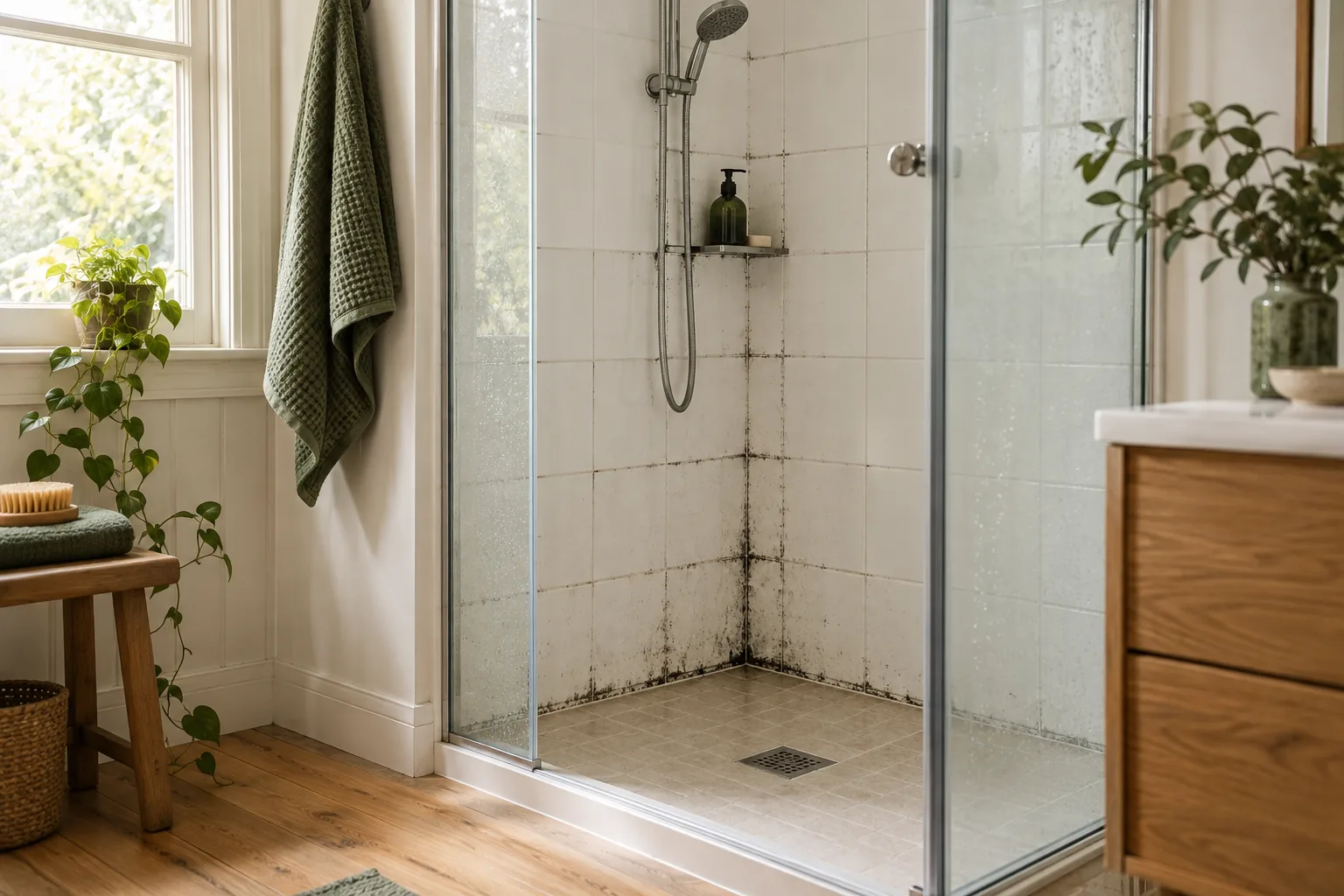
Identify exposed bathroom finishes and water observations independently of outdoor concerns, with fabric items excluded.
Kitchens
Describe reachable kitchen growth and fitting obstructions, separating plumbing or external source repairs from treatment.
Accessible affected surfaces
Affected exposed hard floors may be discussed where suitable; outdoor surfaces, carpet and hidden construction need separate decisions.
WHAT TO EXPECT
Prepare the nominated interior
Give access information for the actual work area and explain fragile belongings. Do not arrange exterior work as though it is part of remediation. People and pets leave the property during treatment and follow technician-confirmed return advice. Average guidance is about three hours per room, varying with size, contamination and accessibility rather than an exterior repair timetable.
The service is not hourly based. Cosmetic stains may remain and decorating requires a separate quote. Ask which interior surfaces were included; cleaner appearance does not certify source correction, hidden dryness or exterior condition. No standard laboratory result or written clearance report is confirmed.
FOLLOW THE MOISTURE
Follow actual moisture findings across separate tasks
Coordinate relevant repairs while keeping each provider’s work and the treated interior boundary clear.
Record new indoor water or growth with its location and date.
Maintain suitable extraction for steam-producing room use.
Label later exterior observations separately and follow through on confirmed source repairs.
Quote indoor remediation without assuming outside work
Use the price discussion to identify interior extent and access. Its affected-room table concerns Mould Removal, so confirm applicability to the remediation requested. Exterior cleaning, waterproofing and building-envelope repairs are not implied by room figures, and this page establishes no bundled indoor-outdoor tariff.
WATERWAYS · EXACT ADDRESS & ACCESS
Address-specific Waterways enquiries
Provide the full address and identify the intended interior. Nearby service links navigate other requests; they cannot confirm attendance or establish a hidden source connection at these premises.
Braeside · Aspendale · Edithvale · Mordialloc
Questions about remediation
Does indoor remediation include the outside face of the wall?
No exterior scope is automatically confirmed. Identify that concern separately and agree the accessible interior finishes requested.
Can matching outside and inside marks prove a leak route?
Not conclusively from appearance alone. Share actual water observations and confirmed repair findings while keeping suspected connections qualified.
Will the hygrometer assess waterproofing in the assembly?
No. The confirmed instrument informs room-air relative humidity, not hidden material moisture or waterproofing performance.
Should exterior repairs be described as part of the room treatment?
No. Label the responsible provider and actual repair status separately so the accepted remediation scope stays clear.
Can dry fog guarantee treatment through the wall?
No hidden-layer coverage is promised. Suitable ULV application remains within the agreed visible accessible scope.
What helps if outside staining changes after the indoor job?
Identify it as an exterior observation with its timing. Do not present it as a result on an interior surface treated under a different boundary.
Separate the Waterways interior request from outside concerns
Call 03 8652 1296 with visible indoor growth, access and known water observations. Agree structural treatment and separate repair needs.