
SURFACE TREATMENT · MOISTURE FOLLOW-THROUGH
Mould Remediation Rowville
Decluttering can reveal growth in stages as different items move. For Rowville, explain the visible structural area now and whether sorting will continue before treatment. The appointment needs an agreed boundary, rather than an assumption that every newly uncovered patch or belonging is already included.
Changing access described
Belongings decisions separated
Current extent discussed
TREATMENT & FOLLOW-THROUGH
UNDERSTANDING REMEDIATION
Explain what may change before the visit
Describe the walls, ceilings or exposed floors you can see and what still blocks them. Mention if another section will become accessible later. Do not move suspect or difficult belongings just to finish an enquiry; discuss the appropriate preparation and changing scope first.
Our confirmed remediation work concerns visible accessible structural surfaces. Clothing, mattresses, upholstered furniture and other textiles are excluded. Sorting, disposal and cleaning contents are separate decisions, not automatic parts of treating an exposed wall.
THE MOISTURE CONNECTION
Keep the damp history with each exposed area
Mention wetting or condensation where it occurs, rather than assuming all revealed patches share a source. If a leak or building defect remains, it needs separate repair advice. Changing the room’s contents can improve visibility without resolving the underlying moisture condition.
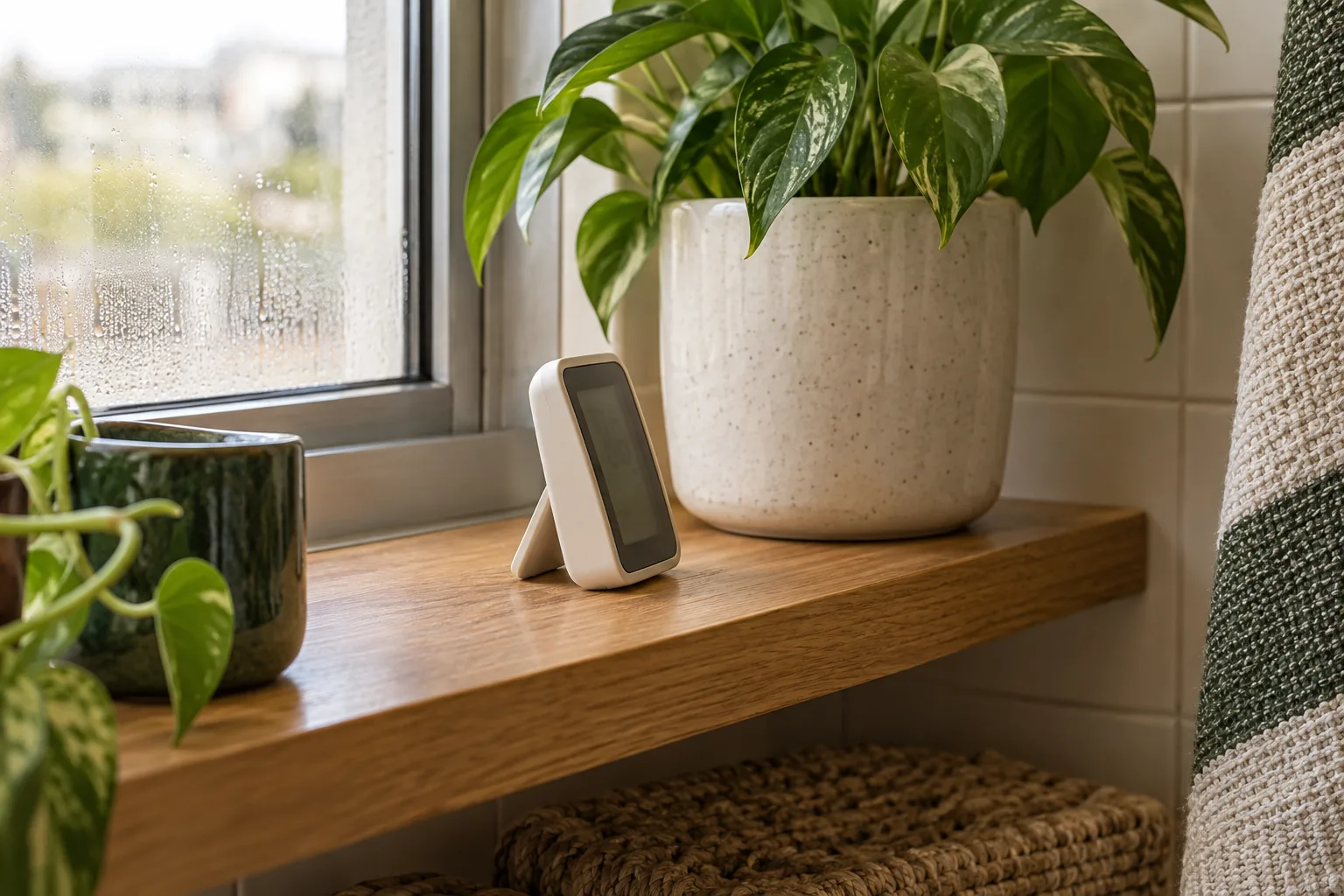
The professional hygrometer measures relative humidity in room air, not moisture within stored objects or structural materials. Where additional exposure raises uncertainty, discuss assessment questions; specific probes, lab tests and hidden-area clearances are not confirmed.
PLAN · FILTER · TREAT · REMOVE · CONTINUE
Agree the treatment boundary after preparation
1
Review the currently exposed surfaces
Assessment considers visible growth and the clearance programme. Tell the technician about further planned movement so the actual treatment area is not based on an outdated layout.
2
Start air protection before treatment
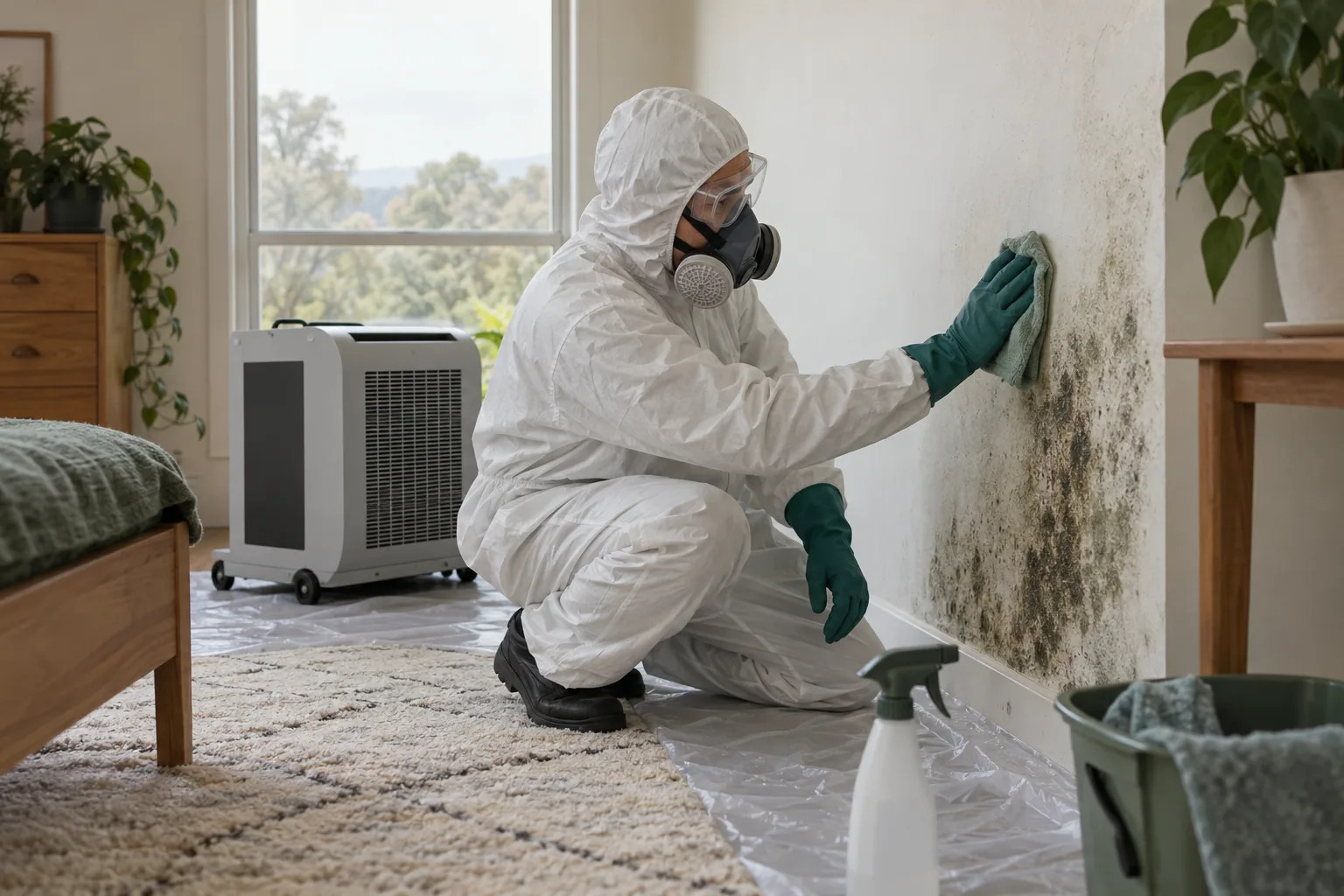
The confirmed HEPA scrubber is arranged before application. Clearance needs to provide room for equipment and a route to the included surfaces, not simply space for the discarded items.

3
Apply suitable treatment
HOCl is used on the agreed scope, with ULV dry fog where appropriate in most cases. This does not include every item revealed during sorting or guarantee concealed coverage.
4
Physically remove accessible growth
Professional H-class filtered equipment removes visible contamination. Disposal of belongings and treatment of excluded textiles require separate arrangements.
5
Continue air cleaning afterwards
HEPA remains operating during and after remediation. Discuss residual marks and moisture follow-up before rebuilding storage around the included structural areas.
Describe the surfaces, not the piles
Walls
For walls, identify exposed growth separately from the items previously resting beside it and note remaining obstructions.
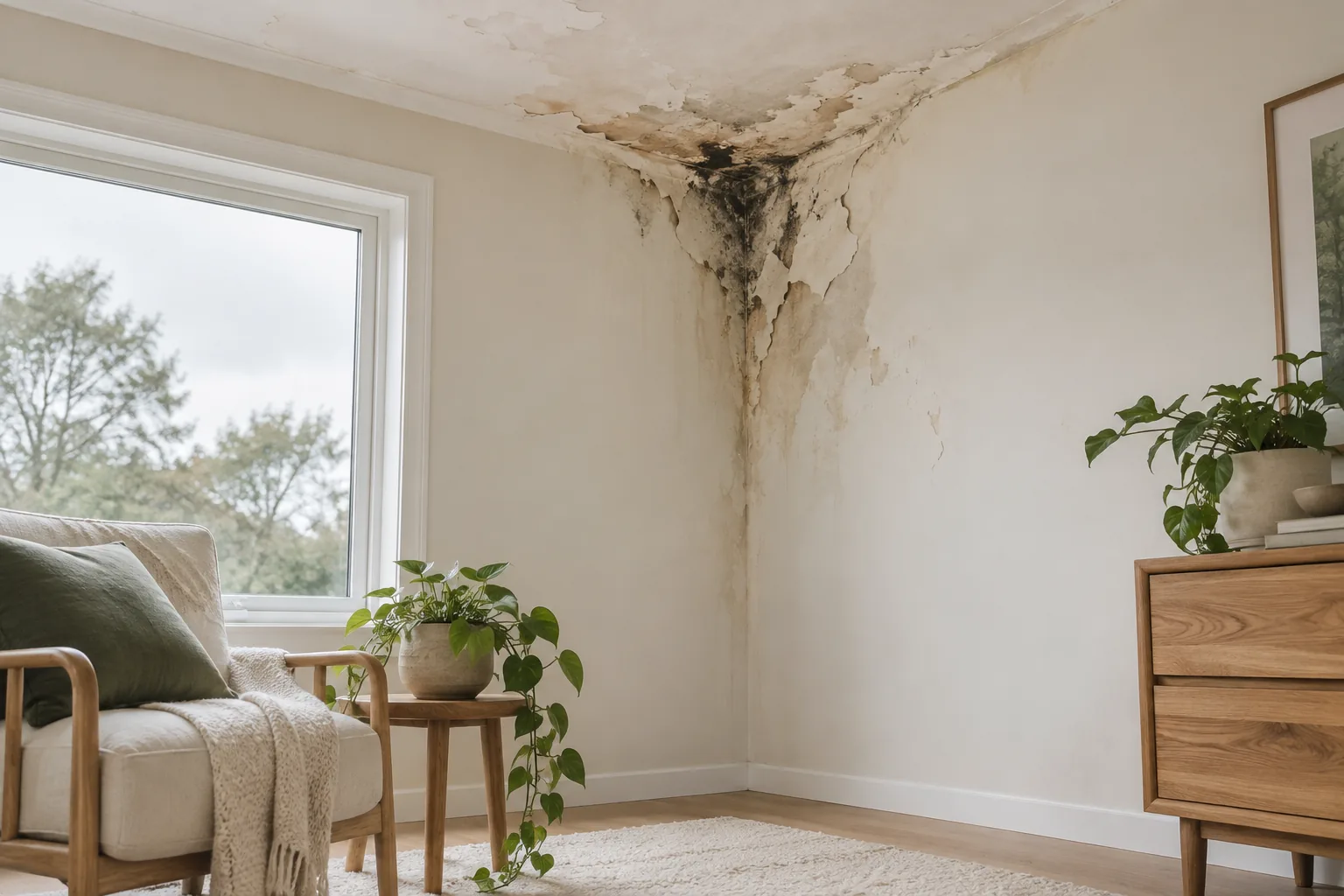
Ceilings
For ceilings, describe overhead patches and any shelving that affects access below.
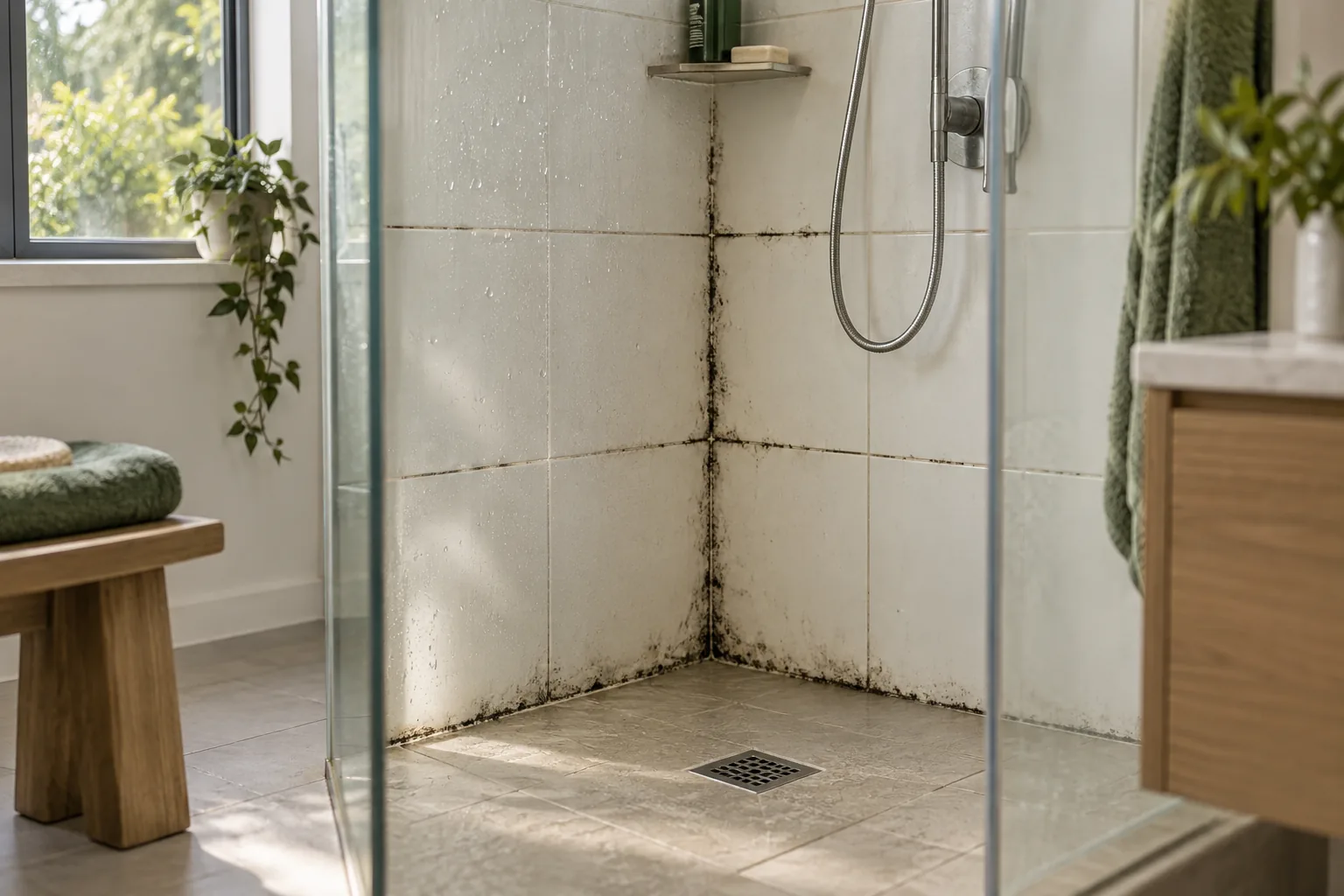
Bathrooms
Bathroom structural growth needs its own scope; stored towels and bathmats remain excluded textiles.
Kitchens
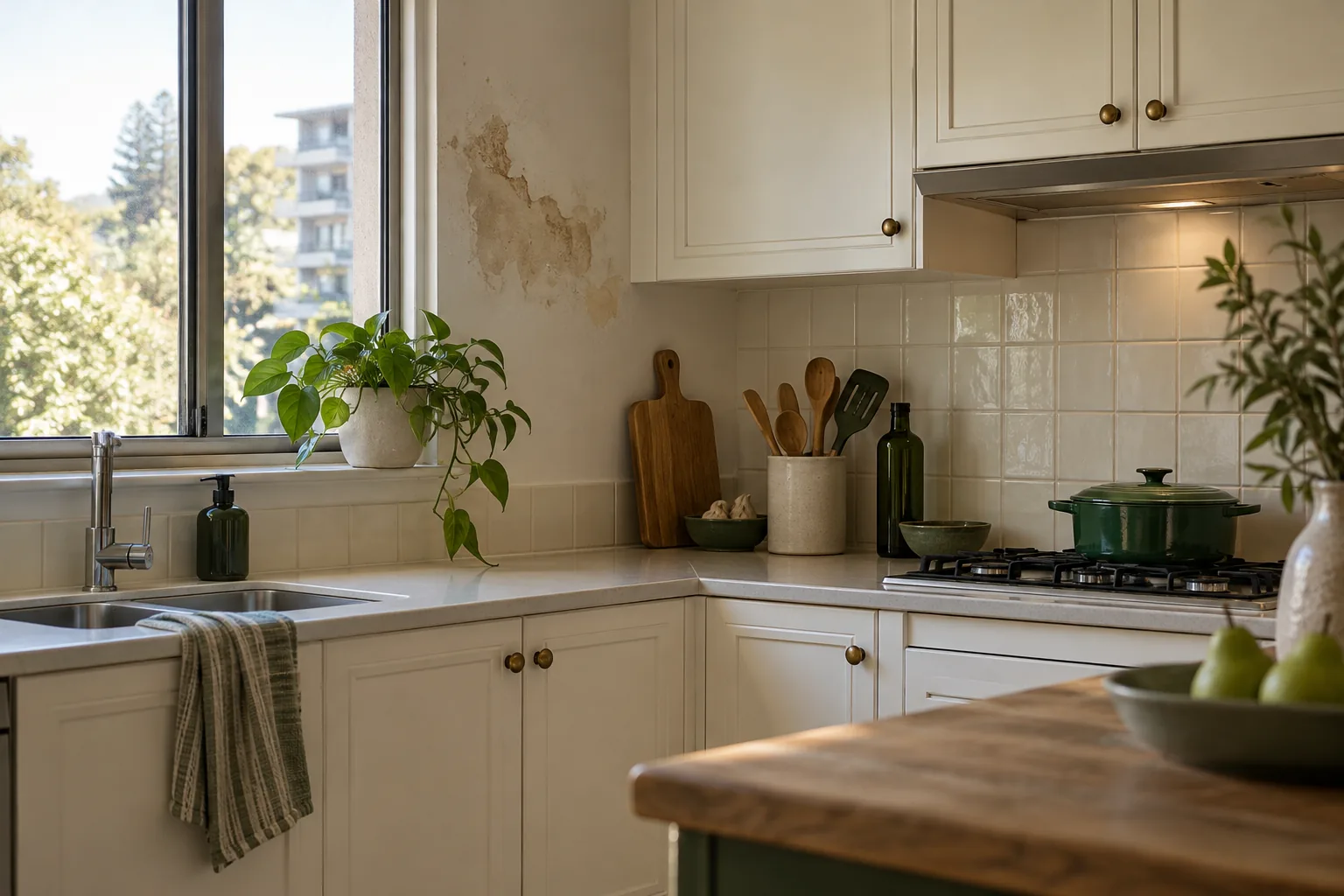
Kitchen wall or floor areas should be distinguished from cupboard contents and appliance or plumbing work.
Accessible affected surfaces
An exposed structural floor can be discussed, while carpet, rugs and clothing piles are separate from that treatment boundary.
WHAT TO EXPECT
Confirm preparation without assuming a clearance service
Agree the access required and who will organise it. People and pets leave during treatment, following the appointment’s departure and return advice. Around three hours per room is indicative source guidance, varying with size, extent and accessibility; decluttering time is not included in an assumed duration.
Cosmetic staining may remain, with decorating handled separately. Treatment does not certify concealed construction or belongings unaffected, and continuing dampness can allow recurrence. Keep a clear account of included surfaces so a later discovery is not mistaken for an area already treated.
FOLLOW THE MOISTURE
Let the new layout support observation
Use the clearance opportunity to keep the structural patch available for follow-up.
Record new growth revealed later and discuss it rather than assuming it was included.
Arrange repair advice for continuing water entry or another identified fault.
Maintain ventilation and note renewed dampness in the actual affected area.
Quote the treatment, not the whole sorting project
Use published pricing information with the exposed area and clearance status. The figures are headed Mould Removal, not a remediation-and-decluttering tariff. Confirm applicability without assuming disposal, belongings cleaning or a later additional area is included.
ROWVILLE · EXACT ADDRESS & ACCESS
Other Rowville-area enquiries
A nearby address requires its own current extent, clearance and authority. Similar sorting work does not establish identical treatment needs or combined appointment availability; describe each property independently.
Questions about remediation
Should decluttering be complete before I call?
No completed sorting project is required for an enquiry. Explain the visible area and planned changes, then agree appropriate preparation.
Are discarded belongings removed by the technician?
A belongings-disposal service is not confirmed. Arrange sorting and disposal separately from structural treatment.
What if another patch appears while I keep sorting?
Describe the newly exposed area before assuming it is included. The treatment extent and preparation may need review.
Can one patch’s history explain every revealed area?
Not necessarily. Give wetting and timing observations for each area without assuming a single source.
Will fog clean clothing left in the room?
Clothing and other textiles are excluded. Suitable fog application does not expand the agreed structural scope to those belongings.
Can I rebuild storage immediately against the wall?
Confirm completion and follow-up advice first. Avoid an arrangement that hides renewed dampness or prevents observation of the included area.
Explain the current room and the planned changes
Call 03 8652 1296 with the exposed structural growth and clearance programme. Agree treatment and the separate belongings tasks.