
SURFACE TREATMENT · MOISTURE FOLLOW-THROUGH
Mould Remediation Scoresby
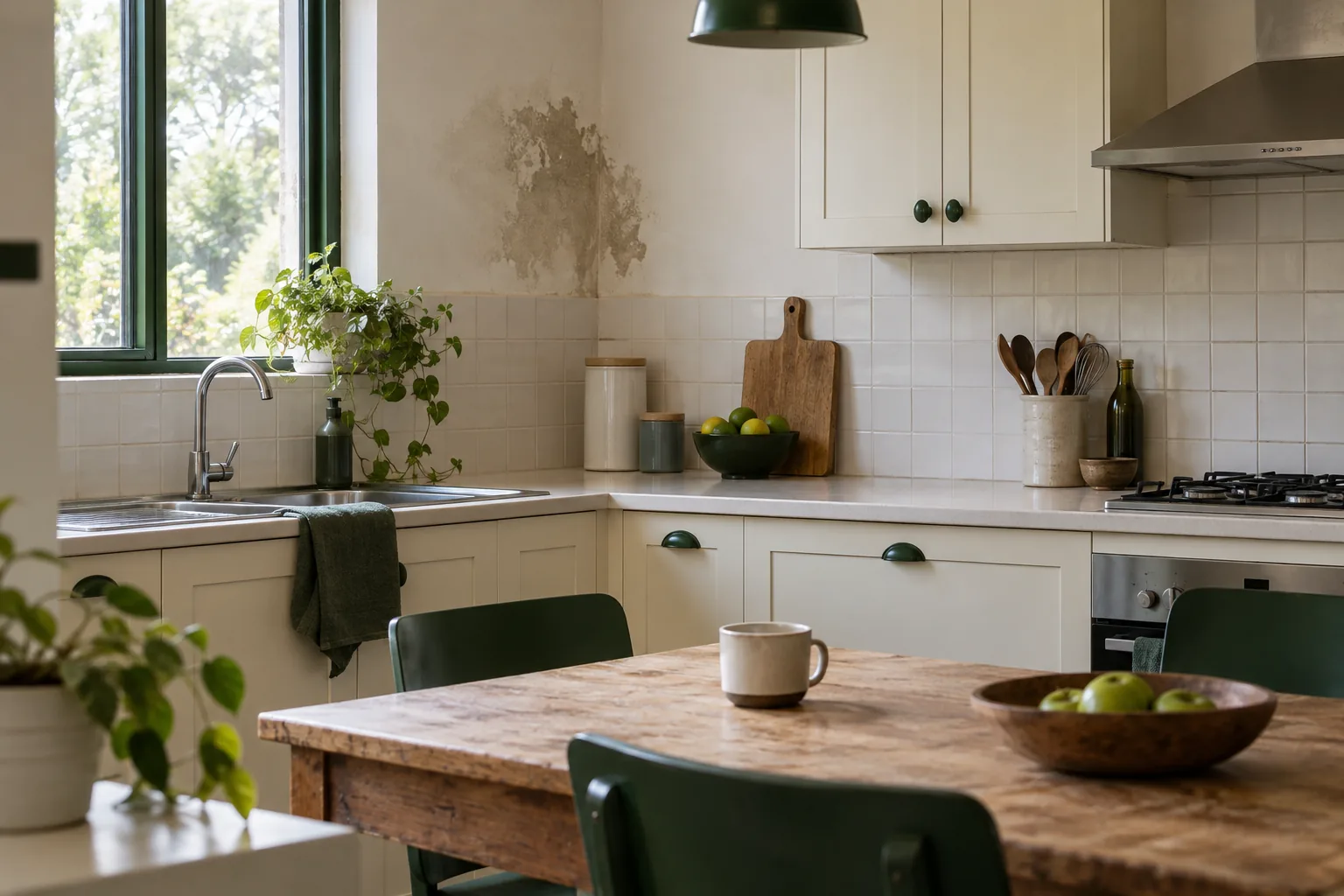
A recently painted surface can still need a moisture and treatment discussion. For Scoresby, explain when the wall was finished and what has appeared since. A new coat does not establish concealed dryness or make further decorating part of a structural remediation appointment.
Recent finish described
Moisture history retained
Repainting kept separate
TREATMENT & FOLLOW-THROUGH
UNDERSTANDING REMEDIATION
Explain the finish and the earlier work
Mention the date or sequence of painting if known, visible growth and any lifting or staining. Describe prior repairs or treatment without claiming that the coating caused or solved the problem. Do not scrape the new finish merely to show what is underneath for an enquiry.
The confirmed service addresses visible accessible structural contamination. Paint removal, warranty decisions and decorating are separate. Agree the actual wall area and finish suitability before assuming the room will be returned to its newly painted appearance.
THE MOISTURE CONNECTION
New paint does not settle moisture questions
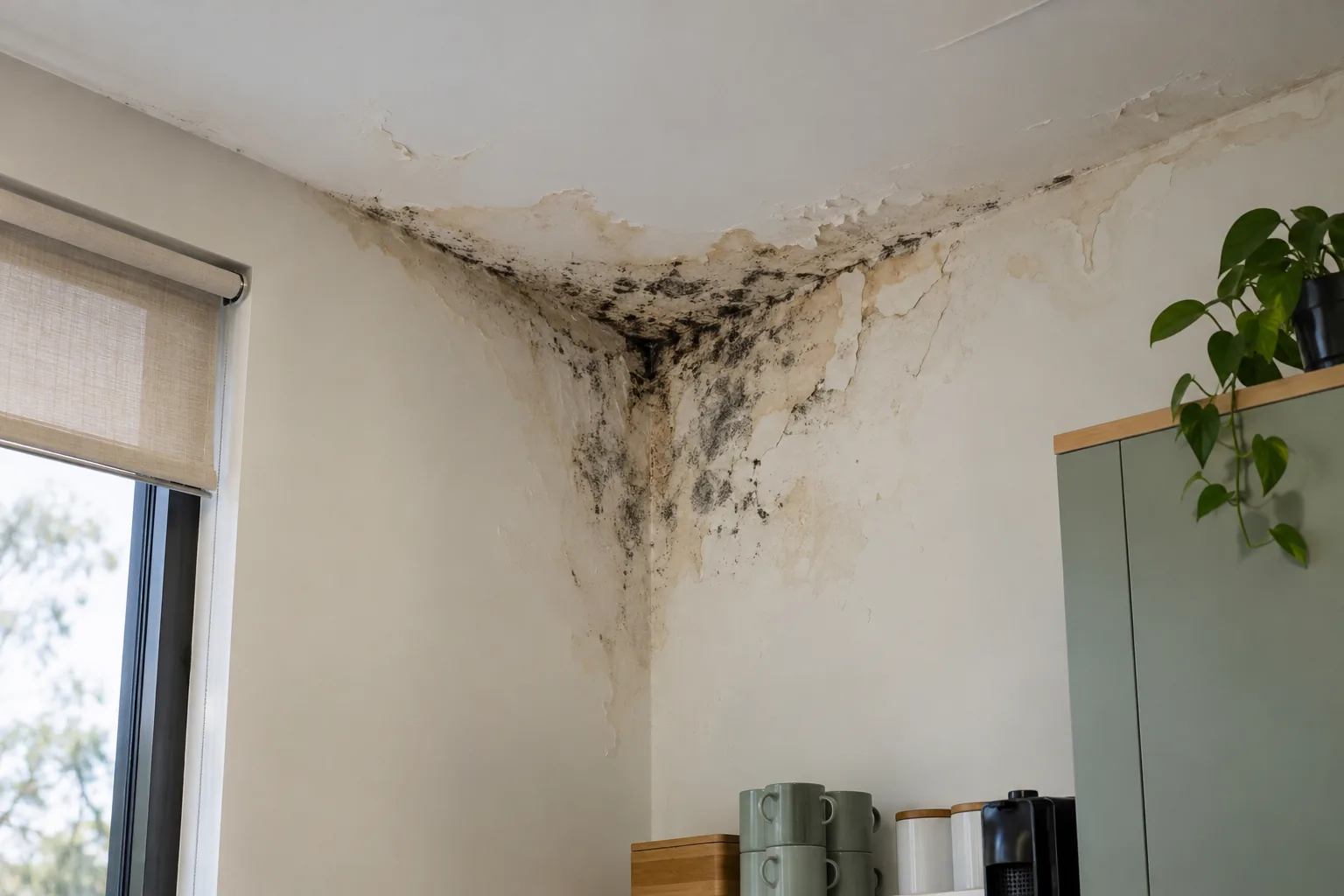
Describe condensation, continuing dampness or a known leak alongside the recent work. A mark appearing after painting does not identify a particular defect or prove the responsibility of the painter. Building and plumbing repairs require separate appropriate advice.
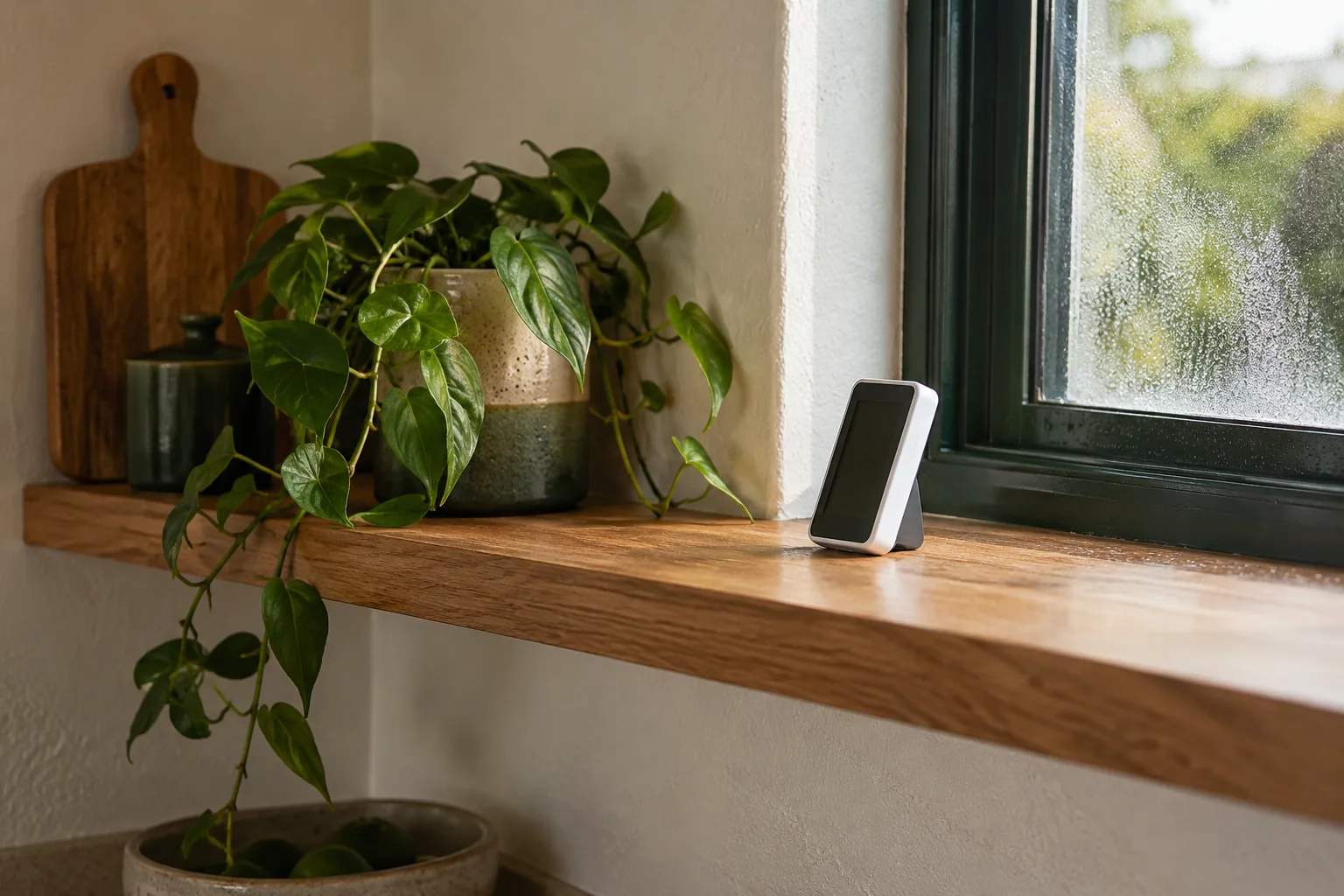
The professional hygrometer checks relative humidity in room air, not moisture inside the painted wall. If the current condition raises uncertainty, discuss assessment needs. No promised material probes, paint diagnosis, lab test or concealed-wall clearance follows from that enquiry.
PLAN · FILTER · TREAT · REMOVE · CONTINUE
Treatment around the actual finish
1
Assess the exposed contamination
Review visible growth, paint condition and relevant earlier work. Agree accessible scope and identify any separate preparation or repair task that could alter the surface.
2
Establish the air protection
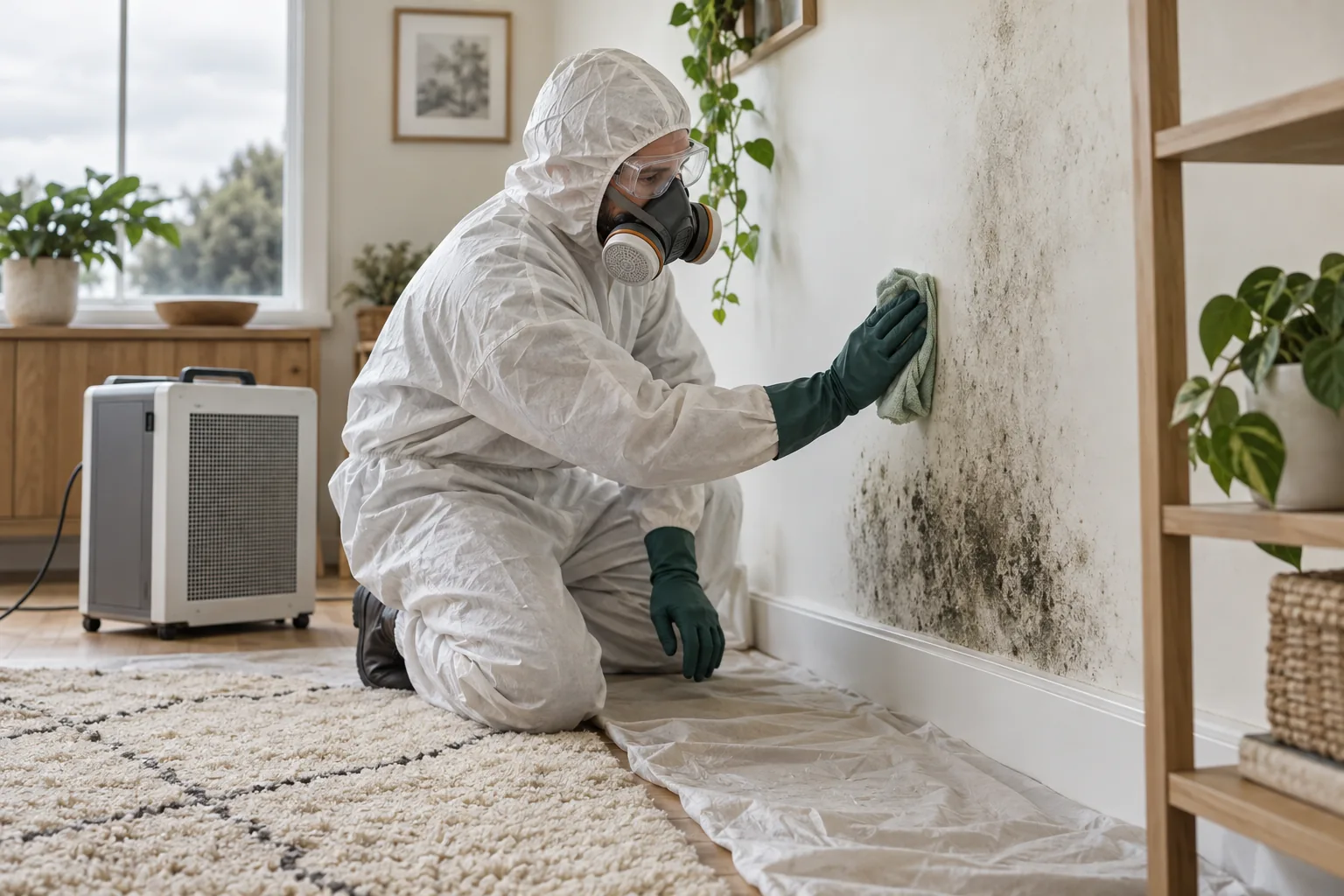
Before treatment, the confirmed HEPA scrubber is set up with a usable route to the affected wall. Equipment placement needs agreement alongside the room-clearance plan.

3
Apply suitable treatment
For the included finish, application uses HOCl with appropriate ULV dry fog in most cases. Suitability is considered rather than promising preservation or restoration of every coating.
4
Remove visible growth physically
Professional equipment with H-class filtration is used within accessible scope. The work does not automatically include stripping, repainting or resolving a decorative warranty question.
5
Continue filtration after treatment
HEPA runs during and after the process. Discuss remaining appearance and moisture concerns before arranging a separate finishing programme.
Keep the newly painted wall in a surface list
Walls
For walls, distinguish the affected face from other recently decorated areas with no reported growth.
Ceilings
For ceilings, describe separate patches and paint condition rather than assuming the wall’s recent work explains them.
Bathrooms
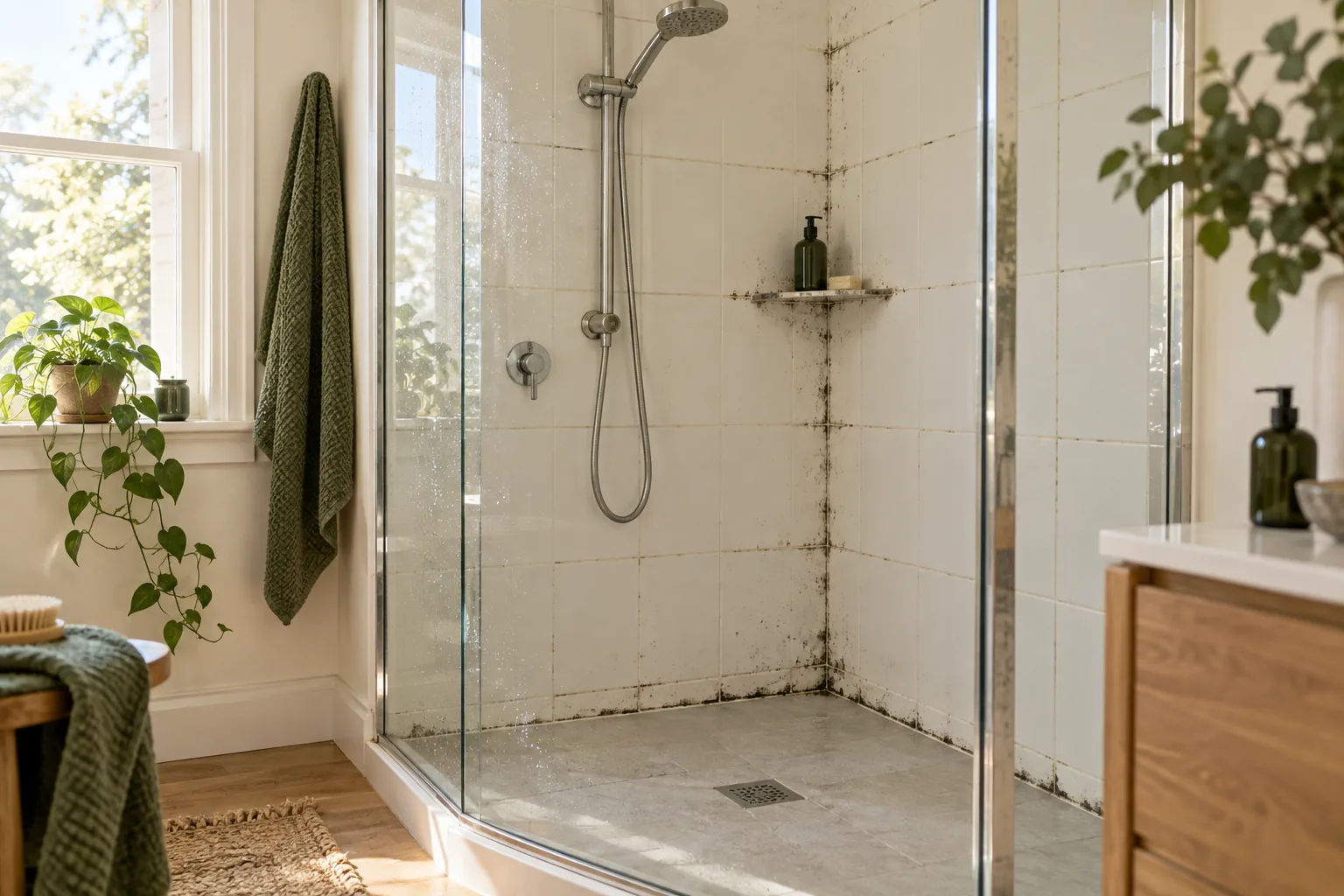
Bathroom structural growth needs its own moisture observations, with towels, mats and other textiles excluded.
Kitchens
Kitchen wall or floor patches should be listed independently from cabinetry, appliances and plumbing repairs.
Accessible affected surfaces
An exposed structural floor can be discussed separately; carpet, rugs and decorative coverings remain outside the confirmed textile treatment scope.
WHAT TO EXPECT
Prepare the room without changing the finish first
Discuss clearance, fragile areas and previous products before the appointment. People and pets leave during treatment with specific advice for departure and return. Average source guidance is around three hours per room, varying with size, extent and accessibility, rather than a fixed schedule for treatment and redecorating together.
Cosmetic discolouration may remain and repainting is separate. Hidden materials are not certified dry, and persistent moisture can lead to recurrence. Keep the structural outcome distinct from a painter’s separate assessment so improved appearance is not treated as proof that every cause has been resolved.
FOLLOW THE MOISTURE
Follow the moisture story through the new finish
The next decorating decision should account for remaining dampness questions.
Record renewed wetting, growth or lifting and when it appears.
Arrange repair advice for continuing water entry before relying on another coat.
Maintain ventilation and keep the included patch observable for follow-up.
Separate treatment from the decorative quote
The published room examples are labelled Mould Removal. Explain the current surface, recent painting and access when confirming relevance to remediation. No paint-preservation guarantee, stripping allowance or redecorating package is established by those figures.
SCORESBY · EXACT ADDRESS & ACCESS
Other properties near Scoresby
A nearby address needs its own finish history, authority and visible scope. Similar recent painting does not establish the same cause, treatment suitability or appointment availability; discuss each enquiry separately.
Questions about remediation
Does growth after painting prove the coating failed?
It does not prove one cause or responsibility. Describe the finish history and current moisture observations so appropriate questions can be considered.
Should the painter strip the wall before treatment?
Agree the preparation sequence first. Stripping can change the accessible area and is not an automatic remediation inclusion.
Will the new paint remain unmarked?
No universal finish-preservation guarantee is confirmed. Discuss suitability and possible residual cosmetic marks before arranging treatment.
Can another coat replace remediation?
Do not assume covering the patch addresses existing growth or moisture. Discuss the accessible condition and separate decorating decision before repainting.
Does air humidity establish the wall was ready to paint?
No. A room-air reading does not measure moisture in the wall or determine earlier decorating readiness.
Is a painter’s warranty claim part of the appointment?
No decorative warranty service is established. Remediation scope and any painter or repairer discussion need to remain separate.
Discuss the finish and the current condition
Call 03 8652 1296 with the visible growth, painting history and wetting observations. Agree treatment and separate decorating tasks.