
VISIBLE SURFACES · AGREED TREATMENT
Mould Remediation St Albans
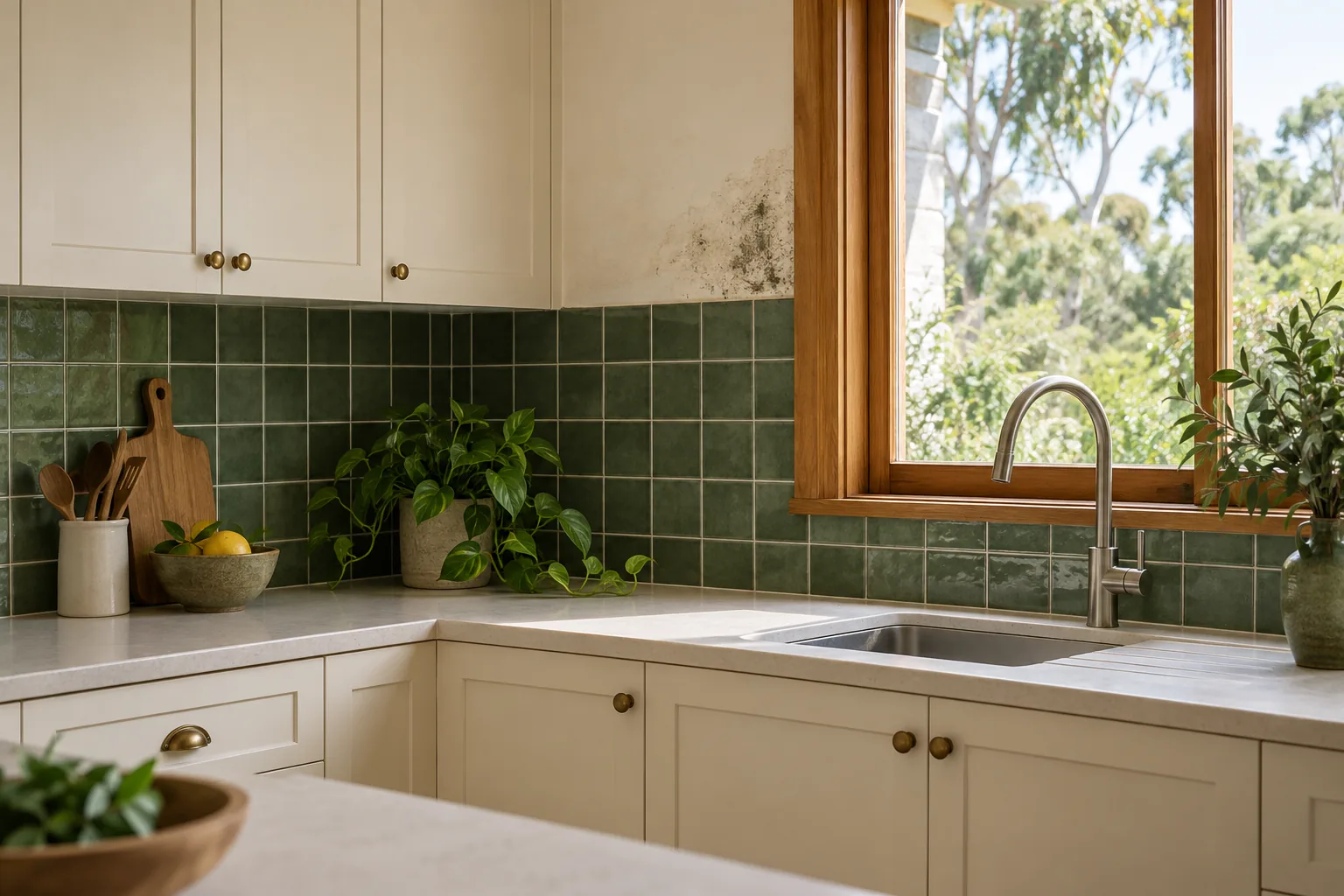
If a St Albans kitchen wall is marked near cooking or washing areas, explain the exposed surface and when it becomes damp. Steam observations and plumbing wetting are different information. A treatment enquiry should define accessible structural contamination without assuming that appliances, food storage or fixed cabinet interiors are included.
Separate steam from plumbing observations
Agree exposed kitchen surfaces
Plan access without assumed cabinet work

TREATMENT · FILTRATION · FOLLOW-THROUGH
A TREATMENT PLAN WITH CLEAR LIMITS
A kitchen booking needs a clear structural boundary
Describe the wall finish, visible extent and nearby fittings. Mention obstructions and damage rather than moving or dismantling equipment on assumption. A patch beside a sink does not establish that the sink is the source, and a marked cabinet is not automatically part of the structural treatment.
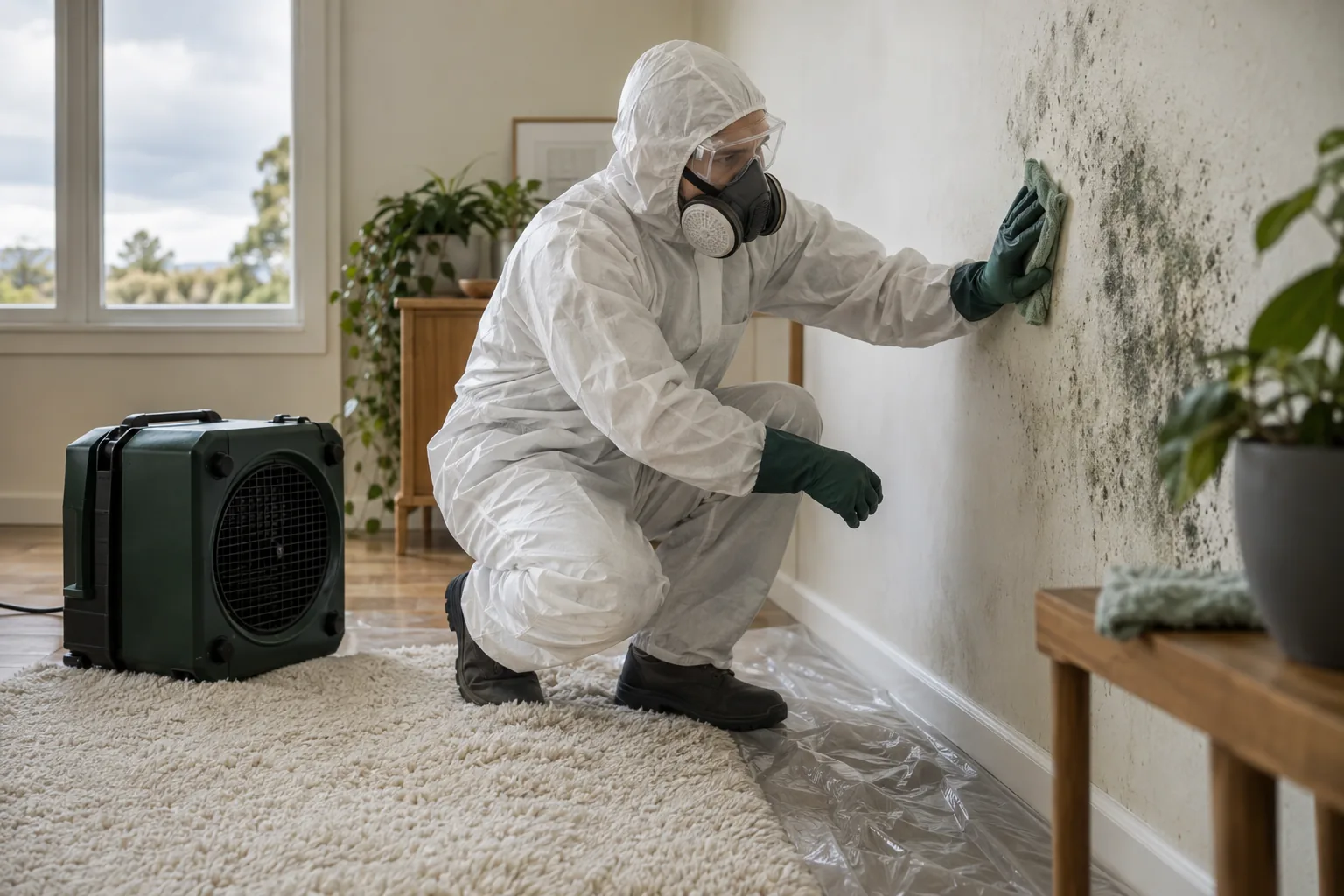
Our remediation service combines assessment, filtration, treatment and physical removal of visible accessible contamination on walls, ceilings and floors. It does not promise appliance cleaning, cabinet restoration or treatment of stored items. Agree separate needs before regarding the entire kitchen as one unrestricted job.
MOISTURE COMES FIRST
Record moisture during and outside ordinary kitchen use
Note when dampness appears, including cooking, washing or periods when neither occurs. Explain any known leak or repair without presenting a guess as a diagnosis. A professional hygrometer assesses room-air relative humidity, not moisture behind cupboards or proof that a concealed plumbing connection is sound.
Discuss accessible inspection if the visible condition needs clarification. Plumbing and structural repairs are separate. Appropriate extraction can help manage cooking moisture, while continuing water entry needs its own response rather than treatment of the current patch alone.

FROM PREPARATION TO FOLLOW-THROUGH
Treat the agreed surfaces around practical kitchen access
1
Assess growth and accessible boundaries
Show exposed contamination and explain fixed fittings, prior cleaning and wetting. Agree structural surfaces and identify concealed or repair concerns requiring separate work.
2
Prepare HEPA air protection
A HEPA air scrubber is set up before treatment. Discuss equipment space and preparation of nearby belongings; filtration supports the work without adding stored items to scope.
3
Apply suitable HOCl treatment
HOCl is used within the assessed plan. ULV dry fog is applied in most cases where appropriate, without promising appliance treatment, hidden-cabinet coverage or universal harmlessness.
4
Physically remove visible mould
Professional H-class filtered equipment is used for removal. Discuss delicate finishes beforehand. Physical removal is not cabinet repair, plumbing work or guaranteed cosmetic restoration.
5
Complete air cleaning and instructions
HEPA continues during and after treatment. Obtain return advice and discuss remaining marks and separate moisture action before normal kitchen activities resume.
Identify the surfaces, not just the room contents
Walls
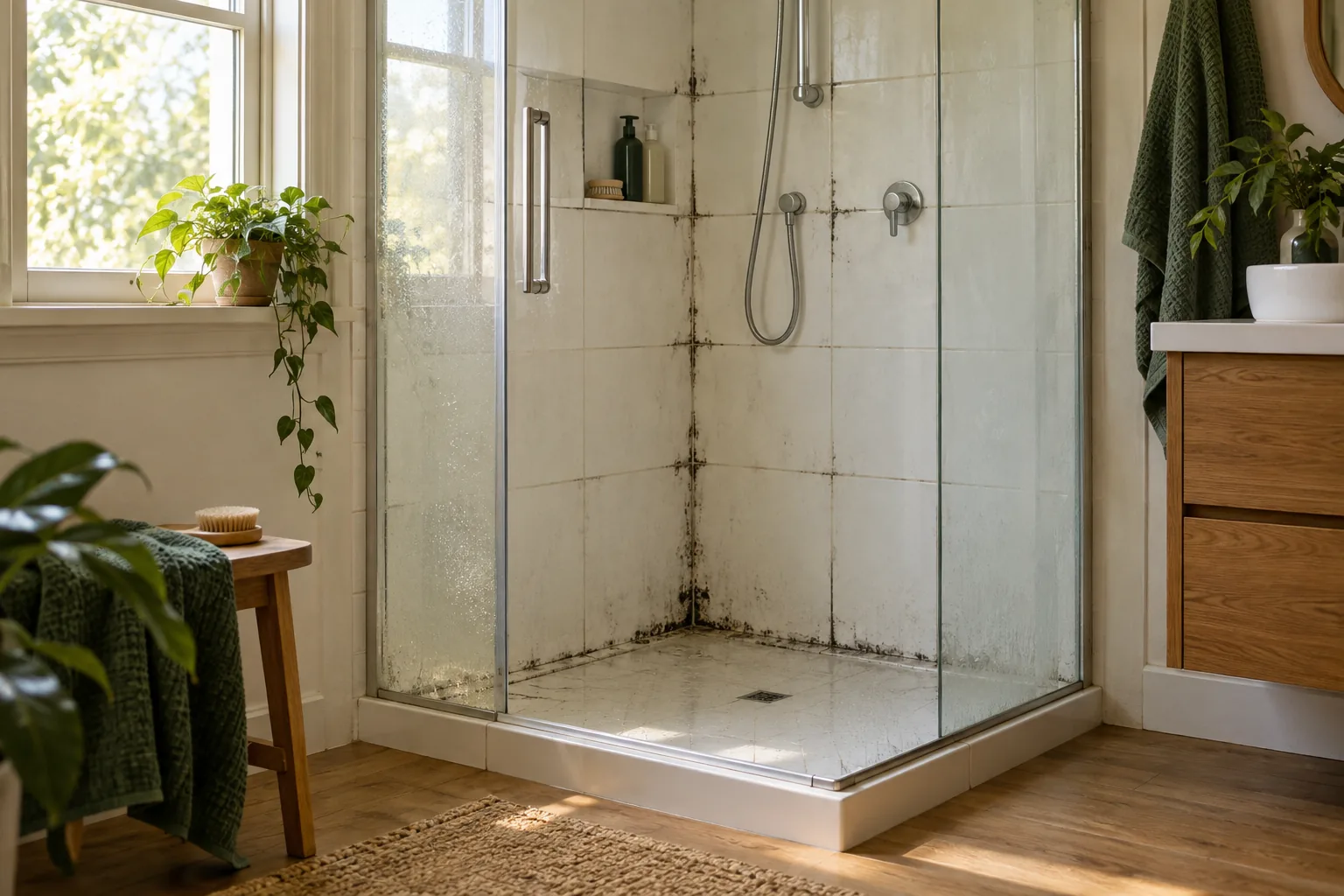
Describe the exposed painted wall or other finish. Fixed fittings may limit access to the patch edge.
Ceilings
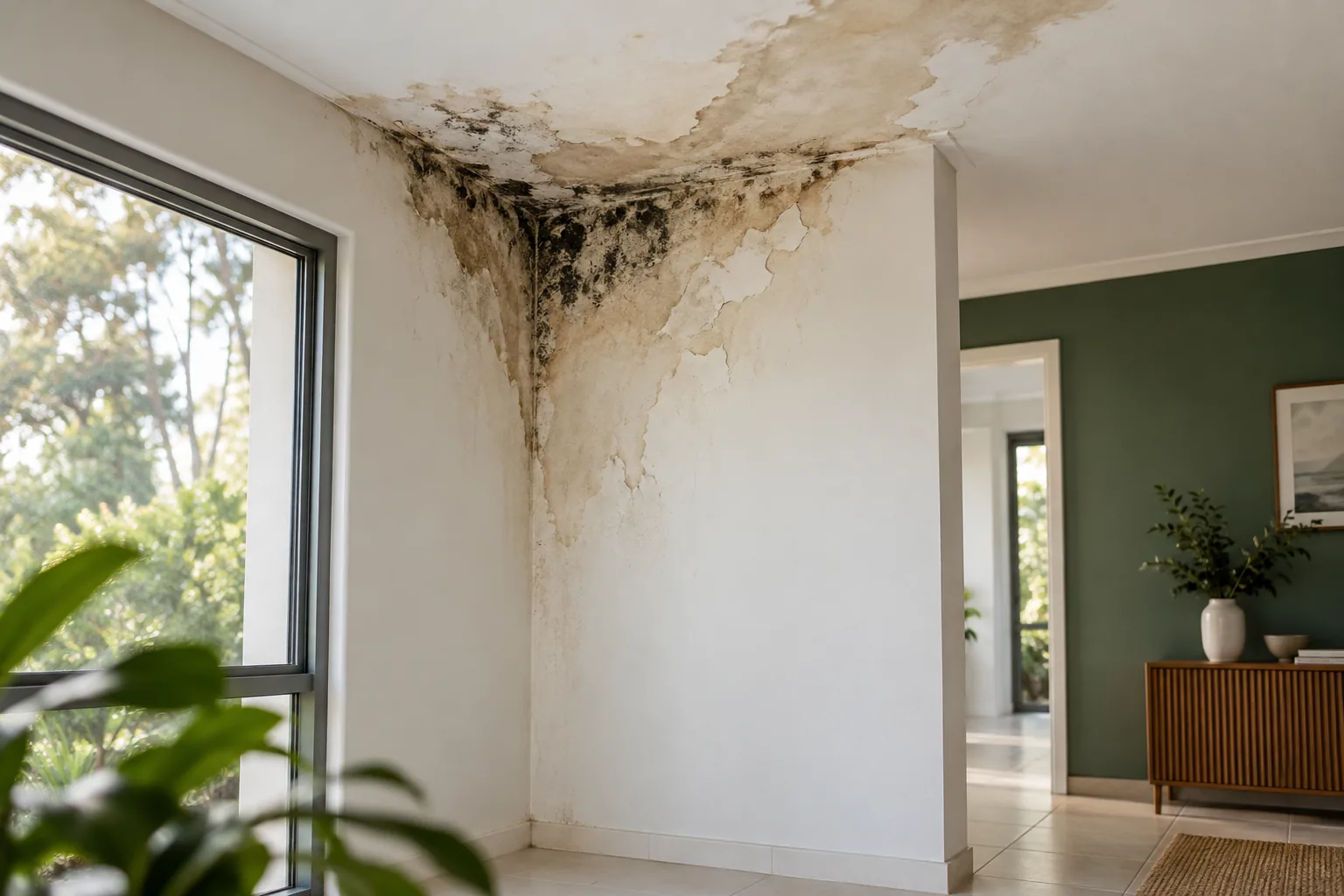
Mention overhead growth and condensation separately from sink wetting. Ceiling treatment does not repair water entry from above.
Bathrooms
If bathroom structural surfaces are also affected, describe their own use and extraction. Towels and textiles remain excluded.
Kitchens
Identify exposed structural surfaces and keep appliances, cabinetry and stored items distinct. Treatment suitability and access require discussion.
Accessible affected surfaces
An exposed floor may be assessed within its finish limits. Carpet, furniture and other coverings are outside confirmed structural scope.
PREPARE FOR THE ACTUAL JOB
Agree preparation before clearing every kitchen item
Ask what should be moved or protected near the work area. People and pets leave during treatment; confirm specific departure and return instructions. Average guidance is around three hours per room, varying with size, extent and accessibility; it is not hourly based or a fixed kitchen-use interruption.
Cosmetic marks may remain and decorating is separately quoted. Concealed surfaces can require additional investigation. Ask what was treated and what remains outside scope, rather than assuming a cleaner wall proves plumbing, cabinetry and every nearby item have been restored.
AFTER THE TREATMENT
Manage cooking moisture and follow separate leaks
Use suitable extraction for ordinary activities and respond to wetting outside them. Practical observations help distinguish the tasks without assuming a single cause.
Use appropriate extraction while producing cooking steam.
Record unexpected wetting when the kitchen is unused.
Arrange separate repair of continuing plumbing or structural defects.
Clarify the kitchen treatment before price assumptions
Describe the accessible area and fixed fittings when enquiring. Confirm remediation applicability against published pricing, whose room examples are labelled Mould Removal. Appliance work, cabinet repairs and concealed investigation are not assumed included in those figures.
ST ALBANS · EXACT ADDRESS & ACCESS
St Albans premises and nearby enquiries
Give the address and authorised contact. Nearby navigation cannot confirm attendance or the scope around kitchen fittings.
Cairnlea · Kealba · Kings Park · Deer Park
Questions about remediation
Does remediation include cleaning the rangehood?
Appliance cleaning is not confirmed within structural remediation. Mention the concern separately from exposed wall or ceiling treatment.
Should I empty every cupboard before the visit?
Ask about the actual preparation first. Describe the affected surface and fittings rather than assuming all storage needs clearing or is included in treatment.
Does a patch beside the sink prove a plumbing leak?
No. Record wetting and timing, including whether water appears outside washing use. Position alone cannot diagnose the source.
Can the technician repair damaged cabinetry during removal?
Repair is not confirmed within standard remediation. Raise damaged fittings separately so the proposed structural treatment has a clear boundary.
Can I cook while another part of the property is treated?
The guidance requires people and pets to leave the property during treatment. Follow the specific instructions rather than assuming ordinary kitchen use continues.
What if wetting appears overnight when cooking has stopped?
Record that observation and location. It is useful information for considering other moisture questions, not proof that cooking steam explains the patch.
Discuss the St Albans kitchen surfaces
Call 03 8652 1296 with exposed growth, fittings and wetting history. Agree treatment and separate appliance or repair concerns.