
BEDROOM FURNITURE · MOISTURE · SURFACES
ASHBURTON · MELBOURNE
Mould Removal Ashburton
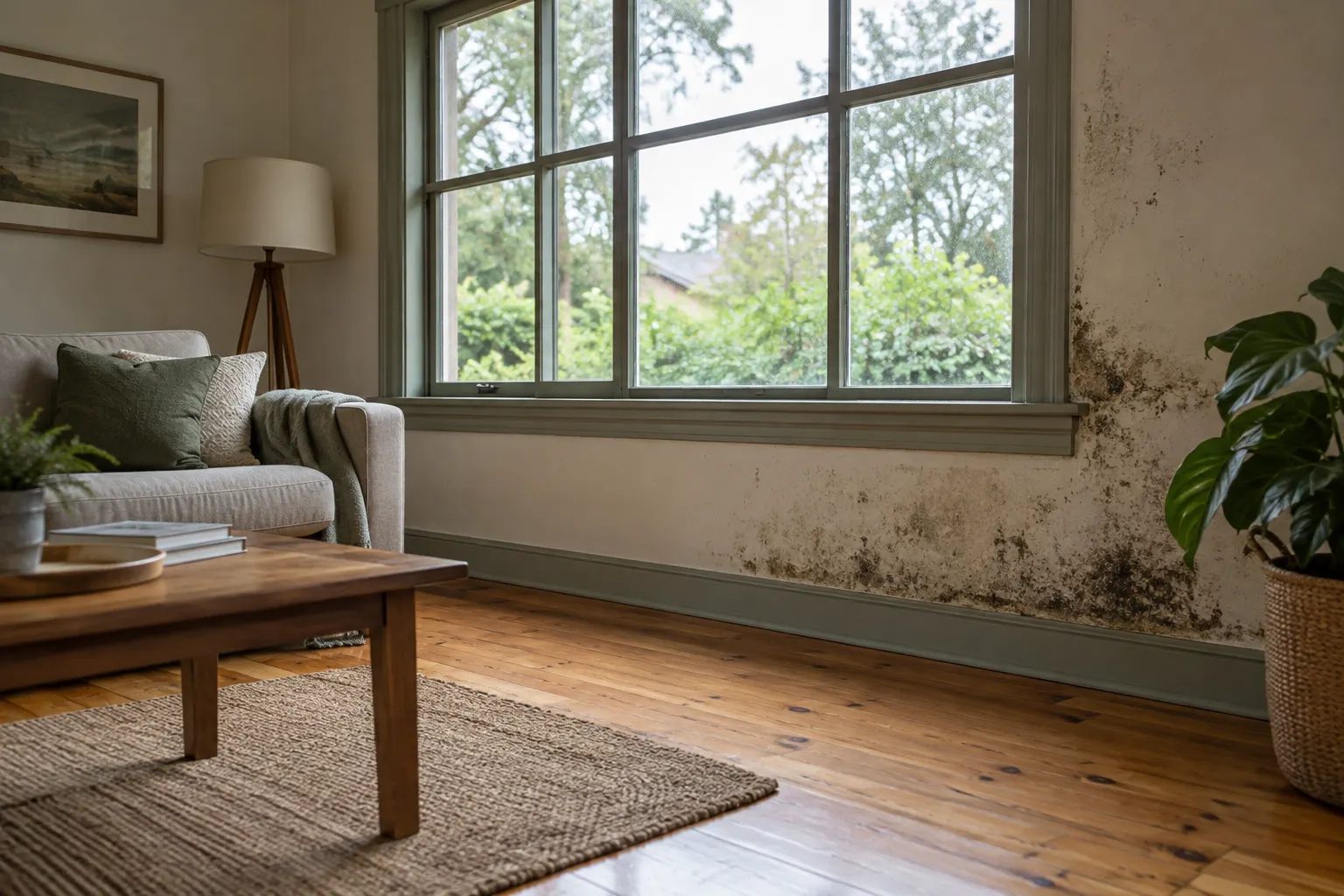
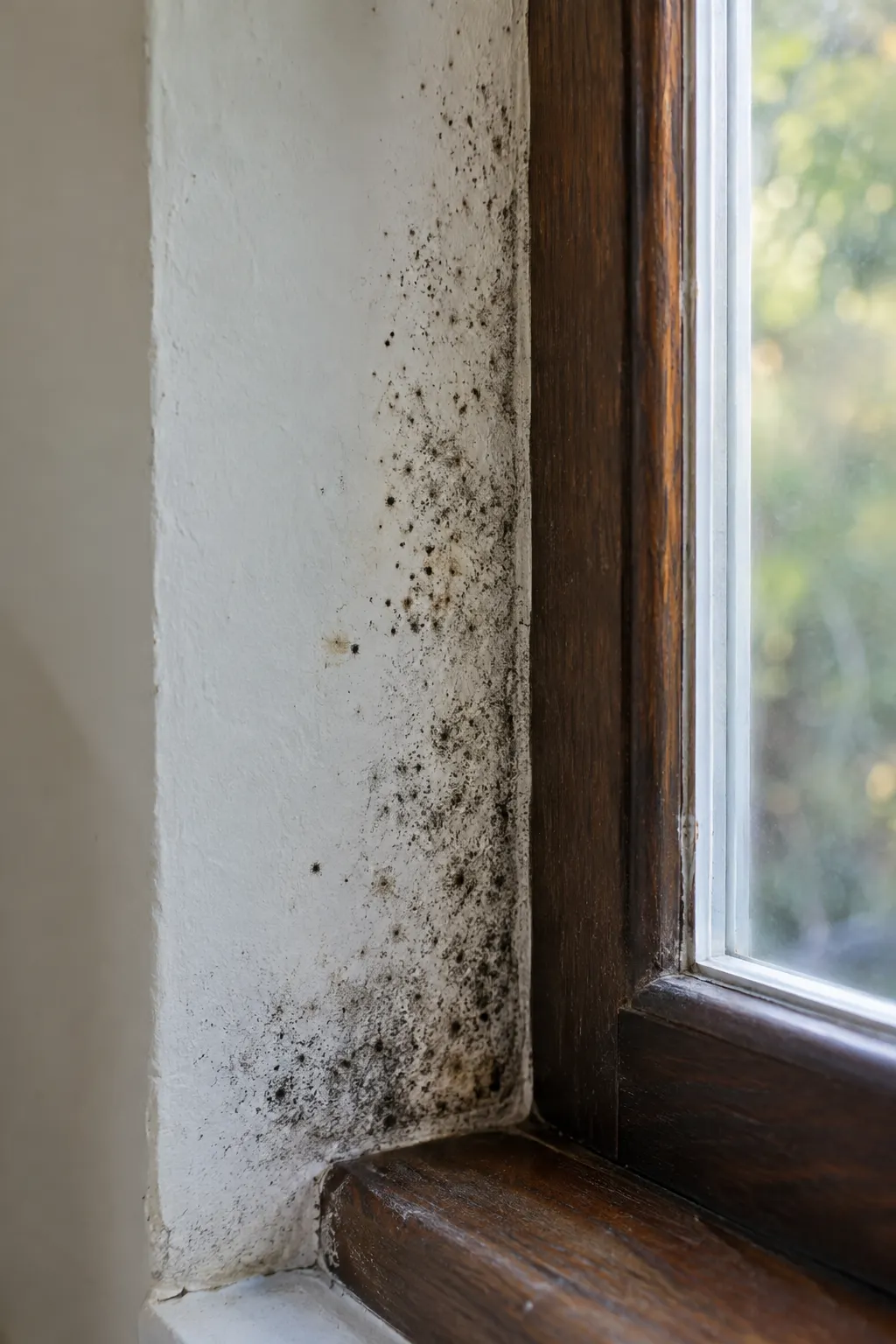
The wall behind a bed or wardrobe may look very different from the rest of the bedroom. An Ashburton enquiry can start with the affected surface, furniture position and signs of dampness.
Visible material considered
Moisture history discussed
Access and scope agreed
THE ROOM TELLS A STORY
Give the hidden wall some attention
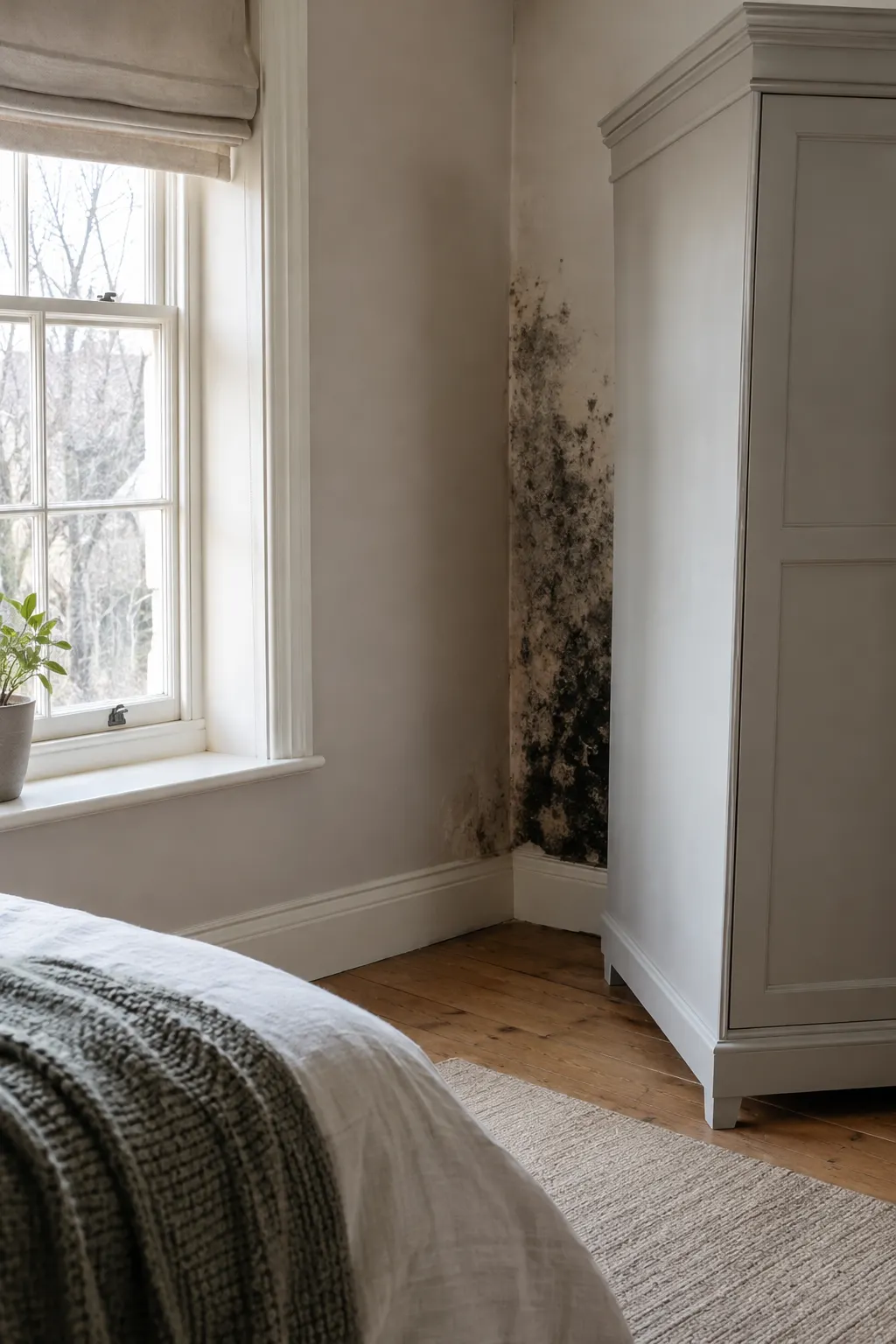
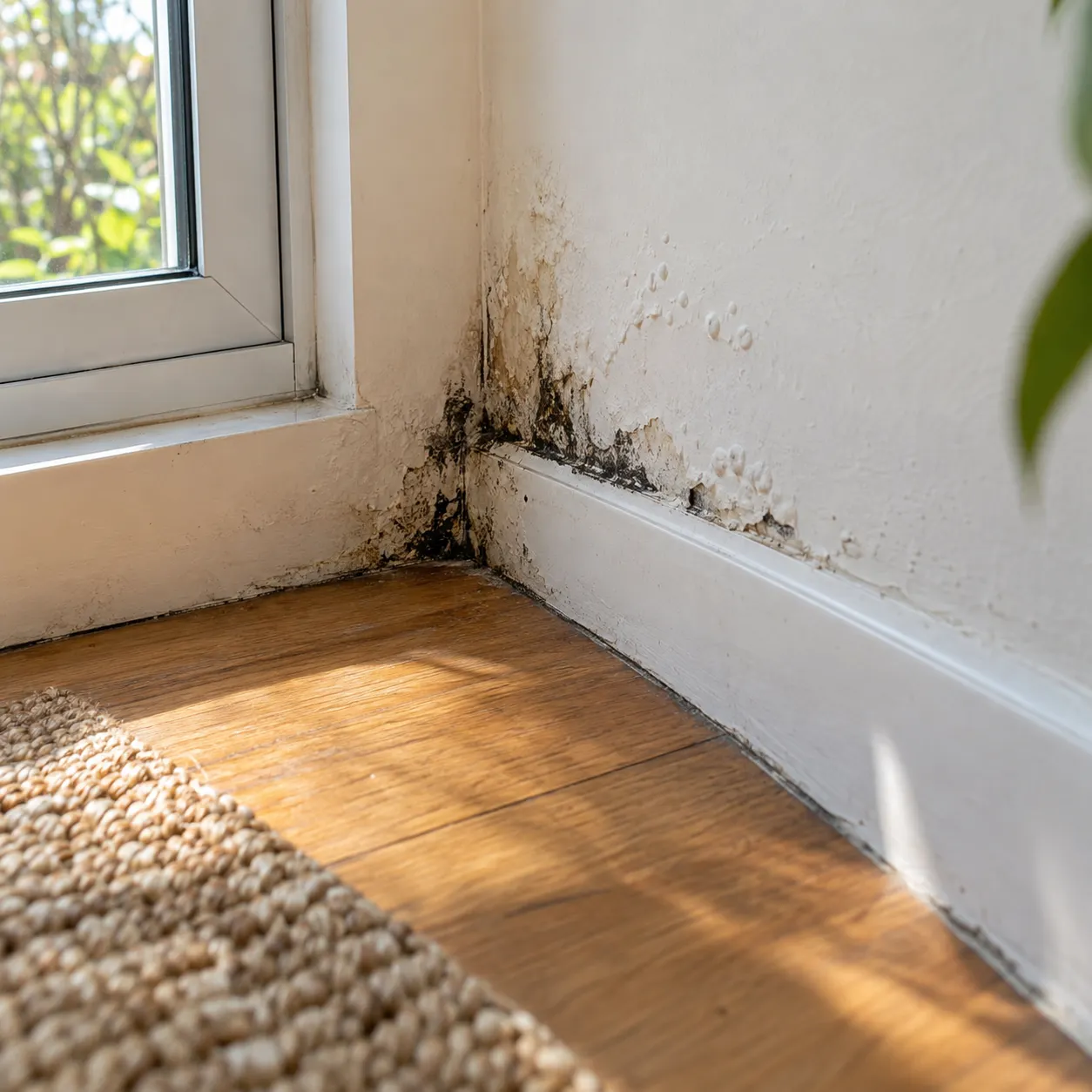
Boroondara provides local facilities in Ashburton. Inside your bedroom, a concealed external-wall corner needs its own assessment. If furniture has recently moved, record the newly exposed patch before cleaning it. Check whether the furniture itself is affected and discuss what can be safely moved for access.
Once a covered wall is visible, note its condition before furniture changes the arrangement again. An accessible bedroom inspection can be discussed with those photos, while affected belongings and fixed storage need their own scope decisions.
UNDERSTANDING MOISTURE
Make sense of
a closed bedroom corner.
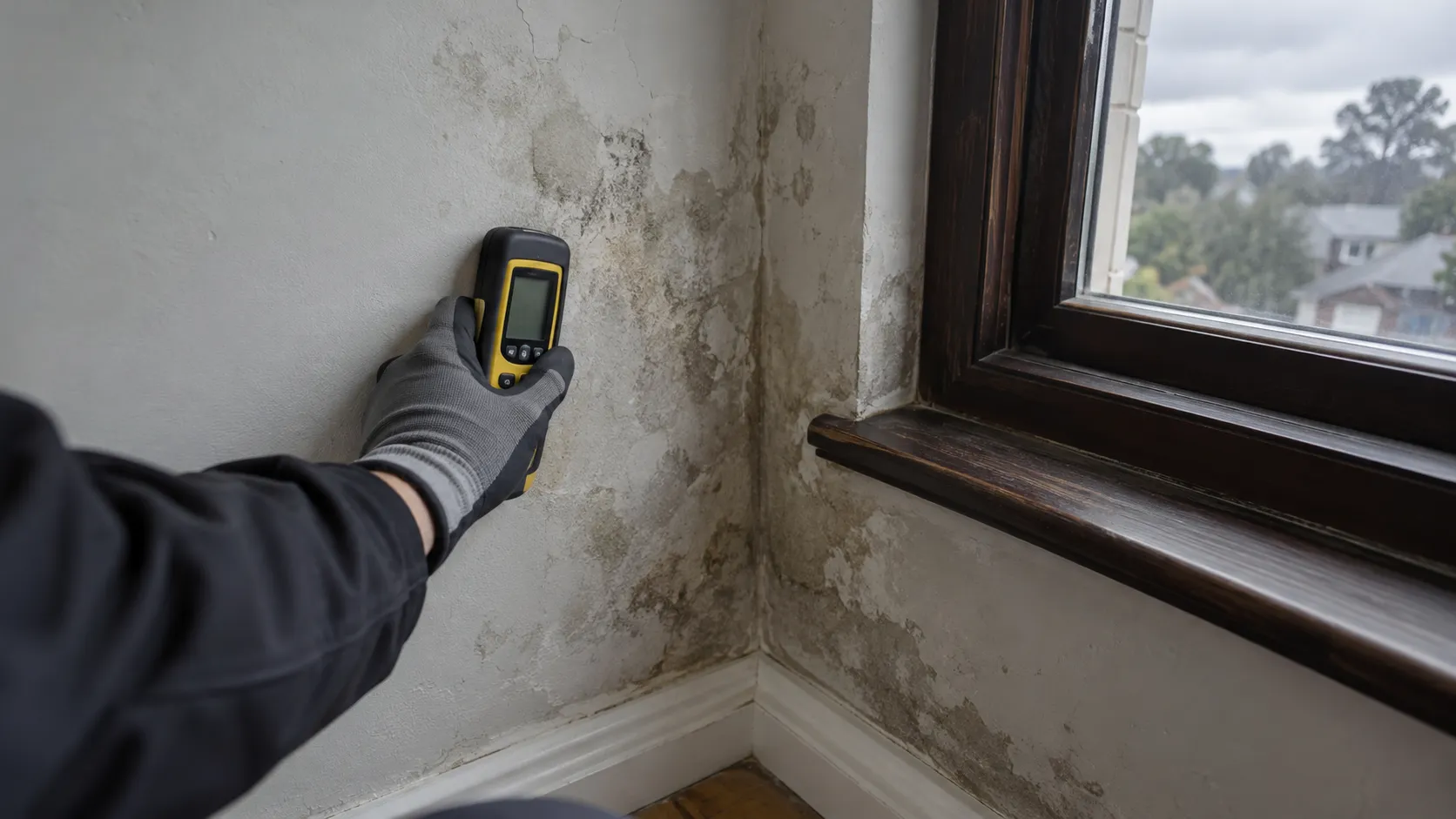
Moisture in the air
Compare the exposed bedroom wall with the area previously covered by furniture. A cooler, enclosed corner may dry differently, but that observation does not rule out a building leak.
The water history
If the patch changes after rainfall, include that timing even when a wardrobe has hidden it. Moving the furniture explains discovery, not necessarily the source of water.
Check the finish
Describe the wall coating and any affected furniture finish separately. Intact paint, damaged board and porous belongings require different decisions rather than one blanket treatment for the bedroom.
OUR REMOVAL PROCESS
From observations
to surface work.
Keep the room history
Take a wide photo that shows the furniture’s original position, then a close view of the exposed wall. This preserves information about the room before it is rearranged.
Make access practical
Tell us whether the bed or wardrobe can be moved by the household or needs other arrangements. A fixed unit may limit the reachable wall considerably.
Agree the next decisions
Consider airflow around the wall alongside any leak investigation. New furniture spacing can help observation, but it cannot repair water entering through the building.
01
Assess the wall behind a bed
Check the wall revealed by moving the bed or wardrobe, then discuss reachable surface treatment. Include whether furniture finishes or belongings also show growth.
02
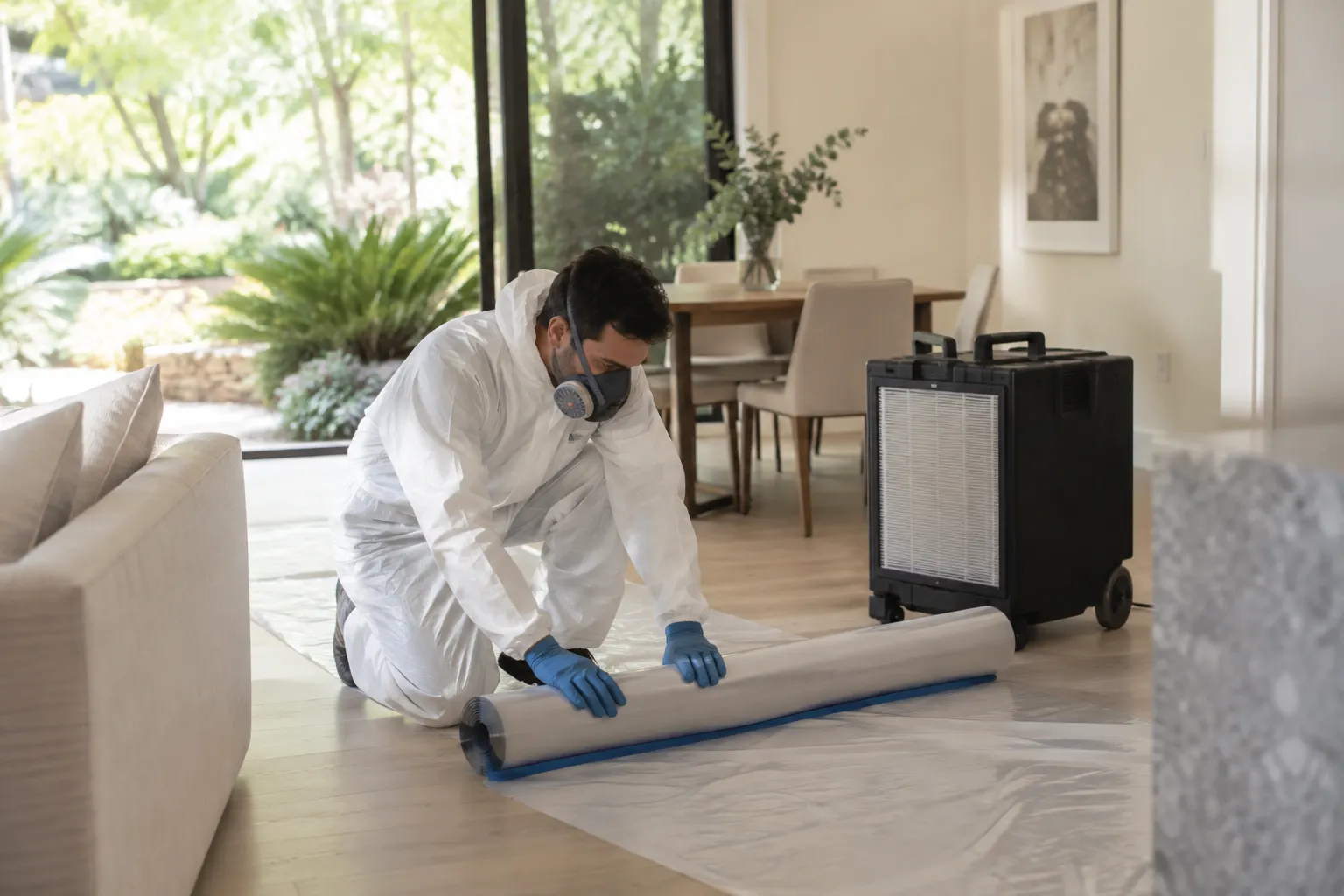
Prepare the working area
Agree on furniture movement in advance; heavy items should not be shifted impulsively to expose a patch. Leave enough working space while protecting clear parts of the bedroom.
03
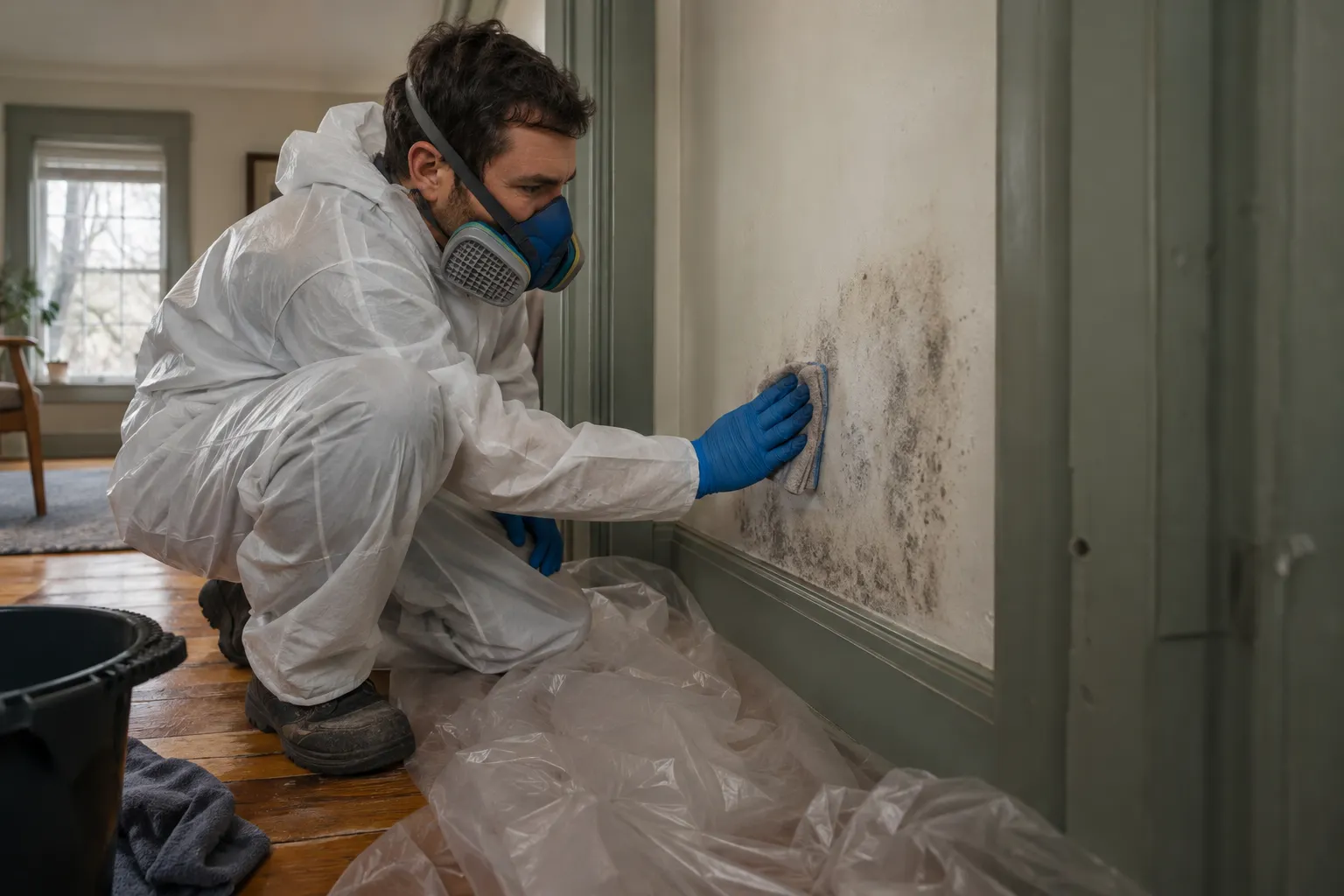
Remove and review
After treatment, keep the affected wall observable rather than immediately enclosing it again. Note whether new dampness follows the same concealed corner or appears somewhere different.
COMMON AREAS AFFECTED
Different surfaces.
Different decisions.
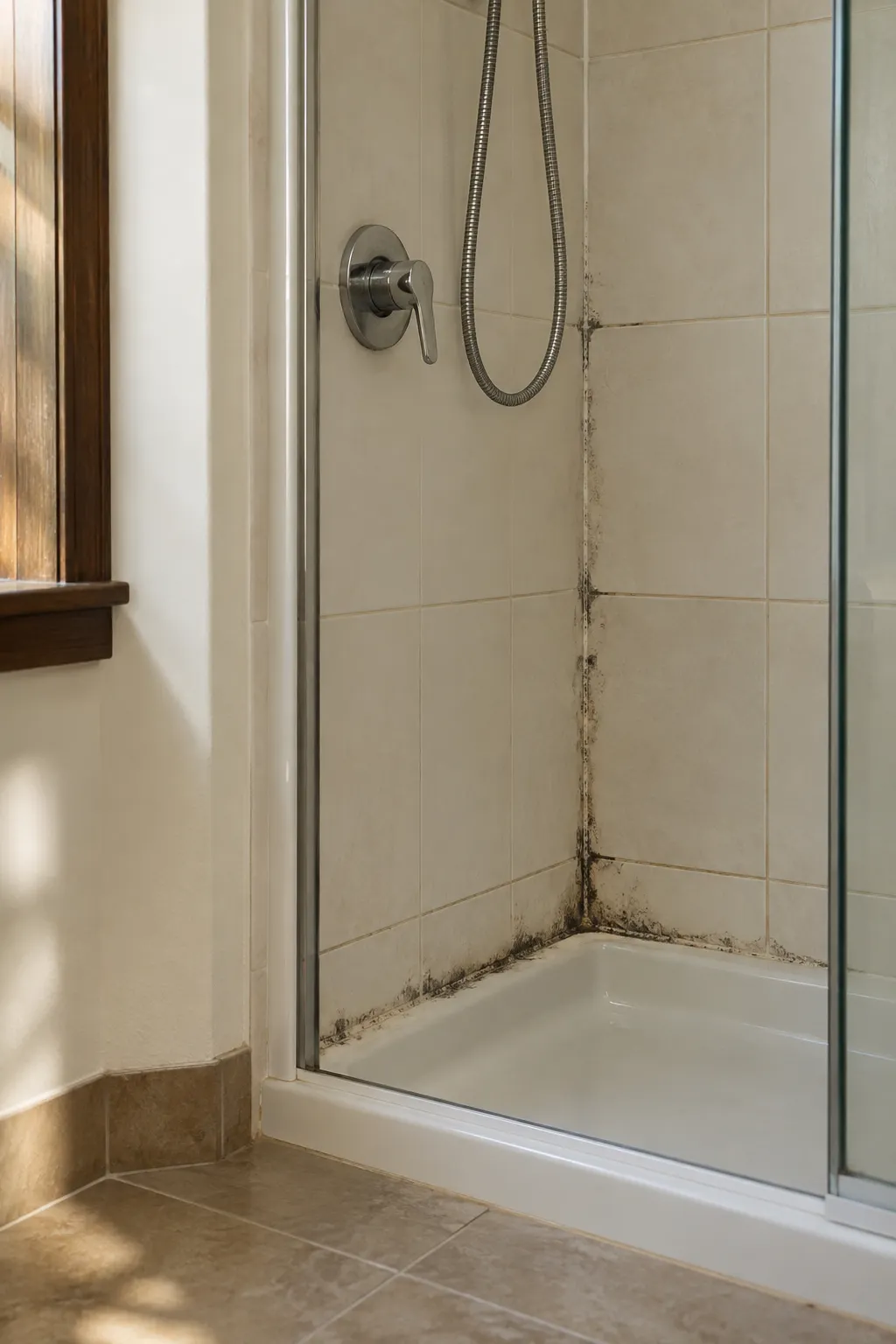
Bathroom junctions
Bathroom moisture may be relevant if steam reaches the bedroom during ordinary use. Record that connection without assuming it explains every patch behind the bed or wardrobe.
Ceiling surfaces
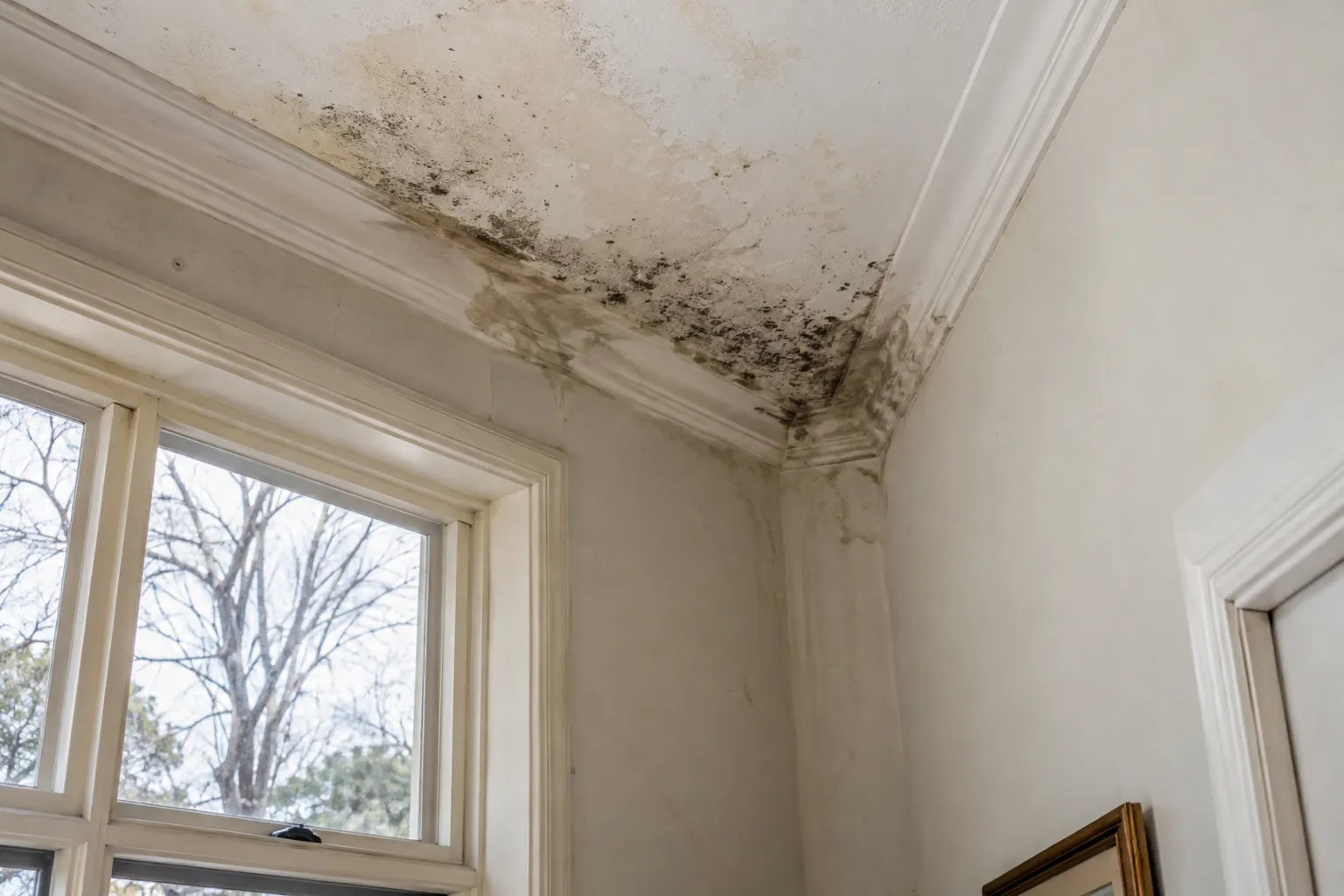
A ceiling corner above concealed wall growth is worth documenting if marked. Note the visible relationship and access limits instead of assuming the area behind furniture is the only affected surface.
Painted walls
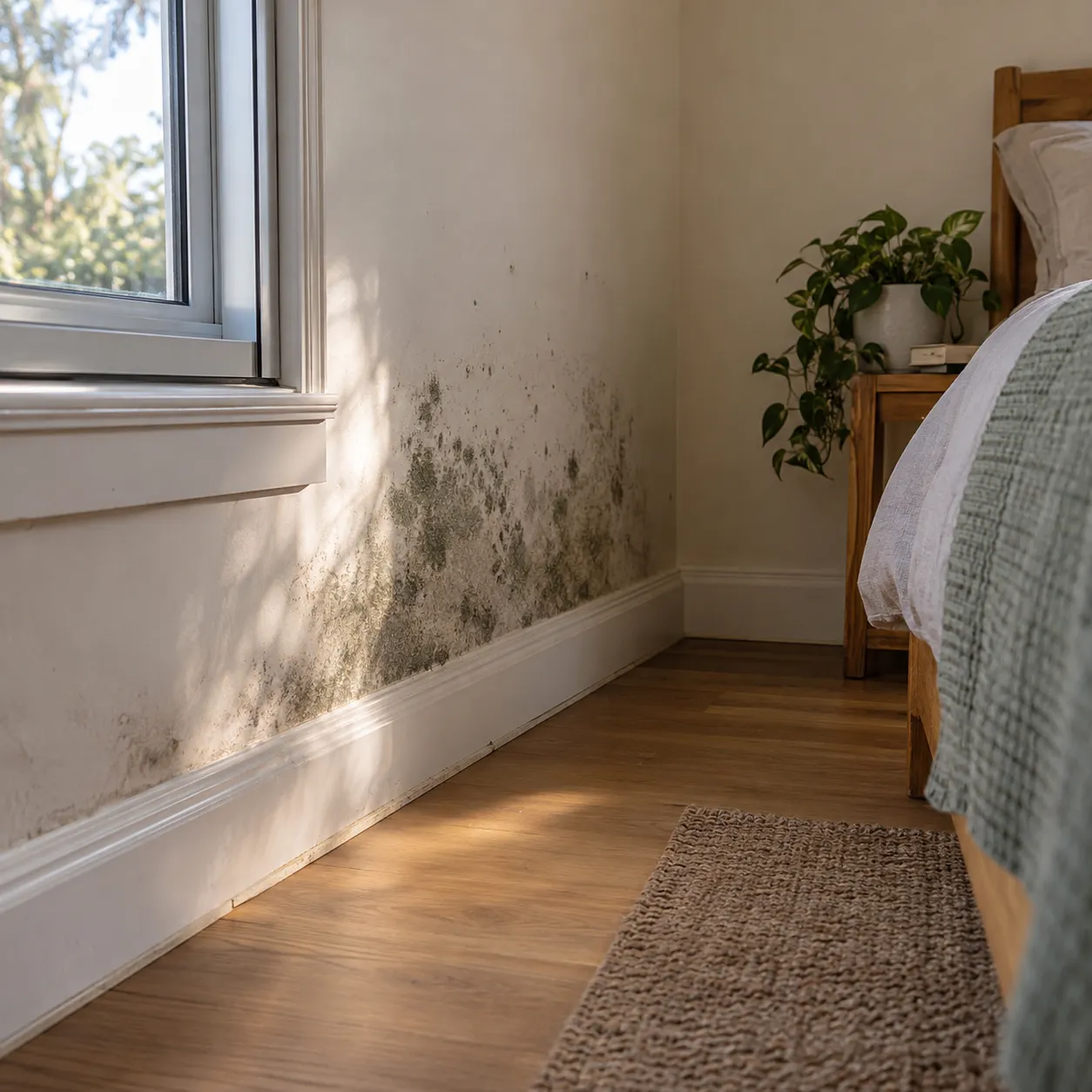
Photograph the newly exposed patch before reorganising the room. Include paint condition and how the furniture originally sat, giving the assessment evidence that would otherwise be lost.
Water-affected rooms
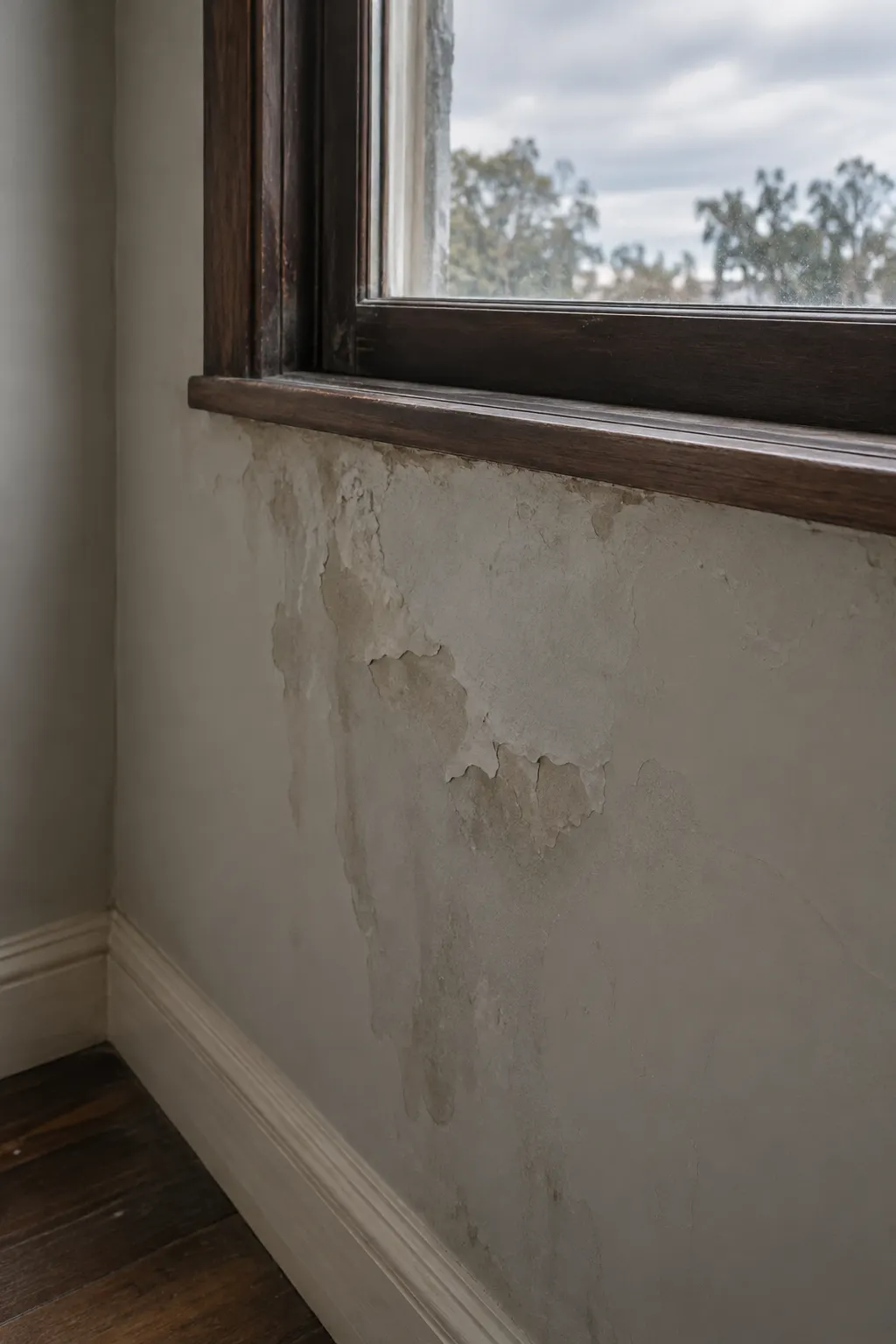
If a water event affected the bedroom, identify wet furnishings as well as walls. Their handling and retention may need separate consideration beyond accessible building-surface removal.
PREVENTION STARTS WITH
Help the room
dry between uses.
Observe the drying pattern
Allow practical airflow around an affected wall and keep it observable. Record whether dampness continues after furniture is repositioned, because a layout change cannot repair water entering the building.
Follow up before decorating
Wait for the moisture and material decisions before placing large furniture back tightly. Where damage extends beyond the exposed corner, discuss the wider remediation needs and any remaining investigation.
ASHBURTON & NEARBY
Ashburton and nearby rooms.
For properties close to Ashburton, consult Ashwood and Burwood as separate local guides. Tell us which address and bedroom you are enquiring about, including the furniture arrangement, so practical access is confirmed for that room.
BEFORE YOU CALL
The useful
questions.
Does moving the wardrobe solve the mould problem?
It improves access and may change airflow, but it does not establish the moisture source. The exposed wall and any damage still need consideration.
Should I photograph the old furniture position?
A room view helps explain where airflow and access were limited. Add a close image of the patch once it is visible and safely reachable.
Are the bed and wall included in one scope?
Discuss them separately. A building-surface treatment does not include furniture, textiles or other belongings that may require different handling.
What if the corner marks again after rearranging?
Record its location and timing. Continued moisture may need another investigation rather than assuming that additional furniture movement is the only response.
Can fixed bedroom storage be moved during a visit?
That needs agreement. Explain whether the unit is fixed, heavy or connected to the building so access is planned without unexpected dismantling.
What should an Ashburton bedroom call cover?
Provide the address, affected wall and original furniture arrangement. Mention water events, finish damage and who can arrange safe movement of belongings.
TELL US WHAT YOU CAN SEE
Start with
the affected surface.
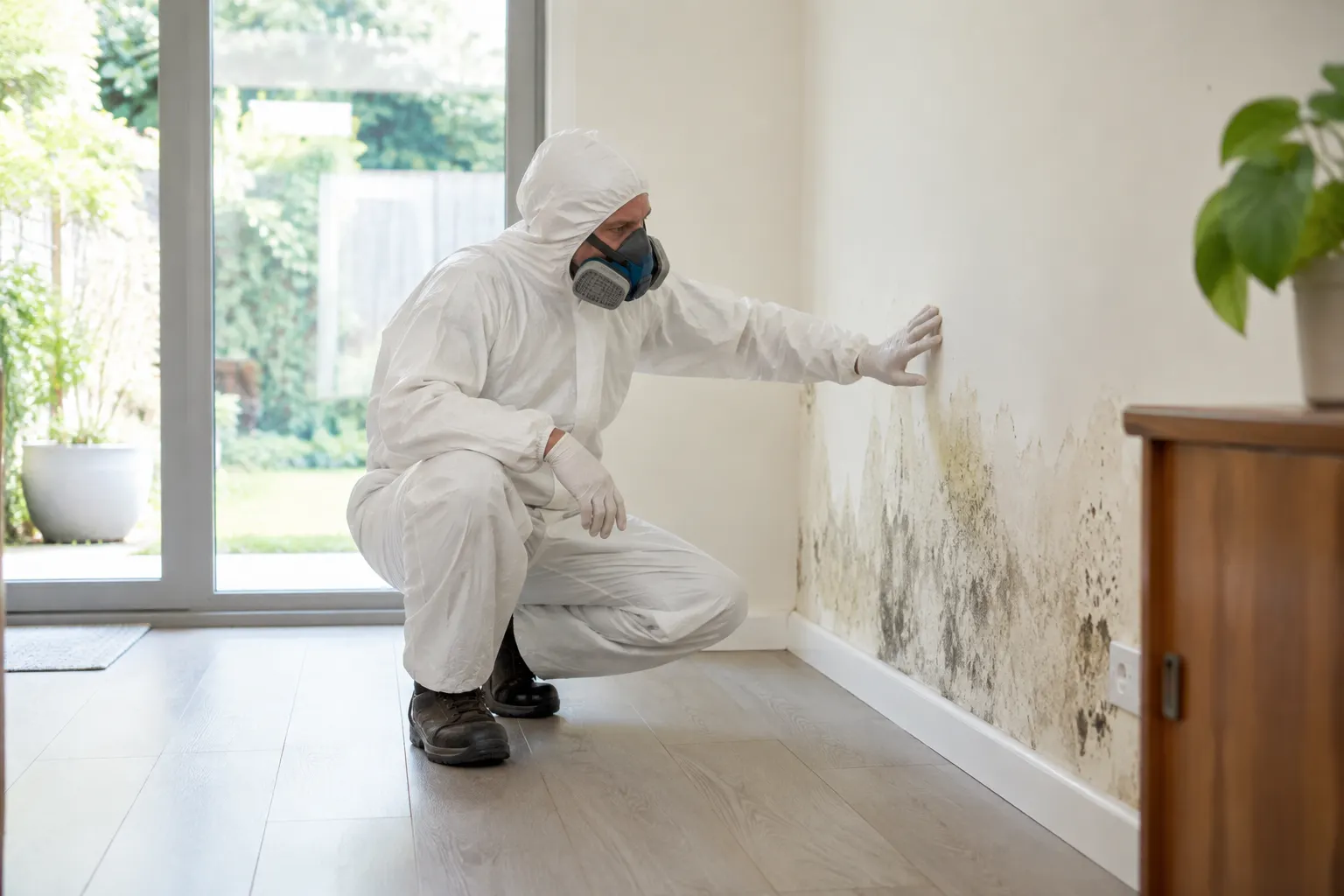
Bring a room view showing the furniture and the exposed patch. A call to 03 8652 1296 can clarify what information and access arrangements are needed for your Ashburton bedroom enquiry.
Local context: Ashburton local information