
BENTLEIGH · MELBOURNE
Mould Removal Bentleigh
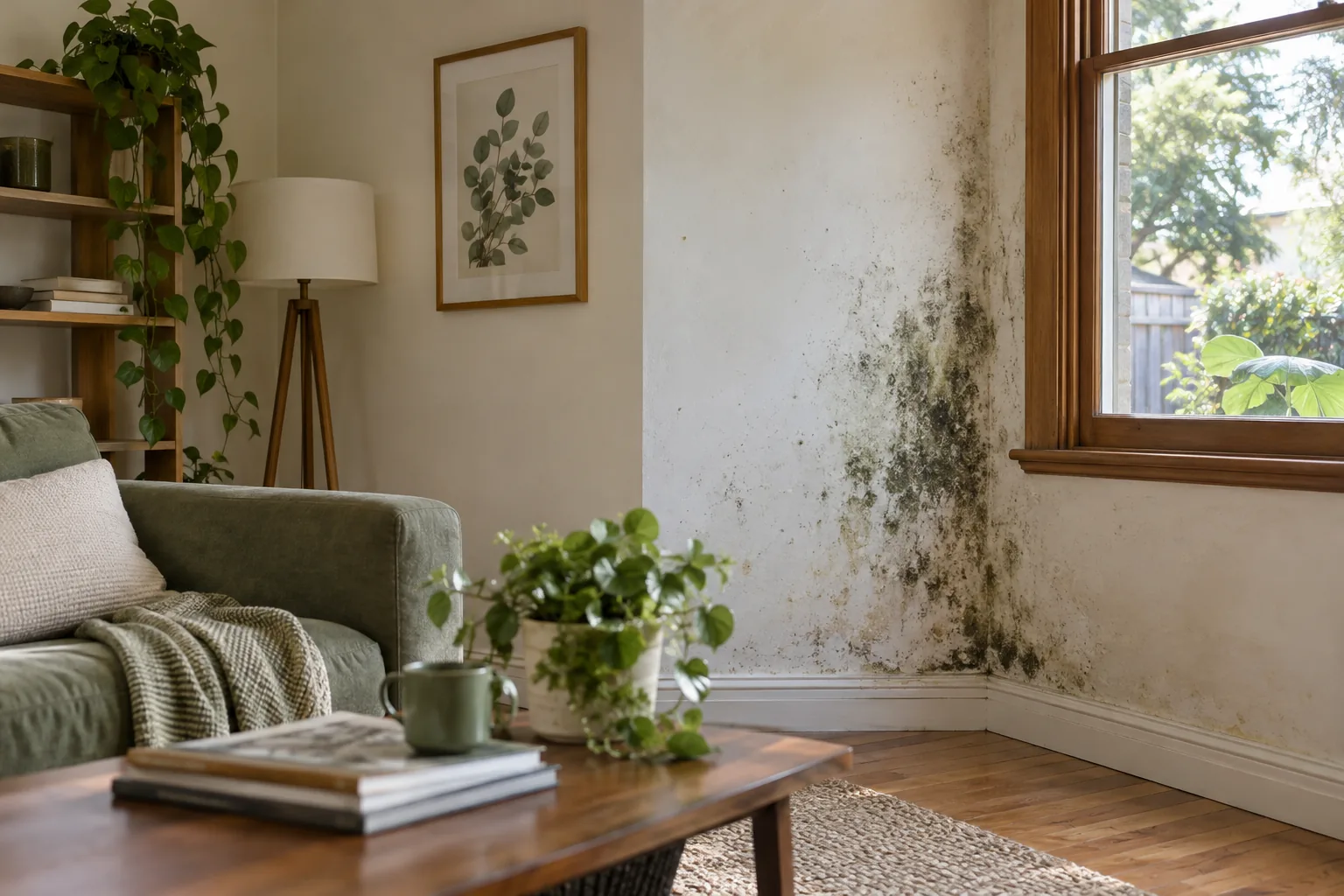
A dark patch is only part of the picture. For a Bentleigh home, start with the surface, the room’s use and when the dampness appears. We discuss visible mould, moisture observations and practical access before an agreed removal scope.
Accessible surfaces assessed
Moisture history considered
Scope agreed before work
LOOK CLOSER · LIVE BETTER
THE HOME, IN CONTEXT
Mould problems in Bentleigh
Glen Eira’s suburb profile describes Bentleigh as an established residential area with commercial activity along Centre Road. That context does not identify a home’s moisture problem. A detached house, unit or renovated room still needs its own history and material assessment.
Water entering the building
A patch that changes after rain may need investigation of a roof, window junction or another building detail. A photograph can explain the visible position, but cannot show the condition behind the lining.
Moisture held in the room
Showering, cooking and indoor clothes drying release moisture. Condensation can form where humid air meets a cooler surface. Restricted ventilation or furniture close to a wall can make drying more difficult.
INSPECTION & MOISTURE
Look at the cause.
Then the surface.
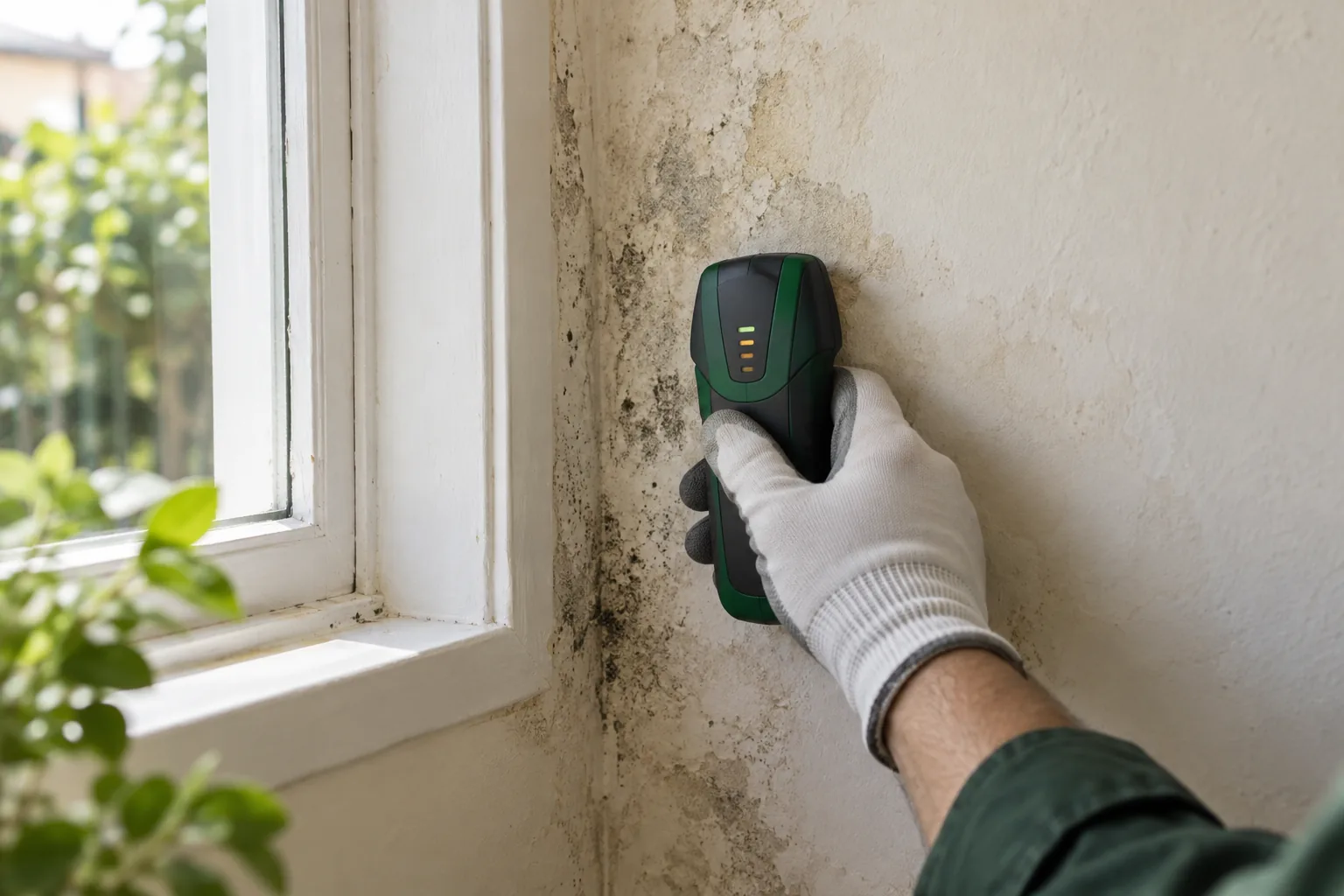
A mould inspection considers accessible evidence alongside your account of the room. Moisture readings are useful observations, not a complete diagnosis of every concealed material. Explain previous leaks, repairs and whether the affected area changes between wet weather and ordinary household use.
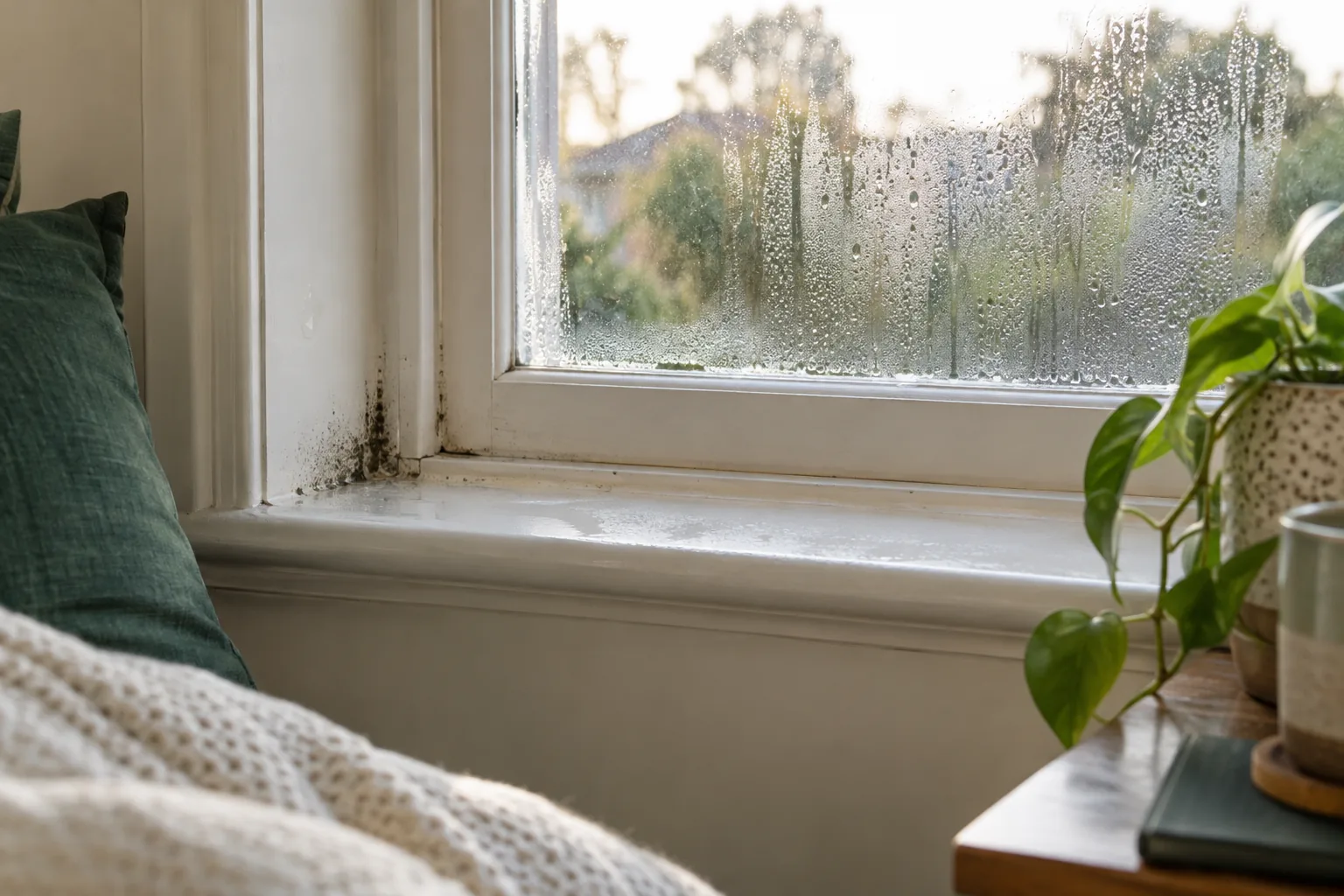
Record the pattern
Keep dated photos from the same viewpoint. Include the nearby window, shower or doorway, as well as a close-up of the finish. Note what was happening before the patch appeared.
Separate work from repairs
Removal addresses the agreed surfaces. Plumbing repairs, roof work, damaged linings and concealed-space investigation need their own decisions. Treating visible growth cannot repair a continuing leak.
A CONNECTED PROCESS
Five decisions.
One clear scope.
Discuss
Tell us your address, affected rooms and access limits. Mention delicate finishes, active wetting and anything that could make preparation difficult.
Assess
Identify visible growth and the condition of accessible surfaces. Agree what is included, what needs further investigation and whether another trade is required.
Prepare
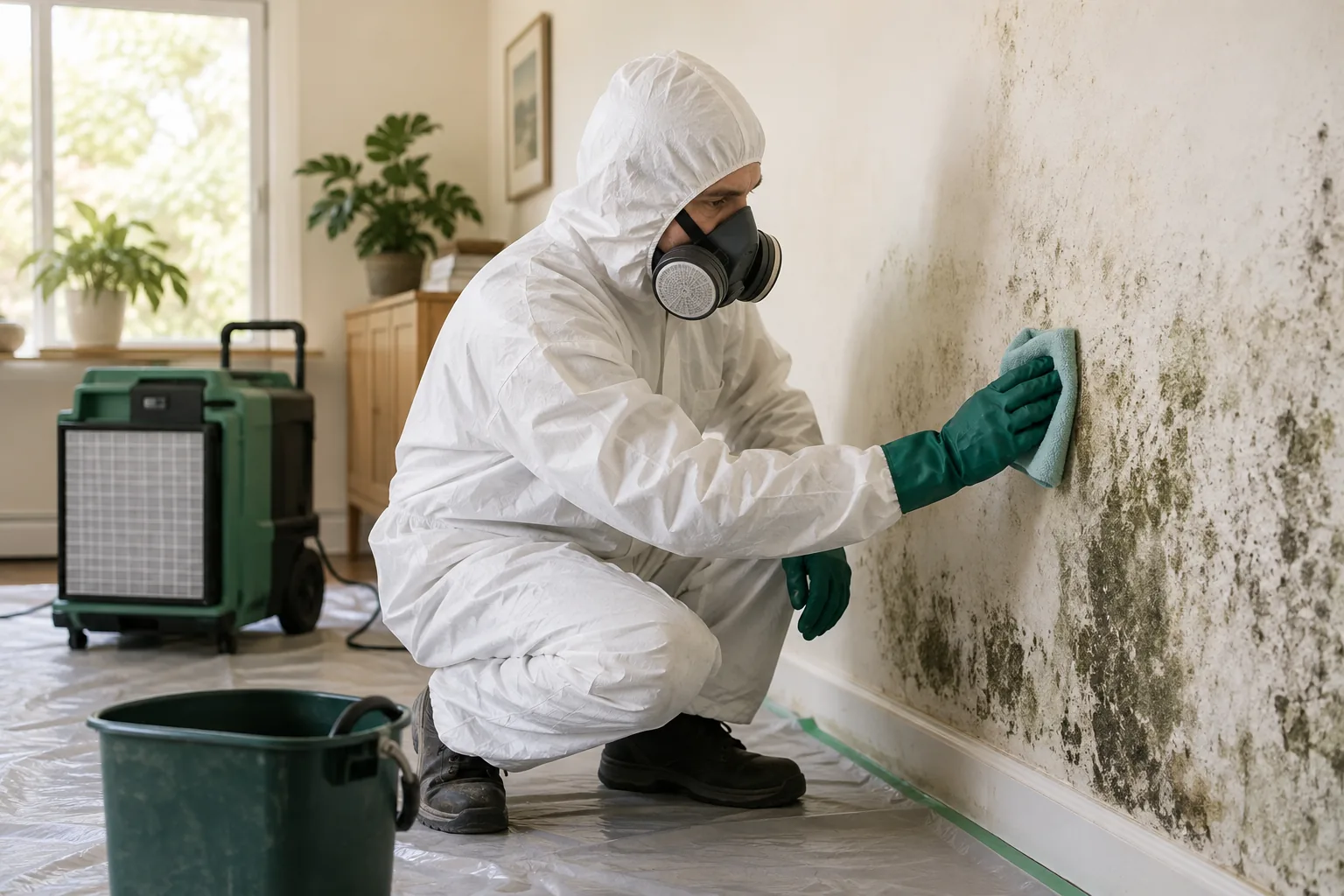
Plan belongings, floor protection and equipment around the actual room. Discuss occupants’ concerns before work starts; avoid moving affected items without an agreed plan.
Remove
The method follows the material and agreed scope. The removal service focuses on suitable visible, accessible surfaces, with protection and filtration discussed for the work.
Review
Review what remains and any drying or repair follow-up. Remediation planning connects these decisions; it does not guarantee that unresolved moisture will stop.
WHERE MOULD APPEARS
Follow the material,
not just the mark.
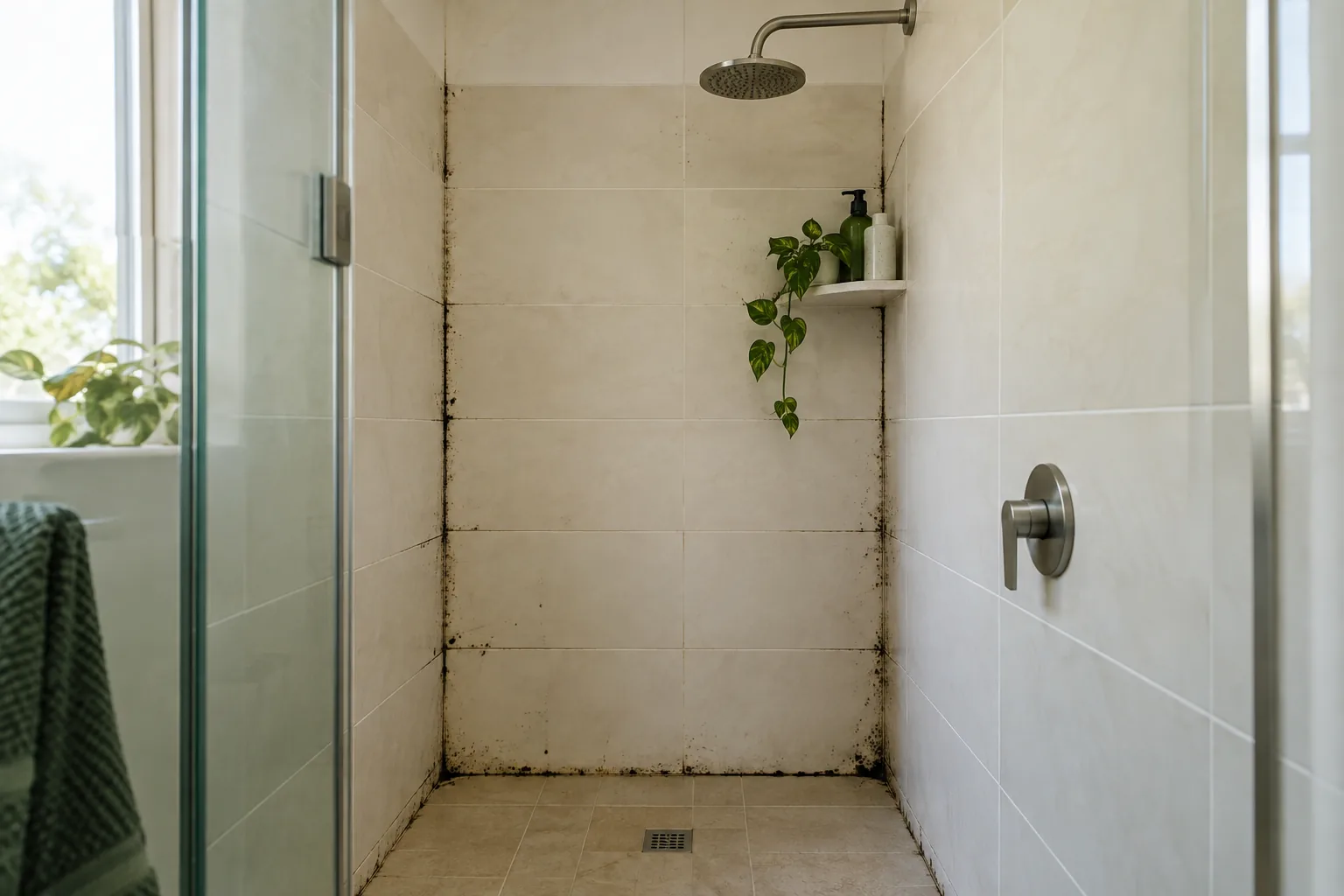
Bathroom joints
Silicone and grout need different decisions from sound painted plaster. Mention stained sealant, loose joints and how the shower dries.
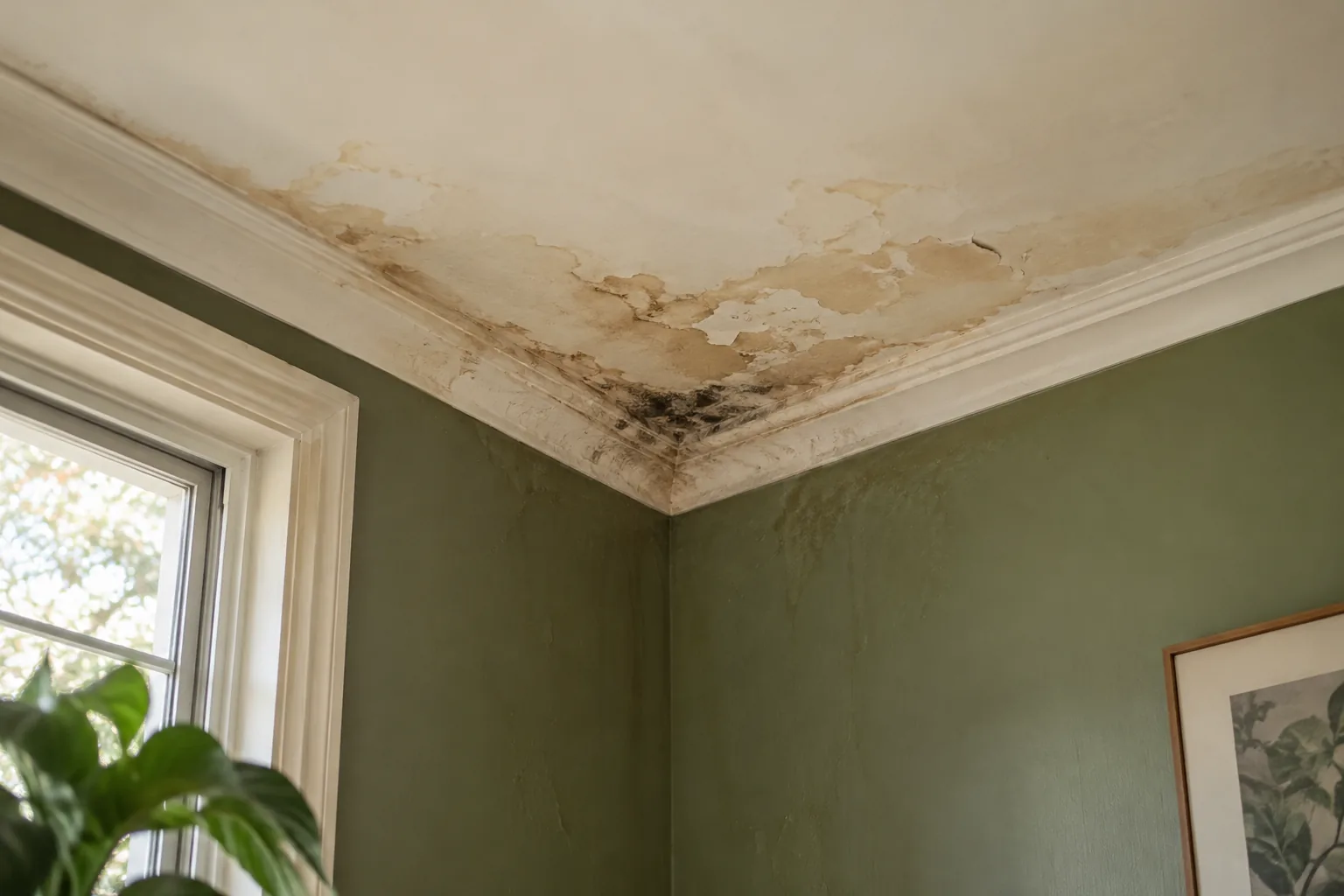
Ceilings after water damage
Record staining, peeling or softened material. Roof or plumbing investigation may be needed before damaged ceiling finishes are repaired.
Walls and window reveals
Describe whether growth sits on paint, exposed plaster or timber. A cosmetic mark can remain after removal; repainting is a separate discussion.
Wet interiors
After water entry, describe the adjoining wall and flooring too. Visible staining does not establish how far moisture has travelled behind a surface.
MAKE SPACE FOR DRYING
A room needs
room to breathe.
Use bathroom and kitchen extraction as intended, and review indoor clothes drying. Keep airflow around furniture where practical. These measures support drying, but they do not replace finding and repairing water entry.
Notice whether the same area stays damp after the household routine changes. Keep gutters, ventilation and building maintenance under review with the appropriate trades. If new wetting continues, follow up the source before covering the surface with fresh paint.
BENTLEIGH & NEARBY
Close by. Each room has its own story.
For a nearby property, see the guides for Moorabbin, Cheltenham and Brighton. Give the exact address and describe that home separately. These links help compare practical room questions, rather than imply an identical moisture cause across neighbouring suburbs.
QUESTIONS WORTH ASKING
Before the visit.
What should I describe when calling about a Bentleigh home?
Give the address, room, surface type and approximate extent. Mention access restrictions and whether marks change after rain, showering or clothes drying. An ordinary wider photograph is often more useful than an isolated close-up.
Does a moisture reading prove the wall has a leak?
No. A reading needs context: material, position, recent conditions and other observations. It may guide further investigation but cannot, by itself, identify the whole pathway or condition behind a lining.
Can the colour tell me which mould is present?
Colour alone does not identify a species or establish the required work. Describe the finish and extent instead. Any sampling requirement should be discussed as a separate question.
Should I paint the patch before the appointment?
Discuss it first. Fresh paint can hide useful observations while leaving the source unresolved. Removal, drying, repairs and decorating are different decisions; some stains may remain even after suitable treatment.
Are cupboards and furnishings included with wall removal?
Do not assume they are. Standard surface work and affected textiles or belongings have different scope requirements. Explain what is affected before moving items or agreeing to a job.
How can I tell whether prevention changes are helping?
Observe the same place over time and keep dates. Note whether the surface dries during normal use and whether new wetting follows rain or a particular routine. Recurrence needs a fresh look at the conditions.
START WITH YOUR ROOM
Tell us what
you can see.
Call with your Bentleigh address, the affected materials and any known water history. Confirm availability, preparation and the appropriate scope before arranging a visit.
Useful references: Glen Eira’s Bentleigh profile · Victorian guidance on moisture and mould