
BRAESIDE · MELBOURNE
Mould Removal Braeside
WORKPLACE · ACCESS · MOISTURE
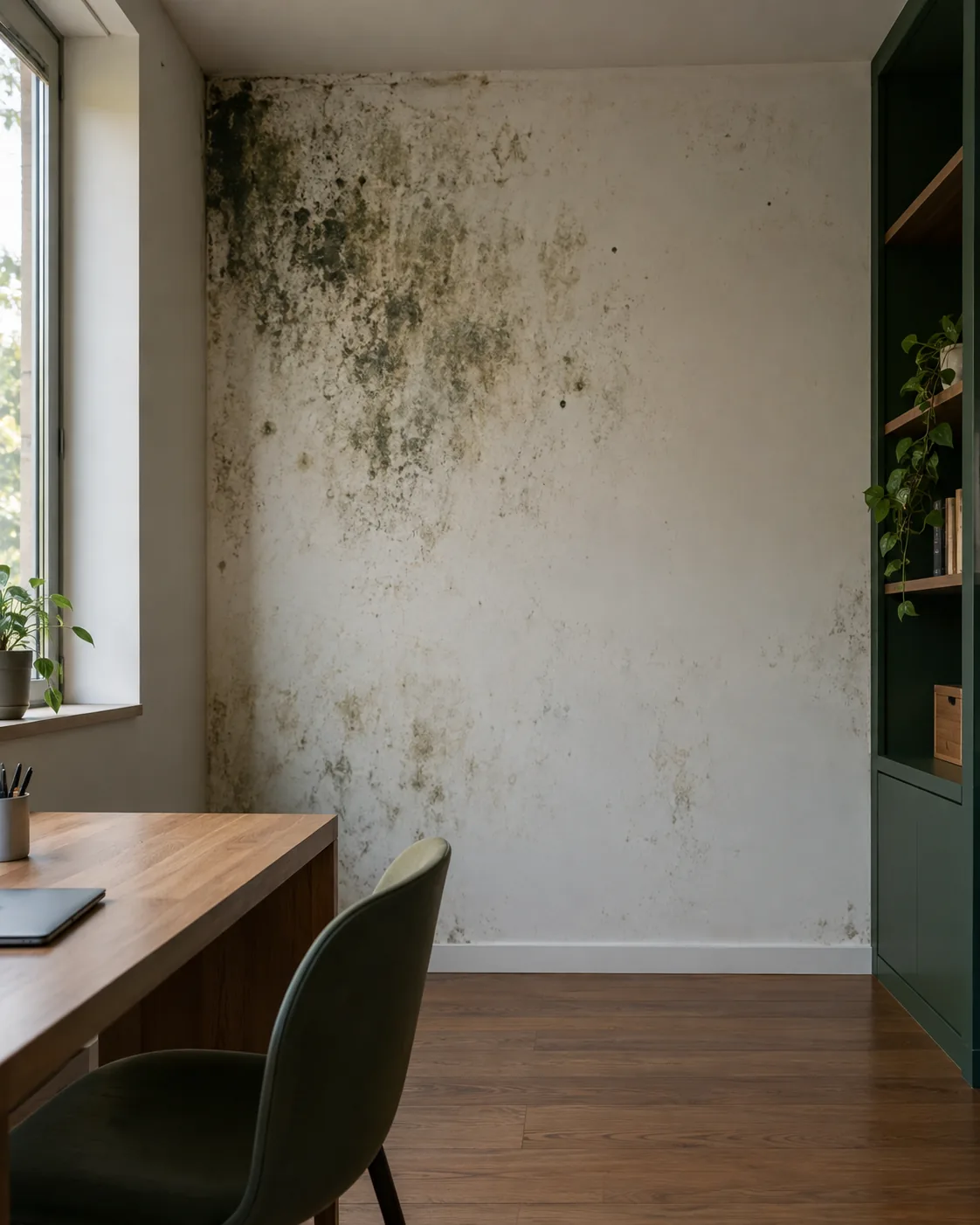
A dark lunchroom patch behind storage needs a clear workplace scope. For Braeside, identify the premises contact, reachable surface and moisture history. We discuss room access and treatment limits before booking.
Premises contact confirmed
Obstructions discussed early
Visible surface scope agreed
SURFACES & THEIR SETTING
A workplace enquiry with clear boundaries
Kingston describes Braeside as a primarily industrial suburb. An individual enquiry still needs the exact address and room details. This service concerns accessible interior structural surfaces, not industrial plant decontamination, production equipment or a general premises compliance assessment.
Lunchroom dampness
Explain whether the patch sits near plumbing, refrigeration or a window. The inspection process considers visible growth and moisture conditions. Equipment location can help describe the room without establishing which appliance or defect caused the problem.
Stored items against the wall
Specify whether racks or stock block access. Clearance is the site’s responsibility unless otherwise agreed. Machinery, electrical equipment and bulky goods should not be moved casually to expose a surface before assessment.
Useful information from the premises
Maintenance records and dated photos can clarify whether dampness is new or recurrent. Ask the responsible person about known leaks. Avoid treating the job as proof that every adjacent service or hidden cavity is sound.
Describe the finish
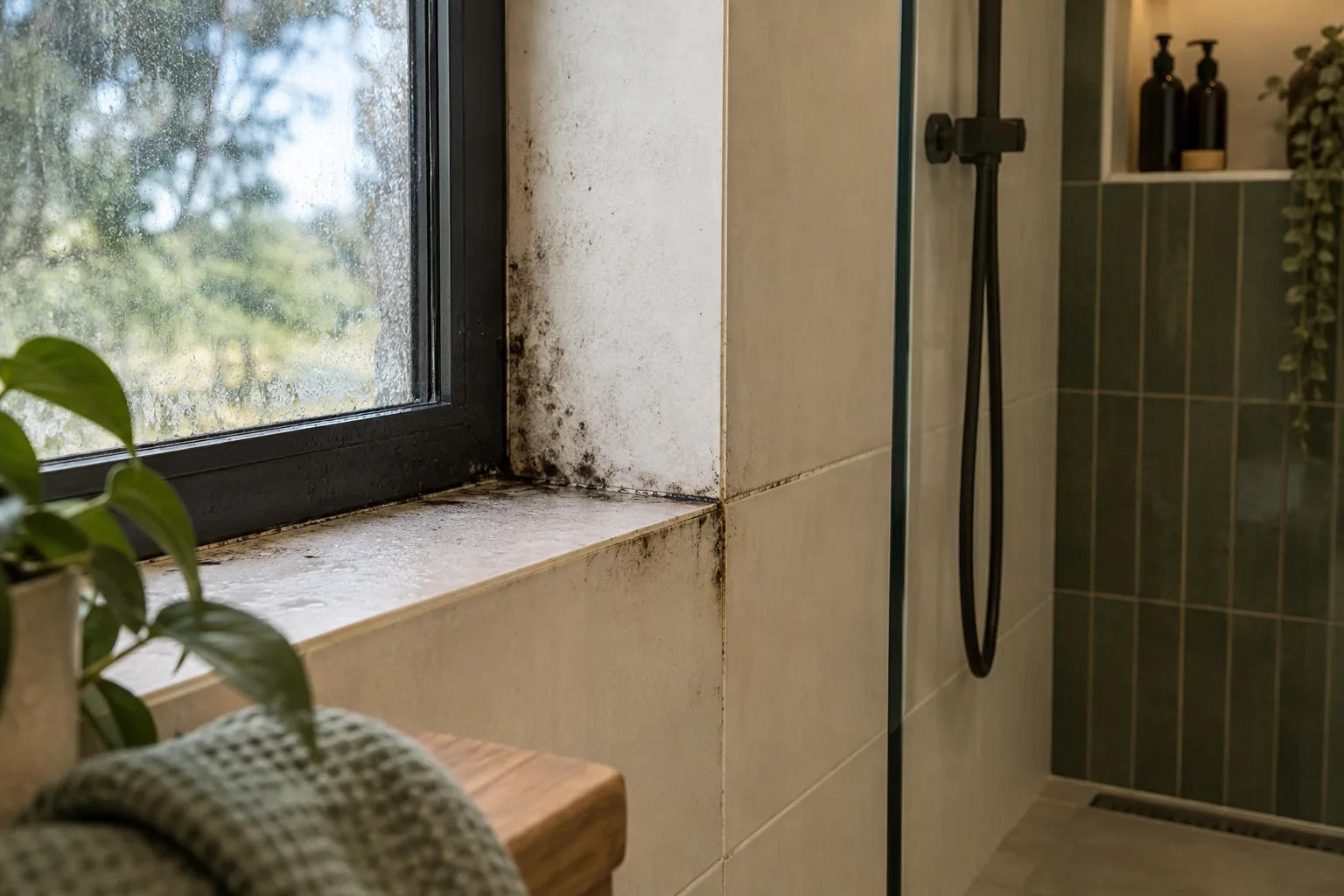
Painted plaster, masonry and hard flooring need different consideration. Give the material and any loose coating. A cosmetic stain and active visible growth are not interchangeable descriptions.
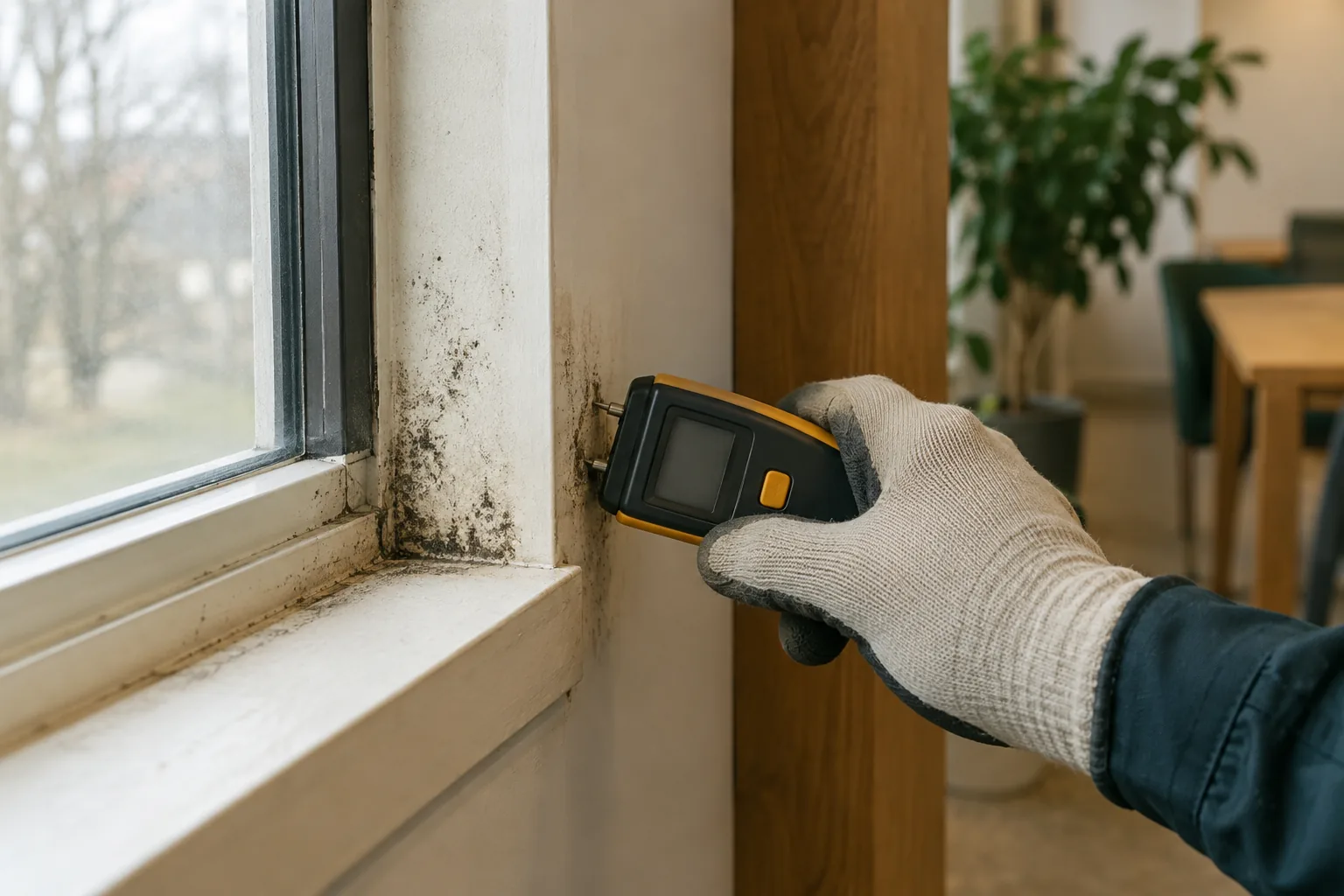
Check moisture sensibly
Hygrometer readings support assessment of the room. They cannot certify drainage, refrigeration or ventilation equipment. A persistent source associated with plant needs separate assessment by the appropriate trade.
THE SURFACE REMOVAL PROCESS
A controlled sequence for the room
01
Inspect the agreed surfaces
Check the visible wall, ceiling and hard floor areas. Discuss condition and access with the authorised contact. Adjacent stock, concealed voids and production equipment are not included without a separately defined service.
02
Arrange filtration and clearance
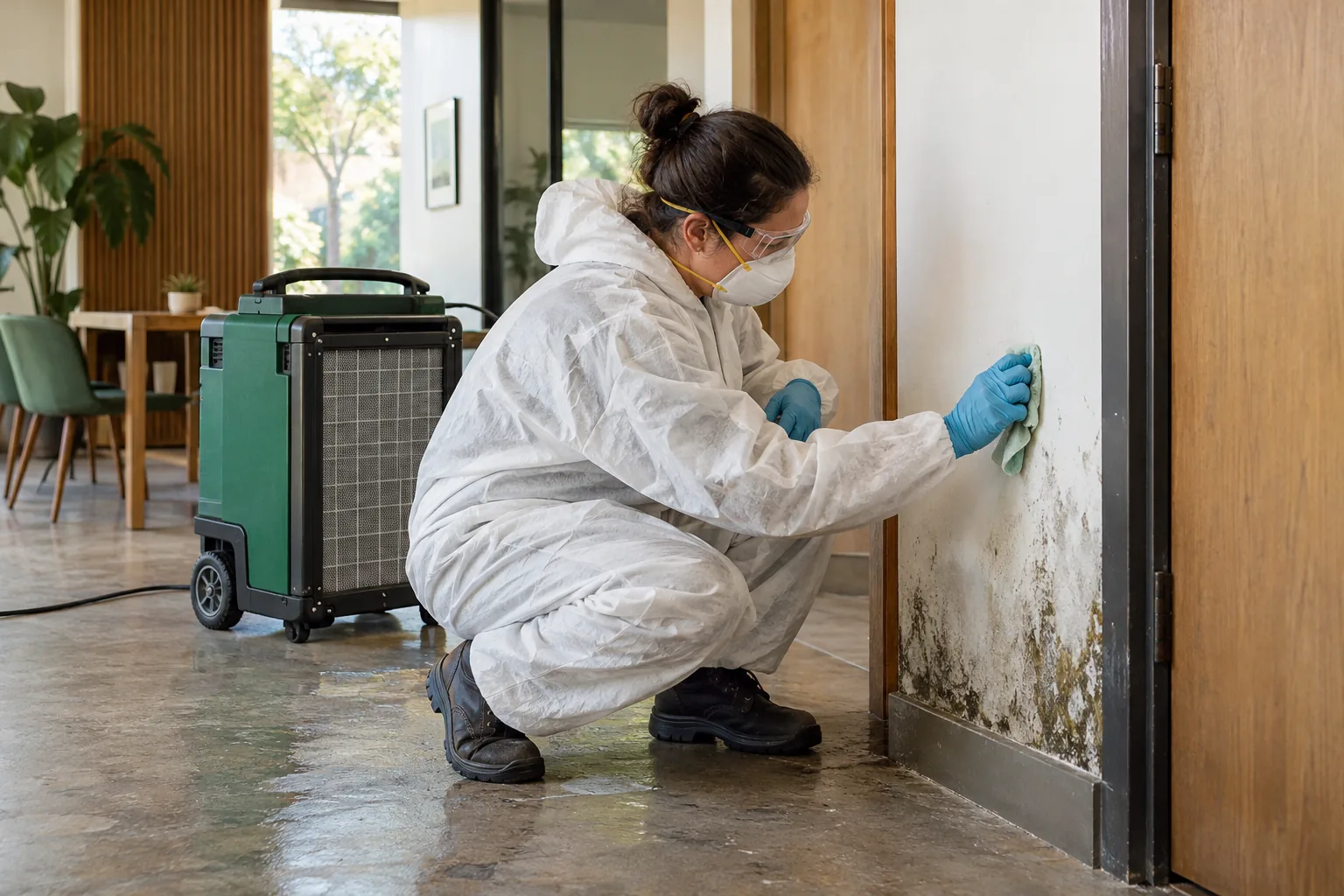
Set up HEPA air filtration and establish the equipment route. Confirm room clearance and occupant arrangements. A nominated contact should coordinate access and approved building procedures before work begins.
03
Select surface treatment
HOCl may be used where appropriate for the assessed materials. Compatibility remains important in a workplace. Treatment does not restore damaged finishes or establish suitability of neighbouring equipment for use.
04
Explain any ULV application
If ULV application is suitable, discuss its scope and preparation with the responsible person. Approved procedures govern any building-system arrangements. Application must not be mistaken for treatment of every concealed surface.
05
Remove accessible residues
Physical removal uses suitable equipment with H-class filtration. The remediation service explains how treatment and removal combine. Upholstery, carpets and stored textiles remain outside this structural-surface scope.
06
Finish filtration and review
Continue air filtration through completion. Explain treated areas, remaining staining and unresolved maintenance needs. The handover helps distinguish room cleaning from plant repair, decorative restoration or broader workplace management obligations.
VISIBLE & ACCESSIBLE
Rooms and surfaces to identify
Lunchroom walls
Give access around appliances and any plumbing history. Appliance servicing itself is outside the quoted removal work.
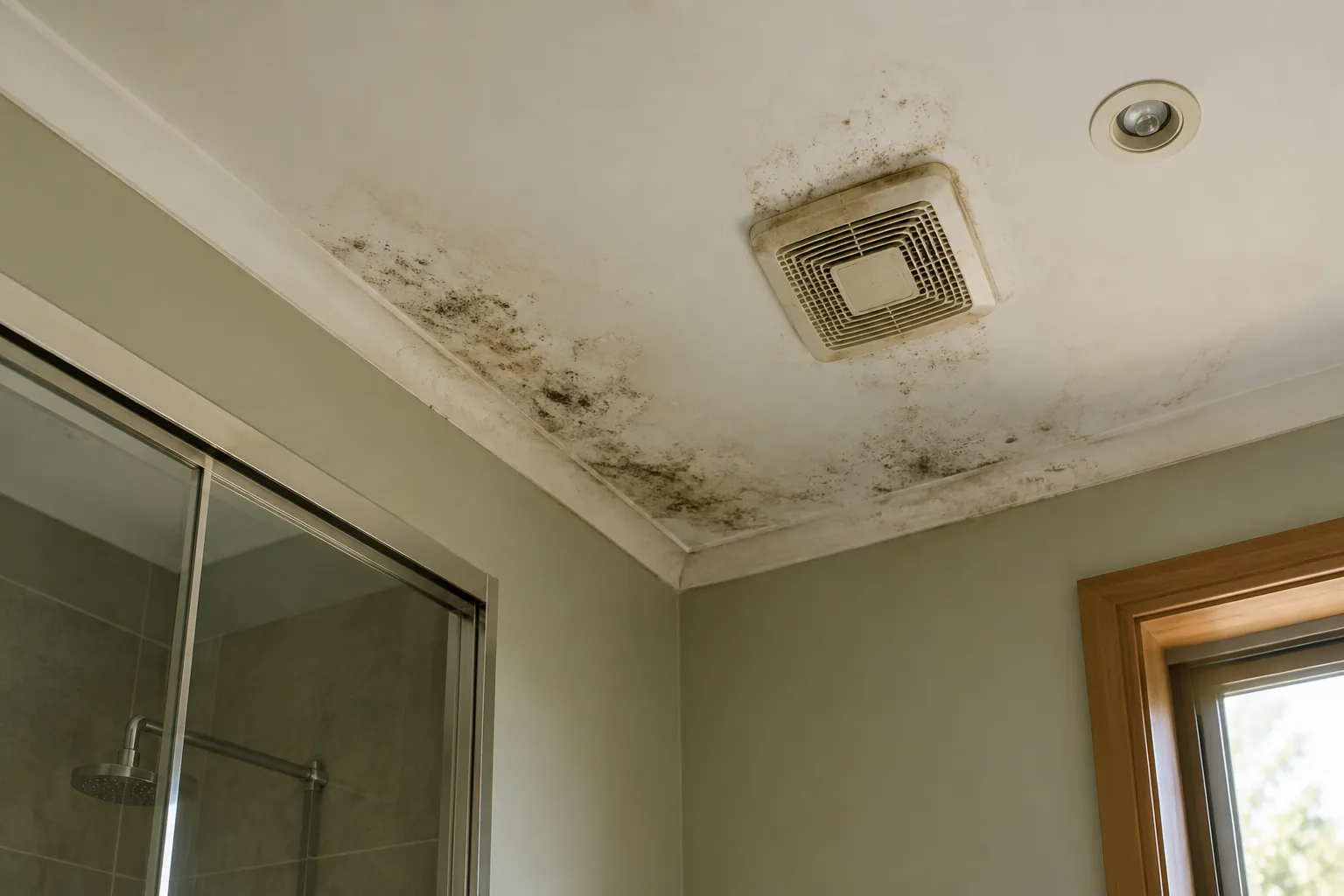
Washroom ceilings
Report height, extraction and loose paint. Persistent steam or leakage needs source-specific follow-up.
Storage-room walls
Describe fixed shelving and stock clearance. Reaching the wall safely matters more than the apparent patch size.
Hard floor margins
Name the floor finish and any distortion. Cleaning does not repair damaged flooring or include carpet.
PREPARATION & LIMITS
Understand the result
Visible accessible walls, ceilings and hard floors are included as agreed. Furniture, sofas, mattresses, carpets, curtains, clothing and other textiles are excluded. A site contact should separate those items from the structural surfaces when approving the job.
Average time is about three hours per room; size, contamination and access can change it. The service is not charged hourly. Cosmetic staining may remain after treatment. Repainting or decorating requires a separate quotation and should follow resolution of dampness.
AFTER THE SURFACE WORK
Prevent recurrence through maintenance
Keep a record of recurrent wetness and report it through the premises’ maintenance process. Repair leaks and review extraction rather than repeatedly wiping the same spot. Ensure storage arrangements do not block access or reasonable airflow around previously affected surfaces.
The removal overview defines the general service limits. Room filtration and surface treatment do not replace appliance repairs, building maintenance or any separate assessment needed for the property’s operations. Discuss the responsible follow-up contact before the room returns to routine use.
BRAESIDE · NEARBY LOCATION PAGES
Nearby locality links
Waterways, Aspendale and Mordialloc provide nearby navigation. Call with the actual premises address and room details. We do not claim a Braeside depot or an existing contract with any industrial business.
BEFORE YOU ARRANGE WORK
Questions for your enquiry.
Can you treat production machinery?
No industrial machinery service is established by this page. The described scope is visible accessible walls, ceilings and hard floors. Identify machinery-related concerns separately so they are not confused with a room-removal enquiry.
Who should be present to approve the scope?
Nominate someone authorised for the premises who can confirm the affected room, preparation and access. If the occupant cannot approve building-system arrangements, involve the responsible manager before booking treatment.
Can stock remain against the affected wall?
It may prevent access. Discuss clearance and protection before the visit; do not assume technicians will move inventory or heavy racking. The method and working route need to reflect what is safely reachable.
Does treatment certify the room for food handling?
No. This is a mould-removal scope, not a food-premises certification or broader compliance assessment. The business remains responsible for any separate requirements applying to its operations and equipment.
Are carpets and chairs included?
No. Carpets, upholstery and furniture are excluded. Explain affected items during the enquiry so separate decisions can be made rather than assuming everything in the lunchroom is part of treatment.
What if marks return beside a refrigeration unit?
Revisit the moisture source with the appropriate maintenance trade. Cleaning the wall does not service the appliance or correct condensate handling. Explain the recurrence history when requesting another assessment.
Discuss the Braeside premises
Call 03 8652 1296 with the address, authorised contact and affected finishes. We can discuss preparation, access and a defined interior structural-surface scope.
Useful references: Official local context