
ENSUITE CORNERS · MOISTURE · SURFACES
GLEN WAVERLEY · MELBOURNE
Mould Removal Glen Waverley
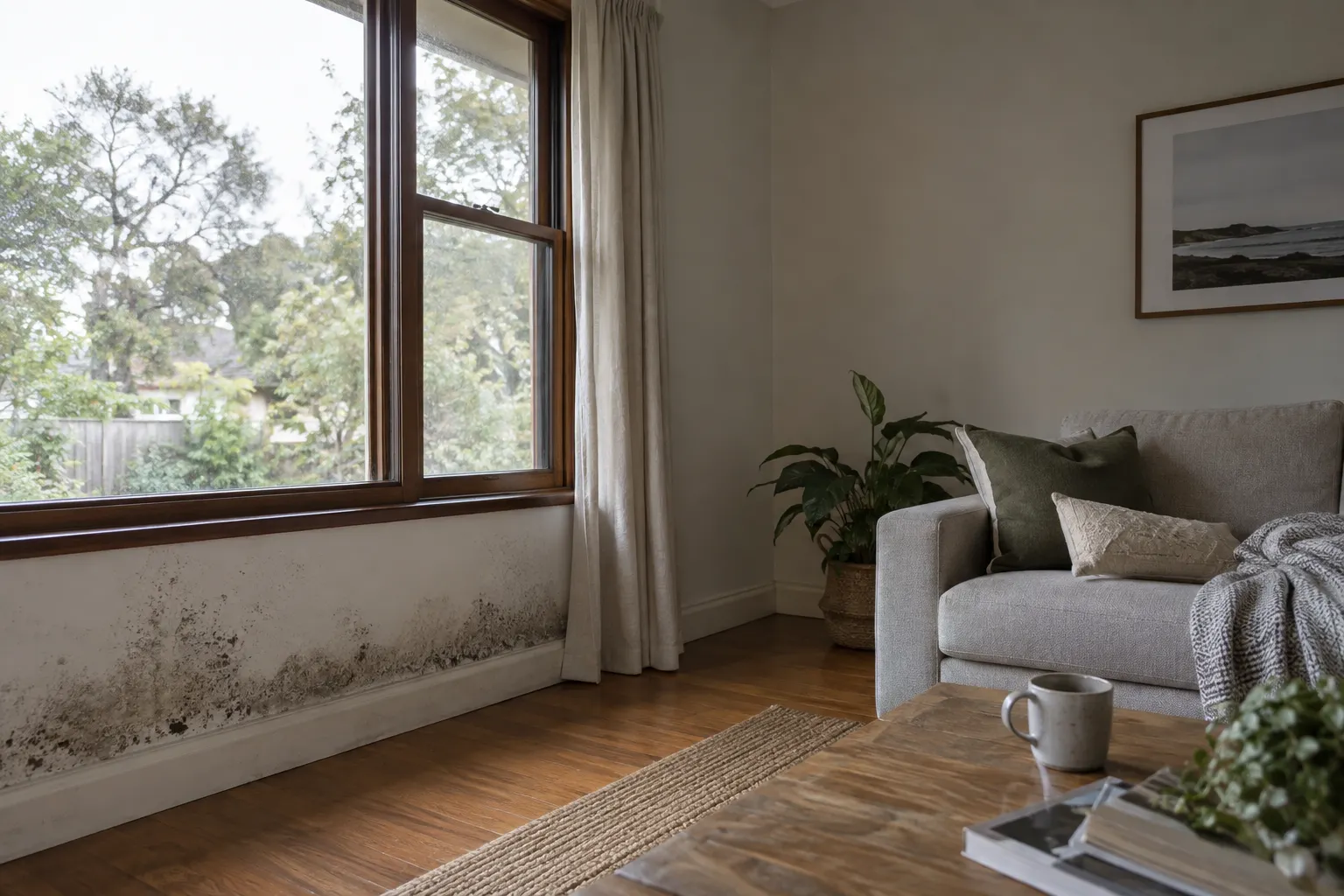
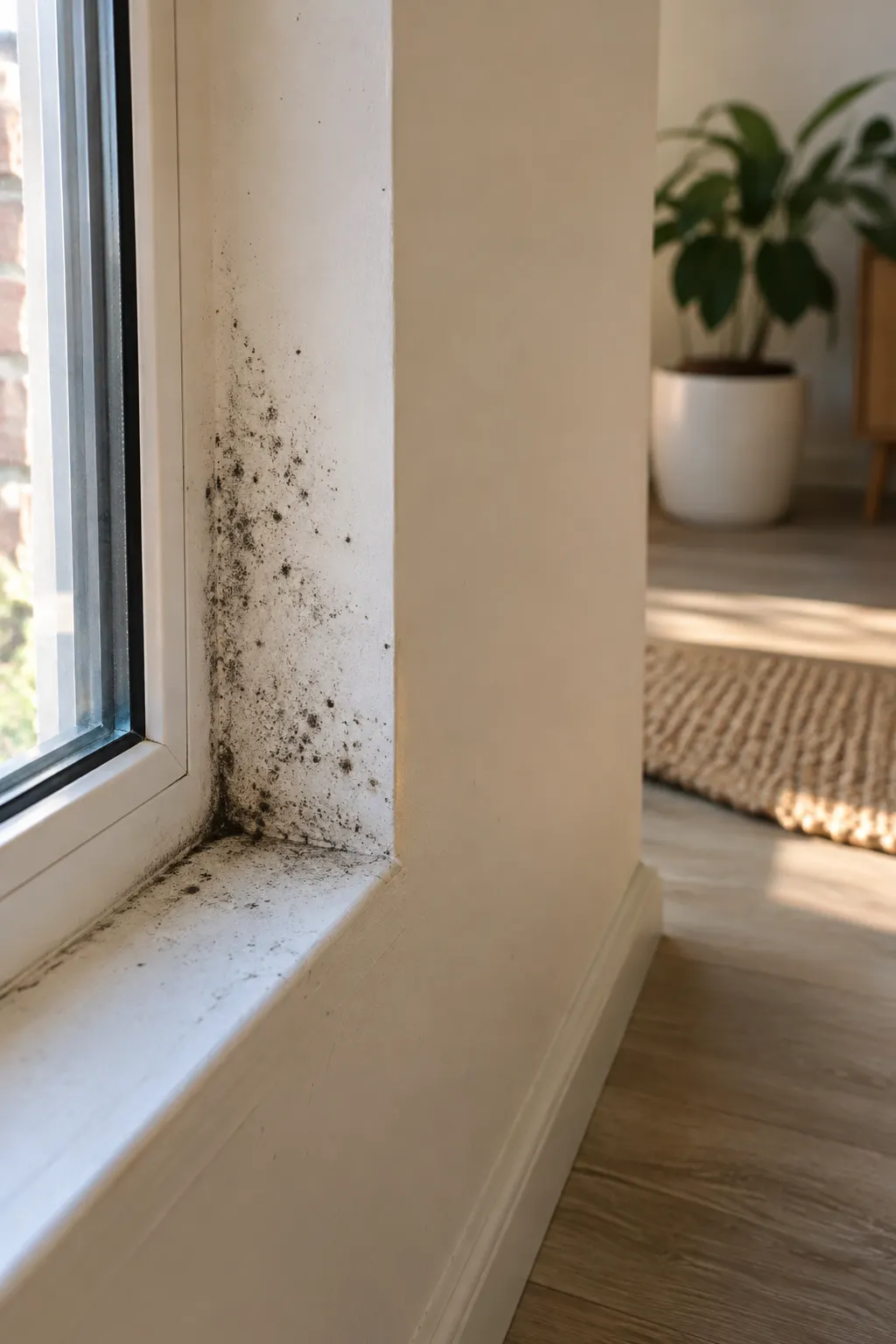
An ensuite corner may remain damp even when the shower looks clean. For Glen Waverley, describe the ceiling, door position and how moisture leaves the room after the last shower.
Visible material considered
Moisture history discussed
Access and scope agreed
THE ROOM TELLS A STORY
A small room can hold a lot of moisture
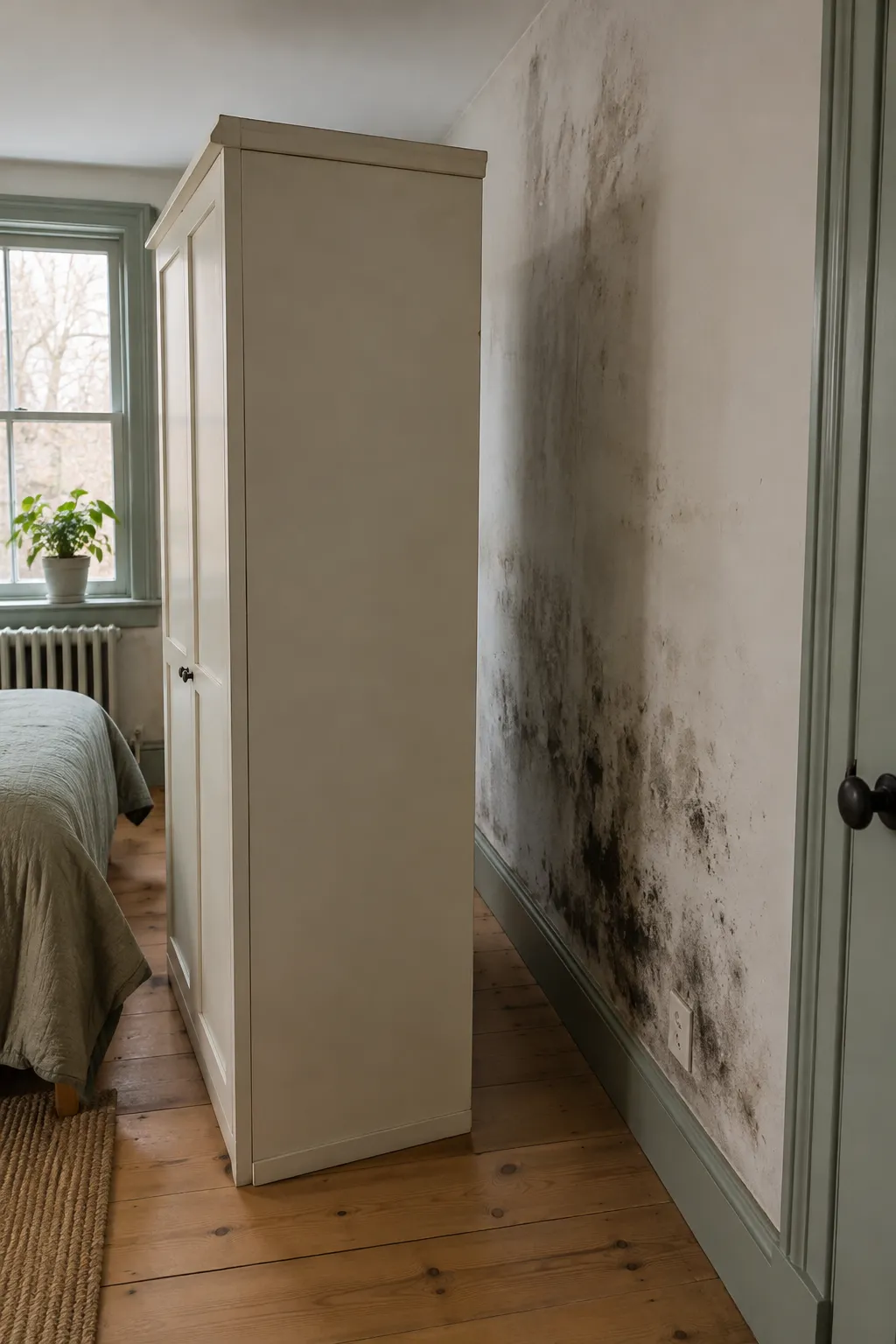
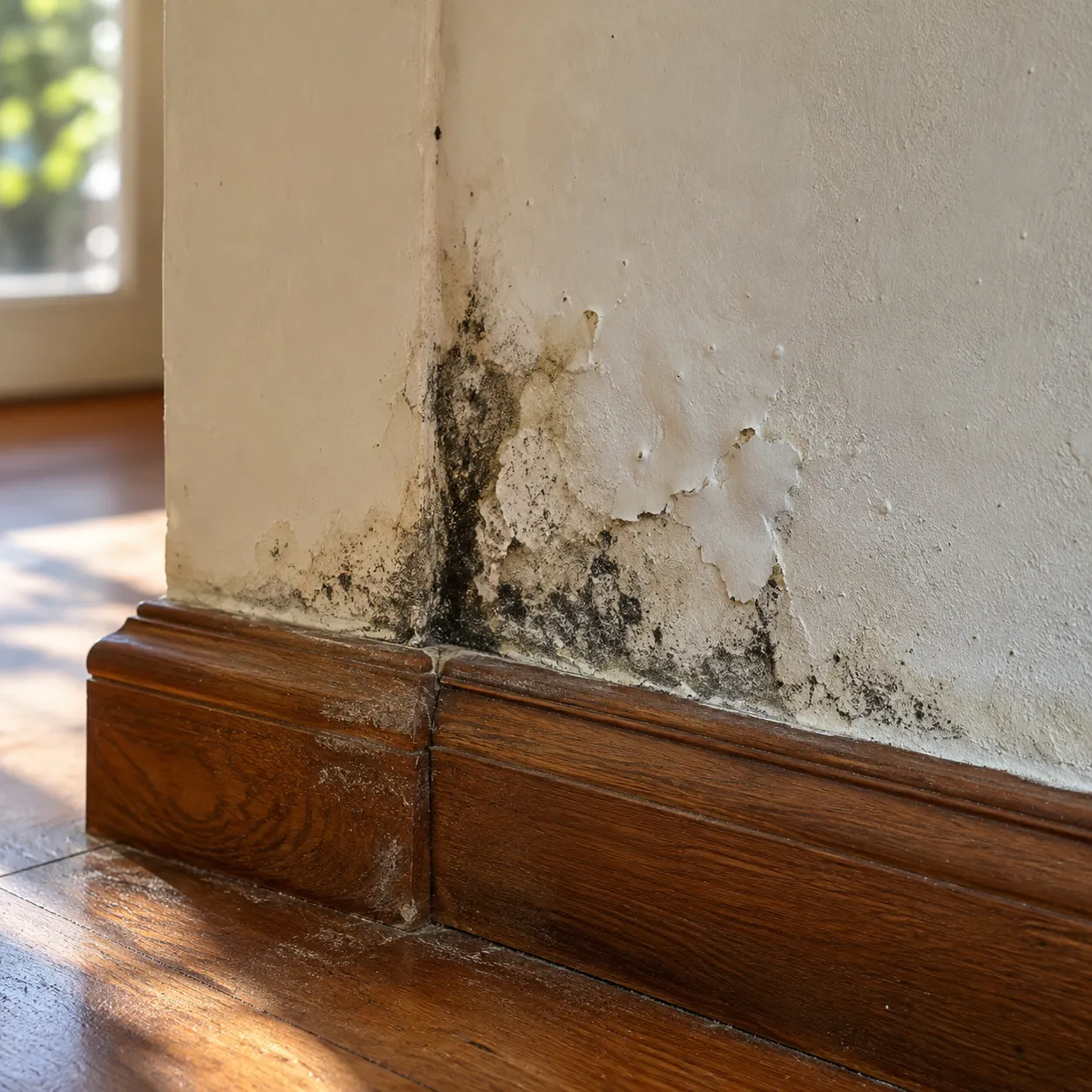
Monash identifies Glen Waverley as a suburb in its municipality. In an ensuite with limited openings, focus on the actual extraction and drying pattern. If mould appears both above the shower and behind a vanity, record each location: one cleaning method or moisture explanation may not suit every surface.
Include both ceiling and vanity observations in the ensuite inspection enquiry. Their material and access limits may differ, so a room-wide description should not become a promise that concealed cabinetry or every finish can be treated identically.
UNDERSTANDING MOISTURE
Make sense of
drying in a small ensuite.
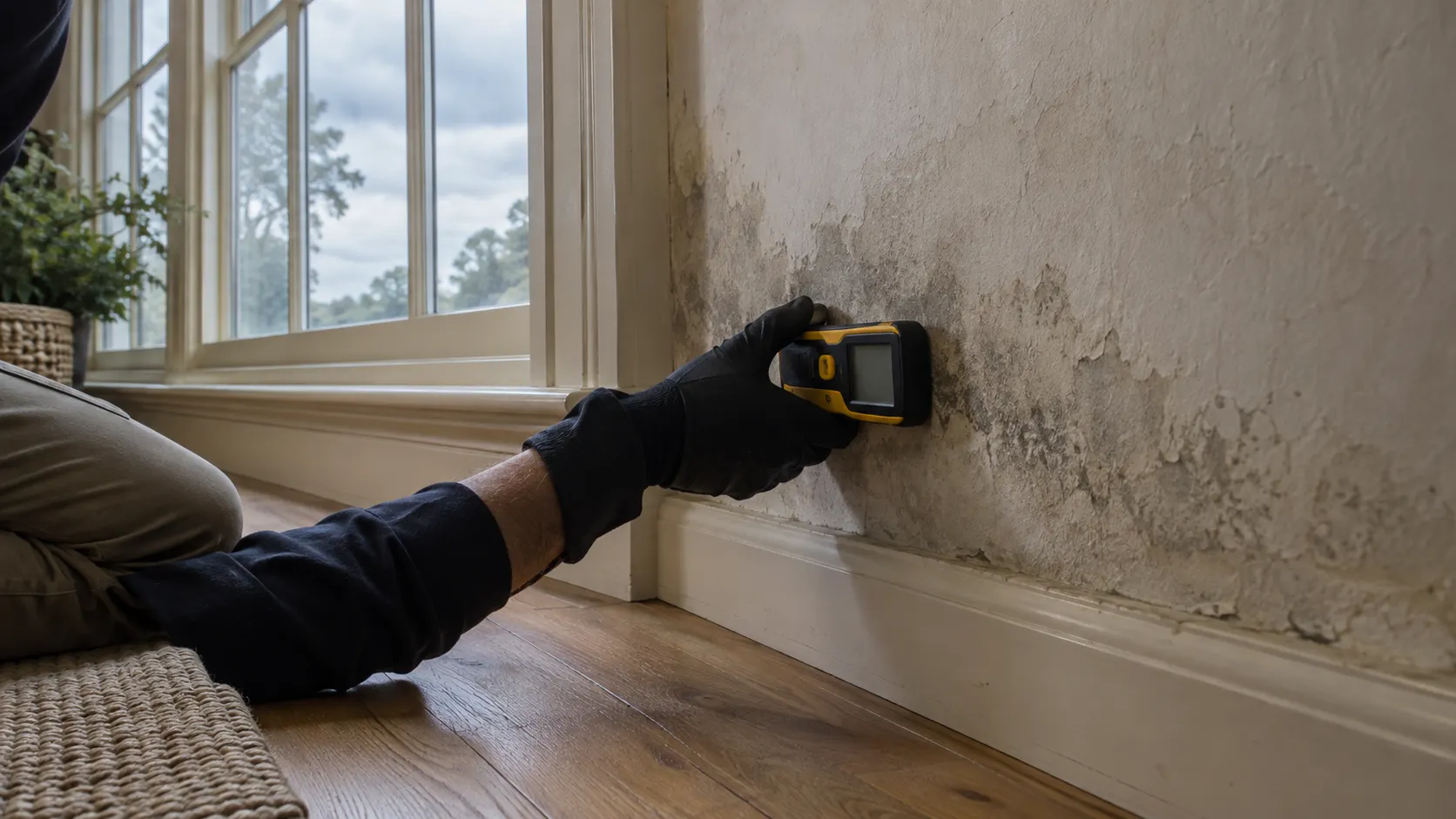
What stays damp
Track the ensuite after its last shower, not only while steam is visible. Persistent damp corners and droplets on cooler surfaces help explain whether the small room dries adequately between uses.
Leaks and repairs
A wet vanity corner may involve a different issue from ceiling condensation. Note fixture use, visible water and earlier repairs rather than treating every ensuite mark as the same moisture problem.
Accessible evidence
Painted plaster, cabinetry and shower joints need their own condition descriptions. Reachable sound surfaces differ from damaged board or concealed joinery, so define the materials before treatment is agreed.
OUR REMOVAL PROCESS
Plan the work
around the room.
Keep the room history
Record the last shower, fan use and how long droplets remain visible. Include whether a door or window can open, without assuming this proves adequate extraction.
Make access practical
Tell us which vanity surfaces are reachable and which are concealed by joinery. Removing fixed cabinetry to investigate dampness needs its own authorisation and preparation.
Agree the next decisions
Discuss the room’s unresolved drying pattern before redecorating. An ensuite that looks clear immediately after treatment may still accumulate moisture during its next period of use.
01
Assess the ensuite corner
Describe ceiling growth and marks behind the vanity as separate locations. An accessible removal scope should recognise their different materials and any limits behind fitted furniture.

02
Prepare the working area
Arrange room access without crowding the working area with toiletries or movable storage. Mention the limited opening space and any fragile fittings around the ensuite.

03
Remove and review
Recheck how the ensuite dries after subsequent use. A treated ceiling and a still-damp vanity corner may call for different follow-up rather than another identical cleaning routine.
COMMON AREAS AFFECTED
Different surfaces.
Different decisions.
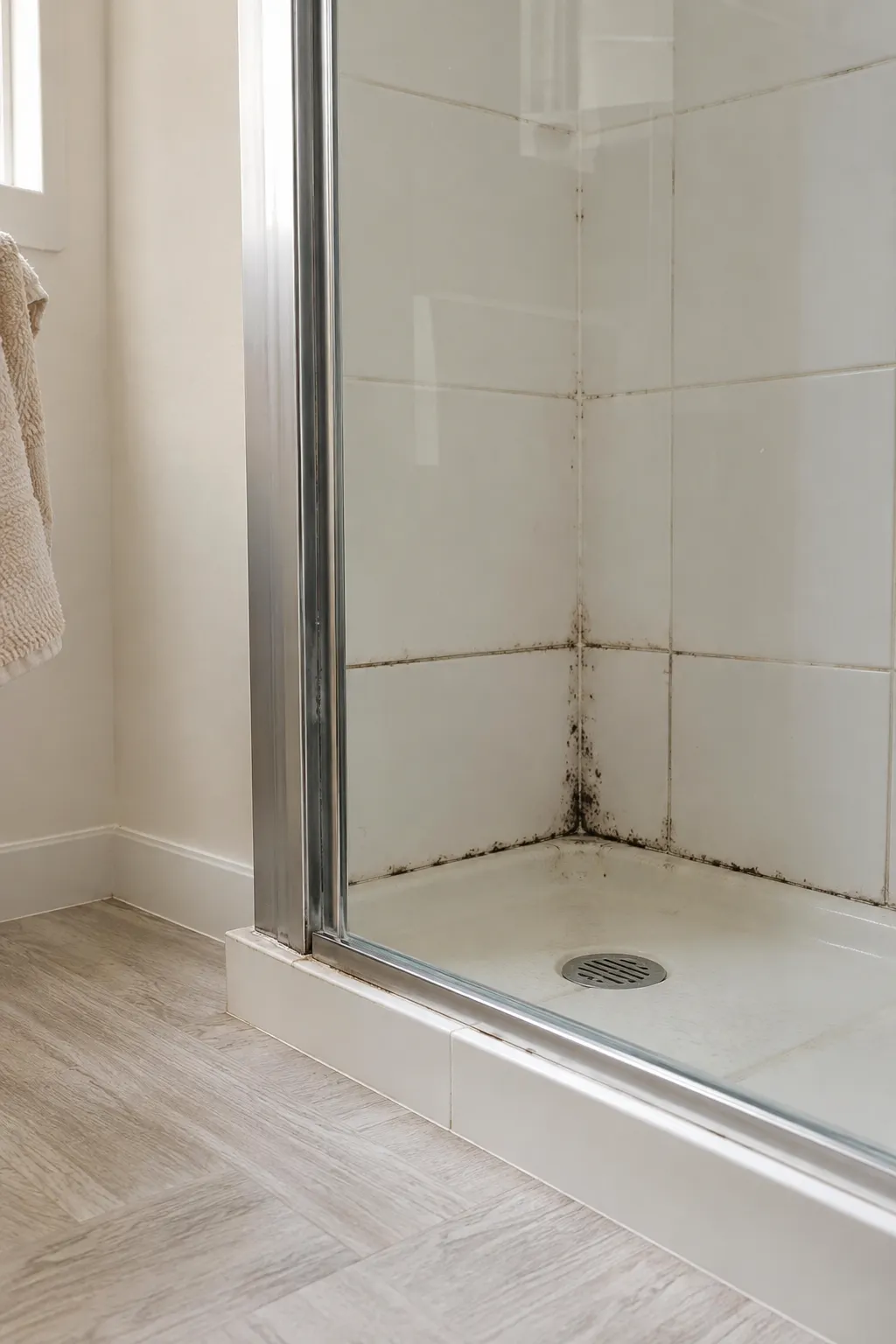
Bathroom junctions
Describe both the shower enclosure and growth outside it. The amount of steam and the condition of joints can be relevant independently, without proving one explains the other.
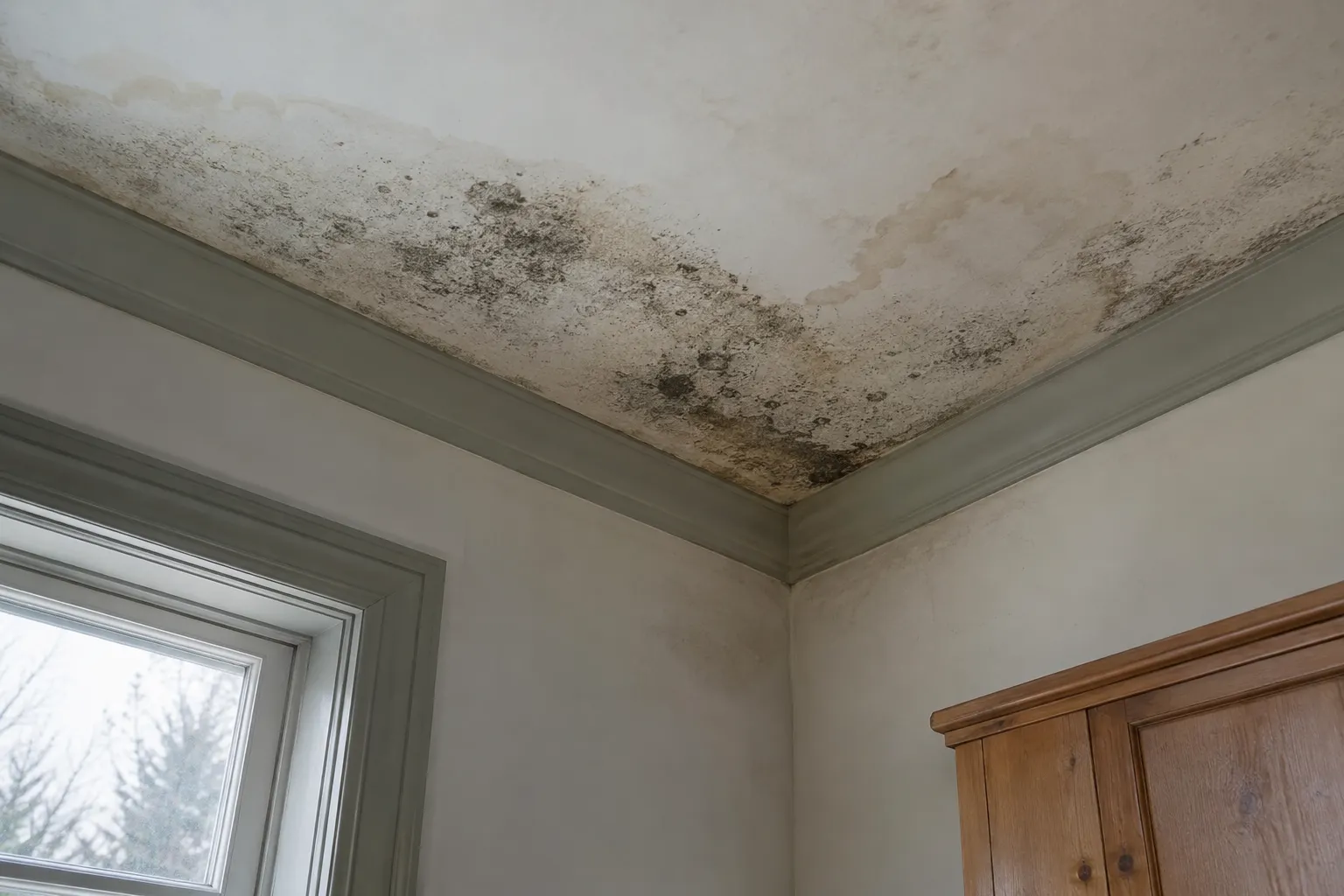
Ceiling surfaces
For ceiling spots, record extraction use and whether the finish remains firm. A changing stain or damaged plaster may need follow-up that differs from removal of surface growth.
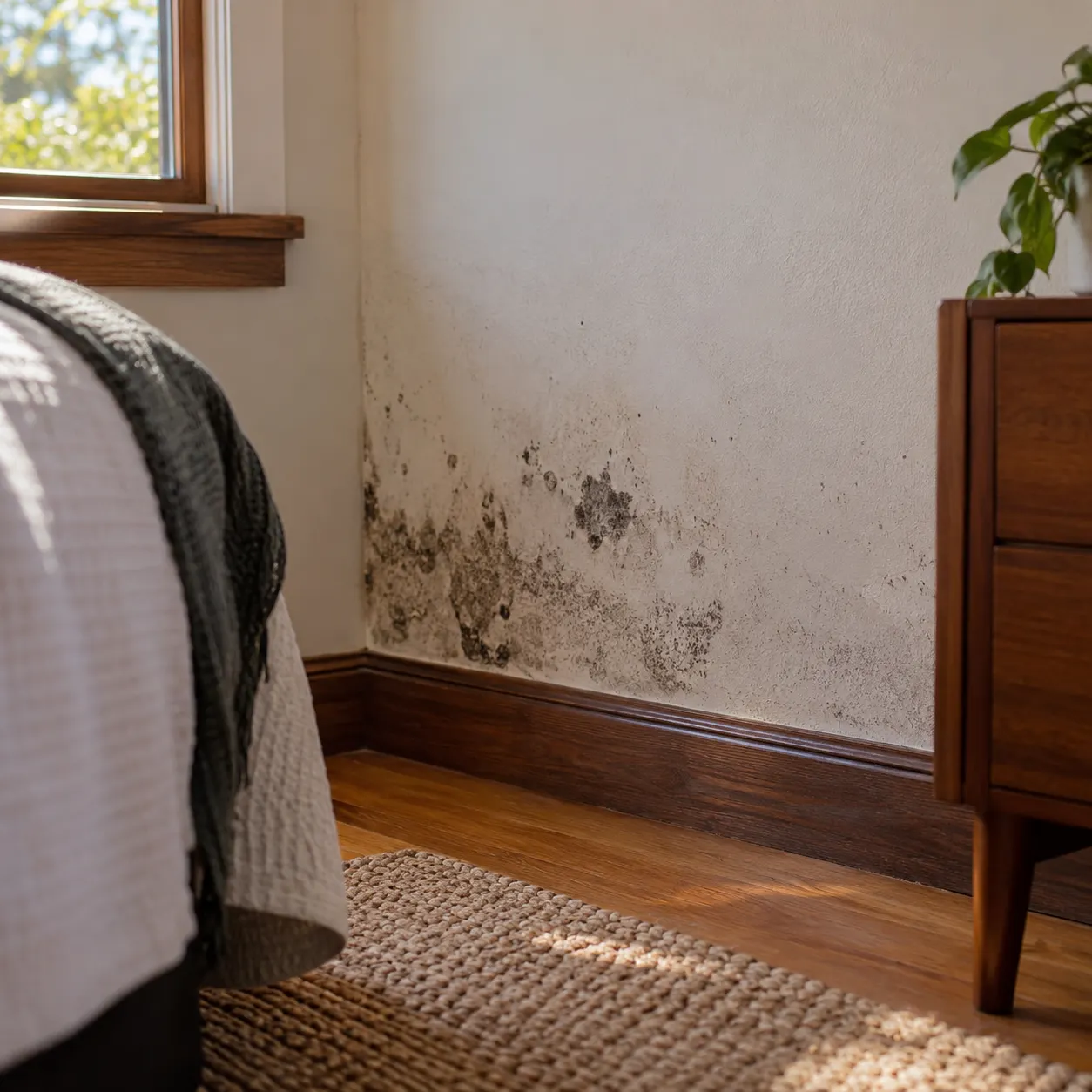
Painted walls
The visible wall beside a vanity may not reveal the space behind the unit. State what can be reached and whether fixed cabinetry limits inspection of the adjoining corner.
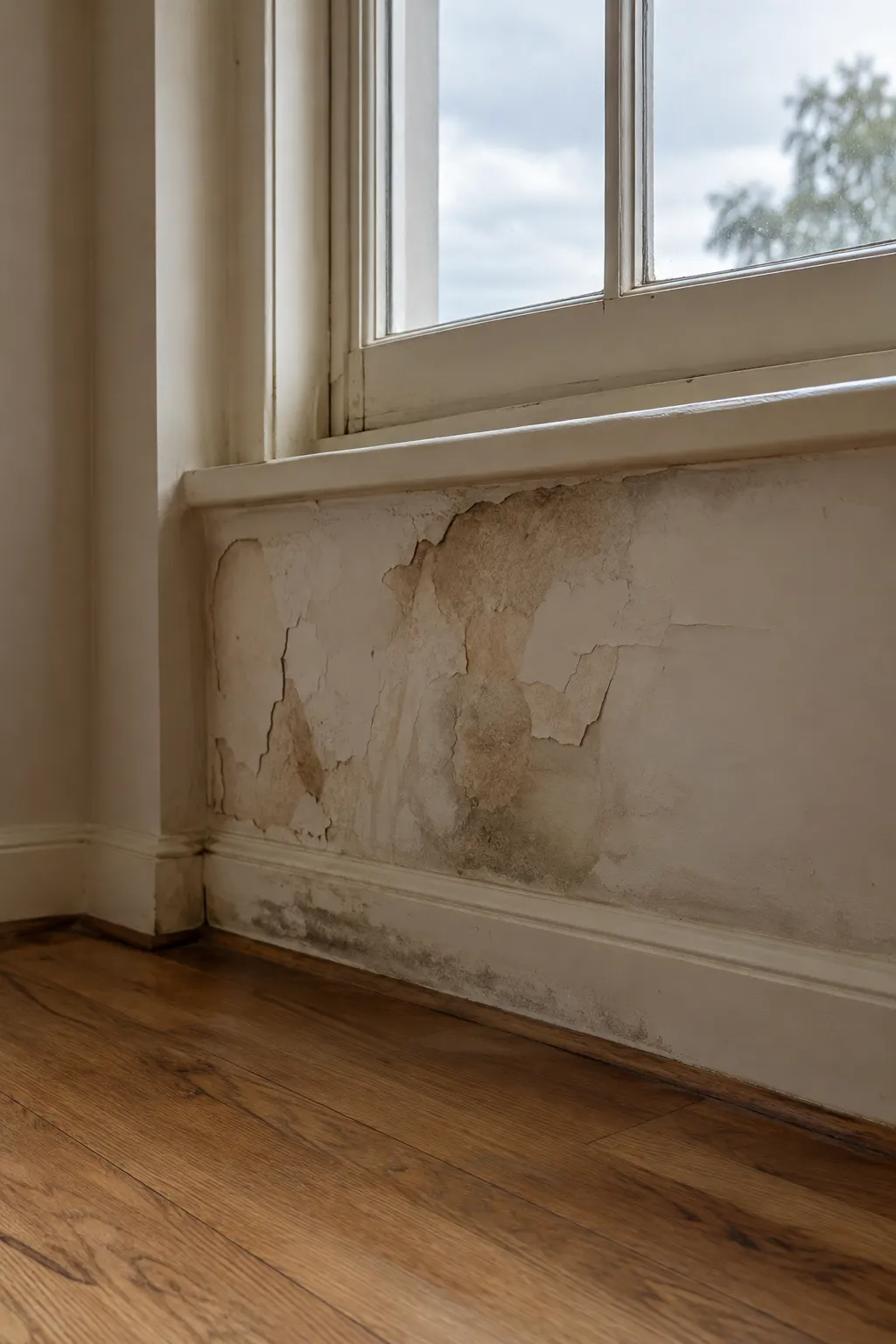
Water-affected rooms
If a fixture previously leaked, add that event to the ensuite history. Damage to cabinetry or porous material needs assessment alongside the visible marks, even after water has stopped.
PREVENTION STARTS WITH
Follow the source.
Protect the finish.
Observe the drying pattern
Check that normal use leaves the room with a practical opportunity to dry. Observe wet corners after the fan stops, and investigate continuing fixture moisture rather than simply extending a cleaning routine.
Follow up before decorating
Keep the vanity corner and ceiling in view until repairs and drying questions are settled. If several materials are involved, a broader remediation scope should identify them separately.
GLEN WAVERLEY & NEARBY
Glen Waverley and nearby rooms.
Read Notting Hill and Mount Waverley for guides to nearby properties. A Glen Waverley ensuite call should identify the precise address, accessible surfaces and room layout so preparation is considered for that space rather than borrowed from another bathroom.
BEFORE YOU CALL
The useful
questions.
Why look behind the vanity as well as above the shower?
Those locations can have different materials and moisture histories. Describe both accessible areas instead of assuming one cause or treatment suits the entire ensuite.
Is a small room automatically prone to mould?
The room’s actual moisture, extraction and surface condition matter. Size alone cannot establish why growth appeared or prove that a particular intervention will resolve it.
Should the ensuite door be part of the account?
Mention the usual drying arrangement, including available openings. This gives practical context without treating door position as a substitute for investigating a leak.
Can fixed cabinetry be removed during surface work?
Only with an agreed scope and permission. Explain access limits first; treatment of a visible wall does not automatically include dismantling the vanity.
What if the ceiling clears but the corner stays damp?
Record the remaining location and timing. Different moisture routes can need separate follow-up, even when one suitable surface has already been treated.
How do I describe a Glen Waverley ensuite?
Provide the address, affected ceiling or wall materials and drying routine. Include fixture history and any fixed furniture that restricts inspection or work access.

TELL US WHAT YOU CAN SEE
Describe the mark.
Plan the next step.
Explain the ensuite’s drying routine and which corners remain affected. On 03 8652 1296, discuss the Glen Waverley address, fixed-furniture access and suitable information for the next decision.
Local context: Monash suburb profile