
HOUSTON · MELBOURNE
Mould Removal Houston
HOUSTON / THE ACTUAL ROOM
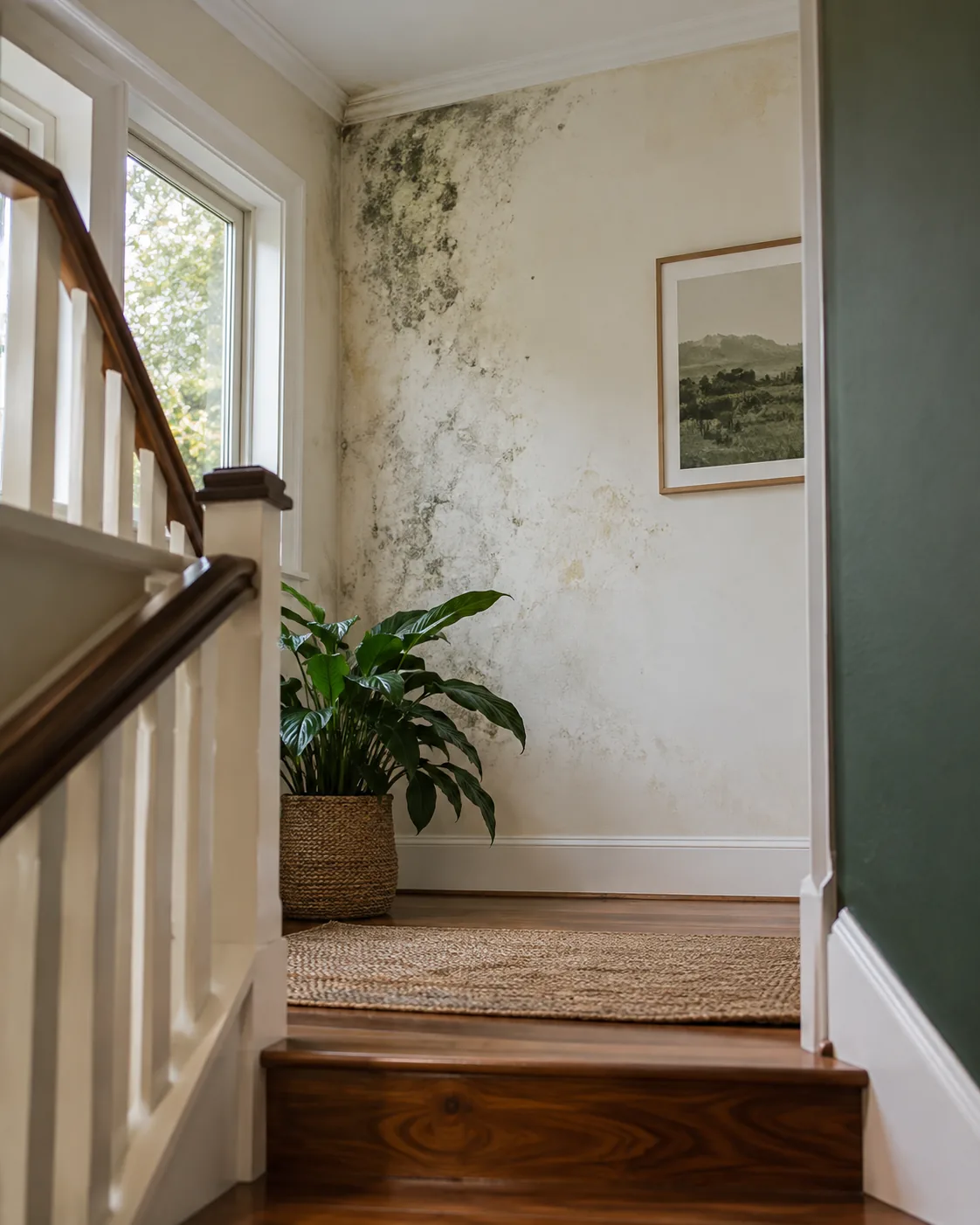
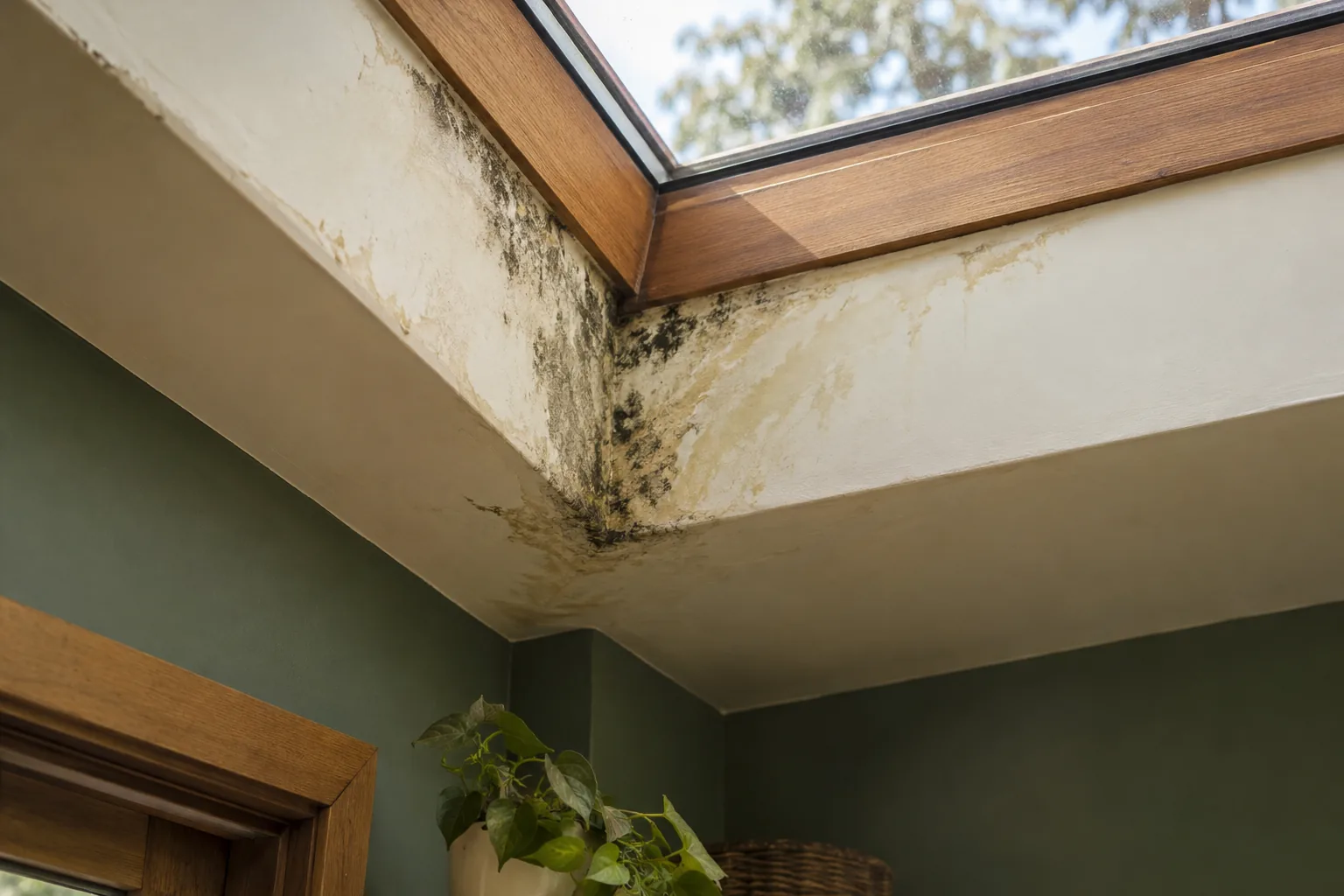
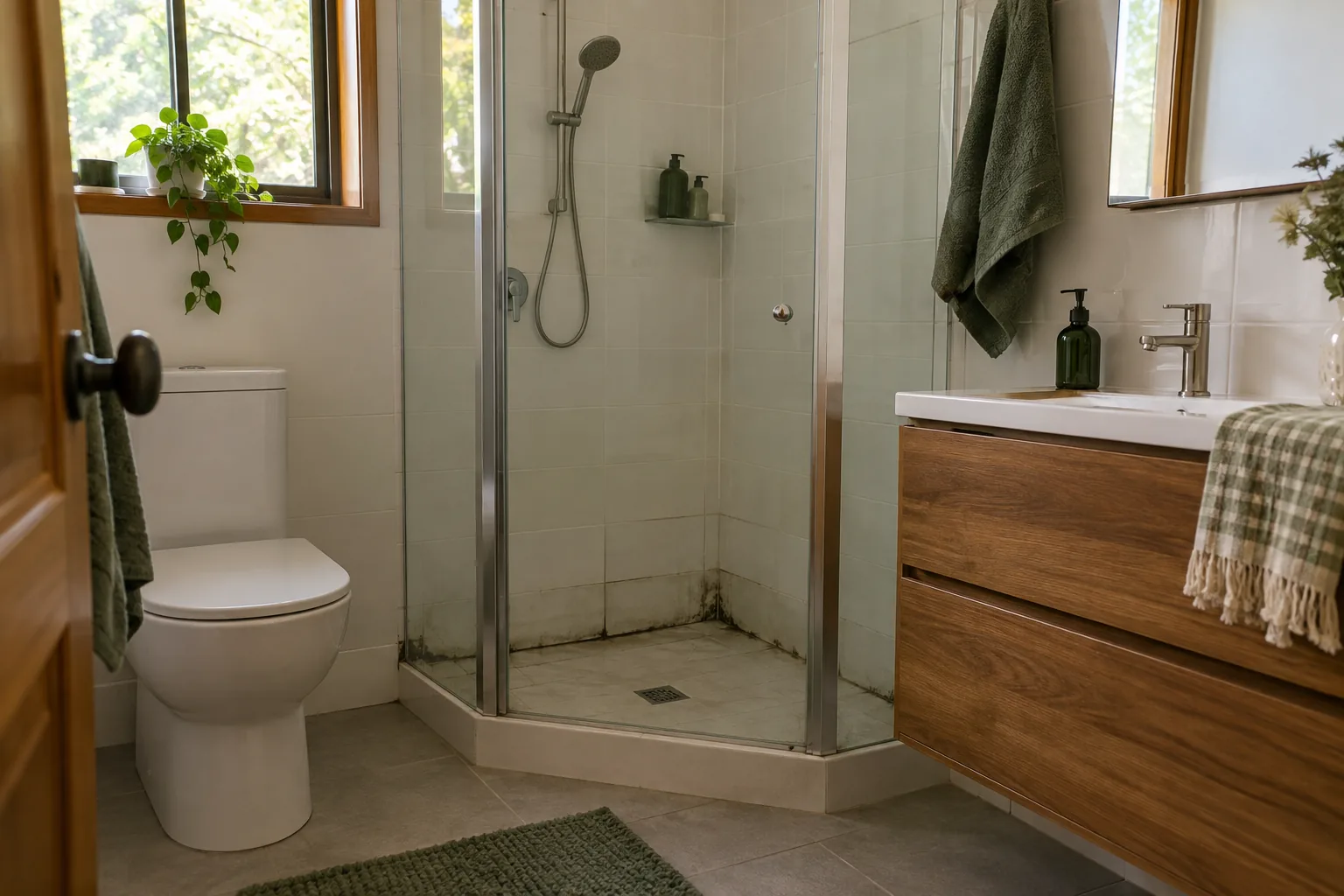
For an interior near Houston’s local shops, explain the room before relying on the neighbourhood name. A back wall marked beside stored supplies needs an access plan and moisture history. We can discuss the actual property and surfaces without assuming the visible patch reveals its cause.
Property address clarified
Storage clearance discussed
Moisture source kept separate
SURFACES & THEIR SETTING
A local shopping reference in Box Hill South
Whitehorse Council identifies Houston Shops on Middleborough Road in Box Hill South. Give the street and premises address when enquiring; this is a neighbourhood reference rather than a separate bounded suburb or local office.
A room beside stored supplies
Photograph the wall and obstruction separately. A mould inspection can consider accessible condition. Contents and furniture are not automatically treated because they stand beside growth; handling and clearance should be agreed first.
Clarify the authorised contact
State who can approve work, provide entry and explain any operational constraints. A local shop name helps orientation but cannot identify one room or permission to treat it. The room list should be clear before an appointment is arranged.
Describe dampness and material honestly
Tell us about leaks, room closure or ventilation changes without choosing a cause from the mark’s colour. Relevant maintenance notes are useful where available.
Structural treatment scope
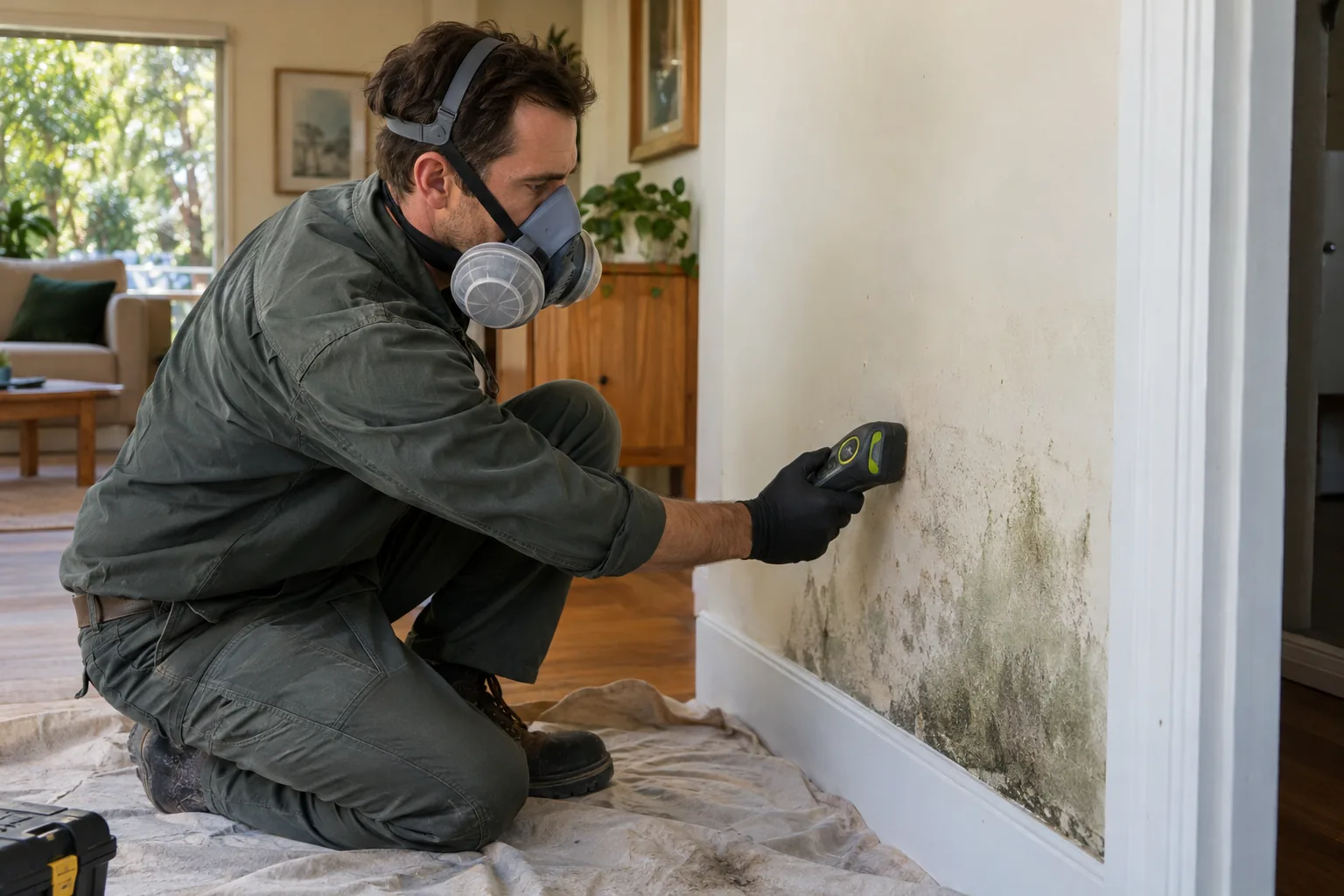
The removal service concerns visible, accessible walls, ceilings and hard floors. Furniture, carpet, curtains, mattresses and clothing are excluded. Fragile coatings, blocked areas and concealed construction need limitations or separately defined investigation.
Outstanding water entry
A pipe, roof or building defect requires separate repair. Treatment does not stop a leak or rebuild damaged materials. Humidity readings provide room context but cannot confirm dryness in every hidden layer or that a defect is resolved.
THE SURFACE REMOVAL PROCESS
A scope-led plan for the interior
01
Review the accessible surfaces
The technician considers growth extent, finish and room history. Hygrometer information may support the assessment. Restricted or blocked sections remain limitations unless additional access or investigation is explicitly agreed.
02
Prepare with filtration
Agree clearance and occupant arrangements. HEPA filtration supports the work as appropriate. Supplies moved to reveal a wall remain outside treatment, and potentially affected contents should not be distributed elsewhere without discussing handling.
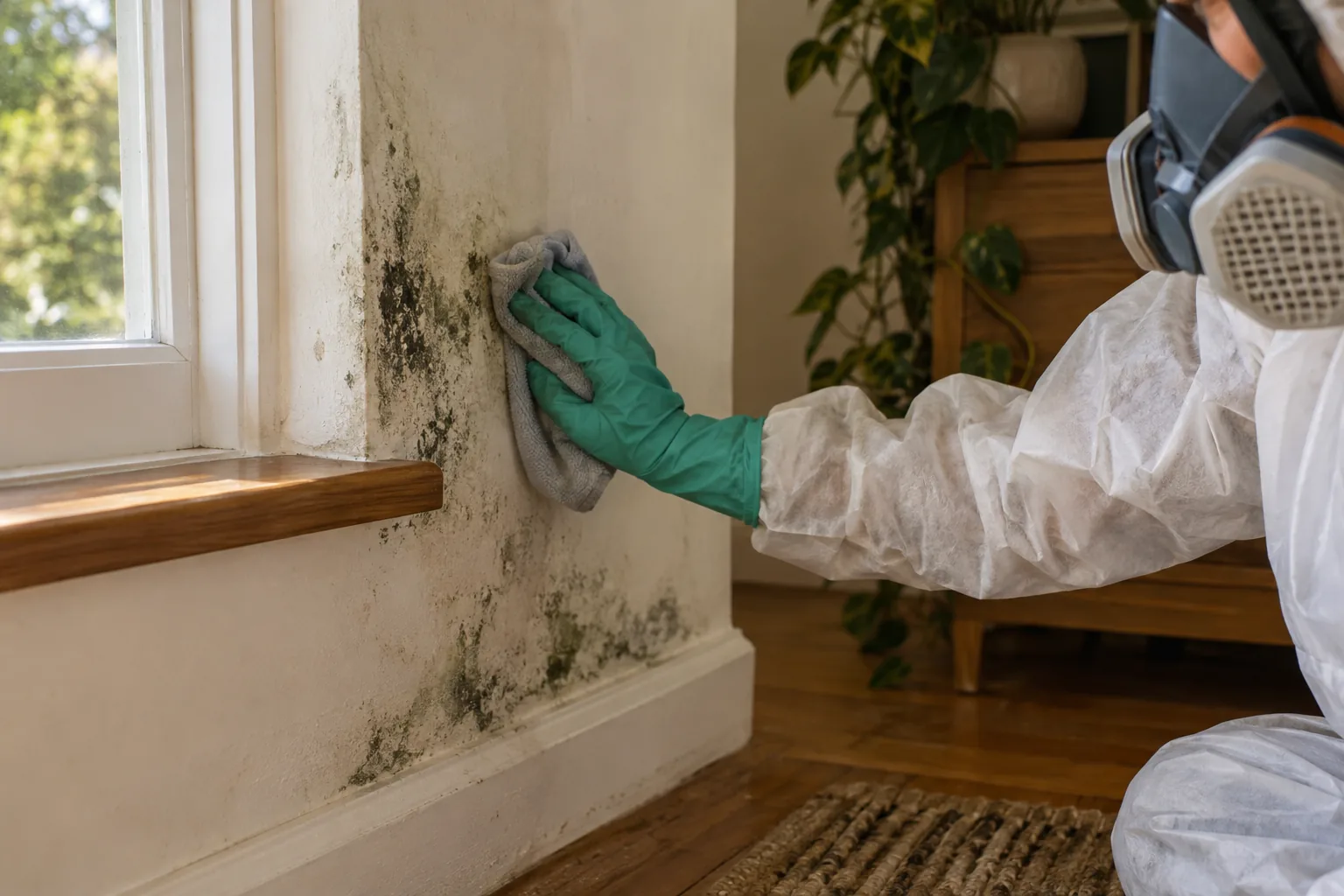
03
Choose suitable application
HOCl treatment is considered for the actual surface. Mention previous cleaning or fragile paint. The method addresses growth without promising restoration of damaged coatings or complete disappearance of every cosmetic mark.
04
Use ULV when appropriate
Fog application may be part of the agreed process. Follow preparation and return arrangements. Any alarm procedure needs approval from the responsible person rather than independent switching off ahead of the visit.
05
Remove visible residues
Suitable physical removal uses professional H-class filtered equipment. Work stays within agreed structural surfaces. Textiles, furniture, concealed cavities and specialised contamination require a different enquiry or separately arranged work.
06
Complete filtration and hand over
Final filtration continues as required. Discuss remaining staining and outstanding moisture work. A clear handover distinguishes treatment from repair and decorating, without promising permanent prevention under continuing damp conditions.
VISIBLE & ACCESSIBLE
Useful interior descriptions
Back-room walls
Show finish and storage clearance.
Amenities ceilings
Mention extraction and visible extent.
Entry wall sections
Explain access and the affected material.
Hard-floor edges
Identify the finish and water marks.
PREPARATION & LIMITS
Timing and finish should be agreed clearly
Around three hours per room is an average working estimate. Size, contamination and access affect duration, and the service is not hourly-based. Confirm the actual room scope before fitting work into a fixed tenancy or operational schedule.
Remediation may leave cosmetic stains, with decorating separately quoted. Moisture-source repair remains separate too. Existing growth can be addressed while continuing dampness still needs attention and may permit recurrence.
AFTER THE SURFACE WORK
Keep storage from hiding the next change
After agreed return arrangements, keep ventilation paths clear and use functioning extraction where moisture is produced. Allow reasonable airflow beside wall-facing belongings. A storage layout should not conceal a wet area that still requires repair advice.
Retain dated photographs and maintenance notes. Humidity observations can support follow-up information but cannot diagnose every hidden defect. Report continued water entry to the appropriate contact rather than relying on repeated surface wiping or fresh paint.
HOUSTON · NEARBY LOCATION PAGES
Houston and the surrounding address guides
Nearby pages help orient a Box Hill South-area enquiry. Give the actual street and postal suburb when calling, so the Houston neighbourhood label does not create a duplicate appointment or imply a separate service office.
BEFORE YOU ARRANGE WORK
Questions for your enquiry.
Is Houston a separate Melbourne suburb?
This page uses the local Houston Shops reference identified by Whitehorse Council in Box Hill South. Give the actual property address and postal suburb.
Can a storage-room wall be included?
Describe the accessible surface, material and clearance so a suitable scope can be discussed. Contents are excluded, and fixed obstructions may require separate access decisions.
Are supplies stored beside the wall treated?
They are not assumed in the structural-surface scope. Discuss clearance and separate handling where needed. Moving contents to reveal growth does not mean the same treatment is suitable for those items.
Who should arrange work in a tenancy?
Use a contact authorised to agree the room scope and provide entry, coordinating with the owner or manager as needed. Clear permission prevents conflicting instructions about surfaces, operational timing or additional work.
Does treatment include source repairs?
Roof, plumbing and building defects require separate attention. Explain ongoing dampness and relevant maintenance notes. Removing visible growth cannot make a leaking fitting watertight or certify dryness throughout concealed material.
Will the wall’s original finish return?
Cosmetic restoration is not guaranteed. Stains or damaged paint may remain, requiring separately quoted decorating after moisture concerns are considered. Treatment and appearance restoration should have distinct expectations.
Confirm the property and room behind the local name
Call 03 8652 1296 with the Houston-area address, visible surface and entry contact. Discuss assessment and preparation before arranging treatment.
Useful references: Whitehorse Houston Shops Box Hill South