
WATTLE PARK · MELBOURNE
Mould Removal Wattle Park
WATTLE PARK / THE INTERIOR EVIDENCE
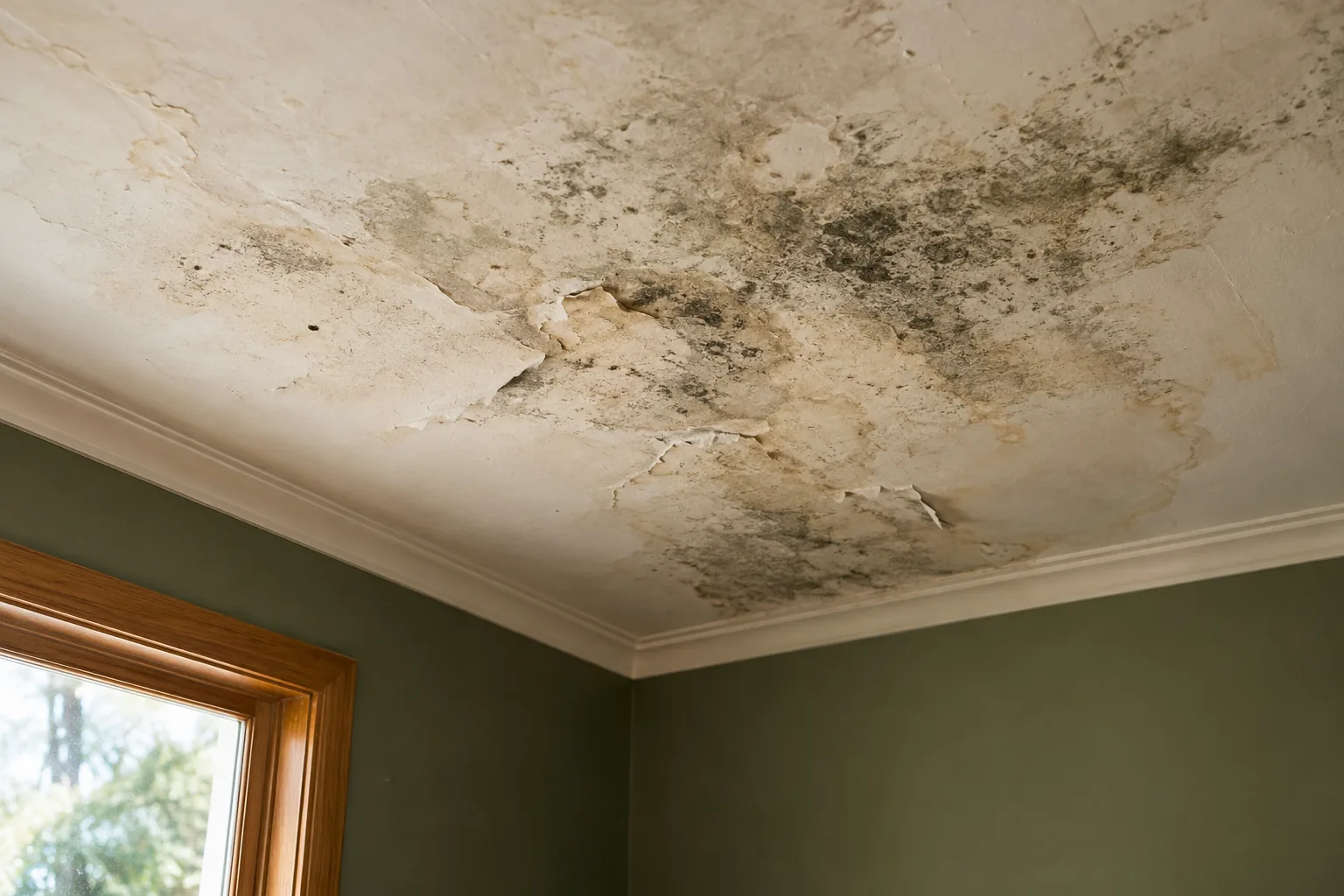
For a property described as near Wattle Park, begin with its actual address and visible indoor concern. A ceiling patch after a roof repair needs a clear history, not an assumption based on nearby trees or parkland. We can discuss the accessible surface and preparation for that room.
Exact property identified
Roof history considered
Indoor scope clearly defined
SURFACES & THEIR SETTING
Park-side orientation, property-specific work
Parks Victoria identifies Wattle Park in Burwood. This page concerns actual nearby interiors; it does not claim treatment of parkland, a park-based office or a shared moisture cause for surrounding properties.
A ceiling after maintenance
Give the roof repair date and whether wetness continues. A mould inspection can consider accessible condition and relevant room information. A repair record or ceiling photograph cannot establish that every concealed material is dry.
Clarify the building entry
Provide the street, property number and authorised contact. A park name helps orientation but does not identify the correct interior. Mention access constraints and belongings before assuming the room is ready for treatment.
Separate outdoor context from indoor evidence
Tell us about growth, stains, peeling paint and current dampness. The visible surface and maintenance history matter more than an assumed explanation involving surrounding vegetation.
Accessible structural scope
The removal service concerns visible walls, ceilings and hard floors. Fragile finishes or soft plaster need discussion. Furniture, carpet, curtains, mattresses and clothing are excluded. Concealed construction requires a separate investigation and access decision.
Outstanding source work
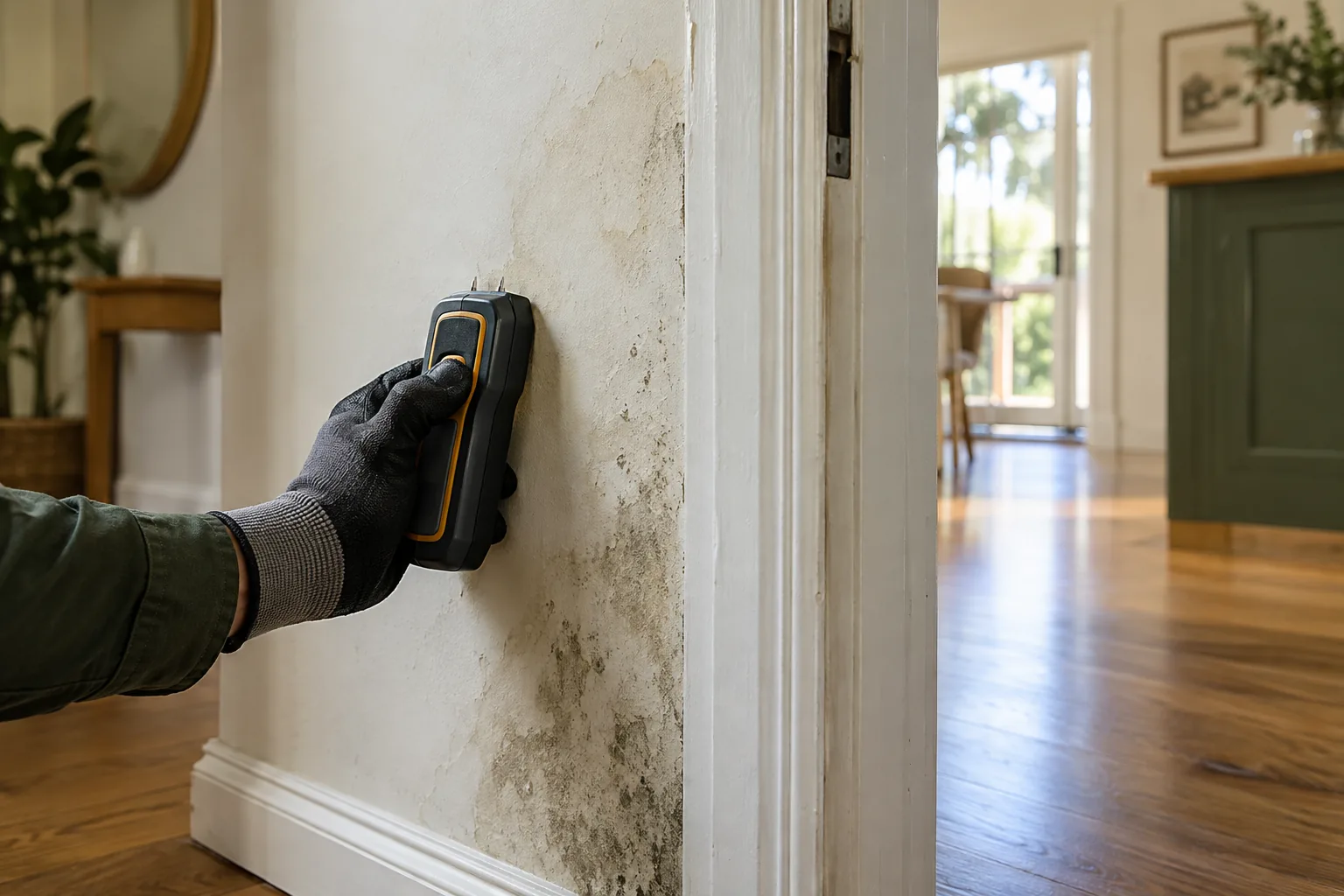
Roof, pipe or building defects require separate repair. Explain continuing water entry and available maintenance notes. Humidity readings give room context but cannot locate every hidden defect or certify dryness throughout construction.
THE SURFACE REMOVAL PROCESS
A defined room treatment sequence
01
Assess visible growth
The technician reviews extent, material and access, considering the history and relevant hygrometer information. Hidden cavities, obstruction and deteriorated material remain limitations unless additional investigation is separately arranged.
02
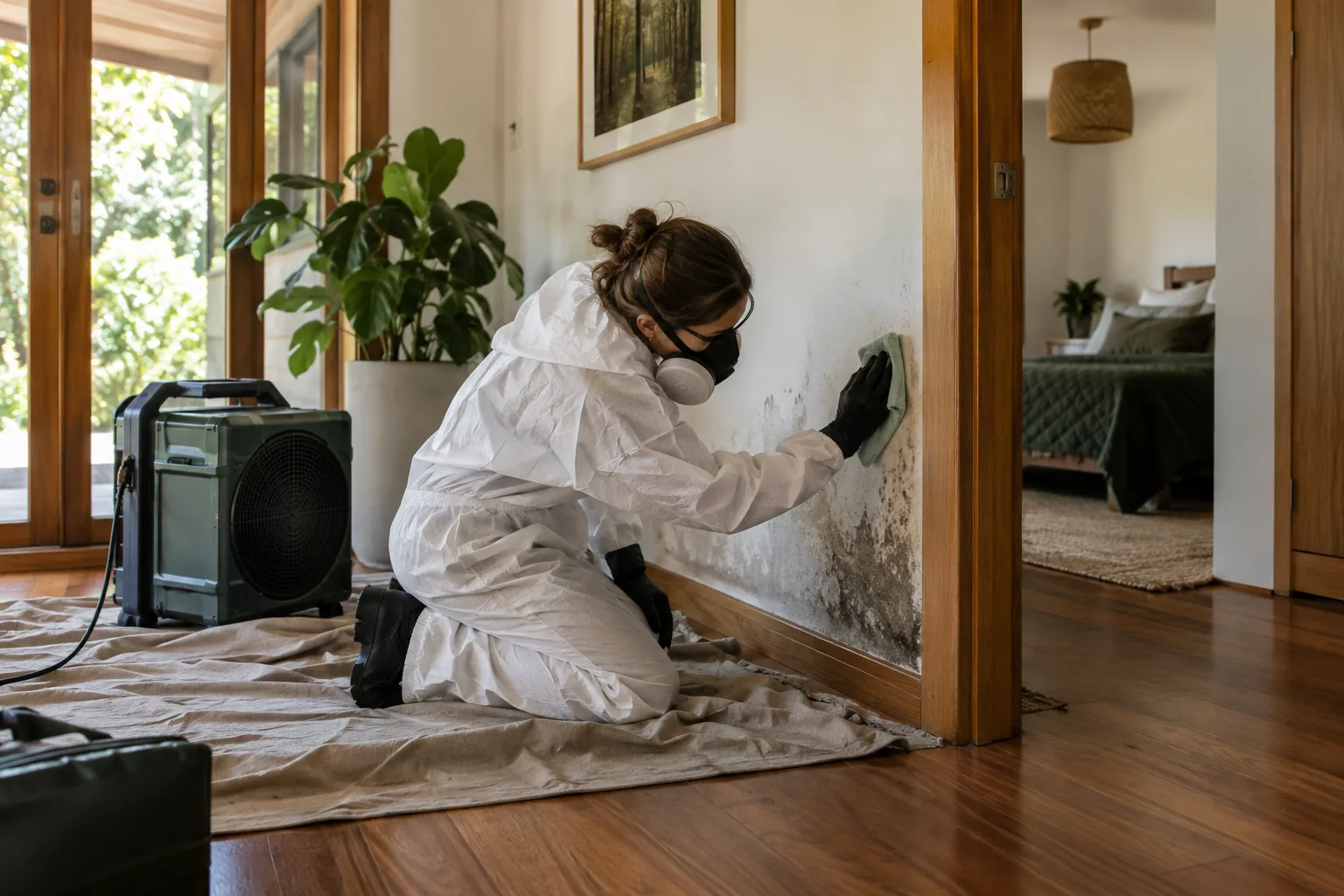
Prepare with filtration
Agree clearance and people or pet arrangements. HEPA air filtration supports the work as appropriate. Moving furniture for access does not include its treatment, and potentially affected contents should not be spread without a handling plan.
03
Choose appropriate HOCl use
The application is considered for the surface condition. Mention previous cleaning or delicate coatings. Treatment addresses growth without rebuilding damaged material or guaranteeing complete disappearance of cosmetic ceiling stains.
04
Apply ULV if suitable
Fog application may be part of the agreed method. Follow preparation and return timing. Any alarm procedure needs approval from the responsible person rather than independent disabling ahead of the visit.
05
Remove accessible residues
Suitable physical removal uses professional equipment with H-class filtration. The work remains on agreed structural surfaces. Textiles, concealed materials and reconstruction require separate handling, investigation or repair arrangements.
06
Complete filtration and review
Final filtration continues as required. Discuss remaining appearance and moisture work outstanding. The handover should separate treated growth, source repairs and decorating without implying a permanent cure for damp conditions.
VISIBLE & ACCESSIBLE
Four interior areas to describe
Roof-affected ceilings
Give wetness and repair dates.
Adjacent walls
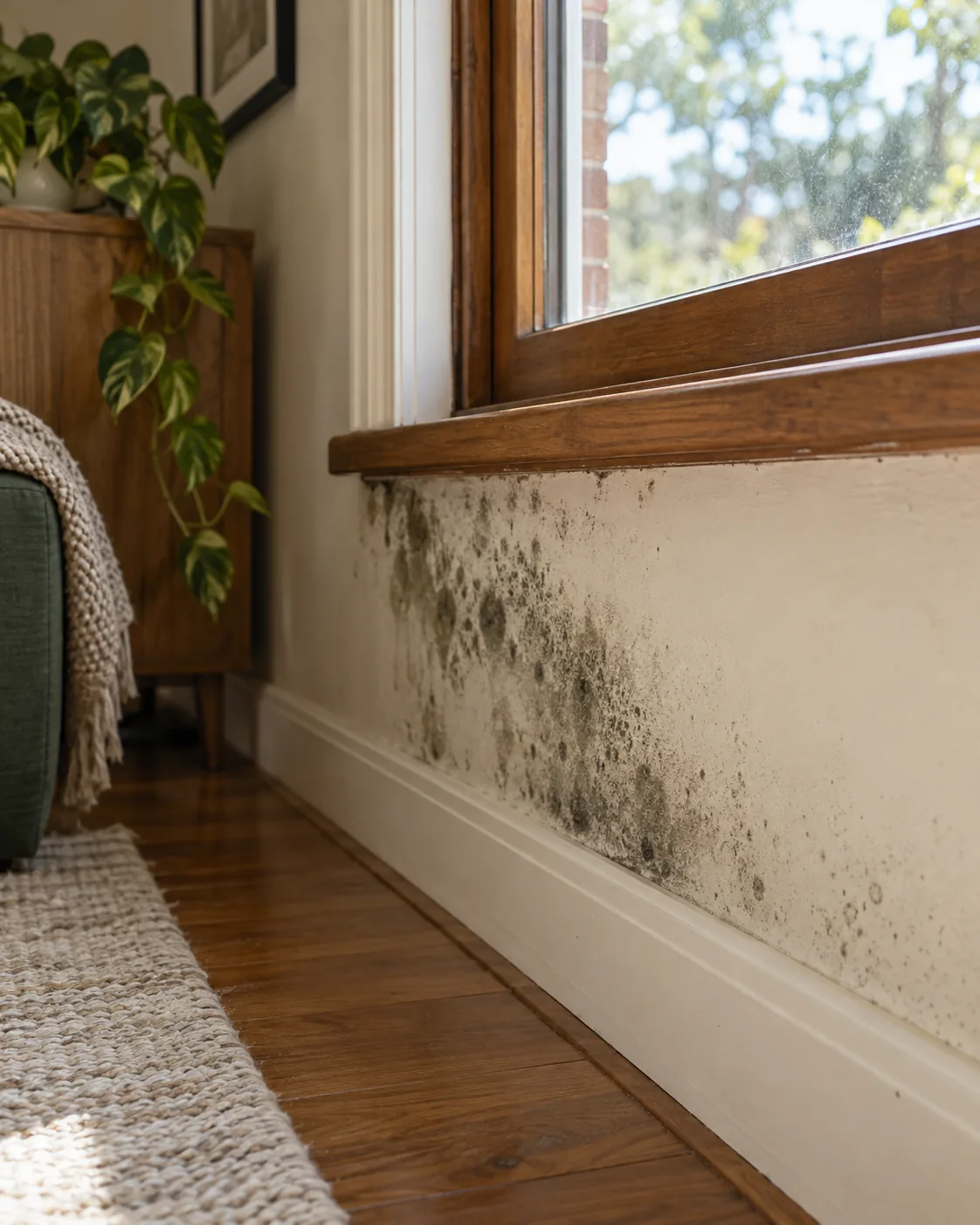
Show the finish and visible spread.
Bathroom ceilings
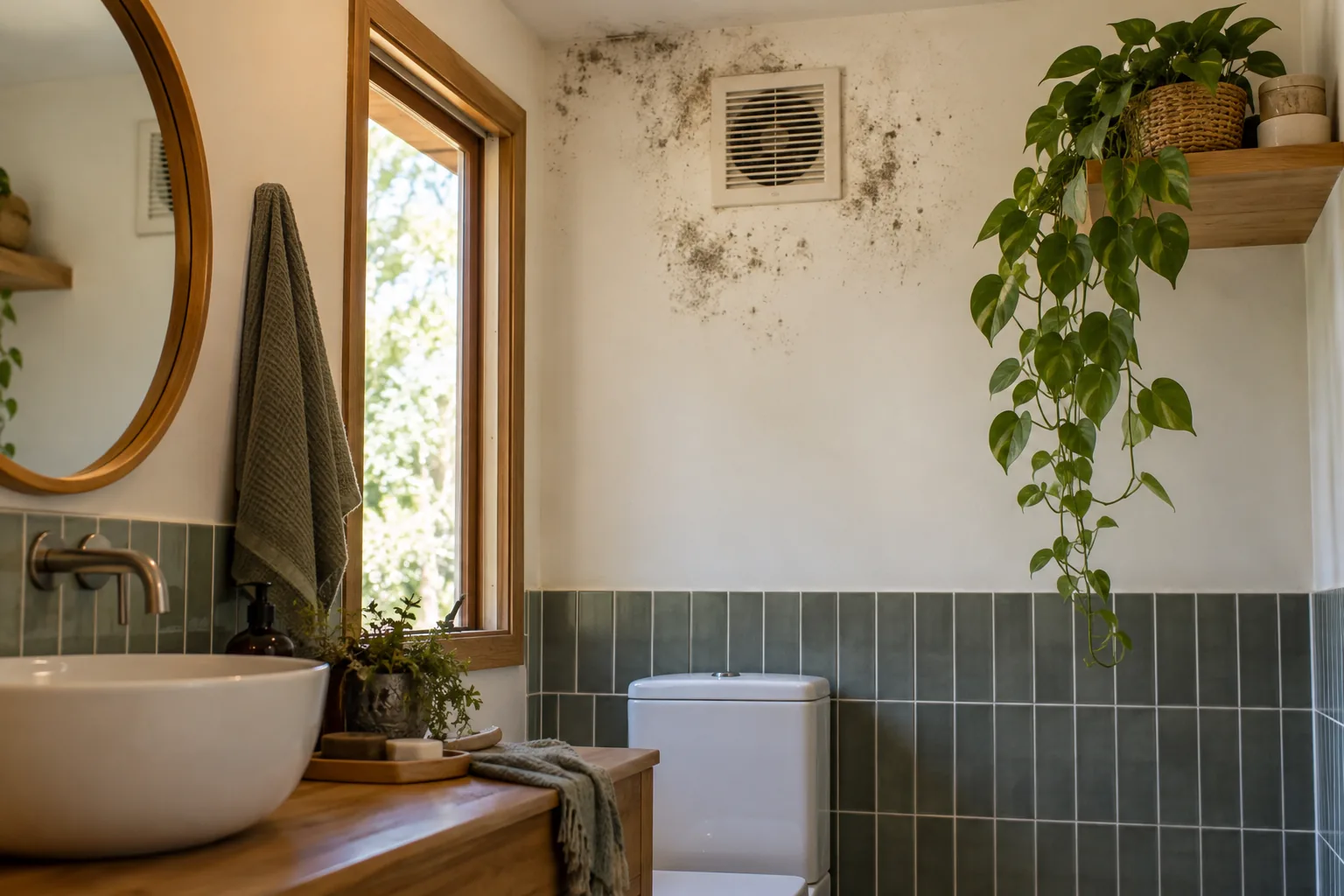
Explain extraction and drying.
Hard-floor borders
Identify the finish and water tracking. Carpet and textile coverings are excluded.
PREPARATION & LIMITS
Plan timing and appearance realistically
Average room-treatment time is around three hours per room, with size, contamination and access affecting duration. The service is not hourly-based. Confirm the room scope and preparation before arranging a fixed decorating or accommodation schedule.
Remediation may leave cosmetic marks, while decorating requires a separate quotation. Source repairs remain separate too. Continued dampness can permit recurrence even after the visible growth is addressed.
AFTER THE SURFACE WORK
Keep the roof and room records together
Retain maintenance notes and record changes after rainfall or room use. Use effective extraction where steam is produced and keep vents unobstructed. Nearby parkland does not remove the need to investigate an actual building defect.
After agreed return arrangements, monitor the treated area before covering it with storage or a fresh finish. Humidity observations and dated photographs can support advice without proving hidden dryness. Raise active wetness with the appropriate repair contact.
WATTLE PARK · NEARBY LOCATION PAGES
Nearby Burwood-area guides
The nearby location links help orient an enquiry around Wattle Park. Give the street address and postal suburb when calling; a landmark name does not establish a separate suburb, office or access permission.
BEFORE YOU ARRANGE WORK
Questions for your enquiry.
Is this a service for the park itself?
This page concerns actual nearby interior properties. It does not claim parkland treatment or an office inside Wattle Park. Give the building address and affected structural surfaces so the enquiry can be considered correctly.
Do nearby trees establish the moisture cause?
No. Outdoor features do not diagnose an individual room. Explain water entry, extraction, surface condition and maintenance history. The assessment should consider the actual evidence rather than attribute every patch to park-side surroundings.
Can a ceiling be treated after roof repairs?
Give repair dates and current wetness so readiness and limitations can be discussed. A completed repair does not automatically establish dryness throughout concealed material. Treatment and roof repair have separate purposes.
Can hidden roof material be assessed?
Concealed construction is not automatically included in accessible-surface work. Further investigation and safe access need separate agreement. A ceiling photograph or fog application does not establish the condition of insulation or cavities.
Will the ceiling look new?
Cosmetic restoration is not guaranteed. Staining or damaged coatings may remain and need separately quoted decorating after moisture concerns are considered. Removal of growth should not be confused with material reconstruction.
What if another patch appears after rain?
Record the date and location and contact the appropriate repair person. The association is useful information but does not prove the exact defect. Surface treatment cannot prevent renewed wetness beneath unresolved water entry.
Discuss the address and ceiling history
Call 03 8652 1296 with the Wattle Park-area property details and accessible concern. Agree assessment and preparation before treatment is booked.
Useful references: Parks Victoria Wattle Park in Burwood