
KALORAMA · MELBOURNE
Mould Removal Kalorama
A ceiling enquiry in Kalorama should explain height and the room’s layout as well as the visible patch. A high corner, sloping finish or restricted landing can change practical access without proving a moisture cause. We can discuss material condition, assessment and suitable surface removal, then check address-specific availability before work or preparation is arranged.
Ceiling condition considered
Access agreed beforehand
Material-appropriate removal
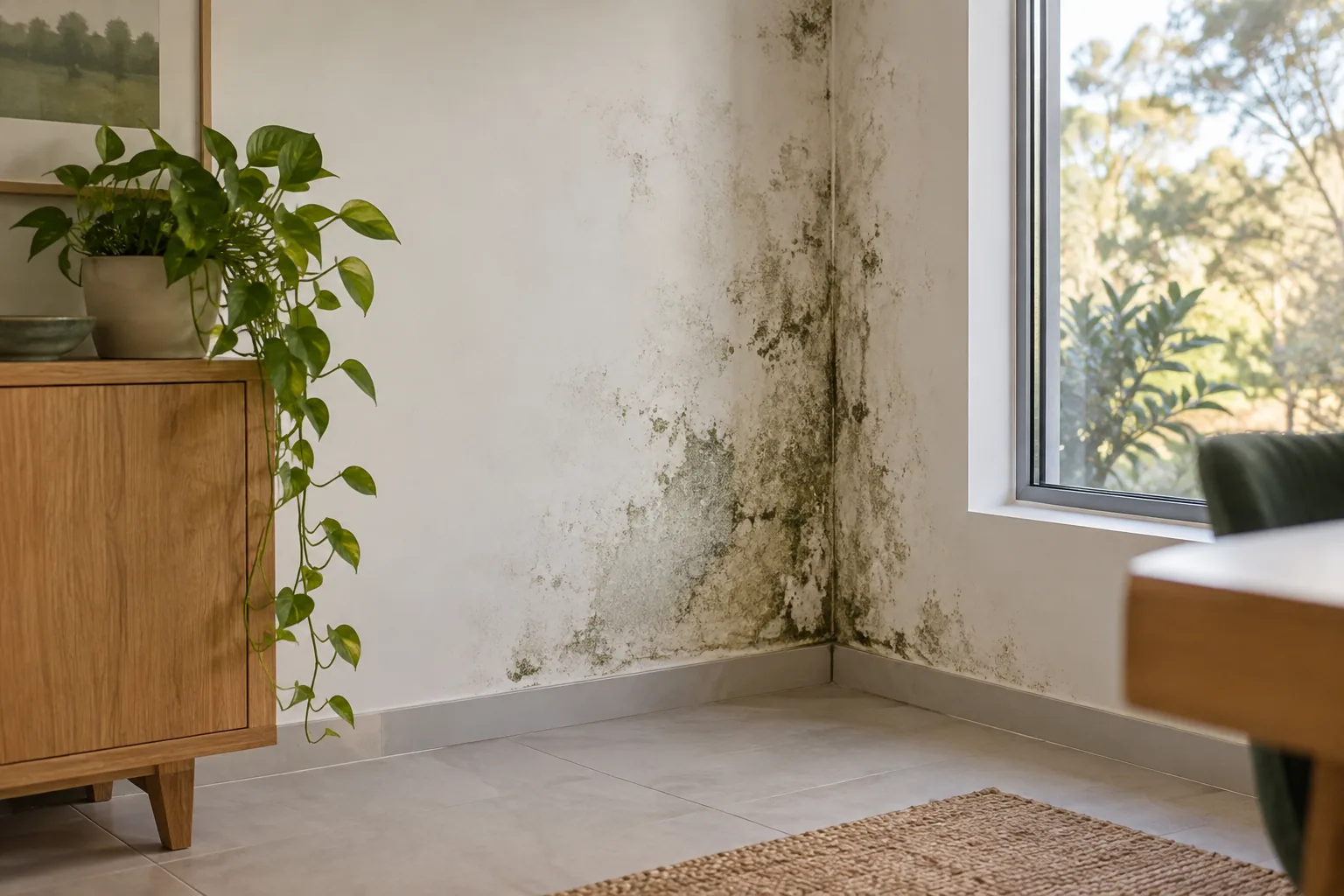
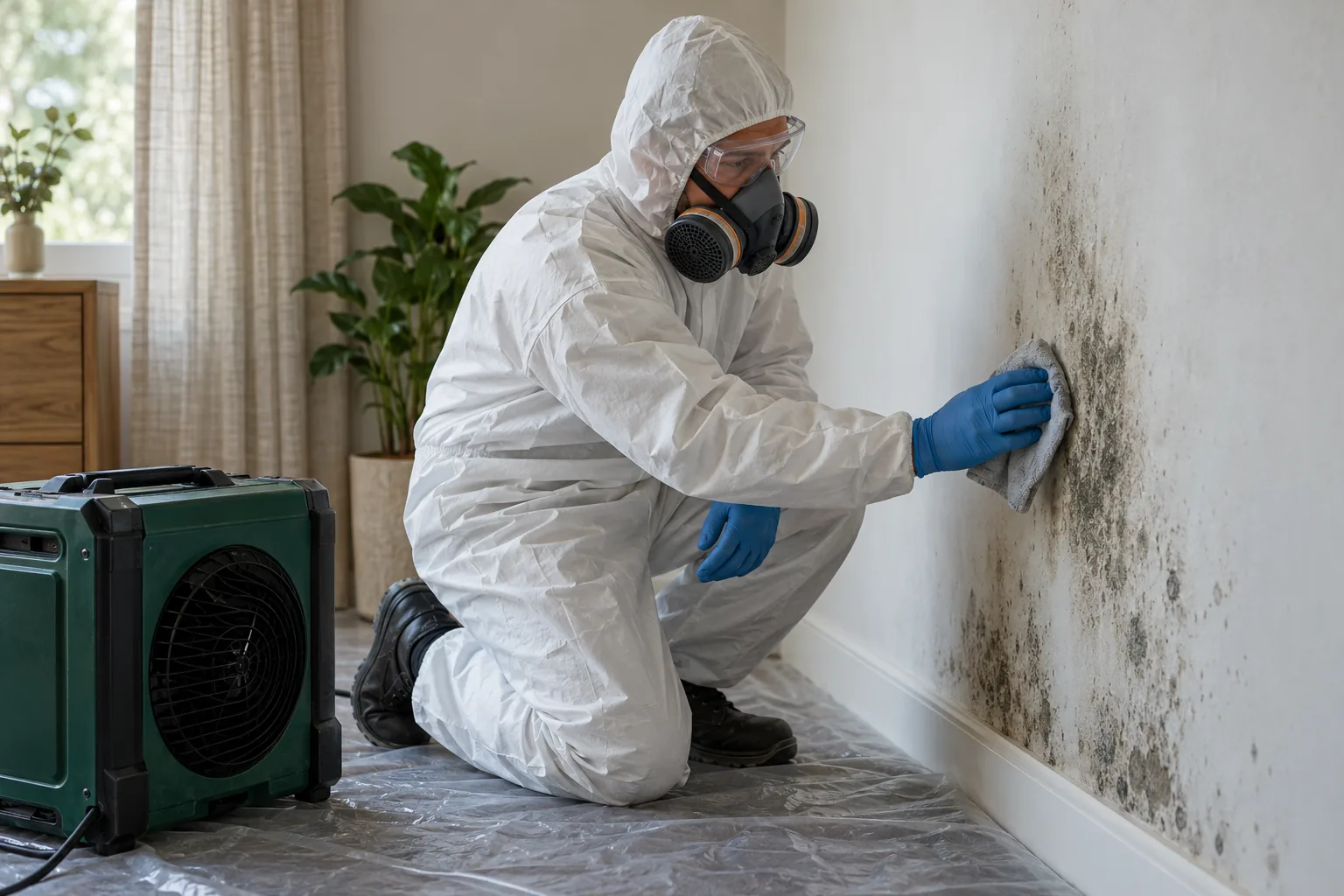
Ceilings · Corners
THE HOME, IN CONTEXT
Plan access before ceiling work
Yarra Ranges Council lists Kalorama within Chandler ward. When describing your own property, say whether the affected ceiling is in a standard-height room, stair area or another layout; do not rely on the locality to imply the building’s form.
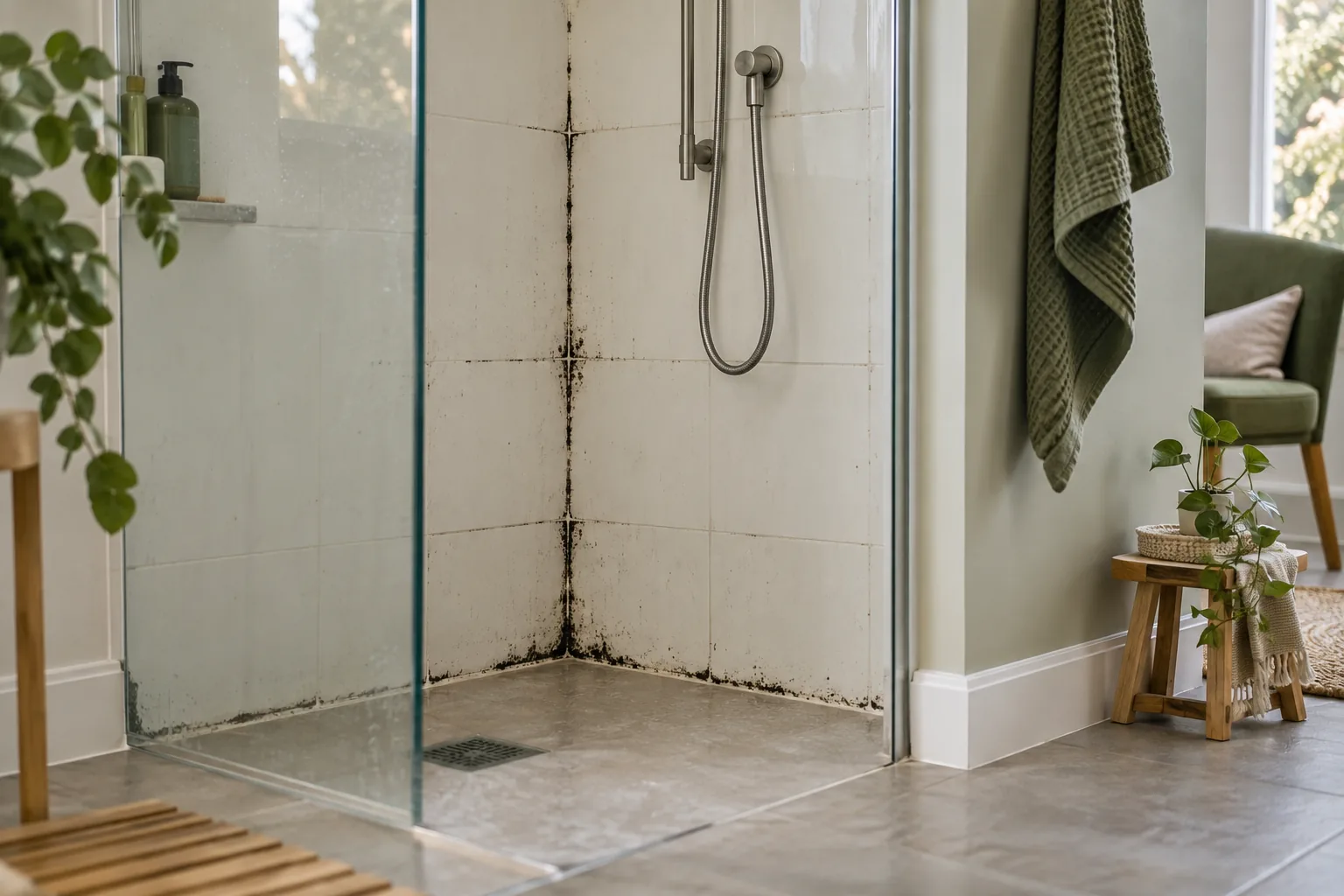
Include height in the first enquiry
Provide a wider room photograph and a reasonable description of ceiling access. Mention furniture or a fixed fixture below the mark. Avoid climbing or pressing on damaged material just to measure a patch for a preliminary discussion.
Separate ceiling surfaces
If more than one ceiling plane is marked, identify each one and any different finish. A removal plan should name the reachable areas rather than assume one method or equipment arrangement suits every height and corner.
INSPECTION & MOISTURE
What can be assessed safely?
Ceiling position can guide investigation, but it cannot establish whether the source is roof entry, room condensation or another water path.
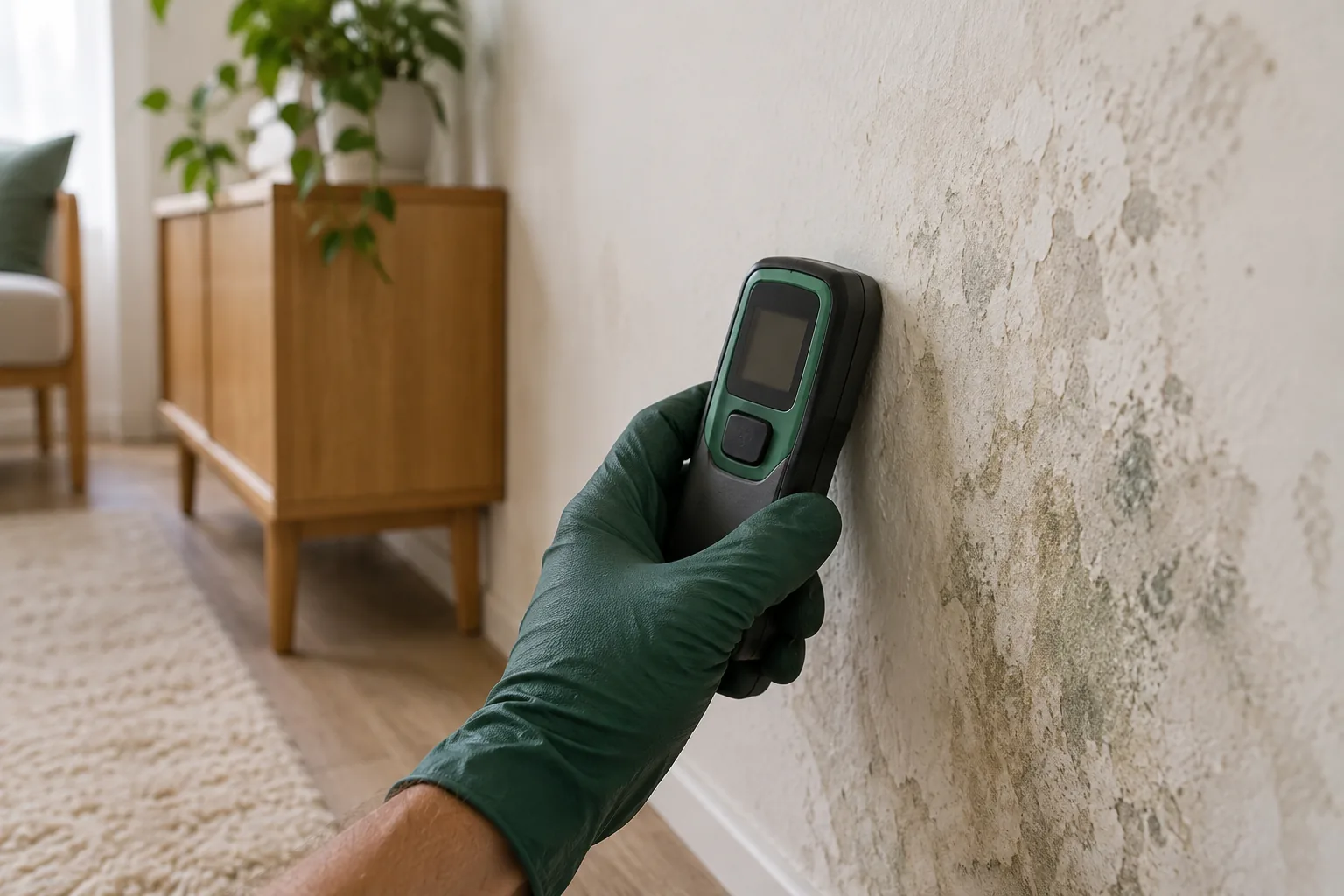
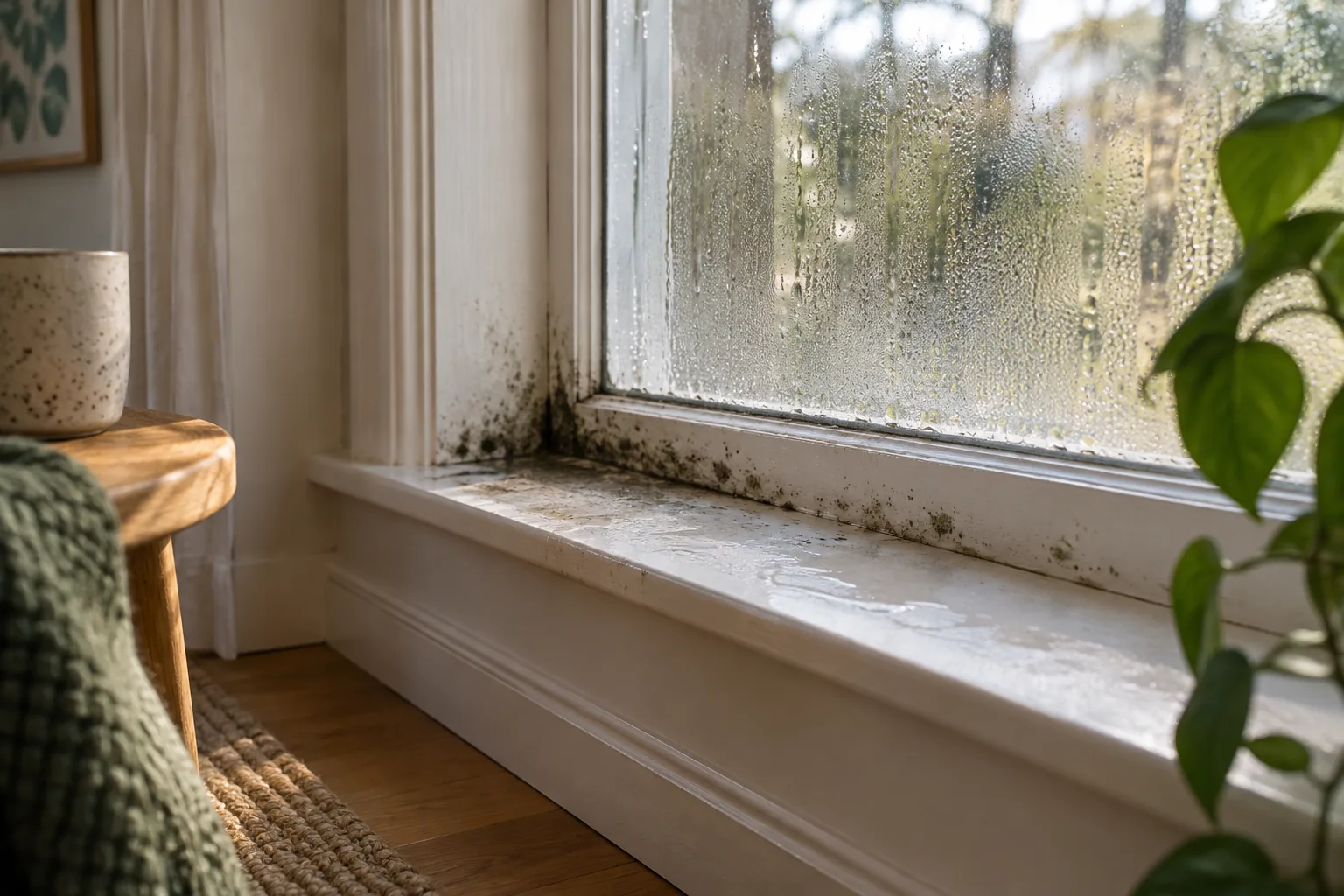
Use timing and material changes
Record whether the patch alters after rain, wet-room use or a known leak. Describe discoloration separately from sagging, flaking or weakened material. Those observations help determine whether treatment is appropriate or a building assessment should come first.
Ask an access-aware inspection question
Discuss inspection where the source or lining condition is uncertain. Explain what can be seen safely from the room and ask which findings may inform the next trade’s work without promising access to every ceiling cavity. Where a patch spans two ceiling heights, photograph the whole transition from a safe position. State which part changes over time and whether a fitting obstructs either side. This allows the investigation and reach to be planned separately instead of using the easiest-to-reach section as evidence for all adjacent material.
A CONNECTED PROCESS
A work plan for the affected surfaces
Check lining suitability
Review the visible ceiling finish and affected walls before selecting treatment. Deteriorated material may need repair rather than cleaning. Accessible hard-floor areas can be discussed if affected; textiles and soft furnishings are excluded.
Resolve the reach
Agree the practical access method around height and room restrictions. Suitable equipment, PPE and protection need planning before the appointment. A high surface should not depend on improvised ladders or furniture movement when the technician arrives.
Prepare the room below
Clarify who moves belongings and what remains fixed beneath the work. Organise HEPA filtration and protection for the agreed area. Roof entry or removal of lining is a separate investigation, not preparation automatically implied by ceiling treatment.
Remove on suitable finishes
Physical removal and appropriate treatment target accessible growth according to the material. The remediation scope should identify damage and concealed questions separately; stronger treatment cannot repair a roof defect or restore weakened plaster.
Review appearance and source tasks
Explain what staining remains and which repair or moisture-control task is outstanding. Monitor the original ceiling under relevant conditions afterwards. A cleaner finish cannot guarantee the roof or room conditions will prevent recurrence where the source remains unresolved.
WHERE MOULD APPEARS
Give each surface its own description
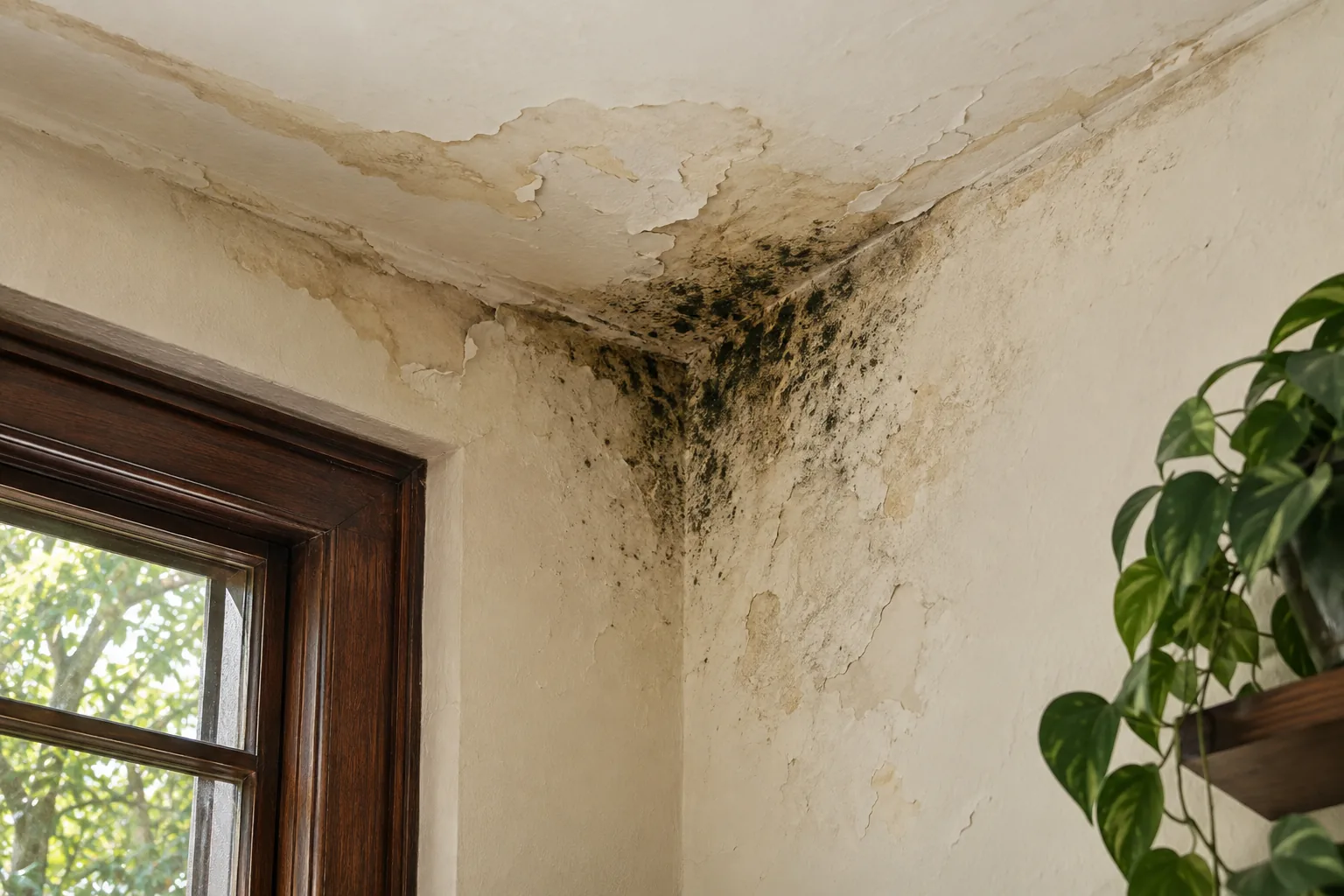
Bathroom ceiling
Describe fan performance and steam clearance without assuming that the fan’s sound proves adequate extraction.
Upper wall junction
Show whether growth continues down the wall or remains local to the ceiling edge. Mention any different wall coating.
Bedroom ceiling
Include roof history and adjoining wet areas where relevant. Room use is context, not evidence of the sole cause.
Hard floor beneath
Identify any surface reached by water separately from the ceiling. Textile rugs and carpet fall outside the stated scope.
MAKE SPACE FOR DRYING
Keep the source and the surface in view
Keep the ceiling’s original location in a dated monitoring record after repairs and treatment. Photographs from a comparable room position are easier to interpret than isolated close-ups taken at different angles.
Arrange appropriate roof, plumbing or ventilation work where identified. Do not repaint a changing patch simply because it is difficult to reach. Maintenance should respond to the cause and lining condition, while recognising that accessible cleaning cannot establish every hidden material’s recovery.
KALORAMA & NEARBY
Nearby location guides
Use these nearby pages for other properties, while describing the ceiling and access at each address on its own terms: Mount Dandenong, Montrose, Mount Evelyn.
QUESTIONS WORTH ASKING
Before the visit.
Does a high ceiling need the same preparation as a normal room?
Not necessarily. Explain height and obstructions so reach, protection and a suitable scope can be planned.
Should I climb onto furniture for a photograph?
No. Provide the view available safely from the room and describe any access limitations.
Can sagging plaster simply be treated?
Its condition needs a building assessment; cleaning does not make weakened lining sound.
Is roof-space inspection part of ceiling removal?
Do not assume so. Roof or cavity investigation requires a separate access and work decision.
Can an old ceiling stain remain after treatment?
Yes. Accessible growth removal and correction of discoloration or material damage are different tasks.
What is needed for a Kalorama booking enquiry?
The address, room layout, ceiling access and known repair history help confirm an appropriate appointment.
START WITH YOUR ROOM
Talk through the room in Kalorama
Call 03 8652 1296 with the full address and a wider view of the affected ceiling. We can discuss safe practical access, what needs assessment and whether a suitable appointment is available.
Useful references: Yarra Ranges — council locality information